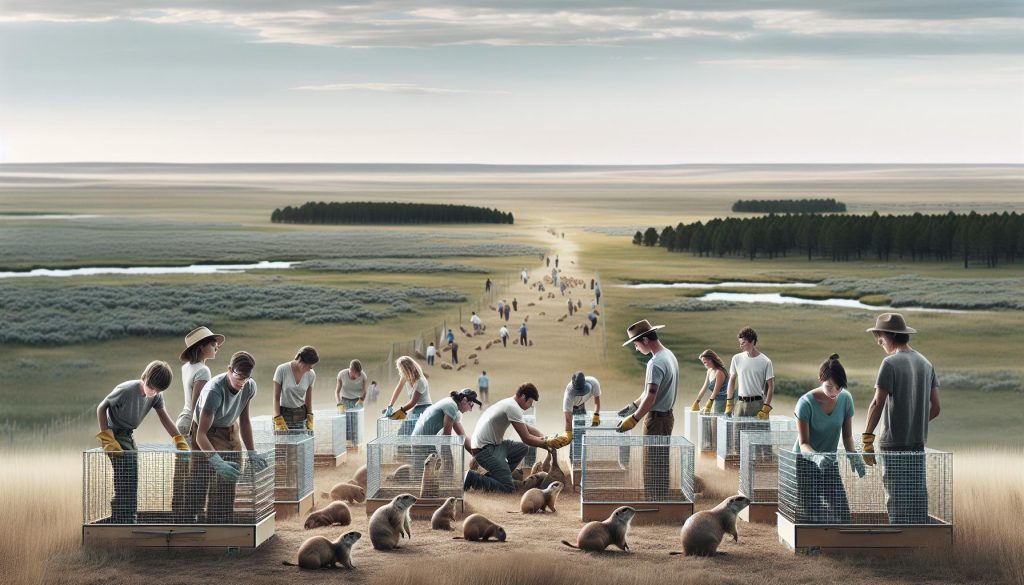
Did you know that prairie dogs are not just cute little critters, but also vital players in their ecosystems? These social animals dig extensive burrow systems that provide homes for other wildlife and help aerate the soil. However, when they invade your garden or property, it can lead to frustration. Effectively managing prairie dog populations is essential for maintaining a healthy balance between protecting your landscape and respecting these fascinating creatures. In this guide, we’ll explore humane removal solutions that address your concerns while ensuring these delightful animals can thrive in their natural environment. Let’s discover responsible ways to coexist with our prairie dog friends!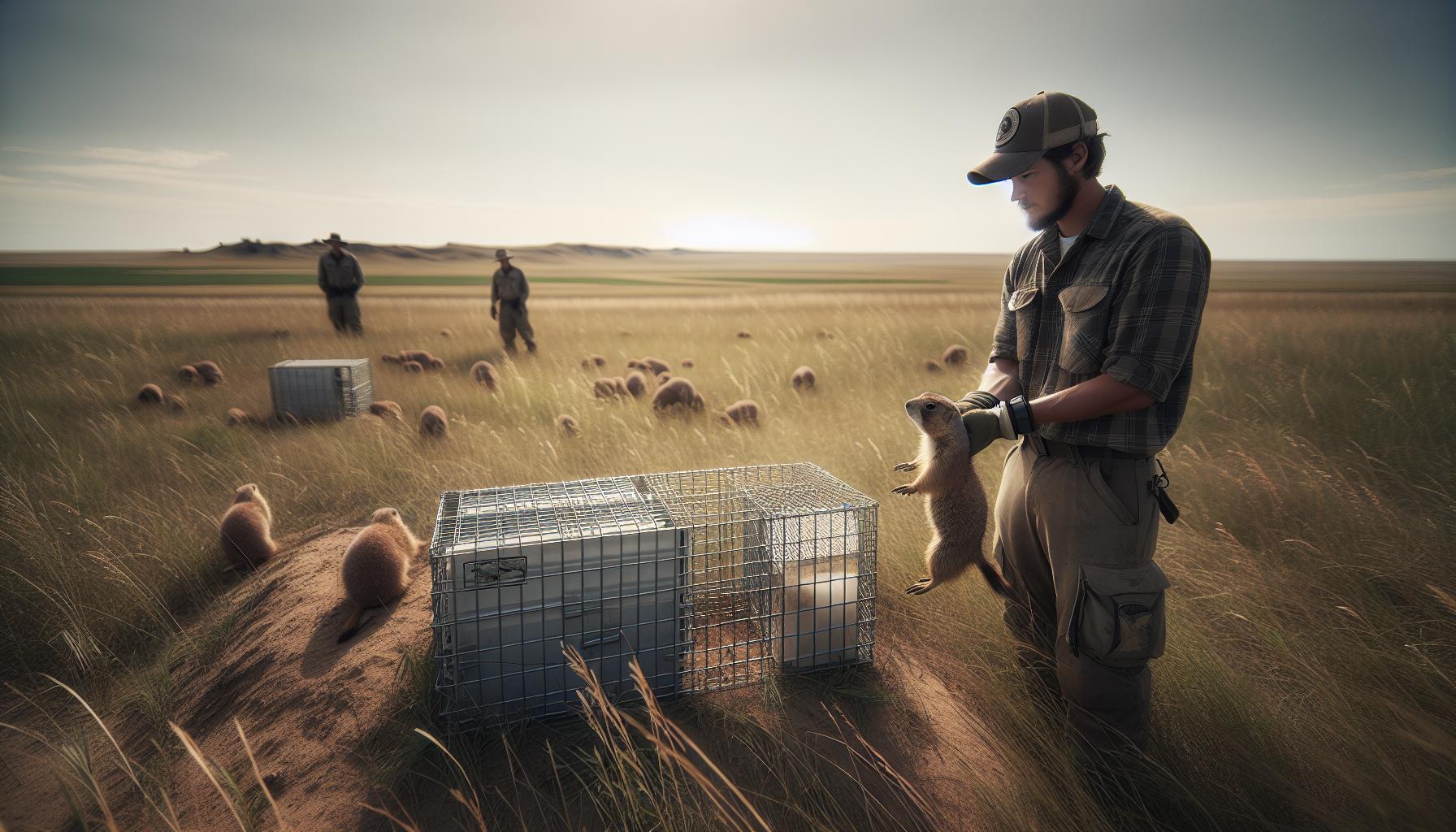
Understanding Prairie Dog Behavior and Habitat
Prairie dogs are fascinating creatures that not only demonstrate complex social behaviors but also significantly shape their environment. Living in large colonies called “towns,” these rodents engage in a variety of activities that showcase their intelligence and adaptability. From intricate communication methods, including chirps and barks, to grooming behaviors that strengthen social bonds, prairie dogs are as social as they are intriguing. Their colonies can range in size, sometimes stretching for hundreds of acres and comprising hundreds or even thousands of individuals.
The habitat of prairie dogs is primarily found across the Great Plains of North America, where they prefer shortgrass and mixed grass prairies. They are expert diggers, creating extensive burrow systems that provide shelter from predators and harsh weather. These burrows have multiple chambers and entrances, which are vital for their survival. The structure of their towns can actually impact the surrounding ecosystem by promoting soil aeration and nutrient cycling, making them essential players in their habitats. By feeding on grasses and other plants, they help maintain the balance of the prairie ecosystem.
Understanding the behavior and habitat of prairie dogs not only enriches our appreciation of these unique animals but also helps inform humane management practices. Recognizing their importance in the ecosystem highlights the need for thoughtful coexistence. Farmers and property owners benefit from understanding prairie dog behaviors, as this knowledge can aid in developing strategies that minimize conflicts while respecting the ecological roles these creatures play. Ultimately, recognizing their habits and habitats is essential for anyone looking to address prairie dog populations humanely and effectively.
Humane Methods for Prairie Dog Removal
Prairie dogs are more than just charming inhabitants of the Great Plains; they play a vital role in their ecosystems. However, when their populations encroach upon human properties, it can lead to conflicts. For those seeking to resolve these issues without resorting to harm, humane removal methods provide a responsible approach that respects both the animals and the environment.
One effective humane method is using live traps to capture prairie dogs. These traps are designed to allow for safe capture without injury. Once trapped, it’s essential to relocate the animals to a suitable habitat, ideally at least several miles away from their original colony to prevent them from returning. Always check local regulations regarding relocation, as it may not be legal in some areas to move wildlife without permits.
Another strategy focuses on modifying the environment to discourage prairie dogs from taking up residence. Implementing fencing around gardens or sensitive areas can help deter them. Additionally, landscaping modifications-such as using native plants that are less appealing as forage-can minimize their attraction to your property. By making the environment less inviting, prairie dogs may seek out alternative habitats, reducing conflicts naturally.
Education also plays a critical role in humane management. Understanding prairie dogs’ social structures and behaviors can guide property owners in creating coexistence strategies. For instance, recognizing peak activity times can inform decisions about when to use deterrents or when to allow some leeway for prairie dogs to thrive. Ultimately, embracing a mindset of coexistence not only benefits prairie dogs but also enriches the local ecosystem and enhances the property owner’s relationship with wildlife.
By employing humane methods and fostering an attitude of respect towards prairie dogs, individuals can effectively navigate the challenges posed by these fascinating animals while contributing positively to their preservation.
DIY Techniques for Safe Prairie Dog Relocation
Capturing and relocating prairie dogs can be a rewarding endeavor, especially when done with their well-being in mind. These furry critters not only contribute to their ecosystems but can also become unwelcome guests in gardens or properties. To tackle this situation humanely, employing safe techniques for relocation is essential. Here are some effective DIY methods that can help you move prairie dogs without causing them harm.
One of the primary tools for safe relocation is a live trap. These specially designed cages allow for the humane capture of prairie dogs, ensuring they remain unharmed. Here’s how to use them effectively:
- Choose the Right Trap: Select a trap that is spacious enough for an adult prairie dog and has sturdy construction to prevent escapes or injuries. Size matters-opt for models recommended for medium-sized animals.
- Set the Trap: Place the trap near active prairie dog burrows. Position it on a flat surface to ensure it’s stable and check it frequently. Bait the trap with enticing food options like fruits or fresh vegetables, which can attract prairie dogs without physically harming them.
- Monitor Regularly: Check the trap at least once or twice a day to minimize the stress on captured animals. The longer they’re confined, the more anxious they can become.
- Relocation: Once captured, it’s vital to relocate them responsibly. Find a suitable area at least 5-10 miles away from the capture site, ideally a similar habitat where they can thrive. Make sure you have permission to release them on private lands or consult local wildlife authorities for recommended relocation sites.
Consider the timing of your relocation efforts. Late spring or early summer is usually best because this is when prairie dogs are less active, and the young have not yet expanded their burrow systems significantly. This ensures a higher success rate for relocation as they are more likely to settle into new areas.
Incorporating some environmental modifications can also aid in your efforts. After capturing prairie dogs, take steps to make your yard less appealing. For example, planting native plants that prairie dogs find less tasty may encourage them to seek out alternative areas. Fencing off garden spaces can provide a physical barrier to keep them away from specific areas, making cohabitation more manageable.
By taking these steps, not only can you effectively and humanely relocate prairie dogs, but you’ll also be contributing to the preservation of these charming creatures. A well-planned effort shows respect for wildlife and fosters a better understanding of our shared ecosystems. Here’s to working hand-in-hand with nature!
Professional Prairie Dog Control Services
When dealing with prairie dog populations, professional control services can be a vital resource for homeowners seeking humane and effective solutions. These experts understand prairie dog behavior and ecology, enabling them to develop strategies that not only address immediate concerns but also promote long-term coexistence with these fascinating creatures. Engaging a professional team means you have access to specialized knowledge and tools that ensure a safe and respectful handling of the wildlife situation.
One key advantage of is their ability to assess your property comprehensively. They can identify not just the number of prairie dogs present but also the extent of their burrowing activity and how it may be impacting your landscape and garden. By creating a tailored management plan, these experts can implement humane removal techniques that minimize stress on the animals and potential harm to the surrounding environment. Their approach often includes options like relocating prairie dogs to suitable habitats where they can thrive without causing disruption.
Furthermore, professionals are skilled in employing preventive measures that limit future infestations. This could involve installing barriers or making specific modifications to your landscaping to deter prairie dogs from returning. They can also offer valuable advice on plant selections that are less attractive to prairie dogs, thus making your property less inviting to them. By working with professionals, homeowners not only alleviate their immediate issues but also contribute to broader conservation efforts, helping maintain healthy ecosystems in the area.
Choosing a professional control service is not just about getting rid of prairie dogs-it’s about fostering understanding and respect for these animals. Many services emphasize education, ensuring that clients learn more about prairie dogs and the important role they play in their ecosystems. This holistic approach allows for a responsible management strategy that balances human needs with wildlife conservation, creating a peaceful coexistence between humans and prairie dogs.
Legal Considerations for Prairie Dog Management
Understanding the legal landscape surrounding prairie dog management is crucial for homeowners contemplating removal strategies. Prairie dogs, like many wildlife species, are protected under various state laws and local ordinances, which often dictate how they can be managed. Before taking action, it’s essential to familiarize yourself with these regulations to ensure your methods are not only humane but also legally compliant.
Laws regarding prairie dogs range from species protection to land use regulations. In some areas, prairie dogs may be classified as a threatened or endangered species, which would restrict any form of removal or relocation without appropriate permits. Even in regions where they are not protected, local municipalities might have guidelines on how to handle wildlife conflicts, aimed at preserving ecological balance and promoting humane treatment.
If you’re facing challenges with prairie dog populations, consider the following legal aspects before proceeding:
- Research Local Wildlife Regulations: Check your local wildlife agency’s website or contact them directly to understand specific laws related to prairie dog management in your area.
- Permitting Requirements: If relocation is the desired outcome, you may need a permit. Document the number of prairie dogs and their location to facilitate this process.
- Legal Liability: Be aware that attempting to manage wildlife without understanding the laws can lead to fines or legal repercussions, particularly if injuries occur to the animals or other property owners.
It’s worth noting that effective management strategies often involve collaboration with local wildlife services or professional control providers who are trained in legal compliance. They not only bring expertise in humane handling but can also navigate the bureaucratic maze of wildlife laws on your behalf. This partnership ensures that any measures taken are aligned with conservation efforts and support the health of your local ecosystem-factors that are becoming increasingly important in an age of environmental awareness.
Navigating prairie dog management can be complex, but respecting legal boundaries is the first step in fostering a healthy relationship between your property and the wildlife that inhabits it. By staying informed and proactive, you can contribute to a more balanced coexistence with these industrious little creatures.
Preventing Prairie Dog Infestations on Your Property
To keep your property free from prairie dog infestations, it’s essential to understand their behavior and what attracts them to certain areas. Prairie dogs create extensive burrow systems that can cause significant damage to landscaping and agriculture. Interestingly, these social animals tend to return to locations where they feel safe and have easy access to food. By modifying your environment and employing strategic practices, you can make your property less inviting to these charming yet troublesome creatures.
One effective prevention method involves managing the vegetation around your property. Prairie dogs are herbivores and prefer areas with short grass that is easy to eat. Keeping your lawn mowed to a height of about three inches can deter prairie dogs from settling in. Additionally, consider planting native shrubs and flowers that they find less palatable. By providing less attractive food sources, you can dissuade these critters from taking up residence nearby.
Another important aspect of prevention is to eliminate potential shelter spots. Prairie dogs are drawn to loose, sandy soil for burrowing. If you have areas in your yard that provide loose dirt or are currently underused landscaping, consider compacting these soils or replacing sandy soil with denser materials. Regularly monitoring your property for signs of burrowing can also help catch any potential infestations early.
Integrating wildlife-friendly fencing can serve as an additional barrier. Fencing that is buried or extends a foot below the surface can deter prairie dogs from tunneling into your garden or yard. Ensure that your fence is at least three feet high to prevent these nimble creatures from hopping over. Combine physical barriers with habitat modification for the most effective results.
Addressing prairie dog infestations before they start is not only about maintaining your landscaping; it’s also about fostering a respectful relationship with local wildlife. Implementing these strategies will help you keep your property free from prairie dogs while promoting a healthy coexistence with the natural environment. Remember, the goal isn’t to eradicate these fascinating animals but to manage their presence in a way that is sustainable and considerate for all involved.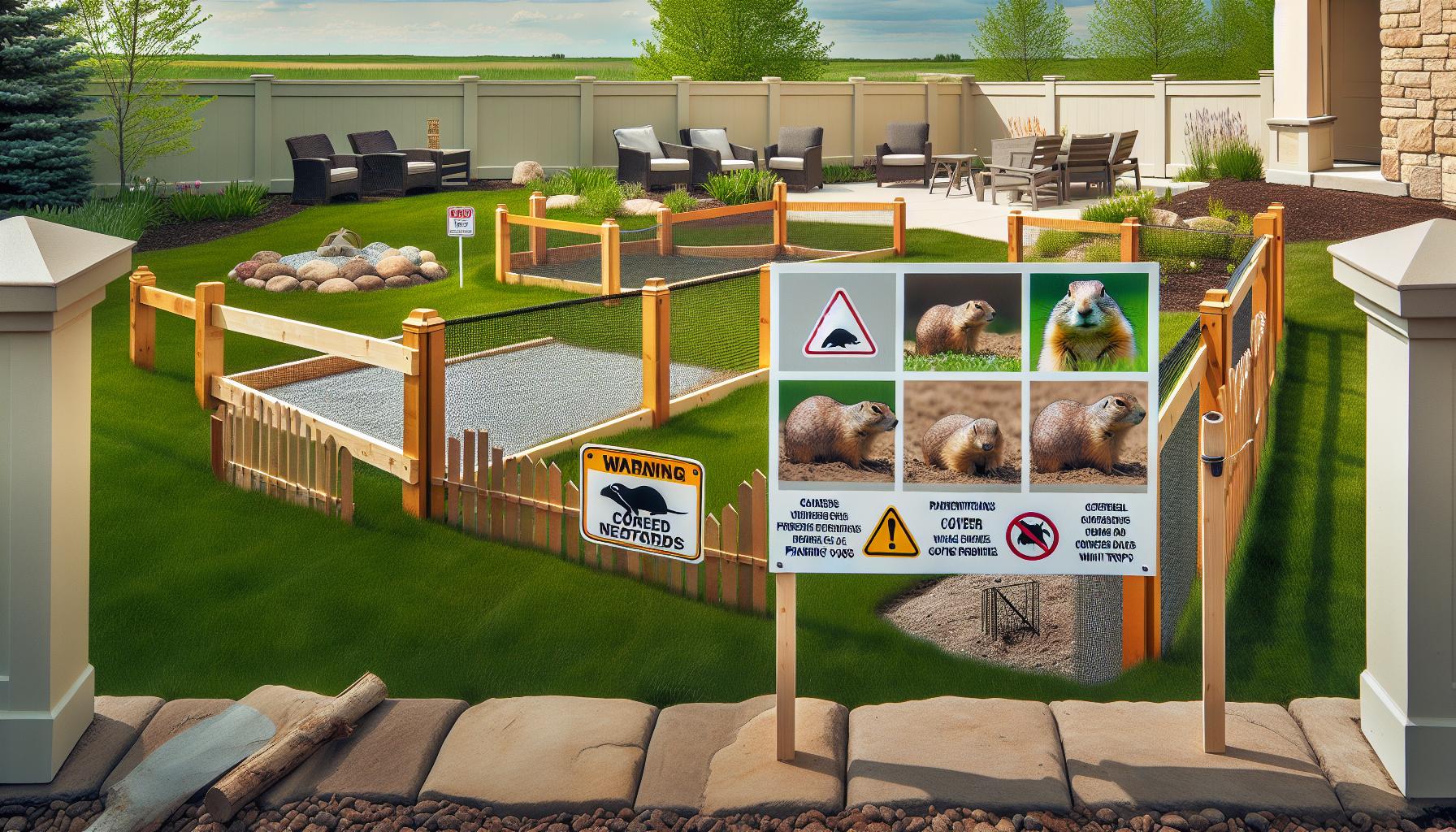
The Role of Prairie Dogs in the Ecosystem
Prairie dogs are often seen as mere nuisances, but these social creatures play a vital role in their ecosystems. Living in colonies, their extensive burrow systems create a unique habitat that supports a variety of wildlife. These burrows not only provide shelter for prairie dogs but also serve as homes to other animals such as burrowing owls, black-footed ferrets, and various insects. This interconnectedness highlights their importance: by maintaining healthy populations, prairie dogs inadvertently support a broader biodiverse community.
Additionally, prairie dogs help shape the grassland ecosystem. Their burrowing activity aerates the soil, allowing water and nutrients to penetrate deeper, which can enhance soil health. Their foraging habits also promote the growth of certain plant species by preventing overgrowth, thereby helping maintain the balance of the local vegetation. In regions where prairie dogs are prevalent, their grazing behavior can influence the structure of grassland communities, creating a mosaic of different habitats that benefit a variety of species.
Understanding their role is crucial for developing humane removal solutions. When contemplating ways to manage prairie dog populations, consider methods that acknowledge their ecological significance. For instance, instead of outright removal, strategies that encourage coexistence or targeted relocation while preserving their habitats can lead to healthier local ecosystems. By recognizing and valuing the contribution of prairie dogs to the environment, we can foster a more harmonious relationship between these fascinating creatures and human interests.
Creating harmonious coexistence starts with education and respect for wildlife. Dispelling myths about prairie dogs and focusing on their ecological contributions can lead to more informed decisions about management practices. Whether you’re a property owner dealing with an influx of prairie dogs or a wildlife enthusiast, understanding their integral role in the ecosystem empowers us all to make choices that support biodiversity and promote sustainability.
Alternatives to Prairie Dog Removal: Coexistence Strategies
Prairie dogs are often misunderstood, but these charismatic creatures play an important role in their ecosystems, and there are numerous strategies that property owners and communities can adopt to coexist harmoniously with them. Instead of viewing prairie dogs as pests to be eliminated, consider them integral members of the grassland community. Their burrowing behavior not only aerates the soil but creates homes for other wildlife. Emphasizing coexistence can foster a healthier environment for both prairie dogs and their human neighbors.
One effective strategy is to create designated prairie dog habitats on your property. This can involve setting aside a section of land that is managed specifically for prairie dogs and other local wildlife. By planting native grasses and providing adequate water sources, you can support their needs while also enhancing biodiversity. Consider using barriers, such as fencing, to protect your gardens and landscaping without resorting to lethal measures. This method allows prairie dogs to thrive while keeping them away from areas where they might be problematic.
Education also plays a crucial role in promoting coexistence. Many myths about prairie dogs contribute to a negative perception of them. For example, some people believe that prairie dogs spread diseases to livestock, when in reality, the risk is minimal when proper precautions are taken. Providing accurate information to neighbors and community members can help foster a more positive image of these animals. Organizing community events that focus on understanding prairie dogs’ behavior and ecology can build empathy and encourage more people to explore non-lethal management options.
Incorporating these humane strategies into your property management plan not only benefits the prairie dogs and other wildlife but can also enhance your enjoyment of the natural world. Observing prairie dogs interacting with their environment can offer a rewarding glimpse into the intricacies of wildlife behavior. Thus, by championing coexistence over removal, we not only honor the ecological contributions of prairie dogs but also enrich our own experiences of nature.
Common Myths About Prairie Dogs Debunked
Many people view prairie dogs as nuisances due to their burrowing habits and large colonies, but several myths distort our understanding of these fascinating creatures. For instance, one common misconception is that prairie dogs are aggressive towards livestock or pets. In reality, they tend to be skittish and will mostly retreat into their burrows when threatened. These social animals rarely pose a direct threat to larger animals unless they feel cornered. By understanding their true behavior, we can approach prairie dog management with empathy and respect.
Another myth suggests that prairie dogs are notorious carriers of disease. While, like many wild critters, they can harbor certain diseases, the actual risk to humans and livestock is relatively low. Health risks can be mitigated through basic hygiene practices. For example, when working near prairie dog colonies, simply washing hands after contact and avoiding close quarters with wild animals can significantly reduce any potential health concerns. This knowledge can help alleviate fears and reduce irrational reactions to their presence.
Some folks believe that prairie dogs destroy the ecosystems around them. In truth, their burrowing activities play a crucial ecological role. Prairie dogs aerate the soil, which allows water and nutrients to penetrate deeper, benefiting surrounding vegetation. This creates a healthier habitat not just for themselves but also for many other species. The presence of prairie dogs can actually enhance biodiversity, making them unwitting ecosystem engineers rather than adversaries.
Lastly, there is a pervasive belief that removing prairie dogs is the only solution to managing their populations. This idea overlooks humane alternatives that exist-like habitat modification, fencing, or even education initiatives that teach communities about coexistence. Creating natural barriers or designated habitats can effectively manage prairie dog populations while supporting conservation efforts. By debunking these myths, we can foster a narrative that appreciates prairie dogs for their ecological contributions and encourages humane solutions for living alongside them.
Post-Removal Care: How to Maintain a Stable Environment
After the careful relocation of prairie dogs, it’s crucial to create a stable environment that minimizes the chance of their return or the arrival of new colonies. The first step in maintaining a balanced ecosystem on your property involves habitat restoration. This means taking a closer look at your land’s vegetation. Prairie dogs thrive in open spaces, so planting dense vegetation can deter them from returning. Consider planting a mix of grasses and native plants that provide cover for wildlife but are less appealing to prairie dogs.
Another key factor is soil management. Since prairie dogs are expert burrowers, any disturbance in the soil can attract them back. Fill in any unused burrows with compacted soil and consider using natural materials, such as rocks or wood, to discourage re-digging. This not only stabilizes your soil but also helps prevent erosion, which can create a more inviting place for prairie dogs.
Monitoring and Maintenance
Keep an eye on your property by conducting regular checks for signs of new prairie dog activity. Look for fresh diggings or droppings, which can signal returning animals. If you notice signs of activity, take action promptly to reinforce your barriers or adjust your vegetation strategy. Engaging local wildlife experts for advice can help ensure you’re doing everything possible to maintain a prairie dog-free zone while respecting the local ecosystem.
Educating Your Community
Sharing your experiences with neighbors can also help in creating a collective barrier against prairie dog infestations. Consider organizing community workshops to educate others about humane wildlife management techniques. The more people in your area who understand how to discourage prairie dogs, the more stable the overall environment becomes.
By taking these proactive steps, not only do you protect your land, but you also foster a respectful coexistence with the wildlife around you. Understanding prairie dogs and enhancing your property’s habitats can lead to a harmonious balance that benefits both people and local ecosystems.
Q&A
Q: How can I safely remove prairie dogs from my yard?
A: To safely remove prairie dogs, use humane traps or relocate them directly to suitable habitats. Ensure you follow local regulations regarding wildlife relocation. Always monitor traps regularly and handle animals with care to minimize stress.
Q: What are the best humane methods for prairie dog removal?
A: The best humane methods include habitat modification, exclusion techniques to block access, and professional pest control services that specialize in humane wildlife management. These methods prioritize the well-being of the prairie dogs while effectively managing invasions.
Q: Are there any natural repellents to discourage prairie dogs?
A: Yes, natural repellents include strong scents like cayenne pepper, garlic, or vinegar. Sprinkling these substances around burrow entrances can deter prairie dogs. However, combine these with habitat modification for best results.
Q: What should I do if I find a prairie dog in my garden?
A: If you find a prairie dog in your garden, calmly observe it from a distance. If removal is necessary, use humane traps or contact a wildlife control service. Avoid direct handling as they may bite if scared.
Q: How do prairie dogs impact local ecosystems?
A: Prairie dogs play a crucial role in local ecosystems by aerating soil, facilitating water absorption, and providing food for predators. Understanding their ecological importance is key to managing their populations responsibly.
Q: Can I coexist with prairie dogs on my property?
A: Yes, you can coexist with prairie dogs by creating designated areas for them and preventing damage to your garden through fencing or planting non-palatable vegetation. Educate yourself about their behavior for better coexistence strategies.
Q: What are the legal considerations for prairie dog removal?
A: Legal considerations for prairie dog removal vary by region. Some areas protect prairie dogs due to their ecological role, so check local laws before attempting removal. Always use humane methods in compliance with wildlife regulations.
Q: How can I prevent prairie dogs from returning to my yard?
A: Prevent prairie dogs from returning by blocking entry points with fences, removing food sources like pet food or birdseed, and keeping vegetation trimmed. Regular monitoring and maintenance of your property can help deter them effectively.
To Wrap It Up
If you’re ready to address your prairie dog concerns with humane solutions, now’s the time to take action! Remember, understanding their behavior and habitat is key to successful removal. Explore our detailed guides about prairie dog habits and the best practices for humane relocation.
Don’t stop here-check out our resources on wildlife management tips and how you can support local ecosystems! If you have questions or want personalized advice, feel free to reach out or leave a comment below. Your insights could help others facing the same situation. Let’s work together to create a harmonious environment for both you and the wildlife around you. Join our newsletter for more expert tips and share this article with fellow wildlife enthusiasts!
Get our latest guides, news, and insights highlighted in your Google Search & AI Overviews.