Skip to content
  • Home
  • Flying Squirrel
  • How-To Guides
    • Building Cages
    • DIY Projects
    • Drawing and Crafts
    • Pest Control
  • Monkey
  • Natural Habitats
  • Pet Care
    • Breeding and Babies
    • Daily Care Routines
    • Feeding and Nutrition
    • Health and Safety
    • Training and Behavior
  • Pet Ownership
    • Adoption Process
    • Cost and Pricing
    • Legal Requirements
    • Where to Buy
  • Pop Culture
  • Prairie Dog
About
Contact

Category: Prairie Dog

The Prairie Dog (primarily the Black-Tailed Prairie Dog, Cynomys ludovicianus) is a highly social, fossorial herbivorous rodent native to the North American Great Plains, renowned for its complex colony coteries, communicative vocal repertoire, and devoted companion bond when properly captive-reared.

Species Profile
Burrowing & Cages
Diet & The Rut
Prairie Dog FAQs

Core Prairie Dog Husbandry & Care Guides

Core Guide

What's the Difference Between a Groundhog and a Prairie Dog?

Comprehensive guidance and procedural walkthrough on what's the difference between a groundhog and a prairie dog? for exotic pet guardians.

Essential Protocol

What Eats a Prairie Dog? Natural Predators Revealed

Comprehensive guidance and procedural walkthrough on what eats a prairie dog? natural predators revealed for exotic pet guardians.

Field Manual

Can You Own a Prairie Dog in Arizona? Ownership Rules

Comprehensive guidance and procedural walkthrough on can you own a prairie dog in arizona? ownership rules for exotic pet guardians.

Cynomys Ludovicianus Husbandry: Fossorial Ethology, Timothy Hay Nutrition & Rut Management

Black-tailed prairie dogs are among the most intellectually engaging, affectionate, and socially complex small exotic mammals kept as domestic companions. Weighing between 1.5 and 3 pounds as adults, these Great Plains natives are diurnal, greeting owners with their famous ‘jump-yip’ display when content. However, caring for a prairie dog is a specialized undertaking: as burrowing colony animals with high social drives, they demand customized housing, strict dietary discipline, and patient behavioral management.

The nutritional foundation of prairie dog husbandry is simple yet rigid: unlimited coarse, high-fiber grass hay (first and second-cut timothy hay or orchard grass) must comprise 85% to 90% of their daily caloric intake. Because their gastrointestinal tract relies on hindgut cecal fermentation, feeding calorie-dense seeds, nuts, sweet fruits, or commercial rabbit pellets leads to obesity, hepatic lipidosis, and fatal digestive stasis. Fresh clean water and limited high-calcium botanicals (endive, dandelion greens) round out their healthy diet.

Husbandry ParameterOptimal StandardCommon MistakePhysiological Consequence
Staple Daily DietUnlimited coarse Timothy Hay & fresh waterFeeding seeds, corn, nuts, or alfalfa haySevere obesity, diabetes, dental malocclusion, and bladder stones
Enclosure DesignMulti-tier galvanized habitat with dig boxSmall plastic-bottom wire guinea pig cageDestructive wire chewing, bar-rub alopecia, and odontomas
The Annual RutLow-stress isolation, minimal handling for 6-8wAttempting forced cuddles during breeding surgeSevere defensive bites, fractured trust, handler injury
Substrate & Digging50/50 clean play sand & chemical-free coco coirCedar or pine wood shavingsAromatic phenol respiratory poisoning; burrow collapse

Every prairie dog guardian must prepare for ‘the rut’—an annual hormonal breeding season occurring between December and March that lasts 4 to 8 weeks. During this surge, both males and females undergo personality shifts, becoming fiercely territorial and aggressive toward handlers. Understanding that rut behavior is biologically driven prevents handler frustration and maintains trust across their 8 to 12-year lifespan.

Prairie Dog Articles & Topic Directory

Prairie Dog Care & Ethology

  • How to Tame a Prairie Dog? Domestication Tips & Training
  • How to Cook Prairie Dog? Recipes & Preparation Methods
  • How Much Protein Is in a Prairie Dog? Nutritional Content
  • What Animal Is Similar to a Prairie Dog? Lookalike Species
  • Who Owns Prairie Dog Pet Products? Company Background
  • What Is the Niche of a Prairie Dog? Ecological Role

Diet, Breeding & Lifespan

  • How Can I Get a Prairie Dog? Acquisition Guide
  • What Family Is the Prairie Dog From? Taxonomic Classification
  • How Did Paxton the Prairie Dog Lose His Arm? His Story
  • What Does Prairie Dog Mean? Definition & Cultural Significance
  • How to Call a Prairie Dog? Techniques & Sound Mimicking
  • Are Prairie Dog Antlers Safe? Chew Product Review

Frequently Asked Questions About Prairie Dog

What is the 'jump-yip' display in prairie dogs?

The jump-yip is an iconic prairie dog vocalization and physical display where the animal throws its front paws into the air, arches its back, and emits a high-pitched two-tone bark. It serves as an all-clear social signal and an expression of excitement and territory safety.

How long do captive pet prairie dogs live?

In captivity with a strict high-fiber timothy hay diet, proper burrowing enrichment, and preventative veterinary care, black-tailed prairie dogs routinely live between 8 and 12 years.

Can prairie dogs be litter box trained?

Yes. Prairie dogs naturally designate a specific corner of their burrow as a latrine. By placing a low-entry litter box filled with recycled paper pellets or soiled hay in their chosen corner, most prairie dogs can be successfully house-trained.

Why Do Prairie Dog Wahoo? Their Unique Call Explained

Why Do Prairie Dog Wahoo? Their Unique Call Explained

Why do Prairie Dogs wahoo? Discover the fascinating reasons behind their unique calls and what they reveal about these curious creatures. Click to learn more!

What Does a Prairie Dog Hole Look Like? Visual Guide
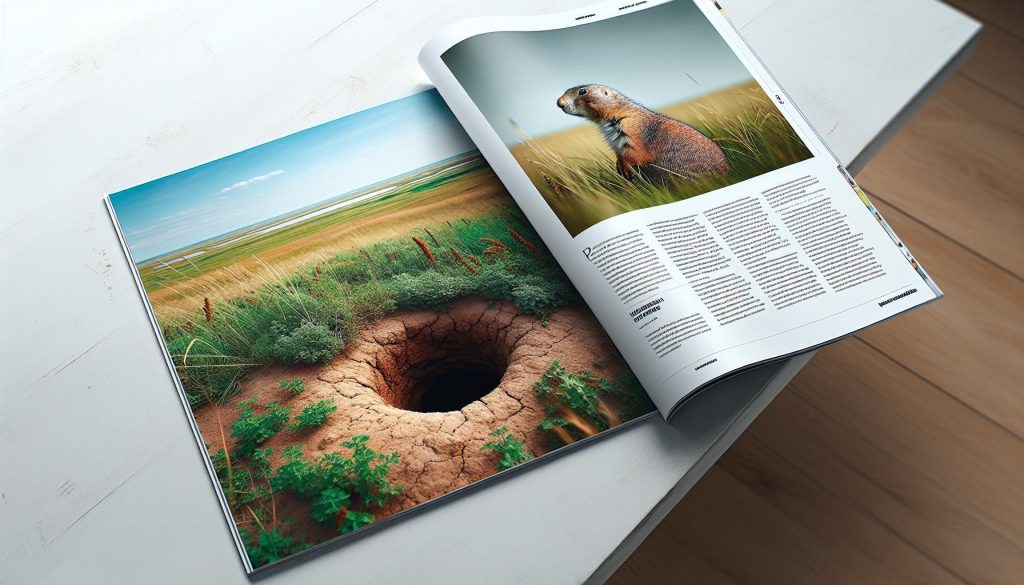
What Does a Prairie Dog Hole Look Like? Visual Guide

Discover what a prairie dog hole looks like in our visual guide! Learn key facts about their behavior and habitat. Don’t miss this essential insight into these fascinating creatures!

How Long Does a Prairie Dog Live? Lifespan in Wild & Captivity

How Long Does a Prairie Dog Live? Lifespan in Wild & Captivity

Discover how long prairie dogs live in the wild and in captivity. Learn surprising lifespan secrets and what affects their longevity! Click now for insights!

← Previous
  • Homepage
  • Blog
  • About Us
  • FAQ
  • Contact
  • Privacy Policy
  • Homepage
  • Blog
  • About Us
  • FAQ
  • Contact
  • Privacy Policy
Facebook X-twitter Instagram

© 2025 Ranch of Exotic Breeds. Your trusted source.