Did you know that prairie dogs are not just adorable little critters; they are also intelligent social animals capable of learning various behaviors and commands? Training a prairie dog can forge a stronger bond with your furry friend, enhance their well-being, and provide them with mental stimulation. Whether you’re a longtime prairie dog owner or just curious about these fascinating creatures, understanding their behavior and how to train them is vital for ensuring they thrive in your care. In this article, we’ll explore effective training techniques, key commands, and insights into prairie dog behavior that will not only enhance your pet’s life but also make your experience as a caregiver fulfilling and engaging. Stick around to discover the joys and challenges of training these charming animals!
How Prairie Dogs Communicate: Understanding Their Behavior
Prairie dogs are remarkably social creatures, displaying a complex system of communication that rivals that of many mammals. They use a variety of vocalizations, body language, and even specific foot stomps to convey messages about predators, food sources, and social interactions. For instance, when a prairie dog spots a predator, it emits a unique alarm call that differs depending on the type of threat-whether it’s a hawk soaring above or a coyote lurking nearby. This ability to transmit detailed information suggests a sophisticated understanding of their environment and a keen awareness of potential dangers.
In addition to vocalizations, prairie dogs engage in social behaviors that strengthen their community bonds. They often engage in “kissing” behavior, where two prairie dogs touch noses, which functions both as a greeting and a display of affection. These interactions are particularly important for establishing and maintaining social structures within their colonies. When training your prairie dog, recognizing these natural forms of communication can enhance your understanding of their behavior and help you bond more effectively.
When working with prairie dogs, be attentive to their body language. They may express contentment through relaxed posture and grooming behaviors, while signs of stress could include frequent digging or retreating into their burrows. By observing these signals, you can adjust your training approaches to better suit your prairie dog’s comfort levels. Incorporating their natural behaviors into your training methods will foster a positive relationship, making training sessions more enjoyable and productive for both of you.
Ultimately, understanding how prairie dogs communicate is not just about enhancing your training efforts; it’s also about building a deeper connection with these fascinating animals. By respecting their instincts and social structures, you can create an engaging and supportive environment that benefits their overall well-being and happiness.
Essential Commands to Train Your Prairie Dog
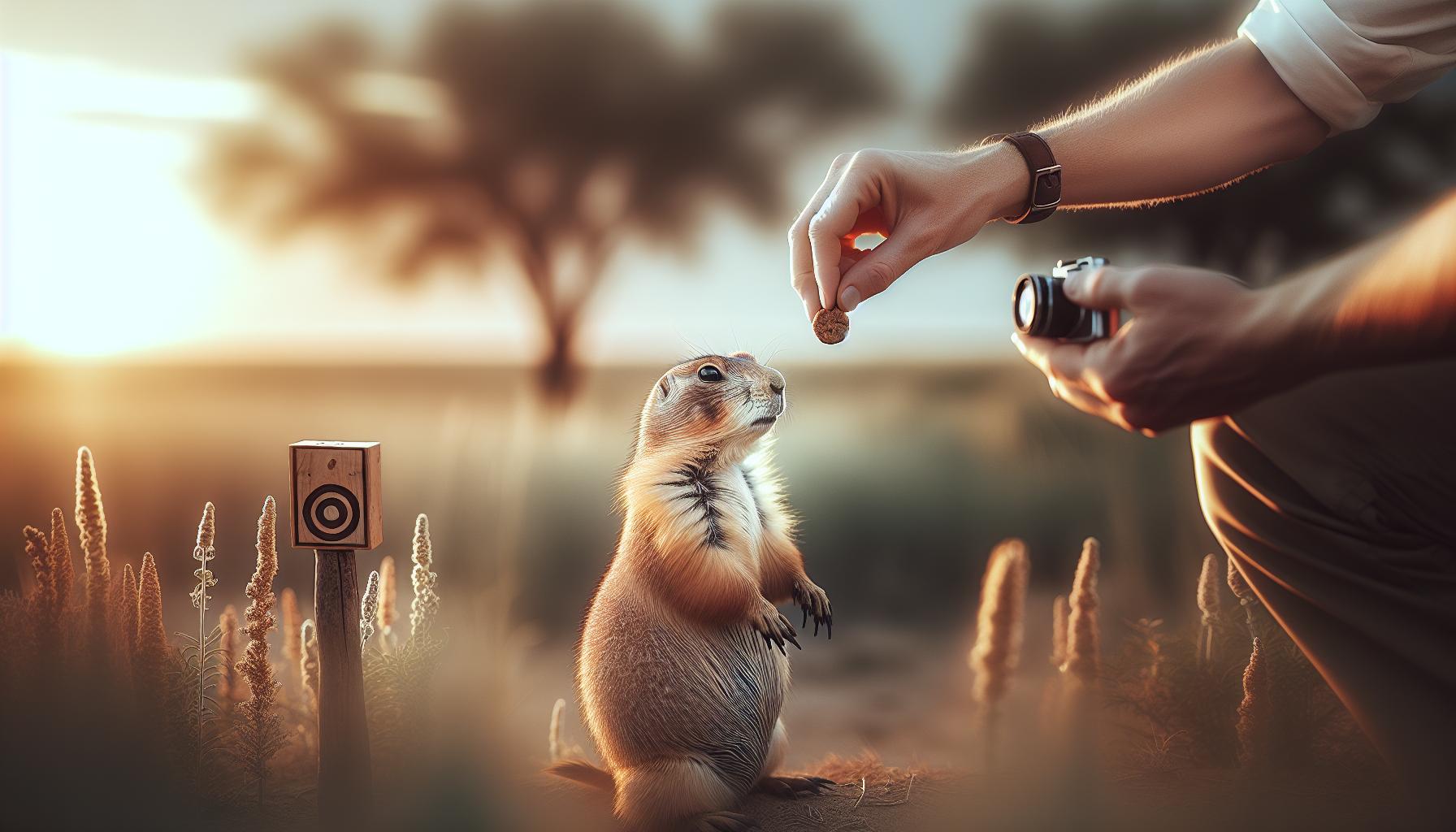
To train a prairie dog effectively, understanding the essential commands is key to fostering communication and strengthening your bond with these charming creatures. Prairie dogs are intelligent and eager to engage, but they benefit from a clear structure in their training process. Begin by introducing simple commands that can be paired with positive reinforcement, such as treats or affection, to make learning enjoyable.
Start with foundational commands that are vital for daily interaction and safety:
- Come: This command is crucial for getting your prairie dog to return to you, especially in open areas. Use treats to lure them while calling their name, and reward them generously when they come to you.
- Stay: Teaching your prairie dog to remain in a designated spot can help avoid accidents and create a sense of security. Begin with short durations and gradually increase the time while praising your pet for remaining still.
- No: This command helps establish boundaries. Use a firm voice but never harshness. Pair this with redirection to appropriate behaviors while offering rewards for good choices.
- Jump: This fun trick not only entertains but can also stimulate your prairie dog’s mind. Use a small obstacle or your hand, encouraging them to leap with the promise of a treat.
Consistent training sessions of 5 to 10 minutes each, once or twice a day, cater to their shorter attention spans. Remember, patience and consistency are your allies. Celebrate the small victories-each command learned is a step towards a well-mannered prairie dog.
Moreover, incorporating their natural instincts can facilitate learning. Prairie dogs are social animals, so training often is best done in a calm environment with minimal distractions. Engaging them in a playful manner not only enhances their enjoyment but also solidifies your relationship, making training sessions a cherished time for both of you. By using engaging techniques and celebrating progress, you will cultivate not only a well-trained prairie dog but also a delightful companion that thrives on interaction and fun.
Creating a Positive Training Environment for Prairie Dogs
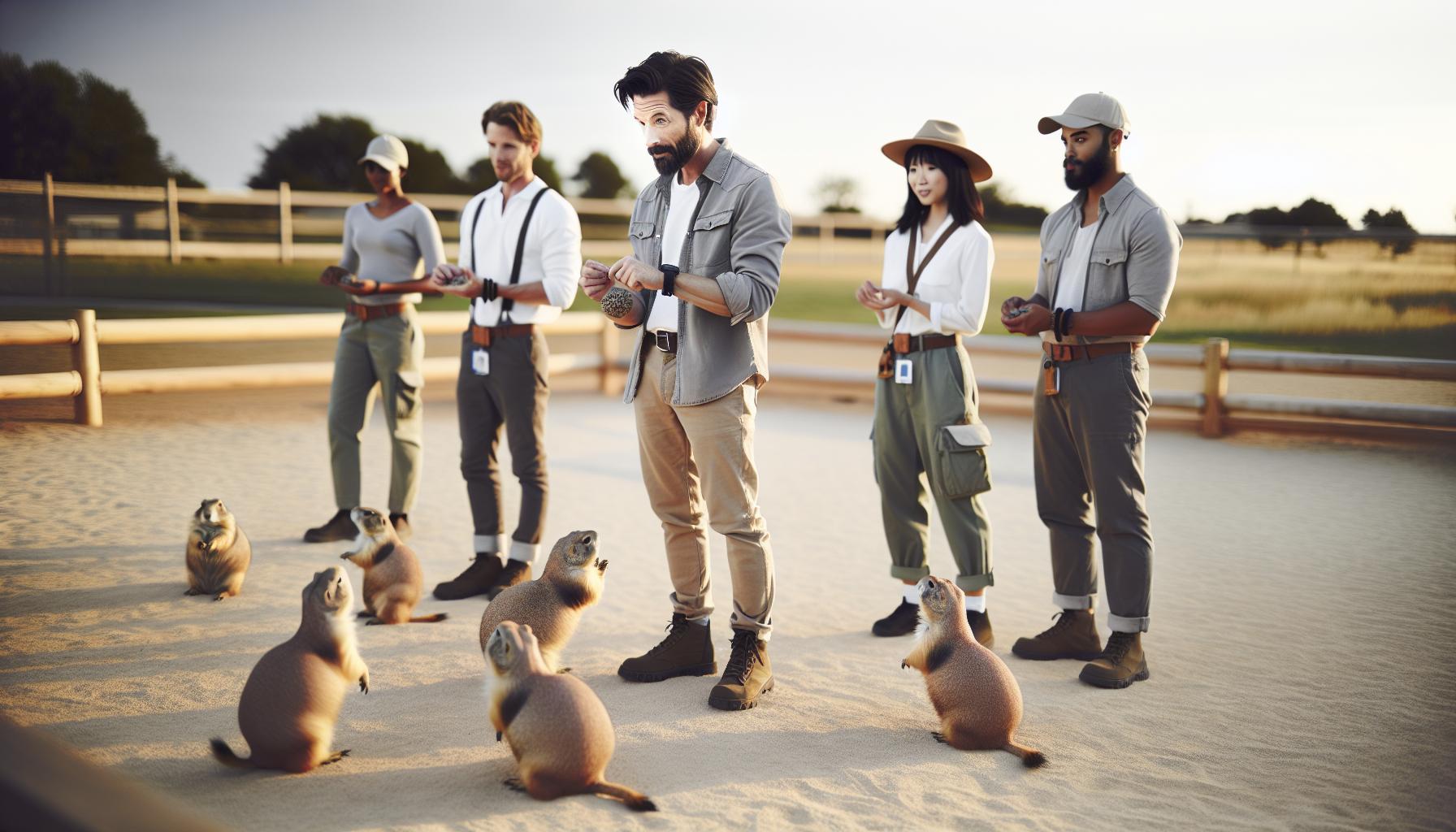
Creating the right atmosphere for training your prairie dog can significantly enhance their learning experience. These inquisitive little creatures thrive in environments that cater to their social nature and stimulate their minds. To set the stage for effective training, consider a few key principles that will not only enrich the learning process but also strengthen your bond with your furry companion.
First and foremost, choose a calm and distraction-free space for your training sessions. Prairie dogs are naturally curious and can easily get sidetracked by their surroundings. A quiet room or a secure outdoor area where they can focus on you is ideal. This way, they can fully engage with the commands you’re teaching without the interference of loud noises or unexpected visitors. Keep training sessions short-around 5 to 10 minutes-because prairie dogs have relatively short attention spans. Multiple brief sessions throughout the day are more effective than a single long session, which can lead to frustration or boredom.
It’s also essential to create a positive emotional environment. Use encouraging tones and plenty of praise when your prairie dog performs a command correctly. Positive reinforcement, such as small treats or verbal affirmations like “good job,” can motivate them to repeat the desired behaviors. Additionally, integrate play into your training routine. Using toys or games can make the process enjoyable for both you and your prairie dog, turning what could be a mundane task into a fun bonding activity.
Lastly, be patient and consistent. Every prairie dog learns at their own pace, so it’s important to celebrate small successes along the way. By maintaining a relaxed demeanor and showing genuine enthusiasm for their achievements, you’ll foster a sense of safety and encouragement that will enhance their learning capacity. With the right environment and mindset, training your prairie dog can be an immensely rewarding journey, filled with laughter and new discoveries.
Training Techniques: Tips for Effective Learning

Training a prairie dog can be a delightful journey, showcasing their intelligence and playful nature. These curious creatures possess a natural inclination to explore and learn, making them suitable candidates for various training techniques. To ensure effective learning, it’s essential to incorporate methods that cater to their unique behaviors and social tendencies.
One highly effective strategy is positive reinforcement. This technique involves rewarding your prairie dog with treats or praise immediately after they successfully perform a desired behavior. For instance, if your prairie dog learns to sit on command, provide a small treat followed by enthusiastic verbal praise. This method encourages them to repeat the behavior, reinforcing the connection between the command and the reward. Consistency is key-always use the same cues and rewards to avoid confusion.
Another beneficial approach is clicker training. This method uses a small device that produces a clicking sound to mark the exact moment your prairie dog performs the desired action. After clicking, follow up with a reward. The clicker serves as a clear communication tool, helping to bridge the gap between your command and their understanding of the action. Start by associating the sound of the clicker with a reward without prompting any behavior, then gradually introduce commands as they learn to associate the click with positive reinforcement.
Incorporating playtime into training sessions can also enhance the learning experience. Prairie dogs enjoy interactive play, and utilizing toys can transform training into a fun game. For example, if you’re teaching them to navigate a simple obstacle course, use toys or treats to guide them through. This not only retains their interest but also strengthens the bond between you and your prairie dog, turning learning into a shared adventure.
Lastly, it’s crucial to maintain a calm and patient demeanor during training. Prairie dogs, like many small animals, may become nervous if they feel rushed or pressured. Keeping sessions short and light-hearted helps ensure that your prairie dog remains engaged without feeling overwhelmed. With these techniques, the journey of training your prairie dog can be both productive and enjoyable, allowing you to foster a lasting and enriching relationship with your furry friend.
Common Behavioral Issues in Prairie Dog Training
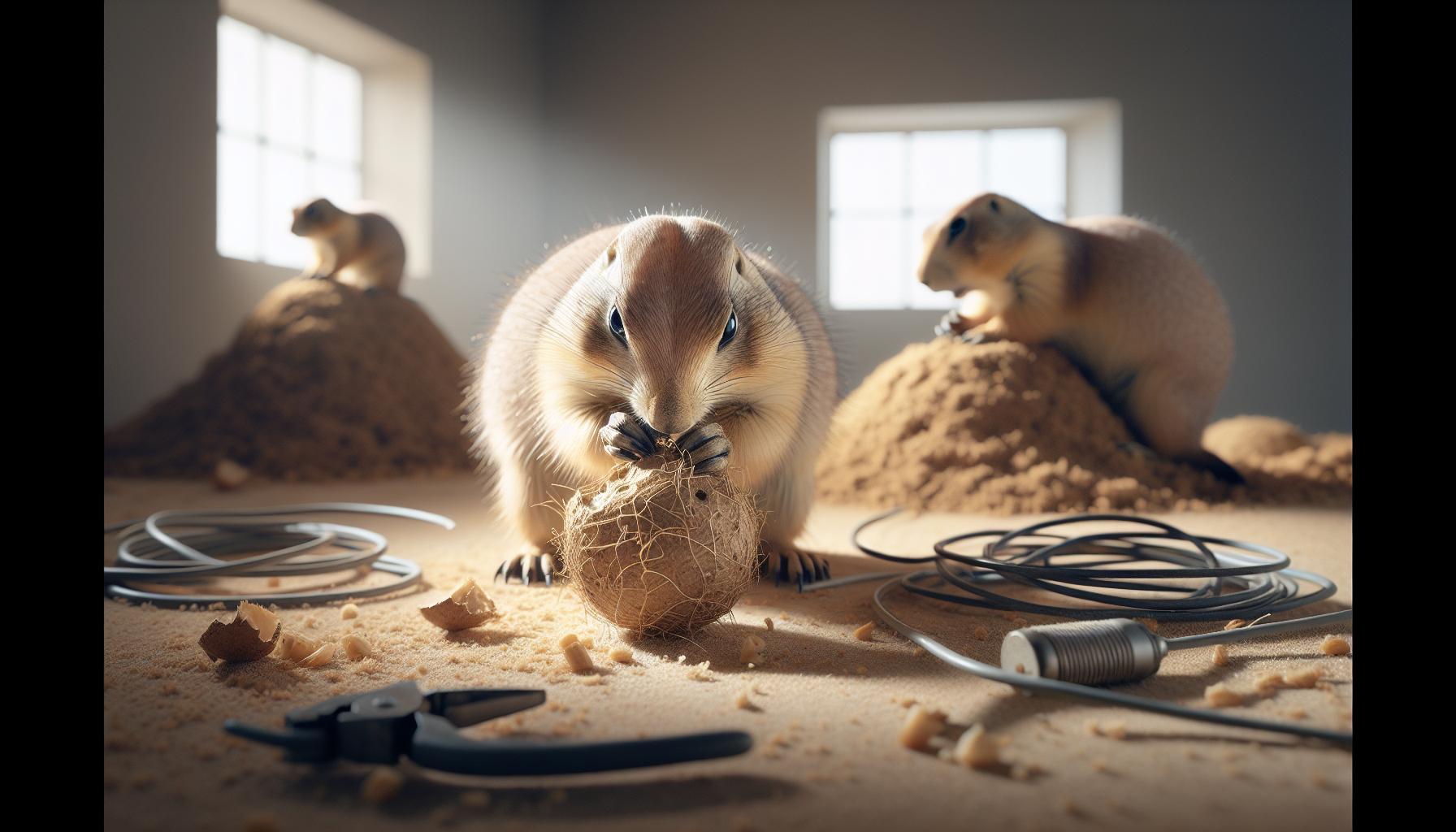
Training prairie dogs can be a rewarding experience, but it’s important to recognize and address common behavioral issues that may arise. One of the most frequent challenges faced by owners is nervousness or fearfulness. Prairie dogs are naturally prey animals, and they can be easily startled by loud noises or sudden movements. This can lead to avoidance behaviors, where the prairie dog may not engage in training or play as desired. To mitigate this, it helps to create a safe and calm environment, gradually introducing new stimuli while offering positive reinforcement to build their confidence.
Another issue is digging. Prairie dogs are known for their burrowing habits, and while some digging behavior is normal, excessive digging can become problematic. It often manifests as a sign of anxiety, boredom, or lack of environmental enrichment. Providing a stimulating environment with plenty of toys, tunnels, and interactive play can channel their energy positively, reducing the urge to dig excessively. Utilizing designated digging areas filled with safe materials can also help satisfy their natural instincts without damaging your home environment.
Additionally, biting can be a concern, particularly during the training process. Prairie dogs may nip when they feel threatened or overstimulated. It’s essential to read their body language and recognize signs of discomfort, such as a twitching tail or flattened ears. When these signs appear, give your prairie dog some space to prevent escalation. Employing gentle handling and allowing them to approach you on their terms can create a more trusting relationship, reducing the likelihood of biting.
Lastly, socialization is key. Prairie dogs are naturally social animals, and isolation can lead to depression or destructive behaviors. Ensuring they have regular interaction with both humans and other pets can provide the social stimulation they need. If possible, consider adopting a second prairie dog as a companion, but always supervise their interactions initially. This not only enhances their well-being but can also facilitate smoother training sessions, as social prairie dogs often learn from observing one another.
By understanding these common behavioral issues and employing thoughtful strategies, you can help your prairie dog thrive, turning training into a fun and enriching experience for both of you.
Health and Nutrition: Impact on Training Success
Providing your prairie dog with the right health and nutrition is vital not just for their well-being but also plays a significant role in effective training. In a nutshell, a well-nourished prairie dog is more alert, responsive, and eager to engage in learning new commands and behaviors. These small, social rodents thrive on a diverse diet that mimics what they would consume in the wild, which includes a variety of grasses, seeds, and some vegetables.
A balanced diet is fundamental. Consider incorporating the following into their daily meals:
- High-quality hay: This should be a staple, providing essential fiber for digestive health.
- Fresh vegetables: Introduce a mix of leafy greens like kale and romaine, along with occasional carrots and peas for variety.
- Seeds and pellets: Choose those specifically formulated for prairie dogs to ensure they get necessary vitamins and minerals.
- Fresh water: Always provide access to clean drinking water, as hydration is key for overall health.
When prairie dogs are properly fed, they display improved energy levels and better reactions during training sessions. For instance, a well-fed prairie dog is less likely to be distracted by hunger and can focus better on learning new tricks or commands. Additionally, health issues related to poor nutrition-such as obesity or dental problems-can hinder their ability to engage in training, so maintaining a healthy weight is crucial.
It’s also important to note that certain foods can influence behavior. For example, sugary treats or high-fat snacks might lead to hyperactivity, making it harder for the prairie dog to settle down for a training session. Instead, opt for small pieces of fruits like apple or banana, given sparingly, to encourage positive reinforcement. As you approach training, the excitement of receiving a favorite healthy snack can enhance their enthusiasm, making learning a delightful experience for both of you.
In summary, investing time in your prairie dog’s dietary requirements not only promotes their health but also enriches the training process, making it smoother and more enjoyable. A nourished prairie dog ready to learn is one of the best allies in your quest to build a strong bond through training.
Understanding Prairie Dog Habitats for Better Training
To create a successful training environment for your prairie dog, understanding their natural habitats is essential. Prairie dogs are social creatures native to the grasslands of North America, where they thrive in expansive burrow systems. These habitats provide not just physical shelter but also a structure for social interactions. Emulating elements of their natural environment at home can significantly enhance their comfort and learning.
One effective approach is to replicate the communal aspects of their burrows. Prairie dogs are highly social animals, so consider providing multiple levels in their enclosure. This can stimulate their curiosity and allow for more dynamic movement, mimicking the complexity of their natural digs. Use tunnels and platforms to create a multi-dimensional space that encourages exploration and play. Remember, a well-stimulated prairie dog is more engaged and ready to learn.
Furthermore, the environment should include both open and enclosed areas. In the wild, prairie dogs enjoy sunbathing, but they also seek shelter from potential predators. Providing a safe, cozy hiding spot in their cage can help them feel secure, enabling them to focus better during training sessions. Include various textures and materials-like soft bedding and chew-safe toys-to keep their environment stimulating.
In addition, consider the role of temperature and light. Prairie dogs prefer moderate climates, so maintaining a comfortable temperature in their living space is important. Avoid extreme temperatures or direct sunlight, which can stress them. Instead, simulate a day/night cycle with proper lighting to promote natural behaviors, helping your prairie dog maintain a healthy rhythm that positively impacts their training readiness.
By closely aligning your training environment with their natural habitat, you create a comfortable and encouraging space wherein prairie dogs can thrive, fostering a better learning experience while enriching their overall well-being.
Socialization Tips for Your Prairie Dog
Building a strong bond with your prairie dog is essential, as these social creatures thrive on interaction and companionship. Interestingly, prairie dogs communicate with a complex system of vocalizations and body language, making it even more important for owners to understand and respond to their social cues. To foster this bond, start introducing your prairie dog to new environments gradually, allowing them to explore at their own pace while ensuring they feel secure. This approach respects their natural instinct to be cautious, which can help you gain their trust.
Moreover, engaging your prairie dog in interactive play is an excellent way to enhance socialization. Use toys that encourage them to forage or dig, mimicking their natural behaviors. For instance, scatter small treats in their enclosure or create tunnels with cardboard boxes. This not only stimulates their minds but also reinforces the bond between you both as you participate in their playtime. Remember, regular handling can also be beneficial. Start with short sessions, gently picking them up or petting them, to help them get accustomed to your presence. Always be attentive to their body language, watching for signs of anxiety or discomfort to ensure that interactions remain positive.
Creating a Stimulating Environment
To promote socialization, it’s essential to create a rich environment that encourages exploration and interaction. Consider the following:
- Multi-level Enclosures: Provide various levels in their habitat to mimic the complexities of their natural burrows, which can encourage active exploration.
- Social Setting: If feasible, consider having more than one prairie dog. They are social animals and can benefit greatly from having companions.
- Consistent Routine: Establishing a daily routine can provide a sense of security, allowing your prairie dog to feel more comfortable and less stressed during interactions.
Engaging your prairie dog in training sessions can also be a fantastic way to enhance socialization. Use positive reinforcement techniques, such as treats and praise, to reward them for participating in training exercises. This not only teaches them commands but also builds a deeper connection based on trust and mutual respect. Remember, patience is key; prairie dogs flourish within their social structures, and as you invest time in building this relationship, you’ll discover just how rewarding it can be.
Bonding Activities with Your Prairie Dog
Prairie dogs are incredibly social creatures that thrive on interaction, making bonding activities essential for their well-being and happiness. Engaging with your prairie dog not only strengthens your relationship but also helps them feel secure in their environment. One delightful way to bond is through interactive play. Consider using tunnels, toys, and foraging activities that mimic their natural behaviors. For example, you could create a mini obstacle course with small cardboard boxes and hidden treats. This allows your prairie dog to explore, dig, and scurry about, which is a joyous experience for them and a captivating sight for you.
Another effective bonding activity is implementing regular training sessions where you use positive reinforcement techniques. Prairies dogs respond well to treats and praise, so incorporating commands like “come” or “sit” can be both fun and beneficial. During these sessions, ensure the environment is calm and free from distractions to help your prairie dog focus better. Remember, patience is key; if your prairie dog seems hesitant, give them time to acclimate. The more you practice these activities, the more confident and trusting your prairie dog will become.
Providing a structured routine can also significantly enhance your bonding experience. Incorporate distinct playtimes, feeding rituals, and even cuddle sessions into your daily schedule. This consistency not only creates a sense of security for your prairie dog but also helps them predict what comes next, making them feel at ease. After all, a relaxed prairie dog is more open to bonding and learning new behaviors.
Incorporating socialization with other prairie dogs, if possible, can greatly enrich their lives. Prairie dogs are naturally inclined to live in colonies; hence, having a companion can mimic their social structure and facilitate interaction. If you do have more than one, supervised playdates can be immensely rewarding as they communicate and play with one another. These activities not only bolster their natural instincts but also deepen the bonds you share with each individual prairie dog, making your overall experience with these fascinating creatures all the more enjoyable.
Advanced Training: Tricks and Challenges
Training prairie dogs to perform tricks and engage in challenges can be a rewarding experience, both for you and your furry friend. These clever creatures thrive on mental stimulation, so incorporating advanced training can enhance their quality of life while deepening your bond. With the right approach, you can teach them impressive tricks such as navigating obstacle courses or responding to commands that seem almost extraordinary for such small animals.
One effective method to introduce advanced training is through the use of clicker training. This technique hinges on the principle of positive reinforcement, where you use a click sounds at the exact moment your prairie dog performs the desired behavior. After the click, immediately follow up with a treat or praise. This helps your pet associate the sound with a reward, making them more likely to repeat the behavior. Start with simple tasks like “jump” over a small object and gradually increase the complexity as your prairie dog becomes more adept. For instance, you might set up a mini agility course using tunnels, cones, or hoops that they can learn to navigate.
Moreover, incorporating challenges into their training can also serve as a fantastic way to keep their minds active. Create a scavenger hunt by hiding treats around a designated area, encouraging your prairie dog to sniff them out. This mimics their natural foraging behaviors while turning playtime into an engaging learning activity. As they become more confident in finding hidden treats, you can increase the difficulty by placing them in less obvious spots or introducing timed challenges to see how quickly they can find them.
It’s essential to maintain a patient and encouraging atmosphere during these training sessions. Celebrate small successes, and don’t forget to gauge your prairie dog’s mood. If they seem tired or disinterested, it might be best to take a break and try again later. Remember, the goal of advanced training isn’t just about teaching tricks; it’s about nurturing a happy, well-adjusted prairie dog that thrives on your companionship and the stimulating activities you create together. With time, practice, and lots of love, you and your prairie dog can embark on a delightful training journey that showcases their intelligence and charm.
The Role of Genetics in Prairie Dog Behavior
Genetics plays a fascinating role in shaping the behavior of prairie dogs, influencing everything from their social interactions to their trainability. Understanding these genetic tendencies can help you develop more effective training strategies tailored to your prairie dog’s unique personality. Just like humans, prairie dogs inherit traits from their parents that affect how they respond to various training methods and their overall disposition.
For instance, some prairie dogs may naturally display a more inquisitive and playful temperament, making them more receptive to training sessions that involve exploration and challenge. Others might be more reserved or cautious, requiring a gentler approach to build trust and confidence. Recognizing these genetic variations can make a significant difference in how you approach training. If your prairie dog is more timid, slow and patience-driven methods will likely be more beneficial, while an active and curious prairie dog may thrive with more engaging and stimulating activities.
Additionally, genetics can influence social behaviors which are crucial for prairie dog interactions. They are highly social animals, and the genetic predisposition towards sociability means some individuals may show a strong desire to interact and form bonds, both with humans and other prairie dogs. These social instincts can be harnessed during training; using social reinforcement, such as playtime with other dogs or shared activities, can motivate them effectively.
To get the most out of your training sessions, consider your prairie dog’s genetic background along with its specific traits. This personalized approach not only respects their natural inclinations but also fosters a deeper bond between you and your furry companion. Remember, training is not only about teaching commands; it’s also about understanding and working with your prairie dog’s inherent behaviors, making the experience enriching and enjoyable for both of you.
Responsible Ownership: Caring for Your Prairie Dog
Caring for a prairie dog requires understanding its unique needs and behaviors, making responsible ownership not just beneficial for the animal, but rewarding for you. These social creatures thrive in environments that mimic their natural habitats, which include open grasslands and burrows. A spacious enclosure is key to emulating this setting; it should allow for plenty of room to explore and exercise. A habitat enriched with tunnels, platforms, and burrowing opportunities will keep your prairie dog engaged and healthy.
Nutrition is essential. Prairie dogs are herbivores, primarily feeding on grasses, herbs, and other plant materials. A well-balanced diet should include high-fiber hay, fresh vegetables, and specially formulated pellets. Avoid high-fat foods and sugary treats, which can lead to obesity and other health issues. Providing fresh water daily is also crucial to maintain their hydration and overall health.
Grooming plays a significant role in health care for prairie dogs. Although they are generally good at self-grooming, regular brushing helps reduce shedding and prevents matting, particularly in those that might live within a household. Additionally, it offers a chance to check for any signs of skin issues or parasites.
Socialization is an inherent need for prairie dogs. These animals are highly social and enjoy interaction, both with humans and possibly other compatible pets. It’s vital to spend quality time with your prairie dog every day, engaging in gentle play and providing stimulation through toys and varied activities. Establishing a bond early will make training sessions more effective and enjoyable.
In practicing responsible ownership, it’s important to remain aware of the legal regulations regarding keeping prairie dogs as pets, as well as the ethical considerations surrounding their care. Supporting conservation efforts can enhance your experience-consider connecting with local wildlife organizations that focus on prairie dog habitats. This not only enriches your understanding but also contributes positively to the preservation of these fascinating creatures in their natural environments.
Faq
Q: How can I start training my prairie dog?
A: To start training your prairie dog, establish a consistent routine and use positive reinforcement techniques. Begin with basic commands and reward them with treats or affection when they respond correctly. This builds trust and encourages learning.
Q: What are common commands to teach a prairie dog?
A: Common commands include “come,” “sit,” and “stay.” Using short, clear words with a firm yet gentle tone will help your prairie dog understand. Begin with one command at a time to avoid confusion and gradually progress as they master each.
Q: How can I recognize my prairie dog’s body language during training?
A: Understanding your prairie dog’s body language is crucial. Signs like tail wagging indicate happiness, while flattened ears may suggest stress. Observing these cues can help you adjust your training approach for better outcomes.
Q: What is the best time to train my prairie dog?
A: The best time to train your prairie dog is during their active hours, typically in the morning or late afternoon. Choose a calm environment without distractions to help your prairie dog focus better during sessions.
Q: How can nutritional choices affect my prairie dog’s behavior during training?
A: Proper nutrition plays a significant role in training success. A well-balanced diet helps maintain your prairie dog’s energy levels and focus. Ensure they receive adequate vitamins and minerals to support their overall health and learning capability.
Q: How should I address behavioral issues in prairie dog training?
A: Address behavioral issues by identifying triggers and using positive reinforcement. Avoid punishment, as this can damage trust. Instead, redirect unwanted behaviors with toys or distractions while rewarding positive actions consistently.
Q: Is it possible to train a prairie dog to perform tricks?
A: Yes, prairie dogs can learn tricks! Start with simple tasks like rolling over or playing dead. Use the same positive reinforcement methods and be patient: learning takes time, but the bond you build will be worth it.
Q: How does socialization impact training effectiveness for prairie dogs?
A: Socialization is vital for effective training. Expose your prairie dog to different environments and other animals gradually. This builds confidence and reduces stress, making training sessions more productive and enjoyable for both of you.
For more detailed guidance on behavior and commands, feel free to explore the full article sections!
To Conclude
Thank you for joining us on this journey to learn “How to Train a Prairie Dog: Behavior & Commands.” Remember, patience and consistency are key to building a strong bond with your furry friend. Start practicing the simple commands we discussed today and watch your prairie dog’s behavior transform over time.
If you’re curious to dive deeper, check out our guides on prairie dog habitat enrichment and nurturing their social needs for more tips and tricks. Don’t forget to download our free training checklist to help you stay organized on your training journey.
We’d love to hear your thoughts or experiences! Share your questions in the comments below, and feel free to share this guide with fellow prairie dog enthusiasts. Together, let’s create a community dedicated to responsible and joyful prairie dog ownership. Keep exploring, and happy training!
Get our latest guides, news, and insights highlighted in your Google Search & AI Overviews.