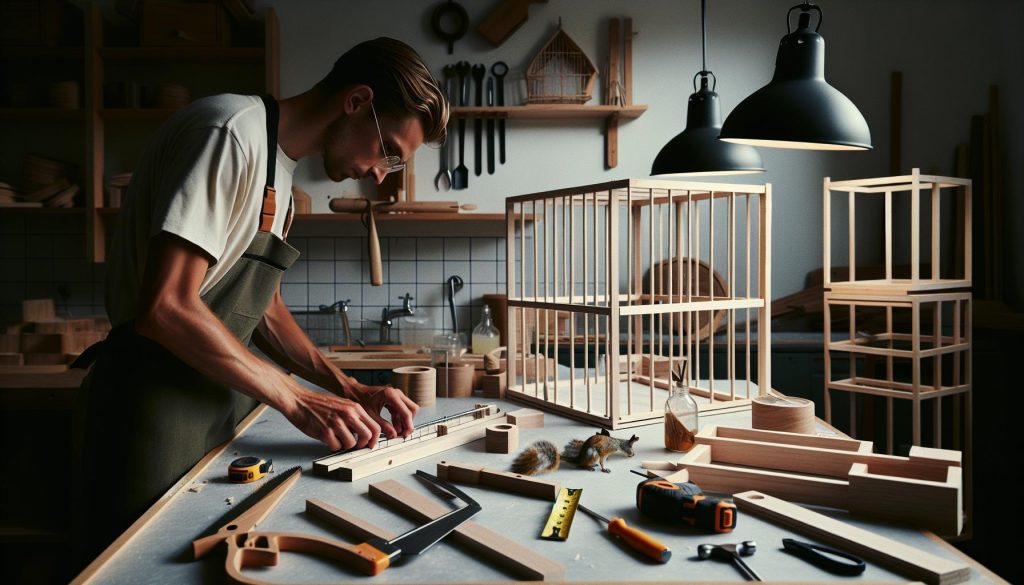
Did you know that flying squirrels can glide more than 150 feet through the air? These enchanting little critters make fascinating companions, but providing them with a safe and stimulating environment is crucial. Building a flying squirrel cage can seem daunting, but it’s a rewarding DIY project that benefits both you and your pet. By crafting a suitable habitat, you’re not only enhancing their well-being but also deepening your bond with these unique animals. In this guide, we will walk you through detailed plans and tips to create a perfect home for your flying squirrel. Whether you are an experienced exotic animal enthusiast or just starting your journey, you’ll find valuable insights here. Let’s get started on this exciting adventure to create a cozy sanctuary that your flying squirrel will love!
Choosing the Right Materials for Your DIY Flying Squirrel Cage
is crucial for ensuring both the safety and comfort of your new pet. Flying squirrels are agile little creatures that require a secure, stimulating environment, so investing in quality materials is essential. Use sturdy materials like steel wire mesh or wooden panels made from untreated, non-toxic wood to construct the main structure. Avoid galvanized wire, as the zinc can be harmful to small animals.
For the flooring, consider using a non-slip surface to prevent injuries during their playful antics. Outdoor-grade plywood or sisal matting are excellent options, providing a grip for their tiny paws while being easy to clean. Ensure that any attached accessories, such as shelves or branches, are made from safe materials-natural branches are great for climbing and provide enrichment, but make sure they’re free from pesticides and chemicals.
When it comes to the details, you’ll want to focus on ventilation and accessibility. A well-ventilated cage will help prevent odors and keep your flying squirrel healthy. Aim for openings that allow for airflow without compromising security. Use simple latches that are easy for you to operate but remain secure from curious paws. In choosing materials, always prioritize safety and suitability for your flying squirrel’s lifestyle, ensuring that their home reflects their natural habitat in a way that is enriching and safe.
Step-by-Step Guide to Building a Flying Squirrel Cage

Building a cozy and enriching habitat for a flying squirrel can be an exciting DIY project that not only fosters a loving environment for your furry friend but also deepens your connection with these delightful creatures. To create a suitable cage from scratch, you’ll need to follow several key steps while ensuring safety, functionality, and fun for your new pet.
Start by gathering your materials. You’ll need sturdy wire mesh for the walls, untreated wood for the base and shelves, and a non-slip surface for the floor. Prioritize materials that are free of toxic chemicals, as flying squirrels are sensitive to harmful substances. Once your materials are ready, measure the desired dimensions of your cage. A good rule of thumb is to allow at least 24 inches in height and depth, providing adequate space for climbing and gliding.
Next, construct the base by attaching your wooden panels securely to form a stable platform. This will be crucial for supporting the weight of your squirrel and any added features like shelves or perches. Once the base is ready, we can shift our focus to the walls. Cut your wire mesh to the correct size and securely attach it to the frame using strong staples or fasteners. Ensure that the mesh spacing is small enough to prevent escapes-generally, no more than ½ inch apart.
After your structure is assembled, add essential features like shelves, hammocks, and climbing branches. These elements will not only encourage physical activity but also provide mental stimulation. Consider incorporating multiple levels to mimic their natural environment, which consists of trees and branches. Be sure all attachments are sturdy and securely fixed to withstand the energetic antics of your flying squirrel. Once everything is in place, add the non-slip flooring and ensure proper accessibility by placing openings for easy access while maintaining a secure environment.
Finally, test the cage for safety by inspecting all edges and corners for sharp objects or loose areas. Once you’ve confirmed that everything is secure, it’s time to introduce your flying squirrel to their new home. With your thoughtful attention to detail, your flying squirrel will soon thrive in a safe, spacious, and stimulating environment that reflects their natural habits.
Essential Features for a Happy Flying Squirrel Home

Creating a nurturing environment for your flying squirrel goes beyond just constructing a cage; it’s about building a home that supports their natural instincts and provides enrichment. Flying squirrels are social, curious, and need mental stimulation to thrive in captivity. Incorporating essential features into their habitat can make a significant difference in their happiness and overall well-being.
To start, vertical space is a crucial consideration. Flying squirrels are natural gliders, and a taller cage with multiple levels enables them to climb and explore as they would in the wild. Shelves, branches, and even hammocks can create a three-dimensional environment that caters to their instinctive behaviors. Additionally, providing safe climbing structures made from untreated wood or natural branches mimics their native habitat, promoting exercise and reducing boredom.
Another important aspect is the variety of enrichment items. These can include chew toys, tunnels, and various hiding spots for food. Flying squirrels love to forage; therefore, hiding treats or their favorite snacks in different areas of the cage encourages natural scavenging behavior. Introducing materials such as paper tunnels or hanging toys can further engage their sense of play, making their environment more dynamic.
Security and comfort are equally vital. Ensure that the cage includes cozy spots where your squirrel can retreat when feeling stressed. Nest boxes provide a great place for them to rest, while soft bedding made from paper-based materials or aspen shavings can keep their area comfortable. Lastly, consider the placement of the cage itself; it should be in a quiet but interactive part of your home, providing a stable environment without sudden loud noises.
By focusing on these essential features, you can create a thriving home that balances the thrill of exploration with the security flying squirrels need to feel safe and happy. Investing time in understanding their behavioral needs will not only lead to a joyful pet but also deepen your bond with these charming creatures.
Tips for Ensuring Safety and Comfort in Your Cage
Creating a safe and comfortable environment for your flying squirrel is crucial for their well-being, as these curious little creatures thrive on security and stimulation. A well-constructed cage not only ensures their safety but also mimics aspects of their natural habitat, enriching their lives in captivity. To start, it’s important to select materials that are non-toxic and safe. Using untreated wood for perches, shelves, and climbing structures is not just safer; it also allows for natural chewing behaviors, promoting healthy teeth and gums.
When building or outfitting your cage, ensure that there are no sharp edges or small gaps where a squirrel could get stuck or injured. Smooth, sturdy shelves provide stable platforms for resting and exploring, while platforms placed at various heights cater to their instinct to climb and glide. Incorporate plenty of soft bedding materials in nesting areas. Options like paper-based products or aspen shavings are both cozy and safe, allowing your little friend to burrow and feel sheltered.
Equally important is the placement of the cage within your home. It should be located in a quiet yet engaging area, away from loud noises and direct sunlight. Flying squirrels are nocturnal and need a dark, safe spot to sleep during the day. Additionally, consider adding elements that promote mental engagement and mimic their natural behaviors. This can include hanging toys, tunnels, and even foraging opportunities like hiding treats in specific spots. Creating a stimulating environment will help keep them active and satisfied.
Lastly, regular maintenance of the cage is essential for health and comfort. Establish a routine for cleaning to prevent the buildup of waste and odors, and check for wear and tear on all components. A clean, well-maintained environment not only supports your flying squirrel’s health but also ensures that they continue to feel safe and secure in their home. By taking these steps, you’ll foster a joyful and enriched life for your flying companion, strengthening the bond you share with these delightful animals.
Creative Ideas for Cage Enrichment and Customization
Creating an environment that stimulates both the mind and instinctual behaviors of flying squirrels is essential for their happiness and well-being. These little aviators love to glide and explore, so incorporating creative ideas into their cage can make all the difference. By customizing their habitat thoughtfully, you will not only provide entertainment but also enrich their lives, allowing them to exhibit natural behaviors that keep them healthy and engaged.
One fun way to enhance your flying squirrel’s cage is to include a variety of climbing structures. You can create a multi-level playground using materials like untreated wood, sturdy rope, or natural branches. As they navigate these structures, it promotes physical activity, which is crucial for their health. Consider making a suspended bridge from thick rope or weaving safe branches through the cage for your flying squirrel to climb across. Remember to vary the heights and widths of these items to cater to their adventurous nature.
Toys are another great tool for enrichment. Use small, safe items that encourage interaction and mental stimulation. For example, you can include tunnels made from cardboard or hanging ropes with knots for them to chew and play with. Hiding treats in different parts of the cage can turn feeding time into a fun scavenger hunt, encouraging your flying squirrel to explore their space. You might also introduce puzzle feeders, which require them to work for their snacks, thus giving them both exercise and mental stimulation.
Lastly, don’t forget to add cozy, hidden places where your flying squirrel can retreat and feel safe. Hammocks made from soft fabric or small wooden boxes lined with bedding materials can create perfect hideouts. These spaces are especially important since flying squirrels are nocturnal and appreciate having quiet spots to rest during the day. An enriched habitat that mimics their natural surroundings will not only satisfy their curiosity and playful instincts but also strengthen your bond as they feel comfortable and secure in their customized home.
Common Mistakes to Avoid When Building a Cage
When creating a cozy abode for your flying squirrel, even the most well-intentioned DIY enthusiasts can falter. The key to building a functional, safe, and enjoyable cage lies in avoiding some common pitfalls. For instance, many first-time builders underestimate the importance of proper ventilation. Flying squirrels thrive in an environment that allows air to circulate freely, so a cage that’s too enclosed can lead to humidity build-up and discomfort. Ensure that your cage has ample openings or mesh screens to promote airflow while keeping your pet secure.
Another frequent mistake is neglecting to consider the size of the cage. Flying squirrels are active creatures that require sufficient space to glide and explore. An undersized cage can not only lead to stress but also result in health issues from lack of exercise. Aim for a structure that provides vertical space, allowing your squirrel to climb and jump. A spacious setup includes different levels, branches, and perches to mimic their natural environment.
Using unsafe or non-durable materials can also be detrimental. Avoid items treated with chemicals, as certain paints or finishes can be toxic. Instead, opt for untreated woods and chew-proof materials. It’s also essential to ensure that there are no sharp edges or small openings where your flying squirrel could get stuck. Always think about your pet’s inquisitive nature and the potential hazards that may arise in their new home.
Finally, don’t overlook enrichment features. Many builders focus solely on the structure itself, forgetting the importance of play and stimulation. Create a dynamic environment with climbing structures, tunnels, and foraging opportunities. Keeping your flying squirrel mentally engaged is as crucial as providing a safe and spacious physical habitat. By considering these aspects, you’ll avoid common mistakes and set the stage for a happy and healthy living space for your little glider.
How to Properly Introduce Your Flying Squirrel to the Cage
Introducing your flying squirrel to their new cage can be an exciting yet delicate process. It’s essential to remember that flying squirrels are naturally curious but can also be quite sensitive to changes in their environment. Properly managing this transition will help your pet feel safe and secure in their new home.
Start by placing the cage in a quiet, low-traffic area to minimize stress. Before introducing your squirrel, make sure the cage is fully set up with all the necessary features-like climbing structures, hiding places, and toys-so it feels like a welcoming habitat right away. To help your squirrel adjust, allow them to explore the cage while still in their carrier or another safe space. You can encourage exploration by placing familiar scents, such as bedding or toys, inside the cage. This can make the new environment feel more comfortable and familiar.
After a couple of hours of exploration time, gently place your squirrel inside the cage. Be patient and observe their behavior. It’s not uncommon for them to hesitate initially; they may dart into hiding spots or explore cautiously. This is entirely normal as they take their time to adjust. Encourage them using treats, and be sure to speak softly-your voice can be reassuring during this transitional phase.
Alongside this, maintain a consistent routine with feeding and interaction. Regularly checking in and playing with your flying squirrel, especially during their active hours, will strengthen your bond and help them acclimate to their new surroundings. Remember, patience is key. With time, your flying squirrel will thrive in the new space you’ve created just for them!
Maintenance Tips for Keeping Your Cage Clean and Safe
Keeping your flying squirrel’s cage clean and safe is essential for their health and happiness. Did you know that flying squirrels are naturally curious and can be quite energetic? This means their space can quickly become cluttered with food remnants and bedding. Regular maintenance not only helps preserve a hygienic environment but also ensures your furry friend feels comfortable.
One of the best practices is to conduct a thorough cleaning of the cage at least once a week. Begin by removing everything from the cage: food dishes, toys, and any bedding. Inspect these items for wear or damage, as broken toys can pose safety risks. Once cleared, use a diluted vinegar solution to scrub down the cage, as it’s effective at killing bacteria without leaving harmful residues. Be sure to rinse well and dry all surfaces before reintroducing items to the cage.
Daily Maintenance
In addition to weekly deep cleans, you should perform daily maintenance to keep things tidy. Here are some quick tasks that can make a huge difference:
- Spot Clean: Remove any uneaten food immediately to prevent spoilage and attract pests.
- Check Water: Refresh the water supply daily and ensure the water bottle or dish is clean.
- Monitor Bedding: Fluff up the bedding daily and replace soiled sections to maintain comfort.
- Inspect Toys: Rotate and clean toys regularly to prevent buildup of bacteria and to keep your squirrel engaged.
Safety Measures
While cleaning, take the opportunity to check the cage for any potential hazards. Examine the wire spacing and structure for any weak spots, as flying squirrels are known for their escape artistry! Ensure that all materials inside the cage-like wood for chewing-are safe and non-toxic. If you choose to include any enrichment items, make sure they are securely attached and appropriate for their size and activity level.
By establishing a routine, you not only keep your flying squirrel’s living area fresh but also foster a deeper bond through daily interaction. Regular maintenance is not just a chore; it’s a vital part of creating an engaging and safe habitat that your flying squirrel will thrive in!
Understanding the Natural Habitat of Flying Squirrels
Flying squirrels are fascinating creatures that thrive in diverse habitats, including lush forests, woodlands, and even urban areas. These nocturnal critters use their incredible gliding ability to navigate through trees, making their environment crucial for their physical and mental well-being. They require spaces abundant with trees for safety and foraging, as they rely on a diet that includes fruits, nuts, and insects. can help you create a cage that mimics their wild environment.
Their natural setting is characterized by ample hiding spots and high vantage points. Forests with a mix of deciduous and coniferous trees provide ideal conditions, offering places to glide and areas to find food. As a pet owner, reproducing aspects of this habitat in a DIY cage is essential. Consider incorporating vertical space through multiple levels and structures that mimic tree branches for climbing. Include hiding spots and tunnels to satisfy their natural curiosity and need for exploration.
Regular interactions with your flying squirrel can enhance their enrichment. They thrive on stimulation and can become bored quickly if their environment lacks variety. You can use natural materials like untreated wood and branches for chewing or creating a climbing structure. Such elements are not only engaging but can also help keep their teeth healthy-chewing is vital for preventing dental issues in flying squirrels. Remember, their cage should feel like a small slice of the wild, allowing them to express their natural behaviors.
In addition to structure, the interior of the cage should be decorated thoughtfully. Soft bedding mimicking leaves and natural textures can provide comfort and security. Use safe, non-toxic materials, and avoid any harmful substances that could jeopardize their health. By crafting a space that reflects their natural habitat, you not only ensure your flying squirrel’s happiness but also deepen your bond with them-creating an enriching life for your little glider.
Legal Considerations and Responsible Ownership of Flying Squirrels
When considering bringing a flying squirrel into your home, it’s crucial to understand the legal framework surrounding their ownership. In many regions, flying squirrels are regarded as exotic pets, which often means specific regulations apply. For example, some states or countries may require a permit to own a flying squirrel, while others may prohibit taking them from the wild altogether. Before embarking on your DIY cage project, do thorough research on your local laws to ensure compliance.
Beyond legality, responsible ownership encompasses more than just paperwork. A commitment to understanding their unique needs-like diet, environment, and socialization-is essential. Flying squirrels thrive in environments that mimic their natural habitats, so constructing a cage that is not only safe but enriching is vital. This means allowing for vertical spaces, sturdy materials, and hiding spots. Ensuring their physical and emotional well-being is part of being a dutiful pet owner.
To foster a strong bond with your flying squirrel, consider their social nature. These critters flourish on interaction, so you’ll want to dedicate time each day for play and engagement. Remember, proper handling and socializing from a young age can mitigate stress and help your pet feel secure in its new environment. Resources like local wildlife rehabilitation centers or exotic pet forums can provide guidance and community support for new owners.
Lastly, take note of the ethical implications of having flying squirrels as pets. Sourcing them from reputable breeders or rescues ensures you’re not contributing to illegal wildlife trade or habitat destruction. By aligning your cage-building plans with responsible ownership practices, you create not only a loving home for your flying squirrel but also contribute positively to the broader conversation about wildlife conservation.
Best Practices for Indoor vs. Outdoor Flying Squirrel Housing
Creating a home for your flying squirrel can be an exciting project, but it’s essential to consider the differences in housing them indoors versus outdoors. Each environment has its own unique challenges and benefits that can impact your pet’s health and happiness.
When constructing an indoor cage, it’s crucial to optimize for safety and enrichment. Use materials that are sturdy and non-toxic, ensuring that the cage is large enough to allow for climbing and gliding, which are natural behaviors for flying squirrels. Vertical space is a must, so consider design elements like shelves and ropes for climbing. Indoor cages should be kept away from direct sunlight and drafts to maintain a comfortable temperature, ideally between 70°F and 75°F. To keep your squirrel engaged, incorporate various toys, such as hammocks, tunnels, and chewable items to prevent boredom.
In contrast, outdoor housing presents its own set of considerations. While fresh air and sunlight can benefit your flying squirrel, outdoor cages must be protected from predators like birds of prey or domestic cats. A secure, enclosed area with fine mesh wire can help keep them safe. Ensure the cage is shaded during the hottest parts of the day and consider the weather; provide adequate shelter from rain and wind. Outdoor enclosures should also allow your squirrel to display its natural instincts, so adding branches and logs can create an enriching environment. Just remember that flying squirrels are sensitive to extreme temperatures, so ensure they have a warm, cozy spot to retreat to during colder months.
Regardless of where you choose to house your flying squirrel, always prioritize their safety and comfort. It’s also vital to rotate their toys and enrichment activities regularly, whether indoors or outdoors, to keep their environment stimulating and engaging. By considering these factors, you can create a happy and safe home for your flying friend that allows for both physical activity and emotional well-being.
Resources for Further Learning About Flying Squirrels
Learning about flying squirrels can be both exciting and rewarding. These charming creatures make fascinating pets, and understanding their needs is crucial for responsible ownership. Fortunately, a variety of resources are available to help you deepen your knowledge about their care, habitat, and behavior.
Start your journey with books dedicated to exotic pet care, particularly those focusing on small mammals or flying squirrels. Titles such as Flying Squirrels: A Complete Guide provide insights into their natural history and practical care tips. Many of these guides emphasize the importance of mimicking their natural habitat, which is essential for their well-being. Additionally, reputable websites and forums dedicated to exotic pets offer a wealth of information and community support. For example, sites such as the Association of Flying Squirrel Enthusiasts can provide you with helpful advice and connect you with other experienced owners.
Don’t forget about educational videos! Platforms like YouTube host numerous channels where experts share their experiences, tips, and even DIY tutorials for building the perfect flying squirrel cage. These visual aids can be particularly helpful if you prefer learning by seeing the steps in action.
For those concerned about legal considerations, checking local wildlife regulations is imperative. Websites of your local fish and game departments often have information about owning flying squirrels and specific requirements for their care. This ensures that you’re not only providing a safe home for your pet but also adhering to conservation laws.
Lastly, consider joining social media groups or online communities. These forums offer a space for sharing experiences, asking questions, and gathering diverse perspectives on flying squirrel care. Engaging with fellow enthusiasts will enhance your understanding and create a support network that can make your journey with your flying squirrel even more fulfilling.
Frequently Asked Questions
Q: What materials are best for building a flying squirrel cage?
A: Wood and wire mesh are commonly recommended for a flying squirrel cage. Plywood provides sturdy walls, while galvanized wire mesh ensures ventilation and safety. Ensure that materials are non-toxic, as flying squirrels may chew on their surroundings.
Q: How large should a flying squirrel cage be?
A: A flying squirrel cage should ideally be at least 24 inches wide, 24 inches deep, and 36 inches tall. This size allows for enough space to climb and glide, fostering a stimulating environment for your pet’s health and happiness.
Q: What are essential features to include in a flying squirrel cage?
A: Essential features include multiple levels, branches for climbing, a nesting box, and safe chew toys. A proper substrate for bedding and access to food and water dishes are also crucial for creating a comfortable habitat.
Q: How can I ensure my flying squirrel’s cage is safe?
A: To ensure safety, use non-toxic materials and prevent sharp edges. Check for sufficient ventilation and avoid small gaps where squirrels could escape. Regularly inspect the cage for wear and tear to maintain a secure environment.
Q: What are common mistakes to avoid when making a flying squirrel cage?
A: Common mistakes include using unsafe materials, inadequate space, or failing to provide enrichment items. Ensure the cage design prevents escape and does not restrict movement, as this could lead to health issues.
Q: How often should I clean my flying squirrel’s cage?
A: Ideally, clean your flying squirrel’s cage once a week. Remove waste, refresh bedding, and sanitize surfaces. Regular cleaning helps prevent illness and keeps your pet’s environment healthy and pleasant.
Q: Can I keep multiple flying squirrels in the same cage?
A: Yes, you can keep multiple flying squirrels together, but ensure the cage is large enough to accommodate them comfortably. Monitor interactions to prevent territorial disputes and ensure all squirrels have access to food and hiding spots.
Q: What is the best way to introduce a flying squirrel to its new cage?
A: To introduce a flying squirrel to its new cage, start by placing it inside the cage at a calm time. Allow it to explore gradually. Add familiar items from its previous environment, such as bedding or toys, to ease the transition.
Concluding Remarks
Now that you have the vital knowledge to create your own flying squirrel cage, it’s time to bring that vision to life! This project not only provides a safe haven for these fascinating creatures but also enhances your appreciation for their unique behaviors and habits. Don’t hesitate to dive into similar projects, like building a butterfly house or exploring our tips for caring for exotic pets.
For further insights, check out our guides on animal habitats and DIY home improvements that can enrich your living space. If you found this guide helpful, consider subscribing to our newsletter for more engaging DIY tips and wildlife care advice. Your adventure with flying squirrels has only just begun-let’s keep exploring together! Share your thoughts and any questions in the comments below; we love hearing from fellow wildlife enthusiasts!
Get our latest guides, news, and insights highlighted in your Google Search & AI Overviews.