Did you know that flying squirrels are among nature’s most fascinating gliders, showcasing incredible adaptations that allow them to soar gracefully between trees? Understanding how these enchanting creatures evolved not only highlights their unique place in the animal kingdom but also sheds light on broader evolutionary processes. Originating from their tree-dwelling ancestors, flying squirrels developed a remarkable membrane called the patagium, which enables them to glide effortlessly through forests in search of food and shelter. This evolutionary journey is a captivating story of survival and adaptation that can deepen our appreciation for wildlife and inspire conservation efforts. Join us as we explore the evolutionary tale of the flying squirrel-uncovering how this small, nocturnal mammal transformed its lifestyle and captured the imagination of nature lovers around the world.
How Evolution Shaped Flying Squirrels
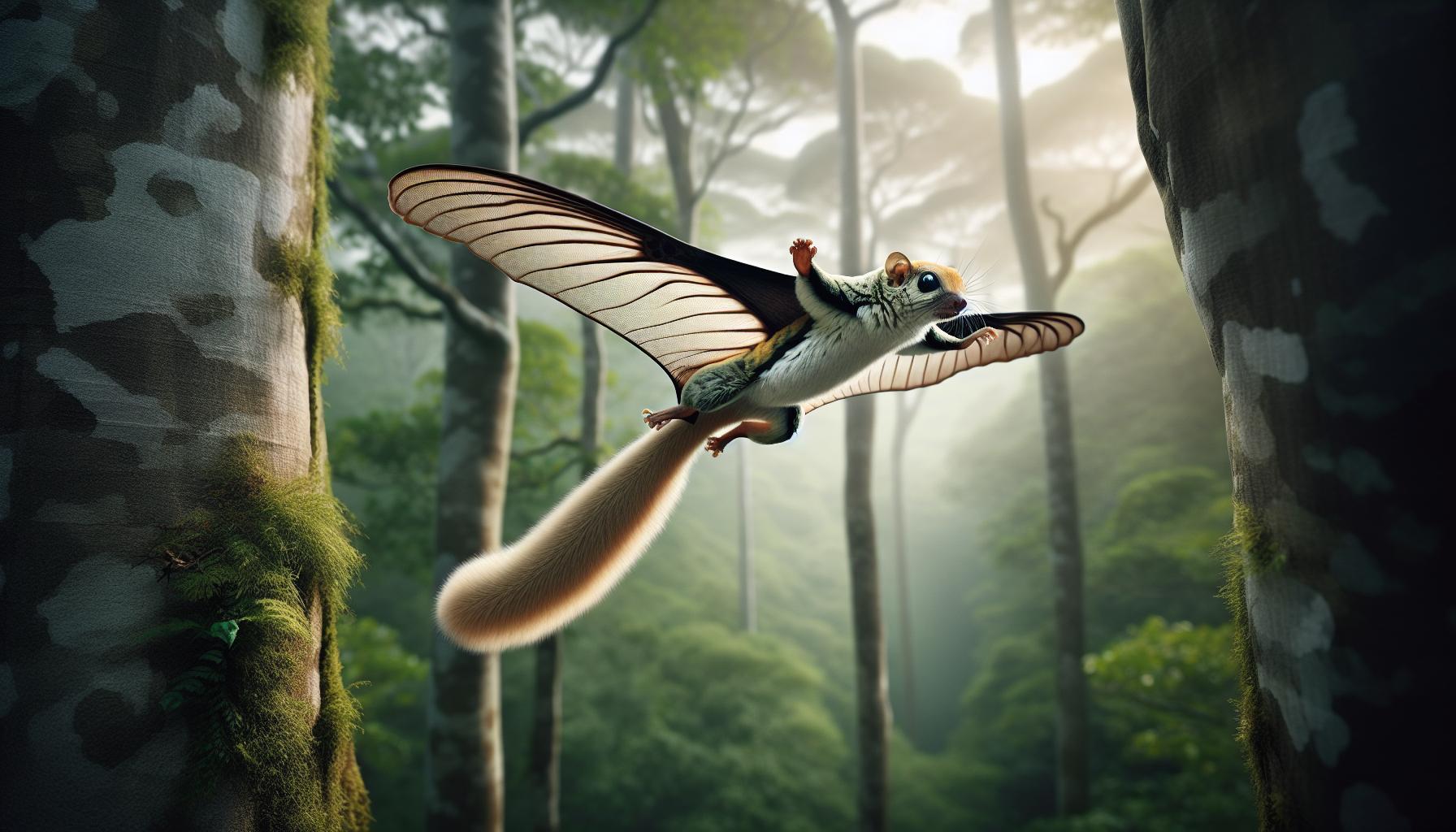
Flying squirrels are fascinating creatures that have evolved unique adaptations to thrive in their arboreal environments. These remarkable mammals didn’t actually “evolve” the ability to fly in the traditional sense, but rather developed the capacity for gliding. This ability is a prime example of how evolutionary pressures can shape a species in response to their needs and surroundings. Initially, flying squirrels share a common ancestor with tree squirrels, and it is believed they began to diverge around the Oligocene Epoch (from 33.9 to 23 million years ago), a time when forest habitats expanded, encouraging certain adaptations required for life in the trees.
As their habitats changed, flying squirrels adapted in several key ways. Their most notable feature, the patagium (a membrane of skin that stretches from their wrists to their ankles), allows them to glide efficiently between trees. This adaptation not only aids in locomotion but also enhances their ability to escape predators and traverse vast distances in search of food and mates. Fossil evidence suggests that different species of flying squirrels evolved various traits in response to their specific environments and challenges. For instance, the giant flying squirrel (Petaurista) can glide over 450 meters, showcasing an impressive evolution of gliding efficiency and anatomy.
Primitive flying squirrels were primarily nocturnal, a trait that has persisted into modern species. The nocturnal lifestyle likely evolved to avoid predation during the day, taking advantage of the safety offered by darkness. As they evolved, they also adopted an omnivorous diet, which allowed them to exploit a broader range of food sources, including fruits, nuts, and even fungi. This dietary flexibility has not only contributed to their survival but also facilitated their expansion into various habitats.
In understanding the evolution of flying squirrels, it’s clear that environmental changes, dietary needs, and predation pressures have significantly shaped their development. These adaptations demonstrate the resilience of flying squirrels as they navigate the complexities of their arboreal homes, making them a perfect example of nature’s ingenuity in the face of evolutionary challenges. Their story is not just about survival; it reflects the intricate web of life and the continuous dance of adaptation that all species undergo.
The Unique Adaptations of Flying Squirrels
Flying squirrels are remarkable creatures, not just for their ability to glide through the treetops, but also for their unique adaptations that have developed over millions of years. One of their most distinct features is the patagium, a wide membrane of skin stretching from their wrists to their ankles. This adaptation allows them to glide gracefully between trees, covering distances of up to 450 meters in a single leap. Instead of flapping like birds, their movements involve a sophisticated technique of steering and controlling their descent. This ability helps them evade predators, navigate their arboreal habitats, and reach food sources that would otherwise be inaccessible.
In addition to their gliding membrane, flying squirrels also exhibit various adaptations that enhance their survival in diverse environments. Their large, forward-facing eyes are designed to facilitate excellent night vision, allowing them to be primarily nocturnal foragers. This adaptation helps them avoid predators and take advantage of food sources that are abundant at night, such as fruits, nuts, and fungi. The enhanced hearing and sense of smell further complement their night-time activities, ensuring they can locate food and detect danger with efficiency.
Another fascinating aspect of their evolution is their social behavior. Many flying squirrels are known to engage in communal nesting, which not only provides warmth but also fosters a network of safety against predators. Such collaborative living arrangements can be essential for young squirrels learning to navigate their environment and develop their skills. The blend of physical adaptations, sensory capabilities, and social structures exemplifies nature’s adaptability, showcasing how flying squirrels have thrived despite the challenges posed by their habitats.
As we delve deeper into the evolutionary story of flying squirrels, it becomes clear that their unique adaptations are a result of a complex interplay between environmental pressures, behavioral needs, and anatomical changes. These remarkable mammals highlight the beauty and ingenuity of evolution, illustrating how species can transform over time to better fit their niches in the ecosystem.
Understanding the Habitat of Flying Squirrels
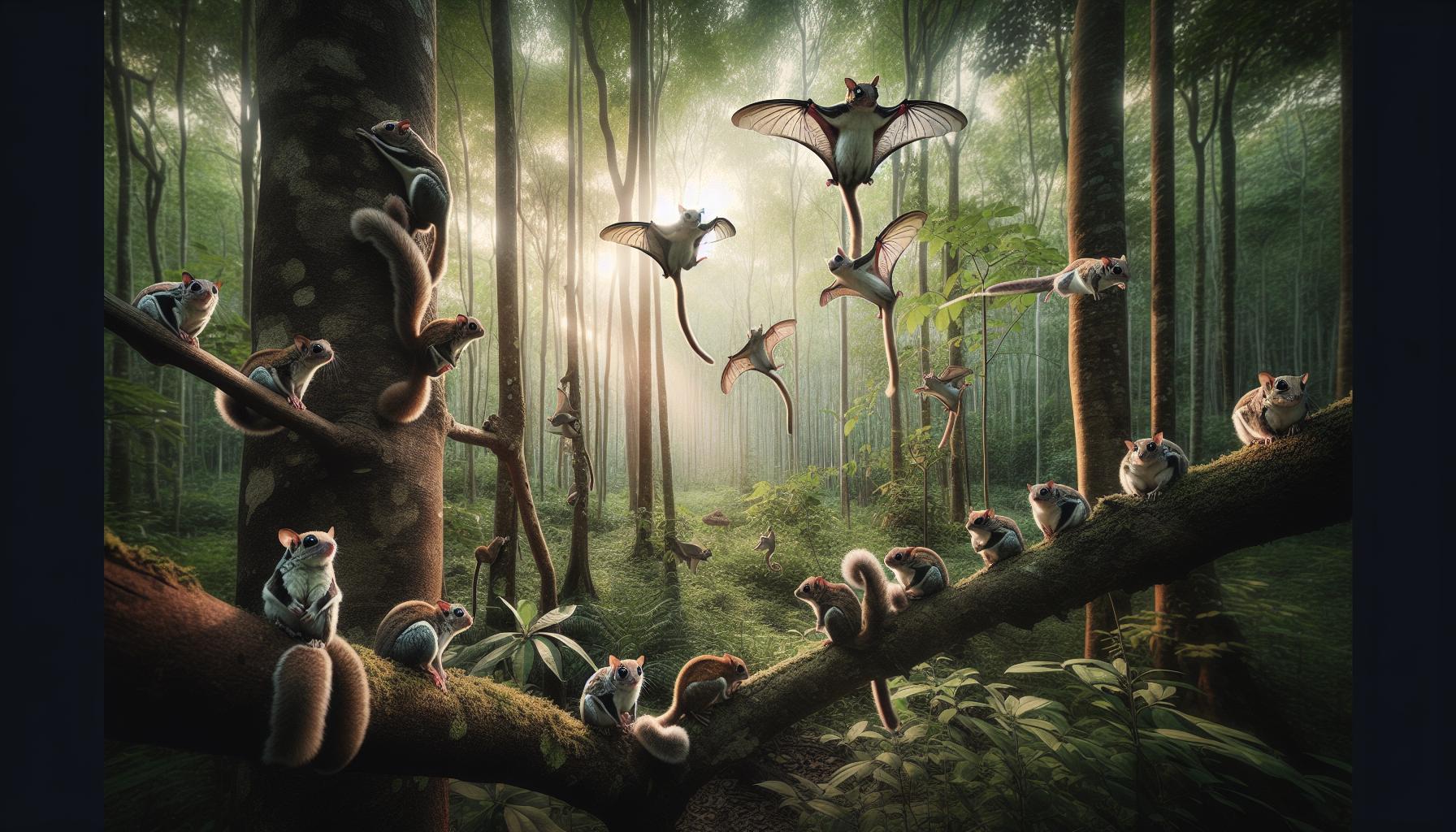
Flying squirrels are fascinating creatures that thrive in a variety of habitats, each adapted to meet their unique needs. Typically found in wooded areas, these arboreal rodents prefer forests where they can glide effortlessly from tree to tree. Their habitat can range from dense temperate forests to mixed woodlands, providing the essential cover and food sources required for their survival.
Ideal Habitat Conditions
In general, flying squirrels are most commonly associated with mature forests, which offer ample nesting sites and abundant food options. Key factors that contribute to their ideal habitat include:
- Tree Density: A high density of trees allows for easier gliding and foraging.
- Tree Species Variety: Different species of trees produce various types of nuts and fruits, which are essential food sources.
- Nesting Opportunities: Cavities and holes in trees provide safe nesting sites, protecting them from predators.
Urban areas can also provide unexpected habitats for flying squirrels, particularly in parks and larger garden spaces that contain mature trees. However, these urban environments may present challenges due to human activity and habitat fragmentation. This adaptation shows their remarkable ability to coexist with humans, looking for food sources like bird feeders or remnants left in gardens.
Global Distribution and Specific Needs
Flying squirrels are found in diverse regions across North America, Asia, and parts of Europe, each species exhibiting slight variations in habitat preference. For example, the northern flying squirrel prefers coniferous forests, while the southern flying squirrel can thrive in mixed hardwoods. Generally, they require habitats that have sufficient cover for predation avoidance and a reliable food supply throughout the year.
Interestingly, their nocturnal habits and reliance on trees for gliding means they encounter different ecological pressures depending on their specific environment. For instance, flying squirrels must navigate seasonal changes and food availability, often creating food caches during autumn to sustain them in winter months.
Understanding their habitat needs is crucial for effective conservation efforts, particularly as urbanization and climate change continue to affect their environments. Promoting connectivity between forest patches can help maintain healthy populations of flying squirrels, ensuring they continue to glide through the treetops for generations to come.
The Role of Genetics in Evolution
The fascinating evolution of flying squirrels is intricately linked to their genetics, which has shaped both their physical adaptations and behavioral traits over millions of years. One of the most crucial aspects of their genetic makeup is the monophyletic nature of flying squirrels, meaning all species share a common ancestor without any non-flying descendants. This genetic foundation reveals how certain traits, such as gliding ability, have been positively selected for in different lineages as a survival mechanism in the wild.
Genetic studies underscore the importance of evolutionary adaptations in response to environmental pressures, such as climate changes and habitat availability. For instance, genes associated with the development of patagia-the membrane that allows flying squirrels to glide-emerged, enabling them to traverse vast distances efficiently while foraging for food and escaping predators. These adaptations demonstrate how small genetic changes can lead to significant evolutionary advantages.
Moreover, genetic analysis plays a vital role in understanding the biodiversity within flying squirrel populations. Recent research has identified novel populations of southern flying squirrels, shedding light on the genetic variability and adaptability of these creatures. By comparing genetic samples from known populations, researchers can track how flying squirrels have evolved in various habitats and respond to ecological shifts. Such insights are crucial for conservation efforts, as they help identify genetically distinct populations that may need targeted protection to ensure their survival in rapidly changing environments.
In essence, the study of genetics is not just a window into the past of flying squirrels but also a guide for their future. As urbanization and climate change continue to impact their natural habitats, understanding the genetic underpinnings of these resilient creatures will be essential for effective conservation strategies. By appreciating the intricate dance between genetics and evolution, we can better ensure that these remarkable gliders continue to thrive in our forests for generations to come.
How Climate Affects Evolutionary Changes
Climate is a powerful force that can significantly influence the evolutionary trajectory of species, including flying squirrels. These remarkable creatures demonstrate adaptability to various climates, which has shaped their physical characteristics and behaviors over millions of years. One captivating fact is that flying squirrels possess the unique ability to glide between trees, a skill that not only enhances their mobility but also plays a critical role in how they respond to shifts in their environment.
Changing climate conditions affect the abundance and distribution of food sources, which are essential for the survival of flying squirrels. For instance, as temperatures rise and fluctuate, the availability of fruits and nuts can vary dramatically. This fluctuation forces flying squirrels to adapt their foraging strategies, possibly leading to changes in feeding habits or preferences. Their body size and fur density may also evolve in response to temperature changes, helping them conserve heat or regulate body temperature more effectively.
Furthermore, climate change impacts the habitats that flying squirrels can occupy. As forests undergo fragmentation and alterations due to warming temperatures and increased human activity, flying squirrels may find themselves isolated in pockets of suitable habitat. This isolation can lead to smaller, more genetically uniform populations, increasing the likelihood of inbreeding and reducing genetic diversity. Over time, these populations may adapt to their specific microenvironments, leading to divergence among species or subspecies, which specialists refer to as adaptive radiation.
Understanding how climate affects the evolution of flying squirrels highlights the urgency of conservation efforts. Protecting large swaths of forest can help maintain genetic diversity and provide these animals with the resources they need to survive changing environmental conditions. As curious wildlife enthusiasts, we can marvel at the resilience of flying squirrels and advocate for their preservation amid the challenges posed by climate change, ensuring these enchanting gliders continue to thrive in our ecosystems.
The Importance of Gliding in Survival
The ability of flying squirrels to glide is not just a remarkable feature; it’s a crucial adaptation that enhances their survival in a complex and often challenging environment. These fascinating creatures have evolved to use a membrane of skin called the patagium, which stretches from their wrists down to their ankles. This allows them to glide between trees, covering distances of up to 1500 feet in a single leap. This adaptation minimizes the risks associated with ground foraging, where predators lurk.
Gliding offers several advantages when it comes to foraging and escaping threats. By navigating from one tree to another without descending to the ground, flying squirrels can efficiently access food sources like fruits, nuts, and tree sap. The ability to soar from branch to branch also helps them avoid ground-based predators such as foxes or owls. When pursued, they can perform agile turns and descends, evading capture while showcasing their unique acrobatic skills.
Energy Efficiency and Foraging
Flying is not only about survival; it’s also about energy conservation. Gliding is significantly less energy-intensive than running or climbing. This adaptation allows flying squirrels to exploit resources across larger areas without exhausting themselves. For instance, when food is scarce, they can glide to distant trees that might have more abundant supplies, thus widening their foraging range and increasing their chances of finding sustenance.
The design of their body aids this energy-efficient gliding. With a lightweight frame and specialized limbs, they can spread their limbs wide to catch the air. This structure provides them with the ability to control their descent and even steer mid-air, allowing them to land safely on branches or tree trunks rather than falling to the ground.
In summary, the remarkable gliding ability of flying squirrels is intricately tied to their survival strategy. This adaptation not only offers protection from predators but also enhances their foraging efficiency, ensuring they can thrive in their arboreal habitats. As we learn about these enchanting creatures, it’s essential to appreciate how their evolution has equipped them to navigate and flourish in the environment where they live.
Comparing Flying Squirrels to Other Species
Flying squirrels are truly remarkable creatures, but they aren’t the only animals in the world that have adapted to life among the trees. When you compare them to other gliding or flying species, such as flying fish or birds, intriguing contrasts emerge. While flying squirrels glide gracefully thanks to their specialized patagium, or membrane, birds evolved powered flight through adaptations like wings and hollow bones that permit flapping to create lift.
One of the most fascinating comparisons is with the sugar glider, another gliding mammal. While both animals have developed gliding capabilities, sugar gliders are found primarily in Australia and New Guinea, showcasing how geographical isolation can influence evolution. They not only glide but also have adaptations that allow them to thrive in a variety of environments, including urban areas. Both flying squirrels and sugar gliders can cover impressive distances while avoiding predators, demonstrating similar evolutionary pressures despite their different habitats.
The evolutionary journey of flying squirrels also contrasts sharply with that of flying insects, like butterflies or dragonflies. Insects have developed a very different approach to flight with their lightweight bodies and wings that beat rapidly. This advantage allows them to maneuver with agility that other species can’t match. The comparison highlights how flight, whether powered or gliding, has developed independently in different animal groups as a response to environmental pressures and survival needs.
In understanding these species, you begin to appreciate the diversity and adaptability of life on Earth. Each creature, including the flying squirrel, tells a unique story of evolution shaped by its habitat, predation pressures, and ecological interactions. Whether gliding, flying, or swimming, these adaptations reveal the incredible lengths to which life will evolve to survive and thrive.
Common Misconceptions About Flying Squirrels
Flying squirrels often evoke a sense of wonder, with their captivating glides through the forest canopy, but misconceptions about them abound. One prevalent myth is that these charming creatures are capable of true flight. In reality, they glide, thanks to a specialized membrane called the patagium that stretches from their front to back legs. This adaptation allows them to sail gracefully from tree to tree, but they don’t possess the ability to flap wings like birds or bats. Understanding this difference helps clarify the unique adaptations that define flying squirrels and their evolutionary story.
Another common misunderstanding is that flying squirrels are rodents; while they do belong to the order Rodentia, they’re more closely related to other tree-dwelling mammals. Flying squirrels possess distinct characteristics that set them apart from typical ground squirrels, such as their larger eyes for night vision and the ability to glide long distances. Notably, there are several species of flying squirrels, each showcasing variations in size, habitat preferences, and behaviors-a testament to the diversity within this fascinating group.
It’s also not unusual for people to think flying squirrels are only found in North America, but they actually inhabit various regions across the globe, including Asia and Europe. The presence of flying squirrels in different habitats illustrates how these animals have adapted to diverse ecological environments. In fact, the discovery of ancient flying squirrel fossils in locations like Catalonia, Spain, hints at a rich evolutionary history that predates our modern understanding of these creatures by millions of years.
In light of these misunderstandings, it’s essential to approach flying squirrels with curiosity and respect. By learning more about their unique adaptations, ecological roles, and evolutionary journey, we gain a deeper appreciation for their place in the animal kingdom. Whether it be their gliding prowess or their rich history, flying squirrels continue to be remarkable representatives of nature’s ingenuity.
The Impact of Urbanization on Their Evolution
Urbanization is transforming landscapes across the globe, and its impact on flying squirrels is becoming increasingly evident. As cities expand and forests are cleared for development, these remarkable creatures face significant challenges that can influence their evolutionary trajectory. The adaptation of flying squirrels to urban environments is a fascinating testament to their resilience and ingenuity.
Flying squirrels thrive in forest canopies where they can glide from tree to tree, utilizing their patagium to move gracefully. However, as urban sprawl encroaches on their habitats, many squirrels find themselves navigating fragmented landscapes with increased distances between trees. This alteration can hinder their movement and access to food sources, leading to potential declines in population. A study highlighted the specific behavioral strategies flying squirrels adopt in urbanized areas, suggesting that some individuals have begun to exploit human structures, such as utilizing yards and parks, to navigate their environment more effectively [1].
Moreover, urban environments can introduce various stressors, including noise, pollution, and altered predator-prey dynamics. These factors can lead to changes in the behavior and life history traits of flying squirrels. For instance, individuals may become more nocturnal to avoid daytime disturbances, impacting social interactions and reproduction. Recognizing these adaptations can help wildlife enthusiasts and conservationists develop effective strategies to support flying squirrel populations in urbanized habitats.
In light of these challenges, conservation efforts are crucial for the survival of flying squirrels. Ensuring the preservation of green spaces within urban areas can provide essential habitats for gliding and feeding. Additionally, creating wildlife corridors that connect fragmented habitats can facilitate movement and genetic exchange, promoting the resilience of these fascinating creatures as they adapt to an ever-evolving environment. As we marvel at the agility and adaptability of flying squirrels, it’s important to remember how human activity can shape their future, highlighting the need for responsible urban planning and wildlife conservation.
Conservation Efforts for Flying Squirrels
Flying squirrels are remarkable creatures that not only glide gracefully through the trees but also face a myriad of challenges in today’s changing world. Their survival is closely tied to effective conservation efforts, especially as urbanization and habitat destruction threaten their natural homes. Protecting flying squirrels involves a combination of habitat preservation, community engagement, and scientific research to ensure these incredible mammals continue to thrive.
One of the most effective strategies for conservation is the establishment of wildlife corridors. These corridors connect fragmented habitats, allowing flying squirrels to move safely across landscapes, access food sources, and find mates. By maintaining genetic diversity, these networks help populations remain resilient against disease and environmental changes. Innovative projects like creating green roofs or planting native tree species in urban areas can also play a vital role in providing essential spaces for these creatures.
Moreover, raising awareness among local communities can enhance conservation initiatives. Educating people about the ecological importance of flying squirrels encourages stewardship over their habitats. Simple actions, such as keeping yards wildlife-friendly by planting native plants and reducing pesticide use, can make a significant difference. Engaging schools and community organizations in citizen science projects can further foster a connection between individuals and the natural world, empowering them to take action.
Research and Monitoring are crucial components of conservation as well. Scientists are actively studying variations in behavior and habitat use among flying squirrels, especially in urban settings, to develop informed strategies. Tracking their movements through GPS and conducting population assessments can provide valuable data on how these animals are adapting to environmental changes. Such research not only informs conservation efforts but also promotes a deeper understanding of these fascinating creatures and their unique evolutionary story.
In conclusion, protecting flying squirrels requires a multifaceted approach that intertwines habitat conservation, community involvement, and scientific research. By understanding their needs and challenges, enthusiasts and conservationists alike can contribute to safeguarding these aerial acrobats and ensure their legacy continues for future generations.
Fascinating Facts About Flying Squirrels
Did you know that flying squirrels are not actually capable of powered flight, like birds or bats? Instead, they have evolved remarkable gliding abilities that allow them to soar gracefully between trees. Their gliding is made possible by a special membrane called the patagium, which stretches from their wrists to their ankles, effectively transforming their bodies into gliders. This adaptation is crucial for their survival, helping them to escape predators and easily navigate their forest habitats in search of food and shelter.
One captivating aspect of flying squirrels is their nocturnal lifestyle. These creatures are most active at night when they use their large eyes to see in low light conditions. A flying squirrel’s diet consists primarily of fruits, nuts, and tree sap, making them important players in their forest ecosystems. In addition to their unique feeding habits, they play a role in seed dispersal, contributing to forest regeneration. A single flying squirrel can consume and transport hundreds of seeds and nuts, which helps to promote plant diversity in their habitats.
Another fascinating fact is their social behavior. Many species of flying squirrels are known to be quite sociable, often living in small family groups. They communicate with each other through a series of vocalizations and body language, strengthening social bonds within the group. These interactions are crucial, especially during breeding season, when they must find mates and establish safe nesting sites.
Despite their charm and agility, flying squirrels face numerous threats from habitat loss and urbanization. Understanding and appreciating these extraordinary creatures is the first step towards ensuring their conservation. By creating wildlife-friendly spaces and sharing knowledge about their role in the ecosystem, we can help protect flying squirrels for generations to come. Keeping an eye out for them during evening strolls in wooded areas can also heighten our connection to these enchanting gliders of the night!
Future Prospects for Flying Squirrel Evolution
As flying squirrels continue to adapt to changes in their environment, their evolutionary journey remains a fascinating topic for wildlife enthusiasts and researchers alike. These remarkable creatures have developed gliding abilities that not only aid in their survival but also highlight their capacity to thrive in diverse habitats. Looking ahead, the future of flying squirrels will be shaped by their ability to navigate challenges posed by climate change, habitat loss, and urbanization, which threaten their natural environments.
The adaptability of flying squirrels has been critical to their survival. For instance, as forests change due to climate fluctuations, flying squirrels may evolve behavioral traits that allow them to forage more effectively in new types of vegetation. Continued genetic studies could reveal how populations adjust physiologically to these changes, ensuring their resilience. Research into their gliding adaptations suggests they might develop variations in wing membrane structures that enhance energy efficiency across different landscapes.
Urbanization presents distinct challenges but also opportunities. While expanding cities threaten to fragment habitats, flying squirrels that can adapt to suburban environments might thrive. Those that utilize parks and green spaces could demonstrate incredible resilience, further diversifying behaviors and genetics. This ability to adapt could lead to interesting evolutionary pathways, separating urban populations from their rural counterparts over time.
Conservation efforts will play a pivotal role in the future evolution of flying squirrels. By protecting natural habitats and promoting connectivity between fragmented landscapes, we can support healthy flying squirrel populations. Engaging local communities in conservation initiatives can raise awareness about these charming creatures, fostering greater appreciation and protection of their habitats. As we strive to create wildlife-friendly spaces and encourage responsible urban planning, we can help ensure that flying squirrels continue to glide gracefully through the trees for generations to come.
Frequently Asked Questions
markdown
Q: What ancestors led to the evolution of flying squirrels?
A: The ancestors of flying squirrels can be traced back to the genus Paracitellus, which appeared in the late Oligocene era. This lineage laid the groundwork for the distinct adaptations seen in modern flying squirrels, enabling their unique gliding ability [3].

Q: How do flying squirrels differ from traditional squirrels?
A: Unlike traditional squirrels, flying squirrels possess a membrane called the patagium, which extends between their limbs and allows them to glide between trees. This adaptation is crucial for navigating their arboreal habitats and escaping predators [3].

Q: What is the significance of gliding in flying squirrel evolution?
A: Gliding has significant evolutionary advantages for flying squirrels, enhancing their ability to evade predators and access food sources across a wide range of trees. This adaptation has allowed them to thrive in forested environments [3].

Q: How does urbanization impact the evolution of flying squirrels?
A: Urbanization alters flying squirrels' habitats, creating fragmented landscapes. This can lead to changes in behavior and genetics as they adapt to new environments, impacting their survival and reproduction rates [3].

Q: What environmental changes have influenced flying squirrel evolution?
A: Environmental changes, including climate fluctuations and habitat destruction, have forced flying squirrels to adapt over time. These changes can affect their diet, reproductive habits, and overall survival [3].

Q: Can flying squirrels fly, or do they only glide?
A: Flying squirrels cannot fly in the traditional sense; instead, they glide using their patagium. This adaptation allows them to move between trees without the ability to truly gain lift like birds or bats [3].

Q: What role does genetics play in the evolution of flying squirrels?
A: Genetics plays a crucial role in the evolution of flying squirrels by determining traits that enhance survival, such as gliding adaptations. These genetic variations are essential for the species' ability to adapt to changing environments [3].

Q: How have flying squirrels adapted to different climates?
A: Flying squirrels exhibit various adaptations to cope with different climates, including changes in fur density and activity patterns. These adaptations help them thrive in diverse habitats, from temperate forests to urban areas [3].
In Summary
As we explore the incredible evolution of the flying squirrel, it’s clear how nature adapts and innovates for survival. From gliding gracefully between trees to avoiding predators, these remarkable creatures showcase fascinating survival strategies. Want to dive deeper? Check out our articles on “How Habitat Influences Behavior” and “The Secrets of Squirrel Nutrition” for a more rounded understanding of their world.
If you enjoyed this journey into evolution, don’t forget to subscribe to our newsletter for the latest insights into wildlife and conservation. Your curiosity fuels our passion for sharing these amazing stories! Share your thoughts or questions in the comments below-let’s keep the conversation going! Explore more about earth’s wonders and the conservation efforts you can be part of today!
Get our latest guides, news, and insights highlighted in your Google Search & AI Overviews.