
Did you know that prairie dogs are highly social creatures, known for their complex underground burrows and lively communication? These charming little mammals make for fascinating pets, but they require specific care to thrive in captivity. Understanding their behavior, habitat needs, and dietary preferences is essential for potential owners who wish to provide a healthy and enriching environment. Many newcomers are drawn to prairie dogs for their adorable appearance and playful behaviors, yet they often overlook the commitment involved in their care. This guide will walk you through the essentials of keeping a prairie dog happy and healthy, from habitat setup to nutrition and social interaction. Whether you’re a seasoned pet owner or considering adding a prairie dog to your family, this comprehensive resource will help you embark on a rewarding journey with your new furry friend.
Essential Facts About Prairie Dogs: Behavior and Habitat
Did you know that prairie dogs are not actually dogs at all? These fascinating little creatures are ground-dwelling rodents belonging to the squirrel family, found primarily in the grasslands of North America. They live in intricate networks of burrows that can span up to 100 acres, creating bustling underground towns teeming with activity. Their social structure is quite remarkable, as these animals exhibit strong family bonds, often living in colonies called coteries that can consist of multiple family groups.
Prairie dogs are highly social and communicate through a complex system of vocalizations, body language, and even specific alarm calls that warn others about predators. They engage in behaviors that suggest a sophisticated level of awareness, making them not just charming, but also intelligent. For instance, their “kissing” behavior, where they touch their faces together, strengthens social bonds among members of their colony, showcasing their affectionate nature.
When it comes to habitat, prairie dogs thrive in open grasslands, savannas, and semi-arid regions, where they can dig burrows that provide shelter from predators and harsh weather. The soil in these areas must be loose enough to excavate, making the prairie dog’s choice of location crucial for both its safety and comfort. These animals play a significant role in their ecosystem by aerating the soil with their burrowing and serving as a food source for a variety of predators, including hawks, coyotes, and badgers.
Understanding the behavior and habitat of prairie dogs is essential for their care, especially for those considering them as pets. As social creatures, they require ample space to move and interact, as well as a few companions to mimic their natural social structure. Providing a suitable living environment that mimics their natural habitat will contribute to their well-being and happiness in captivity. Whether you are a new pet owner or simply an admirer of these lively rodents, appreciating their complex behaviors and ecological role can enhance your experience.
Understanding Prairie Dog Diet: What to Feed Your Pet

Prairie dogs have a diverse and specialized diet that reflects their natural habitat and social behavior. In the wild, these lively rodents primarily feast on various grasses, herbs, and seeds, making them herbivores with a penchant for high-fiber foods. To keep your pet prairie dog healthy and happy, replicating this diet is key. Offering a balanced mix that mimics their natural foraging behavior not only supports their physical health but also engages their instincts.
A typical prairie dog diet should include:
- Hay: Unlimited access to fresh grass hay, such as timothy or orchard grass, is crucial. It provides essential fiber for digestion and helps wear down their constantly growing teeth.
- Fresh Vegetables: Leafy greens like kale, dandelion greens, and romaine lettuce can be offered in moderation. Avoid starchy or high-sugar vegetables like carrots and peas.
- Pellets: High-quality prairie dog-specific pellets can supplement their diet, but they should not be the main food source. Look for those that are high in fiber and low in fat.
- Occasional Treats: Small amounts of fruits (like apple or pear) and nuts can serve as treats. However, these should be given sparingly due to high sugar and fat content.
In addition to food, ensure your prairie dog has constant access to clean, fresh water. The importance of hydration cannot be overstated, especially in pets that are active and playful. This also mimics their natural behavior of drinking from water sources in the wild. Pay attention to their eating habits, as changes in appetite can be an early indicator of health issues.
A significant advantage of this varied diet is the opportunity for stimulation and enrichment. By providing different foods in contrast to their usual pellets, you can promote foraging behavior, keeping your prairie dog mentally engaged. Consider placing treats inside puzzle feeders or hiding them around their habitat to encourage exploration and natural digging instincts. This not only supports their dietary needs but also enhances their overall well-being, creating a happy and fulfilled companion.
Creating the Perfect Habitat for Your Prairie Dog
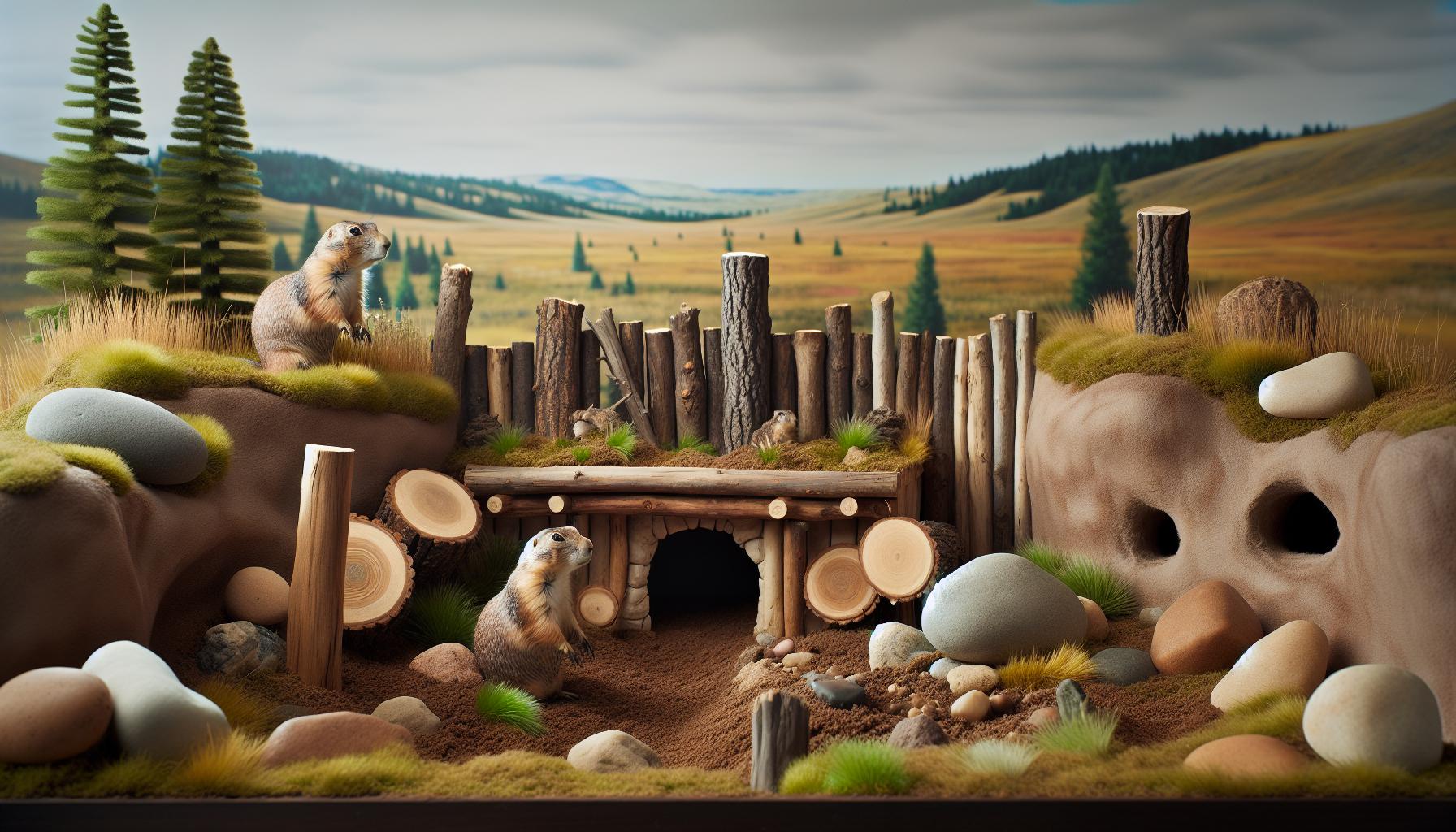
Creating a comfortable and stimulating habitat for your prairie dog is vital to their physical and emotional well-being. These social and inquisitive creatures thrive in environments that mimic their natural burrowing lifestyle, which includes multiple levels and plenty of room to dig and explore. When setting up your prairie dog’s home, think about their instinctive behaviors and the kind of space that will allow them to express these tendencies.
Start with a spacious enclosure, ideally a multi-level cage that extends vertically. Towers and tunnels can simulate the complex burrow systems prairie dogs create in the wild. Ensure the enclosure is at least 4 feet wide and tall, giving your pets adequate room to move around. A solid bottom is essential to prevent any accidental escapes and to make cleaning easier. Line the cage with a variety of bedding materials such as paper-based bedding or aspen shavings, avoiding cedar and pine, which can be harmful to their respiratory systems.
Environmental Enrichment
Incorporating environmental enrichment is crucial for a prairie dog’s happiness. This can include digging boxes filled with safe soil or sand, where they can dig and burrow just as they would outside. Provide chew toys made from untreated wood or grass mats to help keep their ever-growing teeth in check.
Offer various hiding spots using cardboard boxes, tunnels, or even safe plants to create a little oasis where they can retreat and feel secure. Toys that challenge their intellect, like treat-dispensing puzzles, can encourage foraging behavior. Regularly rotate toys and bedding to spark curiosity and prevent boredom.
Temperature and Lighting
Temperature control is another important aspect of your prairie dog’s habitat. Aim to keep the temperature between 65-75°F (18-24°C), as they are sensitive to extreme heat or cold. A softly illuminated area with natural or artificial light that mimics the day-night cycle is beneficial. Just like in their native environments, prairie dogs need periods of light for activity and dark for resting.
Water sources must be easily accessible; consider using a water bottle with a sipper tube or a shallow bowl that is heavy enough to prevent tipping. Fresh drinking water should be available at all times.
Lastly, cleanliness cannot be understated. Regularly clean the habitat to prevent disease and odors, maintaining a safe and pleasant environment. By creating an engaging, safe, and clean habitat, you’ll not only meet your prairie dog’s basic needs but also promote their behavioral health, leading to a happier, more active pet.
Grooming Needs: Keeping Your Prairie Dog Healthy
Regular grooming is key to ensuring your prairie dog’s health and happiness. These lively creatures require more than just a clean habitat; their fur, nails, and teeth need attention to keep them in top shape. Not only does grooming help maintain their physical health, but it also strengthens the bond between you and your pet, making it a delightful experience for both.
One crucial aspect of grooming is brushing. Prairie dogs tend to shed, especially during seasonal changes. Using a soft-bristled brush or a grooming glove can help manage loose fur and reduce the amount of hair that ends up everywhere. Aim to brush your prairie dog at least once a week; this not only keeps them looking sharp but also aids in preventing matting and reduces the chances of hairballs. They generally enjoy the brushing process, so take your time and enjoy some bonding moments.
Another important grooming task is nail trimming. Long nails can cause discomfort and lead to mobility issues. When trimming, use a small pet nail clipper, cutting only the pointed tip. If you’re unsure, consult a veterinarian or professional groomer the first few times for guidance. Make this a regular part of their care routine; ideally, aim for every 4-6 weeks. Watching a prairie dog run around with perfectly clipped nails is quite rewarding!
Don’t forget about dental hygiene, as prairie dogs are prone to dental issues due to their constantly growing teeth. Providing fresh hay, chew toys, or untreated wood can help them naturally wear down their teeth. However, it’s still important to check their mouths regularly for any signs of overgrowth or issues. If you notice anything unusual, a visit to the veterinarian is in order to avoid further complications.
Lastly, keep an eye out for any signs of skin irritations or infections during grooming sessions. A healthy prairie dog will have smooth, clean fur. If you encounter any abnormalities, consult a vet. By regularly grooming your prairie dog, you’re investing in their health and happiness, fostering a happy and fulfilling life together.
Socialization Tips for Prairie Dogs: Bonding with Your Pet
Prairie dogs are social creatures that thrive on interaction, making socialization a crucial element of their care. Understanding their social nature will enhance your bond with these lively pets. One fascinating aspect of prairie dogs is their tendency to live in colonies, where they engage in complex social behaviors. This means they’re wired to communicate and interact, not just with their fellow prairie dogs but also with their human caregivers.
To foster a strong relationship with your prairie dog, start by spending quality time with them in a calm environment. Sit on the floor near their enclosure and let them come to you. This can take some patience, but allowing them to approach on their own will help build trust. Offering treats like small pieces of fresh veggies or their favorite hay can create positive associations with your presence. Regular interaction is key, so aim for daily playtime, where you can engage them with toys or simple activities that stimulate their natural instincts.
Creating a Playful Environment
Interactive playtime is vital for socialization and should incorporate activities that mimic natural behaviors. Consider setting up a designated play area with tunnels, climbing structures, and chew toys. Prairie dogs love to dig, so allowing them to explore different textures with boxes filled with hay or shredded paper can be both fun and enriching. Always supervise playtime to ensure their safety, and introduce new toys gradually to keep their interest piqued.
Understanding Their Communication
Moreover, it’s important to recognize the different sounds and body language of prairie dogs. They use a range of vocalizations to communicate with each other and express their feelings, such as chirps for alerting others to danger or purring sounds when they’re content. By observing these behaviors, you’ll gain insight into their mood and needs, allowing for a more responsive and nurturing interaction. For instance, if your prairie dog starts to thump their hind feet, it’s a sign they’re feeling threatened or anxious. Reacting calmly and offering reassurance can help ease their concerns.
By actively engaging with your prairie dog and understanding their social needs, you create a fulfilling and harmonious environment that mirrors their natural instinct to bond and play. This not only enriches their life but also enhances your relationship, making your prairie dog a happy and healthy companion.
Training Your Prairie Dog: Basic Commands and Tricks
Training your prairie dog can be an incredibly rewarding experience, not only for you but for your furry friend as well! Prairie dogs are intelligent creatures that can learn basic commands and even tricks, enhancing the bond you share and stimulating their minds. They thrive on interaction and mental challenges, making training an ideal activity for both fun and enrichment.
Start with simple commands, using positive reinforcement techniques to encourage desired behaviors. For instance, you can teach your prairie dog to respond to their name by consistently saying it when offering treats or during playtime. Over time, they will associate their name with positive experiences. Additionally, consider using a clicker to mark the behavior you want to reinforce. Clickers are effective tools for training as they provide a clear sound that signals to your prairie dog they did something right.
Basic Commands
Here are a few basic commands you can practice with your prairie dog:
- Come: Use a treat to lure your prairie dog towards you while saying “come.” Reward them when they respond.
- Stop: Say “stop” firmly but gently when your prairie dog is doing something you want them to cease, followed by praise when they comply.
- Up: Encourage them to rise on their hind legs for a treat. This trick not only strengthens their muscles but also looks adorable!
As they become comfortable with these basics, you can gradually introduce more complex tricks, such as teaching them to navigate small obstacle courses or to push a ball with their nose.
Consistency and Patience
Remember that consistency is key in training. Keep training sessions short, around 5-10 minutes each, as prairie dogs have short attention spans. Incorporate training into your daily interactions, perhaps while feeding or during playtime, to keep things engaging. Always be patient; if your prairie dog seems uninterested or frustrated, take a break and try again later.
Train with love and excitement, gradually integrating commands into play. This approach ensures that training remains an enjoyable experience for both of you, fostering not only obedience but a deeper connection with your pet. Keep the experience light and fun, and celebrate small victories-you’ll soon find that your prairie dog not only responds to commands but also loves the time spent learning with you!
Health Care Essentials: Regular Check-Ups and Vaccinations
Regular veterinary check-ups and vaccinations are essential components of maintaining your prairie dog’s health. Much like any other pet, prairie dogs are susceptible to a range of health issues, many of which can be prevented or managed through routine care. Establishing a relationship with a veterinarian who specializes in exotic pets will ensure that your furry friend receives appropriate and knowledgeable care.
During your prairie dog’s annual check-up, the veterinarian will conduct a thorough physical examination, assessing their weight, dental health, and overall condition. It’s a good opportunity to discuss any behavioral changes you may have observed, such as changes in appetite, lethargy, or unusual habits. Early detection of potential issues is key; addressing health concerns promptly can make a significant difference in treatment outcomes.
Vaccinations are crucial for preventing infectious diseases common in prairie dogs, such as sylvatic plague and tularemia. Your vet can provide a vaccination schedule tailored to your pet’s needs and lifestyle. Typically, prairie dogs should receive vaccinations annually, but your veterinarian may adjust this based on factors like age, health status, and exposure risks. Additionally, discussing parasite prevention, including flea and tick treatments, will help protect your prairie dog’s health throughout the year.
Finally, it’s important to keep track of your prairie dog’s medical records, including vaccination dates and any treatments they have received. This information is invaluable not only for regular vet visits but also in case of emergencies. By prioritizing regular check-ups and vaccinations, you’ll be actively contributing to a longer, healthier life for your prairie dog, ensuring they remain a happy member of your family.
Signs of Illness in Prairie Dogs: When to See a Vet
Recognizing the subtle signs of illness in prairie dogs is crucial for any owner who wants to ensure their furry friend remains healthy and happy. These lively creatures have specific behaviors that can alert you to potential health issues. For example, a sudden change in their eating habits-such as refusing food or water-can signal digestive problems or stress. Similarly, if your prairie dog becomes less active or isolates itself from social interactions, it might be time to schedule a visit to the vet.
Another key indicator of health problems is any noticeable change in your pet’s appearance. Keep an eye out for signs such as a scruffy coat, weight loss, or unusual discharge from their eyes or nose. These symptoms can point to a variety of conditions, from dental issues to respiratory infections. Vocalizations also play a role; if your prairie dog is unusually quiet or makes strange sounds, this could indicate discomfort or pain.
It’s vital to be proactive rather than reactive when it comes to the health of your prairie dog. Routine check-ups with a veterinarian who understands exotic animals will help catch many issues early. However, you should also trust your instincts-if something seems off with your pet, don’t hesitate to seek professional advice. Early intervention can significantly improve outcomes for many health situations, ensuring that your beloved prairie dog can continue to thrive in your home.
In summary, being attentive to the signs of illness can make a big difference in your prairie dog’s life. By staying observant and informed, you’ll be better equipped to act quickly if health concerns arise, giving your pet the best chance at a long, happy life.
Understanding Prairie Dog Behavior: Body Language Explained
Understanding a prairie dog’s body language is essential for any owner wanting to build a strong bond and ensure their pet is healthy and happy. These playful creatures communicate a wealth of information through their movements, postures, and vocalizations, akin to the way humans use facial expressions and gestures to express feelings. By paying attention to these signals, you can gain insightful perspectives on your prairie dog’s emotional state and overall well-being.
One of the most noticeable behaviors is their social interaction. Prairie dogs are naturally social animals and display a range of signals to convey their emotions. For instance, when they sit upright with their front paws resting on their thighs, it’s often a sign of alertness or curiosity. If your prairie dog flattens its ears against its head, however, it might indicate fear or aggression, especially when confronted with a new environment or potential threat. In contrast, a relaxed prairie dog will often stretch out, often exposing their belly, which is a sign of comfort and security in their surroundings.
- Chirping Sounds: If your prairie dog emits soft chirping noises, it can indicate happiness or excitement, often heard when they are playing.
- Whining or Whimpering: These sounds may suggest stress or discomfort, prompting you to check on their well-being.
- Tail Movements: Rapid tail movements can indicate excitement, while slow movements or a still tail can suggest relaxation.
Understanding when your prairie dog is happy versus when they might be feeling threatened or unwell is crucial. For instance, during playtime, a prairie dog may exhibit what is known as the “play bow,” where they lower their front legs while keeping their rear end elevated. This playful stance invites interaction and shows they are ready to engage with you or other pets. Recognizing these behaviors will enhance your ability to respond to your prairie dog’s needs, ensuring a fulfilling and enriching life together.
By observing and interpreting your prairie dog’s body language, you not only enhance your understanding of their personality but also strengthen the bond you share. Just like humans, prairie dogs have their own unique quirks and traits, making each one a distinct companion.
Engaging Activities for Your Prairie Dog: Enrichment Ideas
Engaging your prairie dog in stimulating activities is essential for their well-being and happiness. These social, intelligent creatures thrive on interaction and mental challenges, making enrichment a key component of their care. Just as children need playtime to grow and learn, prairie dogs flourish when given opportunities to explore, dig, and engage with their environment. Here are some enriching activities that can keep your pet entertained and healthy.
One of the simplest ways to engage your prairie dog is through foraging games. Hide small treats in their bedding or scatter them across their habitat. This encourages natural digging and exploratory behaviors, mimicking how they would seek food in the wild. You can also use puzzle toys designed for small animals that require your prairie dog to solve a challenge to access a treat, pushing them to think and manipulate their environment.
Incorporating different textures within their habitat can provide sensory enrichment. Include items like cardboard boxes, tunnels, or safe wooden chews. Prairie dogs love to chew, and having various materials allows them to express this natural behavior. You might even create a “dig box” filled with shredded paper or hay, letting them engage in digging as they would in their natural burrows.
Social interaction is another vital element. Prairie dogs are highly social animals, so if you have more than one, encourage them to play together. You can introduce safe toys like small balls or tunnels that they can explore collectively. If there’s only one prairie dog, spending time playing gently with them will help fulfill their social needs. Using safe, colorful toys can stimulate their interest and drive them to explore.
Lastly, outdoor time can be invaluable. If safe and controlled, letting your prairie dog explore a secure outdoor environment can offer new sights and smells that enrich their life. Always supervise these outings to protect them from potential dangers and ensure they don’t escape.
By providing a variety of enrichment activities like foraging games, textural changes, social play, and outdoor adventures, you can help ensure your prairie dog remains active, healthy, and happy, enhancing their overall quality of life.
Common Misconceptions About Prairie Dog Care
Many people find prairie dogs adorable and want to bring one into their lives, but there are several misconceptions about their care that can lead to challenges down the road. One of the most common myths is that prairie dogs can thrive on the same diet as common rodents or even commercial pet foods. In reality, they have specific dietary needs, primarily consisting of grasses, hay, and certain vegetables. Failing to provide a proper diet can lead to serious health issues, such as obesity or dental problems. When planning meals, always prioritize fresh hay and limit high-fat treats to ensure your prairie dog maintains a healthy weight.
Another misconception is that prairie dogs can live happily alone. While they are sometimes kept as solitary pets, these social animals thrive in groups, and lack of companionship can lead to stress, behavioral problems, and even health issues. If you are considering adopting a prairie dog, think about providing them with a companion. If keeping multiple prairie dogs is not feasible, dedicate enough time to interact and play with your pet daily to meet their social needs.
Many new owners might also believe that a standard cage setup is sufficient for a prairie dog. However, these highly active creatures require ample space to roam and dig. A small cage can lead to boredom and frustration. It’s essential to create an environment that mimics their natural habitat, including tunnels, burrowing areas, and plenty of room to play. A proper setup will not only keep them physically healthy but also mentally stimulated.
Ultimately, prospective prairie dog owners must educate themselves thoroughly to provide a loving and appropriate home. By understanding their diet, social needs, and habitat requirements, you can ensure that your prairie dog enjoys a happy, fulfilling life. Remember, responsible ownership means respecting the animal’s natural behaviors and providing for its unique needs, which, in turn, enhances your bond with this fascinating creature.
Responsible Ownership: Ethics and Conservation Considerations
Responsible ownership of prairie dogs extends beyond simply providing care; it involves ethical considerations and a commitment to their wellbeing and conservation. Prairie dogs are highly social creatures that live in complex colonies, demonstrating intricate social structures and behaviors. As an owner, naturalizing your pet’s environment and acknowledging their wild origins is crucial for their happiness. Providing opportunities for socialization and interaction within the home can mimic their natural habitat, promoting emotional health and reducing stress.
When considering the adoption of a prairie dog, potential owners should be aware of the conservation status of these animals. They are often subject to habitat destruction and persecution, which can threaten their populations. Thus, it is essential to source pets from reputable breeders or rescues that prioritize animal welfare. Supporting responsible breeding practices and conservation efforts can help ensure that these charming creatures continue to thrive in both domestic and wild settings.
Moreover, as a prairie dog owner, embracing sustainable practices improves your pet’s quality of life and demonstrates a commitment to broader environmental stewardship. This can include using eco-friendly products, providing biodegradable bedding, and being conscious of the ecological impact of your pet care choices. Education about prairie dog behavior and habitat can also extend to sharing knowledge with others, fostering a community of informed pet owners dedicated to the wellbeing of these fascinating animals.
In summary, responsible ownership of prairie dogs encompasses ethical care, awareness of conservation challenges, and a proactive approach to nurturing their unique needs. By focusing on both the individual pet and the broader species, owners can cultivate a fulfilling and respectful relationship with their prairie dogs while contributing to their conservation.
FAQ
Q: How can I tell if my prairie dog is happy?
A: A happy prairie dog will exhibit playful behavior, such as jumping, running, and digging. They may also engage in social behaviors like grooming each other. Providing regular enrichment activities can enhance their happiness and reduce stress. For more on behavior, check out the section on Understanding Prairie Dog Behavior.
Q: What is the best way to bond with my prairie dog?
A: To bond with your prairie dog, spend time with them daily, offering healthy treats and engaging in gentle play. Patience is key; let them explore you at their own pace. Regular handling can help them become comfortable with human interaction. For tips, see the Socialization Tips for Prairie Dogs section.
Q: How often should I take my prairie dog to the vet?
A: Prairie dogs should have a veterinary check-up at least once a year. Regular health assessments help catch potential issues early. Don’t forget to discuss vaccinations and diet with your vet. For more health care essentials, refer to the Health Care Essentials section of the guide.
Q: Can prairie dogs be litter trained?
A: Yes, prairie dogs can be litter trained with consistency and patience. Use a specific area in their habitat and place litter boxes filled with paper or aspen shavings. Reward them for using the box, promoting positive behavior. For more habitat tips, see Creating the Perfect Habitat for Your Prairie Dog.
Q: What types of toys are best for prairie dogs?
A: Prairie dogs enjoy toys that allow for chewing and digging, such as untreated wooden blocks, tunnels, and cardboard boxes. These toys mimic their natural behaviors and provide essential mental stimulation. For additional enrichment ideas, visit the Engaging Activities for Your Prairie Dog section.
Q: Are prairie dogs social animals?
A: Yes, prairie dogs are highly social animals that thrive in groups. They communicate with each other through a variety of vocalizations and enjoy interacting with their companions. Providing a buddy can enhance their well-being. For more on socialization, see Socialization Tips for Prairie Dogs.
Q: What should I do if my prairie dog is not eating?
A: If your prairie dog is not eating, it’s critical to monitor their behavior closely. Check for signs of illness, and ensure their food is fresh. If the lack of appetite continues for more than a day, consult a veterinarian immediately. Learn more about health signs in the Signs of Illness in Prairie Dogs section.
Q: How can I provide environmental enrichment for my prairie dog?
A: Environmental enrichment can be achieved by offering a variety of activities and toys that stimulate their senses. Rotate toys regularly, create tunnels, and provide climbing structures. These activities help reduce boredom and encourage natural behaviors. For ideas, refer to Engaging Activities for Your Prairie Dog.
Wrapping Up
Now that you’re equipped with essential tips on how to care for your prairie dog, it’s time to put this knowledge into action! Remember, these charming creatures thrive in a nurturing environment that satisfies their unique needs. By following the guidelines in our essential owner’s guide, you can ensure a happy and healthy life for your furry friend.
For more in-depth resources, check out our articles on the best habitats for prairie dogs and nutritional needs of small mammals to enhance your care routine. Have questions or want to share your experiences? We invite you to join the conversation in the comments below or connect with our community on the forum.
Don’t forget to subscribe to our newsletter for the latest tips and updates on caring for exotic pets. Your prairie dog deserves the best, so take the next step today to enrich both their lives and yours!
Get our latest guides, news, and insights highlighted in your Google Search & AI Overviews.