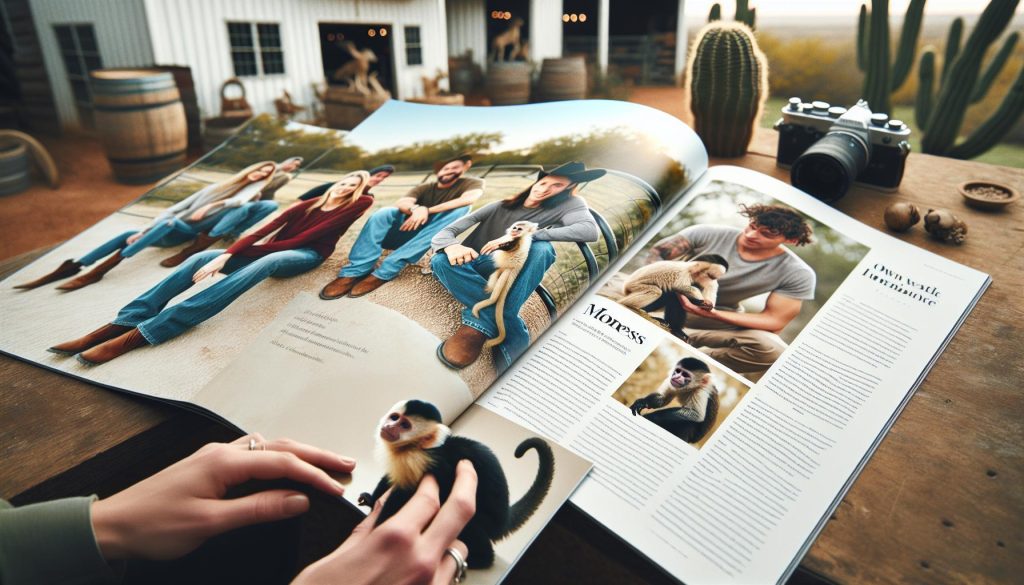
Have you ever dreamt of having a pet monkey swinging through your living room? While the idea seems whimsical, the reality is layered with legal nuances and responsibilities. In Texas, the laws surrounding owning a monkey as a pet are complex and vary widely from county to county. Understanding these regulations is crucial for any prospective monkey owner, as penalties for non-compliance can be severe. Beyond mere legality, it’s vital to consider the needs of these intelligent creatures, including their social requirements, dietary needs, and behavioral traits. As you explore this fascinating topic, you’ll discover not only what’s required to legally own a monkey in Texas but also what it truly means to be a responsible caretaker for such a unique companion. Curious about the ins and outs of ownership, permits, and the care essentials for primates? Let’s dive in!
Can You Legally Own a Monkey in Texas?
In Texas, owning a monkey is a topic that stirs curiosity, excitement, and a few questions about legality. Can you really have one of these playful primates as a pet? The short answer is yes, but it’s essential to navigate the legal landscape carefully. Texas laws regarding the ownership of monkeys and other exotic animals can be quite complex, varying by county and city regulations. While the state does not prohibit private ownership of monkeys outright, some local jurisdictions may have specific rules or prohibitions in place, making it crucial to check your area’s regulations before considering bringing a monkey into your home.
Generally, certain species of monkeys are allowed as pets in Texas, provided that owners can meet specific legal requirements. In most cases, ownership of monkeys such as capuchins or macaques falls under the category of exotic animals, which can require permits or licenses depending on local laws. It’s advisable to contact your local animal control or wildlife agency for detailed information and to ensure compliance with all relevant laws. Some counties may require inspections and permit applications to ensure that the potential owner can provide a suitable environment for the monkey.
Beyond the legalities, potential owners should also consider the broader responsibilities involved in caring for a monkey. These animals require a significant commitment of time, resources, and care to thrive in a home environment. Understanding their social needs, dietary requirements, and the space they need for physical activity is vital for a healthy and happy pet. Many monkeys can live for 20 years or longer, making the decision to own one a long-term commitment. As you delve into this exciting possibility, remember to weigh both the legal implications and the moral responsibilities that come with sharing your life with a monkey.
Understanding Texas Wildlife Laws
In Texas, the intricacies of wildlife laws can often feel as tangled as the branches of a flourishing jungle. When it comes to owning a monkey, it’s critical to understand that legal requirements can vary significantly based on local regulations. While the state allows private ownership of certain species of monkeys, this general permission comes with specific caveats. Before considering a monkey as a pet, potential owners must delve into their local laws, as some counties or cities may impose stricter rules or even outright bans on monkey ownership.
It’s fascinating to note that the Texas Parks and Wildlife Code categorizes monkeys as exotic animals, which typically means that ownership may require permits or licenses. Commonly allowed species, like capuchins or macaques, are not without their regulatory hurdles. For instance, in some areas, potential owners might need to pass inspections to demonstrate that they can provide a suitable habitat and care for these intelligent creatures. Engaging with local wildlife agencies or animal control will ensure that you adhere to all specific legal requirements, helping to navigate the often confusing maze of wildlife laws.
Understanding the legal framework surrounding monkey ownership also involves recognizing the ethical implications tied to keeping such an intelligent and social animal. It’s essential to ask whether you can truly meet the needs of a monkey, as these animals thrive on social interaction and mental stimulation. Legalities aside, prospective owners should ponder if they can commit to the long-term responsibilities that come with caring for a pet monkey, which might live for decades and requires an enriching environment to lead a satisfying life.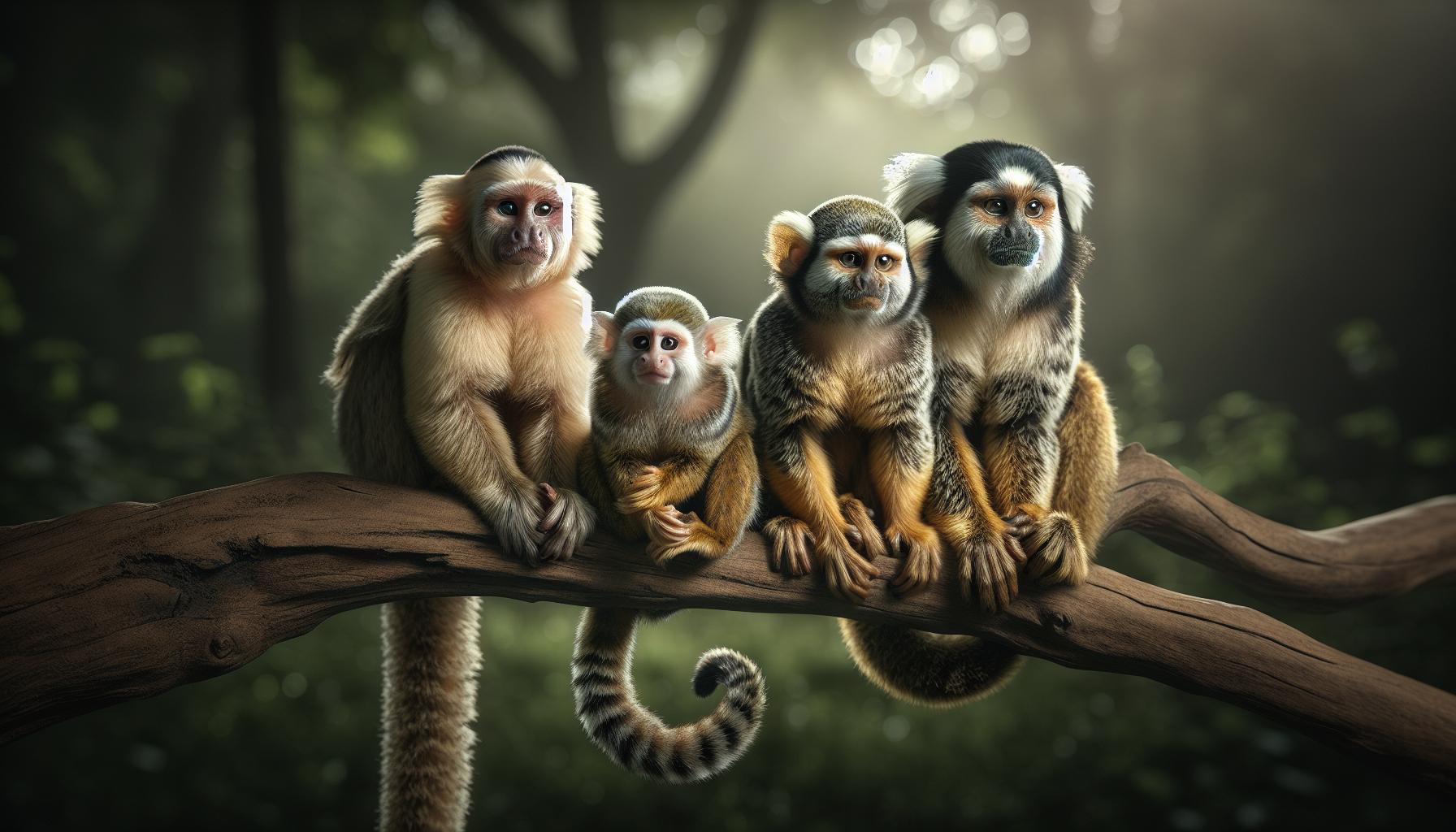
Types of Monkeys Commonly Held as Pets
Choosing a monkey as a pet can be an exciting yet daunting endeavor, given the variety of species available and their unique behaviors. The most popular monkeys kept as pets in Texas include capuchins, macaques, and squirrel monkeys. Each of these species comes with its own set of care requirements, social needs, and personality traits, making them appealing for different reasons.
Capuchin Monkeys
Capuchins are perhaps the most well-known pet monkeys, often recognized from movies and television. These monkeys are intelligent, playful, and highly social creatures. They thrive on interaction, and it’s common for them to form strong bonds with their human caretakers. However, potential owners should be prepared for the attention and stimulation that capuchins require; they’re known to be quite mischievous and may engage in behaviors that could be considered destructive if bored.
Macaques
Macaques are another species that people frequently consider for pet ownership. They are larger than capuchins, and their social structure can be quite complex. Macaques are known for being quite vocal and may exhibit dominant behaviors, requiring an experienced owner who can manage their more assertive nature. Due to their size and strength, prospective owners should also ensure that they can provide a spacious and secure environment.
Squirrel Monkeys
Squirrel monkeys are small and playful, making them a delightful choice for some pet owners. Their curiosity and playful antics can be entertaining, but they also need a lot of social interaction, often bonding closely with their owners. They can be more sensitive than other species, meaning their care needs to be more tailored and attentive to their wellbeing.
When considering a monkey as a companion, it’s crucial to research and understand the specific needs of each species. Beyond just a cute face, these animals require considerable time and effort to thrive in a human household. The joy they can bring is significant, but so is the responsibility that comes with their care. Before making a decision, think about whether you have the resources and commitment necessary for a fulfilling partnership with a pet monkey.
Permits Required for Pet Monkeys in Texas
While the allure of having a monkey as a pet can be captivating, navigating the legal requirements in Texas is crucial for potential owners. Monkeys are considered exotic animals, and there are specific regulations in place that dictate their ownership. Understanding these regulations helps ensure that you are compliant with state laws and promotes the health and welfare of both the pet and community.
In Texas, owning a monkey requires a permit issued by the Texas Parks and Wildlife Department. This process involves filling out an application, which includes details about your living situation, knowledge of monkey care, and the species you intend to acquire. It’s worth noting that the type of monkey you wish to own can affect the permitting process. Some species might have additional restrictions due to their size, behavior, or potential risk they pose to humans and the environment.
Furthermore, potential owners should engage with local regulations, as municipalities may impose their own additional rules concerning exotic pets. It’s not uncommon for cities to have stricter laws regarding exotic animals, so checking with local animal control or wildlife authorities is advisable.
Here’s a quick rundown of the steps typically involved in obtaining a permit:
- Research Species Requirements: Different species may have varying permit regulations.
- Complete Application: Include all required details, ensuring transparency about your ability to care for the monkey.
- Submit Fees: Permit applications usually come with associated fees that need to be paid upon submission.
- Follow Local Guidelines: Account for any city-specific regulations about exotic pet ownership.
By familiarizing yourself with these requirements and processes, you’re not only protecting yourself legally but also setting up for a responsible and enriching experience as a monkey owner. Owning a monkey can be a delightful adventure, but it comes with serious responsibilities that must be managed with care and commitment.
Health and Welfare Considerations for Pet Monkeys
Owning a monkey can be as delightful as it is complex. These intelligent creatures often mirror our social interactions and emotions, making them both appealing companions and demanding pets. However, the health and welfare of pet monkeys should always be a priority for potential owners in Texas. Understanding their unique needs is crucial to ensuring a fulfilling and humane relationship.
Monkeys are social animals that thrive on interaction, not just with their human caregivers but also with other monkeys. Isolation can lead to stress and behavioral issues, including anxiety and aggression. Therefore, it is highly advisable for owners to consider introducing a companion monkey to provide social interaction. However, this brings additional challenges, as introducing two monkeys requires careful consideration. It’s essential to understand their social structures and make introductions slowly to minimize conflicts.
Dietary needs are another vital aspect of monkey care. Unlike dogs or cats, monkeys require a varied diet rich in fruits, vegetables, and specially formulated primate diets to ensure they receive adequate nutrients. A poor diet can lead to severe health issues, including obesity and metabolic disorders. Always consult a veterinarian experienced in exotic animal care for dietary guidelines tailored to the specific species of monkey you own.
Additionally, routine veterinary care is a critical element of health maintenance. Regular health check-ups and vaccinations can help prevent various diseases, many of which can affect not only the monkeys but also their human companions. Owners should be prepared for the financial responsibilities associated with veterinary care, food, and enrichment activities.
Environmental Enrichment
Creating an environment that stimulates mental and physical activity is essential for a monkey’s well-being. Monkeys are naturally curious and active creatures that need space to climb, explore, and play. Enrichment can come in many forms, including:
- Interactive toys that challenge their intelligence, such as puzzles.
- Climbing structures or gym setups that mimic their natural habitat.
- Regularly changing their environment and providing new experiences to avoid boredom.
By understanding and meeting these needs, prospective monkey owners can create a compassionate and engaging environment that fosters the health and happiness of their pet. Owning a monkey is not just about having an exotic companion; it’s a lifelong commitment to learning and growth for both the owner and the animal.
Caring for a Pet Monkey: What You Need to Know
Caring for a pet monkey requires a significant commitment and a genuine understanding of their unique needs. These intelligent, social animals are not domestic pets; they have complex behaviors and require specialized care. For example, many monkeys are naturally curious and thrive in environments where they can explore and play. This means that an adequate living space must not only be spacious but also enriched with climbing structures, toys, and safe areas for exploration. Owners should mimic a monkey’s natural habitat as closely as possible to keep them mentally stimulated and physically active.
Diet is another critical aspect of monkey care. Unlike typical pets, monkeys require a diverse diet that includes fresh fruits, vegetables, and specially formulated primate chow to ensure they get the vitamins and nutrients necessary for their health. Regular consultations with a veterinarian familiar with exotic animals can help tailor dietary needs to specific species and individual health requirements. A well-balanced diet helps in preventing obesity and other health issues endemic to pet monkeys.
Social interaction is vital for a monkey’s well-being. These animals are highly social creatures that often thrive better when they have companionship, whether from humans or other monkeys. Introducing a second monkey can be beneficial, but it requires careful, gradual introductions to prevent territorial disputes and stress. Regular, positive interaction with their owners is equally important; spending quality time with a monkey can strengthen the bond and reduce the likelihood of behavioral issues arising from isolation.
Beyond the basic needs of food, space, and social interaction, it’s crucial to recognize the long-term commitment of owning a monkey. They require regular veterinary care, including vaccinations and health check-ups, which can be more extensive and costly than those for typical pets. Additionally, time and energy to engage in play, training, and providing enrichment activities are necessary to ensure a happy, healthy monkey. Owning a monkey is not just about the novelty but entails a comprehensive understanding of their complex emotional and physical needs to ensure a fulfilling life for both the pet and the owner.
Cost of Owning a Monkey in Texas
The financial commitment involved in owning a monkey in Texas can be substantial, making it essential to fully understand the costs associated with such a unique pet. It’s not just about the initial purchase price; the ongoing expenses can add up quickly. The price of a monkey can vary widely depending on the species, age, and breeder reputation, ranging anywhere from $1,500 to over $10,000. More rare or exotic species will typically be at the higher end of that scale. Additionally, unlike standard pets, monkeys require specialized care, which can lead to high veterinary bills.
Ongoing Expenses
Beyond the initial investment, potential monkey owners should factor in:
- Food: Monkeys require a healthy, varied diet, including fruits, vegetables, and specific primate food, which can cost between $50 to $100 per month.
- Veterinary Care: Regular check-ups and vaccinations, which are crucial for keeping your monkey healthy, usually cost around $200 to $500 annually, but emergency care can significantly increase this figure.
- Enrichment and Housing: Providing a stimulating environment with the right toys, climbing structures, and adequate housing can add another $300 to $1,000 initially and $100 or more monthly for maintenance and replacement items.
- Insurance: Some owners choose to get liability insurance, which can run anywhere from $150 to $400 annually, depending on the coverage.
Long-Term Financial Commitment
It’s important to understand that monkeys can live for 20 years or more in captivity, meaning that all these costs are cumulative over their lifetimes. This long-term perspective is crucial for anyone considering bringing a monkey into their home, as it requires not only a significant initial investment but also a sustained commitment to their care. Moreover, future regulations and changes in laws regarding exotic pet ownership can also impact the costs and viability of keeping a monkey as a pet.
In summary, while owning a monkey can be an incredibly rewarding experience, it also demands a serious financial commitment that should not be underestimated. Potential owners need to ensure they are ready not just for the joys of monkey companionship but also for the responsibilities-and costs-that come with it.
Finding a Reputable Monkey Seller
Finding the right place to buy a monkey is as crucial as choosing the right species. Creating a loving and safe environment for your future furry friend begins with sourcing them from reputable sellers. Animal welfare and ethical breeding practices are paramount in this decision-making process. When searching for a seller, prioritize those who are not only knowledgeable about monkey care but also demonstrate a deep commitment to the animals’ wellbeing.
Consider seeking out breeders who are actively involved in monkey conservation and education. These individuals often serve as strong advocates for responsible ownership and can provide insights that extend beyond mere transactional relationships. Look for sellers who are transparent about their breeding practices, allowing you to see their facilities and the conditions in which the monkeys are raised. A reputable breeder should encourage you to ask questions and should happily provide references from other satisfied customers.
When you visit a potential seller, observe the animals’ environment closely. Look for signs of stress or illness, such as excessive grooming, lethargy, or aggressive behavior. Healthy monkeys should be playful, curious, and well-socialized. Here are some questions to consider asking sellers:
- What is the age of the monkeys being sold? Monkeys under six months old may require additional care and socialization.
- Can you provide the health records for the monkeys? It’s essential to know their vaccination history and any medical treatments they’ve received.
- What diet and care routine do you recommend? This gives insight into whether the seller prioritizes proper nutrition and care.
- Is the monkey socialized with other animals and humans? Interaction with various stimuli is crucial for their development.
By thoroughly vetting sellers, you not only secure a healthy pet but also support responsible breeding practices. Remember, owning a monkey is a long-term commitment, and the right start can make all the difference in your journey together. Make sure your choice aligns with a commitment to ethics, conservation, and the overall health and happiness of these incredible creatures.
The Risks of Owning a Monkey as a Pet
Owning a monkey can be an exhilarating prospect, but it’s not without its significant challenges and responsibilities. These intelligent creatures, while often cute and entertaining, come with a unique set of risks that potential owners should carefully consider. Monkeys can exhibit unpredictable behaviors that may result in injury to themselves or others. Their social structure and natural instincts don’t easily translate to a human household, often leading to frustration for both the owner and the monkey.
One major concern is their social needs. Monkeys are highly social animals that thrive in groups, making them prone to stress and behavioral issues when isolated. For example, a single monkey may develop anxiety, leading to destructive behaviors or excessive vocalization. Aggression is another critical risk; as monkeys mature, their hormonal changes can trigger territorial or aggressive behavior, especially if they feel threatened. Many owners find this aspect overwhelming and unmanageable, sometimes resulting in the animal being rehomed or placed in inappropriate situations.
Additionally, caring for a monkey can be expensive and time-consuming. Unlike dogs or cats, monkeys require specialized diets, regular veterinary care from exotic pet specialists, and enrichment to keep them mentally stimulated. This commitment can escalate costs significantly. For instance, owners may need to spend hundreds of dollars monthly just on food, habitat enrichment items, and routine check-ups-expenses that some owners may not anticipate.
It’s crucial to understand that monkeys can also carry diseases that are transmissible to humans, such as herpes simian virus (HSV) and tuberculosis. This risk doesn’t just impact the owner but can extend to family members and visitors as well. Therefore, ensuring a safe and healthy environment while adhering to legal requirements in Texas adds another layer of responsibility for prospective owners.
In summary, while the allure of having a monkey as a pet can be strong, the risks involved require honest self-evaluation and consideration of whether you can truly meet their complex needs. Engaging with these beings demands time, dedication, and a deep understanding of their natural behaviors, making informed considerations before bringing a monkey into your home all the more crucial.
Alternatives to Pet Monkeys: Other Primates
Exploring alternatives to pet monkeys opens up a fascinating world of other primates that can be kept responsibly and legally. While monkeys may be popular, some other primate species present a more suitable option for exotic pet enthusiasts. For instance, capuchin monkeys, known for their intelligence and playful nature, might be appealing but come with similar social needs and behavioral complexities. Capuchins are highly social animals that thrive on interaction, making it essential that they have companionship, whether that’s human or another capuchin.
Small Primates: Prospective Pet Choices
If you’re looking for a more manageable alternative, consider lemurs. With their big eyes and expressive faces, lemurs, particularly the ring-tailed lemur, capture the hearts of many. They are social creatures and require space to roam and play. Their care often requires a specialized diet and ample enrichment to keep them happy. According to many enthusiasts, lemurs tend to have less aggressive tendencies than some monkey species, making them easier companions if their social and environmental needs are adequately met.
Another option could be marmosets, tiny primates that typically weigh less than a pound! These little guys are affectionate and can bond closely with their owners, but they still demand significant attention and care. Marmosets have specific dietary requirements and a need for plenty of activity. They thrive in an environment that simulates their natural habitat, so creating a stimulating area with various toys and climbing structures is essential.
Considerations for New Primates
Regardless of the primate you choose, thorough research is crucial. Understanding the behavioral traits, social requirements, and habitat needs of these animals will ensure you are prepared for the commitment. Each species has different considerations:
- Diet: Ensure you can provide a balanced diet suited to the species.
- Social Needs: Some primates require companionship from others of their kind.
- Space: Each species requires an adequately sized enclosure and safe environment to thrive.
- Legal Considerations: Always check local laws regarding ownership of exotic pets in your area.
By researching these alternatives carefully, potential primate owners can find a unique and delightful companion that aligns better with their lifestyle while still respecting the needs of these incredible creatures.
The Ethical Considerations of Monkey Ownership
Considering a monkey as a pet can ignite a whirlwind of excitement and curiosity, but it’s essential to delve into the ethical implications of such a choice. Monkeys are highly intelligent, social creatures that require more than just a basic level of care; they thrive in environments that mimic their wild habitats and foster their complex social structures. This need for stimulation and companionship makes pet ownership a significant ethical consideration.
Social primates such as capuchin monkeys need interaction not only with humans but also with other monkeys to maintain their mental health. Unlike dogs or cats, which have been domesticated over thousands of years, monkeys retain many instinctual behaviors suited for life in the wild. Neglecting these needs can lead to stress, anxiety, and even aggression. For example, without proper companionship, a monkey may become depressed, leading to destructive behaviors that undermine the sanctity of both the animal’s and the owner’s lives.
Caring for a monkey also involves a commitment to understanding their dietary requirements and welfare. Many of these animals have specific nutritional needs that, if unmet, can lead to health problems. Additionally, living with a monkey poses challenges for the owner: their natural behavioral tendencies, like climbing and foraging, can lead to damage around the home unless suitable environments are created. This realization highlights not only the responsibility of ownership but also the inherent risks and strain it places on the caregiver, and justifies the need for potential owners to thoroughly research their obligations before considering such a decision.
In light of these factors, it’s crucial to contemplate whether owning a monkey serves the animal’s best interests or if it is simply a reflection of human desires for novelty and companionship. go beyond affection; they compel us to reflect on the well-being of these vibrant creatures and the impact of our choices on their lives. Potential owners must ask themselves if they are truly equipped to meet the unique challenges that accompany these extraordinary animals, or if there are more suitable animal companions that can fulfill the longing for connection without compromising the ethical standards of animal welfare.
Local Support and Resources for Exotic Pet Owners
In Texas, owning an exotic pet like a monkey is a decision that comes with a myriad of responsibilities and ethical considerations. Fortunately, there are several local resources available to help prospective and current exotic pet owners navigate this complex landscape. Organizations dedicated to animal welfare and education can provide guidance on care best practices, legal requirements, and the emotional and physical well-being of these unique animals.
One of the first steps for new monkey owners is to connect with local veterinary clinics experienced in exotic animals. These veterinarians can offer specialized care and advice tailored to the unique needs of primates, including dietary recommendations and habitat enrichment strategies. Moreover, many cities have animal rescue organizations that focus on exotic pets. These groups can be invaluable for providing information about responsible ownership, the challenges of raising a monkey, and possible adoption options if circumstances change.
Joining exotic pet owner groups or forums can also provide a sense of community and support. These connections allow for the sharing of experiences, tips, and resources, making it easier to face the challenges of monkey ownership. For instance, platforms like Facebook have dedicated groups where members can ask questions and share advice about monkey care, legal updates, and local regulations. Educating oneself through books, documentaries, and reputable websites specializing in primate behavior can also enrich your knowledge base and improve your pet’s quality of life.
Lastly, participating in or attending local exotic animal expos and workshops can be incredibly beneficial. These events often feature seminars led by experts in animal behavior, veterinary care, and nutrition. They offer a fantastic opportunity to learn directly from those who have dedicated their careers to the well-being of exotic pets. Networking with experienced owners at these events can provide deeper insights into the realities of monkey ownership, helping you make informed decisions for both yourself and your future primate companions.
Frequently asked questions
Q: What types of monkeys are legal to own in Texas?
A: In Texas, you can own species of monkeys such as capuchins, tamarins, and marmosets, which are often popular as pets. However, always check for the specific regulations and requirements for each species, as they can vary.
Q: What permits are required for owning a monkey in Texas?
A: To own a monkey in Texas, you typically need a Texas exotic animal permit, which involves a thorough application process and compliance with local regulations. Consult your local wildlife agency for detailed steps and requirements.
Q: Are there restrictions on where I can keep a pet monkey in Texas?
A: Yes, some cities or counties in Texas may have specific zoning laws that restrict or regulate the keeping of monkeys. Always check local ordinances to ensure compliance before bringing a monkey into your home.
Q: What is the average cost of a pet monkey in Texas?
A: The cost of a pet monkey in Texas can range from $3,000 to $10,000 depending on the species and breeder. Additional costs for permits, housing, and care should also be considered.
Q: How can I find a reputable seller for pet monkeys in Texas?
A: To find a reputable monkey seller in Texas, look for breeders affiliated with animal welfare organizations and check for reviews. Visiting the breeder’s facility can also help ensure that animals are kept in humane conditions.
Q: What health considerations should I be aware of for pet monkeys?
A: Pet monkeys require regular veterinary care, vaccinations, and a proper diet to remain healthy. It’s crucial to find a veterinarian with experience in exotic animals for the best care practices.
Q: Why is it important to understand the risks of owning a monkey?
A: Owning a monkey can pose challenges, such as behavioral issues, socialization needs, and potential for zoonotic diseases. Understanding these risks will help ensure responsible ownership and that both you and the animal thrive.
Q: Are there ethical considerations to think about before owning a monkey?
A: Yes, ethical considerations include the monkey’s quality of life, the impact of captivity on their natural behaviors, and the commitment required to care for such a social animal. It’s essential to weigh these factors seriously before deciding to own a monkey.
In Summary
Before you consider bringing a pet monkey into your home in Texas, make sure you’re fully informed about the necessary laws and permits. Ownership isn’t just a privilege; it comes with responsibilities that impact both your life and the animal’s well-being. To dive deeper into this topic, check out our related articles on the best exotic animals for beginners and understanding exotic pet care-these resources are essential for any potential exotic pet owner.
Your journey doesn’t have to stop here! If you have further questions or concerns, we encourage you to leave a comment or explore our newsletter for tips on responsible pet ownership and more insights into keeping exotic pets. Remember, being well-prepared is the key to a successful and fulfilling relationship with any animal, especially an exotic one. Take that next step today and ensure you’re ready for the adventure of a lifetime!
Get our latest guides, news, and insights highlighted in your Google Search & AI Overviews.