
Every year, millions of exotic animals are smuggled across borders, driven by demand but fueled by devastating consequences for wildlife and ecosystems. The allure of owning unique pets often blinds individuals to the illegal and harmful nature of this trade. In this article, we’ll explore why smuggling exotic animals is not only illegal but also undermines conservation efforts and endangers species worldwide. Whether you’re a wildlife enthusiast or simply curious about the complexities of animal trafficking, understanding the implications is crucial. Together, we can discover why protecting these creatures is essential for their survival and for the health of our planet. Join us as we delve into the reality behind the smuggling of exotic animals and why it matters to all of us.
Understanding the Legal Implications of Animal Smuggling
opens a window into a world where wildlife conservation meets international law. Did you know that the illegal wildlife trade is one of the most lucrative black markets globally, purportedly surpassing even the drug trade? This staggering reality not only highlights the value of exotic animals but also underscores the grave risks associated with trafficking them.
Laws surrounding animal smuggling are enforced by a range of international agreements, national regulations, and local ordinances. The Convention on International Trade in Endangered Species of Wild Fauna and Flora (CITES) is perhaps the most significant legal framework, overseeing the trade of endangered species. Countries that are party to CITES must regulate and monitor the export and import of species listed in its appendices, which include many popular exotic pets like certain reptiles, birds, and mammals. Violating these laws can lead to severe penalties, including hefty fines and prison sentences.
It’s essential to understand that animal smuggling doesn’t just break laws; it devastates ecosystems and communities. Each smuggled animal, whether it’s a rare parrot or an endangered turtle, threatens biodiversity and disrupts local ecological balance. Furthermore, the process of smuggling often involves cruel practices, such as inadequate transport conditions that lead to suffering, injury, or death of these innocent creatures. Thus, becoming informed about the legal framework not only helps potential pet owners recognize the complexities involved in animal care, but also fosters a deeper appreciation for wildlife and the importance of ethical standards in ownership.
By understanding these legal implications, we can advocate for stronger protections and contribute to the global effort in combating animal smuggling. Whether through supporting conservation organizations or engaging in responsible ownership practices, each action counts in the fight against this serious crime that threatens our planet’s most vulnerable species.
The Ecological Impact of Smuggling Exotic Animals
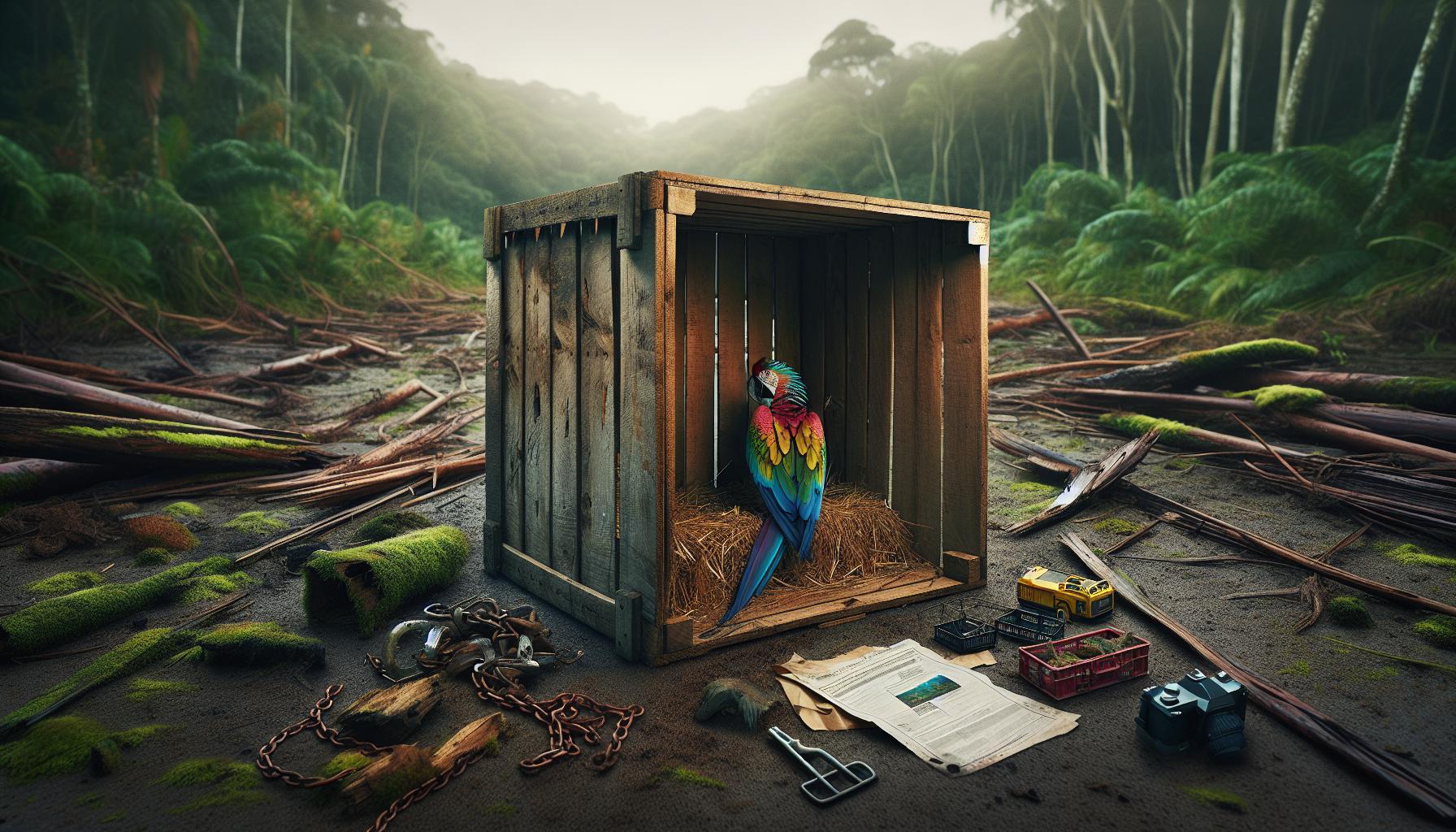
Illegal wildlife trade, particularly the smuggling of exotic animals, has profound and lasting effects on our ecosystems. Did you know that the removal of even a single species can cause ripples throughout its environment? For instance, when certain reptiles or birds are unlawfully captured and sold, it not only jeopardizes their survival but also disrupts the delicate balance of their native habitats. This impact can lead to overpopulation of some species, while others may decline drastically, throwing entire ecological communities into disarray.
To understand the ecological damage caused by smuggling, it’s essential to consider how each animal plays a role in its ecosystem. Take the green iguana: as an herbivore, it helps maintain plant biodiversity by controlling the growth of certain vegetation. When iguanas are taken from their native habitats, this balance is disrupted, leading to overgrowing plants that affect other wildlife dependent on those specific habitats. Similarly, species like pangolins, which play a key role in controlling insect populations, have seen their populations dwindle due to illegal poaching, resulting in a surge of pests that can damage crops and spread disease.
The methods used in smuggling often exacerbate these ecological impacts. Animals are frequently transported in overcrowded and inappropriate conditions, leading to high mortality rates. For instance, the stress of confinement combined with poor ventilation and lack of proper care can result in death or illness, which, in turn, undermines conservation efforts for the species involved. Moreover, the loss of these animals can lead to unsustainable hunting practices as local communities exploit remaining populations for their own needs, further endangering species and disrupting ecological dynamics.
Understanding these ecological ramifications emphasizes why it’s crucial to protect wildlife. Responsible action can combat this devastation-whether through supporting legislation, engaging in conservation efforts, or simply spreading awareness. Each of us has a role to play in preserving the intricate tapestry of life on our planet, ensuring that future generations can also appreciate the breathtaking variety of species that enrich our world.
Common Methods Used in Animal Smuggling
The illicit trade of exotic animals often employs a range of alarming and inventive methods to bypass regulations and satisfy demand. One common technique smuggled animals endure is being concealed within legal shipments. For instance, smugglers may disguise live reptiles or birds among crates of legal goods, like fruit or plants, relying on the chaotic nature of customs inspections to go undetected. This not only endangers the animals’ well-being but also complicates efforts to trace and combat illegal activity.
Transporting animals in cramped and unsuitable conditions is another prevalent method. Many smugglers opt for small, overcrowded containers where animals are stacked on top of one another, often deprived of food, water, and proper air circulation. This stress can lead to injury, illness, or death during transport, undermining animal welfare and conservation efforts. In some cases, smugglers may even use common household items, like stuffed animals, to mask sensitive species. Imagine opening a plush toy, only to find a living creature inside-this shocking reality illustrates the extremes some will go to exploit wildlife for profit.
Creative Concealment Techniques
To further ensure their success, smugglers often employ creative tactics, including:
- Body Modification: Some individuals may drug animals or surgically alter them to fit more easily into containers, a practice that raises serious ethical concerns.
- Disguising Young Animals: Many species, like monkeys and birds, are sold when they are still infants. Their small size makes it easier to conceal them.
- Document Forgery: Smugglers sometimes forge import permits or other documents that create a facade of legality for their operations.
These practices place both the animals and the ecosystems they come from at risk. When we consider the sheer diversity of wildlife around the globe, each species plays a role within its particular ecosystem. Disrupting this balance through smuggling can lead to the decline of both populations and biodiversity, emphasizing the critical need for awareness and action against these illegal activities.
Why It’s Crucial to Protect Wildlife
The survival of species relies heavily on protecting wildlife, a concept that goes beyond just keeping animals safe from poachers. When we neglect the well-being of animals and their habitats, we jeopardize entire ecosystems that underscore the delicate balance of our planet. For instance, consider the role of keystone species-like wolves in Yellowstone National Park. Their presence regulates herbivore populations, which in turn supports vegetation health and contributes to biodiversity. Removing such species can lead to overgrazing, soil erosion, and drastic shifts in habitat, demonstrating just how intertwined the web of life is.
Moreover, protecting wildlife means preserving biodiversity, which is crucial for human survival as well. Diverse ecosystems provide essential services: clean air, water purification, pollination of crops, and resources for medicines. The loss of even a single species can have a cascading effect, unsettling these critical functions. For example, the extinction of pollinators like certain bees could dramatically affect food production and plant reproduction, highlighting that our fates are linked with those of wildlife.
In addition to ecological health, wildlife protection fosters cultural and educational opportunities. Many communities derive their identity and economic stability from their relationship with nature and the species that inhabit it. Eco-tourism, for instance, not only promotes conservation efforts but also empowers local communities economically. People flock to witness unique species in their natural habitat, generating funds that can be reinvested into conservation projects and local development.
Taking steps to protect wildlife is not just a responsibility; it’s a shared opportunity for all. By supporting conservation organizations, advocating for stricter regulations against illegal trade, and promoting sustainable practices, individuals can contribute to safeguarding the diversity of life that enriches our planet. Every effort counts, whether large or small, and the ripples of our actions can lead to remarkable change, ensuring that future generations inherit a vibrant and thriving natural world.
The Role of Regulation and Enforcement

To effectively combat the illegal exotic animal trade, robust regulation and diligent enforcement are vital components that work hand in hand. Did you know that the World Wildlife Fund estimates that 1 in 5 wild animals is threatened by illegal wildlife trade? This staggering statistic highlights the urgent need for international cooperation and strict legislative measures to protect vulnerable species.
Governments worldwide have implemented various laws to curb animal smuggling, such as the Convention on International Trade in Endangered Species of Wild Fauna and Flora (CITES). CITES regulates the international trade of wildlife by listing species that are threatened or endangered and requiring permits for their trade. Enforcement of these regulations falls to various organizations, including wildlife law enforcement agencies and customs officials, who work tirelessly to inspect shipments and intercept illegal wildlife trafficking. For example, in 2020, authorities in Singapore seized nearly 10 tons of pangolin scales, underscoring the critical role that enforcement plays in protecting these animals from smuggling syndicates.
Regulation also involves establishing local and national policies that promote conservation and sustainability. Educating the public about the laws surrounding wildlife trade is essential; when individuals understand the legal implications of smuggling, they are more likely to report suspicious activities. Moreover, community engagement programs can provide local populations with alternative livelihoods that do not rely on poaching or illegal trade.
To sum it up, regulation and enforcement are the backbone of protecting our planet’s wildlife against the threats of smuggling. Without vigilant oversight and international cooperation, countless species face extinction due to unsustainable practices driven by demand. Prioritizing these efforts not only safeguards endangered animals but also preserves the rich biodiversity that is crucial for our global ecosystem. Everyone has a role to play-by becoming informed advocates for wildlife protection, we can help ensure that future generations will thrive in a world where nature and humans coexist harmoniously.
Popular Exotic Animals Targeted by Smugglers
Many people dream of owning exotic pets, often imagining the thrill of having a unique animal companion that stands out from the traditional dog or cat. However, this desire fuels a dark market that exploits both wildlife and biodiversity. Some of the most sought-after exotic animals targeted by smugglers include species like parrots, reptiles, and big cats, each with unique characteristics that draw the attention of illegal traders.
Parrots are highly coveted for their vibrant colors and ability to mimic human speech. Species such as the Scarlet Macaw and African Grey Parrot have seen their populations plummet due to illegal trapping and trade. Parrots thrive in their natural habitats, where they can interact socially and communicate in the wild, but when smuggled, they often suffer from neglect and poor living conditions.
Reptiles, particularly tortoises and lizards, are also popular among collectors. The demand for exotic species like the Spur-thighed Tortoise and Panther Chameleon can lead to devastating consequences in the wild. Many of these reptiles have specific habitat needs that are impossible to replicate in captivity, leading to high mortality rates among smuggled individuals.
The illicit trade also extends to big cats, including lions, tigers, and exotic hybrids like the Savannah cat. These magnificent creatures are often sold as status symbols or for their pelts and bones. Sadly, their natural behaviors, along with their social structures, are largely dismantled when they are kept in captivity, leading to serious welfare issues.
The tragic irony is that the fascination with these stunning creatures can lead to their disappearance from their natural habitats, threatening entire ecosystems. Smuggled animals often arrive in poor health, having been deprived of nutrition and proper care during transport. It’s crucial for potential pet owners to understand the significance of their choices-by opting for responsible pet ownership and supporting conservation efforts, they can help safeguard these remarkable animals. Wildlife trafficking poses a significant threat not just to individual species, but to the delicate balance of entire ecosystems. Embracing ethical practices in pet ownership must be a collective goal if we wish to preserve the beauty of our planet’s wildlife for future generations.
Consequences for Smuggled Animals and Their Habitats
The illegal trade of exotic animals isn’t just about individual creatures; it has profound repercussions for entire ecosystems. When animals like the Scarlet Macaw or the Panther Chameleon are smuggled from their habitats, the delicate balance of their ecosystems is thrown off-kilter. These species play crucial roles in their environments-parrots help with seed dispersion, while reptiles like tortoises contribute to the health of their habitats by grazing and creating clearings. Removing such vital members can lead to decreased biodiversity, disrupting food chains and altering the landscape of their natural homes.
Smuggled animals often endure significant suffering and trauma. Many arrive in poor health due to the harsh conditions of transport-lack of food, stress, and injury during capture can lead to high mortality rates. For instance, big cats like tigers or lions that are taken from their natural habitats face extreme challenges to adapt to captivity. Unlike domesticated pets, these wild animals have complex needs that are difficult to meet in artificial environments. Their mental and physical well-being deteriorates rapidly, often resulting in agonizing futures filled with illness and inadequate care.
Moreover, the illegal wildlife trade fosters corruption and violence, often associated with organized crime. This not only jeopardizes animal populations but also threatens the safety and well-being of those living near these habitats. Efforts to combat smuggling divert critical resources from conservation initiatives that are essential for protecting natural ecosystems. Thus, the consequences ripple far beyond individual animals, reaching into the very fabric of ecological health and community safety.
Addressing the problem of wildlife smuggling requires collective action. By fostering a sense of responsibility in potential pet owners and promoting awareness about the impact of their choices, we can champion a more ethical approach to animal ownership. Supporting legitimate wildlife conservation organizations and advocating for stronger regulations can help ensure that these animals remain a part of our planet’s rich biodiversity for generations to come. As we learn about and appreciate wildlife, we also become caretakers of its future.
How Individuals Can Help Combat Animal Smuggling
The illegal wildlife trade affects countless species and threatens the delicate balance of our ecosystems. But every individual has the power to make a difference. One of the simplest ways to combat animal smuggling is to educate yourself and others about the realities of wildlife trade. Sharing knowledge is key; talk to friends, family, or your community about the importance of respecting wildlife and the devastating effects of smuggling.
Support Conservation Efforts
A great way to help is to support legitimate conservation organizations that work tirelessly to protect endangered species and their habitats. Consider donating to groups that focus on anti-smuggling initiatives or wildlife rehabilitation. Many organizations also offer volunteering opportunities, allowing you to contribute directly to conservation efforts. Participating in local clean-up days at wildlife reserves or helping with rehabilitation can also have a meaningful impact.
Choose Responsible Pet Ownership
If you’re considering bringing an animal companion into your home, opt for species that are bred in captivity rather than taken from the wild. Research their care needs thoroughly and ensure that you are equipped to meet them. Supporting reputable breeders or adopting from shelters helps reduce the demand for smuggling and promotes responsible ownership. You can also advocate for policies that prioritize humane treatment and care standards in pet sales.
Be Aware of Your Purchases
When shopping for exotic items-like souvenirs or decorative pieces made from animal products-be mindful of the impact of your purchases. Many items sold in markets may come from unethical sources. Always choose products that are ethically sourced and certified. A little research goes a long way; look for labels that prove an item has been made sustainably.
Feeling empowered to join the fight against animal smuggling is vital. As you spread awareness and make informed choices, you’re not just being a responsible consumer-you’re becoming an advocate for the voiceless creatures whose lives are at stake. Remember, every action counts, and together, our efforts can lead to a brighter future for wildlife.
Ethical Considerations: Respecting Wildlife
Every year, countless animals are taken from their natural habitats and sold illegally on the black market. This alarming statistic underscores the crucial need to respect wildlife and their ecosystems. Understanding the ethical considerations surrounding wildlife, particularly those that are exotic and often trafficked, is essential for fostering a culture of conservation and respect. Animals are not merely commodities; they are sentient beings that play vital roles in their ecosystems, contributing to biodiversity, ecological balance, and even our own quality of life.
When we think about conservation, it’s important to recognize that every species is interconnected. For instance, removing one species can have a ripple effect on entire ecosystems. Consider the case of the African elephant: poaching for ivory not only threatens elephant populations but also impacts the species that rely on the same habitat. By respecting wildlife, we are indirectly advocating for a stable and healthy environment for all living creatures. Additionally, educating ourselves about the specific needs and behaviors of animals can lead to more responsible choices, whether it’s in the context of pet ownership or wildlife conservation.
Furthermore, ethical considerations extend beyond just not participating in illegal trade. They involve actively supporting sustainable practices and conservation efforts. You can choose to support organizations that prioritize ethical treatment of wildlife and habitats. Engaging in local conservation initiatives not only aids wildlife but also enriches your understanding of the delicate balance of nature. By choosing ethically sourced products and reducing your ecological footprint, you help create a demand for responsible wildlife stewardship rather than exploitation.
Ultimately, respect for wildlife means recognizing their intrinsic value and the role they play in the larger web of life. It encourages us to act not just in ways that protect animals today but also ensures that future generations will enjoy and learn from these incredible creatures. Embracing this mindset fosters a more compassionate world where every creature is valued and respected, paving the way for a harmonious coexistence between humans and wildlife.
Myths and Facts About Exotic Animal Ownership
Many people dream of owning exotic pets, drawn in by images of colorful parrots, playful otters, or graceful reptiles. However, beneath the surface of this fantasy lies a realm rife with misunderstandings and harsh realities. One common myth is that exotic animals make great companions. While the appeal is undeniable, the truth is these animals have complex needs that often go unmet in a home setting. For instance, a macaw may require a diet rich in variety and social interaction that mimics its natural environment-factors that can be incredibly difficult to replicate in captivity.
Another prevalent misconception is that owning exotic animals is entirely legal and low-maintenance. Sadly, this is far from the truth. Many exotic species are protected by laws aimed at conserving wildlife populations, and owning them can involve exhaustive permits, inspections, and restrictions. For example, species like the red-ruffed lemur are not only expensive to purchase but also require specialized care, including a diet consisting primarily of ripe fruits and leaves alongside socialization with other lemurs, making them unsuitable as solitary pets.
Understanding the responsibilities that come with exotic pet ownership is vital. Potential owners must educate themselves thoroughly about the specific species they’re interested in. This includes appreciating their habitat needs, behavioral traits, and the legality of ownership in their jurisdiction. Aspiring owners should consider the long-term implications, as many exotic animals can live for decades. Adopting a species such as a tortoise, which can live over 50 years, demands a very long-term commitment.
The Impact of Misinformation
Misinformation can lead to impulse buying, often resulting in abandoned animals or those kept in poor conditions. Shelters have reported increases in exotic pets being relinquished by owners who underestimated the time, effort, and resources required to care for them properly. Shifting the narrative around exotic pet ownership towards education and responsible ownership can help reduce these occurrences.
Ultimately, embracing an exotic animal as a pet requires careful thought, compassion, and commitment. Let’s remember that these animals are not mere possessions but living beings with specific needs, capable of forming bonds and requiring our respect and commitment to their well-being. By addressing common myths, we can capture the beauty of the exotic while advocating for responsible choices that respect wildlife and support conservation efforts.
Resources for Responsible Pet Ownership
Considering adopting an exotic pet? It’s essential to navigate this landscape with care and informed decision-making. The allure of unique animals can often overshadow their intricate needs. Understanding these responsibilities not only contributes to a fulfilling pet-owner relationship but also plays a vital role in wildlife conservation and legal regulations surrounding exotic animal ownership.
Education is your most potent tool. Start by researching the specific needs of the species you’re interested in. Each exotic animal comes with a particular set of requirements regarding diet, habitat, social interaction, and health care. For example, some reptiles need precise temperature ranges in their enclosures, while birds like parrots require regular social interaction to thrive. Failing to meet these needs can lead to stress, health issues, and a negative impact on the animal’s behavior.
Connecting with reputable sources and organizations can enhance your journey as an exotic pet owner. Many wildlife conservation organizations offer resources on animal care and the legal aspects of ownership. Websites like the American Society for the Prevention of Cruelty to Animals (ASPCA) provide educational materials on responsible pet ownership, while local animal rescues may offer guidance on adoption processes that respect the well-being of both animals and ecosystems.
Furthermore, consider joining local or online communities dedicated to exotic pet ownership. These forums can be a goldmine for sharing experiences, asking questions, and finding support from fellow enthusiasts who genuinely care about animal welfare. By engaging with these networks, you can learn about the latest best practices in care and connect with resources that promote responsible ownership.
Ultimately, the responsibility of owning an exotic animal extends far beyond initial excitement. It’s about committing to the health and happiness of a living being while contributing to global conservation efforts. By arming yourself with knowledge, connecting with the right communities, and fostering respect for wildlife, you not only enhance your own experience but also ensure a brighter future for these extraordinary creatures and their habitats.
Success Stories: Rehabilitation and Rehoming Efforts
Many animals rescued from the illegal pet trade have inspiring stories of recovery and rehoming, showcasing the resilience of wildlife and the dedication of conservationists. One shining example is that of Macaws, which are often targeted due to their vibrant colors and captivating abilities. After being smuggled, these intelligent birds face numerous challenges, including malnutrition and behavioral issues caused by improper care. Fortunately, organizations like the World Animal Protection have successfully rehabilitated hundreds of these beautiful birds, returning many of them to sanctuaries or finding them loving, knowledgeable homes where their complex needs can be met.
Equally heartwarming is the tale of the humble tortoise. In many regions, tortoises face threats from illegal trade as they are sought after for their unique shells and docile nature. Rehabilitation centers often report success stories where these creatures undergo extensive recovery, addressing issues like dehydration and shell injuries inflicted during transport. Once healthy, they are rehomed within conservation programs that allow them to thrive in a natural setting. For instance, the Turtle Conservancy has made significant strides in reintroducing rehabilitated tortoises back into the wild, ensuring that they contribute to their ecosystems rather than languishing in captivity.
Supporting Rehabilitation Efforts
Individuals can play a crucial role in supporting these rehabilitation and rehoming efforts by:
- Volunteering: Many wildlife rehabilitation centers rely on volunteers to help with the care and feeding of animals.
- Donating: Financial contributions to reputable organizations can help provide the necessary resources for the care of rescued animals.
- Spreading Awareness: Educating others about the harms of wildlife smuggling and the importance of conservation can lead to more informed choices and decreased demand for illegal pets.
The collective efforts of rescuers, rehabilitators, and informed individuals can transform the lives of countless animals that have suffered due to smuggling. By championing these success stories, we can inspire further action and support conservation initiatives aimed at preventing future exploitation of wildlife.
Frequently asked questions
Q: What are the risks of smuggling exotic animals?
A: Smuggling exotic animals poses significant risks, including legal consequences for traffickers, potential harm to the animals due to stress and improper care, and threats to global biodiversity. Engaging in such activities can lead to prison sentences and fines, as highlighted in sections like Understanding the Legal Implications of Animal Smuggling.
Q: How does animal smuggling impact ecosystems?
A: Animal smuggling severely disrupts ecosystems by removing key species and reducing biodiversity. This can alter food webs, harm native wildlife, and lead to the extinction of vulnerable species. For more details, see the section on The Ecological Impact of Smuggling Exotic Animals.
Q: What are common misconceptions about exotic animal ownership?
A: Many people mistakenly believe that exotic pets are easy to care for and do not require special environments or diets. This misconception can lead to poor treatment of the animals and increase the demand for illegal smuggling. Explore more in Myths and Facts About Exotic Animal Ownership.
Q: What methods are typically used to smuggle animals?
A: Common methods of animal smuggling include hiding animals in luggage, using fake paperwork, and employing sophisticated concealment techniques. Understanding these methods can help in combating this illegal trade, as discussed in Common Methods Used in Animal Smuggling.
Q: Why is it important to combat animal smuggling?
A: Combating animal smuggling is vital for conservation, protecting vulnerable species, and maintaining ecological balance. By addressing this illicit trade, we can help preserve wildlife for future generations, as highlighted in Why It’s Crucial to Protect Wildlife.
Q: What should I do if I suspect animal smuggling?
A: If you suspect animal smuggling, report it to local authorities or wildlife organizations. Providing specific details can help enforce regulations and protect endangered species. This proactive approach contributes to efforts detailed in How Individuals Can Help Combat Animal Smuggling.
Q: Are there any legal alternatives to owning exotic pets?
A: Yes, there are numerous legal alternatives to owning exotic pets, including adopting pets from shelters or choosing domesticated breeds. This allows for responsible pet ownership while still enjoying companionship. Refer to Resources for Responsible Pet Ownership for more information.
Q: How can individuals educate themselves about wildlife protection?
A: Individuals can educate themselves through online courses, documentaries, and wildlife organizations that focus on conservation. Engaging with educational resources promotes a better understanding of wildlife issues, as encouraged in Ethical Considerations: Respecting Wildlife.
Insights and Conclusions
By understanding why smuggling exotic animals is not just illegal but fundamentally wrong, we can better appreciate the beauty and importance of wildlife in their natural habitats. Remember, every animal has specific needs for their behavior, habitat, and care that are often overlooked in the illicit trade. If you’re passionate about wildlife and want to learn how to support conservation efforts, check out our articles on “Responsible Exotic Animal Care” and “How to Support Wildlife Conservation Initiatives”.
Now is the time to take action! Join our mailing list for expert tips and updates on how you can help protect these magnificent creatures. Share your thoughts in the comments below and keep the conversation going! Together, we can make a difference in the fight against wildlife smuggling. Explore our site for more insights that empower you as a wildlife enthusiast and advocate. Your journey towards responsible pet ownership and conservation starts here!
Get our latest guides, news, and insights highlighted in your Google Search & AI Overviews.