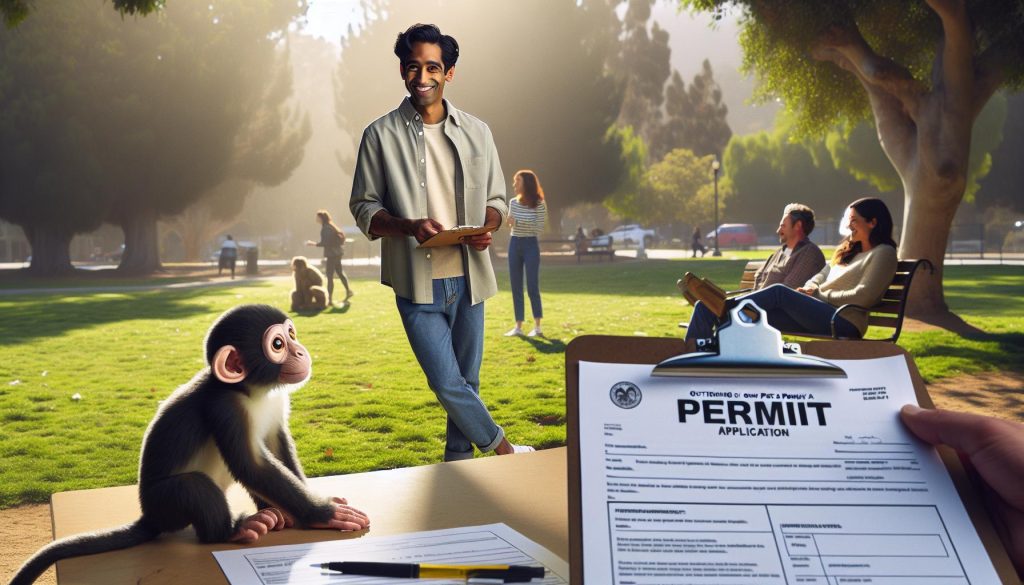
Did you know that in California, owning a monkey requires navigating a complex web of regulations? As adorable as they are, monkeys are exotic animals that come with unique needs and responsibilities. If you’re dreaming of sharing your home with one of these fascinating creatures, it’s crucial to understand the permitting process, which ensures their welfare and your safety. This guide will break down the essential steps to obtain a permit, addressing common concerns about care requirements, legalities, and the ethical considerations of exotic animal ownership. Whether you’re a seasoned wildlife enthusiast or a curious newcomer, understanding how to responsibly bring a monkey into your life is vital for both you and the animal. Read on to discover the pathway to becoming a proud, responsible monkey owner in the Golden State!
Understanding California’s Monkey Ownership Laws
Understanding California‘s laws surrounding monkey ownership can feel like navigating a jungle of regulations. Did you know that in California, it’s generally illegal to own primates as pets unless you have the proper permits? The law is designed to protect both the animals and the public, ensuring that those who wish to keep monkeys understand the responsibility and care that these intelligent creatures require.
In California, the Department of Fish and Wildlife regulates the ownership of exotic animals, including monkeys. Potential owners must obtain a special permit, which is typically issued under strict conditions. The laws vary across different cities and counties, often reflecting local attitudes towards exotic pet ownership. For instance, some areas may impose additional restrictions or requirements. It’s crucial to research your specific locality’s regulations to avoid any legal pitfalls.
Obtaining a monkey involves understanding classifications of permits. Generally, monkeys fall into two main categories: those requiring a special permit and those categorized as restricted species. A special permit may be issued for educational or research purposes as well, broadening the legality of ownership under specific circumstances. Beyond just the legal requirements, potential owners should also educate themselves on the social and behavioral needs of monkeys, fostering an environment that promotes their well-being and fulfills their complex emotional needs.
Ultimately, navigating California’s monkey ownership laws demands both diligence and dedication. By doing your homework and understanding the underlying principles of responsible ownership, you not only ensure compliance with the law but also improve the quality of life for your potential pet monkey, paving the way for a rewarding human-animal bond.
Types of Permits Required for Monkey Ownership

Navigating the maze of regulations related to owning a monkey in California begins with understanding the specific types of permits required. Did you know that California’s stringent laws make it one of the states with the most regulated approach to primate ownership? In general, monkeys are classified as wild animals under the state’s Department of Fish and Wildlife, which means owning one typically necessitates obtaining a special permit.
There are primarily two categories of permits you might encounter while pursuing monkey ownership: special permits and restricted species permits. A special permit is required for keeping monkeys as pets and is generally issued only when prospective owners can demonstrate adequate financial resources, knowledge, and space to care for such a demanding species. These permits are often issued for educational purposes or under conditions that ensure the animal’s welfare. Additionally, some species of monkeys may be categorized as restricted, which imposes even stricter regulations or outright bans on ownership without an exception.
Consider the following criteria that may determine whether you need a permit and which type applies to you:
- Your Purpose: Why do you want to own a monkey? If it’s for educational or research purposes, that may influence the type of permit available.
- Species Type: Not all monkeys are created equal. Some species have additional regulations due to their conservation status.
- Local Regulations: Regulations can vary significantly by city or county, so it’s essential to check with local authorities, as they may impose additional restrictions.
In summary, understanding the types of permits available for monkey ownership in California is crucial for prospective owners. Education and preparation are key-a well-informed applicant is more likely to satisfy the criteria for obtaining the necessary permissions while fostering a responsible and enriching environment for their future pet.
Eligibility Requirements for Obtaining a Monkey Permit

Obtaining a permit to own a monkey in California is no small feat. The eligibility requirements are designed to ensure that only responsible and well-prepared individuals take on the responsibility of caring for such intelligent and socially complex animals. At the heart of these requirements is a commitment to the welfare of the monkey, which is more than just a pet; it’s a long-term companion with specific needs that must be met.
One of the primary criteria is demonstrating financial stability. Prospective monkey owners must prove they can provide adequate food, veterinary care, and a suitable living environment. A healthy diet and regular medical check-ups are essential for monkeys, which can range between $1,500 to $2,500 annually just for initial care, not including habitat requirements and toys. It’s a substantial commitment that reflects a serious consideration of the costs involved.
In addition to financial resources, potential owners must also show they possess sufficient knowledge and experience in primate care. This often means having a background in animal care or a related field, as well as a specific understanding of the species they wish to own. For instance, different species of monkeys, such as capuchins or macaques, have unique behavioral traits and dietary needs. Prospective owners are generally required to pass a written test or provide documentation of prior experience with exotic animals.
Local regulations can also influence eligibility. Some regions have their own set of rules that may differ from state guidelines, adding another layer of complexity. Always check with your local wildlife agency to ensure compliance with both state and local laws. This diligence not only helps in obtaining the permit but also contributes to a more responsible approach to monkey ownership.
In summary, the in California encompass financial readiness, knowledge of monkey care, and adherence to local regulations. By preparing well and understanding the depth of commitment involved, potential owners can navigate this process successfully and ensure they provide a loving and safe environment for their future pet.
Step-by-Step Guide to Applying for a Monkey Permit

Acquiring a monkey in California is an adventure that requires thoughtful preparation and a clear understanding of the permit application process. Did you know that owning a monkey is more than just providing food and shelter? It’s an ongoing commitment to a highly social and intelligent animal that demands appropriate care. Here’s a step-by-step guide to help you successfully navigate the complex journey of obtaining a monkey ownership permit.
1. Research Local Laws and Requirements
Start by diving deep into the legal framework surrounding primate ownership in California. Each city or county may have specific ordinances beyond state laws. Consult the California Department of Fish and Wildlife (CDFW) website and your local wildlife agency to understand regulations that may apply to your area.
2. Gather Necessary Documentation
Preparation is key. Collect documents that demonstrate your financial stability and knowledge of primate care. It’s often required to provide:
- Proof of income (pay stubs or bank statements)
- Vet records for other pets, if applicable
- Detailed plans of your monkey’s habitat
- Any education or certificates in animal care
3. Complete the Application Form
Once you’re familiar with local requirements, fill out the permit application form provided by the CDFW. This form will typically ask for personal information, details about the monkey species you intend to own, and a description of your living situation. Ensure accuracy and clarity in your answers to help your application stand out.
4. Pay the Application Fee
There’s usually a fee associated with submitting your permit application. Fees can vary, so check the CDFW website for the current rate. Ensure you have the payment ready, as incomplete applications can delay the process.
5. Prepare for the Interview
In many cases, applicants are required to undergo an interview with wildlife officials. This step is crucial as it allows you to demonstrate your understanding of monkey behavior and care requirements. Brush up on your knowledge of the specific species you are interested in and be prepared to discuss how you will meet their emotional and social needs.
6. Wait for Approval
After submitting your application and attending any necessary interviews, patience is key. The review process can take time, so be prepared for a wait. Use this time to learn more about monkey care and begin preparing your home for a new pet.
7. Follow Up
If you haven’t received a response within the expected time frame, don’t hesitate to reach out to the wildlife agency. They can provide updates and inform you about any further steps or documentation required on your part.
By following these detailed steps and demonstrating your commitment to the well-being of a pet monkey, you’ll be on your way to becoming a responsible owner. Remember, each step in this process reinforces the serious commitment you’re making-not just to the regulations but to the life of a sentient being who deserves the best care.
Common Mistakes to Avoid When Applying
Applying for a permit to own a monkey in California can be an intricate process, and avoiding common pitfalls is crucial for a successful outcome. One major mistake applicants often make is underestimating the importance of thorough research. Not all regions follow the same guidelines, meaning that local ordinances may impose additional requirements beyond state laws. Failing to check these local regulations can lead to wasted time and effort if your application doesn’t meet the specific criteria of your city or county.
Another frequent oversight is the lack of detailed documentation. Many applicants submit incomplete applications, neglecting to gather essential documents like proof of income, habitat plans, or veterinary records for existing pets. This will not only delay your application but could also result in outright denial. Ensure that your paperwork is comprehensive and meticulously organized. A well-documented application demonstrates your seriousness and preparedness for the responsibilities of pet ownership.
Many applicants also overlook the interview preparation. This step is an opportunity to showcase your understanding of primate care and your commitment to meeting a monkey’s needs. Failing to prepare for this interview can leave a less-than-favorable impression on wildlife officials. Brush up on species-specific behaviors and care practices, and be ready to discuss your plans for social engagement and habitat enrichment.
Lastly, don’t forget the importance of patience and follow-up. Some applicants make the mistake of assuming that no news is bad news. The review process can take time, and proactive follow-up can keep your application on the agency’s radar. If a considerable amount of time has passed without communication, reach out to inquire about the status of your application. This keeps the lines of communication open and shows your ongoing commitment.
By being aware of these common missteps and preparing accordingly, you will significantly enhance your chances of successfully obtaining a permit to own a monkey in California. Each step you take reflects not just your understanding of bureaucratic requirements but your dedication to responsible pet ownership.
Costs Associated with Permits and Monkey Care
The financial obligations of owning a monkey in California extend far beyond the initial excitement of obtaining a permit. Did you know that owning a pet monkey can cost thousands of dollars annually? It’s essential to budget carefully, not only for the permit itself but also for the ongoing expenses related to care, habitat, and health.
Permit Costs
In California, acquiring a monkey ownership permit involves certain fees that can vary by locality. Typically, you can expect to pay between $50 to $300 for the application and permitting process. Some areas may also charge renewal fees or additional costs for inspections. Make sure to check with your local wildlife agency for the exact amount, as these costs can change and may include special assessments.
Initial Setup and Ongoing Care
Besides the permit, consider costs associated with creating a suitable habitat. Depending on the species and size of the monkey, building or buying a spacious, secure enclosure can run from $1,000 to upwards of $5,000. This setup needs to ensure their safety and mimic their natural environment, which might include climbing structures, toys, and enrichment items.
Once you’ve settled into the routine, ongoing care is where the expenses really add up. Monkeys have complex dietary and social needs, requiring a varied diet that might include fruits, vegetables, and specialized monkey chow, leading to monthly grocery bills around $100 to $300. Regular veterinary care is crucial and should not be overlooked. Expect to spend at least $200 to $500 per year on vaccinations, health checks, and emergency care.
Social and Emotional Needs
Moreover, social needs should not be underestimated. Monkeys are highly intelligent and social animals. If you’re considering owning one, plan to invest time and possibly the cost of additional monkeys for companionship, as solitary living can lead to behavioral issues.
In summary, a successful monkey ownership experience demands not only financial investment but also a dedicated commitment to meeting their health and happiness needs. From permits to proper habitats, being well-informed will help ensure you provide a stimulating and loving environment for your primate companion.
Legal Considerations for Monkey Ownership in California
While the idea of having a monkey as a pet might be intriguing, California’s legal framework surrounding monkey ownership is quite specific and should be understood thoroughly. For those thinking about making a monkey part of their family, it’s crucial to navigate local laws carefully. In California, monkeys fall under the classification of non-domesticated animals, and their ownership is regulated to ensure both public safety and animal welfare.
To legally own a monkey in California, you must first obtain a special permit from the California Department of Fish and Wildlife (CDFW). This typically involves demonstrating that you can provide appropriate care and housing, as well as showing knowledge of the specific species’ needs. It’s important to know that some species of monkeys, like capuchins and macaques, may have stricter regulations or be prohibited, depending on local ordinances. Always check with your local wildlife agency to confirm what species are allowed in your jurisdiction.
When applying for a permit, you’ll need to submit detailed information about your living arrangements, the monkey’s habitat, dietary requirements, and your experience with exotic animals. Being transparent about your situation is vital, as any omitted information could lead not only to permit denial but also potential penalties. Engaging with local wildlife specialists or even connecting with established monkey owners can provide insights into what the permitting process entails and common pitfalls to avoid.
Additionally, compliance doesn’t stop with just obtaining a permit. Owners must keep up with health regulations, including vaccination and enclosure safety standards. Failure to adhere to these regulations can result in fines or, in severe cases, confiscation of the animal. Therefore, staying informed and actively involved in the regulatory aspects of monkey ownership is essential for responsible pet ownership. Always prioritize the well-being of your pet monkey and the safety of your community by remaining compliant with California’s laws on exotic animal ownership.
Best Practices for Caring for Your Pet Monkey
Caring for a pet monkey is a rewarding yet demanding responsibility that requires dedication, knowledge, and particular attention to their unique needs. Monkeys are highly social animals with complex emotional and social requirements, and understanding their behavior and care needs will lead to a happier and healthier pet.
First and foremost, ensure that your monkey has adequate space to roam and explore. Monkeys are naturally curious and require an environment that mimics their natural habitat. This can include a spacious indoor enclosure with climbing structures, toys, and hiding spots that encourage physical activity and mental stimulation. Outside time in a secure area can also help fulfill their need for play and exploration. Providing a variety of enrichment activities-like puzzle feeders or foraging toys-keeps them engaged and prevents boredom, which can lead to behavioral issues.
Feeding your monkey a proper diet is crucial. Most monkey species thrive on a combination of fresh fruits, vegetables, nuts, and specially formulated monkey pellets. It’s important to research the dietary needs specific to your monkey’s species, as improper nutrition can lead to serious health problems. Be mindful of treats; too many sugary or fatty foods can be harmful. For example, while bananas are often a favorite, they should be given in moderation due to their high sugar content.
Social interaction is essential for your monkey’s well-being. They are social creatures and can become depressed or develop behavioral issues if left isolated. Spend quality time interacting with your monkey through play, training, and gentle handling. Positive reinforcement training not only enhances your bond but also teaches your monkey important commands, making them more manageable in various situations. Always respect their boundaries, as monkeys can be easily stressed, and understanding their signals is key to harmonious coexistence.
Lastly, regular veterinary care is an integral part of your monkey’s health. Ensure that they receive vaccinations and routine check-ups. A veterinarian experienced with exotic animals will be invaluable. Keeping track of their health and behavior not only helps in preventing disease but also fosters a strong, lifelong bond between you and your monkey.
By creating a nurturing and stimulating environment, ensuring proper diet and veterinary care, and engaging in social interactions, you can provide a fulfilling life for your pet monkey that respects their wild nature while nurturing a meaningful companionship.
Emotional and Social Needs of Pet Monkeys
Monkeys are not just pets; they are highly social beings that thrive on complex relationships both with other monkeys and their human companions. These intelligent animals require an environment that caters to their social and emotional needs, which are as vital to their well-being as physical care. When considering ownership, it’s crucial to understand how to meet these requirements properly.
A key aspect of a monkey’s emotional health is social interaction. In the wild, monkeys live in large social groups, forming strong bonds with their peers. When kept alone, they can experience loneliness and develop behavioral problems, such as excessive vocalization or destructiveness. To mitigate this, owners should consider the following practices:
- Companionship: If possible, think about adopting more than one monkey, as they will naturally engage with each other, which can help alleviate anxiety that comes from isolation.
- Regular Interaction: Spend ample time interacting with your monkey through play and training. This not only strengthens your bond but also fulfills their innate curiosity.
- Observe Behavior: Pay attention to how your monkey communicates. Understanding their body language and vocalizations will help you respond appropriately to their needs.
Additionally, emotional enrichment is essential. Just like humans, monkeys can become bored or frustrated without adequate stimulation. Creating a rich environment can keep your monkey engaged and happy. Here are some suggestions:
Enrichment Activities
- Provide various toys that encourage exploration and social play.
- Set up foraging opportunities where they can search for treats, mimicking natural behaviors.
- Rotate toys and activities regularly to maintain novelty and interest.
Caring for a pet monkey is a commitment that goes beyond feeding and sheltering. By fostering their emotional and social needs, you can create a happy, healthy environment that reflects their wild heritage, making your experience as a monkey owner truly rewarding. A fulfilled monkey is not just a better companion but also contributes to a more enriching life for both of you, enhancing the joy and responsibility that come with unique pet ownership.
Alternatives to Private Monkey Ownership
For those considering monkey ownership, it’s essential to recognize that alternatives exist which may provide similar joys without the complex responsibilities of private ownership. Monkeys can be fascinating animals, yet they require immense time, dedication, and a specific environment to thrive. If you’re hesitant about committing to a pet monkey, or if the regulations in California seem daunting, consider these enriching alternatives.
One option is to support or get involved with wildlife sanctuaries. Many sanctuaries focus on the rehabilitation and care of monkeys and other exotic animals. By volunteering your time or donating, you can still interact with these expressive creatures and contribute to their welfare without the long-term commitment of ownership. Not only do sanctuaries provide a safe haven for animals, but they also offer educational programs that can deepen your understanding of monkey behavior and conservation needs.
Another possibility is to participate in eco-tourism or wildlife tours. These programs often allow you to observe monkeys in their natural habitats, providing a unique experience that fosters a deeper appreciation for their complex social structures and behaviors without compromising their well-being. Responsible tourism can also promote conservation efforts, helping to protect monkey populations and their environments.
Lastly, consider fostering a sense of connection through community engagement with animal welfare organizations. Many groups focus on conservation, education, and legislative efforts to protect wildlife. Engaging in advocacy or educational initiatives not only helps in protecting these animals but can also connect you with like-minded individuals who share your passion for wildlife.
Choosing not to own a monkey does not mean forfeiting the joy of experiencing these remarkable animals. Through sanctuary involvement, eco-tourism, and community advocacy, you can enjoy a fulfilling relationship with wildlife while contributing positively to their conservation and care.
Resources for Monkey Owners in California
Owning a monkey is an extraordinary responsibility, and being well-informed about available resources can make a world of difference. Whether you’re just contemplating the idea or you’re already on the path to ownership, having a solid foundation is critical for both your well-being and that of your future pet.
First, education is your best ally. The California Department of Fish and Wildlife (CDFW) offers comprehensive guidelines and resources regarding the legalities and best practices for owning a monkey. Their official site includes essential information about permits, legal requirements, and frequently asked questions that can help clarify any confusion around ownership rules. Additionally, local animal control agencies can provide insights specific to your city or county.
Connecting with established monkey owners and enthusiasts can also greatly enhance your experience. Joining forums and online communities dedicated to exotic animal care allows you to share experiences, tips, and challenges. Websites like the Primate Rescue Center and the Fauna Foundation offer platforms where enthusiasts can engage and find mentorship opportunities. Don’t underestimate the value of local meet-ups or workshops that focus on exotic pet care, where you can learn firsthand from others about the nuances of monkey behavior and care.
Furthermore, various veterinary services in California specialize in exotic animal care. Finding a veterinarian who understands the specific health needs of monkeys is crucial for ensuring your pet’s well-being. Look for veterinarians who are members of organizations like the Association of Zoo and Wildlife Veterinarians, as they often have additional training and resources for handling exotic species.
Ultimately, responsible monkey ownership is about continuous learning and community engagement. By leveraging local and online resources, you can create a nurturing environment for your monkey that is rooted in best practices and informed care. This approach not only benefits your pet but enriches your experience as a dedicated monkey owner.
Real-Life Stories of Monkey Ownership Success
Owning a monkey can transform a person’s life in extraordinary ways, and countless owners share inspiring stories of joyful companionship. Take, for instance, the journey of Rachel, who welcomed a capuchin monkey named Max into her home after completing the rigorous permitting process in California. Initially drawn to the idea of owning a monkey for companionship, Rachel quickly learned that caring for Max came with unique challenges and immense rewards. Through her commitment to understanding his needs, from his diet to social interaction, Rachel nurtured a bond that has enriched her life, showcasing the fulfilling aspects of responsible ownership.
Similarly, Jake and Emma, a couple from Southern California, adopted a macaque monkey named Charlie. They meticulously followed the permit application steps outlined by the California Department of Fish and Wildlife, ensuring they met all legal requirements. Their story exemplifies how establishing a supportive environment is crucial. They created a monkey-friendly space in their home filled with climbing structures, toys, and social opportunities. Charlie not only brought joy to their lives but also became an integral part of their family routines, demonstrating how successful integration into the home can be achieved when owners prioritize the emotional and social needs of their pet.
Many owners emphasize the importance of community and education in their success stories. By engaging with local exotic animal care groups and participating in workshops, they have learned valuable insights into monkey behavior and health care. For example, Sarah’s experience with her squirrel monkey, Luna, benefited greatly from her active participation in a dedicated online forum where tips and resources are shared. This network not only provided practical advice but also fostered friendships with other like-minded owners, creating a sense of community that made the challenges of ownership more manageable and enjoyable.
Ultimately, these real-life stories of monkey ownership reveal that with appropriate permits, education, and a commitment to nurturing the bond with their monkeys, owners can create harmonious and enriching environments for their unique companions. Each story serves as a reminder that while the journey may be filled with complexities, the joy of sharing your life with a monkey can be profoundly rewarding.
Frequently Asked Questions
Q: What is the first step to apply for a monkey ownership permit in California?
A: The first step is to review California’s laws regarding primate ownership to understand restrictions. You must then determine the specific type of permit required based on the species of monkey you wish to own.
Q: How long does the permit application process take in California?
A: The permit application process can take several weeks to months, depending on the local agency’s workload and specific requirements. It is important to submit all required documents promptly to avoid delays.
Q: Are there any specific fees associated with obtaining a monkey permit in California?
A: Yes, obtaining a monkey permit typically involves application fees which can vary by county or city. Additionally, there may be fees related to inspections or background checks.
Q: What documents are required for a monkey ownership permit application?
A: Required documents often include proof of residence, a detailed care plan, and possibly references or letters of recommendation regarding your ability to care for a monkey. Check with your local agency for a complete list.
Q: Are there age restrictions for applying for a monkey ownership permit in California?
A: Yes, applicants generally must be at least 18 years old to apply for a monkey ownership permit. This ensures that the owner can be legally responsible for the animal.
Q: Can I own a monkey in California without a permit?
A: No, owning a monkey in California requires a permit. Failing to obtain one can lead to legal penalties, including fines or confiscation of the animal.
Q: What happens if my monkey permit application is denied?
A: If your application is denied, you should receive a written explanation. You may have the option to appeal the decision or reapply after addressing the concerns noted in the denial.
Q: Do I need to provide a care plan for my monkey when applying for a permit?
A: Yes, a well-thought-out care plan is essential when applying for a monkey ownership permit. It demonstrates your understanding of the animal’s needs and your commitment to responsible ownership.
For more detailed information on laws and specific requirements, refer to the sections on Understanding California’s Monkey Ownership Laws and Step-by-Step Guide to Applying for a Monkey Permit in the main article.
To Wrap It Up
Navigating the process to obtain a permit for owning a monkey in California might seem daunting, but with the right steps-like understanding local regulations and preparing your application-you can achieve your goal responsibly. Remember, owning an exotic pet involves unique challenges related to care and habitat needs. Don’t hesitate to dive deeper into our guides on exotic animal care and ethical ownership practices to ensure you’re fully prepared for this commitment.
If you’re eager to learn more about the requirements or have any lingering questions, feel free to check out our related articles on “Best Practices for Exotic Pet Ownership” and “Local Wildlife Regulations.” Stay informed and engaged by signing up for our newsletter for the latest insights and updates in the world of exotic pets! Your adventure in responsible pet ownership awaits, so take that first step today and explore all the resources we have to offer. Share your thoughts or questions in the comments below, and let’s keep the conversation going!
Get our latest guides, news, and insights highlighted in your Google Search & AI Overviews.