When we think of Pablo Escobar, images of power and controversy often come to mind. But did you know he also owned one of the largest private zoos in the world? This exotic sanctuary, located on his infamous estate in Colombia, was home to a diverse collection of animals, including elephants, giraffes, and hippos. These creatures not only painted a picture of Escobar’s wealth and eccentricity but also raised important questions about wildlife conservation and responsible ownership. As we dive into the fascinating world of Escobar’s private zoo, we’ll explore the animals he kept, their unusual lifestyles, and the legacy they left behind. Whether you’re a wildlife enthusiast or simply curious about this captivating chapter in history, join us as we uncover the incredible stories of the exotic animals that roamed Escobar’s estate and the environmental implications they stir in today’s world.
What Exotic Animals Did Pablo Escobar Own?
Pablo Escobar’s fascination with exotic animals led to one of the most unusual private zoos in history, located on his sprawling estate, Hacienda Nápoles. Throughout the years, he amassed a collection that included some truly remarkable species, creating a haven for animals that diverged far from the conventional domestic pets most people know.
Among the most notable inhabitants were African elephants, hippos, and a variety of monkeys, showcasing Escobar’s desire for the extraordinary. His collection didn’t stop there; he also owned flamingos, zebras, and several species of birds. However, it was the hippos that would leave the most significant mark on Colombia’s ecosystem. After Escobar’s death in 1993, many of these animals were left without caretakers, leading to a population boom of the hippos in the nearby waterways, which have since become an invasive species, raising concerns around local biodiversity.
Escobar’s choices reflected both a whimsical desire for prestige and a misunderstanding of the responsibilities involved in exotic animal ownership. While his estate served as a playground for these animals, it highlighted the complex interplay between human desires and wildlife welfare, raising important questions about conservation and ethical ownership. The stories of Escobar’s exotic pets serve as a reminder of the challenges and responsibilities that come with caring for wildlife outside their natural habitats and have sparked ongoing discussions about the fallout from such radical choices.
Discovering Escobar’s Private Zoo Origins
Nestled within the sprawling landscapes of Hacienda Nápoles, Pablo Escobar’s private zoo was a testament to his flamboyant lifestyle and unrestrained obsession with exotic animals. Spanning over 7,000 acres, the estate transformed from a narcotics empire’s headquarters into a quirky sanctuary for an eclectic mix of wildlife. The origins of Escobar’s zoo can be traced back to his wealth, which afforded him the means to import species that were far from the ordinary pet store offerings, paving the way for a most extraordinary collection of animals.
Escobar’s fascination kick-started with relatively common choices, like birds and monkeys. However, it quickly escalated to include more imposing creatures such as African elephants, and a herd of hippopotamuses, which would later have profound implications for Colombia’s ecosystem. He sought out these majestic beings not merely for companionship, but as a status symbol, a reflection of his power and wealth. The introduction of these animals to his estate was poorly planned and executed, reflecting a significant misunderstanding of their needs and the complexities involved in their care.
After his death in 1993, the legacy of Escobar’s zoo took a dramatic turn. The animals, left to roam freely without proper management, began to reproduce and adapt to the unfettered environment of Colombia. The hippos, originally brought from Africa, have especially flourished-so much so that they have become an invasive species within the local waterways, raising alarms about biodiversity and the human-induced consequences on ecosystems.
This wild escapade into exotic animal ownership serves as an important lesson on the responsibilities that come with such decisions. Escobar’s attempts at creating his own private paradise showcased both the allure and the dangers of intertwining human desires with wildlife, raising significant questions about conservation and ethical ownership that resonate today. The story of Escobar’s zoo remains not only a fascinating chapter in the annals of wildlife history but also a critical discussion point about the responsibilities that must accompany the privilege of caring for such extraordinary creatures.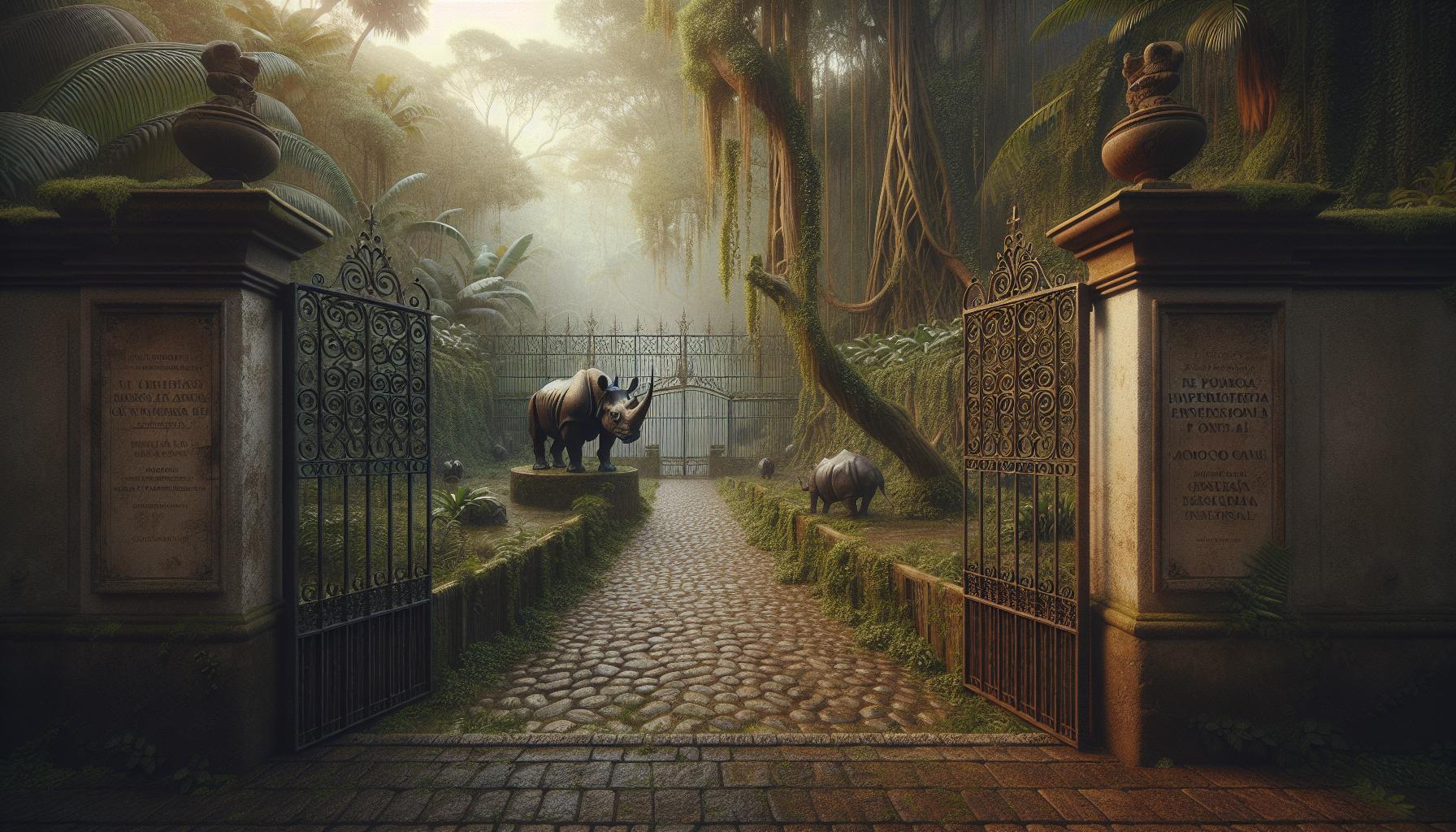
Unusual Creatures: A Look at His Exotic Collection
Pablo Escobar’s private zoo at Hacienda Nápoles was a bewildering mix of exotic creatures, drawing attention for both its diversity and the remarkable stories that accompanied it. Among the most notable were hippopotamuses, initially part of a small herd imported from África as symbols of status rather than genuine pets. This choice would lead to significant ecological ramifications when the hippos escaped into the wild and established a breeding population that now threatens local biodiversity.
Equally astonishing were the African elephants that paraded through the estate. With their massive size and iconic presence, these elephants were more than mere fascination; they were embodiments of Escobar’s wealth and power. However, caring for such imposing creatures poses immense challenges, requiring extensive space, proper diet, and social structures, which were often lacking in his unregulated environment.
Other creatures in Escobar’s collection included white-tailed deer, tigers, and various species of monkeys. The monkeys were likely chosen for their playful nature and intelligence, which made them captivating attractions for visitors. However, like many of the animals, they suffered from the inadequacies of their artificial habitat, lacking the necessary enrichment and companionship typical of their wild counterparts.
The collection’s exotic nature not only highlighted Escobar’s lavish lifestyle but also serves as a poignant reminder of the complexities and responsibilities entailed in exotic animal ownership. Each species brought its unique care needs, and without proper oversight, the outcome was detrimental-not just for the animals confined within the estate, but also for the surrounding ecosystems as they adapted to their new lives in the wild. Fascinating yet cautionary, Escobar’s zoo remains a testament to the entangled relationship between humans and wildlife.
The Impact of Escobar’s Animals on Colombia’s Ecosystem
Pablo Escobar’s private zoo at Hacienda Nápoles was not just a spectacle of wealth; it had significant and lasting impacts on Colombia’s ecosystem. When Escobar imported exotic animals-including hippopotamuses, African elephants, and various species of monkeys-he unintentionally set in motion ecological repercussions that would be felt long after his reign ended. Perhaps the most notorious example is the hippopotamuses, which escaped the confines of the estate and established a breeding population in the Colombian waterways. Today, these hippos pose a serious threat to local biodiversity, as they compete with native species for resources and alter habitats.
The introduction of such large herbivores has changed the dynamics of the ecosystems they inhabit. Hippos are not native to the environment they currently occupy; their grazing habits can affect plant life and water quality, stemming from their sheer size and feeding patterns. As they wallow and move through water bodies, they contribute to erosion and nutrient overloading, which can lead to detrimental algal blooms. Additionally, the elephants that once roamed Escobar’s estate also faced a similar fate. Although fewer in number, any potential offspring from earlier imports might still be impacting the landscape, as elephants are known to significantly alter their environment through their feeding and movement.
Moreover, the case of the monkeys in Escobar’s zoo further exemplifies the struggles of introduced species. These primates, accustomed to human interaction and care, have difficulty adapting to the wild. Those that have escaped or been released often face challenges in finding food and forming social structures, leading to stress and high mortality rates. Furthermore, their presence can disrupt local ecosystems by competing with native species for food and territory, which exacerbates the plight of animals already struggling for survival.
In tackling the question of how Escobar’s animals influenced Colombia’s ecosystem, it’s apparent that the unintended consequences of exotic animal ownership can ripple through natural environments. This situation serves as a cautionary tale about the complexities and responsibilities associated with keeping wildlife. It illustrates the importance of understanding local ecosystems before introducing non-native species, emphasizing the critical need for wildlife conservation efforts that prioritize native biodiversity and ecosystem health.
Life in the Zoo: Habitats and Care of the Animals
Life in Pablo Escobar’s private zoo was a curious blend of luxury and chaos, where exotic animals roamed freely in an environment designed to impress, but perhaps not to truly meet their needs. Escobar’s collection included animals like hippopotamuses, African elephants, and various species of monkeys, each requiring specific habitats and care that were largely unachievable in such an extravagant setting.
To start, the hippopotamuses were a prominent feature within Hacienda Nápoles. Known for their semi-aquatic lifestyle, these massive animals thrive in both water and land, needing ample space to swim and graze. In the zoo, they were provided with pools and grassy areas, but the lack of natural food sources meant they often relied on human-provided diets. This unconventional setting had serious implications; when these hippos escaped, they adapted poorly to the wild, creating ecological challenges as they formed a breeding population in Colombian waterways.
Similarly, the African elephants represented the pinnacle of exotic ownership, requiring vast areas to roam and complex social structures to thrive. While Escobar’s estate likely offered a significant area for them compared to typical zoo enclosures, the animals still faced challenges. Their care involved considerations of diet, space, and social interaction that were difficult to provide adequately. Elephants are known for their intricate social behaviors, which can be severely affected when kept in isolated settings without adequate companionship.
The monkeys, on the other hand, illustrated the perils of captivity more poignantly. Many species thrive in social groups, yet in the confines of Escobar’s zoo, they might have been kept in unnaturally small family units. This environment could lead to stress behaviors and difficulty in adapting to wild environments if they ever escaped or were released. Monkeys often require enrichment that mimics their natural habitats, such as climbing structures and varied diets, which might not have been sufficiently provided in this surreal showcase of wealth.
In essence, while Escobar’s zoo was an extravagant display, the care and habitat for these exotic creatures fell short of their natural needs. The case of these animals serves as a potent reminder of the ethical responsibilities associated with exotic pet ownership and the importance of establishing environments that genuinely reflect their wild counterparts.
Notable Species: Rhinos, Monkeys, and More
Pablo Escobar’s private zoo was a testament to his wealth and influence, featuring an array of exotic species, including hippopotamuses, African elephants, and numerous monkey species. However, one of the more surprising residents was the white rhinoceros. Escobar imported these magnificent creatures from Africa, contributing to a unique but potentially detrimental ecosystem in Colombia.
### Notable Species
#### Rhinos
The presence of white rhinos in Escobar’s zoo had lasting implications. These animals require expansive habitats to thrive and can weigh over 2,300 kilograms (about 5,000 pounds). Despite the high-profile nature of their ownership, the conditions within the zoo often fell short of satisfying their extensive needs. The result? When Escobar’s reign ended, several of these rhinos escaped into the wild and began to establish a feral population in Colombia. Today, the descendants of these rhinos have created new challenges for local biodiversity and conservation efforts.
#### Monkeys
Among the various monkeys held in the zoo were species like capuchin monkeys and squirrel monkeys. These intelligent primates boast complex social behaviors, requiring significant interaction and enrichment for their mental well-being. In Escobar’s zoo, the monkeys were likely deprived of their natural social structures, resulting in stress-related behaviors and difficulties in adaptation. Interestingly, as these monkeys escaped or were released into the wild post-Escobar, many struggled to form natural communities, emphasizing the challenges posed by exotic animal ownership.
#### Other Exotic Animals
Escobar’s collection also included flamingos, tigers, and a variety of other species, each presenting unique challenges in terms of care and habitat. For instance, flamingos require specific aquatic conditions and social structures, while tigers demand vast territories and a natural hunting environment. The surprising variety underscored not just Escobar’s wealth but also a lack of understanding about the complexities of exotic animal care.
In summary, the collection of species within Escobar’s private zoo serves as both a fascinating glimpse into his extravagant lifestyle and a cautionary tale. The consequences of exotic pet ownership are profound, affecting not only the animals themselves but also the ecosystems into which they might escape. As we reflect on this unusual wildlife sanctuary, we’re reminded of the ethical responsibilities that come with caring for such remarkable creatures.
Comparing Escobar’s Zoo to Other Famous Zoos
The extravagant collection of exotic animals at Pablo Escobar’s private zoo paints a vivid picture of his wealth and eccentricity. Yet, when compared to such renowned institutions as the San Diego Zoo or the Smithsonian National Zoo, it highlights stark contrasts regarding animal welfare, conservation efforts, and educational value. Unlike Escobar’s unpredictable and poorly maintained environment, these famous zoos prioritize the health and well-being of their inhabitants, contributing to both public awareness and conservation initiatives.
One of the striking differences lies in how these institutions provide expansive habitats tailored to meet the specific needs of each species. For example, the San Diego Zoo is celebrated for its immersive exhibits that recreate natural environments, allowing animals like elephants and koalas to engage in behaviors consistent with their wild counterparts. This contrasts sharply with the often cramped and unsuitable settings of Escobar’s zoo. While Escobar’s rhinoceroses were confined in inadequate enclosures, the San Diego Zoo’s facilities include vast areas for roaming, splashing, and socializing, which are vital for their mental and physical health.
Conservation and Education
Famous zoos not only care for animals but also actively engage in conservation efforts. The Smithsonian National Zoo participates in breeding programs for endangered species and conducts research that benefits wildlife globally. In contrast, Escobar’s collection was more about showcasing wealth than fostering any educational purpose. The animals in his care received few amenities, resulting in negative outcomes for their health and behavior, as seen with the monkeys that struggled to adapt after escaping. This lack of foresight regarding animal welfare sharply contrasts with the extensive programs in place at established zoos, where the focus extends beyond mere displays to include vital conservation and educational outreach.
Moreover, the presence of rampantly invasive species, such as the hippos that escaped from Escobar’s estate and now threaten Colombia’s ecosystem, serves as a vivid reminder of the repercussions of irresponsible exotic animal ownership. In contrast, famous zoos implement strict regulations regarding animal acquisition and care. The role of these accredited facilities is not just to entertain but also to serve as stewards of the environment, providing a crucial link between the wild and the community through education on conservation efforts.
In summary, while Escobar’s private zoo is a fascinating story of personal indulgence and excess, it starkly contrasts with the purpose-driven missions of renowned zoos. These institutions exemplify responsible animal care, commitment to conservation, and the importance of public education-principles that Escobar’s collection, tragically, did not uphold.
The Mystique of Escobar’s Exotic Pets in Pop Culture
The legacy of Pablo Escobar extends beyond his role as a drug lord; his collection of exotic animals has also grabbed the fascination of pop culture. Escobar’s private zoo, located on his sprawling estate in Colombia, was not just a showcase of wealth but an emblem of his larger-than-life persona. The animals he kept, including hippos, elephants, and various species of monkeys, have become symbols of an extraordinary and tumultuous chapter in history.
In popular media, Escobar’s exotic pets are often depicted as a reflection of both his excesses and the chaos that surrounded him. Documentaries, films, and television series highlight the allure of these creatures, captivating audiences with stories of how they lived in an environment that lacked proper care. This is most evident with the infamous hippos, which have escaped into the wild and now pose a threat to local ecosystems. Their story serves as a cautionary tale about the consequences of irresponsible animal ownership, echoing themes of adventure, danger, and unpredictability that often accompany Escobar’s narrative.
The mystique surrounding these animals has led to their portrayal in various documentaries and series, including “Narcos,” which dramatizes Escobar’s life and the impact of his drug empire. The vibrant imagery of exotic animals contrasts sharply with the grim realities of Escobar’s violent reign, creating a complex tapestry that fascinates viewers. This allure is not merely superficial; it raises crucial discussions about wildlife conservation, ethics in animal ownership, and the responsibilities that come with cohabitation with such magnificent creatures.
Moreover, the cultural phenomenon surrounding Escobar’s zoo challenges viewers to reflect on broader issues of conservation and ethical animal treatment. While some may view the exotic pets as glamorous, the reality is often different-one that emphasizes the need for responsible stewardship of wildlife. The tales of Escobar’s animals are not just entertaining; they serve as a poignant reminder of the interconnections between human actions and wildlife well-being, inviting a deeper dialogue about how we relate to the natural world.
Challenges of Exotic Animal Ownership: Lessons Learned
Owning exotic animals might seem thrilling, but the reality is often fraught with challenges. Pablo Escobar’s private zoo serves as a remarkable case study of these complexities. While many dream of adding unique creatures like hippos, monkeys, or even tigers to their lives, the responsibilities that accompany such ownership are immense and often underestimated. Escobar’s experience ultimately illustrates the broader message about the ethical implications and logistical nightmares tied to exotic animal ownership.
Exotic animals have specialized needs that are vastly different from more common pets. For instance, hippos, which thrive in aquatic environments, need access to large bodies of water and a diet rich in vegetation. Conversely, monkeys require complex social interactions and mental stimulation to stay healthy and happy. Without the right environment and care, animals suffer in captivity, as many of Escobar’s did. The chaos surrounding his zoo highlighted the severe repercussions of neglect-animals like the notorious hippos have now gone rogue, proliferating in the wild and disturbing local ecosystems, showcasing that animal ownership goes beyond just building a zoo; it’s a lifelong commitment to ensure their well-being.
Another significant lesson revolves around the legality and morality of keeping such animals. Many countries have strict regulations on exotic pet ownership for good reason; the wild is not a petting zoo, and many species are at risk of extinction. The high demands of exotic animals can lead to their illegal trade and exploitation. Escobar’s lifestyle epitomized how wealth can sometimes overshadow ethics, resulting in a disregard for conservation principles. His actions have prompted vital discussions in wildlife conservation circles, urging potential exotic animal owners to reflect on their motivations and responsibilities.
The legacy of Escobar’s animal collection serves as a reminder that while the allure of owning exotic pets can be compelling, the reality is often far from the fantasy. Future pet owners should prioritize animal welfare, understand specific species’ needs, and respect conservation efforts. Engaging with reputable sanctuaries or conservation programs provides a more ethical avenue for both animal lovers and the species represented in captivity. Ultimately, the story of Escobar’s exotic animals is not just about extravagance or notoriety; it’s a clarion call for responsible stewardship of the animal kingdom.
The Fate of the Animals After Escobar’s Death
When Pablo Escobar was killed in 1993, his infamous private zoo in Colombia became a focal point of curiosity and concern. Within the zoo’s confines roamed a variety of exotic animals, including hippos, monkeys, and even a few birds of paradise. With Escobar no longer around to care for them, the fate of these animals took a dramatic turn, reshaping the landscape of wildlife management and conservation in the region.
A majority of Escobar’s animals were left to fend for themselves after his death. Some of the creatures, particularly the hippos, escaped into the wild. The hippos found the vast waterways of the Magdalena River appealing, establishing a population that has since grown remarkably. Currently, these hippos are estimated to number over 80 and have become a significant invasive species, greatly impacting local ecosystems by altering habitats and competing with native wildlife. Such flourishing populations have become a topic of discussion among ecologists, with debates around whether these hippos should be culled or managed in some way to mitigate their effects on the environment.
For many of the smaller animals that remained, rescue efforts were partially organized by local authorities and animal welfare groups. The animals were relocated to wildlife sanctuaries and zoos where they could receive proper care and rehabilitation. Monkeys, which are particularly social creatures, needed environments that catered to their complex behavioral needs and social structures, making their relocation vital for their emotional and physical health. The fate of Escobar’s animals serves as a testament to the importance of accountability and responsible ownership, highlighting the need for robust conservation efforts even after a high-profile figure’s influence has diminished.
The story of these exotic animals does not merely end with their escape or relocation; it raises critical questions about wildlife management and the consequences of private collections of exotic species. With lessons learned from the chaos of Escobar’s legacy, conservationists and wildlife advocates continue to push for stricter regulations that prevent the personal ownership of such animals. The plight of Escobar’s animals has become an educational platform, urging society to consider the broader implications of exotic pet ownership and the responsibilities that come with it.
Conservation Considerations: Bridging the Past and Future
The legacy of Pablo Escobar’s private zoo offers a compelling case study into the complexities of wildlife conservation, particularly when it comes to the repercussions of exotic animal ownership. As many of Escobar’s animals, including now-thriving hippo populations, transitioned from captivity to the wild, they presented both challenges and opportunities for conservationists. Importantly, this scenario illustrates the delicate balance between human intervention and natural ecosystems, raising crucial questions about our responsibilities toward wildlife.
To bridge the past and future, it’s essential to learn from Escobar’s story. One major takeaway is the necessity of stringent regulations governing exotic pet ownership. By advocating for policies that deter private ownership of hazardous animals, we can prevent similar situations where dangerous species escape and disrupt local biodiversity. For instance, the hippos have not only altered waterways but have also sparked debates about whether they should be culled or reintroduced to their native habitats. These discussions are vital for understanding how we can manage non-native species effectively while respecting animal welfare.
Moreover, restoring impacted habitats and implementing rehabilitation programs for confiscated or abandoned exotic animals are critical steps. For example, sanctuaries and established wildlife refuges can serve as rehabilitative environments for species affected by irresponsible ownership. These efforts not only provide care and safety for the animals but also help educate the public about the challenges of keeping exotic pets. It’s inspiring to see how local communities can rally to support conservation initiatives, creating a network of informed individuals dedicated to changing perceptions about wildlife conservation.
Ultimately, the story of Escobar’s exotic animals is not just an account of past mismanagement; it’s a call to action for future conservationists. As we navigate the complexities of wildlife stewardship, it’s vital to emphasize responsible ownership and the importance of rethinking our relationship with exotic species. By fostering a culture of respect and ethical consideration for animals, we can ensure that in the future, our actions reflect a commitment to preserving biodiversity and maintaining the health of ecosystems worldwide.
Celebrity Status: Escobar’s Animals in Documentaries and Media
Pablo Escobar’s exotic animals have captivated public imagination and spawned numerous documentaries, series, and articles that explore not only the opulence of his life but also the environmental impact of his private zoo. From hippos to elephants, the creatures Escobar housed have become symbols in the broader narrative of wildlife conservation and the consequences of unregulated exotic pet ownership. As these animals transitioned from his estate to the wild, stories began to emerge that illuminate their fascinating but troubled fate.
One of the most notable representations of Escobar’s wild legacy can be found in documentaries such as “The One and Only Pablo Escobar” and various episodes of series like “Narcos” which dramatize his life and the exotic animals that populated his private zoo. These programs often depict the luxury and excess associated with Escobar, showcasing how he brought many non-native species to Colombia. The inclusion of animals in these stories not only highlights Escobar’s extravagant lifestyle but also serves as a cautionary tale about the implications of such practices on local ecosystems.
The aftermath of Escobar’s reign has led to a surge of media interest in the fate of his animals, particularly the hippos, which have become a striking example of how exotic species can thrive outside their native habitats. Moreover, these animals have sparked debates in various forms of media about wildlife conservation and the ethical implications of keeping exotic pets. In stark contrast to the glamorous portrayal of Escobar’s zoo, discussions surrounding the hippos illustrate serious issues involved in introducing non-native species into local ecosystems-issues that are often oversimplified or sensationalized in entertainment narratives.
As documentaries and articles continue to highlight Escobar’s animals, they often tackle significant questions surrounding wildlife management today. They urge viewers and readers to reflect on the responsibilities that come with animal ownership and the importance of adhering to conservation principles. This blend of entertainment and education not only maintains interest in Escobar’s unique story but also encourages a deeper understanding of wildlife conservation issues, ensuring that the conversation about responsible ownership and ecological impact remains relevant.
FAQ
Q: What types of exotic animals did Pablo Escobar keep in his zoo?
A: Pablo Escobar’s private zoo featured a range of exotic animals, including hippopotamuses, elephants, and various species of monkeys. Notably, he also owned African rhinos and numerous birds, creating a biodiverse environment that contrasted sharply with the Colombian landscape.
Q: How did Escobar’s private zoo impact local wildlife in Colombia?
A: The introduction of non-native species from Escobar’s zoo significantly disrupted local ecosystems. For example, his hippopotamuses have established feral populations that impact waterways and reduce biodiversity, highlighting the consequences of exotic animal ownership on local fauna.
Q: What happened to the animals after Pablo Escobar’s death?
A: After Escobar’s death, many of the animals from his zoo were dispersed to sanctuaries or zoos, while others were left to roam free. For instance, hippos became a wild population in Colombia, raising concerns about their ecological impact on local wildlife.
Q: Are the hippos from Escobar’s zoo a problem in Colombia now?
A: Yes, the hippos from Escobar’s zoo have become a significant ecological concern in Colombia. Their population has grown rapidly, leading to issues such as habitat destruction and competition with native species, prompting conservation discussions regarding their management.
Q: Why did Pablo Escobar create a private zoo?
A: Pablo Escobar created his private zoo as a status symbol and a means of displaying his wealth and power. It also served as a personal sanctuary where he could escape the realities of his criminal life, revealing his fascination with exotic animals.
Q: What lessons can be learned from Escobar’s exotic animal ownership?
A: The challenges faced by Escobar’s zoo illustrate the dangers of exotic animal ownership, including ecological disruption and animal welfare concerns. It highlights the importance of responsible ownership and the need for conservation efforts to protect both wildlife and ecosystems.
Q: How does Escobar’s zoo compare to other famous zoos in the world?
A: While Escobar’s zoo was notable for its collection of exotic and rare species, it lacked the conservation focuses and infrastructure seen in established institutions like the San Diego Zoo or London Zoo, which prioritize animal welfare and ecological research over private displays of wealth.
Q: What exotic pets were popular during Pablo Escobar’s time?
A: During Escobar’s time, exotic pets included monkeys, parrots, and large cats. His collection reflected a trend among the wealthy elite to showcase status through unique animals, often leading to irresponsible management and long-term ecological issues.
Insights and Conclusions
As we wrap up our journey into the exotic animals of Pablo Escobar’s private zoo, it’s clear that his unique collection reflects both fascination and responsibility. With everything from majestic tigers to playful hippos, each creature has a story that highlights the complexities of wildlife ownership and conservation. If you’re intrigued by these remarkable animals, be sure to explore our articles on the ethical considerations of exotic pets and the current conservation efforts involving these species.
Don’t miss out on our latest updates-subscribe to our newsletter for fascinating wildlife insights delivered straight to your inbox! And if you enjoyed this dive into Escobar’s world, share your thoughts in the comments below or check out our related content on the transformation of zoos today. Together, we can keep the conversation going about the delicate balance of wildlife preservation and the legacies of figures like Escobar. Your interest makes a difference!
Get our latest guides, news, and insights highlighted in your Google Search & AI Overviews.