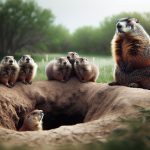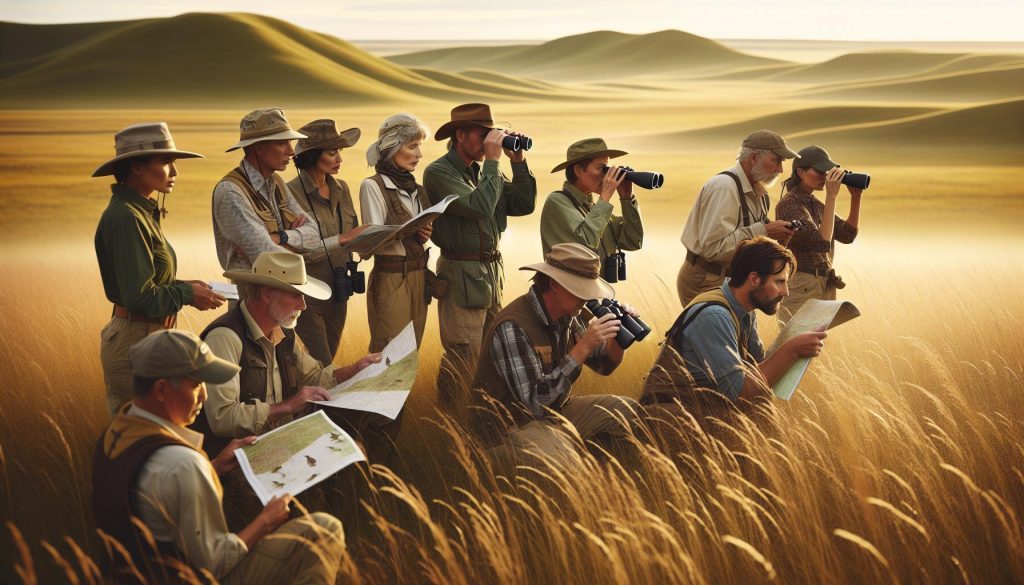
Prairie dog hunting is not just about the thrill of the chase; it’s an opportunity to connect with the outdoors and experience the unique landscape of the American West. These fascinating rodents play a crucial role in their ecosystem, making hunting a part of wildlife management. Whether you’re a seasoned hunter or a curious beginner, finding the right destination is essential for an enjoyable experience. Many hunters seek out affordable locations, avoiding the pricey fees of commercial ranches. This guide will explore top prairie dog hunting spots, offering insights into areas rich in these charming creatures, along with tips for a successful outing. Join us as we uncover the best locations to engage with this lively wildlife while respecting the balance of nature.
Where to Find the Best Prairie Dog Hunting Locations
When it comes to finding prime locations for prairie dog hunting, enthusiasts often seek out areas known for healthy populations of these energetic critters. Prairie dogs thrive in wide-open spaces with short grasses-ideal conditions for spotting them at their bustling burrows. One notable spot is eastern Colorado, particularly the areas around Sterling and Limon, where vast prairie dog towns can be found. Similarly, the plains of Wyoming-especially around the towns of Rawlins and Douglas-offer expansive expanses where prairie dogs flourish.
Another exciting destination is the Texas Panhandle, particularly around the towns of Perryton and Canadian, where ranches often have land dedicated to prairie dog hunting. For those in Arizona, while some areas have become restricted or costly, places outside of the Phoenix area like the small communities near Holbrook may still yield opportunities. Always check with local ranchers or hunting forums for the latest on accessible areas, as private land can be a wonderful resource, but may require permission or a fee.
Finding hunting spots doesn’t always have to be about hefty payments; some landowners appreciate responsible hunters and may allow access for free or a nominal fee. Resourceful hunters often network through platforms like Long Range Hunting Forum, where personal experiences and recommendations regarding locations can be shared among the community-[[1]]. As regulations can vary greatly by state and even by county, it’s advisable to stay informed about local hunting policies to ensure a responsible and enjoyable outing.
In summary, whether you’re heading to the plains of Colorado, the Texas Panhandle, or scouting options in Arizona, the key is to embrace the adventure. With the right preparation and respect for local guidelines, you’re well on your way to an exciting prairie dog hunting experience.
Understanding Prairie Dog Behavior for Better Hunting

Prairie dogs are fascinating creatures with distinct behaviors that can significantly influence hunting success. These social animals live in complex burrow systems and are known for their lively interactions. Understanding their behavior can help you strategize your hunt more effectively.
At the heart of prairie dog behavior is their social structure. Prairie dogs live in colonies called “towns,” which can range from a few to thousands of individuals. These towns are often composed of multiple family groups. By spending time observing a town, you can notice when the prairie dogs are most active and which burrows they frequent. Typically, they are more active during the early morning and late afternoon, making these prime times for hunters.
Additionally, prairie dogs are highly vigilant. They have a repertoire of alarm calls that alert other members of their colony to potential threats. When one prairie dog spots a predator, it emits a specific warning cry, causing others to retreat into their burrows. This behavior means that if you are patient and quiet, you may get the chance to see prairie dogs emerge after the initial alarm has subsided.
In terms of their physical environment, prairie dogs prefer open habitats with short grasses, which offer visibility from predators while still being suitable for their grazing needs. This means that scouting areas with this kind of vegetation-like the short-grass prairies found in eastern Colorado or Wyoming-is ideal for setting up your hunt.
In summary, when you take the time to observe prairie dog towns and their social interactions, you can significantly enhance your hunting strategy. Understanding when they are most active, how they communicate, and where they like to live allows hunters to position themselves for a successful experience. Embrace the blend of patience and observation; these approaches will pay off in the field.
Essential Gear for a Successful Prairie Dog Hunt
For a successful prairie dog hunt, having the right gear can make all the difference. These small, social creatures can be lively and unpredictable, so equipping yourself properly will enhance your hunting experience and improve your chances of a successful outing. Here’s a look at the essential gear every prairie dog hunter should consider bringing along.
Firearms and Ammunition
The choice of firearm is crucial in prairie dog hunting. Most hunters prefer calibers that offer both accuracy and minimal recoil, making for a comfortable shooting experience over the many shots you might take in a day. Commonly recommended options include:
- .223 Remington: Known for its precision and adequate stopping power for prairie dogs.
- .204 Ruger: Offers flat trajectory and high velocity, excellent for long-range shots.
- .22-250 Remington: If you prefer a bit more knockdown power with manageable recoil.
When it comes to ammunition, lightweight, high-velocity bullets are ideal. Bullets like the V-Max or similar polymer-tipped options ensure a clean shot while minimizing pelt damage.
Optics
Good optics are essential for spotting prairie dogs at a distance. A quality scope can make a significant difference in not only spotting your targets but also hitting them accurately. Look for:
- Variable magnification scopes: Something between 4-16x usually works best for prairie dog towns, allowing you to adjust based on distance.
- Objective lens size: A larger objective lens (around 40mm or more) can help gather more light, improving clarity during dawn and dusk hours.
Gear Accessories
In addition to your main equipment, several accessories will enhance your hunting experience:
- Shooting sticks or bipods: These provide stability for longer shots and help you maintain accuracy.
- Rangefinder: Since prairie dogs often pop up at varying distances, a rangefinder will help you make necessary adjustments quickly.
- Backpack: Carrying a lightweight backpack will help you organize and transport your gear, water, and snacks.
Clothing and Safety Gear
Dressing appropriately for the terrain and weather conditions is vital. Opt for:
- Camouflage clothing: Blends in with the natural environment, helping you remain undetected.
- Sunscreen and hats: Essential for protection against sun exposure during long hours outdoors.
- Hearing protection: Consider using earplugs or earmuffs to protect your hearing, especially if firing multiple rounds.
With this gear in hand, you’re well on your way to having an enjoyable and successful prairie dog hunting adventure. Remember, preparation is key! Whether you’re a seasoned hunter or trying this for the first time, having the right equipment not only increases your chances of success but also enhances the overall experience. Happy hunting!
Top States for Prairie Dog Hunting Adventures
One of the most exciting aspects of prairie dog hunting is the chance to explore some of the most stunning landscapes in the United States while pursuing these energetic little creatures. Prairie dogs thrive in open grasslands, and several states stand out for offering abundant populations and favorable hunting conditions. Each state not only provides rich habitats but also unique experiences that can make your hunting adventure unforgettable.
Montana
Eastern Montana is often heralded as a premier destination for prairie dog hunting. The expansive plains and rolling hills create ideal habitats where prairie dogs flourish. With countless towns dotting the landscape, hunters can enjoy days of shooting without the worry of pressure or overcrowding. The bonus? Montana’s breathtaking scenery, including vast skies and rugged terrains, enhances the outdoor experience. Just remember to check local regulations, as there can be specific guidelines on hunting areas.
South Dakota
Home to some of the largest prairie dog colonies in the country, South Dakota is another favorite for hunters. The Badlands region, in particular, not only provides excellent hunting opportunities but also showcases unique geological formations and wildlife, making it a great spot for both hunting and sightseeing. Popular areas for hunting include the Cheyenne River and the Black Hills, where you’ll find ample opportunities to get your shots off. South Dakota also tends to have milder winters, making it easy to schedule hunts during various times of the year.
Wyoming
If you’re looking for diverse terrain and plentiful prairie dog towns, Wyoming is a must-visit. The state hosts a variety of lands, from wide-open spaces to hilly terrain, where prairie dogs make their homes. Regions like the Laramie Plains and the Pawnee National Grassland are particularly known for their vibrant prairie dog populations. Moreover, Wyoming offers a unique charm with its blend of cowboy culture and stunning natural beauty, making it an enriching experience beyond just hunting.
Texas
For those wanting a warmer climate and some of the best chances to bag a prairie dog, Texas should not be overlooked. The vast expanses of the West Texas plains are crowded with thriving prairie dog colonies. Ranches in this area often provide guided hunts, which can be particularly beneficial for those new to the sport. Additionally, Texas’s mix of hunting culture, friendly locals, and opportunities for year-round hunting add to its appeal as a premier destination.
When choosing your hunting destination, it’s essential to consider not only the abundance of prairie dogs but also the type of experience you desire. Each state provides its unique flavor and landscape, ensuring that your prairie dog hunting adventure is both successful and memorable. Whether you prefer the plains of Montana or the rugged charm of Wyoming, you’re sure to find the perfect spot to hone your skills and take in the great outdoors.
Best Times of Year for Prairie Dog Hunting
The allure of prairie dog hunting goes beyond just the thrill of the chase; timing plays a crucial role in ensuring a successful outing. Generally, the best time for prairie dog hunting spans from late spring to early fall, aligning with the prairie dogs’ active season. As these small mammals emerge from hibernation, they are particularly visible and vulnerable, making this an ideal period for hunters eager to bag their quarry.
In late spring (May to June), prairie dogs are at their most active. Post-hibernation, they are busy establishing their colonies and are often seen darting in and out of their burrows. The weather during this time tends to be mild, enhancing the overall hunting experience. Many hunters find this the optimum window, as prairie dogs are not only plentiful but also engaged in foraging and socializing, providing ample opportunities for shooting. This time of year also allows for some stunning vistas, as wildflowers bloom across the plains, making for picturesque backgrounds during your hunt.
As summer progresses into July and August, hunting continues to be fruitful, but the challenges can intensify due to increased temperatures. It’s wise for hunters to plan early morning or late afternoon trips when the temperatures are cooler; during these times, the prairie dogs are still active but less prone to hiding from the heat. This period also coincides with the breeding season, leading to more significant colony activity, which can translate into greater hunting success. Lodging and resources are often more accessible during summer, making it a popular choice.
On the other hand, as autumn approaches (September to October), prairie dog activities begin to slow, but this transition can present unique hunting opportunities. The cooler weather leads to less heat-induced lethargy among prairie dogs, meaning they can still be quite active while providing a beautiful backdrop of fall foliage. However, by late fall, prairie dogs start to prepare for hibernation, and their numbers dwindle significantly, marking the end of the optimal hunting season.
Understanding these seasonal behaviors is key for any aspiring hunter. With a combination of strategic timing and a little knowledge about prairie dog habits, you can significantly increase your chances of a rewarding hunt. So, whether you prefer the vibrant pulse of early summer or the crisp colors of autumn, aligning your outings with these seasonal rhythms can lead to memorable and successful hunting experiences.
Tips for Ethical Prairie Dog Hunting Practices
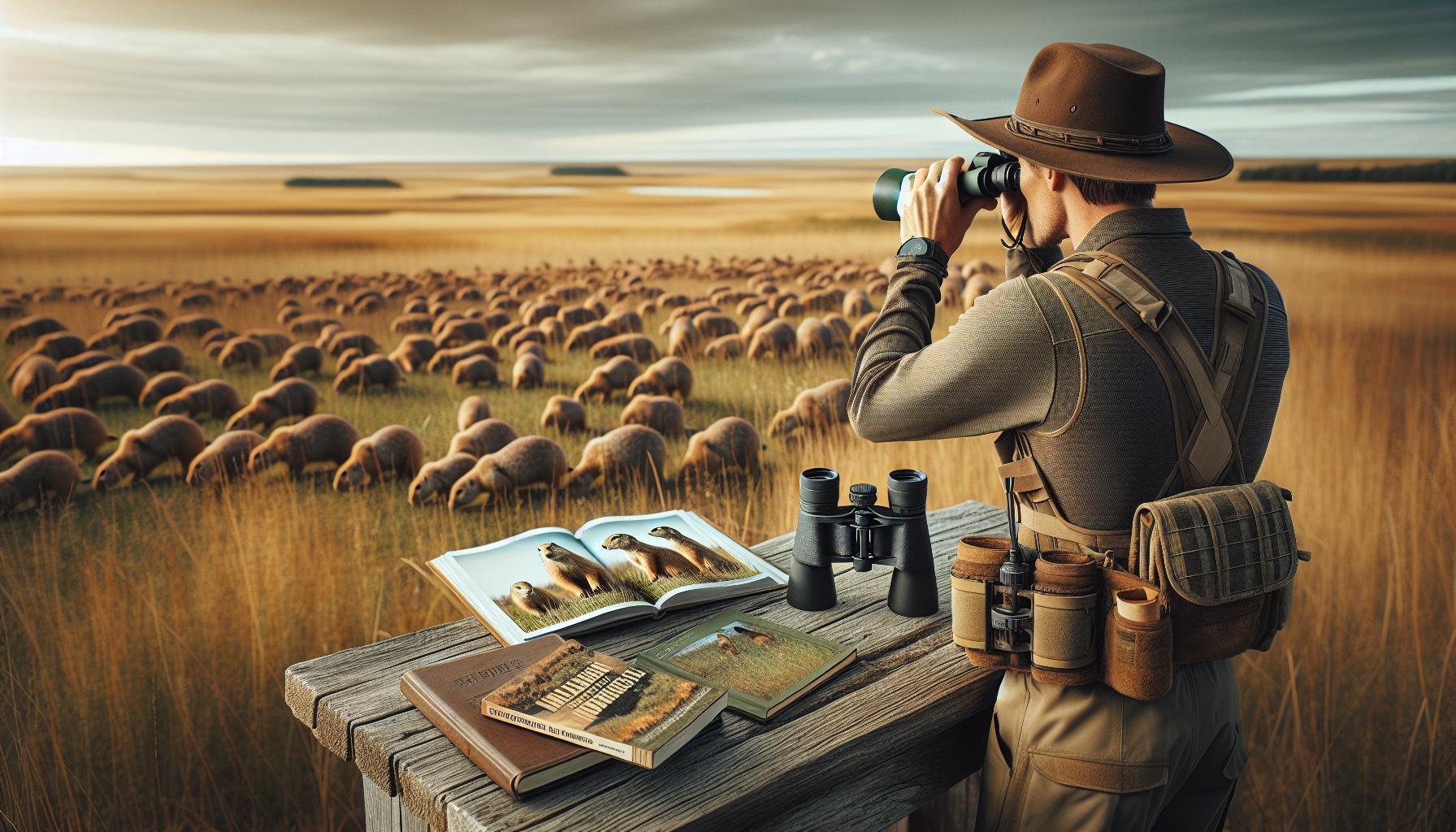
When it comes to hunting prairie dogs, it’s essential not only to pursue your passion for the sport but also to do so in a manner that respects the animal and its habitat. Ethical hunting practices can enhance your experience while also ensuring the sustainability of prairie dog populations and the ecosystems they inhabit. Understanding how to hunt responsibly allows you to enjoy your adventures while contributing positively to wildlife conservation.
First and foremost, always adhere to local regulations regarding hunting seasons, bag limits, and licensing requirements. Educating yourself on these laws is crucial not just for legality but for the health of prairie dog colonies. Overhunting can lead to dramatic declines in their populations, which in turn affects predators and other wildlife that rely on prairie dogs as a food source. Keeping your shots clean and minimizing suffering is another cornerstone of ethical hunting. Aim to make every shot count and avoid unnecessary wounding by using appropriate calibers and taking only well-considered shots.
Additionally, consider the impact of your presence on the environment. Stay on established paths and avoid disrupting the prairie dog’s habitat unnecessarily. They play a significant role in their ecosystem, aerating the soil and creating habitats for other species through their burrowing activities. Respecting these dynamics means that future generations can also enjoy hunting in these diverse landscapes. Furthermore, be mindful of your group size and noise levels when hunting. It’s best to go with a smaller group to minimize disturbance to the surrounding wildlife.
Lastly, wildlife enthusiasts often find joy in connecting with the landscape and its creatures. Take time to appreciate the sights and sounds of the prairie. Engaging in conservation efforts beyond the hunt-such as habitat restoration projects-can also have a lasting positive impact and foster a deeper connection with nature. Adopting these ethical practices not only enhances your hunting experience but also helps preserve the rich tapestry of life in these habitats for years to come.
Local Regulations and Licensing for Prairie Dog Hunting
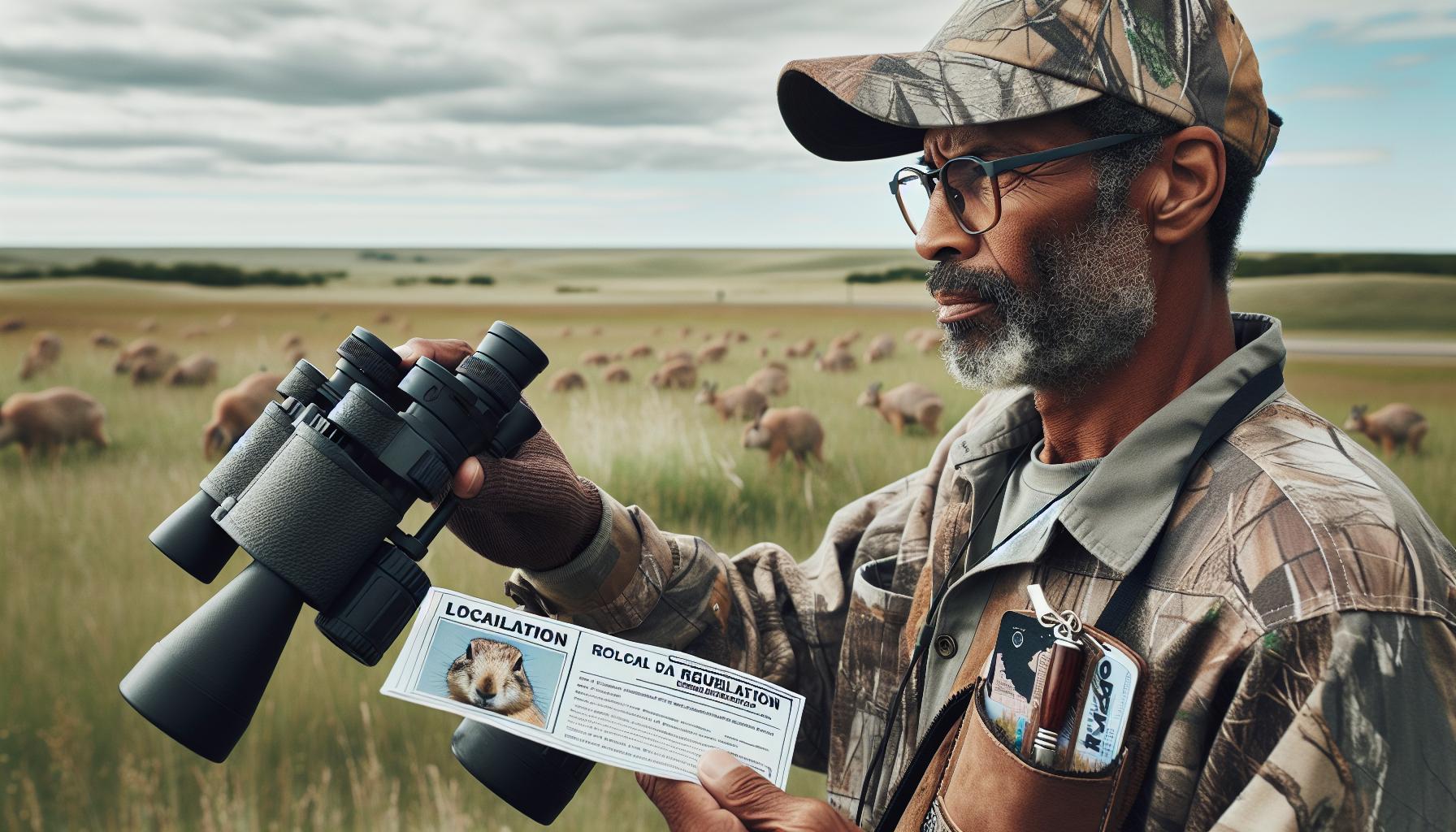
Navigating the rules and regulations surrounding prairie dog hunting can feel like a puzzle, but understanding these requirements is crucial to enjoying a successful and compliant experience. Each state where prairie dog hunting is popular has its own set of laws governing hunting seasons, licensing, and bag limits. For instance, in states like Montana, which are renowned for their abundant prairie dog populations, hunters typically need to acquire a small game license, while South Dakota also has designated hunting seasons that you must adhere to. It’s worth noting that regulations can change annually, so checking the local wildlife agency’s website or resource guides before heading out can save you from unintentional violations.
When it comes to licensing, most states require hunters to carry a valid hunting license and, in some cases, a higher-tier small game license specifically for prairie dogs. Some areas may also impose specific rules, such as restricted hunting on public lands. It’s essential to familiarize yourself with these aspects ahead of time-you wouldn’t want to spoil your trip by missing a crucial permit! For those looking to hunt on private lands, obtaining permission and confirming any additional rules set by landowners is also vital. Many landowners appreciate hunters who show respect for their property and may even offer guidance on the best spots to hunt.
Some states may also have regulations regarding the use of certain hunting methods and firearms. For instance, in parts of the West, hunters might be limited in the types of calibers they can use or may even be required to use suppressors. Being aware of these stipulations not only keeps you compliant but also enhances your hunting experience by optimizing your tactics based on what the law allows.
Above all, adhering to local regulations and obtaining the necessary licenses not only ensures a legal hunting experience but also supports wildlife conservation efforts. Many of the fees from licenses are reinvested into the maintenance of wildlife habitats and population management, which ultimately benefits future hunting adventures. Investing time in understanding your responsibilities as a hunter cultivates a deeper appreciation for the sport and promotes sustainable wildlife practices.
Guided Tours and Outfitters for Prairie Dog Hunts
If you’re looking to enhance your prairie dog hunting experience, connecting with the right guided tours and outfitters can make all the difference. These professionals offer invaluable knowledge about the terrain, local rules, and most importantly, the best places to find those elusive prairie dogs. Many outfitters provide comprehensive packages that include transportation, equipment rentals, and even meals, allowing you to focus solely on the hunt.
When selecting a guide, consider their reputation and experience within the region where you plan to hunt. Some of the top destinations for prairie dog hunting, like Eastern Montana, are well known for their high populations of prairie dogs and offer various guided tours. An experienced outfitter will not only have prime hunting locations but can also provide insight into local wildlife regulations to ensure your trip is compliant and enjoyable.
Another appealing aspect of guided hunts is the opportunity for beginners to learn essential hunting techniques and safety measures from seasoned professionals. Outfitters often tailor their services to the skill level of their clients, offering workshops for novices or more advanced strategies for seasoned hunters. This personalized approach can significantly increase your chances of a successful outing while fostering a deeper appreciation for the sport.
In addition to traditional hunt packages, many outfitters emphasize ethical hunting practices, which is critical in maintaining the balance of wildlife ecosystems. By choosing a reputable guide who prioritizes conservation, you’re not just investing in a hunting experience; you’re also supporting responsible wildlife management practices that benefit both hunters and animals alike. Whether you’re a newcomer or a veteran looking to refine your skills, guided tours and reputable outfitters are an excellent way to elevate your prairie dog hunting adventures.
Safety Considerations When Hunting Prairie Dogs
Ensuring safety while hunting prairie dogs is paramount to having a successful and enjoyable experience. Prairie dog hunting often takes place in remote areas, sometimes over rugged terrain, where one wrong step can lead to mishaps. Additionally, the responsibilities of being a hunter extend beyond just focusing on your own safety; they encompass being considerate of fellow hunters and the environment.
When heading out, proper gear is essential. Always wear sturdy, comfortable boots to navigate uneven ground, and consider using bright-colored clothing for visibility, especially during busy hunting seasons. A well-fitted pair of ear protection can safeguard against loud gunfire, which is common during prairie dog hunts. It’s also wise to use safety glasses to protect your eyes from debris, especially when shooting in areas with loose soil.
Hunting in groups can enhance safety. Establishing clear communication signals ensures that everyone is aware of each other’s locations. This practice minimizes the risk of accidental shooting and helps keep group members informed about movements. It’s also crucial to maintain a safe distance when shooting; hunters should refrain from aiming at a target that is too close to another person. A good rule of thumb is to always follow the basic firearm safety principles: treat every firearm as if it is loaded, never point a gun at anything you’re not prepared to shoot, and be sure of your target before pulling the trigger.
Beyond personal safety, be mindful of the environment. Ensure that you respect the habitats of prairie dogs and other wildlife. Avoid overhunting in a specific area to prevent population depletion. Always follow local regulations regarding hunting seasons and bag limits to support conservation efforts and maintain ecological balance. By doing so, you not only protect yourself and your companions but also contribute positively to the ecosystems you enjoy exploring.
Hunting Techniques That Improve Your Success Rate
The thrill of prairie dog hunting can be captivating, especially when you know the right techniques to increase your chances of success. These small burrowing mammals are not just adorable pests; they offer a dynamic and engaging hunting experience that can vary based on location, weather, and technique. By understanding how to approach this activity strategically, you can enhance your enjoyment and fill your bag limits more effectively.
To begin, mastering the art of stalking is crucial. Prairie dogs exhibit specific social behaviors that can be exploited during a hunt. Observing their habits is key; they often have a sentry positioned to alert others of danger. Take your time to watch and learn their routines to determine the best moment to strike. Using natural cover like shrubs or boulders can help you approach without being seen. Keeping low to the ground mimics local wildlife and reduces your visibility.
Another valuable technique is employing the right gear. Opt for a rifle that you are comfortable with-many hunters prefer a caliber that balances accuracy and minimal recoil for extended shooting sessions. Scope optics can elevate your precision, especially at longer ranges typical in prairie dog hunting. While a bipod can steady your aim, also consider using shooting sticks for added support while standing. Beyond equipment, it’s essential to prepare emotionally and physically, staying patient as you may need to wait for the perfect shot.
Moreover, timing your hunts can greatly impact your success. The best times to hunt prairie dogs are typically during their active hours, which are usually in the morning and late afternoon. Weather can also affect their behavior; a slight breeze helps mask your scent, while cooler temperatures encourage them to be more active above ground. Being mindful of these elements can result in a bounteous outing.
Utilizing these techniques not only enhances your success rate but also deepens your appreciation for the pursuit of prairie dog hunting. With adequate preparation, a keen eye for their behavior, and the right gear, you’ll be well on your way to making your prairie dog hunting trips both productive and enjoyable.
Prairie Dog Hunting Etiquette for Newcomers
While prairie dog hunting can be an exhilarating outdoor adventure, newcomers should be aware of certain etiquettes that enrich the experience for everyone involved. Understanding and practicing good etiquette not only enhances your own enjoyment but also fosters a respectful hunting culture within the community.
Firstly, it’s essential to seek permission before hunting on private land. Many prime prairie dog colonies reside on private properties, and landowners appreciate hunters who approach them respectfully. A simple introduction and a clear request to hunt can lead to fruitful relationships and possibly even future hunting opportunities. If you’re hunting on public land, be sure to familiarize yourself with local regulations and avoid overcrowded areas, as these spaces can become contentious if multiple hunters are vying for the same spots.
On the field, patience and courtesy are paramount. Observe your surroundings and ensure you’re not encroaching on someone else’s designated hunting area. If another hunter is already engaged, give them adequate space to prevent disturbances. Additionally, maintaining a low profile is beneficial for both you and the wildlife. Prairie dogs are particularly alert to movements and noises, so minimizing your impact will lead to better success. When setting up, try to use natural barriers, like rocks or tall grass, to conceal your presence.
Lastly, remember that hunting is both a privilege and a responsibility. It’s important to adhere to fair chase principles, meaning you should only take ethical shots and avoid undermining the sustainability of prairie dog populations. If you’re unsure about the rules or local wildlife conservation efforts, don’t hesitate to reach out to more experienced hunters or local wildlife agencies for guidance. Enjoying the excitement of prairie dog hunting while respecting the ethics of the sport will not only enhance your experience but also contribute to the preservation and appreciation of these unique ecosystems.
Recipes and Cooking Tips for Prairie Dog Meat
While it might surprise some, prairie dog meat can be a delicious and unique culinary experience, offering a taste reminiscent of lean pork or rabbit. If you’ve taken the plunge into prairie dog hunting, understanding how to prepare and cook this game can elevate your outdoor adventure from the field to the feast.
First and foremost, it’s crucial to handle the meat properly. After harvesting a prairie dog, field dress it as soon as possible to maintain freshness. Make sure to clean it thoroughly and remove any fat, which can impart a gamey flavor. Once you have your cleaned meat, marinating it can be a great way to enhance flavor and tenderness. Consider using a mixture of olive oil, garlic, lemon juice, and your favorite herbs. Allow it to marinate for several hours or overnight in the refrigerator.
When it comes time to cook, there are several methods you can choose from:
Cooking Methods for Prairie Dog Meat
- Grilling: Cut the meat into smaller pieces or strips, season well, and grill them over medium heat. This method can give you a nice smoky flavor.
- Stewing: Due to its lean nature, prairie dog meat benefits from slow cooking. A hearty stew with vegetables, broth, and spices can yield a warm and satisfying dish.
- Roasting: For a more traditional approach, consider roasting a whole prairie dog. Season it well, perhaps with a dry rub, and roast at 350°F until the internal temperature reaches at least 160°F.
As an alternative to classic recipes, think about incorporating prairie dog meat into dishes like tacos or burritos. Shredded prairie dog meat works wonderfully in these recipes, paired with fresh toppings like avocado, salsa, and cheese.
Always remember, when cooking wildlife, to ensure everything is done ethically and sustainably, embracing the spirit of respecting the animals you’ve harvested. By being mindful of how you prepare and enjoy prairie dog meat, you contribute to a tradition of responsible hunting and cooking that honors nature’s bounty.
Frequently asked questions
Q: What are some of the best states for prairie dog hunting?
A: The best states for prairie dog hunting include South Dakota, Wyoming, Montana, and Texas. Each of these states has thriving prairie dog populations, offering various terrains and ample hunting opportunities. Consider planning your hunt in these areas for an exciting experience.
Q: When is the ideal season for prairie dog hunting?
A: The ideal season for prairie dog hunting is typically from late spring to early fall, particularly in May through September. This timing allows for optimal weather conditions and better visibility, which improves your chances of a successful hunt.
Q: Do I need a special license for prairie dog hunting?
A: Yes, a hunting license is generally required for prairie dog hunting, which varies by state. Make sure to check local regulations for specific requirements and ensure you’re compliant before heading out on your adventure.
Q: How can I improve my chances of a successful prairie dog hunt?
A: To enhance your success rate in prairie dog hunting, focus on understanding prairie dog behavior, selecting the right gear, and practicing shooting accuracy. Additionally, visiting known hotspots and utilizing bait can significantly increase your chances.
Q: What types of gear are essential for prairie dog hunting?
A: Essential gear for prairie dog hunting includes a reliable rifle, high-quality scope, durable clothing, and shooting rests. Don’t forget to bring plenty of ammunition and snacks to stay prepared throughout the outing.
Q: Are there guided tours available for prairie dog hunting?
A: Yes, there are many guided tours and outfitters offering prairie dog hunting services. These can provide valuable local knowledge and support, making your hunting experience safer and more enjoyable. Consider researching reputable guides in your chosen hunting region.
Q: What should I know about ethical prairie dog hunting practices?
A: Ethical prairie dog hunting involves practicing responsibility and sustainability. Always follow local regulations, respect wildlife, and consider hunting limits. Educating yourself on prairie dog populations and habitat can also help minimize negative impacts on their ecosystem.
Q: What do I do after harvesting prairie dogs?
A: After harvesting prairie dogs, it’s important to properly field dress and clean the animals. Additionally, consider checking local guidelines for processing and utilizing the meat responsibly, ensuring no waste is created.
In Summary
As you plan your prairie dog hunting adventure, remember that knowing the best destinations enhances your experience tremendously. Whether you’re drawn to the sprawling plains of South Dakota or the unique landscapes of New Mexico, each location offers exceptional opportunities for wildlife engagement and unforgettable memories. Don’t wait-grab your gear, gather your buddies, and get ready for an exciting day in the field!
Looking for more tips to enhance your hunting trips? Check out our guides on hunting gear essentials and ethical hunting practices to ensure a responsible and successful outing. We invite you to share your experiences and questions in the comments below! Your insights could inspire others in the hunting community. Keep exploring our site for more articles on outdoor adventures and wildlife conservation, and ensure your fill of thrilling content today!
Get our latest guides, news, and insights highlighted in your Google Search & AI Overviews.