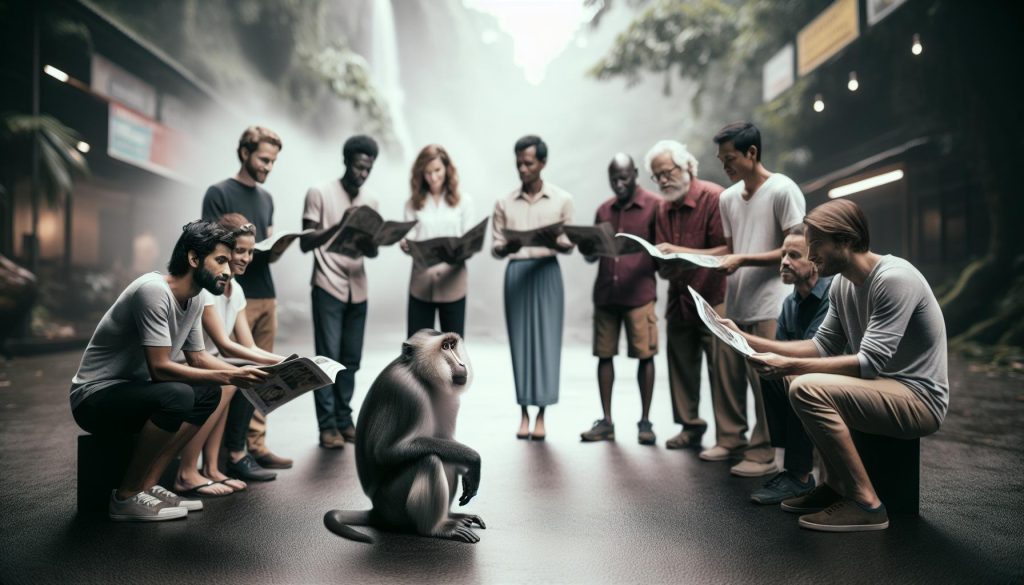
Monkeys have captivated human imagination for centuries, symbolizing traits like playfulness, intelligence, and curiosity across cultures. Their vibrant personalities mirror our own, making them relatable figures in folklore, art, and religion. Understanding what monkeys represent not only enriches our appreciation of these remarkable creatures but also opens a window into the values and lessons different societies hold dear.
From the mischievous trickster in African tales to the wise elder in Asian traditions, monkeys offer insight into our shared humanity and the complexities of our social behaviors. As we explore their symbolic roles, we discover how these lively primates might inspire us to embrace creativity, adaptability, and the joy of life. So, let’s dive deeper into the fascinating world of monkey symbolism and uncover the rich tapestry of meanings intertwined with their existence. Your curiosity is about to take a wild turn!
Cultural Significance of Monkeys Across World Cultures
Monkeys have intrigued humans across the globe for centuries, serving as a rich source of cultural symbolism and meaning. In many cultures, these agile primates are seen as embodiments of playfulness and mischief, but their significance extends far beyond mere antics. For example, in Hinduism, the monkey god Hanuman represents loyalty and selfless devotion, while in Chinese culture, monkeys are considered intelligent and resourceful, celebrated during the Chinese Zodiac as a sign of cleverness. This interplay between characteristics attributed to monkeys and the values esteemed by different societies showcases how deeply embedded they are in human culture.
Across various mythologies and folklore, monkeys often appear as tricksters-figures who use their wits to navigate challenging situations. This role can be observed in tales like the “Monkey King” from the Chinese classic Journey to the West, where the protagonist’s cunning and playful nature drives the narrative and imparts moral lessons about humility and the pursuit of knowledge. Similarly, in African folklore, monkeys frequently symbolize adaptability and cleverness, reflecting the survival skills these animals demonstrate in their natural habitats.
As symbols, monkeys also represent the duality of human nature. They can embody both the playful, carefree aspects of our personalities while simultaneously serving as reminders of the instincts and urges we must navigate in our lives. Their behavior can mirror our own, leading to reflections on human traits such as laughter, curiosity, and social dynamics. This connection echoes in contemporary interpretations where monkeys in art and media illustrate the complexities of human relationships, often prompting us to consider our own behaviors through the lens of their antics and agility.
The cultural significance of monkeys is not just a remnant of ancient myths but remains alive in modern contexts. Their portrayal in films, literature, and even as mascots resonates widely, emphasizing themes of joy, cleverness, and the intertwining of human and animal traits. Overall, monkeys continue to be a fascinating bridge between cultures and the human psyche, symbolizing playfulness while invoking deeper reflections about human behavior and nature.
Mythology and Folklore: Monkeys in Ancient Tales
In ancient tales from various cultures, monkeys often emerge as brilliant tricksters, playing critical roles that reflect the complexities of human nature. Known for their wit and agility, these primates embody mischief and cleverness, serving to challenge norms and teach valuable lessons. One of the most famous examples is the character Monkey King, or Sun Wukong, from the Chinese epic Journey to the West. This legendary figure is not only playful but also embodies the ideals of intelligence and rebellion against authority. His exploits, which include outsmarting gods and demons alike, are rich with moral lessons about perseverance, humility, and the quest for enlightenment.
Similarly, in Hindu mythology, the monkey god Hanuman symbolizes devotion and strength. His story illustrates loyalty, making him a revered figure among followers. His legendary feats, such as flying to bring back a mountain of medicinal herbs to save a divine hero, show the potential of resourcefulness paired with a devoted heart. Stories of Hanuman inspire people to embrace resilience and dedication, highlighting how folklore shapes cultural values around duty and faith.
In African folklore, monkeys frequently emerge as wise beings who navigate the complexities of society with adaptability. They are often depicted as characters who cleverly outsmart their adversaries, serving as archetypes of survival and intelligence. These tales underscore the importance of wit in overcoming challenges, reminding listeners of the value in thinking critically and finding innovative solutions to problems.
Throughout these narratives, monkeys serve not just as characters but as mirrors reflecting our shared experiences and societal values. They teach us about the duality of our nature-balancing playfulness with wisdom. This blend of characteristics reminds us that humor and cunning can be powerful tools in dealing with life’s complexities, making tales of monkeys not only entertaining but deeply insightful. In essence, these stories create a rich tapestry of cultural meaning, showcasing the timeless relevance of monkeys in mythology and folklore across the globe.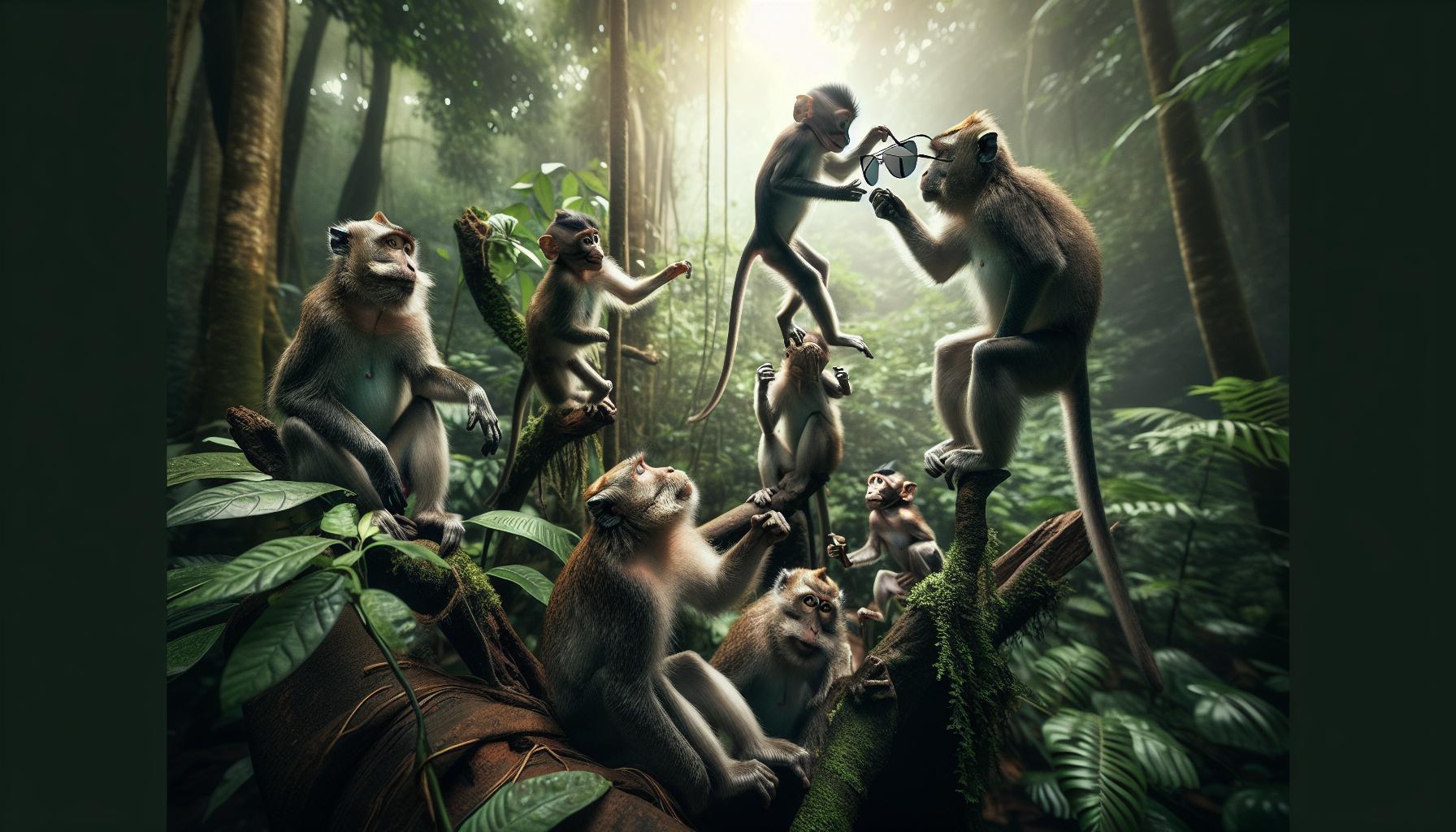
Monkeys as Symbols of Playfulness and Mischief
In various cultures around the world, monkeys are celebrated as the embodiment of playfulness and mischief. Their lively antics and intelligent behavior endear them to people, making them a favorite subject in stories and folklore. From climbing trees to swinging from branches, monkeys exhibit a joyfulness that resonates deeply with human experiences, reminding us to embrace cheerful spontaneity.
These spirited creatures often serve as symbols of the unpredictable nature of life. In Eastern traditions, particularly in Chinese culture, the monkey is seen as a harbinger of good fortune, cleverness, and versatility. The Chinese zodiac features the monkey as one of its twelve animals, associated with adaptability and playfulness. Celebrated during the Lunar New Year, those born under the sign of the monkey are thought to possess traits of cleverness and resourcefulness, epitomizing the role of the monkey as a trickster that navigates challenges with humor and ingenuity.
In Western literature and media, monkeys are typically portrayed as the playful pranksters that stir up fun and chaos. Take, for instance, the character Curious George, an inquisitive little monkey who often finds himself in amusing predicaments due to his mischief. This character not only entertains but also imparts valuable lessons about curiosity, learning from mistakes, and the importance of friendship. Monkeys in these settings remind us not to take life too seriously and to embrace a sense of wonder and adventure.
The playful symbolism of monkeys also finds expression in art and performance, from traditional dances to modern animations. Their mimicry and lively movements inspire creativity, allowing artists to explore themes of freedom and expression. As we appreciate the playful spirit of monkeys, we are encouraged to reflect on our own capacity for mischief and joy-elements that are often vital for a balanced, fulfilling life. Their ability to bring laughter and spark joy connects deeply with the human experience, transforming them into timeless symbols of playfulness across cultures.
Spiritual Symbolism: Monkeys in Religion and Philosophy
Monkeys, with their lively demeanor and complex social structures, have intrigued humans for centuries, weaving their way into various spiritual traditions around the globe. In Hinduism, for example, the monkey god Hanuman is a symbol of devotion and strength. Revered for his unwavering loyalty to Lord Rama, Hanuman embodies the qualities of courage and selfless service, teaching followers the importance of spiritual dedication and the power of perseverance. His tales, rich with moral lessons, inspire countless devotees to harness their inner strength in the face of adversity.
In Buddhism, monkeys can represent the untamed mind, often associated with distraction and the struggles of attachment. The “Monkey Mind” concept illustrates how our thoughts can swing wildly, just like a monkey leaping through trees. Practitioners are encouraged to tame this mental state through meditation, seeking clarity and focus. This perspective highlights the importance of mindfulness, inviting individuals to observe their thoughts without getting caught up in chaotic emotional swings.
Similarly, in Chinese culture, the monkey is not only a sign of cleverness but also viewed through the lens of Taoism, which embraces the natural order of life. Monkeys are seen as embodiments of adaptability and cleverness, serving as reminders of the importance of going with the flow. The Daoist philosophy encourages individuals to learn from nature’s rhythms, a lesson deeply reflected in the playful escapades of monkeys, who thrive in their natural habitats while showcasing the beauty of spontaneity.
When considering the philosophy behind monkeys in spirituality, it becomes evident that these creatures represent essential human traits such as cleverness, adaptability, and the ability to navigate life’s complexities. Embracing the lessons offered by these primate relatives fosters a deeper connection to our own nature and underscores the significance of aligning our actions with a greater purpose.
The Role of Monkeys in Art and Literature
Monkeys have long been a source of inspiration and intrigue in both art and literature, symbolizing a wide array of traits that resonate deeply with human experience. From playfulness and mischief to deeper philosophical ideas, these agile primates have captured the imagination of artists and writers across the globe. For instance, in Western literature, Aesop’s Fables often feature monkeys as clever yet mischievous characters, illustrating human follies through their antics. One of the most notable stories is “The Monkey and the Dolphin,” which teaches the lesson of deceit and the importance of honesty.
In visual arts, monkeys are often portrayed engaging in playful or comedic acts, reflecting their lively nature. Renowned artists like Pablo Picasso and Henri Rousseau incorporated monkeys into their works, using these creatures to evoke emotion and humor or to critique societal norms. Picasso’s “The Monkey” showcases the delicate yet energetic movements of the animal, inviting viewers to ponder the duality of innocence and cunning that monkeys represent. Similarly, the vibrant works of Rousseau often feature monkeys as companions to other whimsical or exotic characters, capturing a sense of spontaneity and joy.
Monkeys in Folktales and Fables
Throughout various cultures, monkeys appear in folktales that convey moral messages. In Indian folklore, the cleverness of the monkey often serves as a tool for overcoming challenges. The Panchatantra, a treasured collection of animal fables, includes stories where monkeys outwit stronger foes, emphasizing intelligence over brute strength. These narratives not only amuse but also reflect a cultural appreciation for wit and resourcefulness.
The Influence of Monkeys in Contemporary Media
Today, monkeys continue to thrive in popular culture, appearing in films, cartoons, and advertisements. Characters like Abu from Disney’s “Aladdin” and Curious George have endeared themselves to audiences, symbolizing innocence, curiosity, and a touch of mischief. These representations contribute to a broader understanding of monkeys as symbols that bridge the gap between humans and nature, fostering a sense of connection and empathy. With advancements in animation and storytelling, monkeys remain essential figures that demonstrate the versatility of cultural symbolism, inviting us to explore the depths of our own nature through their spirited antics.
Ultimately, whether through the lens of classical art or modern storytelling, monkeys serve as vital cultural symbols, inspiring reflection on human behavior and our relationship with the natural world. Their playful depictions in various mediums underscore traits such as intelligence, adaptability, and a sense of joy, reminding us of the inherent connection we share with these fascinating creatures.
Monkeys in Modern Pop Culture: From Movies to Mascots
Monkeys are not just creatures of the wild; they have also carved out a significant niche in modern pop culture, captivating audiences young and old. Their unique traits-playfulness, intelligence, and a hint of mischief-make them ideal characters in various forms of media. From beloved animated features to quirky mascots in commercials, monkeys serve as symbols that resonate deeply with human experiences and emotions.
In film and television, characters like Curious George bring forth the essence of childhood curiosity and adventurous spirit. Curious George, the little monkey who finds himself in amusing predicaments, teaches viewers about problem-solving and friendship. Another famous example is Abu from Disney’s “Aladdin,” who embodies loyalty and cleverness. These characters not only entertain but also foster a connection between audiences and the themes of exploration and innocence. Their antics allow people to see reflections of their own behaviors-curiosity, mischief, and the occasional blunder.
Monkeys in Branding and Advertising
Beyond entertainment, monkeys are often used as mascots in advertising due to their association with fun and energy. Brands utilize these playful creatures to create memorable impressions. Think of the cheeky advertising campaigns featuring monkeys for products aimed at children-such as cereals or toys-that capture the whimsy and spontaneity that monkeys represent. This strategic use of monkeys helps brands evoke feelings of joy and a sense of adventure, appealing to both children and adults who remember the carefree days of youth.
Video Games and Monkeys
In the realm of video games, monkeys have also made a significant impact. Classics like “Donkey Kong” not only provide fun but also create an environment where players engage in challenges that mirror the resourcefulness and agility of monkeys. These characters embody traits like persistence and creativity, resonating with the player’s urge to overcome obstacles-much like the clever monkeys in folktales who outsmart predators or rival creatures.
The versatility of monkeys in pop culture demonstrates their enduring significance as symbols of playfulness, curiosity, and intelligence. Whether as whimsical cartoon characters or as potent marketing tools, monkeys continue to remind us of our own humanity and the innate joy in discovery and adventure. In an increasingly digital world, the charm of these creatures bridges the gap between the wild and our everyday lives, making them beloved figures across generations.
Conservation and Ethical Symbolism: Protecting Our Primate Relatives
As one of our closest relatives in the animal kingdom, monkeys symbolize not only intelligence and playfulness but also the pressing need for conservation efforts to protect these remarkable creatures. With habitats rapidly diminishing due to deforestation, poaching, and human encroachment, educating ourselves about monkeys’ conservation is crucial for their survival and underscores their ethical significance in our cultural narrative.
Monkeys play vital roles in their ecosystems, such as seed dispersal and maintaining the balance of forest biodiversity. As they move throughout their habitats, they help to propagate various plant species, contributing to the overall health of their environment. This interconnectedness highlights the importance of protecting their natural habitats. Organizations like the World Wildlife Fund (WWF) and the Jane Goodall Institute are actively working to protect monkey populations through habitat preservation, anti-poaching initiatives, and community education. Supporting such efforts can take many forms, from donating to wildlife conservation organizations to volunteering for local wildlife rescue groups.
Ethical Considerations in Primate Conservation
Interestingly, the ethical implications of monkey conservation extend beyond mere survival; they encompass profound moral questions regarding our treatment of other species. Many cultures view monkeys as symbols of wisdom and mischief, which often leads to their exploitation in entertainment, research, and the exotic pet trade. Challenging these practices encourages a broader conversation about animal rights and our shared responsibility as caretakers of the planet. Recognizing monkeys’ intrinsic value can foster a sense of global awareness and advocacy.
Making informed choices in our daily lives can further contribute to monkey conservation. Simple actions such as supporting sustainable palm oil products, reducing plastic waste, and advocating against animal testing can create a ripple effect that benefits not just monkeys, but entire ecosystems. Through education, responsible consumerism, and ethical consideration, we can help ensure that these fascinating creatures continue to thrive and inspire future generations, maintaining their vital roles both in nature and in our cultural consciousness.
Monkeys and Human Traits: Reflections of Our Nature
The playful nature of monkeys is a captivating reflection of our own instincts and desires. Watching monkeys swing through trees with a sense of joy and curiosity reminds us that playfulness is a fundamental part of life. In many cultures, monkeys embody the essence of human traits such as intelligence, social connection, and a touch of mischief. These connections evoke a sense of familiarity and provoke contemplation about our behaviors and societal norms.
An interesting example can be found in the cultural representation of monkeys across various religions. In Hinduism, the deity Hanuman, who is often depicted as a monkey, symbolizes strength, devotion, and protection. His character serves as a reminder of the virtues of loyalty and selflessness that we aspire to embody. Similarly, in Chinese mythology, the Monkey King (Sun Wukong) is not only a trickster but also a hero who represents resilience and the quest for knowledge, qualities that resonate deeply with our human experience.
Monkeys are also known for their complex social structures, which parallel human behaviors in fascinating ways. They engage in grooming, play, and social bonding, reflecting our own needs for connection and community. The way monkeys communicate using vocalizations, gestures, and facial expressions can mirror our methods of interaction, prompting us to reflect on our communication styles and relationships. This interplay between monkey behavior and human traits encourages a greater understanding of our own psychological and social frameworks.
Moreover, acknowledging the similarities between monkeys and humans can ignite a deeper empathy towards these creatures. As we recognize the emotional and cognitive attributes that connect us, it becomes clear that preserving their habitats and protecting their species is essential. Supporting conservation efforts not only secures their future but also reinforces our shared bond with these remarkable beings, reinforcing the idea that by caring for monkeys, we are ultimately caring for ourselves. This ethical responsibility adds another layer to the cultural symbolism of monkeys, elevating them from mere objects of fascination to critical companions in our shared journey on this planet.
Regional Variations: How Symbolism Changes Globally
Monkeys have a fascinating place in cultures around the globe, with their symbolism varying significantly across different regions. In Hindu culture, monkeys are often seen as sacred due to the powerful figure of Hanuman, who embodies loyalty and selfless service. His tales are not just stories; they are moral lessons that underline virtues deeply cherished in Indian society. Similarly, in many African cultures, monkeys are viewed as clever tricksters and are frequently featured in folk tales that illustrate the importance of wisdom and cunning over brute strength.
When you venture into East Asia, the symbolism shifts considerably. In China, the Monkey King, or Sun Wukong, represents qualities such as intelligence, bravery, and a rebellious spirit. His adventures not only entertain but also serve as allegories for perseverance and the pursuit of knowledge. Interestingly, during the Chinese zodiac’s Year of the Monkey, people often associate the year with fun, innovation, and a sense of adventure, illustrating how regional beliefs can shape the interpretation of the same animal in diverse ways.
In contrast, Western cultures often assign monkeys a more playful and mischievous role. They appear in cartoons and children’s stories, where they exemplify humor and curiosity, engaging in antics that amuse and entertain. This lighthearted portrayal emphasizes the playful aspects of monkeys, reflecting humanity’s desire to connect with and celebrate these traits in a whimsical context.
Understanding these regional variations not only enhances our appreciation of monkeys but also illuminates how deeply interconnected our lives are with symbolism. Whether revered, admired, or simply entertained by their antics, monkeys serve as reflections of human qualities and aspirations across different civilizations. Their presence in cultural narratives, folklore, art, and media continues to bridge gaps between species and highlight the universal values shared among us all.
Monkeys in Dreams: Psychological Interpretations
When monkeys appear in our dreams, they often serve as playful messengers from our subconscious, reflecting various aspects of our personality and emotional landscape. These lively animals can symbolize a variety of traits, from mischief and playfulness to deeper insights about our social interactions and primal instincts. If you’ve dreamed of these intriguing creatures, it might be worthwhile to explore what their appearances could signify in your waking life.
Ulterior motives or teasing situations might come to light when you dream of monkeys. These creatures, known for their cunning and playful behavior, can represent the tricky or deceptive elements in your life. For example, if you find a monkey mischievously stealing something in your dream, it may suggest that you need to be wary of untrustworthy individuals or situations. On the other hand, if the monkeys are frolicking and having fun, this could indicate a reminder to embrace a more carefree attitude, letting go of stress and allowing yourself to play and enjoy life more.
Additionally, monkeys in dreams can highlight our own social natures. Just as monkeys thrive in groups, your dream might be encouraging you to reconnect with friends or address social dynamics in your life. If you see yourself interacting joyfully with monkeys, it may point to a desire for companionship and the importance of collaboration. Conversely, interactions that feel chaotic might indicate social anxieties or frustrations that need addressing, urging you to reflect on how you navigate your relationships.
In terms of self-reflection, monkeys can embody our inner child and remind us of the value of spontaneity and creativity. Dreaming of these agile animals could be an invitation to reconnect with hobbies or passions that spark joy and ignite your imagination. Consider what aspects of your life feel too serious or rigid; dreaming of monkeys might be urging you to embrace a lighter, more playful perspective.
In summary, monkeys in dreams offer rich psychological interpretations that blend fun with insightful self-reflection. Pay attention to how these dreams make you feel and the behaviors of the monkeys – both can guide you toward understanding your inner workings and navigating your outer world. Embrace these dreams as a playful yet profound tool for personal growth and awareness.
Monkeys in Science: Closing the Gap with Humanity
Monkeys, with their fascinating behaviors and social structures, are not just captivating creatures but also vital to scientific studies that illuminate the connections between them and humans. One of the striking facts is that monkeys share approximately 93% of their DNA with humans, making them invaluable in understanding our own biology, behavior, and evolution. This genetic resemblance opens a window into human health, psychology, and the role of our evolutionary past, enriching both scientific inquiry and cultural appreciation.
Research involving monkeys often leads to breakthroughs particularly in fields such as psychology and neuroscience. For instance, studies on social behavior in monkeys can shed light on human interaction and community-building. Observing their group dynamics helps scientists understand concepts like cooperation, competition, and conflict resolution, which are equally pertinent to human societies. Monkeys exhibit complex social structures; for example, rhesus macaques engage in grooming rituals that not only promote bonding but also serve to establish social hierarchies-behaviors that mirror human social interactions in profound ways.
Moreover, the use of monkeys in research has profound implications for medicine. Their physiology and behavior make them suitable models for studying diseases related to the nervous system, cardiovascular health, and even the effects of aging. By closely studying these primates, scientists can develop more effective treatments for conditions that afflict humans. For instance, research into Alzheimer’s disease is significantly advanced by observing how similar conditions manifest in primate brains, thus leading to innovative therapeutic approaches.
However, with the advancements in scientific understanding comes the ethical responsibility to protect these intelligent beings. Conservation efforts are crucial to ensure that their habitats are preserved and that they are treated humanely in research environments. Increasing awareness around the ethical treatment of monkeys reinforces our understanding of their role, not just as subjects of study, but as sentient beings deserving respect and protection. Engaging with monkeys in a way that balances scientific curiosity with compassion nurtures a deeper appreciation for these incredible animals and the shared biological narrative we have with them.
In closing, the study of monkeys serves not only to close the gap between their world and ours but also to remind us of the intrinsic connections we share with all living beings. By exploring these ties, we move closer to understanding not just what makes us human, but also what it means to live harmoniously with our closest animal relatives.
FAQ
Q: What do monkeys symbolize in different cultures?
A: Monkeys represent diverse symbols across cultures. In many Asian cultures, they embody intelligence and agility, reflecting human qualities. In Western cultures, they often symbolize mischief and playfulness, highlighting their entertaining nature. Explore the cultural significance of monkeys in various societies for a deeper understanding.
Q: Why are monkeys considered sacred in some religions?
A: In some religions, notably Hinduism, monkeys are seen as sacred beings. The deity Hanuman, depicted as a monkey, embodies strength, loyalty, and devotion. This reverence highlights how monkeys symbolize spirituality and protection in various belief systems. To learn more, delve into the spiritual symbolism of monkeys in religion.
Q: How do monkeys represent human traits in literature?
A: Monkeys in literature often symbolize human traits such as curiosity, mischief, and adaptability. Authors use them as mirrors to reflect human behavior and societal norms, enhancing narrative depth. For examples, consider their roles in classic stories reflected in the role of monkeys in art and literature.
Q: What does dreaming about monkeys signify?
A: Dreaming of monkeys may signify playfulness or social interactions. They can also reflect your subconscious thoughts about mischief or chaos in waking life. Analyzing these dreams can provide insights into your psychological state and practical life situations, as explored in monkeys in dreams: psychological interpretations.
Q: Are monkeys associated with any zodiac signs or astrology?
A: In Chinese astrology, the Monkey is the ninth animal in the zodiac, symbolizing intelligence, cleverness, and adaptability. People born in the Year of the Monkey are often seen as quick-witted and social. Discover more about the regional variations in monkey symbolism for broader insights.
Q: How have monkeys influenced modern pop culture?
A: Monkeys significantly influence modern pop culture through films, cartoons, and merchandise, embodying humor and silliness. Iconic characters like Curious George highlight their playful nature, affecting entertainment and consumer culture. For more examples, check out the section on monkeys in modern pop culture.
Q: What moral lessons do monkeys teach in fables and folklore?
A: Monkeys often teach moral lessons in fables, offering insights on cleverness, teamwork, and the consequences of mischievous behavior. Their actions illustrate human follies, encouraging readers to reflect on their own choices. To explore their intriguing narratives, visit our section on mythology and folklore: monkeys in ancient tales.
Q: In conservation efforts, what role do monkeys play?
A: Monkeys are vital in conservation efforts as indicators of ecosystem health. Protecting them helps maintain biodiversity and fosters awareness of ethical practices. Conservation campaigns often spotlight their plight, emphasizing the need for habitat preservation and respect for wildlife, as discussed in conservation and ethical symbolism.
Wrapping Up
As we wrap up our exploration of what monkeys represent across cultures, we hope you’ve gained insight into their rich symbolism and significance. From embodying mischief and playfulness to representing intelligence and adaptability, monkeys offer fascinating lessons and reflections on our own lives. Don’t miss out on deepening your understanding-check out our related articles on “Animal Symbols in Culture” and “The Role of Animals in Folklore” for more intriguing connections!
Ready to dive even deeper? Subscribe to our newsletter for the latest updates and exclusive content about wildlife symbolism and conservation. Whether you’re curious about the traits of other animals or looking to enhance your knowledge of ecological balance, we have a treasure trove of resources waiting for you. Join the conversation below-share your thoughts or questions, and connect with fellow enthusiasts. Let’s continue this journey together, exploring the beautiful tapestry of nature’s stories!
Get our latest guides, news, and insights highlighted in your Google Search & AI Overviews.