Thinking about adding a monkey to your family? You’re not alone! More people are fascinated by these intelligent and playful creatures than ever before. However, before you swing into ownership, it’s crucial to understand the true cost. From purchasing to lifelong care, the financial commitment can be significant. In this guide, we’ll break down everything you need to consider-whether you’re an animal lover curious about the expenses or a prospective owner ready to take the plunge. Get ready to explore the financial aspects of monkey ownership and discover if you’re prepared for the joys and responsibilities that come with it!
Understanding the Different Types of Monkeys Available for Purchase
Considering bringing a monkey into your life? It’s crucial to understand the various species available and what each might mean for a pet owner. Monkeys aren’t just adorable companions; they possess unique social structures, behaviors, and care needs that can differ significantly from one species to another. Some of the most commonly sought-after types include the capuchin, macaque, and marmoset, each with its distinct characteristics.
Capuchin Monkeys
Capuchins are known for their intelligence and playful nature. Often depicted in movies and media, these small primates thrive in social settings and require significant interaction-not just with humans, but with other monkeys as well. They are highly active and need plenty of mental stimulation, making them a challenging choice for first-time owners.
Macaque Monkeys
Macaques, including the popular rhesus macaque, are often considered due to their adaptability and varied social structures. They can be very affectionate but may have more complex social needs, requiring experienced handling to ensure they thrive in a home environment. Their larger size can also mean they need more space and specific care setups.
Marmosets and Tamarins
These species are smaller and known for their delicate nature. They often bond closely with their owners but also require social interaction with their kind. Marmosets, for example, are a bit more vocal and active, while tamarins might display more calmness. Owners should consider their energy levels and social needs carefully.
When evaluating the type of monkey that may suit your lifestyle best, think about your living situation, the amount of time you can commit, and whether you can simulate a social environment for them. Not all monkeys can adapt well to solitary life; thus, many owners eventually find that they need to acquire more than one monkey to keep their pets happy and healthy. Before you make any decisions, research not only their captivating personalities but also the responsibilities that come with their care and well-being.
Factors Influencing the Cost of a Monkey
Bringing a monkey into your life can be an exhilarating adventure, but it’s essential to understand that the cost of ownership goes far beyond just the initial price tag attached to your new primate companion. Several factors influence the overall cost of a monkey, from the species you choose to the long-term financial commitments of their care.
Initial Purchase Price depends significantly on the species. For instance, a common pet monkey like a marmoset may range from $1,500 to $3,000, while a more exotic and sought-after capuchin can start around $5,000 and go up considerably depending on breeder reputation and lineage. Additionally, prices can vary based on geographical location and market demand.
Ongoing Care Costs are equally important to consider. Monkeys require a carefully structured diet rich in fruits, vegetables, and specialized pellets, which can cost anywhere from $30 to $100 monthly. Their need for a proper habitat with enough space to climb and play means that you may need to invest in adequate enclosures, which can run into thousands of dollars initially, plus routine maintenance. Don’t forget healthcare expenses; annual vet visits can add another $300 to $500 to your yearly budget, not counting unexpected emergencies or illnesses.
Legal considerations also play a crucial role, as many regions require permits to keep a monkey, and these can incur additional fees ranging from $50 to a few hundred dollars. Moreover, responsible monkey ownership includes purchasing veterinarian-approved supplies and toys tailored to their intelligence and natural behaviors. These expenditures can stack up quickly.
Lastly, it’s vital to acknowledge the emotional and social needs of monkeys, which may result in additional costs if you decide to purchase multiple monkeys to prevent loneliness. This aspect of ownership can be as significant as the financial costs, as you’ll need to invest significant time and energy into providing them with the social interactions they crave. Understanding these factors will help you gauge the total cost of monkey ownership effectively, ensuring that you are ready for the long-term commitment involved.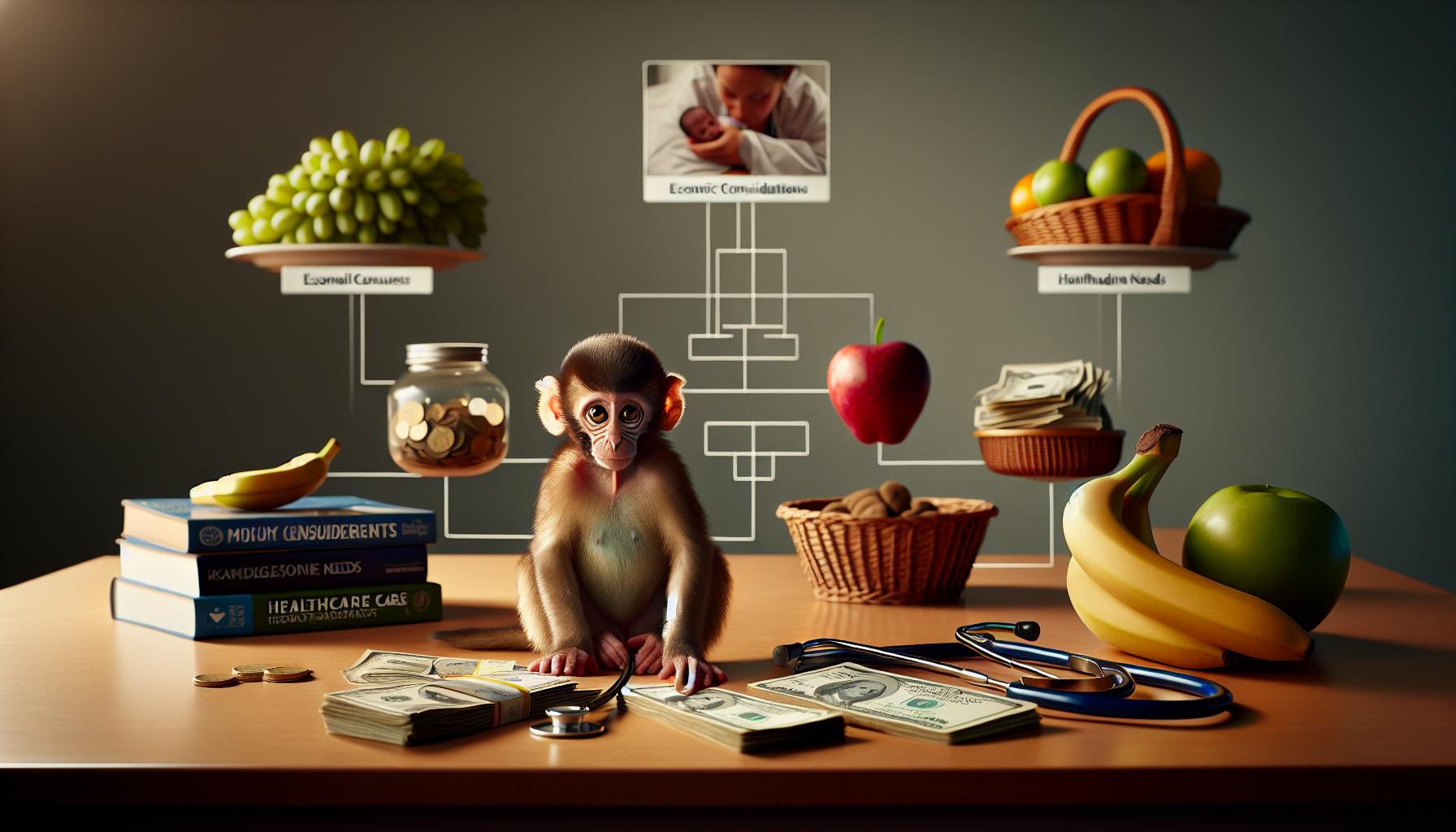
Initial Purchase Price: What to Expect
Bringing a monkey into your home is a thrilling endeavor, but one that starts with a significant financial commitment. Understanding the initial purchase price is essential for anyone considering this unique companion. Generally, the price of a monkey can vary greatly based on species, age, and where you purchase it. For instance, a marmoset, one of the more commonly kept pet monkeys, typically ranges between $1,500 and $3,000. In contrast, a capuchin, known for its intelligence and playful nature, can cost upwards of $5,000, and prices can skyrocket depending on the lineage and the reputation of the breeder.
When thinking about the purchase, it’s important to remember that the marketplace for monkeys can be influenced by geographical location and demand. For example, in some areas, certain species might be more popular, leading to inflated prices. Additionally, monkeys sold through reputable breeders may come with health guarantees and documentation, which can enhance the initial cost but are critical to ensure you’re starting a healthy journey with your new pet.
Another important consideration is the age of the monkey at purchase. While younger monkeys may be more desirable and thus more expensive, older monkeys often come with established behaviors that could either benefit novice owners or present unique challenges. Be mindful that the initial sticker price is just the tip of the iceberg; the real journey of monkey ownership encompasses ongoing costs that can be substantial over time.
Ongoing Care Costs: Feeding, Habitat, and Healthcare
Bringing a monkey into your home is not just a thrilling adventure; it’s also a significant ongoing commitment. Feeding, habitat maintenance, and healthcare are three critical aspects of monkey ownership that can add up quickly and require thoughtful planning. For instance, monkeys are omnivorous and need a varied diet including fruits, vegetables, nuts, and sometimes special pellets. A good benchmark is budgeting around $30 to $50 per month for food, which varies by species and dietary needs. Capuchins, for example, might require more specialized diets than smaller species like marmosets.
Creating an appropriate habitat is another essential element that ensures your monkey feels at home. Monkeys require spacious enclosures that allow them to climb and play, as they are highly active creatures. A good quality monkey cage can range from $500 to $2,000 or more, depending on its size and complexity. Additionally, you must consider costs for enrichment items such as toys and climbing structures, as well as bedding materials. Regularly replacing these items is crucial for maintaining a stimulating and safe environment, which can add another $100 to $300 annually to your budget.
Healthcare is perhaps the most crucial ongoing cost that every monkey owner must prepare for. Routine veterinary care, including vaccinations and check-ups, should be factored into your yearly budget. Expect to pay between $300 to $600 annually for veterinary services. Unexpected health issues can arise, making it wise to have a financial cushion for emergencies. Consider also the possibility of pet insurance-plans can vary widely, but paying a monthly premium can offer peace of mind and help mitigate the burden of unforeseen medical expenses.
In summary, the journey of monkey ownership involves much more than the initial purchase price. Preparing for ongoing care costs, including proper feeding, habitat setup, and healthcare, will help ensure that you and your monkey can build a joyful and lasting companionship. Being well-informed and proactive about these aspects of care can lead to a happier and healthier life for your new friend.
Legal Considerations: Permits and Regulations for Monkey Ownership
Bringing a monkey into your home can be an exciting prospect, but it comes with a heavy legal weight that potential owners must navigate carefully. A significant number of countries and states impose strict regulations surrounding the ownership of monkeys, primarily aimed at protecting both wildlife and public safety. Not only can the potential legal ramifications be daunting, but they also vary widely depending on where you live. In many places, particular species are entirely banned from private ownership, while in others, specific permits or licenses are required. Thus, understanding the legal framework in your area is paramount before making any decisions.
For instance, in the United States, laws vary by state and even by municipality. Some states such as California and New York have strict bans on owning monkeys, while others, like Florida and Texas, allow certain species with appropriate permits. If you live in a region where ownership is permitted, you may be required to apply for a wildlife ownership permit and possibly pay a fee. This process often includes proving that you can provide adequate care and a suitable habitat for the animal. Moreover, certain states impose restrictions based on the species of monkey you intend to keep, often categorizing them into different classes that dictate ownership rules.
When considering permits, it’s essential to realize that the paperwork is only one aspect of the legal responsibilities. You’ll also need to be aware of zoning laws, as many neighborhoods have stipulations regarding exotic pets. It’s always a good idea to check with your local animal control or wildlife agency. These resources can provide crucial insight into the specific regulations applicable to your situation, helping you avoid potential fines or legal battles.
Additionally, becoming a responsible pet owner goes beyond merely satisfying legal requirements. Ethical considerations regarding conservation and the well-being of the animals must guide your actions. Many states encourage or require owners to engage in practices that support wildlife conservation. By understanding both the legal implications and the ethical responsibilities, you’ll be well-prepared for the commitment of owning a monkey, ensuring that your endeavor is both fulfilling and legally compliant.
Cost of Specialized Supplies for Monkey Care
Monkeys are fascinating creatures, known for their intelligence and playful nature, making them appealing as pets for many animal lovers. However, bringing one into your home requires a serious financial commitment, especially when it comes to specialized supplies necessary for their care. These supplies aren’t just luxuries; they’re essential for ensuring your monkey lives a healthy and stimulating life.
Firstly, as social animals, monkeys require items that cater to their intelligence and natural behaviors. This includes a variety of toys, enrichment materials, and climbing structures. You might invest in durable toys made from non-toxic materials, which can range from $10 to $100 depending on complexity and durability. Climbing trees or large cages, which provide the necessary space for them to explore and exercise, can cost anywhere from $300 to over $1,000. Additionally, you’ll need appropriate bedding and nesting materials, which can add up another $20 to $50.
Essential Feeding Supplies
Feeding is another area where costs can escalate. Unlike traditional pets, monkeys require a diverse diet, often including fresh fruits, vegetables, and specialized primate diets. A well-rounded diet can cost around $150 to $300 per month, depending on the species and dietary needs. It’s crucial to have proper containers for storing these foods to keep them fresh and to avoid spoilage. Treats that promote dental health or are suitable for training will also be part of your budget, adding slightly more to your monthly expenses.
Healthcare and First Aid Supplies
Healthcare is an often-overlooked aspect of monkey ownership that can incur significant costs. A basic first aid kit for your monkey-containing items like antiseptics, bandages, and possibly veterinary medicine-could set you back around $50 to $150 initially. Regular veterinary check-ups are vital; an annual visit can range from $200 to $400 or more depending on the services required, such as vaccinations and health screenings.
In summary, the costs associated with specialized supplies for monkey care can add up quickly. It’s essential to budget appropriately not only for the initial purchase of items but also for ongoing needs that ensure your pet lives a happy and healthy life. This fulfilling journey requires both financial and emotional investments, aligning your enthusiasm for these unique animals with their complex care requirements.
Emotional and Social Needs of a Pet Monkey
While many may think of monkeys as cute and playful pets, it’s crucial to recognize their deep emotional and social needs. Monkeys are highly intelligent and social animals with complex behaviors that mimic their wild counterparts. In a home environment, these needs must be met to ensure the well-being of your pet. Fostering strong social bonds is not just beneficial but essential for their happiness.
Monkeys thrive on interaction, both with their human companions and other monkeys. They require regular social engagement to prevent loneliness and boredom, which can lead to behavioral issues such as destructive behaviors or self-harm. It’s recommended to spend quality time with them daily, engaging in activities that challenge their minds and encourage physical exercise. Consider providing a variety of toys and puzzles that stimulate their intelligence, as well as safe spaces where they can climb and play, mimicking their natural habitats.
Moreover, having at least one other monkey can greatly enhance their emotional health. Unlike dogs or cats, which can often be solitary, monkeys often form strong social bonds with their kind. If you’re contemplating bringing a monkey into your home, think seriously about adopting a pair. This companionship fosters social interactions that create a happier, healthier environment-essential for their development.
Lastly, it’s important to understand the long-term commitment involved in caring for a monkey. Their social needs evolve over their lifespan, and they require consistent emotional support just like any loved one in your family. This includes understanding their social cues, providing enrichment activities, and seeking community support, perhaps through online forums or local exotic pet groups. In essence, the are a significant component of providing proper care, demanding dedication and appreciation for their complex, lively personalities.
Long-Term Commitment: Planning for Monkey Lifespan
Caring for a monkey is not just a passing whim-it’s a lifelong responsibility. Depending on the species, monkeys can live 20 to 40 years in captivity, and this extended lifespan requires planful preparation. When committing to monkey ownership, it’s essential to consider their long-term needs in various aspects of their lives. Your love and dedication will shape their quality of life, making thoughtful planning crucial.
First and foremost, you must create a stable and enriching environment. Monkeys are naturally curious and active, requiring ample space for physical play and mental stimulation. This might involve a spacious indoor area and a secure outdoor enclosure, filled with climbing structures and toys to mimic their natural habitat. Consistent interaction is vital, so daily engagement through play and training sessions should be part of your routine. Remember, a bored monkey can develop behavioral problems such as aggression or anxiety, so keep their days lively and engaging.
Further, be prepared for the financial aspects of long-term care. Initial costs include purchasing the monkey, but the ongoing costs can be substantial. You’ll need to provide high-quality food, veterinary care, and specialized supplies, all of which add up over the years. Consider budgeting for their healthcare as well, which often includes regular check-ups and vaccinations. Setting aside a dedicated fund for unexpected medical bills is wise, as monkeys can be prone to specific health issues.
Additionally, consider the emotional aspect of your commitment. Monkeys are social creatures with deep emotional needs. They thrive in social groups-whether that includes other monkeys or a close relationship with their human family. This means not only understanding their behavior but actively fostering their social connections, which can often involve adopting multiple monkeys. Embracing this long-term commitment ensures you and your new companion can enjoy a fulfilling and enriching life together, reflecting the genuine bond that can form between humans and primates.
In summary, welcoming a monkey into your life is a serious and rewarding endeavor that extends far beyond the initial purchase. By planning for their long-term needs, both physically and emotionally, you can create a thriving environment that respects their complex nature and ensures they lead happy, healthy lives.
Insurance and Veterinary Costs: Protecting Your Investment
Owning a monkey is not just about enjoying the quirky antics of a charming pet; it’s also a significant financial commitment. One of the most crucial expenses to prepare for involves insurance and veterinary costs. Just like any other pet, monkeys require routine veterinary care, which can be quite specialized given their unique health needs. Regular check-ups, vaccinations, and potential unexpected illnesses can add up quickly.
Veterinary practices that cater to exotic animals are often more limited, which means finding a knowledgeable vet may take extra effort, not to mention it can lead to higher consultation fees. Make sure to research local veterinarians who have experience with primates, as they can be prone to specific issues like obesity, dental problems, and metabolic disorders. Establishing a strong relationship with a veterinarian experienced in exotic pet care is essential not only for routine health maintenance but also for emergencies.
Insurance can help mitigate some of these financial pressures, but you must shop wisely. Some pet insurance companies offer plans that accommodate exotic pets, including monkeys. While policies will vary significantly, it’s wise to read the fine print to understand what is covered. Coverage may revolve around accidents, injuries, and specific diseases common to monkeys, which can provide peace of mind. Regularly set aside a portion of your budget for these medical expenses-unexpected health issues can arise at any time, and being financially prepared is crucial.
In summary, investing in insurance and committing to a veterinary care plan are vital steps to protect your investment and ensure your monkey leads a long, healthy life. By adequately planning for these costs, you’re not only safeguarding your finances but also promoting a happy and thriving pet ownership experience.
Alternatives to Buying: Adoption and Rescue Options
Many people dream of owning a monkey, but purchasing one can be both costly and controversial. An often-overlooked option is adopting a monkey from a rescue organization. Monkey rescues and sanctuaries provide loving homes for primates that have been relinquished or retired from entertainment and research. These places often rehabilitate monkeys and can offer potential pet owners a chance to provide a nurturing environment for a deserving animal, aligning with ethical practices in wildlife care.
When considering adoption, it’s essential to understand that each monkey has its own history and individual needs. Many rescue organizations encourage potential adopters to participate in an extensive evaluation process. This may include home visits, interviews, and educational programs about monkey care. Not only do these organizations help ensure that the match is a good fit, but they also provide valuable resources for ongoing care. Some sanctuaries may even offer follow-up support, helping to ease the transition into your home.
While adopting can significantly reduce the initial purchase cost, it’s important to remember that ongoing expenses remain. Adopted monkeys still require food, medical care, and socialization. Facilities often charge an adoption fee that typically covers initial health care, including vaccinations and spay/neuter procedures. This could be a fraction of what you might spend on a private purchase but should still be factored into your budget.
Choosing adoption not only provides a home to a monkey in need but can also play a role in broader conservation efforts. By supporting rescues that prioritize rehabilitation and habitat preservation, you can contribute positively to the protection of species at risk from the pet trade and habitat loss. This approach furthers conservation messages and underscores the importance of ethical animal ownership. In essence, adopting a monkey can be a rewarding alternative to traditional purchase methods, benefiting both you and the animal.
The Impact of Ownership on Conservation Efforts
Monkeys are fascinating creatures, often featured in pop culture as playful companions and intelligent beings. However, their ownership carries significant responsibility that extends beyond personal enjoyment-it intersects directly with conservation efforts. Supporting ethical ownership models can help counteract the negative impacts of the exotic pet trade, which has significantly threatened monkey populations worldwide.
When individuals choose to buy a monkey without understanding the implications, they inadvertently contribute to a cycle of demand that fuels illegal wildlife trafficking and habitat destruction. In contrast, responsible ownership-especially through adoption from a rescue or sanctuary-can reverse this trend. By adopting, you are not just providing a loving home; you are participating in a conservation strategy that aids in rehabilitating species at risk. For example, organizations dedicated to the care of rescued monkeys often work on habitat preservation initiatives which help protect wild populations from further endangerment.
Adoption and Conservation Synergy
Adopting a monkey from a rescue can lead to a profound impact on conservation. These rescues typically engage in educational outreach, promoting awareness about the ecological and ethical considerations of monkey ownership. Many educate the public on the plight of primates in the wild, thereby nurturing a more informed community that values ethical wildlife interactions. Your adoption fee often goes towards funding these vital efforts as well as direct care for the animals.
The more pets that are bought from breeders or captured from the wild, the more pressure is put on natural habitats. Conversely, by choosing to adopt or support reputable sanctuaries, you’re helping balance those scales. Many sanctuaries not only provide a safe haven but also actively work alongside conservation partners to restore and protect ecosystems that benefit both rescued monkeys and their wild counterparts.
Making a Smart Choice for Animals and the Planet
Every decision counts in the larger narrative of wildlife conservation. Here are a few key points to consider:
- Educate Yourself: Understand the species, their natural habitats, and their needs before considering ownership.
- Support Local Rescues: These organizations often have firsthand experience with the animals they care for and can guide potential pet owners in better understanding the commitment required.
- Advocate for Legislation: Support laws that protect wildlife from the exotic pet trade and promote conservation efforts.
Ultimately, informed decisions by prospective pet owners can foster a more sustainable future for monkey species. By becoming a responsible pet parent and championing conservation, you help ensure that monkeys not only thrive in our homes but also in their natural habitats. Every monkey adopted from a rescue is a step towards preserving the future of primates and the ecosystems they inhabit.
Real-Life Experiences: Stories from Monkey Owners
Owning a monkey can be one of the most rewarding experiences, but it’s also filled with challenges that vary widely based on the type of monkey, its personality, and the owner’s lifestyle. Let’s take a look at some real-life stories from monkey owners, illustrating both the joys and the significant responsibilities involved in caring for these incredibly intelligent and social animals.
One city dweller adopted a capuchin monkey named Max. Initially thrilled by Max’s playful antics and affectionate behavior, the owner soon discovered that managing a pet monkey requires extensive time and commitment. Max, like many capuchins, thrived on social interaction and intellectual stimulation. The owner shared that playtime involved not just toys but elaborate obstacle courses made from household items, providing daily exercise and mental challenges. The costs added up quickly-not only was the initial purchase price substantial, but ongoing expenses for specialized food and enrichment activities were a large portion of their budget. Nonetheless, witnessing Max learn new tricks and engage with the family was immensely fulfilling.
Another owner, who adopted a macaque named Bella, found that the emotional needs of a monkey can be as demanding as their physical care. Bella was adopted from a rescue organization, which the owner credited with providing invaluable insight into her care needs. The owner realized that the support of other macaque enthusiasts was vital, as Bella often displayed behavioral issues stemming from boredom. Joining local primate groups helped the owner learn how to properly channel Bella’s energy, reducing anxiety and destructive behaviors while enhancing their bond.
However, not every story is filled with happiness. An unfortunate narrative comes from an owner who underestimated the long-term commitment of monkey ownership. After the initial excitement, they faced financial strain due to unexpected veterinary bills for illnesses related to inadequate dietary management. The realization that monkeys can live over 20 years means that prospective owners should consider the lifetime costs-not just the initial purchase-as a necessary part of their decision to bring a monkey into their home.
In summary, these stories reflect the multifaceted experience of monkey ownership. While the joy of companionship and unique interactions is undeniable, potential owners are encouraged to thoroughly research and prepare for the extensive responsibilities and costs involved. Understanding these real-life experiences can help future owners make informed decisions, ensuring that both they and their monkeys thrive.
FAQ
Q: What is the average price range for buying a monkey?
A: The average price range for buying a monkey can vary significantly, typically falling between $2,000 and $10,000 depending on the species. Rare monkeys or those from reputable breeders may cost even more. It’s essential to research thoroughly before making a decision.
Q: Are there additional costs after purchasing a monkey?
A: Yes, buying a monkey involves additional costs such as habitat setup, specialized food, veterinary care, and ongoing supplies. Monthly expenses can reach several hundred dollars, so budgeting for these ongoing costs is crucial.
Q: What legal considerations are there for owning a monkey?
A: Owning a monkey may require permits or licenses, depending on your local laws. It’s essential to check your area’s legal regulations regarding exotic pets to avoid fines or confiscation. Refer to our section on Legal Considerations for more details.
Q: How much does it cost to feed a monkey?
A: Feeding a monkey can cost between $50 and $150 per month, depending on the species and dietary needs. Proper nutrition is vital for their health, including fresh fruits, vegetables, and specialized monkey diets.
Q: What type of habitat do monkeys need?
A: Monkeys require a spacious and secure habitat, which can cost anywhere from $1,000 to $4,000 to set up. This includes cages, enrichment items, and safe spaces for exercise. Comfort and security are essential for their well-being.
Q: Can I adopt a monkey instead of buying one?
A: Yes, adoption is a viable alternative to purchasing a monkey. Many animal shelters and rescue organizations have monkeys that need homes. Adoption fees are often significantly lower than purchasing; however, ongoing care responsibilities remain.
Q: What are the healthcare costs associated with monkey ownership?
A: Healthcare costs for monkeys can range from $300 to $700 annually, which includes routine check-ups, vaccinations, and emergency care. Regular veterinary care is essential to maintain your monkey’s health.
Q: How do ownership costs compare between different monkey species?
A: Ownership costs can vary between species. Smaller monkeys like tamarins may have lower costs, while larger species like macaques can demand much higher expenses in terms of habitat, food, and care. Always consider the specific needs of the species you are interested in.
To Conclude
As we’ve explored in our comprehensive breakdown, the cost of buying a monkey goes far beyond the initial price tag. From their specific dietary needs to habitat setups and ongoing veterinary care, owning a monkey requires serious consideration. If you’re ready to embrace the responsibility, make sure to check out our guides on monkey care basics and appropriate habitats. This knowledge will empower you to provide a loving and supportive environment for your new friend.
Don’t hesitate; the more informed you are, the better you can prepare for this unique journey! If you found this article helpful, subscribe to our newsletter for more insights on exotic pets and their needs. We value your thoughts, so share your questions in the comments below. Explore our related articles on behavioral quirks and species-specific care to deepen your understanding. Your adventure with your future primate companion starts here!
Get our latest guides, news, and insights highlighted in your Google Search & AI Overviews.