

Did you know that primates are incredibly intelligent and can learn complex behaviors, including using the toilet? The idea of potty training a monkey may sound whimsical, but for exotic pet owners and wildlife enthusiasts, it’s a fascinating topic that raises important questions about animal behavior and care. Understanding whether monkeys can be successfully toilet trained not only highlights their unique cognitive abilities but also speaks to the responsibilities of caring for these remarkable creatures in a home environment. In this article, we will explore the methods used for potty training monkeys, investigate their success rates, and shed light on the implications for both the animals and their owners. Whether you’re considering a monkey as a pet or simply curious about animal quirks, join us as we delve into this captivating subject!
Understanding Monkey Behavior and Potty Training Basics
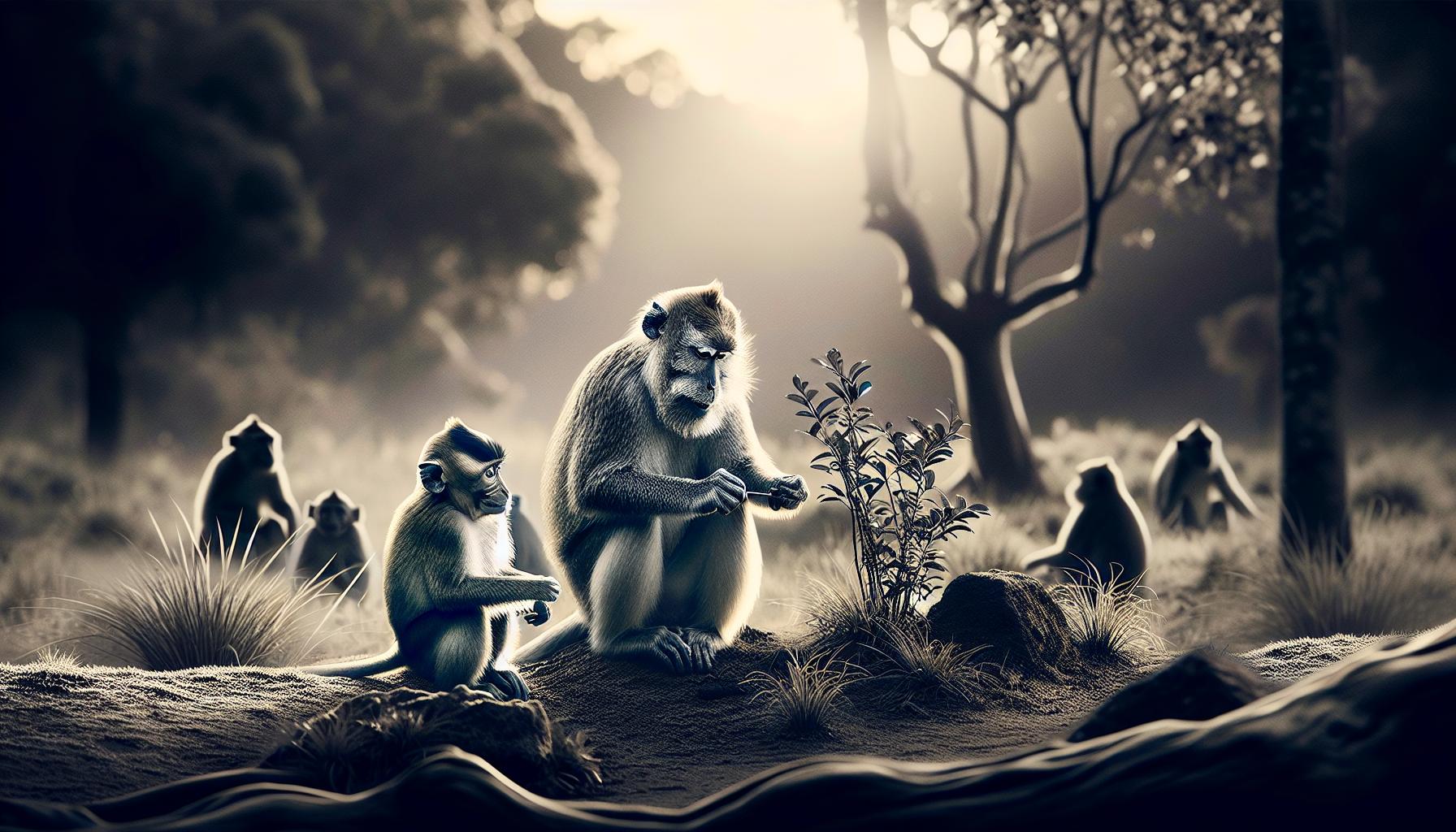
Understanding the social behaviors and needs of monkeys is crucial when considering potty training. Monkeys, being highly intelligent and social animals, often exhibit behaviors similar to those of young children, including the need for routine and structure in their lives. To effectively potty train a monkey, it’s essential to understand not only their physical habits but also their emotional states, as stress or anxiety can hinder their training progress.
Monkeys naturally gravitate towards specific areas for their bathroom needs, often creating “toilet spots” in their habitats. This behavior can be observed in the wild, where certain species prefer to relieve themselves far from their sleeping areas. For those looking to potty train their pet monkey, observing where it tends to eliminate can provide valuable insights. Establishing a routine, such as encouraging the monkey to use a designated area at specific times throughout the day, can be an effective strategy. Consistency is key, and pairing these designated times with gentle prompts can help reinforce the behavior.
To enhance the success of potty training, positive reinforcement techniques are invaluable. Monkeys respond well to rewards, so offering treats or praise immediately following a successful bathroom visit encourages them to repeat the behavior. Additionally, patience and understanding are crucial; training a monkey is often a gradual process. When they do have accidents, responding calmly and without punishment can reduce fear and increase the likelihood of future success.
In conclusion, understanding a monkey’s behavior is foundational to the potty training process. By establishing routines, utilizing positive reinforcement, and maintaining a calm and patient demeanor, owners can significantly improve their chances of successfully potty training their monkeys. Emphasizing a respectful approach to their needs as both wild and domesticated creatures will foster a healthier relationship and encourage better training outcomes.
Different Methods for Potty Training Monkeys
Potty training a monkey may seem daunting, but with the right methods and a little patience, it is entirely achievable! Each monkey is unique, so employing various techniques tailored to the individual can lead to successful results. Here are some effective methods to consider when navigating this journey.
One approach is the scheduled potty breaks technique. Monkeys thrive on routine, so establishing specific times for bathroom breaks can significantly aid in training. This can include setting timers or using cues that signal it’s time to head to the designated toilet area. Some owners find success by incorporating these breaks after meals or playtime, capitalizing on the natural timing of elimination. Monitoring your monkey’s patterns can help identify the best moments for these scheduled breaks.
Another useful strategy is to utilize visual and auditory cues. Monkeys are quick learners and can associate specific sounds or commands with potty time. For example, using a simple phrase like “go potty” consistently every time your monkey is taken to the toilet area helps build a strong connection in their mind. Pairing this verbal cue with a visual indicator, like a small bell or a clicker, reinforces this association, making them more responsive over time.
Modeling behavior can also be a powerful tool. Monkeys often learn by watching others, so demonstrating the desired behavior can be beneficial. If you have access to adult monkeys that are already potty trained, allowing your young monkey to observe them in action can create a visual reference for what’s expected. Even creating a miniature setup with toys to act out potty breaks can lead to them mimicking the behavior during training sessions.
Finally, celebrate every success, big or small! Using treats and praise immediately after your monkey successfully uses its designated area can enhance motivation. It builds a positive reinforcement loop that encourages them to repeat the behavior. Just like training a dog, the positive experiences linked to potty training create a bond of trust and affection.
Each monkey is unique in personality and learning style, so be prepared to adjust these techniques if necessary. With a blend of consistency, positive feedback, and creativity, you can cultivate a successful potty training experience for your monkey, ensuring a happier life for both of you.
Success Rates: What to Expect When Training Monkeys
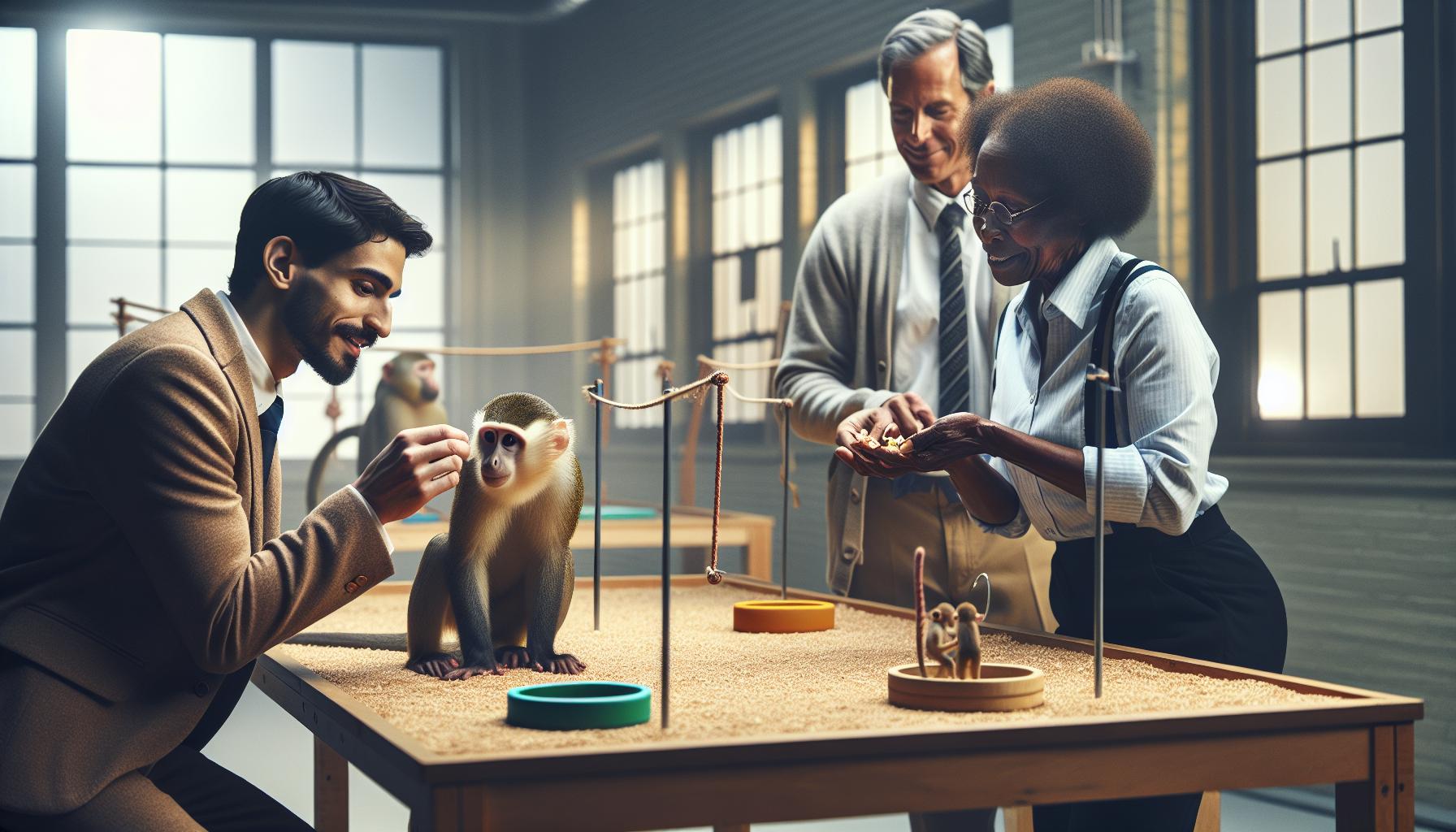
Training monkeys for potty use can yield varying success rates depending on several factors. For many owners, the most significant takeaway is that patience is vital-success doesn’t happen overnight, but rather through consistent effort and a solid understanding of your monkey’s behavior. Typically, the success rate for potty training monkeys can range from 50% to 80%, but this largely hinges on the specific species, the age of the monkey, and the training methods employed.
Monkeys tend to thrive on routine. Establishing specific times for potty breaks can drastically improve your chances of successful training. For instance, many owners report better outcomes when they adhere to a consistent schedule, integrating bathroom breaks after meals or playtime. Some species, such as capuchins, are known to adapt relatively well due to their inquisitive nature and ability to learn from patterns. In contrast, other species may take longer to grasp the concept of potty training, which underscores the importance of customization in your approach.
The age of the monkey also plays a crucial role. Younger monkeys tend to be more adaptable and quicker to learn. Overall, successful potty training may be reached within a few weeks to several months, but older monkeys may resist changes in behavior. This is where understanding individual temperament and being attuned to each monkey’s specific needs can pay dividends.
In addition, your training style’s effectiveness can influence success rates. Using positive reinforcement methods-such as treats, praise, or playtime-right after your monkey successfully uses the designated potty area can reinforce desired behaviors. Regularly monitoring progress and being willing to adjust techniques can lead to better outcomes, as what works for one monkey may not be as effective for another.
Ultimately, while the journey to potty training a monkey may be filled with challenges, the rewards-improved hygiene, a more harmonious living environment, and a stronger bond with your pet-make it worthwhile. With dedication, respect for your monkey’s natural behaviors, and an understanding of their unique needs, you can enjoy a successful potty training experience.
Age and Species Considerations for Effective Training
The journey of potty training monkeys can be as diverse as the species themselves. Each species comes with its own set of traits that influence the training process. For example, capuchins are often regarded as the best candidates for training due to their high intelligence and social nature. They can learn routines quickly, which can accelerate the potty training process. Compare this to macaques, who, although intelligent, may show more stubbornness, making training a test of patience and persistence.
Younger monkeys typically outperform their older counterparts in terms of adaptability. Infants and juveniles are akin to sponges, eagerly soaking up new behaviors and routines. For instance, a young monkey may learn where to go for potty breaks in just a few weeks through consistent reinforcement. In contrast, older monkeys might already have established routines that are harder to alter. Therefore, starting the training early is advisable for a smoother transition. Just like human children, monkeys can also exhibit individual temperaments; some may be more receptive to training, while others might prefer to cling to their habits.
To better illustrate the relationship between species and training success, consider the following factors that come into play:
Key Factors in Age and Species Training
- Species Characteristics: Species like squirrel monkeys are social learners, making them highly trainable when they observe peers succeed in using the potty.
- Age: Younger monkeys adapt more easily. Training older monkeys may require more time and patience.
- Temperament: Individual personalities can affect how quickly and enthusiastically a monkey engages with training.
Understanding these factors is crucial. Not only does it help you tailor your approach, but it also allows for a deeper bond with your monkey as you navigate their unique individualities. Training can be a rewarding experience, especially when you recognize and respect their natural tendencies while providing a loving and structured environment. Ultimately, the combination of age, species, and individual temperament plays a significant role in the effectiveness of potty training strategies, leading to success stories filled with harmonious living arrangements and healthier pets.
Common Challenges in Monkey Potty Training
Potty training a monkey can be an enlightening yet challenging journey. These fascinating animals bring unique personalities and behaviors to the training process, often complicating the task more than it might seem. One of the most common challenges is inconsistency; monkeys can become distracted easily, influenced by their natural curiosity. This distraction may lead them to forget the established potty routine, especially in the excitement of new environments or when interacting with other monkeys or people.
Another hurdle is the inherent differences in species behavior. For instance, capuchins may show a willingness to learn but can also exhibit a mischievous streak, making them more prone to backslide if they feel their demands are not being adequately met. Contrast this with macaques, who, while intelligent, may resist sticking to potty training if they perceive it as a loss of freedom or control. Handling these differences requires tailored approaches, reinforcing the idea that success in monkey potty training is rarely a one-size-fits-all solution.
Errors in communication can also pose significant obstacles. Monkeys communicate their needs through various signs, and without understanding these signals, caregivers might miss crucial moments when training reinforcement is necessary. An attentive trainer will learn to recognize when a monkey is about to eliminate, creating opportunities to guide them to the appropriate location. Additionally, establishing a clear and consistent routine can ease some of these demands, as monkeys thrive on predictable schedules.
It’s also essential to remember the psychological aspect of training. If a monkey feels stressed or anxious, which can happen due to inadequate socialization or changes in their environment, their willingness to engage in potty training significantly diminishes. Patience, positive reinforcement, and maintaining a calm, supportive atmosphere are vital to counteract these challenges. Keeping training sessions short, fun, and engaging can tap into their playful nature, making it easier to introduce and reinforce new behaviors while fostering a closer bond with your pet.
Positive Reinforcement Techniques for Successful Training
Potty training a monkey is an intricate dance of patience, timing, and rewards. One of the most effective strategies to facilitate this process is understanding and implementing positive reinforcement techniques. These methods rest on the principle that animals, much like humans, are more likely to repeat behaviors that lead to pleasant outcomes. When your monkey successfully uses the designated potty area, rewarding them immediately with praise or a small treat can significantly bolster their learning process.
Using a variety of rewards can keep things fresh and engaging for your monkey. For instance, you might offer their favorite fruit, a small toy, or verbal affirmations like “Good job!” or “Well done!” This variety not only helps maintain their interest but also reinforces the positive behavior associated with potty training. Monkeys are highly social animals, so integrating playtime as a reward can be particularly effective. If they associate potty use with fun and companionship, they may be more inclined to adhere to the routine.
Consistency is equally crucial when using positive reinforcement. Each time your monkey successfully goes in the right spot, it’s essential to reward them immediately. This quick response makes it clear which behavior is being encouraged. Additionally, consider establishing a specific command or sound to signal potty time. Over time, your monkey will begin to associate this cue with the activity, which can streamline the training process.
Lastly, patience is key. Every monkey is unique, and some may take longer to grasp the concept than others. If a monkey has an accident, it’s vital to remain calm and avoid punishing them. Instead, gently guide them to the appropriate spot next time, reinforcing the connection through rewards and encouragement. Embracing a nurturing approach not only fosters a successful potty training experience but also strengthens the bond between you and your pet, making the journey enjoyable for both parties.
Signs Your Monkey is Ready for Potty Training
Understanding when your monkey is ready for potty training can save time, reduce stress, and make the entire process smoother for both you and your pet. One key indicator to look for is age. Generally, monkeys around the age of 6 months to a year are more likely to start showing readiness. Before this age, they may not have the physical or cognitive skills to grasp the concept reliably.
Behavioral changes also serve as critical signals. If you notice your monkey starting to exhibit signs of seeking privacy-like moving away from their usual play area or showing discomfort when they need to relieve themselves-they may be ready for training. Pay close attention to their routines; many monkeys will have specific times they typically tend to go. Establishing a consistent routine can aid in understanding when to offer them the potty training opportunity.
Another important sign is the level of curiosity your monkey shows towards their surroundings. If they start exploring different areas or even mimicking actions relevant to bathroom habits, they might be signaling readiness. Additionally, you may find them engaging in exploratory behaviors around potential potty spots. Recognizing these behavioral cues allows you to take advantage of their natural instincts and curiosity, making it easier to guide them towards appropriate potty habits.
Keep an eye out for health indicators as well. If your monkey has recently been neutered or spayed, the hormonal changes might help them become more manageable and receptive to training. Just like with human toddlers, every monkey is unique; some may display readiness earlier or later than others. By taking the time to observe your monkey’s behavior closely, you can better determine the right moment to introduce potty training, making the process enjoyable for both you and your monkey.
Monitoring and Maintaining Training Progress
To successfully navigate the potty training journey with your monkey, keen observation and consistent monitoring are vital. Start by noting your pet’s bathroom habits, which involve paying attention to the times and places they naturally prefer to relieve themselves. Regularly recording these occurrences can illuminate patterns you might miss at a glance. For instance, if you notice that your monkey consistently goes after meals or during playtime, you can align your potty training efforts with these natural inclinations.
Maintaining training progress requires patience and positive reinforcement. Whenever your monkey successfully uses the designated potty area, offer immediate praise or a small treat. This helps reinforce the desired behavior and strengthens the association between the action and the reward. Keep in mind that fluctuations in progress are normal; each monkey learns at its own pace. Consistency in your approach-both in terms of timing and positive feedback-will foster trust and encourage good habits.
Furthermore, creating a relaxed environment is crucial. Stress or anxiety can hinder a monkey’s ability to focus on learning. Make sure your training sessions are short, engaging, and free from distractions. If your monkey seems anxious or reluctant, revisit the basics and allow for more vocal and tactile expression. This could involve giving your monkey a break to explore the potty area on its own terms without pressure.
In summary, effective monitoring and maintaining progress in potty training your monkey hinges on observation, reinforcement, and adaptability. As each pet is unique, a flexible approach that considers their individual personality and preferences will yield the best results in fostering reliable potty habits.
Health Considerations and Bathroom Habits in Monkeys
Understanding a monkey’s health and bathroom habits is essential for successful potty training. Did you know that a monkey’s diet significantly influences its bathroom behavior? Just like humans, what a monkey eats affects its digestive health, which in turn impacts its potty habits. Ensuring your pet has a balanced diet rich in fruits, vegetables, and specialized monkey pellets not only promotes overall health but can also lead to more regular bathroom patterns, making potty training easier.
Among the various species of monkeys, bathroom habits differ, which can influence training approaches. For instance, capuchin monkeys are known for their intelligence and adaptability, often exhibiting cleaner bathroom habits than squirrel monkeys. This distinction can guide your expectations: if you’re working with a species that tends to be messier, it’s crucial to have patience and a tailored approach to training. Understanding these quirks helps you anticipate where potential challenges may arise during the training process.
Health considerations go beyond diet. Regular veterinary check-ups are vital for monitoring your monkey’s health. Conditions like urinary tract infections (UTIs) can lead to irregular bathroom habits and discomfort. Be attentive to any changes in your monkey’s behavior, appetite, or bathroom frequency, as these could signal underlying health issues. Additionally, proper hydration is crucial; ensure your monkey has access to clean water, as dehydration can lead to constipation and other complications.
Creating a supportive environment can also play an essential role in your monkey’s bathroom habits. Monkeys are sensitive to stress; a calm and secure setting facilitates better learning and encourages your pet to use designated potty areas. By observing your monkey’s normal routines and adjusting your training plan to align with its health and comfort, you’ll foster an effective potty training experience.
Overall, taking health considerations into account not only shapes your approach to potty training but also enhances the overall well-being of your monkey, making for a happier companion.
Expert Tips from Experienced Trainers and Owners
While the idea of potty training a monkey may seem ambitious, experienced trainers and owners have shared valuable insights that can make the process smoother and more effective. One of the key takeaways is that consistency and routine play a vital role in training success. Monkeys thrive on predictability, so establishing a schedule for feeding and bathroom breaks can significantly enhance their learning curve. For instance, many trainers recommend designating specific times of day when the monkey is most likely to relieve itself after meals, allowing for timely intervention when directing them to a potty area.
Another important aspect is to create a positive and stress-free environment. Monkeys can be incredibly sensitive to their surroundings, so minimizing distractions and potential stressors will help them focus on the training process. Providing a designated potty area that is comfortable and familiar can encourage your monkey to use it. Some trainers suggest the use of soft bedding or familiar scents to make the area more inviting. Alongside this, using positive reinforcement techniques, such as treats and praise, can effectively motivate monkeys. When your pet successfully uses the designated area, rewarding them immediately reinforces the behavior, making them more likely to repeat it.
It’s also essential to understand that each monkey is unique, and training methods may need to be adapted based on the individual animal’s personality and species. For example, capuchin monkeys are often praised for their intelligence and ease of training, but they can also be playful and mischievous. In such cases, employing playful elements in training, such as interactive toys during potty time, might keep their interest high. Conversely, less sociable species might require a more patient and gentle approach. Monitoring signs of readiness-such as displaying interest in specific areas or regular bathroom habits-will help you tailor your training efforts effectively.
Ultimately, success in potty training monkeys often hinges on understanding their behaviors and needs while showcasing patience and dedication. Just like with any training, it is not uncommon for setbacks to occur. Keeping a light and humorous attitude can not only ease your frustration but also enhance your bond with your monkey during the training process. Whether you’re a seasoned trainer or just starting out, these broad insights can guide you on your journey to successfully potty train your furry companion.
The Ethical Aspects of Keeping and Training Monkeys
The world of keeping and training monkeys is rich with fascination but also fraught with critical ethical considerations. Monkeys, while incredibly intelligent and social creatures, are not domesticated pets; they have complex needs that must be met to ensure their well-being. One of the primary ethical concerns surrounding keeping monkeys revolves around their social structures. In the wild, these animals live in intricate family groups, forming bonds that are vital for their mental health. A captive monkey, especially one raised solo, can suffer from loneliness and stress, leading to behavioral issues. This highlights the importance of providing a social environment, which might include pairing them with compatible companions if possible.
Moreover, the training methods employed can significantly impact the animal’s welfare. Positive reinforcement should be at the core of all training techniques, promoting learning through rewards rather than punishment. This approach not only fosters a more humane training atmosphere but also strengthens the bond between the keeper and the monkey. When teaching behaviors like potty training, recognizing the monkey’s natural instincts and behaviors is crucial. For example, understanding that they may have specific times when they tend to relieve themselves allows trainers to implement scheduled potty breaks effectively, thereby minimizing stress and creating a structured routine that aligns with the animal’s needs.
Additionally, it’s essential to consider the broader implications of exotic pet ownership. The demand for pet monkeys contributes to illegal wildlife trade in some areas and reinforces the notion that wild animals can be successfully domesticated. Responsible ownership entails understanding the responsibilities involved and making informed decisions about whether keeping a monkey is truly in the animal’s best interest. Potential monkey owners should engage in extensive research, seek guidance from ethical breeders, and advocate for standards that prioritize animal welfare.
Publishing and sharing knowledge about the ethical dimensions of keeping and training monkeys can inspire more compassionate choices in potential pet owners. By reflecting on these essential factors, anyone considering monkey ownership can better appreciate the responsibilities and challenges before embarking on this unique journey.
FAQ
Q: How do you know if a monkey is ready for potty training?
A: A monkey may be ready for potty training if it shows signs of discomfort when needing to relieve itself or starts exhibiting more independence. Look for behaviors like seeking seclusion or experimenting with bathroom habits. These signals indicate it’s time to introduce potty training methods, as discussed in the *Signs Your Monkey is Ready for Potty Training* section of the article.
Q: What age is best for potty training a monkey?
A: The best age for potty training a monkey typically falls between 6 months and 2 years, depending on the species and individual readiness. Younger monkeys may learn quickly, but consistent training is essential to establish good habits. Refer to the *Age and Species Considerations for Effective Training* section for more details.
Q: What methods can be used for potty training monkeys?
A: Effective methods for potty training monkeys include positive reinforcement, consistent scheduling, and using specific locations for potty breaks. Encouraging your monkey with treats and praise can reinforce desirable behaviors. Explore the *Different Methods for Potty Training Monkeys* section for comprehensive techniques.
Q: Are there specific challenges when potty training different monkey species?
A: Yes, challenges can vary by species due to differences in behavior and temperament. For example, some species may be more inclined to use a designated spot, while others might resist training. Check the *Common Challenges in Monkey Potty Training* section for insights on overcoming these hurdles specific to various species.
Q: How long does it usually take to potty train a monkey?
A: The duration of potty training a monkey can vary widely but generally takes several weeks to months. Consistent practice and reinforcement are key to success. For a more detailed timeline and tips, see the *Monitoring and Maintaining Training Progress* section of the article.
Q: Can potty training affect a monkey’s behavior positively?
A: Yes, successful potty training can lead to improved behavior by establishing routines and reducing anxiety around bathroom habits. It fosters a sense of security and trust in the training process. Learn more about *Positive Reinforcement Techniques for Successful Training* in the article.
Q: Should I use a specific type of potty for my monkey?
A: Using a potty that is appropriately sized and easy for your monkey to access is important. Many trainers recommend using small animal litter boxes or specialized pet potties. The right choice can simplify the training process. Check the *Health Considerations and Bathroom Habits in Monkeys* section for further guidance.
Q: What are the long-term benefits of potty training a monkey?
A: Long-term benefits of potty training include cleaner living spaces and healthier habits for the monkey. It also enhances the bond between the monkey and its caregiver through positive interactions and communication. Discover more in the *Expert Tips from Experienced Trainers and Owners* section of the article.
Concluding Remarks
As we’ve explored, potty training a monkey can be a rewarding but challenging endeavor, hinging on effective methods and understanding your pet’s behavioral cues. Whether you’re an exotic animal enthusiast or simply curious about unique pet care practices, the primary takeaway is that patience and positive reinforcement are key. If you’re eager to learn more about behavioral training for monkeys or other exotic pets, check out our detailed guides on monkey care and training strategies for different species.
Don’t miss out on our resources! Subscribe to our newsletter for expert tips and updates. Have you tried potty training an animal? Share your experiences in the comments below; we’d love to hear your stories! For further exploration, click to read about enriching environments for monkeys or effective training techniques. Remember, every little step makes a big difference in building a happy, well-behaved companion. Your journey doesn’t end here-let’s continue learning together!
Get our latest guides, news, and insights highlighted in your Google Search & AI Overviews.










