Did you know that flying squirrels can glide for over 150 feet thanks to their unique patagium, a membrane that stretches from their wrists to their ankles? These enchanting creatures aren’t just adorable; they also require specific care and training to thrive as pets. This guide will walk you through the essential steps to tame your flying squirrel, fostering a strong bond that benefits both of you. Whether you’re a first-time owner or looking to improve your pet’s behavior, understanding their natural instincts and training needs is crucial. With patience and the right techniques, you can create a harmonious relationship with your flying squirrel, ensuring a happy and healthy pet that loves to explore and interact with you. Let’s dive into the world of flying squirrels and discover how to nurture, train, and enjoy these wonderful companions together!
Understanding Flying Squirrels: Behavior and Traits
Flying squirrels are enchanting little creatures, known for their remarkable ability to glide through the trees, but there’s much more to these critters than their aerial acrobatics. With their large, expressive eyes and soft, tufted ears, they offer a charming presence in any household. Understanding their behavior and traits is essential for anyone looking to tame one. These nocturnal mammals are social by nature, often forming tight bonds with their owners, making it crucial to create an atmosphere that encourages trust and interaction.
These small rodents are primarily solitary, only coming together during mating season. This solitary instinct can lead to shy or reserved behaviors, so patience is necessary when gaining their trust. Typically, a flying squirrel will use vocalizations like chirps and whistles to communicate with others, both to express their needs and to signal distress. Familiarizing yourself with these sounds can enhance your ability to bond with your pet. Additionally, they are naturally curious and playful animals, eager to explore their environments. Providing them with enriching activities, such as climbing structures and interactive toys, can keep them engaged and help prevent behavioral issues.
In terms of daily habits, flying squirrels are most active at dusk and dawn, preferring to hide away during the bright light of day. This behavior highlights the importance of establishing a routine that accommodates their nocturnal lifestyle. Owners should interact with them during their active hours, allowing for meaningful playtime. As highly intelligent animals, they respond well to positive reinforcement and can learn tricks and commands, but this requires a gentle and consistent approach. Remember, patience and understanding of their innate traits will significantly aid in the taming process.
Overall, recognizing these behavioral traits and providing an environment that supports their natural instincts will lead to a rewarding relationship with your flying squirrel. They are more than just exotic pets; they can become beloved companions with the right care and attention.
Creating the Ideal Habitat for Your Flying Squirrel

Creating a comfortable and enriched habitat for your flying squirrel is essential for their well-being and happiness. These captivating creatures thrive in environments that mimic their natural habitat, which typically involves mature forests filled with trees that provide ample space for gliding. To replicate this at home, focus on creating a space that allows for exploration and promotes their natural behaviors.
Start by selecting a spacious enclosure that allows your flying squirrel to climb and glide. A multi-level cage made from safe materials with a solid base and horizontal bars will enable them to exercise their strong climbing skills. Make sure the cage is at least four feet tall and equipped with a secure lock, as flying squirrels are known escape artists. Inside the enclosure, include various structures such as:
- Branches or wooden shelves for climbing.
- Hammocks or soft bedding for sleeping.
- Enrichment toys, like tunnels and foraging boxes, to stimulate their curiosity.
- Nest boxes or woodpecker holes, where they can feel safe and cozy.
It’s also important to position the cage in a quiet area of your home, away from harsh lights and loud noises, to respect their nocturnal nature. Providing a routine that aligns with their active hours-dusk and dawn-will help enhance their comfort and encourage interaction.
Consider incorporating elements from their natural habitat like plants and softwood substrates. Adding branches from non-toxic trees can transform their enclosure into a little woodland, while live plants can improve air quality and enrich their environment. Always ensure that any plant you introduce is safe and non-toxic to squirrels.
Lastly, keep in mind that flying squirrels are social animals. If feasible, consider providing companionship by introducing another flying squirrel, as they thrive on social interactions. However, introduce any new pets gradually and monitor their interactions closely to ensure harmony.
By creating an ideal habitat that meets their physical and psychological needs, you’ll be well on your way to fostering a happy and healthy relationship with your flying squirrel, turning your home into their very own tree top retreat.
Essential Diet: What Flying Squirrels Really Need
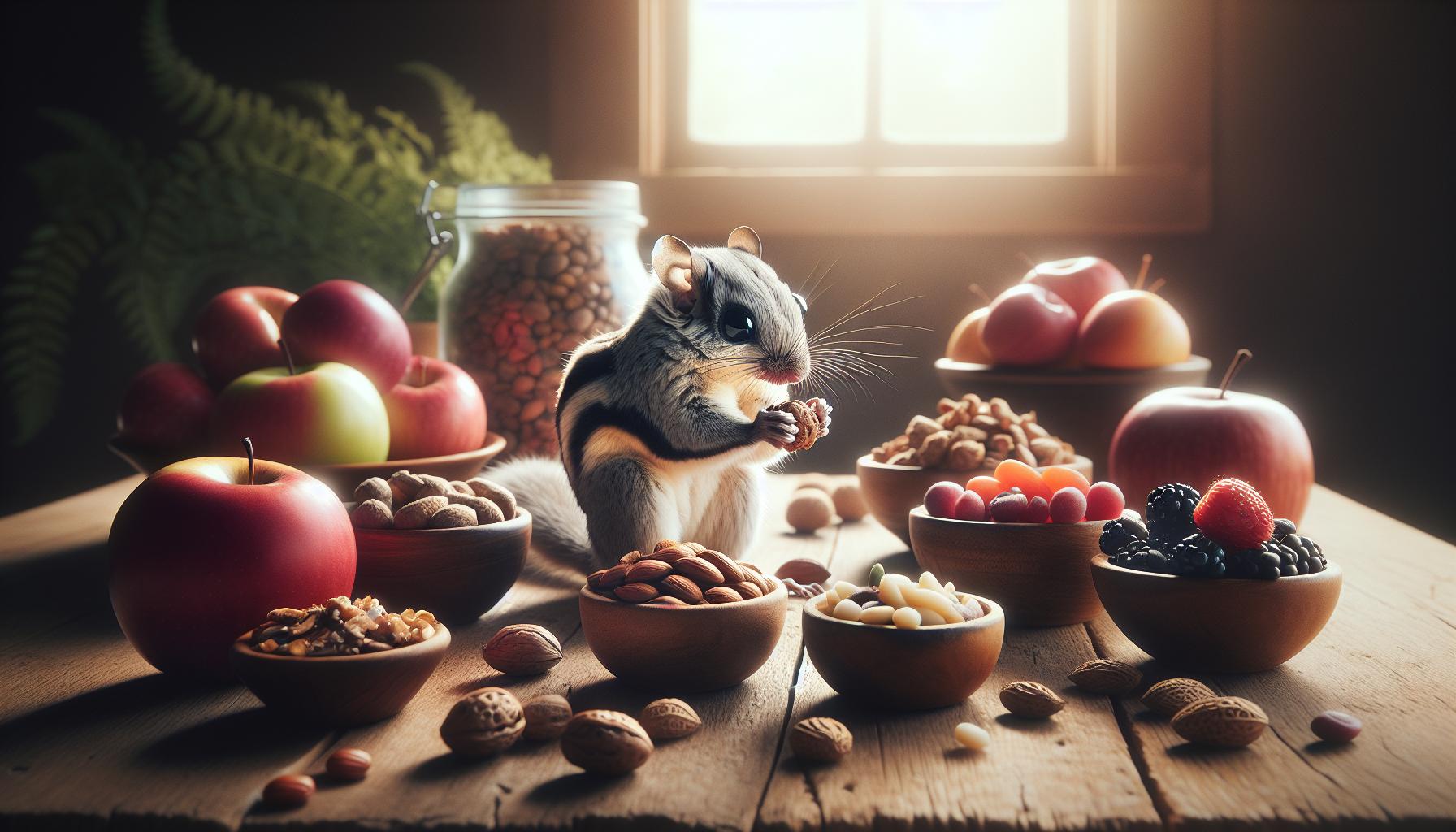
Flying squirrels are not only adorable and playful, but they also have specific dietary needs that are crucial for their health and well-being. In the wild, these creatures enjoy a variety of foods, including fruits, nuts, and tree sap. Understanding this natural diet is key to replicating it at home, ensuring your pet thrives both physically and mentally.
To cater to your flying squirrel’s nutritional requirements, focus on a balanced diet that includes a mix of fresh fruits, vegetables, and protein sources. Good options for fruits include apples, blueberries, and bananas, which can be offered in small amounts as treats. Vegetables like carrots and leafy greens provide essential nutrients as well. For protein, try offering mealworms, cooked eggs, or specially formulated pellets designed for small marsupials and rodents. These pellets are often fortified with vitamins and minerals, ensuring your flying squirrel gets a well-rounded diet.
Key Dietary Components
- Fruits: Apples, pears, and grapes.
- Vegetables: Carrots, sweet potatoes, and leafy greens.
- Proteins: Mealworms, cooked eggs, and quality pellets.
- Nuts: Almonds and walnuts (unsalted) but only in moderation due to high fat content.
It’s important to note that starve or restrict variety in their diet; boredom can lead to a lack of interest in food and poor health. Regularly rotate the selection of fruits and vegetables to maintain their interest and avoid nutritional deficiencies. Additionally, avoid feeding your flying squirrel harmful foods such as chocolates, caffeine, or heavily processed snacks, which can be toxic.
Maintaining a proper diet not only contributes to their physical health but can also aid in their training and bonding process. A happy, well-fed flying squirrel is more likely to trust and engage with you, helping solidify the path toward a strong, positive relationship.
Training Basics: Building Trust with Your Squirrel
Establishing a trusting relationship with your flying squirrel is a crucial step in your journey as a responsible pet owner. These delightful creatures, characterized by their curious nature and playful antics, thrive on attention and social interaction. Building trust isn’t just about affection; it’s about creating a safe environment where your squirrel feels secure and understood. Patience is key, and the process will unfold gradually as you invest time in understanding your pet’s behavior and preferences.
Start by giving your flying squirrel an unobtrusive space to acclimate to its new home. Avoid overwhelming it with too much interaction right away. Instead, let your squirrel explore its environment at its own pace. You can sit quietly in the room, reading or simply being present, so your pet can get used to your presence without feeling threatened. Once your squirrel seems comfortable with its surroundings, begin to engage it with treats and gentle vocalizations. Use small, healthy snacks like fruit or mealworms to create positive associations with your presence.
Create a routine to foster trust. Consistency is comforting for flying squirrels, as they thrive on familiarity. Try to spend time with your pet at the same times each day, whether it’s during feeding or playtime. This regularity will help your squirrel recognize you as a reliable source of companionship and nourishment. Always approach your pet calmly and speak softly; haste and loud noises can startle it, undermining your efforts to build trust.
As trust develops, learn to recognize your flying squirrel’s body language. For example, a relaxed squirrel may stretch out, groom itself, or approach you willingly. Pay attention to its reactions; if your pet displays signs of stress or fear, give it space. The goal is to make every interaction a positive experience, paving the way for deeper bonding and training opportunities in the future. Remember, patience and respect for your squirrel’s comfort zone will lead to a rewarding and fulfilling relationship.
Effective Techniques for Training Flying Squirrels
Engaging a flying squirrel in training can be both enjoyable and rewarding, as these intelligent creatures respond well to positive reinforcement. One effective method to start your training journey is through the use of treats. Offering small, healthy snacks, such as bits of fruit or mealworms, will help establish a positive association with your presence. This not only encourages your squirrel to approach you but also sets the stage for learning. Make sure to use treats sparingly to maintain their value and keep your squirrel motivated.
Another technique is to incorporate clicker training, which utilizes a consistent sound (the click) to mark desired behaviors. Start by introducing the clicker alongside a treat. When your flying squirrel performs a behavior you want to reinforce-such as coming when called or even simply stepping onto your hand-immediately click and reward with a treat. This method provides clarity to your squirrel, helping it understand which behaviors lead to positive outcomes. Remember to keep training sessions short and fun to match your squirrel’s attention span, ideally around 5-10 minutes.
In addition to treats and clicker training, establishing a routine can significantly enhance the training process. Squirrels thrive on consistency, so try to schedule training sessions at the same time each day. This not only helps the squirrel anticipate and be mentally prepared for training, but it also strengthens your bond as you work together regularly. Use calming voices and maintain a relaxed environment during these sessions to create a safe space for your flying squirrel.
Finally, patience is imperative in the training process. Like the graceful gliders in the wild, each flying squirrel has its own unique personality and learning pace. Celebrate small victories and be understanding during setbacks. By fostering a trusting relationship grounded in positive reinforcement and routine, you’ll not only help your flying squirrel learn but also build a strong, lasting bond that enriches both your lives.
Understanding Body Language: Communicating with Your Squirrel
Flying squirrels are not only adorable but are also skilled communicators-much of their messaging occurs through body language. Understanding these subtle signals can dramatically enhance your relationship with your furry friend, transforming training and interaction into a rewarding experience. For instance, a relaxed flying squirrel will often have its body low to the ground and may stretch out or remain still. This posture indicates comfort and trust, a crucial state for fostering a bond.
Conversely, if your flying squirrel raises its tail high and puffs up its body, it might be feeling threatened or anxious. This posture can signal that it needs space and you should avoid forcing interactions at that moment. Recognizing these cues helps you tailor your approach, ensuring that your pet feels safe and respected. Watch for small movements, such as a twitching tail or ears perked forward, which often indicate curiosity or excitement about forthcoming interactions.
Establishing Communication
Effective communication with your flying squirrel begins with recognizing these body cues. Gradually, as you spend time together, your squirrel will start to respond to your own gestures and expressions. For example, approaching calmly with an open hand can signal that you mean no harm, whereas sudden movements might cause them to retreat. Creating a consistent environment with familiar routines can also help your squirrel feel more secure, leading to more pronounced and comfortable body language over time.
It’s essential to engage in regular interactions, paying close attention to their responses. If they come closer when you softly talk or offer a treat, it’s a positive sign that they are beginning to understand and trust you. Incorporating toys they enjoy can also serve as a bridge to deeper interactions, as playful body language can strengthen your bond, making your flying squirrel feel more engaged and loved.
Understanding your flying squirrel’s body language is not just about decoding their behavior-it’s about building a mutual language of trust, signals, and joy in the time you share. Embracing this non-verbal communication fosters respect and strengthens your connection, allowing both of you to thrive in an environment filled with love and understanding.
Common Challenges in Flying Squirrel Training
Training a flying squirrel can be an incredibly rewarding experience, but it also comes with its share of challenges. One of the most significant hurdles new owners face is the inherent skittishness of these creatures. As nocturnal animals, flying squirrels are naturally more active at night, which may make daytime training sessions less effective. To overcome this, consider adjusting your schedule to interact with your squirrel during its active hours, ideally in a quiet, dimly lit environment that mimics their natural habitat.
Another common challenge is establishing trust. While flying squirrels can form strong bonds with their human companions, they may initially view you as a potential threat. Patience is key here; initiating trust-building activities, such as offering treats or handling them gently, can help them acclimate to your presence. Ensure that these interactions are positive, as any stress or negative experiences can set back your training progress significantly. Always approach your squirrel calmly and speak softly to create a soothing atmosphere.
Additionally, flying squirrels may exhibit unpredictable behaviors, such as biting or jumping, especially if they feel cornered or frightened. To mitigate this challenge, learn to recognize the signs of stress or discomfort-they may flatten their ears or flick their tails. Understanding these signals allows you to retreat or change your approach before the behavior escalates. Incorporating frequent breaks into training sessions can also prevent overstimulation, making the process more enjoyable for both you and your squirrel.
Overall, the journey to tame a flying squirrel is filled with moments of joy and occasional setbacks. By being mindful of their unique needs and behaviors, you can navigate these challenges with confidence. With time, patience, and plenty of love, you and your flying squirrel can develop a deep and trusting bond that lasts a lifetime.
Fun Enrichment Activities for Flying Squirrels
Flying squirrels are naturally curious and playful creatures, making enrichment activities essential for their well-being. Engaging them not only satisfies their instinctive behaviors but also strengthens your bond during the training process. One of the simplest yet most effective ways to enhance their environment is through the use of various climbing and foraging structures that mimic their natural habitat.
Start by creating a vertical space in your home, as flying squirrels are adept climbers. Install shelves or branches at different heights, allowing them to explore safely. Here are several enrichment ideas:
- Obstacle Courses: Construct an obstacle course using tunnels, ramps, and hanging ropes. Flying squirrels love to jump and glide, so make it exciting with varying heights and textures.
- Foraging Toys: Hide their favorite treats inside puzzle feeders or scatter them around their enclosure. This taps into their foraging instincts and keeps their minds active.
- Interactive Play: Use a laser pointer or small toys attached to a string to engage their natural hunting behaviors. Watch as they chase and leap, providing great exercise!
- Safe Chew Items: Since flying squirrels love to gnaw, provide safe wood blocks or chew toys. These not only keep them entertained but also help maintain healthy teeth.
- Nature Sounds and Scents: Occasionally introduce sounds of their natural habitat or safe scents (like pine) to stimulate their senses and reduce boredom.
These activities not only prevent boredom but also help combat behavioral issues that can arise from a lack of stimulation. As you incorporate fun and engaging enrichment into your squirrel’s life, you’ll notice happier behaviors and a more secure, trusting relationship between you and your pet. Always remember to supervise during playtime and ensure that all materials are safe and appropriate for your flying squirrel’s size and chewing habits, creating a secure and enjoyable experience for both of you.
Health and Care Tips for a Thriving Squirrel
To ensure the health and happiness of your flying squirrel, it’s essential to establish a routine that addresses their unique needs. Just like us, flying squirrels thrive when their environments are clean and their diets are well-balanced. These small creatures have specific dietary requirements that differ significantly from typical pet rodents, requiring careful consideration to avoid nutritional deficiencies.
A healthy diet heavily influences your flying squirrel’s energy levels and overall vitality. They are omnivores, which means their meals should include a mix of fruits, nuts, and high-quality pellets specifically formulated for squirrels. While fresh foods such as apples, carrots, and leafy greens can be great occasional treats, avoid any processed or sugary snacks that may harm their delicate systems. Consider offering a variety of nuts like almonds and walnuts, but be mindful of portions, as nuts are high in fat. It’s also crucial to provide clean, fresh water daily to keep them hydrated and aid digestion.
Regular veterinary check-ups are paramount for maintaining your flying squirrel’s health. A vet experienced in exotic animals can offer vaccinations, dental care, and guidance on common health issues like obesity or respiratory problems, which can affect flying squirrels. Keeping your pet’s living environment clean will also go a long way in preventing illnesses. Ensure to clean their cage regularly, changing bedding and removing uneaten food to minimize the risk of infections and pests.
Moreover, mental stimulation is as crucial as physical care. Engage your flying squirrel with toys, climbing structures, and safe chew items, which not only keep them entertained but promote mental health. The bond you build through care and interaction will make the training process smoother and more enjoyable for both of you. With these considerations in mind, you’ll create a supportive environment where your flying squirrel can thrive, growing into a happy and well-adjusted companion.
Safety Considerations for Keeping Flying Squirrels
Keeping flying squirrels as pets can be a delightful experience, but it also comes with its own set of safety considerations that every owner should be aware of. Flying squirrels are naturally curious and agile, which means they can easily get into trouble if their environment is not adequately secured. Ensuring a safe habitat is crucial to prevent accidents or escapes. First and foremost, the enclosure needs to be escape-proof-solid walls, secure doors, and appropriately sized gaps can prevent unexpected outings. You can use wire mesh or glass tanks, but be sure to avoid any materials that may pose risks of chewing or injury.
When letting your flying squirrel roam outside of their cage, supervise them closely. It can be easy for these small creatures to dart into small spaces or climb to dangerous heights. Create a designated play area free of potential hazards like open windows, toxic plants, or sharp objects. Floating objects, such as wires or cords, should also be kept out of reach, as flying squirrels tend to chew on anything they can find. Additionally, it’s important to be cautious about household pets; ensure interactions are safe and supervised, as a curious dog or cat may view your squirrel as a toy.
In terms of diet safety, it’s imperative to avoid feeding your flying squirrel toxic foods. Many common human foods, such as chocolate, citrus fruits, and onion, can be harmful. Keep a list of safe foods handy, including nuts (unsalted), berries, and specific fruits, while also maintaining a balanced diet rich in formulated pellets designed for flying squirrels. A careless diet can lead to health issues and impact their behavior and training.
Lastly, regular veterinary check-ups are essential to monitor for potential health risks. A vet that specializes in exotic animals can provide tailored advice and preemptively address any concerns that may arise. By creating a safe environment, being mindful of their diet, and ensuring regular health care, you can enjoy the wonderful companionship of a flying squirrel while keeping them happy and healthy.
The Joys and Rewards of Taming a Flying Squirrel
Building a bond with a flying squirrel is a unique and rewarding experience that goes beyond mere companionship. These adorable creatures possess a charming personality that captivates the hearts of their owners. Imagine being greeted by tiny paws and a curious gaze, as your flying squirrel explores its surroundings with boundless enthusiasm. The joy of taming a flying squirrel lies in witnessing its natural behaviors, fostering trust, and developing a communicative relationship that can last a lifetime.
One of the most fulfilling aspects of this journey is the gradual trust-building process. Flying squirrels are naturally cautious; however, with patience and consistency, they can be coaxed into confident companions. Start by creating a safe environment that allows them to explore at their own pace. This means providing a spacious cage filled with enrichment items, such as climbing branches, hammocks, and toys that stimulate their desire to play and explore. The simple act of allowing your squirrel to come to you on its own can be incredibly rewarding, reinforcing the bond between you two.
Moreover, flying squirrels have impressive personalities that shine through their playful antics. They often display their joy through gliding, playing, and jumping excitedly among their toys. Sharing these moments can help strengthen your relationship, as they learn to recognize your voice and presence as a source of comfort and safety. Celebrating small milestones-like the first time your squirrel climbs onto your shoulder or accepts a treat from your hand-are moments to cherish and can provide a heartwarming sense of achievement.
Incorporating training into your routine not only enriches your squirrel’s life but also enhances the owner-pet bond. Engaging in positive reinforcement techniques can lead to amazing behaviors, such as responding to their name, navigating simple obstacles, or even performing little tricks. This interactive training, based on trust and mutual respect, transforms your relationship into a partnership-one filled with laughter and joy as you witness your flying squirrel’s progression from a timid pet to an adventurous companion.
Ultimately, the journey of taming a flying squirrel is about creating a lifelong friendship grounded in understanding and affection. As they learn to navigate their surroundings, so too do they learn to navigate the bond you share. These little creatures, with their endearing quirks and lively personalities, bring so much joy to their owners and remind us of the beauty of companionship. The rewards of this experience extend far beyond mere pet ownership; it’s about mutual growth, affection, and the thrill of sharing life with such a delightful and curious creature.
Frequently asked questions
Q: How long does it take to tame a flying squirrel?
A: Taming a flying squirrel can take anywhere from a few weeks to several months, depending on the individual squirrel and the time invested in bonding. Be consistent with handling, and always approach your squirrel gently to build trust effectively.
Q: What are the best treats for training a flying squirrel?
A: The best treats include small pieces of fresh fruit, nuts, or specially formulated squirrel treats. Use these treats during training sessions to encourage positive behavior and reinforce the bond between you and your squirrel.
Q: How can I tell if my flying squirrel is happy?
A: A happy flying squirrel exhibits behaviors like active playfulness, exploring its environment, and vocalizing softly. Pay attention to its body language; relaxed postures and affection towards you indicate a contented squirrel.
Q: Can flying squirrels be kept with other pets?
A: Flying squirrels can be kept with other pets, but non-aggressive animals are ideal. Always supervise interactions to ensure safety. Educate yourself on the behaviors and needs of all pets involved to create a harmonious environment.
Q: What should I do if my flying squirrel bites?
A: If your flying squirrel bites, remain calm and avoid jerking away; this could escalate fear. Gently place your squirrel back in its habitat to cool off. Evaluate your handling technique and consider giving it more space to build trust.
Q: Are flying squirrels good pets for children?
A: Yes, flying squirrels can make good pets for responsible children who can handle them gently. Supervision is vital to ensure proper interaction and to teach children how to respect the animal’s boundaries.
Q: How do I create a stimulating environment for my flying squirrel?
A: Create a stimulating environment by incorporating climbing structures, toys, and safe hiding spots. Regularly rotate toys and provide foraging opportunities to keep your flying squirrel engaged and satisfied with its surroundings.
Q: What are common health issues in flying squirrels?
A: Common health issues in flying squirrels include dental problems, obesity, and nutritional deficiencies. To prevent these, maintain a balanced diet and provide regular veterinary check-ups to keep your squirrel healthy and thriving.
Concluding Remarks
Now that you have the tools and techniques to effectively tame and train your flying squirrel, it’s time to put your knowledge into action! Remember, patience and consistency are key to building a strong bond with your pet. If you’re eager to learn more, check out our guide on Creating the Perfect Habitat for Your Flying Squirrel and discover tips on Nutrition for Optimal Health.
Have questions or experiences to share? We’d love to hear from you in the comments below! Don’t forget to sign up for our newsletter for more tips on exotic pet care and updates on our latest articles. Your flying squirrel journey is just beginning, so take the next step today and explore our resources to ensure a happy and healthy life for your furry friend. Happy training!
Get our latest guides, news, and insights highlighted in your Google Search & AI Overviews.