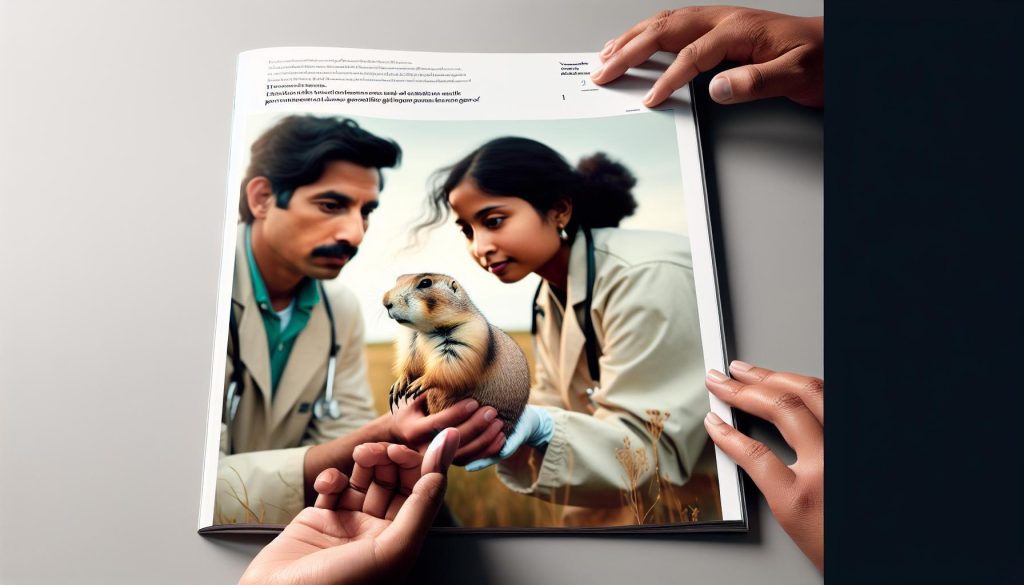
Did you know that prairie dogs, often seen popping in and out of their burrows, have fascinating social structures that depend on their gender? Understanding whether a prairie dog is male or female is not just a fun fact-it’s essential for those who wish to care for these charming creatures, whether in the wild or as pets. This guide will unveil the subtle yet significant physical and behavioral traits that distinguish male prairie dogs from females. By mastering the art of sexing prairie dogs, you’ll gain deeper insights into their social dynamics and enhance your appreciation for these remarkable rodents. Join us as we explore the unique characteristics that make identifying prairie dog genders both an interesting and valuable endeavor!
How to Identify Male and Female Prairie Dogs
Determining the sex of prairie dogs can be both fascinating and crucial for wildlife enthusiasts and pet owners alike. Male and female prairie dogs exhibit some distinct physical traits that can aid in identification, particularly when they are observed in their natural habitat or in controlled care settings.
Physical Traits to Distinguish Sex
One of the most notable ways to differentiate between male and female prairie dogs is through their size and posture. Males generally tend to be larger and bulkier than females, possessing a more robust build. When observed side by side, you might notice that males have broader heads and larger forelimbs. This size discrepancy can be especially apparent during mating season, when males display more aggressive behaviors and assert their dominance, often leading to more visible physical posturing.
Additionally, the most definitive physical characteristic for sexing prairie dogs involves examining their genital area. In males, the presence of a visible scrotum can indicate their sex. However, this is typically most noticeable in adult males and can be more challenging to identify in younger prairie dogs or during the lighter fur months. Females, on the other hand, will not display this trait, and their bodies appear more streamlined.
Behavioral Differences
Behavior also plays a significant role in identifying the sex of prairie dogs. Males are known for their more aggressive and territorial behavior, often engaging in vocalizations and physical displays to ward off rivals. In contrast, females tend to be more nurturing, especially during the breeding and nursing periods. Observing these behaviors can provide additional clues about the sex of a prairie dog, particularly within a colony setting.
In summary, while both physical traits and behavior offer insights into identifying male and female prairie dogs, getting familiar with their distinct characteristics can enhance your experience, whether observing them in the wild or caring for them as pets. With patience and observation, you’ll become adept at telling these charming rodents apart.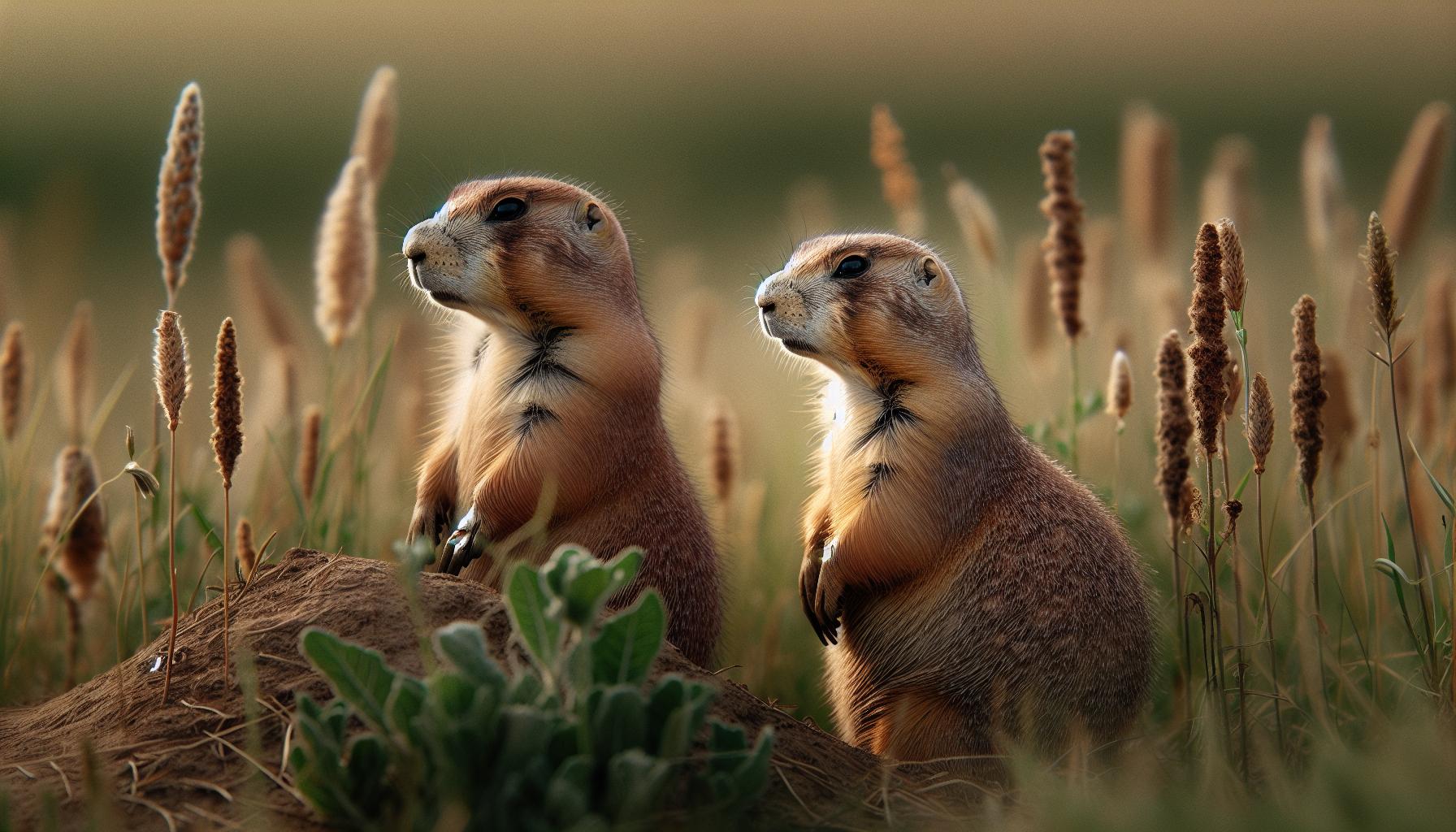
Physical Traits to Distinguish Prairie Dog Sex
One fascinating fact about prairie dogs is that sexing these charismatic rodents can often feel like a mini wildlife adventure! To the untrained eye, distinguishing between male and female prairie dogs might seem daunting, but there are several key physical traits that make the task manageable and fun.
Males are generally larger and bulkier than their female counterparts. This size difference is usually noticeable in their robust builds, where males exhibit broader heads and more muscular forelimbs. During the breeding season, this disparity becomes even more apparent as males display their dominance through assertive posturing and vocalizations, which makes them more conspicuous in their colonies. When you observe a group, you might see the males engaging in what seems like a competitive display, giving clues to their sex without needing to get too close.
Another critical aspect is examining their genital area, which often provides the most straightforward method for accurate sexing. Adult males will have a visible scrotum, making them easier to identify at a glance. However, this is less noticeable in younger prairie dogs and can be challenging to see, particularly if the fur is lighter during certain seasons. Female prairie dogs, in contrast, have a sleeker appearance with no such markings. Thus, understanding these anatomical differences can empower wildlife enthusiasts and pet owners alike in their efforts to identify prairie dog sexes.
In summary, getting to know these physical traits not only enhances your ability to identify male and female prairie dogs but also deepens your appreciation for their unique qualities. So next time you find yourself watching a prairie dog colony, keep an eye out for those telltale signs-each observation brings you closer to understanding and appreciating these fascinating creatures!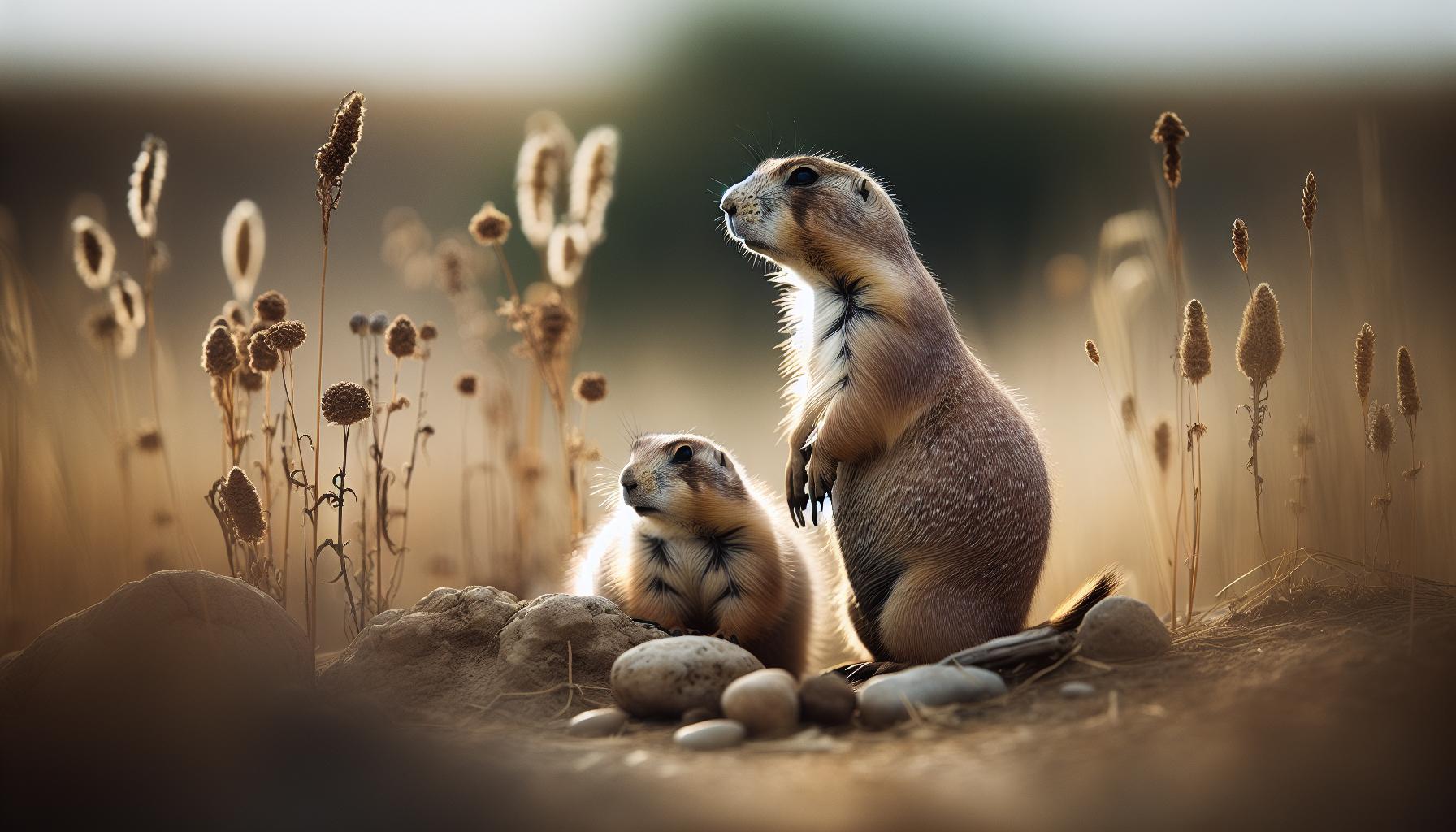
Behavioral Differences Between Male and Female Prairie Dogs
The social dynamics and behaviors of prairie dogs reveal much about the differences between males and females within their colonies. One of the most distinct characteristics is how males often exhibit dominant behaviors, especially during the breeding season. Male prairie dogs are known for their assertive communication, using a variety of vocalizations to establish territory and attract mates. You might observe them standing tall on their hind legs, barking loudly, or engaging in playful sparring with one another. This behavior not only serves to display fitness to potential mates but also helps maintain structured hierarchies within the colony.
In contrast, female prairie dogs tend to exhibit nurturing behaviors, particularly as they prepare for and care for their young. During the breeding season, females will dig burrows for nesting and often show more cautious tendencies when it comes to foraging. Their responsibilities include nursing the pups and teaching them how to navigate their environment safely. Females are typically less involved in the competitive displays seen in males, focusing instead on social grooming and maintaining group cohesion, which is vital for the survival of their offspring in the wild.
Social structures within prairie dog colonies also highlight these behavioral differences. Males often engage in territorial disputes with other males, which can lead to temporary displacements. Females, however, generally prioritize communal living, fostering bonds that enhance the protection of their young. This nurturing aspect creates a supportive environment where young prairie dogs can grow and learn the intricacies of their social sphere.
Understanding these behavioral traits not only aids in sexing prairie dogs but also emphasizes the importance of their roles within the ecosystem. Observers can gain richer insights into their fascinating social lives by taking time to watch and appreciate how these incredible rodents interact with each other, revealing the intricate balance between competition and cooperation that defines prairie dog colonies.
Understanding Prairie Dog Reproductive Roles
The reproductive roles of prairie dogs are crucial aspects of their social dynamics and are beautifully distinct between males and females. Each gender contributes differently to the continuation of their species, showcasing a blend of instinctive behavior and social interaction. Male prairie dogs take on a more competitive role during mating seasons, engaging in vocal displays and physical confrontations to establish dominance and attract females. Their characteristic booming calls resonate throughout the prairie, signaling their fitness and territorial claims. This display of bravado is not just about winning over females; it also maintains the order and structure within their groups.
On the other hand, female prairie dogs focus on nurturing the next generation. After successful mating, females prepare for birthing by creating secure burrows deep within their colonies. These nests serve both to protect the newborns from predators and provide a safe environment for rearing. The females are exceptionally attentive, nursing and caring for their young while also instructing them on essential survival skills. This nurturing behavior is vital, as it ensures that pups learn to navigate their surroundings, which is critical for their survival in the wild.
The collaborative efforts of female prairie dogs extend beyond just parenting. Females often form communal care networks where they help each other with raising young, increasing the survival rates of the pups within the colony. By sharing the responsibilities of nursing and guarding against threats, they create a supportive social structure that benefits the entire community. This cooperative breeding strategy maximizes the chances for the offspring to thrive, highlighting the intricate balance between competition for mates and cooperation for the safety of the young.
Understanding these reproductive roles not only enhances our knowledge of prairie dog societies but also informs conservation efforts. Recognizing the importance of healthy male-female ratios and social structures is essential for maintaining robust prairie dog populations. Observing these behaviors in their natural habitat can deepen our appreciation for these fascinating animals, reminding us of the intricate ecological webs we share with them. Being mindful of their reproductive roles helps in advocating for their conservation, ensuring that future generations can continue to thrive.
Social Structures: Male vs. Female Prairie Dogs
Social structures within prairie dog colonies are fascinating, shaped by the distinct roles of males and females. These intelligent rodents exhibit complex social dynamics that reveal much about their behaviors and interactions. Notably, adult male prairie dogs tend to be more flamboyant and assertive, often engaging in loud, booming calls during mating seasons to advertise their presence and attract females. This vocalization not only signals their availability but also serves to establish and defend their territory against rival males.
In contrast, female prairie dogs play a vital role in nurturing and rearing the young. Often the backbone of the family unit, females create and maintain the safety of established burrows, where they also give birth and care for their pups. This parenting is a collective effort; females frequently employ communal care strategies, where nursing duties and vigilance against predators are shared among several adult females in the colony. This behavior not only enhances the survival chances of the pups but also strengthens communal bonds within the group.
Although males are generally larger and more dominant, the social structures of prairie dogs emphasize cooperation and mutual support. While males may compete for mating rights, females often establish strong networks of support, particularly during the vulnerable periods of birthing and raising offspring. By understanding these social hierarchies, we can appreciate how both genders contribute to the colony’s stability and resilience. Observing these interactions can enrich our knowledge about prairie dog societies and highlight the importance of conservation efforts aimed at preserving these remarkable animals and their habitats.
Using Physical Examination for Accurate Sexing
Identifying the sex of prairie dogs can be a bit tricky, especially for those new to observing these charming creatures. However, conducting a physical examination can yield crucial clues. One of the most notable physical traits is the distance between the anus and the genitalia. In male prairie dogs, this distance is generally greater than in females due to the presence of the scrotum, which is not enclosed in fur, making it visible during mating seasons. Understanding how to conduct a proper examination can lead to greater success in accurately sexing these animals.
When handling a prairie dog for examination, it’s essential to approach this task with care and respect. Start by gently restraining the animal, ensuring it feels secure but not threatened. With the prairie dog safely in your lap or on a soft surface, you can get a clear view. The male will display a more prominent penis sheath, especially when aroused, which can help you identify gender from a distance. It’s also noteworthy that males tend to be larger overall, but size alone can be misleading as there is significant overlap between the sexes.
For those looking for a more concise method, consider enlisting the help of a vet or an experienced handler. They can provide guidance on proper examination techniques or do the sexing for you. Understanding the nuances of sexing prairie dogs not only assists in responsible ownership but contributes to conservation efforts by allowing for better management of colony dynamics and social structures.
Overall, while sexing prairie dogs can require a bit of practice, a few crucial observations can simplify the process. Always keep the welfare of the animal in mind, ensuring that any handling is done with the utmost care to minimize stress. With patience and respect, you will gain insights into the lives of these fascinating creatures while assisting in the broader understanding of their ecology.
Common Myths About Prairie Dog Gender Identification
Many people harbor misconceptions when it comes to identifying the genders of prairie dogs. One common myth is that males are always significantly larger than females. While it’s true that males tend to be somewhat bigger, the size difference is often subtle and varies by individual. In the wild, size alone can be misleading and does not provide a reliable means of sexing prairie dogs. Misjudging their size can lead to confusion, especially for those who are new to observing these creatures.
Another prevalent myth is that prairie dogs can be easily sexed based on their coloration or coat patterns. However, gender does not dictate fur color. Both male and female prairie dogs share similar coat colors, which range from a light tan to dark brown. This uniformity makes it challenging to differentiate them visually based purely on appearance. Understanding their anatomy and examining physical traits, such as the distance between the anus and genitalia, offers a more accurate method for identification.
Some people also believe that prairie dogs make distinguishing vocalizations based on gender; however, while they do communicate in complex ways, their sounds are not gender-specific. The chatter and alarm calls made by prairie dogs serve various purposes related to social structure and predator warning rather than indicating sex. Misinterpreting these vocalizations can lead wildlife enthusiasts astray in their attempts to identify male from female.
Finally, there’s a myth that once you’ve mastered identifying prairie dog genders, it remains consistent due to their social structures. In reality, social dynamics can influence behavior, especially during the mating season. Males may showcase more pronounced behaviors, such as territory marking or larger physical displays when competing for mates. These behaviors may lead observers to incorrectly assume certain patterns of identification based solely on activity rather than confirming gender through proper examination techniques.
By debunking these myths and focusing on the physical anatomy and behaviors of prairie dogs, enthusiasts can enhance their understanding and practice responsible observation while contributing to the conservation of these fascinating creatures.
The Importance of Sexing Prairie Dogs for Care
Determining the sex of prairie dogs is vital for their proper care and management, especially in pet ownership or conservation efforts. Understanding whether a prairie dog is male or female can influence everything from habitat setup and social dynamics to breeding plans. This knowledge ensures that each animal’s needs are met, promotes a balanced environment, and fosters healthy behaviors.
To care for prairie dogs effectively, it’s essential to consider their social structures. Males and females behave differently, particularly during breeding seasons. Males might exhibit more dominant behaviors, including territory marking, while females often show nurturing traits, especially when rearing young. Recognizing these differences not only enriches your understanding of their personalities but also helps in creating an environment that caters to their specific behavioral tendencies. Employing this knowledge allows for better interaction and management-both crucial in an enclosure setting or a rehabilitation context.
Additionally, sexing prairie dogs can also aid in disease prevention and management. Different genders may have varying susceptibilities to certain conditions, and hormone levels influence health issues such as aggression or stress. If owners can accurately determine the sex of their prairie dogs, they can tailor their care accordingly, including diet adjustments and habitat modifications. Monitoring health through a gendered lens enhances overall well-being, leading to a more harmonious living situation.
Furthermore, understanding sex ratios within prairie dog colonies can play a significant role in conservation strategies. Imbalanced sex ratios can disrupt breeding and the genetic diversity essential for thriving populations. Conservationists can focus on maintaining healthy demographics by ensuring balanced release or management strategies in the wild. By fostering greater awareness about the importance of sexing prairie dogs, we can contribute to successful conservation outcomes and informed pet ownership practices, ultimately benefiting these adorable, social creatures.
When to Consult a Vet for Sexing Prairie Dogs
Determining the sex of a prairie dog can be a delicate process, and while keen observational skills can help, there are times when consulting a veterinarian becomes essential. For new owners or those unfamiliar with prairie dog anatomy, misidentification can lead to complications, particularly concerning behavioral understanding and breeding. Just like with other pets, ensuring that your prairie dog is correctly sexed can significantly impact its care and social dynamics.
Veterinarians have the expertise and tools to accurately determine the sex of prairie dogs, especially in young ones, where physical traits may not yet be fully developed. If you’re unsure about the sex of your prairie dog, it is advisable to schedule a visit. Signs that consultation is necessary include:
- Unexplained Aggression: If your prairie dog exhibits unexpected aggressive behavior, it could be a sign of hormonal influences from misidentification.
- Breeding Concerns: If you have multiple prairie dogs and plan to breed, incorrect sexing can lead to accidents. A vet can confirm their sex to prevent unintended litters.
- Health Issues: Certain health problems can manifest differently depending on gender. Understanding which health risks pertain to males versus females can guide better care.
Your vet may perform a physical examination to check for genital differences and, if necessary, use imaging techniques to confirm their findings. This not only helps you understand your prairie dogs better but also fosters a more suitable environment tailored to their gender-specific needs. For instance, knowing whether your prairie dog is male or female can inform dietary requirements or social interactions, especially if they will be housed with others.
Consulting a vet for sexing can be particularly beneficial when acquiring new prairie dogs. A responsible pet owner knows that proper care starts with understanding your animals completely. This knowledge fosters a mutually enriching relationship, paving the way for confident handling, breeding practices, and communal living arrangements. By seeking professional guidance, you contribute to a healthier and happier life for your prairie dog, ensuring it thrives under your care and within its community.
Conservation Insights: The Role of Sex Ratios in Prairie Dog Colonies
In prairie dog colonies, the balance of males to females can profoundly impact the social structure, reproductive success, and even the survival of the group. The sex ratio plays a crucial role in the dynamics of their colonies, influencing not just breeding patterns but also how effectively the group can defend against predators and maintain their burrow systems. Interestingly, studies have shown that an optimal sex ratio can foster healthier social interactions and reduce conflicts, promoting a harmonious environment.
To explore this further, let’s consider the implications of imbalanced sex ratios. If a colony has significantly more males than females, it may lead to increased competition among males for mating rights, which can escalate into aggression and territorial disputes. On the other hand, if there are too few males, females may struggle to find suitable mates, leading to reduced offspring numbers and genetic diversity. This dilution of genetic variation can have long-term consequences for the health of the population.
Moreover, understanding the role of sex ratios in prairie dog colonies highlights the importance of conservation efforts. Maintaining healthy populations requires interventions that promote balanced sex ratios. For instance, relocation efforts of prairie dogs must consider not just the immediate number of animals but also the gender distribution to ensure the long-term viability of the species in that habitat.
In terms of practical advice for enthusiasts observing these fascinating animals, it’s essential to be mindful of their social structures. When watching prairie dogs, look for interactions that may indicate dominant males or nurturing females-these behaviors offer insights into their complex social lives. Observers should also respect their habitats, ensuring that interventions do not disrupt established colonies and their natural dynamics. By understanding and supporting balanced sex ratios, we contribute to the conservation of these charming creatures while also enhancing our appreciation of the intricate lives they lead.
Engaging with Prairie Dogs: Responsible Observation Tips
Engaging with prairie dogs is a rewarding experience, especially for wildlife enthusiasts eager to learn more about these social creatures. Watching their interactions provides insights into their complex lives and helps educate others about the importance of their conservation. Whether you’re observing them in a field or simply learning about their behaviors, understanding how to approach these animals responsibly is crucial.
First and foremost, maintain a respectful distance. Prairie dogs can easily feel threatened by humans, so using binoculars or a spotting scope allows for close observation without disturbing their natural habitat. While it’s tempting to get up close for better pictures, staying at least 50 yards away minimizes stress on the animals and ensures their safety. Remember that they are a vital part of the ecosystem and should be allowed to interact without interference.
Additionally, observe their behaviors during different times of the day. Prairie dog colonies are most active during early morning and late afternoon. During these periods, you might witness playful pups, males taking on roles to protect the colony, and females nurturing their young-all wonderful moments that highlight their social structures. Keep an eye out for specific behaviors indicating gender roles; for instance, dominant males often stand guard while females engage in nurturing activities.
When it comes to interaction, limit noise and sudden movements. Prairie dogs are incredibly attuned to their environment and can easily be startled by loud sounds or abrupt actions. Speak softly and avoid any sudden gestures to ensure you don’t disrupt their routines. If you notice that the prairie dogs become agitated, it’s best to retreat slowly to a distance where they feel safe again.
Finally, consider participating in or supporting local conservation efforts. Understanding the significance of balanced sex ratios in prairie dog colonies, as discussed previously, is essential for sustaining their populations. Educating others during your observations can amplify the positive impact on these fascinating creatures. Whether through organized events or simple discussions with friends, spreading awareness about the importance of prairie dog habitats and their roles in the ecosystem helps foster a deeper respect for wildlife.
By following these responsible observation tips, you can enjoy watching prairie dogs while also contributing to their conservation and promoting a greater appreciation for the wonders of nature.
Fun Facts About Prairie Dogs That Everyone Should Know
Did you know that prairie dogs are not just cute little rodents that pop out of burrows? They are fascinating social creatures with a rich culture of their own! One captivating fact is that prairie dogs have a highly sophisticated communication system. They use a variety of vocalizations to alert each other of danger, and research has shown they can even convey details about the type of predator and its size through their unique calls. Imagine being able to speak in such precise terms to your friends!
These social animals are also known for their complex burrow systems, which can extend as deep as 3 feet and reach 32 feet in length. They live in colonies, known as coteries, that can consist of dozens to thousands of individuals. Within these communities, prairie dogs exhibit intriguing behaviors that indicate their social structures. For instance, males typically play a dominant role, especially during mating season, while females are often responsible for nurturing their young and maintaining the burrow systems.
Another delightful aspect of prairie dogs is their playful nature. Young prairie dogs, known as pups, engage in what might look like a game of tag or roughhousing, which helps them develop critical social and physical skills. Observing these interactions provides insight into their social learning and community bonding.
It’s also worth noting that prairie dogs play a vital role in their ecosystem. Their burrowing helps aerate the soil, promoting healthy plant growth, and they serve as a food source for various predators. This interdependence highlights how essential they are to their environment. So, whether you’re out observing them in the wild or just learning about these remarkable rodents, there’s always more to discover about prairie dogs and their vital contributions to the ecosystem!
Faq
Q: What are the differences in size between male and female prairie dogs?
A: Male prairie dogs are typically larger than females, with greater body mass and size due to their role in territory defense and mating. Understanding these size differences can help with accurate sex identification, enhancing your interactions and care practices. For more details, refer to the Physical Traits to Distinguish Prairie Dog Sex section.
Q: How can behavior help in identifying male and female prairie dogs?
A: Behavioral traits, such as mating rituals and territory marking, are key indicators. Males often engage in aggressive displays to assert dominance, while females are more nurturing, caring for the young. Observing these patterns can provide insights into their sex. Check out the Behavioral Differences Between Male and Female Prairie Dogs section for more information.
Q: At what age can you accurately determine the sex of a prairie dog?
A: You can typically determine a prairie dog’s sex accurately after they reach sexual maturity, around 1-2 years old. Before this age, their physical traits may not be as distinguishable. Early sexing can be tricky but observing adult behaviors can assist in identification.
Q: What are some common myths about prairie dog sexing?
A: A prevalent myth is that size alone can determine a prairie dog’s sex. While males tend to be larger, this is not always a definitive method due to size overlaps. Education on myths can enhance your understanding and care, especially in a mixed-gender setting. Explore the Common Myths About Prairie Dog Gender Identification section for more clarification.
Q: Why is accurate sexing important for prairie dog care?
A: Accurate sexing is crucial for maintaining social dynamics. It ensures proper mating pairs and prevents aggressive interactions in groups. Understanding their reproductive roles fosters better habitat management and care practices. Learn more in the Importance of Sexing Prairie Dogs for Care section.
Q: How do social structures differ between male and female prairie dogs?
A: Prairie dog social structures are marked by hierarchies where males typically exhibit territorial behavior. In contrast, females often create nurturing roles, forming strong maternal bonds. Recognizing these dynamics can aid in social management among your prairie dogs. For detailed insights, refer to the Social Structures: Male vs. Female Prairie Dogs section.
Q: When should you consult a vet for sexing your prairie dog?
A: Consider consulting a vet for professional insight if you’re uncertain about your prairie dog’s sex or need confirmation for breeding purposes. A vet can provide accurate sexing through physical examination or genetic testing, which is essential for responsible pet ownership. See the When to Consult a Vet for Sexing Prairie Dogs section for further guidance.
Q: Can physical differences be used to distinguish juvenile prairie dogs?
A: Yes, but it’s more challenging with juveniles because physical traits aren’t fully developed until maturity. Observing subtle behavioral traits can sometimes provide clues, although it is often better to wait until they are older for clear identification. For more about this, refer to the Using Physical Examination for Accurate Sexing section.
To Wrap It Up
Now that you have a solid understanding of how to identify whether a prairie dog is male or female, you’re well-equipped to appreciate these fascinating creatures even more! Remember, understanding their behavior and social structures can enhance your enjoyment as a wildlife enthusiast. If you’re eager to learn more, explore our articles on prairie dog habitats and care needs, or dive into the intricacies of their social interactions.
Don’t forget to sign up for our newsletter to stay updated with the latest tips and insights into the world of wildlife. Have questions or personal experiences to share? We encourage you to leave a comment below! Your involvement helps build our community of nature lovers, and we’re excited to hear from you. Plus, your journey doesn’t have to end here-check out our other guides for more valuable information. Keep exploring, and let the wonders of nature inspire you!
Get our latest guides, news, and insights highlighted in your Google Search & AI Overviews.