Did you know that around 68% of exotic pets suffer due to inappropriate care? While the idea of keeping a fennec fox or a parrot may seem intriguing, the reality is far more complex. “Why Is It Bad to Keep Exotic Animals as Pets? The Truth” explores the hidden challenges and ethical concerns surrounding exotic pet ownership. Many of these animals have specialized needs that are unmet in captivity, leading to stress and health issues. From the unique behavioral traits that can disrupt a household to the potential ecological impact when they escape into the wild, the consequences are significant. This article shines a light on these important considerations, helping prospective pet owners make informed decisions. So, before you consider adding an exotic companion to your home, let’s dive into the truth about why these animals often do not belong in our living rooms. Your understanding can make a difference for both the animals and our ecosystems.
The Hidden Risks of Exotic Pets: Health Concerns
While having a unique animal companion can be appealing, there are significant health risks associated with keeping exotic pets that every potential owner should consider. Exotic animals, which include a wide variety of species such as reptiles, birds, and small mammals, often carry diseases that can be transmitted to humans, some of which can be serious. For instance, reptiles are known carriers of Salmonella, a bacteria that can cause gastrointestinal distress in humans. An infection can occur through direct contact or even by handling equipment or environments where these reptiles live.
Moreover, many exotic animals have specialized care requirements that can lead to health issues if not properly met. For example, sugar gliders and hedgehogs need specific diets and socialization that mimic their natural behavior, and failing to provide these can result in both physical and mental health problems. Stress can also manifest in exotic pets, showcasing through behaviors like excessive grooming or pacing, which can further harm their well-being.
Common Health Concerns
- Respiratory Infections: Many exotic birds, such as parrots, are prone to respiratory issues, often exacerbated by poor air quality in homes.
- Parasites: Animals like rabbits and ferrets are susceptible to a variety of parasites that can easily spread to humans, leading to zoonotic diseases.
- Vitamin Deficiencies: Animals like reptiles often require ultraviolet light to metabolize calcium, and a lack of this can lead to severe health issues like metabolic bone disease.
In addition to direct health risks to owners and their families, the conditions in which exotic pets are often kept can mirror their health struggles. Many exotic pets are not bred in captivity, making them unaccustomed to human interaction, which can result in a high stress level and associated health issues. This cycle of stress and health challenges illustrates why the allure of having an exotic pet can quickly unravel into a complex web of health concerns and ethical dilemmas.
Owning an exotic animal is not just a lifestyle choice; it is a profound responsibility that can impact not only the pet’s health but also the health of those around them. Understanding these hidden risks is crucial for anyone considering opening their home to an exotic companion.
Legal Issues Surrounding Exotic Animal Ownership
The complexities surrounding the ownership of exotic animals extend beyond mere care responsibilities; they often involve intricate legal frameworks that vary dramatically from one region to another. Many people assume that owning an exotic pet is simply a matter of personal choice, but the reality is that numerous laws are designed to protect both the animals and the public from potential harm. For instance, various states and countries impose strict regulations on species that can be kept as pets, emphasizing not just conservation efforts but also public safety. Certain animals, like big cats or venomous snakes, can be illegal to own without specific permits due to their dangerous nature.
Understanding these legal restrictions is crucial for prospective exotic pet owners. Violating animal ownership laws can lead to severe consequences, including hefty fines, confiscation of the animal, and even criminal charges. Before considering an exotic pet, it’s essential to research local ordinances and state regulations, which may dictate not only what species you can keep but also how they must be housed and cared for.
Permits and Regulations
Exotic animal ownership often requires various permits, particularly for species deemed threatened or endangered. Obtaining these can be a complicated process that necessitates substantial paperwork, proof of adequate habitat, and often, inspections from wildlife officials. Failure to adhere to these processes can result in legal repercussions that extend well beyond simple fines. Instead, it could lead to the animal being placed in a sanctuary or rescue facility, negating the owner’s investment and effort.
- Species-Specific Laws: Many areas have laws that specify which species can be owned and which cannot. For instance, owning a macaw might be legal, while possession of a certain snake species may not be.
- Federal vs. State Laws: It’s crucial to differentiate between federal guidelines, such as those set by the Endangered Species Act, and local state laws, which can often be stricter.
- Sanctuary Regulations: If an owner is unable to care for their exotic pet, there are legal channels for surrendering animals to reputable sanctuaries. Failing to use these can lead to abandonment charges.
The legal landscape surrounding exotic pet ownership serves as a reminder that with the allure of owning a unique animal comes the weighty responsibility of ensuring compliance with laws designed to protect not just the animals themselves, but also their human companions and the broader ecosystem. A casual approach to such responsibilities can lead to legal challenges and severe penalties, reinforcing the notion that responsible ownership must be paired with informed decision-making. This level of dedication should appeal not only to personal desires for an exotic companion but also to a genuine commitment to animal welfare and conservation.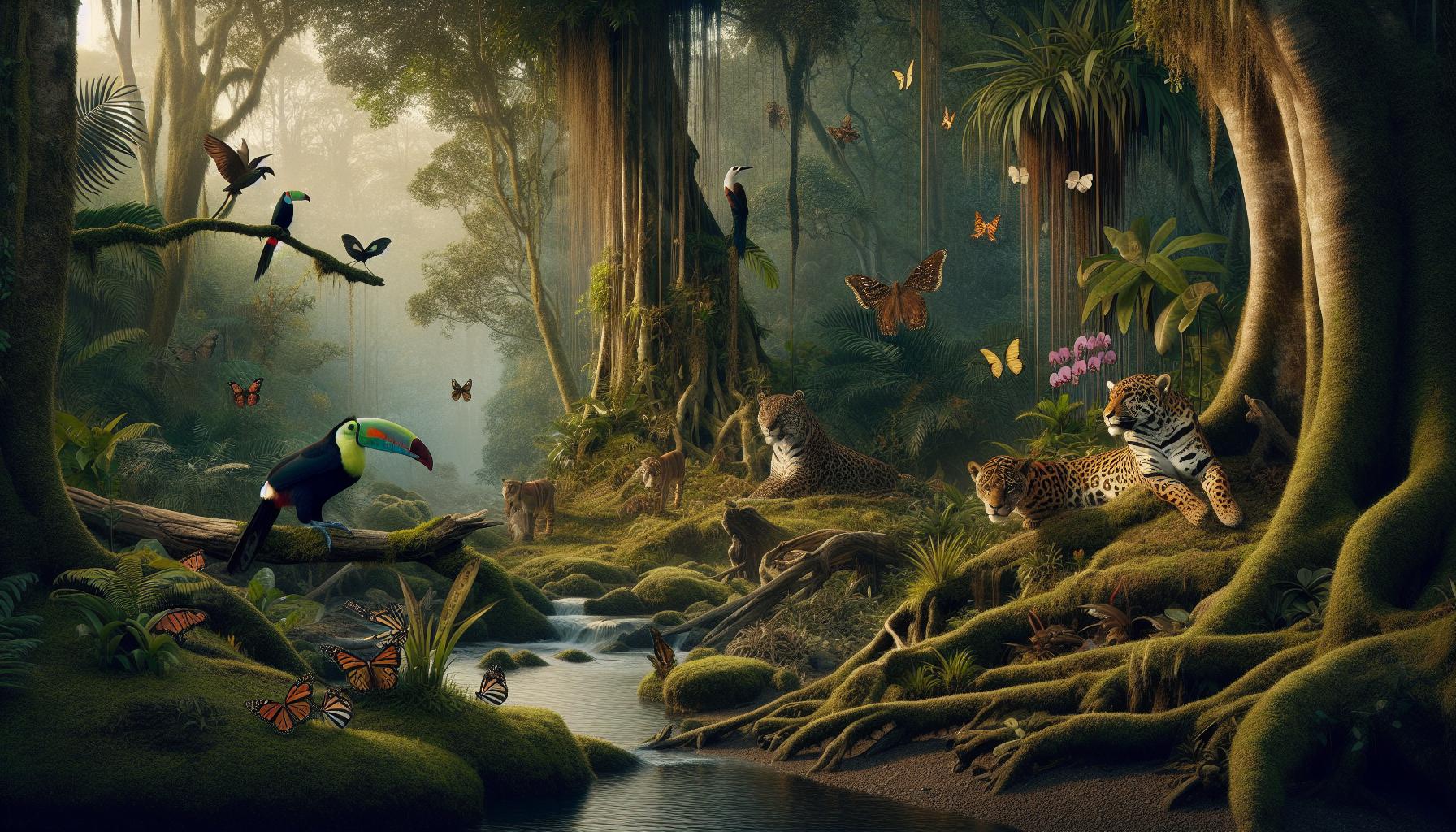
Understanding the Natural Habitat of Exotic Animals
Understanding the intricacies of exotic animals‘ natural habitats is essential for anyone considering keeping one as a pet. Imagine a vivid rainforest buzzing with life, where macaws soar through the verdant canopy or a vast savannah where majestic servals and agile meerkats roam. These environments are not merely backdrops; they play crucial roles in the well-being of these species. When exotic animals are kept as pets, their unique habitat needs often go unmet, leading to stress, health problems, and behavioral issues.
In the wild, animals have evolved to thrive in specific conditions that support their physical and psychological health. For instance, a red-eyed tree frog needs a humid environment with abundant foliage to camouflage and hunt effectively. In contrast, a desert tortoise requires arid conditions with burrows to escape the sun. Recreating these intricacies in a home setting is a complex task; few pet owners can replicate the sprawling landscapes and diverse ecosystems that these animals are accustomed to. As a result, many exotic pets live in environments that do not satisfy their innate needs, leading them to exhibit stress-related behaviors like excessive pacing, aggression, or lethargy.
Additionally, the lack of exposure to natural stimuli can create boredom and frustration. For example, birds that typically spend their days foraging for food may become destructive if confined to a cage without appropriate enrichment. Providing a stimulating environment-inclusive of various perches, toys, and social interaction-requires significant time, effort, and often financial resources, which many pet owners may not realize until after acquiring their exotic companion.
Not only does this misunderstanding affect the wellbeing of these animals, but it also throws a wrench into our conservation efforts. Species that thrive in the wild contribute to their ecosystems, maintaining balance and biodiversity. When we remove them from their natural habitats, we not only potentially harm the individual animal but also impact the broader ecological web. Understanding where these creatures come from and what they need is not just beneficial for their health; it’s vital for preserving the species as a whole.
In short, while the allure of owning an exotic pet can be tempting, the commitment to replicate their natural habitat and behavioral needs is substantial. Prospective owners should deeply reflect on whether they can meet these requirements before deciding to bring a wild animal into their home. Instead, supporting conservation organizations that protect these animals in their natural habitats can be a far more fulfilling and responsible choice.
Ethical Considerations in Keeping Wildlife
In our quest for unique pets, it’s vital to consider the ethical implications of keeping wildlife as companions. Many animals kept as exotic pets have complex needs that cannot be fulfilled in a typical household. For instance, a sugar glider, a tiny marsupial, thrives in an environment where it can glide between trees and socializes with its kind. When deprived of these aspects, these creatures often suffer both physically and mentally, leading to distressing behaviors. This raises an important ethical question: is it right to confine a being that has evolved to roam vast landscapes into a limited space, however well-meaning the intent?
One of the major ethical concerns involves the impact on biodiversity and the ecosystems these pets come from. When exotic species are taken from their habitats, the delicate balance of their ecosystems can be severely disrupted. An example of this is the illegal pet trade, which takes countless individuals from the wild for private ownership, often leading to population declines and potential extinction for certain species. By supporting the exotic pet trade, even indirectly, we may contribute to the decline of species that play critical roles in their native environments.
Furthermore, it’s essential to acknowledge the emotional toll on these animals. Many exotic pets have intricate social structures and behaviors, which are completely disrupted in captivity. Take, for example, parrots, known for their intelligence and social nature. In the wild, they engage in complex social interactions and have the freedom to explore expansive environments. In a pet setting, isolation and lack of stimulating activities can lead to severe psychological distress, making the case against their captivity even stronger.
To navigate these ethical waters, potential pet owners should critically assess their motivations for wanting an exotic pet. Instead of bringing a wild creature into a home, consider supporting conservation efforts or sponsoring wildlife sanctuaries. This way, you contribute to the protection of habitats and welfare of animals in the wild, ensuring they can thrive in their natural environments, free from the constraints of human ownership. By embracing a mindset focused on compassion and conservation, we can celebrate the beauty of wildlife without compromising their well-being.
The Impact of Invasive Species: A Growing Concern
Many people may not realize that the thrill of owning an exotic pet carries significant implications for both the environment and local wildlife. Each year, pets like iguanas, snakes, and other non-native species are released into the wild, intentionally or accidentally, leading to the rise of invasive populations. These invaders can outcompete native species for resources, spread diseases, and disrupt local ecosystems. For instance, the Burmese python, initially released in the Florida Everglades, has become a notorious predator, drastically reducing populations of native mammals and birds. This situation exemplifies how a seemingly innocent choice in pet ownership can trigger far-reaching ecological consequences.
Understanding Invasive Species
Invasive species are plants, animals, or pathogens that are non-native to a specific ecosystem and whose introduction causes or is likely to cause harm. Their adaptability often makes them formidable competitors. They typically lack natural predators in their new environments, allowing them to proliferate unchecked. For instance, the introduction of the red-eared slider turtle in many parts of the world has led to declines in local turtle populations due to competition and predation. Although exotic pets may seem charming in a domestic setting, their potential to become invasive threats in the wild should not be underestimated.
Practical Guidance for Responsible Pet Ownership
When considering an exotic pet, it’s essential to reflect on their long-term impact. Here are some steps potential pet owners can take to ensure they are not contributing to the invasive species problem:
- Research Local Regulations: Understand which species are legal to own in your area. Many regions have restrictions on certain exotic pets to protect local wildlife.
- Choose Native Species: Whenever possible, opt for pets that are native to your region. This helps minimize the risk of introducing new species to local ecosystems.
- Never Release Pets into the Wild: If you can no longer care for a pet, seek out a responsible rescuer or sanctuary. Releasing animals into the wild can have disastrous effects on local ecosystems.
By taking these precautions, you can enjoy the companionship of exotic pets while also safeguarding wildlife and their habitats. Embracing responsible ownership is not just beneficial for individual animals; it helps preserve the delicate balance of nature that sustains us all.
Behavioral Challenges: Why Exotic Pets Misbehave
Exotic pets often come with a set of challenges that can lead to misbehavior, bewildering their owners and making their care feel overwhelming. Many of these animals retain wild instincts that don’t easily fade away in a domesticated environment. For instance, a sugar glider, known for its cute appearance, may exhibit nippy behavior if it feels threatened or stressed, stemming from its natural inclination to defend itself in the wild. Understanding these behavioral tendencies is crucial for anyone considering taking on the responsibility of an exotic pet.
One significant factor contributing to the misbehavior of exotic pets is their need for specific environmental conditions that mimic their natural habitat. For example, reptiles, such as iguanas, often require a precise temperature gradient and humidity to thrive. If these conditions are not met, they may become lethargic, aggressive, or engage in destructive behavior, such as incessantly scratching at their cage. Owners who are uninformed or ill-prepared for these needs can find themselves with a pet that acts out in frustration or discomfort, leading to a cycle of misunderstanding and increased stress on both the animal and the owner.
Another important aspect to consider is the social nature of many exotic species. For example, parrots are highly social creatures that require interaction and mental stimulation. When left alone for extended periods, they may resort to screaming, feather plucking, or destructive behaviors out of boredom and loneliness. This highlights the necessity of proper socialization and engagement for exotic pets, which can be much more demanding than traditional pets like dogs or cats. Owners must be ready to provide enrichment activities, including toys, games, and social interaction, to help ensure their pets remain happy and well-adjusted.
In summary, understanding the behavioral challenges associated with exotic pets is fundamental. It involves recognizing their wild instincts, environmental needs, and social requirements. By adopting a proactive approach that includes thorough research and dedication to creating a suitable living environment, potential exotic pet owners can foster a more harmonious relationship with their companions, transforming potential behavioral issues into opportunities for bonding and enrichment.
Sustainable Alternatives to Exotic Pet Ownership
Many people are drawn to the allure of exotic pets, yet the reality often reveals a tangled web of challenges and ethical dilemmas. Fortunately, there are sustainable alternatives that allow wildlife enthusiasts to connect with nature without the drawbacks of keeping exotic animals as pets. For those eager to experience the joys of animal companionship while promoting conservation, these alternatives can be both fulfilling and responsible.
One of the most effective ways to engage with exotic species is through wildlife sanctuaries and rehabilitation centers. These facilities often offer opportunities for visitors to learn about animals in a controlled environment that prioritizes their well-being. Many sanctuaries host programs that allow people to volunteer or participate in educational tours, fostering a deeper understanding of the species without the responsibility of ownership. For instance, visitors can observe large cats or birds of prey in settings that mimic their natural habitats, highlighting their behaviors and needs in a way that enriches both the visitor’s experience and supports the animals’ care.
Another sustainable choice is to support conservation organizations that work to protect wildlife in their natural environments. By donating or participating in fundraising efforts, enthusiasts can aid in habitat preservation, anti-poaching initiatives, and community education programs. Some organizations even offer eco-tourism opportunities where you can visit wildlife habitats while contributing to the conservation efforts directly. For example, witnessing the majesty of elephants in their natural habitats in Africa or snorkeling alongside vibrant coral reefs not only creates memorable experiences but also bolsters efforts to protect these environments.
Additionally, consider exploring adoption programs that focus on endangered species. Many reputable wildlife organizations allow individuals to symbolically adopt an animal, receiving updates about the creature’s conservation status and needs. This type of program supports crucial research and rehabilitation projects designed to ensure the survival of vulnerable species while creating a personal connection for adopters.
In summary, embracing enriches our lives and supports wildlife conservation. Whether through educational experiences at sanctuaries, supporting organizations engaged in vital conservation work, or adopting endangered species, these paths not only respect the natural behaviors and habitats of wildlife but also inspire a community dedicated to protecting our planet’s remarkable biodiversity.
Misconceptions About Taming Wild Animals
Many people are enchanted by the idea of having a wild animal as a pet, thinking that with enough love and care, these creatures can become just like their cuddly canine or feline companions. However, the truth is much more complex, and it’s crucial to recognize the fundamental differences between domesticated pets and wild animals. One common misconception is that all wild animals can be tamed and trained like traditional pets. While some species may respond to human interaction, the vast majority retain their instinctual behaviors that are far removed from the expectations of domestic life.
The Reality of Wild Instincts
Wild animals, even if raised in captivity, are often driven by instincts that can lead to unpredictable and potentially dangerous behaviors. For example, a capuchin monkey might seem adorable and playful, but their natural tendencies include aggression and territorial disputes, especially as they reach maturity. Keeping such animals as pets can lead to serious issues for owners who believe their affectionate nature will last a lifetime. Moreover, ensuring a suitable environment to cater to their complex needs is nearly impossible in a home setting, leading to frustration for both the owner and the animal.
Health and Welfare Considerations
Another misconception is that wild animals can be kept healthy in a home environment. This perspective glosses over the specialized dietary, social, and environmental needs that these animals require. For instance, reptiles may need specific temperature gradients and humidity levels to thrive. Ignoring these needs can lead to severe health issues that may not surface until the damage is already done. Even the best-intentioned owners might inadvertently neglect these requirements, resulting in suffering for the animal and regret for themselves.
The Challenge of Social Behavior
Misunderstandings also exist regarding the social structures of various species. Many wild animals, such as parrots and ferrets, are highly social creatures that thrive in groups. Isolating them in a home environment can lead to loneliness, depression, and behavioral problems. Some species are even known to display self-destructive behaviors when kept alone. Understanding these social needs and the implications of depriving them is essential for any potential owner.
In essence, while the allure of taming wild animals can be captivating, it’s critical to approach pet ownership with a clear understanding of their true nature and needs. By fostering education and awareness, we can appreciate these magnificent creatures in ways that respect their wildness, rather than attempting to change it. It’s about creating connections that honor their intrinsic behaviors rather than reshaping them to fit our desires.
Real-Life Stories: Consequences of Exotic Pet Ownership
Many people dream of owning exotic pets, but the reality of such ownership can lead to unexpected and often distressing consequences. Take the story of a family in Florida who decided to adopt a baby capuchin monkey. Initially, they were thrilled by the monkey’s playful nature, but as it matured, its behavior changed dramatically. The once adorable companion became increasingly aggressive and territorial, resulting in injuries to both the family and the household pets. Eventually, the family had to surrender the monkey to a sanctuary, but not without first facing the devastating impact on their household dynamics and emotional well-being.
The case of a young couple in California illustrates another aspect of exotic pet ownership gone awry. They purchased a ball python under the impression that it was a low-maintenance pet. However, they quickly learned that these snakes can grow much larger than expected and require a carefully controlled habitat to thrive. Ignoring the python’s need for space and temperature regulation led to health issues for the snake, which ultimately necessitated expensive veterinary care. Additionally, the couple’s inexperience resulted in several near escapes, as they underestimated the snake’s ability to squeeze through small openings. This not only posed a threat to their safety but also highlighted the responsibilities that come with owning an exotic pet.
Moreover, there are emotional and ethical ramifications tied to the ownership of wildlife. A well-documented incident involved a man who kept a lion cub in his apartment, believing it was a cute addition to his lifestyle. As the cub grew, so did its need for space and an environment that mimicked its natural habitat. The lion’s sheer strength and wild instincts led to chaotic encounters with neighbors and significant stress for the animal, which ultimately had to be relocated to a wildlife reserve. This story serves as a reminder that while wild animals can capture our hearts, they are not meant for domestic life.
In summary, these real-life examples underscore the many challenges that come with keeping exotic animals as pets. From behavioral changes and health issues to ethical considerations, the consequences can be profound for both the owner and the animal. By understanding these realities, potential pet owners can make informed choices and contribute to the welfare of wild animals, whether by opting for more suitable pets or supporting conservation efforts that protect wildlife in their natural habitats.
How to Support Conservation Efforts Instead
Keeping exotic animals as pets often leads to unfortunate consequences, both for the animal and the owner. Fortunately, there are many meaningful ways to support conservation efforts, allowing wildlife enthusiasts to contribute positively to the preservation of species without engaging in harmful pet ownership practices.
One effective way to support conservation is by contributing to reputable conservation organizations. These groups work tirelessly to protect wildlife and their habitats through various initiatives, such as habitat restoration, anti-poaching efforts, and biodiversity education. Consider donating or volunteering with organizations like the World Wildlife Fund or the Wildlife Conservation Society. Not only can your contributions help fund vital projects, but they also play a crucial role in increasing awareness about the challenges many animals face in the wild.
Another impactful method is to educate yourself and others. By sharing knowledge about the ecological importance of wild animals and the issues surrounding exotic pet ownership, you can foster a deeper appreciation for wildlife. Host informative gatherings, participate in community discussions, or use social media platforms to spread the word. Engaging with local schools to provide educational programs about conservation can create a ripple effect, inspiring the next generation to value and protect wildlife.
Participate in Eco-tourism
Instead of supporting the exotic pet trade, consider eco-tourism as a responsible alternative. This practice promotes the protection of natural habitats while allowing people to experience wildlife in its natural setting. Choose to visit wildlife reserves, national parks, or sanctuaries that prioritize animal welfare and conservation. For instance, places like the David Sheldrick Wildlife Trust in Kenya focus on rehabilitating orphaned elephants and educating the public about wildlife conservation.
Adopt Wildlife Symbolically
Symbolic adoption programs allow you to support the care of individual animals or endangered species without physically owning them. Organizations often provide updates on the adopted animals, sharing their stories and progress. This approach not only aids in conservation but also deepens your connection with wildlife without the associated risks of private ownership.
By diverting your passion for exotic animals into conservation efforts, you not only protect wildlife but actively help promote the health of entire ecosystems. These alternatives enable you to contribute to a more sustainable future, ensuring that the beauty and diversity of our planet’s species can thrive for generations to come.
The Importance of Education in Responsible Animal Care
Education plays a critical role in ensuring the well-being of exotic animals and fostering responsible ownership. Many prospective pet owners are drawn to the allure of unique species, but lack the knowledge needed to properly care for them. For instance, creatures like sugar gliders or macaws have very specific habitat and nutritional requirements. Without understanding these needs, potential owners can inadvertently cause significant harm to their exotic pets. In fact, education about the complexity of animal care can mean the difference between a pet thriving and suffering.
To address this gap in knowledge, educational programs focused on exotic animal care are essential. Community workshops, online courses, and informative websites can empower individuals with accurate information about species-specific needs, behavioral traits, and health care. These resources can also highlight the dangers of the exotic pet trade and the importance of supporting conservation efforts. By participating in such educational initiatives, individuals can cultivate a deeper respect for wildlife and their natural habitats, fostering a mindset that prioritizes preservation over possession.
Moreover, real-life stories can drive home the importance of education in responsible pet ownership. For instance, a former exotic pet owner might recount their struggles keeping a capuchin monkey, illustrating the high level of social interaction these primates require, far beyond what a typical household can provide. Sharing these experiences can spark discussions about the ethical implications of keeping wildlife as pets and encourage others to think critically about their choices.
In an age where information is readily available, aligning curiosity with education is more important than ever. Those interested in exotic animals should seek knowledge through books, documentaries, and reputable organizations that emphasize humane treatment and conservation. By fostering an informed community of animal lovers, we can help ensure that the joy of observing exotic wildlife remains in the wild, where it truly belongs.
Frequently Asked Questions
Q: Why is it a bad idea to keep exotic animals as pets?
A: Keeping exotic animals as pets can lead to serious ethical, legal, and health issues. These animals often have complex needs that cannot be met in a home environment, potentially leading to stress and behavioral problems. It’s important to understand their natural habitat and the challenges of caring for them properly.
Q: What are the health risks of owning exotic pets?
A: Exotic pets can harbor zoonotic diseases that can be transmitted to humans, posing significant health risks. Common diseases include salmonella from reptiles and toxoplasmosis from exotic cats. Regular veterinary care is crucial yet often overlooked by owners.
Q: How do exotic pets affect the ecosystem?
A: Releasing or escaping exotic pets can disrupt local ecosystems, leading to the introduction of invasive species. This can endanger native wildlife and plants, upset natural food chains, and result in significant ecological damage.
Q: What legal issues can arise from owning exotic pets?
A: Many regions have strict laws regulating or banning the ownership of exotic animals. Failure to comply can lead to fines, confiscation of the animal, or even criminal charges. Always check local regulations before acquiring an exotic pet.
Q: Can exotic pets be properly trained and socialized?
A: While some exotic pets can be trained, their natural instincts may conflict with domestication efforts, leading to unexpected aggression and behavioral issues. Proper training requires extensive knowledge and experience, which many owners lack.
Q: Why do exotic animals suffer when kept as pets?
A: Exotic animals often endure psychological distress when deprived of their natural behavior and environments. Stress can manifest as aggression or self-harm, highlighting the emotional toll of captivity on these creatures.
Q: What are the sustainable alternatives to owning an exotic pet?
A: Consider adopting domestic breeds or participating in wildlife conservation programs instead. Supporting sanctuaries and educational facilities can foster appreciation for wild animals without the ethical and legal challenges of pet ownership.
Q: How can I support wildlife conservation?
A: To support wildlife conservation, consider donating to reputable organizations, advocating for animal rights, and educating yourself and others about the importance of preserving natural habitats. Your involvement can make a significant impact in protecting wildlife.
Final Thoughts
In conclusion, keeping exotic animals as pets often leads to stress for the animals and can pose serious risks to both owners and local ecosystems. By choosing to adopt domesticated pets, you not only ensure a better life for the animals but also support wildlife conservation efforts. If you’re passionate about animals, consider volunteering at local rescue organizations or exploring fascinating wildlife documentaries that highlight the importance of species preservation.
Don’t forget to check out our articles on the best practices for pet ownership and the impact of wildlife trade to deepen your understanding. Join our community by signing up for our newsletter for valuable insights and tips delivered straight to your inbox. Let’s work together to respect wildlife and foster responsible pet ownership-your choices matter! Share your thoughts in the comments below and explore more of our content to continue your journey towards responsible animal care.
Get our latest guides, news, and insights highlighted in your Google Search & AI Overviews.