Did you know that prairie dogs play a crucial role in their ecosystem, acting as a keystone species? However, when their populations thrive in residential areas or farms, they can create significant issues by damaging crops and undermining land. If you’re facing an invasion of these charming yet troublesome critters, you’re not alone. Many homeowners and landowners struggle with how to effectively remove prairie dogs without harming the environment. In this guide, we’ll explore effective, humane removal methods that balance your needs with a respect for wildlife. Whether you’re a seasoned landowner or a curious newcomer, we’ll help you understand the best practices to coexist with or manage prairie dog populations, ensuring a peaceful resolution for everyone involved. Read on to discover practical solutions tailored just for you!
How Prairie Dogs Affect Your Landscape and Ecosystem
Prairie dogs, often viewed as a quirky and endearing part of the grassland ecosystem, play a substantial role in shaping their landscape. Their extensive burrowing activities create intricate tunnel systems that aerate the soil and facilitate water penetration, ultimately enhancing plant growth. Additionally, these underground networks serve as a refuge for many other species, including rabbits, snakes, and various insects, highlighting the prairie dog’s position as a keystone species in their habitat.
The presence of prairie dogs can significantly influence local vegetation. Their foraging habits promote biodiversity, as they primarily feed on grasses and forbs, which encourages the growth of a diverse plant community. This interaction not only benefits the prairie dog population but also supports various herbivores and predators that rely on a balanced ecosystem. However, when prairie dog colonies become too large, they can lead to overgrazing, which may deplete certain plant species and create challenges for landowners looking to maintain healthy pastures or aesthetic landscapes.
Despite their benefits, prairie dog populations can pose challenges for land management. Their burrows can become hazards for livestock, and their expansive colonies may encroach on agricultural lands. Implementing thoughtful management strategies is crucial to mitigating these issues while still recognizing the ecological importance of prairie dogs. Finding a balance that allows for coexistence-such as creating buffer zones or utilizing humane removal methods-can help maintain the health of both the land and its wildlife.
Understanding Prairie Dog Behavior
Understanding the behavior of prairie dogs can significantly influence how we approach their management, especially when dealing with infestations. These social creatures live in tight-knit colonies, often referred to as “towns,” where they engage in a variety of behaviors that are fascinating yet can sometimes pose challenges for landowners. Prairie dogs are highly communicative, using a series of complex vocalizations to warn one another of predators and to maintain their social structure, which includes defining territories and establishing dominance hierarchies.
One of the most notable aspects of prairie dog behavior is their extensive burrowing activity. These burrows serve multiple purposes: they create a shelter from predators, provide a cool retreat from the sun, and facilitate moisture retention in the soil. A single colony can have thousands of burrows, which not only supports the prairie dogs but also benefits other species. Birds, rabbits, and various insects often take refuge in these tunnels, showcasing the prairie dog’s role as an ecosystem engineer. However, for those managing land, this behavior can lead to complications. The burrows can be hazardous for livestock and may contribute to land degradation if the prairie dog population grows unchecked.
Another key aspect to consider is their foraging behavior. Prairie dogs primarily eat grasses and small plants, and their feeding can lead to overgrazing if their numbers are too high. This not only affects the vegetation but can also alter the landscape, making it less suitable for other wildlife. Understanding these feeding patterns is crucial for managing prairie dog populations effectively. Landowners might notice the signs of overgrazing, such as bare patches in the grass, which can signal that a colony is becoming too large for the area to sustain.
In summary, recognizing and respecting prairie dog behavior is essential for effective management. By balancing their needs with those of the land, it’s possible to find humane and sustainable solutions to control their populations. This might include practical management strategies like creating fenced areas to protect vulnerable crops or considering relocation options for affected colonies. Ultimately, fostering a coexistence approach can benefit both landowners and the vibrant wildlife that prairie dogs support.
Identifying Signs of a Prairie Dog Infestation
Recognizing a prairie dog infestation early can save landowners from significant damage. These energetic little creatures often leave telltale signs that can alert you to their presence long before they become a problematic colony. One of the first things to look for is their distinctive burrowing sites. Prairie dogs create extensive networks of burrows that can quickly scar the landscape. If you notice mounds of dirt and numerous holes peppered throughout your yard or pasture, it’s likely you have a developing colony. Each burrow can lead directly to their underground town, where they interact and raise their young.
Another clear indication is their vibrant social behavior. Prairie dogs are highly communicative, and if you find yourself hearing a series of chirps or barking sounds, it’s a strong sign that they are nearby. These vocalizations play crucial roles in alerting others of incoming danger and maintaining their social structure. Additionally, if you see them popping in and out of their burrows, or alertly standing upright to survey their surroundings, you’re likely dealing with a thriving prairie dog population.
Observing the landscape around infested areas can provide clues about their feeding habits. Prairie dogs primarily eat grasses and other vegetation. If you see patches of land that are unusually bare or overgrazed, it’s indicative that the prairie dogs are consuming more than what the area can sustainably support. This not only affects your lawn or crops but also impacts the broader ecosystem, making it less diverse and more susceptible to erosion.
As you assess your property, look for signs such as burrow entrances, fresh digging, droppings, and even the presence of predator species like hawks or coyotes, which may be drawn to the abundant food source. By identifying these signs early, you can take appropriate action to manage and possibly mitigate the impacts of a prairie dog infestation. Remember, a proactive approach will help maintain the balance between protecting your property and respecting the ecological role these fascinating creatures play in their habitat.
Humane Methods for Prairie Dog Removal
While prairie dogs may be charming to observe, a thriving colony can unintentionally wreak havoc on your yard or pasture. Thankfully, there are humane methods for managing prairie dog populations that allow for effective removal without causing harm. One key approach is through habitat modification, which encourages prairie dogs to relocate naturally. This can include removing sources of food, such as watering areas or overgrown vegetation, that attracts them to your property. By creating an environment that lacks the resources they need, you encourage these critters to seek out more hospitable habitats elsewhere.
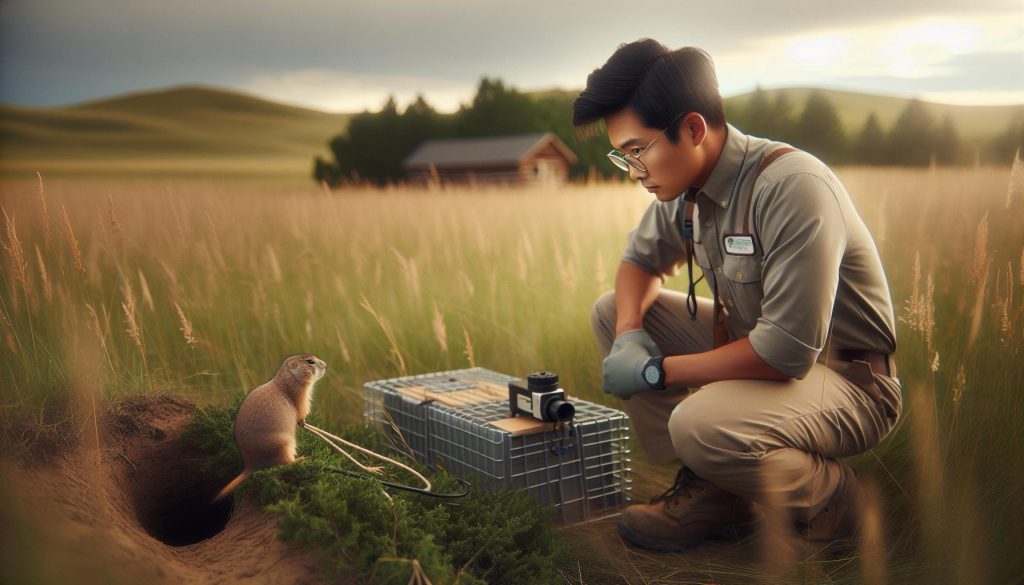
Another effective strategy is the use of live traps. These traps are designed to capture prairie dogs without injury, allowing you to relocate them to a more suitable environment. When using traps, it’s important to place them near burrow entrances or areas with high activity. Be sure to check the traps regularly to minimize stress on the animals and comply with local wildlife regulations concerning the relocation of captured wildlife. After capture, it’s critical to transport the prairie dogs to an area where they can thrive, away from residential zones.
Consider partnering with local wildlife organizations that can assist with relocation efforts. Many organizations promote conservation and humane treatment of wildlife, providing valuable resources and guidance. Additionally, educational outreach can foster a better understanding of prairie dogs, highlighting their ecological importance and ways to coexist harmoniously. Sharing information with neighbors can lead to community efforts that benefit both residents and prairie dogs, creating a supportive network for wildlife management.
Incorporating these humane methods not only aids in managing prairie dog populations but also respects their role in the ecosystem. Remember, these creatures contribute to the environment as grazers and as part of the food chain. By approaching removal with compassion, you create a solution that protects your property while also considering the welfare of local wildlife.
Using Traps for Effective Prairie Dog Control
Using humane traps to control prairie dog populations can be both efficient and respectful to wildlife. Understanding the right techniques enhances your chances of successful capture while ensuring the welfare of these fascinating creatures. Prairie dogs are social animals, often found in large colonies, which makes trapping an effective way to manage their numbers. When well-placed, traps can help relocate these meadow dwellers safely and humanely, minimizing stress for the animals.
Position your traps strategically, focusing on areas where prairie dog activity is evident. Look for signs such as fresh burrow entrances or the presence of feces, which indicate high traffic. When setting your traps, aim to place them within a couple of feet of burrow entrances. This location increases the likelihood of capturing prairie dogs as they come and go from their homes. Make sure to use traps that are specifically designed for prairie dogs, as these will be more effective and cause less harm than conventional traps.
To increase your success rate, bait the traps with enticing treats. Prairie dogs are known to enjoy a variety of foods, including fresh fruits and vegetables. Peanut butter spread on a piece of fruit can be particularly effective, as the sweet smell attracts them. Remember to check your traps frequently-at least twice a day-to avoid unnecessary stress on the captured animals. If you catch a prairie dog, transport it immediately to a pre-approved relocation site where it can thrive without conflict with humans.
Furthermore, collaborating with local wildlife organizations can offer additional guidance and resources for your trapping efforts. These groups can assist with proper relocation protocols and even provide insights into the ecological role prairie dogs play in their habitats. By using humane trapping methods, not only can you address your concerns about prairie dogs on your property, but you also contribute to the conservation of wildlife in your area. Respectful, educated management of these cute yet industrious creatures fosters a harmonious balance between human activities and the needs of local ecosystems.
When to Call a Professional for Removal
When it comes to managing prairie dogs, knowing when to call in the professionals can save you time, stress, and possibly even money. While many homeowners may be tempted to tackle a prairie dog problem on their own, there are specific situations where professional intervention is not just beneficial but necessary. Perhaps you’ve noticed the burrowing activity has expanded beyond your control, or maybe you’ve encountered local regulations regarding wildlife that you’re unsure about. This is just the tip of the iceberg in determining when expert assistance is a wise choice.
First and foremost, if you’re dealing with a large colony, an experienced professional can assess the scope of the issue with a keen eye for detail that a layperson might miss. Prairie dogs are social creatures, often living in complex networks of burrows. A professional will be able to identify the signs of extensive damage in your landscape and understand the ecological implications of their presence. They can also provide solutions that align with local wildlife laws, ensuring that any actions taken are both ethical and legally compliant.
Additionally, if you’re unsure about how to safely and humanely remove prairie dogs, hiring an expert is crucial. Professional wildlife control specialists have access to advanced techniques and tools that may not be available to the average homeowner. For example, certain traps and relocation methods may require specific permits or expertise to ensure that they are handled correctly, preventing harm to both the animals and the ecosystem.
Furthermore, if you find yourself feeling overwhelmed by the presence of prairie dogs or unsure about how to prevent their return, professionals can offer long-term solutions tailored to your property. This includes advice on habitat modification and the installation of physical barriers, which can deter prairie dogs from invading your space again. Not only do these experts possess practical knowledge, but their experience in dealing with prairie dog populations can offer a level of assurance that you are resolving the issue responsibly and effectively.
In summary, knowing when to call a professional for prairie dog removal hinges on the size of the infestation, your ability to manage the situation humanely, and your understanding of local wildlife regulations. Engaging specialists can lead to solutions that not only protect your property but also honor the ecological role of these unique animals in our environment.
Long-Term Solutions to Prevent Prairie Dog Return
To ensure that prairie dogs don’t reclaim your property after removal, it’s essential to implement some long-term preventive measures. These little critters not only create intricate underground networks but also have strong social structures that can make it challenging to keep them at bay once they’ve inhabited an area. One effective strategy involves modifying their environment to deter them from returning.
Start by evaluating and altering your landscape. Prairie dogs favor open, grassy areas where they can spot potential predators. Implementing strategies to reduce their appeal can be effective. This might include planting tall grasses or shrubs that obscure visibility, thereby making your yard less attractive. Adding physical barriers, such as fencing with buried bases, can also help. Make sure the fences are at least 3 feet tall and buried 12-18 inches into the ground to prevent digging under.
Another important tactic is habitat management. Consider using a combination of these methods:
- Regular maintenance: Keep your lawn mowed and free from tall grasses that prairie dogs love.
- Landscaping: Landscape with native plants that are less appealing to prairie dogs.
- Barriers: Install landscape fabric under ground cover plants to inhibit burrowing.
- Water management: Reduce sources of water, such as standing ponds or pet water bowls, as prairie dogs are attracted to moist areas.
Educating your neighbors also plays a vital role. Working together to control prairie dog populations in your area can be more effective than handling the problem alone. Encourage your neighbors to adopt similar strategies for their properties, creating a barrier around the community that prevents prairie dogs from moving in.
Lastly, consider conducting regular inspections of your property. Look for signs of prairie dog activity, such as fresh diggings or droppings. If you notice early signs of a re-infestation, it’s much easier to implement control measures before the situation escalates. By cultivating a proactive attitude toward prairie dog management and adopting these effective solutions, you can enjoy your outdoor space without the concern of a return.
Legal Considerations in Prairie Dog Removal
The intricacies of dealing with prairie dog populations extend beyond mere pest control; they involve navigating the often complex legal landscape governing wildlife management. In many areas, prairie dogs are protected under state laws due to their role in the ecosystem and their declining populations in certain regions. This means before you take any action, it’s crucial to familiarize yourself with local regulations. In some places, removal or relocation of prairie dogs might be strictly controlled, requiring permits or the involvement of licensed professionals.
In addition to state laws, federal protections may apply, particularly if prairie dog colonies are located within protected habitats or areas designated for conservation. These regulations are designed to ensure that wildlife populations are managed sustainably, balancing human interests with the needs of wildlife. For instance, in states like Colorado and Wyoming, landowners must often navigate a series of guidelines about when and how they can legally manage prairie dog populations. Ignoring these laws can lead to hefty fines or legal action, emphasizing the importance of understanding the legal framework applicable to your situation.
- Research Local Regulations: Start by checking with your local wildlife authority to understand the laws specific to your region.
- Obtain Necessary Permits: If required, secure any permits for removal or relocation of prairie dogs.
- Consider Professional Help: Hiring a wildlife control expert who understands legal requirements can prevent you from inadvertently breaking the law.
- Document Everything: Keep records of any actions taken, including communications with wildlife authorities, to protect yourself legally.
Understanding these legal aspects not only helps you stay compliant with regulations but also fosters a more respectful relationship with the ecosystems in which these burrowing mammals play a vital role. By treating prairie dog management with the seriousness it deserves, you contribute to the overall conservation efforts and ensure a harmonious coexistence with these fascinating creatures.
Educating Neighbors about Prairie Dog Coexistence
Understanding prairie dog behavior is crucial not only for effective removal strategies but also for fostering a harmonious relationship with these fascinating animals. Did you know that prairie dogs are highly social creatures that live in complex communities? They communicate with a sophisticated language of barks, chirps, and even different alarm calls, alerting each other to various threats! This social structure makes them an integral part of the grassland ecosystem, benefiting many other species.
When it comes to educating neighbors about coexisting with prairie dogs, focusing on the ecological benefits they provide can be a game changer. For instance, their burrowing activities aerate the soil, promoting healthy plant growth and improving water infiltration. Additionally, prairie dog colonies create habitats for other wildlife, such as hawks, snakes, and coyotes, showcasing their role as a keystone species. Sharing such insights can help neighbors see these animals not as nuisances but as valuable contributors to the local ecology.
Organizing community discussions or workshops can also foster understanding and cooperation. Here are a few key points to cover:
- Ecological Benefits: Explain how prairie dogs assist in soil health and support biodiversity.
- Community Engagement: Encourage neighborhoods to discuss management strategies that respect both human needs and wildlife conservation.
- Responsible Actions: Provide information on humane methods for handling prairie dog issues, emphasizing coexistence over removal.
- Legal Considerations: Educate about the protection laws that apply to prairie dogs in your area to promote responsible stewardship.
Providing resources on how to observe these charming creatures without disrupting their habitat can enhance appreciation while reducing conflict. For example, setting up viewing areas or using binoculars can allow interested residents to enjoy watching prairie dogs in their natural environment. Ultimately, fostering a sense of shared responsibility can lead to more thoughtful and sustainable relationships with prairie dogs and the broader ecosystem.
Alternative Habitats: Where to Relocate Prairie Dogs
Finding the right new home for prairie dogs is an essential part of managing their populations humanely. Relocating these social creatures requires careful consideration of their ecological needs and the potential impact on their new environment. Prairie dogs thrive in open grasslands, where they can create complex burrow systems that support their social structure and daily activities. To ensure a successful relocation, selecting a site that mimics their natural habitat is crucial.
Consider relocating prairie dogs to areas where they are already established, as this can help maintain the local ecosystem balance. Suitable relocation sites could include private ranches that allow this practice, wildlife reserves, or areas designated for prairie dog colonies. It’s important to ensure that these locations are free from human encroachment and have sufficient food sources, such as grasses and forbes. Here are some key factors to look for:
- Soil Type: Prairie dogs dig extensive burrow systems, so soft, sandy soils are ideal for them.
- Vegetation: A healthy mix of grasses and wildflowers can provide the food they need and promote biodiversity.
- Distance from Development: Choose areas that are far from urban or human-heavy developments to minimize future conflicts.
- Presence of Predators: Natural predators like hawks and coyotes are essential to keep the prairie dog population in check and contribute to a balanced ecosystem.
Before relocation, it’s also wise to consult local wildlife agencies or conservation groups. They can offer guidance on legal considerations, as some regions have specific regulations regarding the movement of wildlife. By carefully planning the relocation and choosing the right habitat, you can help ensure the prairie dogs thrive in their new environment, contributing positively to the local ecosystem while addressing the needs of local residents.
In essence, while it may seem straightforward to relocate prairie dogs, it’s a process that demands thoughtfulness and respect for both the animals and the ecosystems involved. Engaging with wildlife professionals not only aids in a smooth transition for the prairie dogs but also fosters a wider community understanding of these fascinating animals and their vital role in maintaining ecological balance.
Maintaining a Prairie Dog-Free Property
To maintain a property free of prairie dogs, understanding their behavior and habitat needs is crucial. Prairie dogs are social creatures that thrive in open grasslands, where they dig extensive burrows and create large colonies. They are drawn to areas with abundant vegetation and suitable soil for burrowing. Therefore, the first step in keeping your property free of these critters is to make it less appealing to them.
Start by creating barriers that discourage prairie dogs from moving into your area. Fencing is an effective option, especially if it’s installed deep into the ground (at least 12-24 inches) to prevent them from digging underneath. Additionally, consider landscaping with less appealing plant varieties. Prairie dogs love lush grasses, so incorporating drought-resistant, less palatable plants can help deter them.
Another effective strategy involves maintaining a tidy yard. Keep grass trimmed to a height of 4 inches or less, and remove any weeds or wildflowers that might provide food. Regular mowing and maintenance not only beautify your property but also reduce the availability of sustenance for prairie dogs.
It’s also beneficial to manage water sources. Prairie dogs require water to thrive, so minimizing standing water and using drought-tolerant landscaping can make your property less hospitable. If there are natural water features nearby, consider creating a buffer zone with plants that are less attractive to prairie dogs.
Lastly, be mindful of your neighbors. Encourage them to adopt similar maintenance practices and educate them about the importance of prairie dog control. A unified approach can significantly reduce the likelihood of these energetic burrowers setting up shop in your area. By proactively managing your landscape and working with the community, you can create a prairie dog-free environment while supporting a diverse and healthy ecosystem.
Creating a Wildlife-Friendly Lawn without Prairie Dogs
To create an inviting backyard oasis without prairie dogs, it’s essential to blend aesthetics with plant choices that deter these burrowing critters while still promoting a wildlife-friendly environment. Prairie dogs love lush, green spaces where they can burrow and graze, so your landscaping strategy should start with a focus on native plants that thrive in your area but aren’t appealing to them. Choosing drought-resistant or less palatable vegetation can keep your garden beautiful and discourage these rodents.
Plant Selections to Deter Prairie Dogs:
- Native Grasses: Replacing typical lawn grasses with native varieties can make your yard less enticing to prairie dogs. Species such as wild rye or blue grama are excellent choices, as they provide habitat for local wildlife without appealing overmuch to prairie dogs.
- Perennial Flowers: Incorporate drought-tolerant perennials that are less likely to attract these creatures. Think about planting species like lavender or yarrow.
- Ground Covers: Use ground cover plants that don’t provide a suitable food source. Options such as creeping thyme not only look attractive but are less palatable.
Alongside plant choices, maintaining a well-kept yard is crucial. Regular mowing to keep grass around 4 inches can minimize hiding spots and food sources. In addition, removing any weeds and managing landscaping debris can discourage prairie dogs from feeling welcome. This diligence in yard upkeep not only aids in keeping prairie dogs at bay but also promotes overall plant health and aesthetics.
Water management is another key element. Prairie dogs are drawn to areas with plentiful water sources, so employing landscaping techniques that reduce standing water-such as strategic plant placements that absorb moisture-can create a less inviting environment. Installing rain gardens with less appealing vegetation or creating dry drainage areas can effectively deter them.
Lastly, promoting a sense of community with your neighbors can be invaluable. Share your experiences and strategies for maintaining prairie dog-free zones. When multiple properties in a neighborhood work together to implement wildlife-friendly yet prairie dog-repelling practices, it not only enhances your own property’s appeal but contributes to local biodiversity as well. Through collective action, the effort to create a wildlife-friendly lawn that discourages prairie dogs becomes sustainable and supportive of other local wildlife.
Frequently asked questions
Q: What are the best methods to deter prairie dogs from my yard?
A: To effectively deter prairie dogs, use fencing that is buried at least 12 inches underground and at least 3 feet high. Planting repellant herbs, such as garlic or mint, can also help. Additionally, noise makers or motion-activated devices may discourage them from entering your property. For more comprehensive strategies, refer to the section on long-term solutions in the main article.
Q: Why is it important to consider humane methods for prairie dog removal?
A: Utilizing humane removal methods respects wildlife and promotes a healthy ecosystem. Ethical practices help prevent the needless suffering of prairie dogs and maintain biodiversity. Moreover, humane techniques often lead to effective long-term solutions, which are discussed in detail in the humane removal section of the article.
Q: When is the best time to remove prairie dogs?
A: The ideal time for prairie dog removal is during their active seasons, typically spring and early summer. Removing them when they are actively burrowing allows for more effective control. For detailed timing strategies, check the removal timing section in our guide.
Q: How can I identify if prairie dogs are causing damage to my property?
A: Signs of prairie dog damage include browning grass, burrow holes, and mound formations in your yard. They can also undermine structures like fences and sidewalks. Monitoring these signs can help you determine the need for removal; details are available in the identifying signs section.
Q: What are the legal considerations for prairie dog removal?
A: Laws regarding prairie dog removal vary by location. It’s important to check local wildlife regulations to ensure compliance. Some areas may protect prairie dogs due to their ecological role. Refer to the legal considerations section for guidance tailored to your area.
Q: Can I relocate prairie dogs on my own?
A: While relocating prairie dogs is possible, it often requires permits and may be regulated by local laws. Improper relocation can harm their survival chances. Consult the alternative habitats section for more information on legal and safe relocation practices.
Q: What impacts do prairie dogs have on local ecosystems?
A: Prairie dogs play a key role in their ecosystems by aerating the soil and providing habitats for other wildlife. Their burrowing activities support a diverse range of species. Understanding their ecological impact can be found in the ecosystem effects section of our article.
Q: How can I maintain a prairie dog-free property long-term?
A: To maintain a prairie dog-free environment, regularly monitor your yard for signs of herds, install physical barriers, and create less attractive habitats by removing food sources. Adaptive management strategies are discussed in our maintaining a prairie dog-free property section for more sustained control methods.
The Way Forward
Thank you for exploring our guide on how to effectively get rid of prairie dogs. Remember, understanding their behavior and habitat is vital for effective removal and ensuring you maintain a balanced ecosystem. If you have lingering concerns or want more hands-on advice, consider checking out our detailed articles on humane pest control methods and best practices for managing wildlife in your area.
Don’t miss out on our resources for maintaining a healthy yard or garden while protecting native wildlife-explore our related content for valuable insights! Ready to take action? Sign up for our newsletter for expert tips delivered straight to your inbox, and join the conversation in the comments below! Your success in managing prairie dogs starts today-let’s make it happen together!
Get our latest guides, news, and insights highlighted in your Google Search & AI Overviews.