Fostering exotic animals is a rewarding yet intricate journey that demands careful consideration and preparation. Did you know that many exotic species have unique needs that differ significantly from traditional pets? Whether you’re captivated by colorful parrots, playful sugar gliders, or intriguing reptiles, understanding their behavior and habitat is crucial to ensure their well-being. This guide will equip you with essential knowledge on care requirements, behavioral insights, and habitat considerations. By diving into this fascinating topic, you’ll not only support the welfare of these enchanting creatures but also enhance your own enjoyment and success as a foster caregiver. Let’s embark on this adventure together, exploring how to get started right in fostering exotic animals.
Understanding Exotic Animal Behavior and Needs
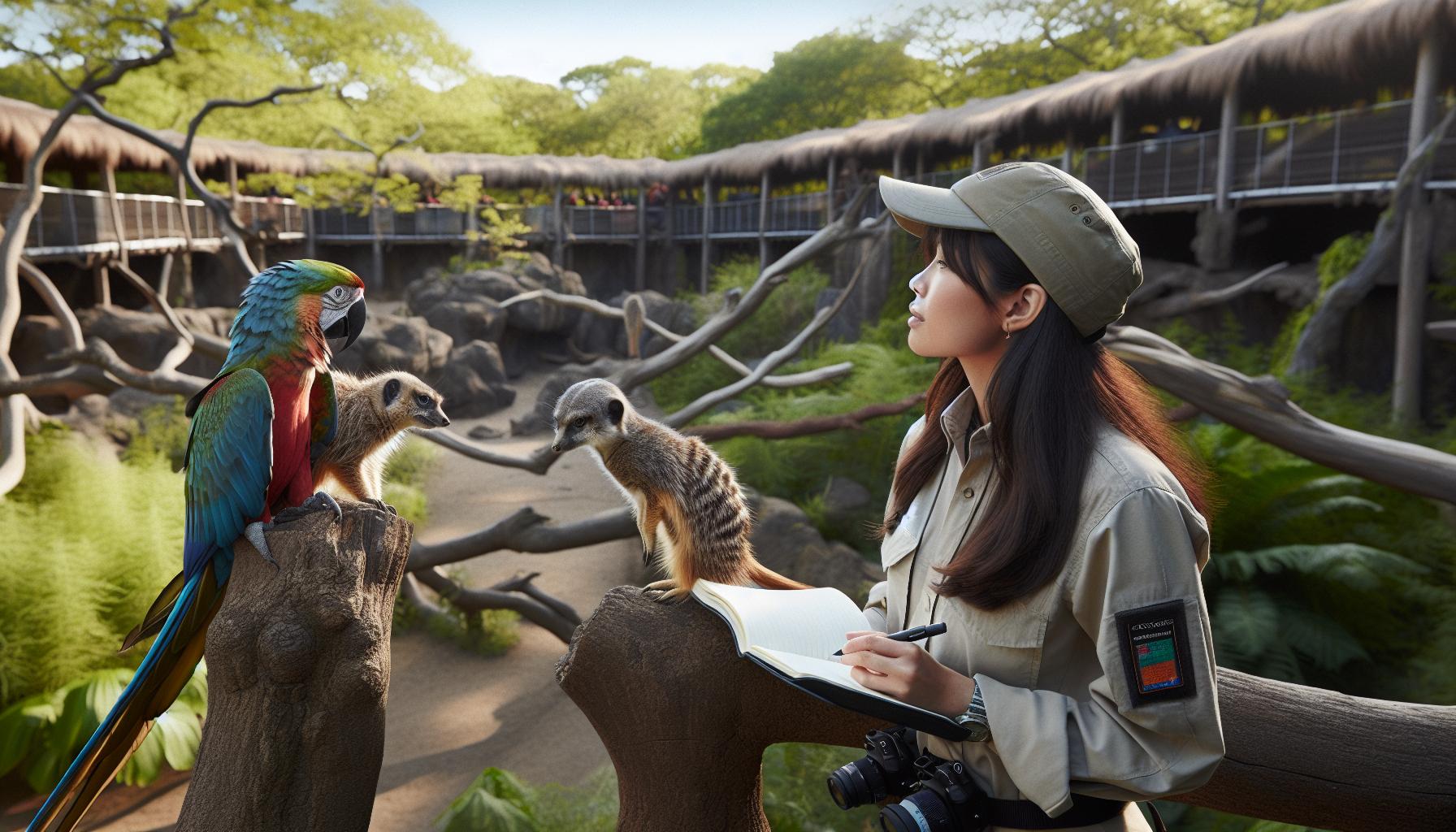
Understanding the behavior and needs of exotic animals is essential for anyone considering fostering these unique pets. Just like cats and dogs, exotic animals have their own specific ways of interacting with the world and their human caregivers. For instance, many reptiles are solitary creatures by nature and may not thrive on social interaction as mammals do. Knowing the natural behavior of your exotic pet helps you create a more accommodating environment.
Different species come with their own set of quirks and necessities. Parrots, for example, are highly social and require regular interaction to remain mentally stimulated and happy. These intelligent birds often enjoy toys that challenge their wits and need ample time outside their cage to explore and bond with their human companions. In contrast, a hedgehog is a more independent pet that may enjoy occasional interaction but generally prefers to snuggle into their habitat for most of the day.
When fostering exotic animals, consider employing positive reinforcement techniques to establish trust and communicate effectively. Techniques such as offering treats or engaging in play can foster a positive relationship between you and your pet. Additionally, an understanding of the individual needs and natural behaviors of various exotic pets can lead to a more enriching experience for both you and the animal.
It’s crucial to observe your pet’s reactions to different stimuli and adjust their environment accordingly. For example, if an animal shows signs of stress or discomfort (like pacing or hiding), it may not be suitable for their habitat. Regularly engaging in enrichment activities, such as providing climbing structures for tree-dwelling species or hiding food for foraging, not only keeps them active but also satisfies their instinctual behaviors. Remember, the better you understand your pet’s needs, the more successful your fostering experience will be!
Common Health Issues in Exotic Animals
Many exotic animals can exhibit incredible resilience and charm, but they are also prone to a variety of health issues which, if not recognized early, can lead to serious complications. Understanding these common health concerns is essential for anyone looking to foster exotic pets, as many ailments can be prevented or managed with proper care.
Nutritional Deficiencies
One of the most prevalent issues among exotic animals is poor nutrition. Many exotic pets require specialized diets, and imbalances can lead to deficiencies. For instance, birds need a varied diet that includes seeds, pellets, fruits, and vegetables. Without proper nutrients, they can develop conditions like feather-plucking or beak deformities. Reptiles, on the other hand, often need specific calcium-to-phosphorus ratios in their diets. A lack of calcium can cause metabolic bone disease, which is painful and debilitating.
Respiratory Infections
Another common concern, particularly in species like ferrets and birds, is respiratory infections. These animals are often sensitive to changes in their environment, including temperature fluctuations and air quality. Signs of respiratory distress can include coughing, wheezing, or difficulty breathing. Ensuring proper ventilation and maintaining a clean living space can help prevent these infections.
Parasites
Parasites can affect exotic animals just as they do traditional pets. Reptiles are particularly susceptible to intestinal parasites, which can become serious if left untreated. Regular veterinary check-ups and fecal tests are crucial to catch such issues early. Similarly, small mammals like hamsters can suffer from mites and other external parasites, impacting their skin and overall health.
Behavioral Issues and Stress
Finally, it’s important to recognize that health issues are not always physical. Many exotic animals may exhibit signs of stress or behavioral problems due to lack of social interaction or inadequate enrichment. For instance, if a parrot is not properly socialized or given enough mental stimulation, it might develop aggressive behaviors or engage in self-mutilation. Providing a stimulating environment, along with regular social interaction, can help mitigate these problems.
By staying informed about these common health issues and proactively addressing them through diet, environment, and interaction, you can set the stage for a healthy, fulfilling life for your exotic pet. Remember, regular visits to a veterinarian who specializes in exotic animals are invaluable for maintaining their health and well-being.
The Importance of Socialization and Enrichment

Providing your exotic pet with proper socialization and enrichment is crucial for their mental and physical well-being. Did you know that some exotic animals, like parrots, thrive on interaction and can even mimic human speech? This captivating behavior isn’t just entertaining; it highlights their need for social connection and mental stimulation. Without adequate social interaction, many exotic pets can develop behavioral issues, such as aggression or depression, which can lead to a challenging living environment for both you and your pet.
To create a stimulating atmosphere, consider incorporating a variety of enrichment activities in their routine. This can include interactive toys that challenge their problem-solving skills, such as puzzle feeders for birds that require them to figure out how to access food. For reptiles, providing climbing structures or hiding spots can encourage natural behaviors like exploration and basking, while also improving their overall health and happiness. Remember to rotate toys regularly to keep them from becoming bored.
- Engagement: Interact daily with your pet to foster trust and social skills. Simple actions like talking or playing can make a significant difference.
- Variety: Use different types of toys and activities to challenge your pet’s mind and prevent boredom.
- Social Time: For social species, consider allowing them time with other pets or supervised playdates with other friendly animals.
For instance, if you own a sugar glider, they are highly social creatures that thrive in pairs or groups. To enhance their quality of life, adopt more than one or allow playtime with similar species under supervision. Communication is also vital; sounds like chirps or barks signify they are seeking attention or interaction. By understanding their signals and responding appropriately, you reinforce their social needs, helping them flourish as active and engaged companions.
Investing time in socialization and enrichment not only strengthens your bond but also promotes a happier, healthier pet. Recognize the signs of stress and adjust their environment accordingly. Each animal is unique, so observe their preferences and tailor your approach to what makes them happiest. Always strive to foster an enriching, interactive environment that respects their natural instincts and behaviors.
Legal Considerations for Exotic Animal Ownership

Understanding the legal landscape surrounding exotic animal ownership is vital for any potential pet owner. Did you know that laws regulating exotic pets can vary dramatically from one location to another? In some areas, certain species may be banned outright, while in others, ownership requires specific permits or licenses. For instance, while many states allow pet owners to keep reptiles like snakes or lizards, species considered dangerous or potentially invasive could be illegal to possess.
Before bringing an exotic animal into your home, it’s crucial to research your local, state, and federal regulations. Check with your city or county government office, as well as any relevant wildlife agencies. You might need to apply for a permit, which usually involves demonstrating that you can provide adequate care and a suitable habitat for the animal. For example, some municipalities require inspections of living conditions to ensure compliance with health and safety standards for both the animal and the community.
Common Legal Requirements
Some standard legal considerations include:
- Species Restrictions: Certain species, particularly those considered dangerous or endangered, may be banned.
- Permits and Licenses: Many jurisdictions require specific permits. Check if there are application fees or renewal requirements.
- Reporting and Paperwork: Some laws mandate keeping records of ownership and sometimes reporting changes, such as sales or transfers.
- Animal Welfare Regulations: Familiarize yourself with the laws that dictate the proper care, feeding, and housing of exotic animals.
Consequences of Non-Compliance
Ignoring these legal requirements can lead to severe consequences, ranging from fines to the confiscation of your pet. In extreme cases, individuals may face criminal charges. For example, in some regions, having an unpermitted exotic animal can result in hefty fines and legal troubles that could include jail time. Therefore, proactive legal compliance not only protects your beloved pet but also contributes to responsible ownership.
Finally, always ensure that you are sourcing your exotic pets ethically. This means avoiding the illegal wildlife trade and considering adoption from reputable rescues or sanctuaries where available. Responsible ownership goes beyond the joy of having a unique pet; it also involves understanding and respecting the laws that protect both animals and ecosystems. By staying informed and compliant, you’re contributing positively to the world of exotic animal care.
Establishing a Routine: Care and Maintenance Tips
Establishing a daily routine for your exotic pet is not only beneficial for their well-being but also helps you become a more attentive and responsible owner. Just as in the wild, animals thrive on predictability, which reduces stress and fosters a healthy lifestyle. Whether you’re caring for a curious ferret, a striking chameleon, or a playful sugar glider, here are some essential maintenance tips to integrate into your daily life.
To start your day on the right foot, make it a habit to check on your pet as soon as you wake up. Observe their behavior to ensure they’re active and healthy. For example, reptiles often bask in heat during the day, so make sure their heating source is functioning correctly and the enclosure is within their ideal temperature range. Likewise, small mammals such as guinea pigs or rabbits need their bedding changed daily to maintain hygiene and ensure they don’t develop any health issues.
Feeding routines are crucial. Exotic pets often require specialized diets that differ significantly from conventional pets. For instance, while some reptiles need live food like crickets or mealworms, others thrive on fresh vegetables and fruit. It’s important to research each species’ dietary needs thoroughly. Schedule feeding times at consistent intervals, and take this opportunity to interact with your pet-this can enrich their lives and strengthen your bond.
Regular cleaning of your pet’s habitat shouldn’t be overlooked. Enclosures should be maintained frequently, as buildup of waste and soiled bedding can lead to health risks. Create a checklist to streamline this process, ensuring you clean food and water dishes and inspect any enrichment toys for wear and tear. Additionally, consider performing a deeper clean weekly, which might involve disinfecting the enclosure and replacing substrate, depending on your pet’s species requirements.
Lastly, incorporating enrichment activities into your routine can enhance your pet’s quality of life. This could involve rotational toys for small mammals or climbing structures for reptiles, which aid in mental stimulation. For instance, if you own a parrot, set aside time for training exercises that encourage foraging behavior, essential for their mental well-being. By integrating these routines into your daily life, not only will you foster a thriving environment for your exotic pet, but you’ll also become a more engaged and responsible owner.
Responsible Breeding vs. Adoption of Exotic Animals
When considering the addition of an exotic animal to your family, the decision between responsible breeding and adoption can significantly impact both the joy you experience and the welfare of the animals involved. Did you know that many exotic pets face dire circumstances in captivity due to irresponsible breeding practices? By choosing wisely, you not only enhance your own life with a vibrant companion but also contribute to the greater good of animal welfare and conservation efforts.
When it comes to responsible breeding, it’s imperative to seek out reputable breeders committed to ethical practices. This means they prioritize the health of their animals, conduct genetic testing to avoid hereditary issues, and ensure that their animals are properly socialized. For example, a quality breeder of sugar gliders will provide ample social interaction with the young animals, allowing them to develop into well-adjusted companions. Always ask about the animal’s lineage and health records to ensure you’re welcoming a pet that has been raised with care.
On the other hand, adoption offers a unique opportunity to give a loving home to an animal in need. Shelters and rescue organizations often have a variety of exotic pets looking for second chances. Why not consider adopting a rescued parrot, previously abandoned and now looking for a forever home? By adopting, you reduce the demand for breeding and help combat the overpopulation of pets in need. Plus, many adoption organizations ensure that their animals are healthy, up-to-date on vaccinations, and ready for a new home, bringing peace of mind to potential owners.
In making your choice, weigh the benefits of each option carefully. Responsible breeding can provide you with a well-documented, genetically sound pet, while adoption gives a home to an animal that might otherwise suffer from neglect or may never find a family. No matter the route you choose, ensure your decision aligns with your values regarding animal welfare and responsible ownership. By doing so, you’ll not only enjoy the companionship of a fantastic exotic pet but also support deeper conservation efforts in our shared world.
Understanding Conservation and Ethical Ownership
When welcoming an exotic animal into your home, it’s essential to embrace a mindset of conservation and ethical ownership. Did you know that the pet trade can significantly impact wild populations? For instance, many species sold as pets are taken from their natural habitats, putting pressure on ecosystems. By choosing to adopt or source your exotic pet responsibly, you can be part of the solution rather than contributing to the problem.
Education is a cornerstone of ethical ownership. This means understanding not only the specific needs of your chosen animal but also its status in the wild. Some species, like certain parrots and reptiles, are endangered or threatened. Supporting conservation efforts through responsible purchasing can make a difference. For example, when buying an exotic pet, check if the breeders you’re considering participate in breeding programs that focus on conservation and genetic health. Ethical breeders often contribute a portion of their profits to wildlife conservation organizations.
Promote Habitat Preservation
Your commitment to ethical ownership can extend beyond your living room. Actively participating in habitat preservation initiatives, whether through donations or volunteer work, enhances the survival of the species you adore. For example, supporting local conservation projects aimed at protecting rainforests can have a direct impact on the exotic animals living there. It’s not just about keeping a pet; it’s about ensuring that future generations of that species can thrive in the wild.
Caring for Your Exotic Companion
Lastly, consider how your care practices for exotic pets reflect broader conservation principles. Regular vet check-ups, providing a nutritious diet, and creating an enriching environment can prevent behavioral issues and enhance the quality of life for your pet. Animals like sugar gliders and hedgehogs, for instance, thrive in environments that mimic their natural habitats. Engaging with online communities of exotic pet owners can also be beneficial. Sharing knowledge and experiences helps foster a collective awareness about conservation and ethical ownership, making it easier for everyone to provide the best care possible.
In summary, embracing conservation and ethical ownership means being informed, making responsible choices, and fostering a lifestyle that respects both the pet in your home and the species in the wild. By doing so, you contribute to a brighter future for exotic animals everywhere.
Building a Community: Connecting with Other Exotic Pet Owners
Connecting with other exotic pet owners can transform your experience from solitary to social, creating a network of support and knowledge sharing that benefits both you and your pet. Imagine walking into a room full of fellow enthusiasts who share your passion for unique animals, from colorful chameleons to playful sugar gliders. The community you build can provide invaluable insights, emotional support, and friendships that make the journey of exotic pet ownership even more rewarding.
One of the best places to start is online forums and social media groups dedicated to exotic pets. These platforms allow you to ask questions, share experiences, and learn from the successes (and occasional missteps) of others. Whether it’s a Facebook group or a dedicated website, these communities can be incredibly welcoming. You might share your concerns about diet, habitat setup, or health issues and receive answers from seasoned owners who have been there before. Furthermore, participating in local meetups or workshops through organizations focused on exotic animal care can deepen your understanding and provide hands-on experience.
If you’re more of a hands-on learner, consider visiting local pet expos or exotic animal shows. These gatherings are rich with opportunities to meet breeders, trainers, and other pet owners. You’ll not only see a variety of exotic species up close but also engage in discussions about care practices, breeding ethics, and environmental conservation. Building friendships at these events can lead to lifelong connections and rich exchanges of tips related to pet care and enrichment.
As your network grows, consider formalizing your connections by joining or forming local clubs or organizations dedicated to exotic animals. Participating in collaborative projects or advocacy can amplify your impact on conservation efforts. For instance, organizing educational outreach events in your community could raise awareness about responsible pet ownership and wildlife conservation efforts. By joining forces with other enthusiasts, you can contribute to a positive change in how exotic animals are viewed and cared for.
Ultimately, connecting with fellow exotic pet owners enriches not only your life but also helps foster a culture of responsible ownership and conservation awareness. By sharing knowledge and experiences, you become part of a larger movement that advocates for better care standards and ethical practices in the exotic pet community. So reach out, share stories, and learn from one another-your exotic companions will thank you for it!
Frequently asked questions
Q: What are the best exotic animals for beginners to foster?
A: The best exotic animals for beginners include small reptiles like geckos and snakes, certain species of birds such as budgerigars, and small mammals like ferrets. These animals typically have fewer care demands and are easier to handle. Always research specific species to ensure they fit your lifestyle and capabilities.
Q: How can I prepare my home for fostering exotic animals?
A: Preparing your home for exotic animals involves creating safe, escape-proof enclosures. Ensure you’ve designed the habitat according to the animal’s needs, including temperature control, proper lighting, and hiding spots. It’s crucial to eliminate any toxic plants or hazards in your living space.
Q: What should I include in an exotic animal care routine?
A: An effective care routine for exotic animals should include regular feeding, habitat cleaning, and social interaction. Schedule time each day for monitoring their health, changing litter, and ensuring their environment is stimulating. Consistency in care helps to build trust and ensures a happy pet.
Q: What legal considerations should I be aware of before fostering exotic animals?
A: Before fostering exotic animals, check local laws and regulations. Some animals may have restrictions on ownership or require specific permits. It’s essential to be aware of these rules to ensure you’re fostering responsibly and legally.
Q: How do I accurately assess the health of an exotic animal?
A: To assess an exotic animal’s health, observe behaviors like eating, drinking, and activity levels. Look for signs of illness such as lethargy or abnormal droppings. Regular vet check-ups with a qualified exotic animal veterinarian are also vital for preventative care.
Q: What are the signs of stress in exotic animals?
A: Signs of stress in exotic animals can include aggression, excessive hiding, or changes in eating patterns. Monitor their behavior for any signs of discomfort, such as pacing or vocalizations, and make adjustments to their environment to help alleviate stress.
Q: Why is socialization important for exotic animals?
A: Socialization is essential for exotic animals as it helps them become comfortable and well-adjusted within their human environment. Regular interaction can prevent behavioral issues and promote a strong bond between you and your pet, enhancing both their quality of life and your experience.
Q: How can fostering exotic animals contribute to conservation efforts?
A: Fostering exotic animals can support conservation by raising awareness about species in need of protection and promoting responsible pet ownership. Educating others about ethical ownership and considering adoption over purchase can significantly contribute to wildlife conservation.
In Conclusion
As you embark on your journey into the world of fostering exotic animals, remember that preparation is key to success. Pay close attention to their behaviors, habitat, and specific care needs, and always be ready to adapt your approach. Your commitment to responsible ownership not only enriches your life but also contributes to the well-being of these remarkable creatures. Don’t hesitate! Dive deeper into related topics like our guides on essential exotic animal care or habitats, and consider signing up for our newsletter for ongoing tips and insights.
Join our lively community of exotic animal enthusiasts by leaving a comment below or sharing your own experiences! Your voice matters here, and your questions or stories could inspire others. For further exploration, check out our articles on animal enrichment or legal considerations in exotic pet ownership-knowledge is power! Thank you for being part of this important conversation about wildlife conservation and responsible pet care. Together, we can make a difference!
Get our latest guides, news, and insights highlighted in your Google Search & AI Overviews.