Have you ever considered bringing a bit of the wild into your home by owning a prairie dog? These charming little creatures, known for their playful behavior and social nature, can seem like the perfect pet. However, before you dive into the heartwarming world of prairie dog companionship in Georgia, it’s essential to navigate the state’s specific laws and regulations regarding pet ownership. Understanding these rules not only ensures you’re compliant but also highlights the importance of responsible wildlife stewardship. In this article, we’ll explore what it truly takes to own a prairie dog in Georgia, from legal requirements to care needs, helping you make an informed decision about introducing these fascinating animals into your life. So, if you’re curious about the joys and responsibilities of prairie dog ownership, keep reading!
Can You Legally Own a Prairie Dog in Georgia?
In Georgia, owning a prairie dog is a complex subject that intertwines legality and responsibility. Prairie dogs are classified under state laws concerning exotic pets, which vary significantly between jurisdictions. In many cases, they are not permitted as pets due to their classification as wildlife rather than domesticated animals. This stems from concerns over their health, habitat needs, and potential impact on local ecosystems.
Before considering a prairie dog as a pet, it’s essential to do thorough research on the specific laws in your county or city, as regulations can change. Typically, obtaining a special permit or license might be necessary, addressing both the animal’s welfare and local wildlife protection laws. It’s advisable to contact your local wildlife authority or check their website for the most current regulations.
Owning a prairie dog also brings with it a commitment to understanding their social behavior. These social animals thrive in colony settings, and keeping a single prairie dog can lead to loneliness and stress. If you find that prairie dogs are permissible in your area, it’s crucial to consider adopting at least two to meet their social needs. Ultimately, prospective owners should weigh the legal implications alongside the ethical considerations of keeping such an animal in a domestic setting.
Understanding Georgia’s Exotic Pet Laws
In Georgia, the laws governing exotic pets can be as intricate as a prairie dog’s underground burrow system. While these charming little creatures may seem like appealing pets due to their playful nature and social behavior, the legal landscape surrounding their ownership is quite complex. Prairie dogs are often classified as wildlife, which typically places them under stricter regulations than more common pets like dogs or cats.
The state does not have a blanket rule banning prairie dog ownership; however, the regulations can significantly vary by county or city. This means that prospective owners must do some detective work, checking local ordinances that pertain to exotic pets. Some areas may require permits for the ownership of prairie dogs, emphasizing the importance of ensuring compliance with local laws to avoid potential legal issues. It’s crucial to reach out to local wildlife authorities or consult their official websites to get the most accurate and up-to-date information regarding prairie dog ownership in your specific area.
Beyond the legal aspects, potential owners should also consider the ethical implications of keeping a prairie dog. These social animals thrive in colonies, which means that keeping just one could lead to loneliness and stress for the animal. If local laws permit ownership, it is advisable to adopt at least two prairie dogs to ensure they can socialize and lead fulfilling lives together. This not only enhances their well-being but also creates a more engaging environment for the owner. In short, while owning a prairie dog in Georgia is possible, it requires careful navigation of both legal and ethical landscapes to ensure a responsible and enriching experience for both the pet and its owner.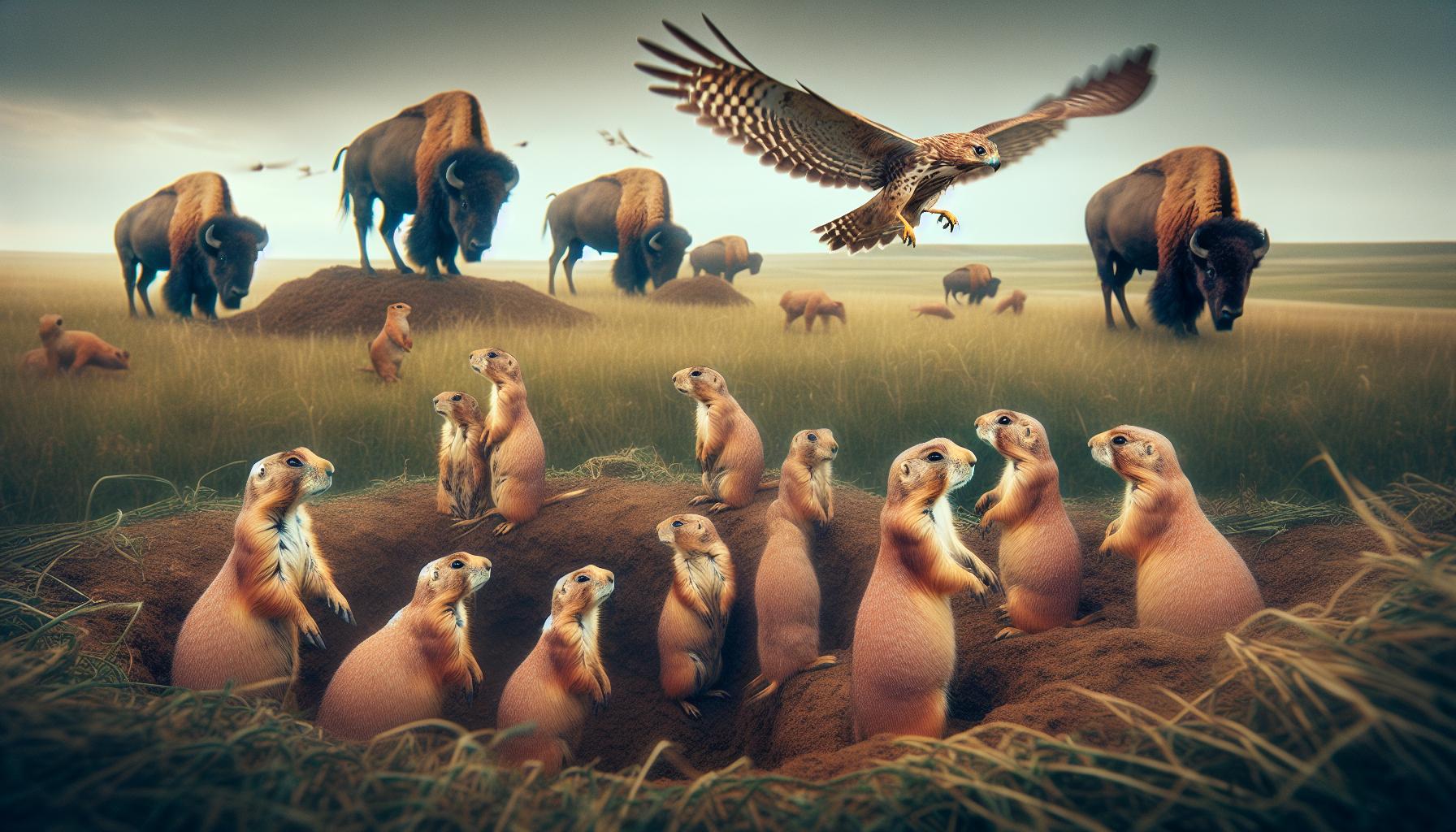
The Prairie Dog’s Place in the Ecosystem
In the vast ecosystems of North America’s grasslands, prairie dogs play a vital role that extends far beyond their charming looks and social behaviors. As a keystone species, they significantly influence the habitat and the health of the environments in which they live. For example, their extensive burrowing activities aerate the soil, promoting healthy plant growth and indirectly benefiting numerous other species.
Prairie dogs create complex underground colonies that serve as habitats not only for themselves but also for a range of other animals. These burrows provide shelter for species such as black-footed ferrets, burrowing owls, and various insects. This interconnectedness makes prairie dogs crucial to their ecosystem, supporting biodiversity and fostering a lively, dynamic environment. When they establish their colonies, they also contribute to the nutrient cycling process, enriching the soil with their waste, which benefits surrounding vegetation.
However, the implications of owning a prairie dog extend into ethical and ecological considerations. While they may seem like a fun and entertaining pet, understanding their role in the wild underscores the need for responsible ownership. Many people might not realize that keeping a prairie dog in isolation is detrimental to its well-being, as they are highly social animals that thrive in groups. Hence, if local laws allow for their ownership in Georgia, prospective owners should consider adopting more than one to mimic their natural social structure. By respecting their ecological role, potential pet owners can ensure that their prairie dogs lead happy, fulfilling lives, while also appreciating the larger picture of conservation and biodiversity.
Common Misconceptions About Prairie Dog Ownership
Despite their adorable appearance, prairie dogs are often surrounded by misconceptions that can mislead prospective owners about their needs and care. For instance, many believe prairie dogs can thrive well in solo environments. This is a dangerous myth! In reality, these social creatures live in complex communities known as towns, where they communicate with each other through a variety of vocalizations and behaviors. Isolating a prairie dog can lead to anxiety and depression, dramatically affecting its overall health. Thus, if you’re considering becoming a prairie dog owner, it’s crucial to adopt them in pairs or more to satisfy their social nature.
Another common assumption is that prairie dogs are low-maintenance pets. While they can be entertaining and relatively easy to care for in certain aspects, they require a specific diet, sufficient space for physical activity, and regular mental stimulation. Their diet should be composed of hay, fresh vegetables, and specially formulated pellets to ensure they receive the right nutrients. Additionally, prairie dogs need ample space to dig, burrow, and play, which many homes may not readily provide. Without adequate space and environmental enrichment, prairie dogs can exhibit destructive behaviors or develop health problems due to inactivity.
People often think they can easily train prairie dogs like dogs or other domestic pets. While prairie dogs are intelligent creatures capable of learning simple commands, their training is very different and usually revolves around their natural behaviors rather than conventional tricks. Understanding their instincts and natural inclinations is key. Providing a stimulating environment will be more beneficial than expecting them to execute trained behaviors like a dog.
Lastly, the idea that prairie dogs can be kept as a casual pet without special permits can be misleading, particularly in Georgia. State laws may require specific permits or licenses for ownership. It’s important to consider not only the legal ramifications but also the ethical responsibilities that come with caring for a wild species. By educating yourself about prairie dog ownership, you can provide a loving, enriching home that respects their unique needs and enhances their well-being.
Key Considerations for First-Time Owners
Owning a prairie dog can be an enriching experience, but it comes with responsibilities that every first-time owner should be aware of. These adorable, social creatures thrive in environments that mimic their natural habitats. For anyone considering welcoming a prairie dog into their home, starting with the right understanding of their behavior, habitat needs, and legal responsibilities is essential.
Understanding Legalities in Georgia
Before bringing a prairie dog home, it’s crucial to familiarize yourself with Georgia’s exotic pet laws. Certain regulations may require specific permits for ownership. Understanding these laws can save prospective owners from legal troubles and ensure their new pet is protected under local wildlife regulations. Considering your responsibilities before acquiring a prairie dog is as important as the joy they can bring.
Social Structure and Space
Prairie dogs belong to a thriving social structure that necessitates companionship. It’s advised to adopt at least two, as solo prairie dogs often suffer from loneliness and related health issues. They require ample space to roam, dig, and play-activities that keep them healthy and mentally stimulated. An ideal setup includes an expansive enclosure with plenty of room for tunnels, climbing structures, and a variety of enrichment activities to mimic their natural behaviors.
Diet and Nutrition
Their diet is another critical consideration. Prairie dogs are herbivores, which means their meals should consist primarily of grass hay, fresh vegetables, and a balanced commercial pellet designed for their species. A poor diet can lead to serious health problems, so ensuring a consistent and nutritionally rich plan is vital.
Long-Term Commitment
Finally, owning a prairie dog is a long-term commitment, as they can live for up to 8 years or more in captivity. This means being prepared not only for the initial costs of adoption but also for ongoing expenses related to their care, including veterinary visits, habitat maintenance, and dietary needs. It’s a journey of learning and engagement that requires patience and dedication.
Welcoming a prairie dog into your life can be incredibly rewarding, bringing unique personalities and playful antics into the household, provided you approach ownership with the right preparation and commitment.
Health and Care Needs of Prairie Dogs
Prairie dogs, with their vibrant social structures and infectious energy, can be delightful companions, but owning one requires a deep understanding of their specific health and care needs. These fascinating rodents are not just cute; they are complex creatures that thrive in environments that cater to their natural behaviors. By ensuring you meet their care requirements, you can provide a rich and fulfilling life for your prairie dog.
A balanced diet is fundamental to keeping your prairie dog healthy. Their herbivorous diet should mainly consist of high-fiber grass hay, which promotes good digestion and dental health. Fresh vegetables, such as bell peppers, carrots, and leafy greens, can be offered as treats but should not make up the bulk of their intake. Complementing their diet with commercial prairie dog pellets ensures they receive all necessary vitamins and minerals. It’s essential to avoid high-fat and sugary treats, as these can lead to obesity and other health issues.
Aside from dietary needs, regular veterinary care is crucial. Prairie dogs should be examined by a vet who specializes in exotic animals. Routine check-ups will help catch any potential health issues early, such as dental problems or respiratory diseases, which can be common in these animals. Additionally, be on the lookout for signs of stress or illness, such as changes in eating habits or lethargy, and seek veterinary assistance when needed.
Creating a stimulating environment is equally important. Prairie dogs are naturally diggers and explorers, so providing ample space for them to tunnel and burrow can help prevent boredom and promote physical activity. A large, secure enclosure with different levels, tunnels, and enrichment toys can mimic their natural habitat and keep them mentally engaged. Remember that these social creatures thrive in pairs or groups, so consider adopting at least two prairie dogs to ensure they enjoy social interaction, which is vital for their emotional health.
In summary, understanding and catering to the can lead to a rewarding experience for both the pet and the owner. By focusing on their dietary, medical, and environmental requirements, you can foster a happy, healthy prairie dog that enriches your life with joy and companionship.
Creating a Safe Habitat for Your Prairie Dog
Creating a secure environment for your prairie dog is crucial to their well-being and happiness. These lively creatures thrive in settings that allow them to express their natural behaviors, such as digging and social interaction. If you’re considering bringing one of these charming rodents into your home, understanding their habitat needs is the first step in providing a fulfilling life.
To start, you’ll need a spacious enclosure-think more than just a cage. Prairie dogs are active and require room to roam. A multi-level habitat encourages exploration and exercise. Aim for an enclosure that is at least 4 feet long by 2 feet wide and 2 feet tall. The walls should be sturdy since prairie dogs can be persistent diggers! Ensure the bottom is solid to prevent escape attempts. Inside, provide a variety of structures such as tunnels, ramps, and platforms where they can climb and hide.
Enrichment and Social Interaction
Just like children, prairie dogs get bored easily. To keep them engaged, incorporate enrichment toys, like chew items made of wood or natural materials. Rotate these toys regularly to maintain novelty. Additionally, prairie dogs are social animals that thrive on companionship. It’s highly recommended to adopt at least two prairie dogs to satisfy their need for social interaction, as they are happiest when they can engage with their own kind.
If you foresee challenges with space, consider a safe outdoor enclosure. A secure outdoor “playpen” can provide stimulation through grass and natural sunlight, but always supervise their time outside to protect them from predators and ensure they cannot escape.
Integrating features that mimic their natural habitat, like slight variability in substrate (such as shredded paper or sunflower husks), can also contribute to your prairie dog’s happiness. With the right environment, your prairie dog will not only feel at home but will also lead a healthier, more enriched life.
Socialization and Behavioral Traits of Prairie Dogs
Prairie dogs are not only adorable; they’re incredibly social and intelligent creatures that exhibit fascinating behaviors in their natural habitats. These small rodents communicate using a complex system of vocalizations, which researchers believe includes distinct sounds for different types of predators. In captivity, this vibrant social life needs to be mirrored to ensure they thrive, making their socialization just as essential as their diet or physical space.
Strongly community-oriented, prairie dogs often engage in playful activities, grooming, and social interactions that strengthen their bonds. When kept as pets, it’s highly advisable to adopt at least two prairie dogs. Alone, they can become lonely and stressed, leading to behavioral issues. By providing companionship, you’re not just ensuring their happiness-you’re also fostering their natural instincts to live in groups.
Furthermore, prairie dogs are curious animals that thrive on mental stimulation. Regular interaction with their human caregivers, coupled with toys and foraging opportunities, can keep them engaged and prevent boredom. Just as they would in the wild, observing and mimicking the behaviors of fellow prairie dogs can encourage your pets to engage in more natural activities, maintaining their physical and emotional well-being.
In conclusion, creating an environment that fosters social interaction and playfulness is vital. Consider their behavioral traits not just as quirks but as fundamental needs that mirror their life in the wild. By respecting their social nature, you provide them with a fulfilling life, ensuring that they remain the lively and inquisitive companions they are meant to be.
Alternatives to Prairie Dog Ownership
While the idea of having a prairie dog as a pet may sound appealing, it’s essential to consider the spectrum of alternatives that can provide similar companionship and engagement without the complex responsibilities that come with prairie dog ownership. For those enchanted by the notion of keeping a lively, social animal, there are several other options that can fit more easily within your lifestyle and the legal landscape in Georgia.
One fascinating alternative is the ferret. These small, playful mammals are known for their curious nature and social behavior. Similar to prairie dogs, ferrets thrive on interaction and play, making them excellent companions for families and individuals alike. Just like with prairie dogs, it’s beneficial to adopt ferrets in pairs, as they naturally bond and become playful companions to each other. Ferrets require ample space to explore and play, which can mirror the burrowing instincts of prairie dogs within a safe environment.
Another option to consider is the guinea pig. These sociable critters come with a reputation for being friendly and gentle, making them perfect for children and first-time pet owners. Guinea pigs, like prairie dogs, enjoy the company of their own kind, so having more than one can significantly enhance their well-being and happiness. They thrive in spacious cages with opportunities for climbing and hiding, allowing them to express their natural behavior in a domesticated setting.
For those who wish to engage with a more exotic option while remaining compliant with Georgia’s regulations, consider a miniature rabbit. These lovable creatures are affectionate and relatively easy to care for. They enjoy social interaction and can even be litter trained, making them a manageable yet rewarding choice for pet owners. Mini rabbits can flourish in an enriched environment that supports their playful and inquisitive nature, much like prairie dogs.
While prairie dogs are undeniably charming animals, they can present challenges in care, legal status, and habitat needs. Exploring alternatives like ferrets, guinea pigs, or miniature rabbits can satisfy your desire for a lively pet while ensuring a smoother, more responsible ownership experience. Each of these animals possesses unique traits and needs that, when met, can lead to joyful and fulfilling companionship without the complexities associated with exotic rodent ownership.
The Role of Prairie Dogs in Conservation Efforts
Prairie dogs are more than just adorable creatures that hop around the grasslands; they play a vital role in maintaining the health of their ecosystems. These social mammals contribute to biodiversity and act as keystone species, meaning their presence significantly influences the types of plants and animals that thrive in their habitats. By digging extensive burrow systems, prairie dogs aerate the soil, promote water infiltration, and create homes for many other species. As their colonies flourish, they also help maintain the balance of the grassland ecosystem, benefiting everything from insects to larger predators.
In conservation efforts, the protection of prairie dog populations is urgent due to their declining numbers. According to a study, grasslands in the Mountain West are crucial for their conservation, reaffirming that preserving these habitats is beneficial not only for prairie dogs but also for many other species that depend on this environment [1]. Conservation programs are increasingly recognizing the importance of integrating prairie dog management into broader land-use practices. By promoting coexistence with ranching, for example, conservationists are demonstrating that both prairie dog colonies and cattle can thrive together, enhancing soil health and biodiversity [3].
For individuals considering prairie dog ownership, understanding this ecological importance is essential. While they may seem like entertaining pets, it’s crucial to remember their significant role in our natural world. Moreover, the legal restrictions against ownership in many states, including Georgia, stem from concerns about conservation and ecological balance. Thus, supporting prairie dog conservation efforts could be a more rewarding way to appreciate these fascinating animals than attempting to keep one as a pet. Engaging with local conservation initiatives can offer insights into how you can contribute to the sustainability of prairie dog populations and their habitats.
Resources for Responsible Animal Ownership in Georgia
In Georgia, the ownership of prairie dogs is restricted due to state laws aimed at protecting local ecosystems and biodiversity. While the idea of having a prairie dog as a pet may sound appealing, potential owners must navigate various legal and ethical considerations. If you’re curious about responsible animal ownership and want to understand the broader context of these charming creatures, there are plenty of resources available.
To begin with, Georgia’s Department of Natural Resources (DNR) provides comprehensive information on the types of wildlife that can be legally owned, along with guidelines surrounding exotic pets. Before considering any exotic animal as a pet, it’s vital to check local statutes and regulations. The DNR’s website contains specific sections dedicated to exotic pet laws, frequently asked questions, and contact information for further inquiries. Knowing these laws not only helps prevent legal issues but also ensures that animals are kept in conditions that suit their welfare.
For those interested in wildlife rehabilitation or conservation efforts, organizations like the Georgia Wildlife Federation offer volunteer opportunities, educational workshops, and resources on how to support local wildlife, including prairie dogs. Engaging with these organizations connects you to a community of like-minded individuals who share a commitment to environmental stewardship.
Moreover, consider alternative ways to appreciate prairie dogs without owning one. Visiting wildlife reserves or engaging with local conservation programs can provide firsthand experiences of these intriguing animals in their natural habitats. These interactions not only foster a deeper understanding of their ecological role but also highlight the importance of preserving their populations and environments.
By seeking out credible resources and getting involved with wildlife conservation, you can enjoy the beauty and uniqueness of prairie dogs while contributing to their protection and the health of Georgia’s diverse ecosystems.
FAQ
Q: Are prairie dogs considered exotic pets in Georgia?
A: Yes, prairie dogs are classified as exotic pets in Georgia. This means they are subject to specific regulations and restrictions regarding ownership. Make sure to check Georgia’s laws on exotic pets to ensure compliance.
Q: What permits are needed to own a prairie dog in Georgia?
A: To own a prairie dog in Georgia, you may need an exotic animal permit. It’s important to contact the Georgia Department of Natural Resources to confirm the necessary permits and any related regulations.
Q: Can I adopt a prairie dog from a rescue in Georgia?
A: While adopting a prairie dog from a rescue organization is possible, ensure the organization is registered and complies with state laws. Check their policies regarding the adoption of exotic pets to proceed correctly.
Q: What are the health risks associated with owning prairie dogs?
A: Owning a prairie dog can pose health risks, such as exposure to zoonotic diseases like monkeypox or plague. Regular veterinary check-ups and vaccinations are essential for reducing these risks.
Q: How do I create a safe habitat for a prairie dog?
A: A safe habitat for a prairie dog includes a spacious enclosure with proper ventilation, secure flooring, and hiding places. Enrich the environment with tunnels and chew toys to mimic their natural habitat.
Q: What is the lifespan of a prairie dog in captivity?
A: Prairie dogs can live up to 8-12 years in captivity with proper care. Providing a balanced diet, regular veterinary attention, and a secure living environment can enhance their lifespan significantly.
Q: Are there any restrictions on breeding prairie dogs in Georgia?
A: Yes, breeding prairie dogs may have specific regulations under Georgia state law. Check with local wildlife authorities to understand any necessary permits or restrictions related to breeding exotic pets.
Q: Where can I find resources on caring for prairie dogs in Georgia?
A: Various online resources provide valuable information about caring for prairie dogs. Local exotic pet veterinary clinics and animal welfare organizations in Georgia can also offer guidance on responsible ownership and care practices.
In Conclusion
In conclusion, understanding the laws surrounding prairie dog ownership in Georgia is crucial for any potential pet owner. Remember, while they may be adorable and fascinating creatures, owning one comes with responsibilities and regulatory guidelines. If you’re serious about bringing a prairie dog into your life, make sure you’re fully equipped with knowledge about their care, habitat needs, and legal requirements.
We invite you to dive deeper into our resources about exotic pet care and state regulations by exploring our articles on exotic pet ownership laws and the unique needs of prairie dogs. Join our newsletter for updates and tips on responsible pet ownership, and don’t hesitate to share your thoughts or questions in the comments below! Your journey into responsible pet ownership can start today-take the next step by learning more about the joys and challenges that come with caring for these charming little mammals.
Get our latest guides, news, and insights highlighted in your Google Search & AI Overviews.