
Have you ever found yourself captivated by the playful antics of monkeys in the wild or at the zoo? They undeniably share a striking resemblance to humans, which makes the idea of bringing one into your home quite tempting. However, before you make any decisions, it’s essential to understand the legal requirements and costs associated with owning a monkey. Laws vary significantly from state to state, and many places impose strict regulations on exotic pet ownership. Additionally, the financial commitment includes not just the purchase price but also the ongoing care and habitat needs of these intelligent creatures. Whether you’re an animal lover fantasizing about a unique companion or a seasoned exotic pet owner, knowing what it truly takes to care for a monkey can ensure that your journey into primate ownership is both responsible and rewarding. Dive in to explore the fascinating world of monkey ownership and the important considerations that come with it!
Legal Landscape: Is Monkey Ownership Allowed?

The landscape of monkey ownership can be quite intricate, reflecting a mix of fascination and responsibility. In many regions, owning a monkey is legally permissible, but it often comes with a plethora of complex regulations that potential owners need to navigate. Different states and countries have varying laws that govern pet ownership, particularly for exotic animals like monkeys, which can be sensitive and demanding creatures. It’s essential to research the specific legal requirements in your area, as some places may require permits, health inspections, or may even prohibit ownership altogether.
In the United States, for example, laws differ significantly from state to state. Some states, like California and New York, have strict restrictions or outright bans on the ownership of certain primate species. Conversely, in states such as Florida and Texas, ownership might be relatively more relaxed, allowing residents to keep monkeys as pets, provided that they comply with licensing regulations. It is not just the state laws you need to consider; local ordinances may also impose additional requirements or restrictions.
Potential monkey owners should also understand that these laws are often reflective of broader concerns about animal welfare and public safety. Primates typically require specialized care, social interaction, and an environment that caters to their natural behaviors. Being informed about these requirements not only helps in complying with legal standards but also ensures that the pet is kept in a healthy and stimulating environment.
Moreover, ethical considerations play a significant role in whether one should pursue monkey ownership. While the allure of having such a unique pet is strong, potential owners must consider the responsibility that comes with it. Understanding the implications of such ownership-from providing adequate space and socialization to considering the animal’s long-term wellbeing-can lead to a more informed and compassionate choice. In essence, those interested in owning a monkey must weigh the legal landscape against the broader responsibilities of responsible pet ownership.
Types of Primates People Usually Buy
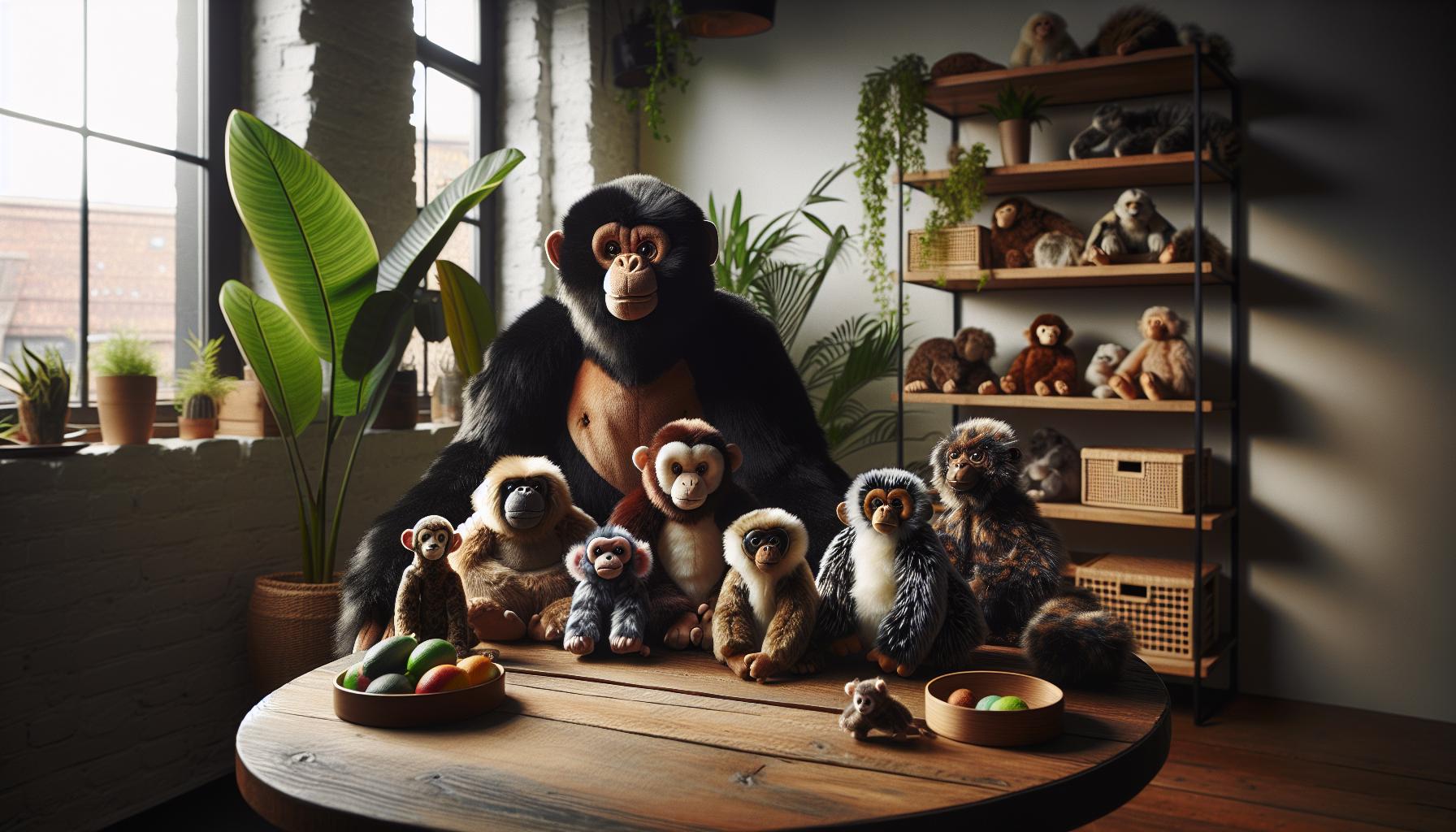
Many people are drawn to the idea of keeping a monkey as a pet, often enchanted by their intelligence and playful nature. However, it’s crucial to know that not all primates make suitable pets, and the type of monkey one might consider can greatly affect the ownership experience. Here, we explore some of the most commonly sought-after primate species for pet ownership, along with their characteristics and care requirements.
Common Pet Primates
When it comes to monkeys, there are a few species that frequently catch the eye of potential owners:
- Capuchin Monkeys: Known for their intelligence and trainability, capuchins are often the star of movies and television. These small monkeys are highly social and require plenty of interaction. They can develop strong bonds with their human caregivers but also require mental stimulation to keep them happy.
- Spider Monkeys: With their long limbs and agile bodies, spider monkeys are fascinating pets. They are very social and thrive in groups, making companionship essential. Owners should be prepared for their energetic playfulness and need for space to climb and explore.
- Squirrel Monkeys: These small, vibrant monkeys are known for their playful nature and lively personalities. They often form strong attachments to their owners, but they require substantial social interaction and engagement to prevent boredom and behavioral issues.
- Marmosets and Tamarins: These are among the smallest primates kept as pets. They are incredibly cute and can be very affectionate. However, they are highly social and should ideally be kept in pairs, as they can suffer from loneliness.
Choosing the Right Primate
Each of these primates has unique needs that potential owners must carefully consider. For example, while capuchins can be trained to perform tricks and interact closely with their human families, they can also exhibit demanding behaviors, leading to frustration if their needs aren’t met adequately. On the other hand, marmosets may need a quieter environment compared to their larger counterparts, yet they thrive on social interaction, making it vital to either pair them with another monkey or ensure significant human contact.
In addition to understanding the species’ behavior and social needs, prospective owners should evaluate their ability to provide the required habitat and care. Many primates need ample space, enriched environments, and social opportunities to thrive, which can translate to significant indoor and outdoor space needs.
Remember, owning a monkey is a long-term commitment that involves ongoing responsibilities and care. Carefully researching the specific requirements of each species and considering your lifestyle and living situation are essential steps before deciding to bring a primate into your home. Whether you’re captivated by the playful antics of a capuchin or the charming personality of a marmoset, the joy of monkey ownership comes with great responsibility and careful consideration.
Upfront Costs of Buying a Monkey
Owning a monkey can seem like a whimsical dream, but it comes with a hefty price tag that extends beyond the initial purchase. First and foremost, the upfront costs associated with acquiring a monkey can vary widely based on species, age, and the seller. For example, a capuchin monkey might cost between $5,000 to $10,000, while smaller species like marmosets can range from $1,500 to $3,000. It’s important to research reputable breeders to ensure you are buying a healthy animal from an ethical source.
Before bringing your new companion home, you’ll need to consider additional essential items to create a safe and stimulating environment. A proper cage can cost anywhere from $500 to over $2,000, depending on size and materials. You’ll also need to invest in toys, climbing structures, and enrichment items, which can easily add another $200 to $600 to your setup costs. Moreover, setting aside funds for any necessary permits or legal documentation is crucial, especially since regulations differ greatly by state.
If you’re considering the emotional investment, keep in mind that monkeys are social creatures that thrive on interaction. This often means they require companionship, which may lead you to purchase a second monkey, doubling your initial costs. Alongside attracting visitors with your new pet, ensuring they are well taken care of requires commitment – and that includes initial training costs or hiring a professional to help acclimate them to human living.
Before making the leap into ownership, it’s wise to evaluate whether the financial responsibilities align with your everyday budget. Factor in your long-term capability to care for an animal that will live for many years, as well as the potential costs of unforeseen health issues, which can lead to significant veterinary expenses. By contemplating these factors early on, you can ensure a fulfilling and responsible ownership experience.
Ongoing Expenses: Care and Maintenance
Owning a monkey is more than just a playful dream; it’s a long-term commitment that involves significant ongoing expenses for care and maintenance. Just like any pet, monkeys require a well-rounded diet, engaging activities, and a comfortable habitat, all of which can add up quickly. Understanding these costs is essential for potential owners who want to ensure they can provide the best homes for their primate companions.
First, let’s talk about diet. Monkeys need a balanced nutrition plan that can include fresh fruits, vegetables, nuts, and specially formulated pellets. The cost of feeding a monkey can range from $50 to $150 per month, depending on the species and size. Additionally, keep in mind that certain species have specific dietary needs, which may require specialized food not always readily available.
Regular veterinary care is another critical expense. Annual check-ups, vaccinations, and dental care can easily accumulate, costing anywhere from $200 to $500 a year. Monkeys are prone to various health issues, and unexpected medical emergencies can lead to even higher costs. Setting aside a health care budget is wise, as the average vet visit can range from $75 to $150, not including additional tests or treatments.
Socialization and stimulation are crucial for a monkey’s well-being. These intelligent animals need a variety of toys, enrichment activities, and even the space for exercising. This can involve costs for climbing structures, puzzle feeders, and other engaging items that can add up to $100 to $300 annually. Establishing a safe, stimulating environment is fundamental, as neglecting their mental health can lead to behavioral issues, which can be challenging to manage.
Finally, there are costs associated with permits and potential education. Some states require specific licenses or permits to own a monkey legally, which may come with fees. Additionally, many owners find themselves investing in training classes to help manage their monkeys’ behavior, further contributing to ongoing costs.
In sum, the commitment to owning a monkey extends far beyond the initial purchase price. When considering bringing a monkey into your home, it’s vital to factor in these ongoing expenses to ensure you can provide them with a healthy, happy life.
Health Care Needs for Pet Monkeys
Health care is one of the most critical aspects of owning a monkey, and it significantly impacts both their well-being and your wallet. Just like humans, monkeys can suffer from a range of health issues, making regular veterinary care indispensable. Unlike more common pets like dogs or cats, finding a vet who specializes in exotic animals can be challenging, often requiring owners to travel long distances. Establishing a relationship with a qualified veterinarian who understands primate needs is already half the battle.
Routine veterinary visits are essential for vaccinations and health check-ups. These appointments help detect any early signs of illness and ensure your monkey remains up to date on their immunizations. A typical vet visit can run between $75 to $150, but when you factor in annual check-ups and potential emergency visits, you could be looking at annual costs between $200 to $500. Additionally, unexpected health issues can arise, often leading to hefty bills that may escalate quickly depending on the treatments required.
Common Health Issues
Monkeys can experience a variety of health problems, similar to those seen in domesticated pets. For example:
- Dental Problems: Like many species, monkeys can suffer from periodontal disease, which may require dental cleanings or extractions.
- Skin Conditions: Conditions like eczema or infections may require special topical treatments or medications.
- Respiratory Issues: Monkeys are susceptible to respiratory infections, especially if they are kept in environments that aren’t properly ventilated.
Each of these conditions not only requires timely intervention but can also lead to ongoing treatment, driving up your health care costs.
Nutritional Needs and Specialized Care
Just as critical as general vet visits is maintaining a proper diet. Monkeys have complex dietary needs that vary by species. Improper nutrition can lead to obesity or malnutrition, increasing the likelihood of health complications. It’s important to work with your veterinarian to establish a diet that includes a variety of fresh fruits and vegetables, along with specially formulated monkey pellets.
Moreover, specialized vet care may be needed at times, particularly if your monkey shows signs of unusual behavior, which might indicate an underlying health issue. For example, sudden lethargy, changes in appetite, or unusual vocalizations shouldn’t be dismissed. Recognizing behavioral changes is crucial for addressing potential health problems before they escalate.
Being a responsible monkey owner involves a commitment to their health, requiring both time and financial resources. With the right care and attention, monkeys can live long, fulfilling lives, enriching our lives in return with their intelligence and social nature!
Socialization and Behavioral Challenges
Bringing a monkey into your home is an adventure filled with excitement and unique challenges, particularly when it comes to socialization and behavior. Did you know that monkeys are highly social creatures by nature, often living in troops in the wild? This trait is a critical factor to consider, as it vastly influences their needs and how well they adapt to life in captivity. If you don’t provide them with the social interaction they crave, you may find that they develop behavioral issues such as aggression, excessive vocalization, or destructive behaviors.
Monkeys thrive on interaction-both with humans and their own kind. Without proper socialization, a monkey can experience severe stress and anxiety, which may manifest in behavioral problems. It’s essential to expose your pet to varied environments, new experiences, and the presence of familiar individuals early on, as this helps lay the groundwork for a well-adjusted adult monkey. Engaging them with toys, games, and mindful play can foster a bond while also keeping their minds sharp.
Common Behavioral Challenges
Every monkey species presents its own set of behavioral quirks. For instance:
- Capuchins: Known for their intelligence, they can become bored easily and may require frequent mental stimulation to prevent them from developing negative behaviors.
- Squirrel Monkeys: These energetic creatures need plenty of playtime and interaction. If left alone for extended periods, they can become depressed or engage in destructive activities.
- Macaques: They tend to be more aggressive than other species, especially during puberty. Consistent training and socialization are key to managing such behaviors.
Owning a monkey also demands a significant time commitment; these pets require daily social interaction and mental engagement to flourish. Creating a structured routine that includes playtime and training exercises will reinforce positive behaviors and strengthen your bond.
Additionally, understanding their body language is crucial. For example, a monkey displaying signs of fear or anxiety, such as hiding or baring teeth, may need reassurance or more socialization. Regularly exposing your monkey to different settings can promote confidence and reduce anxiety.
By being proactive in addressing socialization and behavioral needs, you can provide a loving and supportive environment for your monkey, ensuring they lead a happy and healthy life. Monkeys can be wonderful companions, bringing joy and excitement, but the responsibility lies in your commitment to understanding and meeting their unique needs.
Space Requirements: Creating a Monkey-Friendly Home
Creating a comfortable and stimulating environment for a pet monkey is essential for their well-being. Monkeys are naturally active and inquisitive creatures that thrive in spacious and enriched settings reminiscent of their wild habitats. Providing enough room to explore, play, and socialize is crucial not only for their physical health but also for their mental stimulation. A lack of adequate space can lead to boredom, stress, and undesirable behaviors, making it imperative to design a monkey-friendly home with care and consideration.
The first factor to consider is space. Ideally, monkeys should have an area where they can move freely, engage in climbing, and explore their surroundings. A large indoor enclosure or a secure outdoor space is vital. A basic guideline is to provide at least 50 square feet for smaller monkeys such as squirrel monkeys, while larger species like macaques may need at least 100 square feet to roam. Vertical space is just as important; tall cages with various levels, branches, and platforms allow monkeys to climb and satisfy their natural instincts.
In addition to space, it’s essential to create a stimulating habitat that includes toys, climbing structures, and hiding spots for enrichment. Monkeys love to play and will benefit from items like ropes, swings, and puzzle toys that challenge their problem-solving abilities. Rotate toys regularly to keep their environment fresh and engaging. Adding platforms and perches at different heights can also help mimic a natural arboreal environment, providing both safety and opportunities for exercise.
Safety and security should remain a top priority; enclosures must be escape-proof and free of hazards such as sharp edges or toxic plants. It’s important to monitor the surroundings and ensure that every area is monkey-proofed, as they are naturally curious and can get into trouble if left unsupervised. Overall, designing a monkey-friendly home requires foresight and commitment, but the rewards of having a happy and healthy monkey companion are well worth the effort.
Legalities of Monkey Breeding and Sales
Navigating the landscape of monkey ownership involves understanding the legalities surrounding breeding and sales. Before even considering bringing a monkey into your home, it’s crucial to recognize that laws vary significantly across different regions. In many places, owning a monkey may not be allowed at all, or it might be regulated under specific licensing requirements. These regulations are often in place to protect both the animals and the public, ensuring that primates are cared for in a proper environment.
In the United States, for instance, the legality of keeping a monkey as a pet differs from state to state, and sometimes even city to city. Some states, like California and New York, have strict prohibitions on all primate species, while others might allow certain species with the proper permits. To complicate matters further, federal laws also play a role. The U.S. Fish and Wildlife Service regulates the sale of certain exotic animals through the Endangered Species Act. Always check local legislation alongside federal guidelines to ensure compliance before purchasing.
The breeding of monkeys also comes with a host of regulations. Many states require breeders to be licensed and adhere to specific health and safety standards to protect the animals’ welfare. Illegal breeding operations can often lead to overpopulation issues, which is a significant concern in the exotic pet trade. Ethical breeders prioritize the health of their animals and often raise them in environments that mimic their natural habitats, which is critical for their development.
When considering where to buy a monkey, it’s essential to select reputable sources. Not all pet stores or online vendors operate ethically. Look for breeders who are transparent about their breeding practices and are willing to provide references or visits to their facilities. Additionally, organizations dedicated to wildlife protection can provide guidance on ethical sourcing and can help identify potential rescues that may need a loving home.
In summary, understanding the legal landscape of monkey breeding and sales is vital for potential pet owners. It ensures not only compliance with the law but also promotes responsible ownership of these intelligent and social animals. Always do thorough research and consider the long-term implications and responsibilities before making the commitment to bring a monkey into your life.
Where to Buy a Monkey Legally
Finding a suitable and legal source for acquiring a monkey can feel like navigating a complex maze. For those captivated by the idea of having a monkey as a pet, the journey starts with understanding where and how to buy one ethically and legally. Many potential owners overlook the importance of sourcing practices, often leading to regrettable decisions. Therefore, knowing the right places to look is essential.
The most reliable avenue for acquiring a monkey is through licensed breeders. These professionals are regulated by local laws and adhere to specific guidelines concerning animal welfare. When searching for a breeder, look for those who are transparent about their practices and willing to provide details about the lineage, health history, and living conditions of their monkeys. A reputable breeder will also be ready to answer any questions you might have about care requirements and behavioral traits specific to the species they breed. For instance, primates like capuchins or macaques require dedicated socialization and activity to thrive, which a knowledgeable breeder can help demonstrate.
Another viable option is to consider rescue organizations or sanctuaries that specialize in primate rehabilitation. Many monkeys find themselves in need of a new home due to previous owners being unprepared for the commitment. These organizations not only focus on the welfare of the animals but often also monitor the legal implications of rehoming them, ensuring that potential owners meet the necessary requirements. Adopting from a rescue not only gives a monkey a second chance but also contributes to broader conservation efforts.
While exploring your options, it’s vital to familiarize yourself with local and state regulations regarding monkey ownership. Some regions may have restrictions on the species allowed as pets. Always verify that the organization or breeder complies with these laws to avoid legal troubles. Websites like the Humane Society or U.S. Fish and Wildlife Service can provide valuable resources and listings of trustworthy breeders and rescues.
In summary, look for licensed breeders, consider reputable rescues, and stay informed about legal regulations to ensure that your journey into monkey ownership is as fulfilling and responsible as possible. By prioritizing ethical sourcing, you contribute to the welfare of these extraordinary animals while enriching your own life with their unique presence.
Training Tips for First-Time Monkey Owners
Bringing a monkey into your home can be a delightful experience, but it’s essential to approach training with patience and understanding. Monkeys are intelligent and curious creatures, often making them highly trainable, yet they possess a strong need for social interaction and mental stimulation. One effective method is positive reinforcement, where you reward desired behaviors with treats or praise. This builds trust and encourages your monkey to repeat those behaviors. For example, if you’re training a capuchin monkey to respond to commands, like “come here,” offering a piece of fruit when they obey will reinforce that behavior over time.
Establishing a Routine
Monkeys thrive on routine, so establishing a consistent schedule can help with training. This should include feeding times, playtime, and training sessions. By incorporating training into your daily rhythm, your monkey will come to expect and eagerly anticipate these sessions. Aim for short, focused training periods of about 10 to 15 minutes to maintain their attention. Consider pairing these sessions with enjoyable activities, like playing with toys, to keep things engaging.
Socialization is Key
Socialization plays a crucial role in a monkey’s development and behavior. Introduce your monkey to different environments, people, and other animals gradually and positively. This helps them develop confidence and reduces anxiety. For example, allowing your monkey to explore a safe area outside while supervised can provide new stimuli and strengthen your bond. Always supervise interactions with children or pets, as monkeys can be unpredictable when they’re not familiar with their surroundings or companions.
Understanding Body Language
Being attuned to your monkey’s body language is vital for successful training. Monkeys can express discomfort or aggression through specific postures-understanding these cues will help you respond appropriately. If your monkey shows signs of stress, take a step back and allow them time to relax before continuing training. Remember, training isn’t just about commands; it’s about building a lifelong partnership based on trust and respect.
In summary, training a monkey requires a blend of patience, consistency, and socialization. By incorporating positive reinforcement, establishing a daily routine, and being mindful of their social needs and body language, you can create an enriching environment that enhances both your life and that of your monkey. With dedication and care, the rewards of having a trained monkey companion can be profound and immensely satisfying.
Ethical Considerations of Owning a Monkey
Owning a monkey can seem enticing, but it comes with a host of ethical considerations that potential owners must weigh carefully. Monkeys are incredibly complex beings with specific social, emotional, and environmental needs. In the wild, they live in large social groups, fostering relationships and engaging in social behaviors that are essential for their mental health. When kept as pets, many of these natural behaviors can be stifled, leading to stress, anxiety, and behavioral issues. The welfare of these highly intelligent animals should always be a priority for anyone considering ownership.
Understanding the long-term implications of monkey ownership is crucial. For instance, many species of monkeys can live 20 years or more in captivity. This commitment requires readiness for the animal’s entire life, which includes providing appropriate social interaction and mental stimulation. A solitary monkey may become bored or destructive without proper enrichment. Therefore, it’s essential to assess whether you can mimic their social structures through companionship from other monkeys or intensive daily interaction. The environmental and dietary needs are also significant; monkeys require a varied diet and ample space to climb and play, mimicking their natural habitat as closely as possible.
Moreover, ethical concerns extend beyond the individual animal’s welfare. There is a broader impact on wildlife populations and ecosystems when monkeys are kept as pets. The exotic pet trade can contribute to the decline of certain species in the wild, exacerbated by habitat loss and overharvesting. Supporting responsible breeding and conservation efforts is crucial. Some states and countries have prohibited or tightly regulated monkey ownership to protect both the animals and the environment. Researching local laws and conservation status can inform potential owners about their responsibilities and the implications of ownership.
When considering ownership, think about living arrangements. Is your home suitable for an active and curious creature? Creating a monkey-friendly home is not just about having space; it involves enriching their environment with appropriate toys, climbing structures, and safe exploration areas. Also, honest discussions with your family and understanding the community’s stance on exotic pets are vital. Ultimately, committing to ethical monkey ownership means prioritizing their well-being over personal desires, developing a strong understanding of their needs, and actively participating in conservation efforts.
Resources for Responsible Monkey Ownership
Owning a monkey can be a delightful yet challenging experience, full of rewarding interactions and moments of wonder. However, it’s essential that potential owners equip themselves with the right resources to ensure they can meet the intricate needs of these complex animals. Responsible monkey ownership demands more than just passion; it requires knowledge, commitment, and a dedication to their welfare.
For anyone considering welcoming a monkey into their home, several organizations and online resources can offer valuable guidance. The American Association of Zoo Keepers (AAZK) provides information on the ethical and welfare standards for primate care. Similarly, the International Primatological Society promotes research and conservation efforts, maintaining a wealth of knowledge about primate species that can inform responsible ownership. Local wildlife agencies and humane societies also serve as excellent starting points for understanding legal implications and care requirements specific to your area.
When it comes to practical care, investing in high-quality nutrition is essential. Monkeys have specific dietary needs that often extend beyond basic monkey chow. Books like The Primate Care Handbook can be particularly useful for owners, offering comprehensive guidance on proper diets, enrichment activities, and health care strategies. Additionally, connecting with a veterinarian experienced in exotic animals ensures that your monkey receives the best possible medical attention.
Creating a stimulating environment is another critical aspect of responsible ownership. Numerous resources, including The Monkey Jungle Book by Dr. Carole Noon, discuss enrichment techniques that can keep your monkey mentally and physically engaged. For example, setting up climbing structures, providing foraging activities, or even using puzzle feeders can significantly enhance their quality of life. Engaging with local primate enthusiasts through forums or social media groups can also provide community support, share experiences, and discover new ideas for enrichment.
By utilizing a combination of educational materials and community resources, prospective monkey owners can embark on their journey with confidence and responsibility. Remember, the goal is not just to own a monkey but to ensure a thriving, happy life for these extraordinary animals.
Frequently asked questions
Q: What are the legal requirements for owning a monkey in the United States?
A: The legal requirements for owning a monkey in the U.S. vary by state and locality. Many states require permits or licenses, while others prohibit ownership altogether. It’s crucial to check local laws and regulations before considering monkey ownership. Refer to the *Legal Landscape: Is Monkey Ownership Allowed?* section for more details.
Q: How much does it cost to maintain a pet monkey annually?
A: The annual cost of maintaining a pet monkey can range from $2,500 to $12,000, including food, supplies, veterinary care, and habitat setup. Always factor in unexpected medical expenses and enrichment activities. For more on ongoing expenses, see our *Ongoing Expenses: Care and Maintenance* section.
Q: What types of primates are considered acceptable pets?
A: Commonly kept primates include capuchins, marmosets, and tamarins. Each species has unique needs and behaviors that should be thoroughly researched before acquisition. Visit the *Types of Primates People Usually Buy* section for more insights on selecting a species.
Q: Can I legally breed monkeys for sale?
A: Breeding monkeys for sale is subject to strict regulations that vary by jurisdiction. Breeders often need special licenses and must adhere to animal welfare laws. Always consult legal guidelines in your area, detailed in *Legalities of Monkey Breeding and Sales*.
Q: What are the ethical considerations of buying a monkey?
A: Ethical considerations include the animal’s welfare, habitat requirements, and potential behavioral issues. Ensure you are prepared to meet these needs and consider adopting from rescues instead of purchasing. For a deeper understanding, refer to the *Ethical Considerations of Owning a Monkey* section.
Q: How does monkey ownership impact socialization?
A: Monkeys require significant social interaction to thrive. Without proper socialization, they can develop behavioral issues. It’s essential to provide companionship, either from other monkeys or through daily interaction with their owners. Learn more in the *Socialization and Behavioral Challenges* section.
Q: What should I consider before buying a monkey?
A: Before buying a monkey, consider their long lifespan, specialized care needs, and potential behavioral challenges. Research thoroughly to ensure you can provide a suitable environment. Check our *Resources for Responsible Monkey Ownership* for guidance.
Q: Where can I buy a monkey legally?
A: You can buy a monkey legally from licensed breeders or reputable sanctuaries that adhere to local laws. Always verify the legality and ethical standards of the seller. For more information, see the *Where to Buy a Monkey Legally* section.
To Conclude
Thanks for diving into “Can I Buy a Monkey? Legal Requirements and Costs”! Owning a monkey isn’t just a lifestyle choice; it demands understanding legalities and committing to proper care. If you’re still on the fence about exotic pet ownership, explore our guides on suitable pet alternatives or check out our resource page for legal advice.
Don’t forget, the right knowledge is crucial to responsible ownership. Curious about habitat needs or community support? Join our newsletter for tips straight to your inbox, or leave us a comment below-we love hearing your thoughts! Click through to learn about the fascinating world of exotic animals and discover your next adventure in responsible pet ownership. Remember, when you’re informed, you’re empowered!
Get our latest guides, news, and insights highlighted in your Google Search & AI Overviews.