
Did you know that in the UK, owning an exotic pet can be both thrilling and complex? With a rich biodiversity, the allure of keeping unique animals-from vibrant reptiles to fascinating mammals-captures the imagination of many. However, understanding which species are legal and what responsibilities come with their care is crucial for prospective owners. This guide will illuminate the laws surrounding exotic pets in the UK, helping you navigate ownership while ensuring the well-being of your potential companions. Whether you’re a seasoned exotic animal enthusiast or a curious newcomer, you’ll find insights that balance the thrill of exotic ownership with the necessity of informed, responsible practices. Let’s embark on this journey to discover which exotic animals can be yours legally-and ensure that both you and your pets thrive in harmony.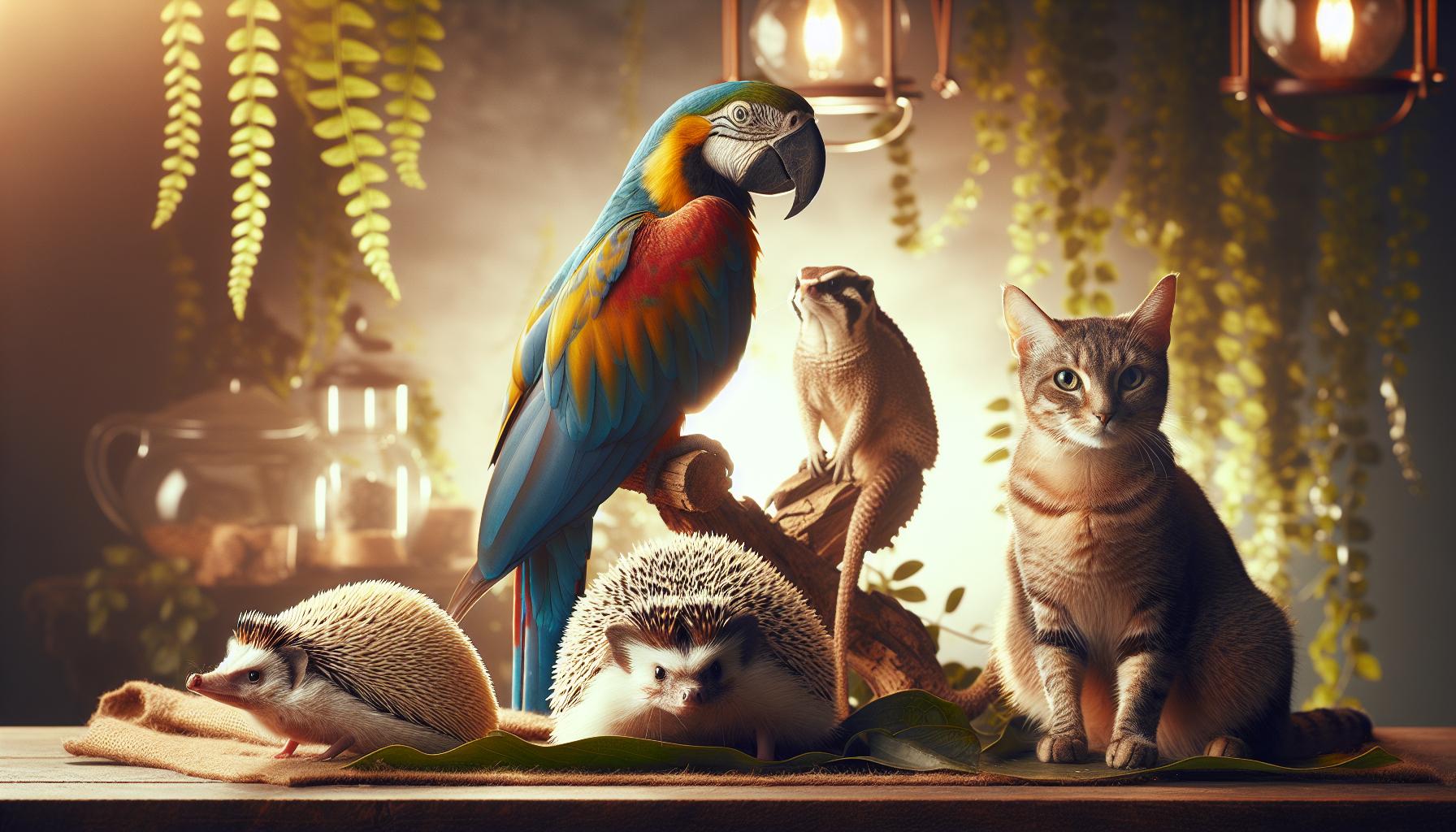
What Exotic Animals Are Legal in the UK?
In the UK, the world of exotic pets is both fascinating and heavily regulated, ensuring that owners can enjoy unique companions while prioritizing animal welfare and conservation efforts. A range of exotic animals can legally be kept as pets, including species like reptiles, parrots, and certain small mammals, provided that owners adhere to specific licensing and care requirements. Understanding what is permissible can be key in navigating the responsibilities that come with owning these extraordinary creatures.
Many reptiles are popular among exotic pet enthusiasts and are legal to own without a license, such as corn snakes, leopard geckos, and bearded dragons. However, larger species like iguanas and some types of tortoises may require a special license due to their specific needs and potential lifespan. Parrots, such as budgerigars and cockatiels, also make delightful pets but come with their own set of care requirements, including social interaction and environmental enrichment to thrive. Other small mammals like ferrets or sugar gliders can be kept legally, although certain breeds may have restrictions based on local regulations or animal welfare considerations.
When considering an exotic pet, it is crucial to research the species’ individual needs and ensure you can provide a suitable habitat, diet, and social environment. Many exotic animals have complex care requirements that differ significantly from traditional pets, which means potential owners should be well-informed and prepared for the commitment. Participating in local exotic pet clubs or forums can provide valuable insights from experienced owners, helping newcomers to understand the challenges and joys of sharing their lives with these unique animals.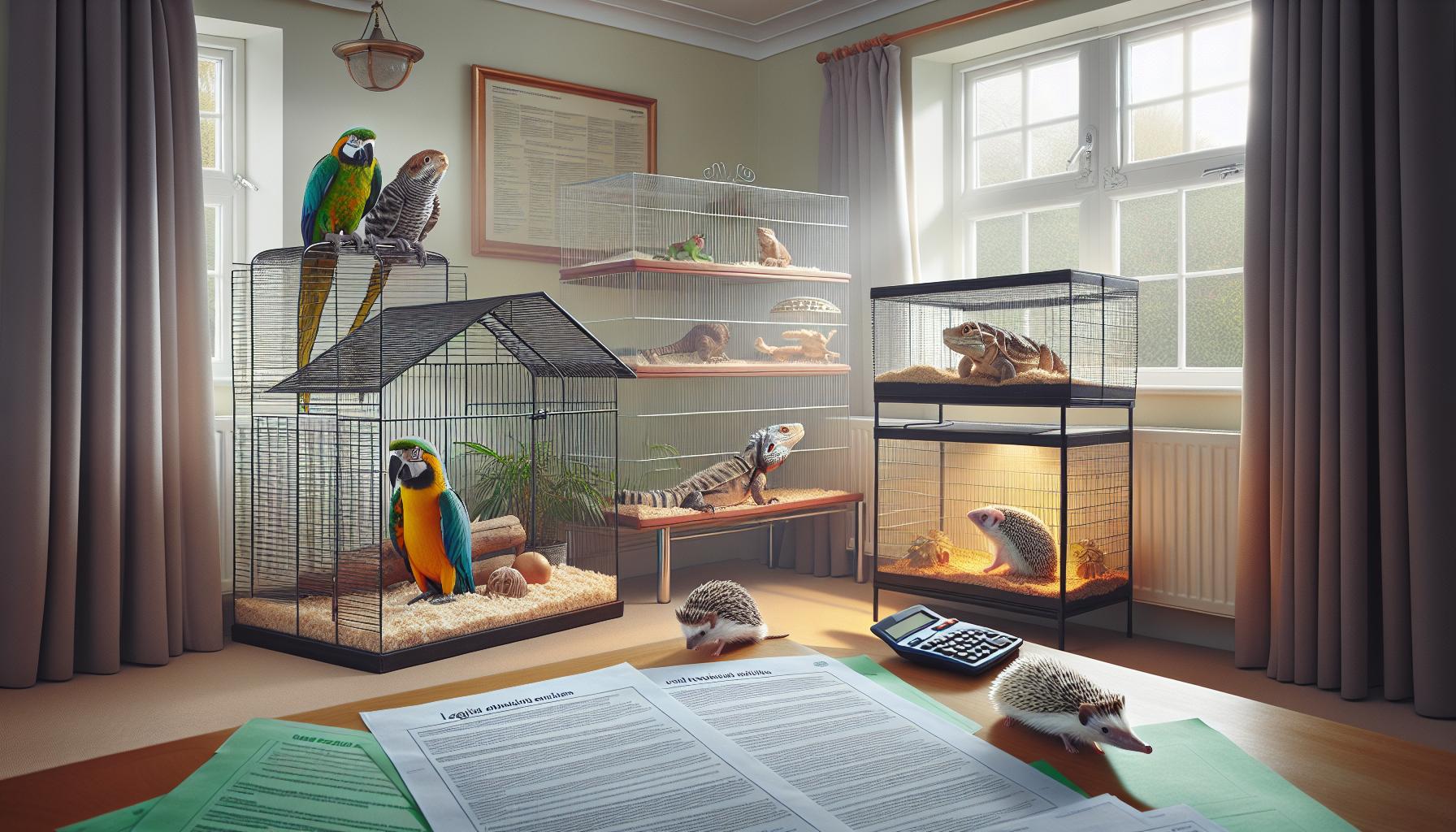
The Most Popular Exotic Pets in the UK
Exotic pets have gained immense popularity in the UK, charming animal lovers with their unique characteristics and fascinating behaviors. From colorful reptiles to playful mammals, many of these animals offer a delightful alternative to more traditional pets. Among the most sought-after exotic companions, you’ll find species like the ball python and the sugar glider, both of which are known for their engaging personalities and relatively straightforward care requirements.
Reptiles
In the UK, reptiles are particularly favored among exotic pet owners. Ball pythons are a top choice due to their docile nature and manageable size, making them ideal for both first-time owners and experienced herpetologists. With a variety of morphs available, these snakes offer a splash of color and intrigue to any home. Bearded dragons also remain popular, thanks to their friendly demeanor and interactive behaviors. They enjoy socializing with their owners, which can create a rewarding bond.
Birds
Birds, especially parrots, hold a special place in the hearts of many pet enthusiasts. Species such as budgerigars (commonly known as budgies) and cockatiels are loved for their vibrant colors and sociable nature. Budgies can be surprisingly chatty, bringing life to a household with their playful antics and ability to mimic sounds. Parrot owners must be aware, however, that these intelligent birds require ample mental stimulation and social interaction to thrive.
Mammals
When it comes to mammals, ferrets and sugar gliders are increasingly popular among exotic pet keepers. Ferrets are known for their playful and curious personalities, often entertaining their owners with their energetic antics. However, they require a secure environment to roam and play safely. On the other hand, sugar gliders, with their unique gliding ability and social nature, need companionship-ideally, they should be kept in pairs to flourish both mentally and emotionally.
Market Trends
As interest in exotic pets continues to grow, potential owners are encouraged to conduct thorough research on the specific needs and characteristics of each species. By understanding socialization, dietary requirements, and habitat needs, enthusiasts can ensure that they’re making informed decisions, ultimately leading to happy and healthy companions. Local exotic pet fairs and dedicated online forums can be excellent resources for finding trustworthy breeders and connecting with experienced owners who can share their wisdom.
Ultimately, owning an exotic pet is not just about the thrill of having a unique animal; it’s about embracing the responsibility that comes with caring for a living creature. By choosing the right pet and providing the necessary care, owners can enjoy a fulfilling and enriching bond with their exotic friends.
Understanding the Legal Requirements for Exotic Animal Ownership
Owning an exotic pet can be a thrilling experience, but it’s essential to navigate the legal landscape to ensure responsible ownership. In the UK, the regulations governing exotic animal ownership aim to protect both the animals and the public. Certain species are classified as controlled under the Dangerous Wild Animals Act 1976, requiring owners to obtain a license. This includes animals such as large cats, primates, and venomous snakes. To legally keep these species, you must prove that you can provide a suitable environment and meet their care needs.
For less dangerous animals, such as small reptiles and some mammals, the rules can be less stringent, although it’s crucial to still adhere to the Animal Welfare Act 2006. This law mandates that all pets must be provided with proper care, which includes adequate food, health checks, and an appropriate habitat. Owners of exotic pets also need to be aware that certain species may require specific permits or paperwork to ensure they are sourced legally, particularly if they are protected under international conservation laws, like the Convention on International Trade in Endangered Species (CITES).
Steps to Ensure Compliance
- Research Your Pet: Before purchasing an exotic animal, research the specific requirements for its care. Different species have vastly different needs, and understanding these is crucial for compliance and the animal’s wellbeing.
- Check Licensing Requirements: Consult local regulations about licenses needed for the species you are considering. This helps to avoid potential legal issues down the line.
- Obtain Necessary Documentation: If your exotic pet is a species protected by CITES or requires a license, make sure to acquire the proper documentation from reputable sources.
- Join Responsible Ownership Programs: Consider engaging with local or national animal welfare organizations. They can provide valuable resources and a support network, aiding in compliance with legal obligations.
Owning an exotic pet is a rewarding commitment that involves ensuring their well-being and adhering to regulations. By staying informed and responsible, you can enjoy the unique companionship that exotic animals offer while contributing positively to conservation efforts and animal welfare.
The Costs of Owning Exotic Animals
Caring for an exotic pet is not just a delightful adventure; it also comes with significant financial responsibilities. Many potential owners underestimate the costs involved, assuming that the initial purchase price reflects the total investment. However, the expenses accumulate in various areas, from feeding and housing to veterinary care and enrichment. For example, while a small reptile like a gecko might be relatively inexpensive to acquire, the specialized habitat it needs-including heating, lighting, and humidity control-can quickly increase your expenditure.
When considering long-term costs, it’s essential to factor in routine veterinary visits, which can be more frequent for exotic animals due to their unique health needs. Unlike common pets, exotic species often require veterinarians with specialized knowledge, leading to higher consultation fees. Vaccinations, check-ups, and emergency care are substantial parts of the budget. Additionally, if you adopt a species with specific dietary requirements-like certain reptiles that need live food or specialized supplements-grocery bills can add up surprisingly fast.
Budgeting for Common Exotic Pets
Here’s a quick breakdown of some common exotic pets and their associated costs:
| Animal | Initial Cost | Monthly Maintenance | Annual Vet Care |
|---|---|---|---|
| Ball Python | £50-£150 | £10-£20 | £50-£100 |
| Cockatoo | £400-£1,500 | £20-£50 | £100-£200 |
| Chinchilla | £50-£150 | £15-£30 | £50-£120 |
Additional Financial Considerations
Beyond these regular expenses, it’s wise to budget for unexpected costs-such as emergency vet bills or repairs to habitats that might be damaged over time. Moreover, securing the proper permits and licenses mandated by UK laws can incur additional fees. Always ensure you’re prepared for these potential financial surprises before deciding to welcome an exotic pet into your home.
In summary, while the allure of owning an exotic animal can be captivating, it’s crucial to approach the commitment with a thorough understanding of the financial landscape. Being well-prepared ensures not only the well-being of your pet but also your own peace of mind. After all, responsible ownership means being able to provide for your pet’s health and happiness long term.
Comparing Exotic Pets: Temperament and Behavior
Understanding the temperament and behavior of exotic pets is crucial for potential owners in the UK, as it guides them in choosing a pet that aligns with their lifestyle and expectations. Each species possesses unique traits that can significantly affect their care requirements and your home environment. For instance, while some exotic animals are social and thrive on interaction, others prefer solitude and minimal handling.
Social and Interactive Pets
Certain exotic pets like cockatoos and ferrets are known for their playful and affectionate nature. Cockatoos are highly social birds that enjoy being part of family activities and need ample attention to prevent boredom and behavioral issues. These birds can develop strong bonds with their owners, often seeking affection and interaction, which can be both rewarding and demanding.
In contrast, chinchillas exhibit more reserved behavior. They are generally friendly but less likely to seek active engagement with their owners. They require a calm environment where they can feel secure, and they thrive when given space to explore and play independently. This difference in social needs is vital for owners to consider, especially when assessing the amount of time they can commit to daily interactions.
Active and Energetic Pets
When it comes to energy levels, ball pythons and geckos illustrate the range of needs. Ball pythons are typically low-maintenance, requiring minimal handling and being content with a relatively static habitat. They exhibit a calm demeanor and often are content to curl up in their enclosure rather than explore extensively. This makes them ideal for owners with a more laid-back lifestyle.
On the other hand, species like bearded dragons and certain types of lizards are known for their curious and energetic behavior, requiring more complex habitats and interactive play. Bearded dragons enjoy basking and exploring their surroundings; thus, owners should provide both a stimulating environment and social interaction to help them thrive.
Understanding Unique Needs
It’s essential to recognize that exotic pets come with a range of behavioral challenges and quirks that require specialized care. For instance, rabbits can be very territorial, necessitating socialization and ample space to prevent aggression. On the flip side, they can be affectionate companions that enjoy cuddling and gentle handling, making them a great choice for families with children who understand gentle interaction.
Ultimately, choosing an exotic pet should align with your lifestyle, level of commitment, and understanding of their needs. By deeply considering the temperament and behavior of these unique animals, you set the stage for a fulfilling relationship that benefits both you and your pet.
Exotic Animal Welfare: Responsibilities of Owners
To truly thrive, exotic animals require thoughtful care and dedicated attention from their owners. Many first-time exotic pet owners might be surprised by the commitment involved, as these animals have specific needs that can differ significantly from traditional pets. Understanding their welfare responsibilities is not just a matter of legality; it’s about ensuring a happy and healthy environment for your unique companion.
One key aspect of responsible ownership is providing an appropriate habitat. Each species has distinct requirements based on their natural habitat, such as temperature, humidity, and space needs. For example, reptiles like bearded dragons need a heat source and a UV light, while tropical birds such as cockatoos thrive in spacious aviaries with plenty of stimulation and interaction. Owners must invest time in researching the ideal living conditions that mimic the animal’s natural environment to keep them mentally and physically healthy.
Nutrition is another vital area to consider. Many exotic pets have specialized dietary needs that can be surprisingly intricate. For instance, hedgehogs require a balanced diet of high-protein cat food, insects, and vegetables, while some reptiles might need a mix of live prey and leafy greens. Understanding what your exotic pet eats will help prevent health issues, ensuring they receive the right nutrients for a long and healthy life.
Additionally, education and awareness about the psychological needs of exotic pets are essential. Many species can suffer from loneliness or boredom, which can lead to behavioral issues and stress. Engaging them with toys, perches, or enrichment activities tailored to their instincts-like climbing structures for snakes or foraging toys for birds-can promote a fulfilling life. Observing their behavior and being responsive to their needs is part of nurturing a bond built on trust and companionship.
Finally, potential owners should also be aware of the legal responsibilities that come with owning exotic pets in the UK. Certain species require special licenses, and owners should familiarize themselves with local regulations to ensure compliance. By taking these responsibilities seriously, you contribute not only to your pet’s well-being but also to the broader conversation about responsible exotic pet ownership. Each decision you make has a direct impact on their health, happiness, and the conservation of the species as a whole.
Common Misconceptions About Exotic Pets
Many are intrigued by the allure of exotic pets, often driven by fascination with their unique characteristics and behaviors. However, a web of misconceptions surrounds exotic animal ownership, leading to misunderstandings that can affect both potential owners and the animals themselves. One prevalent myth is that exotic pets are low-maintenance. It’s essential to recognize that these animals often require specific habitats, diets, and social interactions tailored to their unique needs. For instance, many reptiles, like chameleons, demand precise temperature and humidity levels to thrive, while parrots are exceptionally social creatures that need regular interaction and mental stimulation to prevent boredom and behavioral issues.
Another common misconception is that all exotic animals can easily adjust to domestic life. While it’s true that some species adapt well, many do not. For instance, primates may seem like cute companions, but they can become quite aggressive or stressed in a household setting, leading to potential safety concerns and welfare issues. Furthermore, owning an exotic pet can inadvertently support the illegal wildlife trade if sourced improperly. It’s crucial for prospective owners to ensure their exotic pets are acquired legally and ethically, ideally from reputable breeders or rescues that prioritize animal welfare.
Legal ownership also tends to breed confusion. Many individuals assume that just because an animal is marketed as “exotic,” it can be owned without restrictions. In the UK, certain species are regulated under the Animal Welfare Act and the Dangerous Wild Animals Act, which require specific licenses or permissions to keep. This can include animals like certain snakes or large cats, where proper care and habitat requirements must be legally met. Owners must thoroughly research local laws to avoid unintentional violations that could lead to hefty fines or loss of the animal.
Ultimately, educating oneself about exotic animals-understanding their behavioral tendencies, care requirements, and legal implications-can transform the relationship between humans and their exotic companions into one that is fulfilling and respectful. It fosters a responsible ownership culture that not only benefits individual pets but also contributes positively to wildlife conservation efforts. For those considering bringing an exotic pet into their home, the journey should begin with a commitment to learning, respect for the animal’s natural history, and an acknowledgment of the responsibilities that come with such unique beings.
Emerging Trends in Exotic Pet Ownership
As the fascination with exotic pets continues to capture the imaginations of many enthusiasts, emerging trends in ownership reflect evolving attitudes toward responsible pet care and conservation. One notable shift is the increasing variety of species that individuals are considering as companions. While traditional pets like cats and dogs remain popular, there’s a growing interest in reptiles, amphibians, and even rare bird species among those who seek a different kind of animal bond. Enthusiasts are now more inclined to research not only the aesthetic appeal of these animals but also their unique care needs and long-term commitments.
Among the most rapidly changing aspects of exotic pet ownership is the rise of awareness around ethical sourcing and welfare standards. Many potential owners are now prioritizing adoption over purchase, seeking to rescue animals from shelters or specialized rescue organizations. This trend helps combat the issues associated with the illegal wildlife trade and ensures that the individuals who bring home exotic pets do so from responsible backgrounds. For instance, adopting reptiles or birds from sanctuaries not only provides a home for those animals but also sends a strong message about compassion and awareness in animal ownership.
Another trend influencing the landscape of exotic pet ownership is the technological advancements in animal care. Pet owners are increasingly utilizing smart technology to monitor their pets’ environments, particularly for species requiring specific habitats. From temperature-regulating heating pads for reptiles to automated feeders for exotic birds, these innovations help ensure that exotic pets receive the care they need, even in busy households. Owners can now track humidity levels, light exposure, and feeding times from their smartphones, allowing for better compliance with the often intricate needs of these unique animals.
Furthermore, community and educational resources are flourishing, reflecting a shift towards shared knowledge and collective responsibility among exotic pet owners. Online forums, social media groups, and local clubs are not just sharing pictures of their pets but are also engaged in discussions about proper care techniques, habitat setups, and legal obligations. This sense of community fosters a supportive environment where both newcomers and experienced owners can learn and grow, encouraging best practices and protecting animal welfare.
These trends not only contribute to the well-being of the pets themselves but also bolster conservation awareness. As more people understand the complexities of exotic pet ownership, they are also more likely to support broader conservation efforts, recognizing their role in protecting natural habitats and promoting sustainable practices. This holistic approach is paving the way for a new era of pet ownership that cherishes unique animal companions while advocating for their welfare and the health of the planet.
Where to Find Exotic Pets Legally
In the vibrant world of exotic pet ownership, legality and ethical sourcing have become paramount for responsible enthusiasts. If you’re on the quest to find a legal exotic pet in the UK, knowing where to look is crucial. Reputable sources not only ensure compliance with the law but also promote the welfare of the animals involved. Many enthusiasts turn to licensed breeders who are registered and adhere to strict standards of care and breeding practices. This not only helps you avoid the pitfalls of illegal trading but also guarantees that the animals are healthy and well-socialized.
Local pet shops can also be a good starting point, but be sure to research the shop’s practices. Look for shops that specialize in exotic species and that provide detailed information about the care requirements of their animals. Additionally, reputable online platforms specializing in exotic animals can be helpful, but always verify their legitimacy and breeding backgrounds before making any commitments.
Another option gaining momentum is adoption. Many animal shelters and rescue organizations now cater specifically to exotic pets, offering various species that are in need of a loving home. These rescues help combat the illegal wildlife trade and allow pet owners to provide second chances to animals that might otherwise face dire circumstances. Organizations often have comprehensive adoption processes that ensure potential owners are well-informed about the specific needs of the animal they wish to welcome into their home.
Furthermore, attending exotic animal shows or expos can provide opportunities to connect with breeders and other enthusiasts directly. These events often feature numerous species and offer valuable information sessions that encompass care, legalities, and the responsibilities of ownership. Engaging with the community fosters a deeper understanding and appreciation of the commitment involved in owning an exotic pet, paving the way for a joyful and responsible ownership experience.
Resources for Exotic Pet Enthusiasts and Owners
In the exciting realm of exotic pet ownership, eager enthusiasts often seek reliable resources to navigate this unique journey. Finding the perfect companion can be thrilling, but it’s crucial to empower yourself with knowledge about their care and legal requirements. Online communities and dedicated websites can serve as excellent starting points. Joining forums such as The Exotic Pet Society or the UK Exotic Animal Club not only connects you to like-minded individuals but also offers a wealth of shared experiences and advice tailored to specific species.
Local veterinarians specializing in exotic animals are invaluable for both new and seasoned owners. These professionals can provide insights into health care, dietary needs, and behavioral concerns. Workshops and seminars hosted by animal welfare organizations offer opportunities to learn directly from experts about best practices in caring for various exotic pets. Additionally, reaching out to local wildlife rescues or sanctuaries can provide further guidance and may result in discovering amazing adoption opportunities.
Books and Publications
Books on exotic animal care are another essential resource. Titles like *”The Complete Guide to Exotic Pet Care”* can help you understand the intricacies of caring for your chosen species, whether it’s a reptile, bird, or small mammal. These publications typically cover habitat requirements, feeding, and common health issues, ensuring you’re well-prepared to welcome an exotic pet into your home.
Don’t forget about social media! Platforms like Instagram and Facebook have vibrant groups where enthusiasts share photos, tips, and support for each other. Engaging in these communities can enhance your understanding of exotic animal behavior and foster a sense of camaraderie among fellow pet owners.
By tapping into these resources, you can embark on your exotic pet journey informed and ready to meet the unique needs of your new companion, ensuring a fulfilling and responsible ownership experience.
Frequently Asked Questions
Q: What types of exotic pets are allowed in the UK?
A: In the UK, you can legally own various exotic pets such as reptiles (like geckos and snakes), amphibians (like frogs), some species of birds (like parrots), and small mammals (like ferrets). Always check local regulations as certain species may require special permits or licenses.
Q: Do I need a special license to keep exotic pets in the UK?
A: Yes, you may need a special license to keep certain exotic pets, particularly those classified under the Dangerous Wild Animals Act. It’s crucial to check local regulations and obtain necessary permits to ensure your pet’s lawful ownership.
Q: Are there any restrictions on exotic animal ownership in the UK?
A: Yes, specific restrictions apply. The Dangerous Wild Animals Act prohibits the ownership of animals such as big cats, primates, and some reptiles without a license. Always verify which species require permits to avoid legal issues.
Q: Where can I find exotic pets for sale in the UK?
A: Exotic pets can be found at specialized pet shops, breeders, or rescue organizations in the UK. Ensure any seller complies with legal standards and prioritizes animal welfare. Check the “Where to Find Exotic Pets Legally” section in your article for more guidance.
Q: What are the legal requirements for owning exotic pets in the UK?
A: Legal requirements include obtaining the relevant license for certain species, ensuring adequate housing, demonstrating experience with the pet you want to own, and possibly undergoing inspections. Familiarise yourself with the “Understanding the Legal Requirements for Exotic Animal Ownership” section for detailed information.
Q: How do I care for exotic animals in the UK?
A: Caring for exotic animals involves understanding their specific habitat needs, dietary requirements, and health care. Research the unique care needs of each species you are interested in before acquiring a pet. Refer to the “Exotic Pets and Their Unique Care Needs” section for specifics.
Q: Can I keep wild animals as pets in the UK?
A: Generally, keeping wild animals as pets is illegal unless they are specifically permitted. Wild animals often have complex needs that are difficult to meet in captivity, which can lead to legal and ethical issues. Always consult local regulations before considering any wild species.
Q: What are the consequences of owning an exotic pet without a license in the UK?
A: Owning an exotic pet without the necessary license can result in legal penalties, including fines or confiscation of the animal. It’s essential to comply with all local laws and regulations to ensure both your and your pet’s safety and well-being.
To Conclude
As you explore the fascinating world of exotic pets in the UK, remember that responsible ownership is key. Knowing which animals are legal and understanding their specific care needs will ensure you provide a safe and enriching environment for your new companion. We encourage you to dive deeper into our resources on proper habitat setups and dietary requirements to make informed decisions.
Feeling overwhelmed? Don’t hesitate to reach out or leave a comment below; we’re here to help you navigate your journey in exotic pet ownership. Interested in learning more about pet care? Check out our articles on common misconceptions about exotic pets and how to create the perfect habitat for your new friend.
Your adventure into the exotic pet world is just a click away-subscribe to our newsletter for the latest tips and updates or browse our related articles for more insights. Embrace the responsibility and joy that come with caring for these extraordinary creatures, and remember, your informed choices make a difference!
Get our latest guides, news, and insights highlighted in your Google Search & AI Overviews.