
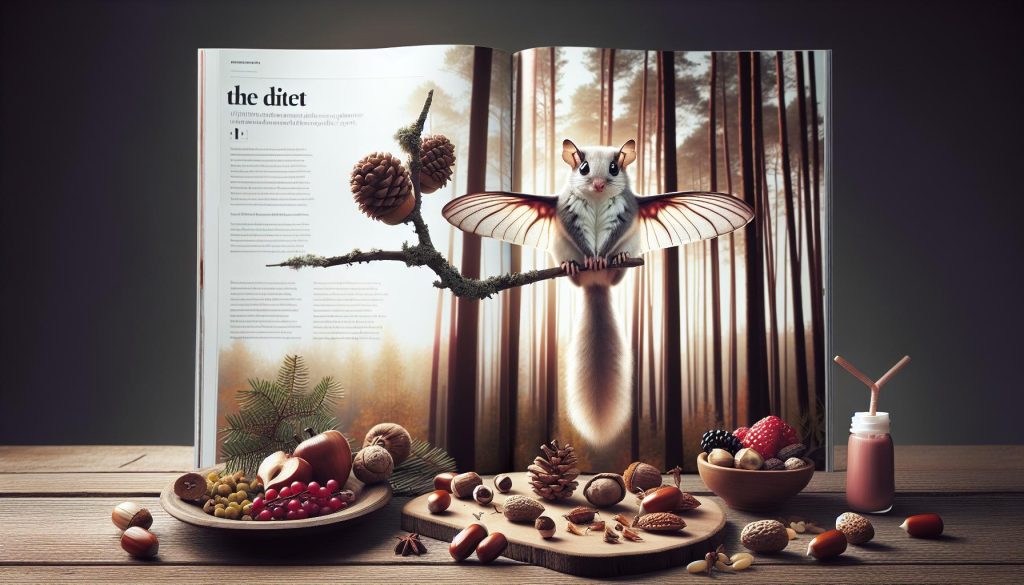
Did you know that flying squirrels, with their remarkable gliding abilities and wide-eyed charm, play a crucial role in forest ecosystems? As omnivores, they have a surprisingly diverse diet that influences their health and habitat. Whether you’re a devoted wildlife enthusiast or simply curious about these fascinating creatures, understanding what flying squirrels eat is essential for appreciating their role in nature. In this complete diet guide, we’ll explore their favorite foods, foraging habits, and how to properly care for them if you’re considering bringing one into your home. Join us on this journey to uncover the dietary secrets of flying squirrels, and discover how you can support these delightful animals in the wild!
Understanding the Natural Diet of Flying Squirrels
Flying squirrels are fascinating creatures that thrive in wooded habitats, primarily because of the abundant food sources available to them. Understanding their natural diet is essential not only for those who want to appreciate these unique animals but also for anyone considering them as pets. In the wild, flying squirrels predominantly consume a diverse range of foods that provide them with the essential nutrients they need for survival, growth, and reproduction.
These small mammals are mainly herbivores, with a diet that includes a significant amount of fruits, nuts, and seeds. They are opportunistic feeders, which means they take advantage of whatever food is abundantly available in their local ecosystem. For instance, during the fall, they may rely heavily on acorns and hickory nuts, while in the spring, they might feast on young leaves and flowering plants. Their ability to adapt their diet to seasonal changes is crucial for their survival, especially in environments where food availability fluctuates dramatically between seasons.
In addition to plant matter, flying squirrels also incorporate protein sources into their diet, particularly insects and occasionally small vertebrates. This protein is vital for their growth and overall health, especially in the juvenile stage. They often forage during the night, using their excellent sense of smell to locate food, and they are known to cache surplus food to eat during winter months. This storage behavior not only helps them survive during lean times but also showcases their intelligent and resourceful nature.
Understanding these dietary habits is crucial for anyone caring for flying squirrels in a captive environment, as replicating their natural diet can lead to healthier, happier pets. Whether you’re an enthusiast or a potential owner, knowing what flying squirrels eat in the wild can help you provide the best care possible, ensuring that their nutritional needs are met just like they would be in nature.
Essential Nutrients for Flying Squirrels
Flying squirrels, those charming nocturnal acrobats of the trees, have a diet rich in variety and essential nutrients that supports their active lifestyles. Just like a well-tuned orchestra, each component of their diet plays a critical role in their overall health, growth, and reproduction. Understanding the essential nutrients they need allows us to appreciate these delightful creatures even more and provide proper care for them in captivity.
To thrive, flying squirrels require a balanced intake of carbohydrates, proteins, fats, vitamins, and minerals. Their primary energy sources come from fruits, nuts, and seeds, which are rich in carbohydrates. These carbohydrates are vital for their high-energy activities and nocturnal lifestyle. Fatty nuts such as walnuts and pecans not only serve as energy reserves but are also excellent sources of healthy fats, which are crucial for maintaining healthy skin and fur.
Protein, essential for growth and tissue repair, is another key nutritional component. In the wild, flying squirrels consume insects and, on rare occasions, small vertebrates to meet their protein needs, particularly important during their juvenile stages when growth rates are highest. In a captive environment, supplementing their diet with high-quality protein sources, like insects or specially formulated pellets, ensures they receive adequate amounts for optimal health.
Vitamins and minerals, obtained largely through a diverse diet, are critical for many bodily functions. For instance, calcium and phosphorus are essential for bone development, while vitamins A, D, and E play significant roles in vision, immune function, and skin health. Including leafy greens and a variety of fruits in their diet can provide these necessary nutrients, ensuring that flying squirrels remain active and healthy.
By providing a balanced diet rich in these essential nutrients, caregivers can help ensure that flying squirrels not only thrive but also display their natural behaviors and charisma, whether they are foraging through the trees or snuggling in their nests. Remember, a well-fed flying squirrel is a happy and energetic flying squirrel!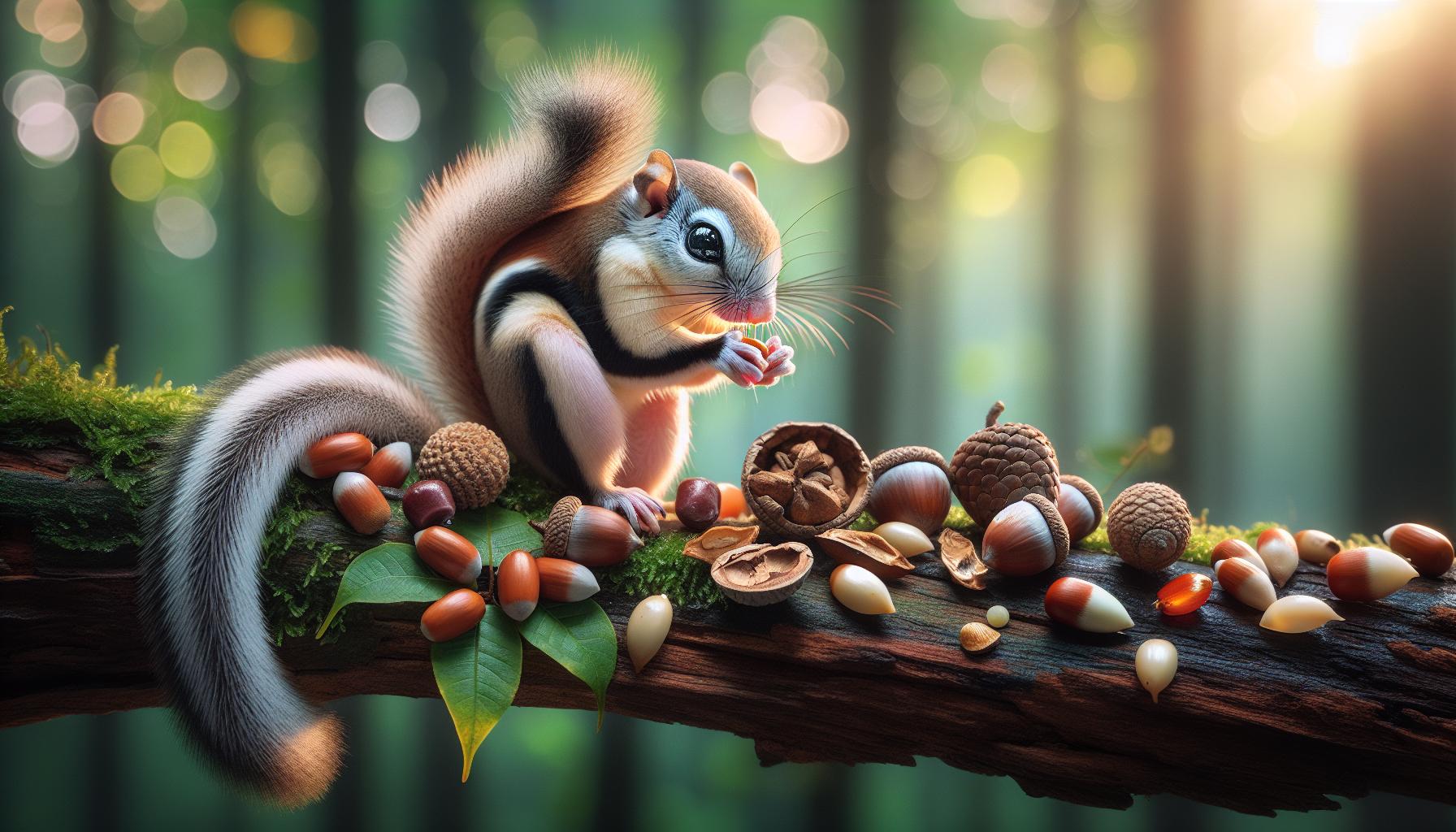
Common Foods in a Flying Squirrel’s Diet
Flying squirrels are delightful creatures that showcase an impressive culinary palette, which reflects their adaptable and opportunistic nature. In the wild, their diet consists of a wide variety of foods, allowing them to thrive in diverse environments. Here’s a closer look at what these fascinating animals typically consume.
Key Components of a Flying Squirrel’s Diet
Flying squirrels primarily feed on:
- Fruits: They love fruits like apples, bananas, and berries, which are not only tasty but also packed with the sugars they need for energy.
- Nuts: High-fat nuts such as walnuts, hazelnuts, and pecans are staples in their diet, providing essential fatty acids for energy and healthy fur.
- Seeds: A variety of seeds, including sunflower and pumpkin seeds, contribute to their protein and fat intake.
- Fungi: Mushrooms and truffles are also part of their foraging routine, offering a unique source of nutrients and aiding in ecological balance as they help disperse spores.
- Insects: While they primarily focus on plant matter, flying squirrels occasionally consume insects like crickets and beetles, which provide the protein necessary for growth and repair.
These food items not only support their high-energy lifestyle but also play pivotal roles in their health and well-being.
Foraging and Food Storage
To make the most out of their environment, flying squirrels have adapted for foraging at night. They navigate through trees and underbrush, utilizing their keen sense of smell to locate food. Storing food is another behavior worth noting; they often hide nuts and seeds in tree crevices or beneath leaves to cache them for later use. This behavior is crucial, especially during winter months when food sources are scarce.
Furthermore, this natural instinct for food preservation exemplifies their intelligence and resourcefulness, ensuring that they can survive even when the going gets tough. By understanding these dietary preferences and behaviors, wildlife enthusiasts can appreciate the complexity of their lives and the ecosystems they inhabit.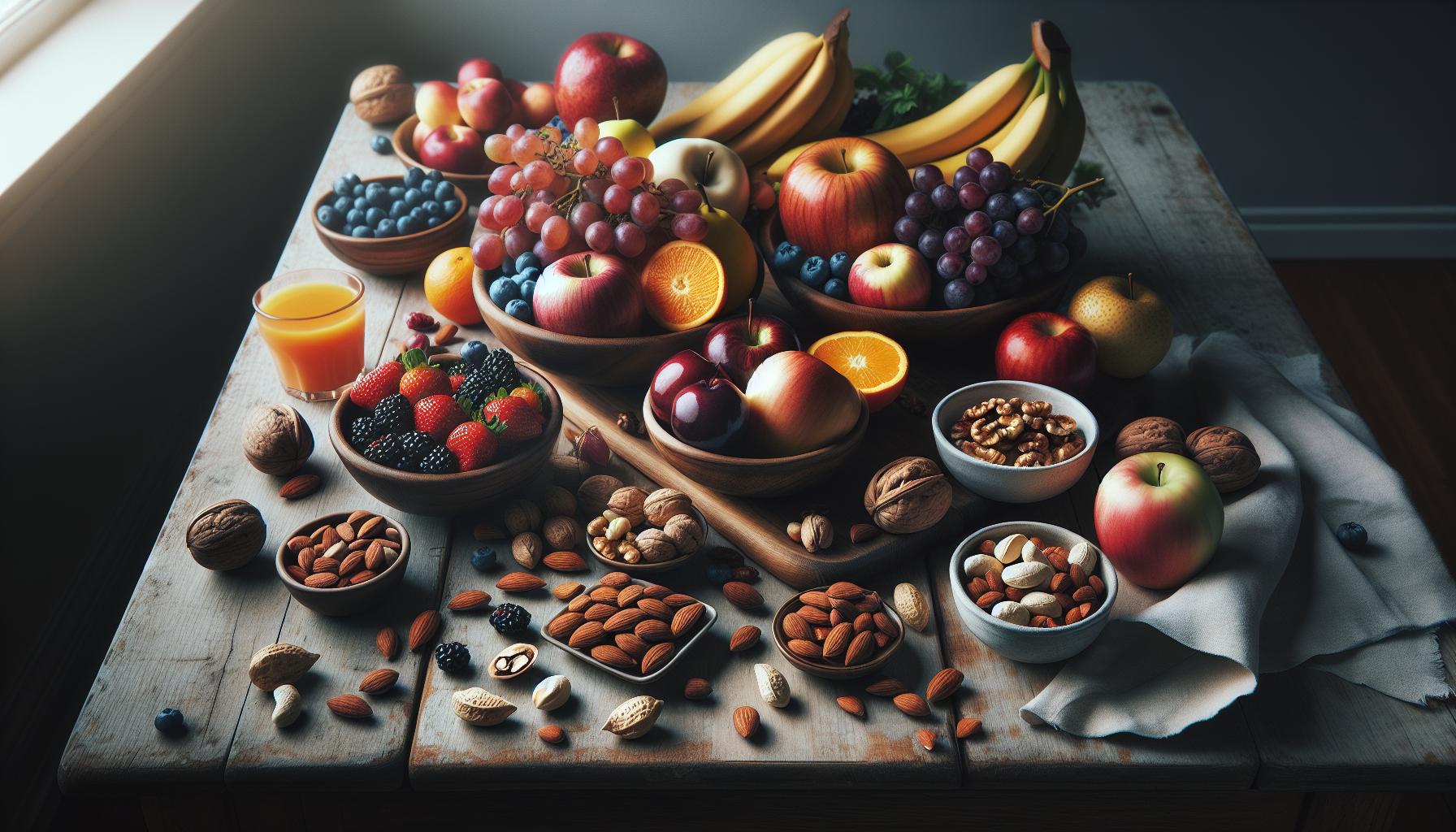
The Role of Fruits and Nuts in Their Nutrition
Fruits and nuts play a pivotal role in the diet of flying squirrels, serving not just as a source of energy but also as key elements in their overall health. These nocturnal creatures thrive on the high sugar content found in fruits such as apples, bananas, and berries, which provide them with the quick energy they need for their active lifestyles. This sweet treat is not only delicious but also vital for their metabolic processes, enabling them to glide gracefully from tree to tree in search of food.
Nuts, on the other hand, are packed with essential fatty acids, making them a staple in the flying squirrel’s diet. Varieties like walnuts, hazelnuts, and pecans not only provide energy-dense nutrients but also contribute to maintaining their beautiful, healthy coats. These high-fat nuts are crucial during colder seasons, when the energy demands of the squirrels increase and the availability of food decreases. The rich fatty content in nuts ensures that they store enough energy to sustain themselves through times when foraging becomes challenging.
Moreover, nuts and fruits often work together in a flying squirrel’s diet, with the squirrels frequently caching these food items for later consumption. This behavior not only highlights their intelligence but also plays a significant role in their ecological environment. For example, as they bury or hide nuts, they inadvertently promote forest regeneration; those forgotten seeds can sprout into new trees. Such interactions illustrate how the simple act of foraging profoundly impacts ecosystems, showcasing the balance flying squirrels maintain in their habitats.
In essence, the synergy between fruits and nuts in their diet exemplifies the adaptability and resourcefulness of flying squirrels. By understanding these dietary preferences, we can appreciate their role in the ecosystem and the importance of providing a similar diet for those in captivity. Ensuring that pet flying squirrels receive a balanced mix of fruits and nuts, with an emphasis on variety and quality, will support their health and well-being, reflecting the natural diet they would seek out in the wild.
Insects and Protein Sources for Flying Squirrels
The diet of flying squirrels isn’t just about fruits and nuts; they are also avid consumers of insects, adding crucial protein to their meals. These nocturnal creatures, known for their gliding prowess, supplement their energy-rich diet with a variety of protein sources. Insects play a vital role in their overall nutrition, especially during their active foraging nights.
Flying squirrels commonly target a range of insects such as crickets, beetles, and caterpillars. These high-protein snacks not only support their growth and reproductive health but also provide the necessary building blocks for muscle development. As opportunistic omnivores, they can readily adapt to the availability of various insect species, highlighting their resourcefulness in the wild. In some cases, they may even consume small invertebrates when insects are scarce, showcasing their adaptability in diverse forest habitats.
Why Protein Matters
Protein is essential in a flying squirrel’s diet for several reasons:
- Muscle Growth: Provides the necessary amino acids that aid in growth and muscle development.
- Energy Levels: Contributes to higher energy levels for their acrobatic movements, especially when gliding between trees.
- Reproductive Health: Supports healthy reproduction, particularly for females during the breeding season.
In addition to insects, flying squirrels might consume eggs when available, further diversifying their protein sources. This adaptability ensures that these creatures can thrive in various environments, from dense forests to suburban areas where food sources may vary.
When considering the dietary needs of flying squirrels in captivity, it’s important to include appropriate protein sources for optimal health. Insect protein can be mimicked using commercially available insectivore diets or live insects such as mealworms and crickets. This approach not only mirrors their natural foraging behaviors but also helps keep their diet balanced and nutritious, reflecting their wild counterparts.
Seasonal Variations in Food Availability
Throughout the year, flying squirrels experience significant shifts in their food sources, influenced heavily by seasonal changes. As the seasons transition, these nocturnal foragers adapt their diets to ensure they obtain the necessary nutrients to thrive. In spring, for instance, when trees are budding and flowering, flying squirrels can feast on a bounty of fresh leaves, flower buds, and early fruits like berries, which emerge as vital sources of vitamins and hydration after winter’s scarcity.
As summer rolls in, the activity levels of insects peak, offering these agile creatures a rich source of protein. Crickets, moths, and beetles become plentiful, aiding in the growth and energy demands of flying squirrels as they prepare for the breeding season. This season is crucial not just for foraging but for nesting behaviors, as the availability of diverse foods enables them to store essential fat reserves for the upcoming autumn and winter months.
Speaking of autumn, it’s a particularly exciting time for flying squirrels. The trees are laden with acorns, nuts, and seeds, providing ample calories essential for building up reserves. During this time, flying squirrels will often engage in food caching-storing away excess food in tree hollows or hidden locations to ensure they have enough sustenance during the harsher winter months.
In winter, the landscape changes dramatically, and so does their diet. When many food sources are hard to come by, flying squirrels rely heavily on their caches of stored nuts and seeds. Although their foraging becomes more challenging, they remain resourceful, sometimes resorting to stripping bark for tree sap or scavenging for any available insects that might have avoided the cold. Understanding these seasonal variations not only highlights the remarkable adaptability of flying squirrels but also illuminates the importance of habitat conservation. Keeping their forest environments rich and diverse is essential for their survival through each seasonal shift.
Feeding Habits: Foraging and Food Storage
Flying squirrels are not just charming little creatures; they’re also savvy foragers with remarkable feeding habits that ensure their survival in the wild. Unlike many animals that simply forage for what’s immediately available, these nocturnal acrobats are skilled at planning ahead. They take full advantage of their forest habitats, where they can find a variety of food sources throughout the year. This behavioral adaptability not only aids in their daily survival but also plays a critical role in their overall well-being.
One fascinating aspect of their feeding habits is their ability to cache food. This involves collecting and storing surplus food in hidden locations, such as tree hollows or buried in leaf litter. During autumn, when nuts and seeds are plentiful, flying squirrels will diligently gather acorns, walnuts, and other hard seeds to build up their winter reserves. This strategic behavior allows them to rely on their stored food during the harsh winter months when other food sources may be scarce. Interestingly, studies show that flying squirrels have excellent spatial memory, allowing them to relocate their caches even months later.
Their foraging behavior is also influenced by their social structures. These adorable creatures often forage in groups, which can enhance their foraging efficiency. By sharing information about food sources, they can capitalize on the strengths of their group dynamics. In the wild, their keen sense of smell helps them locate hidden food, while their cleverness prevents them from falling prey to potential predators during feeding bouts.
For those considering keeping flying squirrels as pets, understanding their natural feeding habits can enhance care practices, tailoring diets that reflect their wild diets. It’s crucial to replicate a balanced nutritional intake that includes fruits, vegetables, nuts, and protein sources like insects. This not only supports their health but mimics their natural behaviors, satisfying their instincts to forage and explore. Remember that providing opportunities for food storage-like shallow hides or containers-can emulate their natural caching behavior, helping them feel secure and engaged in their environment.
Captive Care: What to Feed Pet Flying Squirrels
Providing a balanced diet for pet flying squirrels is essential to promote their health and longevity. These adorable nocturnal creatures, known for their playful personalities, require a varied diet to thrive in captivity, mimicking their natural eating habits as closely as possible. Just like their wild counterparts, pet flying squirrels are omnivores, which means they enjoy a diverse array of foods.
Start their diet with a base of high-quality commercial flying squirrel pellets, which are specifically formulated to meet their nutritional needs. However, don’t rely solely on pellets; supplement their meals with fresh fruits and vegetables to add essential vitamins and natural sugars. Safe options for fruit include apples, pears, and berries, while vegetables might include carrots and leafy greens. Offer these in moderation, as too much fruit can lead to obesity due to high sugar content.
Adding Proteins to the Mix
Insects can be a vital source of protein, essential for their growth and energy. Crickets and mealworms are not only nutritious but also mimic the insects they would naturally scavenge in the wild. Consider offering these a few times a week, either live or dried. Additionally, you can include small amounts of cooked eggs or shredded lean chicken occasionally to diversify their protein sources.
Importance of Variety
Variety is crucial in your flying squirrel’s diet. They are inclined to explore and experiment with different foods, which keeps them mentally stimulated. Regularly rotate the fruits and vegetables you offer, and introduce new items to keep mealtime interesting. Just remember to introduce new foods gradually to avoid digestive upset.
Hydration is Key
Access to clean and fresh water is crucial for your pet’s health. Ensure their water dish is cleaned daily and filled with fresh water. Some flying squirrels enjoy drinking from a bottle, while others prefer a dish; observe your pet to see what they prefer.
With proper care and a diet that reflects their natural habits, you can ensure your flying squirrel remains healthy, happy, and active. Engaging in their feeding routine not only meets their dietary needs but also strengthens the bond between you and your pet, allowing you to enjoy the delightful antics of these charming rodents together.
Homemade Diet Options for Flying Squirrels
Creating a homemade diet for flying squirrels can be a rewarding way to provide them with a nutritious and varied meal plan that closely mimics what they would naturally consume in the wild. These adorable creatures thrive on a mix of fruits, nuts, and proteins, so incorporating fresh, whole foods into their diet is essential for maintaining their health and happiness.
When designing a homemade diet, start with a solid foundation of ingredients that are safe and beneficial. You can include a range of items such as:
- Nuts: Almonds, walnuts, and peanuts (unsalted and unseasoned) are excellent sources of healthy fats.
- Seeds: Pumpkin seeds and sunflower seeds can provide additional protein and fats.
- Fruits: Offer small pieces of apples, pears, bananas, and berries to add those vital vitamins and sweet flavors they love.
- Vegetables: Fresh greens, carrots, and bell peppers can be included for added fiber and nutrients.
- Protein sources: Incorporate insects like crickets and mealworms, or small amounts of cooked eggs and lean meats for variety.
When introducing new foods, do so gradually to avoid gastrointestinal upset. Monitor their response to new items and keep a record of what they enjoy the most. This not only helps you learn their preferences but also encourages healthy eating habits. Additionally, flying squirrels are highly social and curious creatures, so consider making mealtime fun by scattering their food around their enclosure to simulate foraging behavior.
Remember, while homemade diets are delicious and nutritious, they should complement a base of high-quality commercial pellets designed specifically for flying squirrels to ensure they receive all necessary vitamins and minerals. Always consult with a veterinarian familiar with wildlife nutrition before making significant dietary changes, especially if you notice any changes in your pet’s behavior or health. By taking these steps, you can ensure your flying squirrel enjoys a varied and wholesome diet that keeps them active and invigorated!
Common Diet Mistakes to Avoid
Flying squirrels are fascinating and friendly little creatures, but feeding them can sometimes be a minefield of misunderstandings. Even the most well-meaning caretakers can make common mistakes that could lead to serious health issues for their furry companions. Here’s a look at some of the biggest diet blunders and how to avoid them to ensure your flying squirrel stays happy and healthy.
One prevalent mistake is over-reliance on certain food items. For instance, flying squirrels adore fruits and nuts, but they should be given in moderation. Overfeeding bananas or sugary fruits can lead to obesity and other metabolic issues. Instead, aim for a balanced diet that includes a variety of fruits, nuts, and vegetables. Incorporating a greater range of food helps mimic their natural diet and provides necessary nutrients. A good rule of thumb is to ensure that no single type of food makes up more than 10-15% of their total diet.
Additionally, some pet owners might overlook the importance of avoiding toxic foods. Foods that are safe for humans, like chocolate, are harmful to flying squirrels. Other items, such as avocados and caffeine, should also be strictly avoided. Educating yourself about which foods are dangerous can prevent accidental poisoning. Keep a list of safe and unsafe foods handy for quick reference when you’re preparing meals.
Another common pitfall is neglecting the role of protein in a flying squirrel’s diet. These critters need protein, particularly when they are growing or pregnant. However, some owners might shy away from incorporating live insects like crickets or mealworms because they find it unappealing. Yet, these insects provide essential nutrients that are hard to get from plant-based foods alone. Finding safe ways to introduce protein, perhaps by mixing it into their fruits and veggies, can make a significant difference in their overall health.
Finally, many caretakers underestimate the importance of fresh water. Water is often overlooked, but just like any pet, flying squirrels need constant access to clean and fresh water. Dehydration can lead to severe health problems, so it’s crucial to check and refill their water sources regularly. Ensuring that your flying squirrel has easy access to clean water helps support their bodily functions and keeps them hydrated.
By steering clear of these common mistakes, you’ll be setting your flying squirrel up for a long, healthy life filled with the joy of companionship. Remember, care for any pet is an ongoing learning experience, so take the time to research and adapt as needed!
The Importance of Clean Water for Flying Squirrels
Providing clean and fresh water is not just a luxury for flying squirrels; it’s a vital necessity that significantly impacts their health and well-being. Like many small mammals, these adorable critters are highly susceptible to dehydration, which can quickly lead to severe health issues. Whether in the wild or in captivity, ensuring your flying squirrel has consistent access to clean water is key to keeping them happy and thriving.
Flying squirrels, being active foragers, require hydration just like other furry friends. In nature, they may drink from dewdrops on leaves or small water sources, but when they are kept as pets, it’s essential to replicate this natural behavior by providing them with fresh water daily. A good practice is to use a shallow water dish or a specialized water bottle designed for small animals. This helps prevent spills and keeps the water clean, as flying squirrels are known for their playful antics-imagine them jumping around, possibly turning their water dish into an amusement park!
Maintaining a clean water source goes beyond just filling a bowl. It involves regular checks to ensure freshness and cleanliness. Bacteria can quickly multiply in stagnant water, leading to health risks such as infections or digestive problems. It’s advisable to change the water daily and to clean the dish or bottle thoroughly at least once a week to remove any buildup.
Additionally, keep an eye on your flying squirrel’s drinking habits. If you notice they are drinking less than usual, or if they seem lethargic, it could indicate dehydration or illness. Since flying squirrels are naturally good at hiding signs of distress, routine monitoring is crucial. By prioritizing easy access to clean water, you’re not only contributing to your flying squirrel’s physical health but helping to create a thriving environment that promotes their natural foraging instincts and overall happiness.
How Diet Influences Flying Squirrel Behavior
Understanding the connection between diet and behavior in flying squirrels reveals just how much their feeding habits shape their daily lives. These nocturnal adventurers rely heavily on their natural foraging instincts to find food, which not only impacts their nutrition but also influences their social interactions and overall well-being. When they successfully find and consume a varied diet rich in nuts, fruits, and insects, it promotes a state of health that allows them to exhibit natural behaviors, such as gliding, playing, and exploring their environments.
Flying squirrels are opportunistic feeders, and their foraging behavior is vital for their survival. This instinct drives them to explore different habitats during the night in search of food. A balanced diet, especially one that includes a variety of nuts and fruits, can lead to increased activity levels and playful behavior, as these foods provide them with the energy needed for their nightly escapades. Conversely, a lack of food variety can lead to lethargy or stress, diminishing their natural curiosity and playfulness.
Moreover, food availability directly impacts social interactions. In the wild, flying squirrels may adhere to specific foraging grounds with other members of their species. When food is plentiful, interactions may be more social and playful. However, during times of scarcity, competition for resources can alter their behavior, leading to increased aggression or a more solitary lifestyle. In captivity, providing a diverse diet that mimics their wild food sources fosters a healthy environment for them, promoting happier and more socially active pets.
Ultimately, an optimal diet not only supports the physical health of flying squirrels but is also essential for their psychological well-being. Providing enriched diets that include fresh fruits, nuts, and occasional proteins can lead to enhanced behaviors like exploration, socializing, and ultimately, a more fulfilling life for these charming creatures. Keeping them active and engaged is the key to a happy flying squirrel!
Faq
What fruits do flying squirrels enjoy?
A: Flying squirrels love a variety of fruits, including apples, pears, bananas, and berries. These fruits provide essential vitamins and sugars that boost their energy. Incorporating fruits into their diet can also help replicate their natural foraging behavior found in the wild. For more about their dietary needs, check the section on common foods in the article.
How often should flying squirrels be fed?
A: Flying squirrels should be fed every day, ideally in the evening as they are nocturnal. Providing a consistent feeding schedule helps maintain their energy levels and supports their natural behaviors. For more detailed feeding habits, consider exploring the feeding habits section of the guide.
Can flying squirrels eat nuts, and which ones are best?
A: Yes, flying squirrels can eat nuts, which are a vital part of their diet. Almonds, walnuts, and pecans are excellent choices. Nuts are rich in fats and protein, essential for their health. For a more comprehensive view on their nutritional sources, refer to the role of fruits and nuts section.
Are there any toxic foods for flying squirrels?
A: Yes, some foods are toxic to flying squirrels. Avoid feeding them chocolate, caffeine, or foods high in sugar and fat, as these can lead to serious health issues. Always research before introducing any new food to their diet. For common mistakes to avoid, see the article’s common diet mistakes section.
What is the best way to provide fresh water for flying squirrels?
A: Fresh water should be provided daily in a clean bowl or a water bottle with a sipper tube. It’s crucial for their hydration and overall health. Ensure that the water source is kept clean to avoid contamination. Explore the article for more about the importance of clean water for flying squirrels.
How can I tell if my flying squirrel is not eating enough?
A: Signs of inadequate eating include weight loss, lethargy, and changes in their behavior. Regularly monitor their weight and activity levels to ensure they are getting sufficient nutrition. For more insights on diet effects, check out the how diet influences flying squirrel behavior section.
What insects can I safely feed my flying squirrel?
A: Flying squirrels can safely eat insects like mealworms, crickets, and waxworms. These provide essential protein and are part of their natural diet. Always ensure that any insects are sourced from reputable suppliers. For additional protein sources, refer to the insects and protein sources section.
Can I feed my flying squirrel human food?
A: While some human foods can be safe, it’s crucial to choose wisely. Foods like cooked chicken or vegetables can be included, but avoid processed foods with additives. Always ensure they get a balanced diet tailored to their nutritional needs. More details on homemade diet options can be found in the homemade diet options section of the article.
To Wrap It Up
Understanding what flying squirrels eat is crucial for their care and conservation. As you’ve learned, these fascinating creatures have a diverse diet that includes fruits, nuts, and insects, which plays a vital role in their health and habitat. Ready to dive deeper? Explore our guide on Caring for Pet Flying Squirrels for tips on creating a balanced diet at home, or check out our article on Wildlife Conservation Efforts to understand how you can help protect their natural habitats.
If you have any questions or want to share your experiences with flying squirrels, drop a comment below! Don’t forget to subscribe to our newsletter for more insights into wildlife care and conservation-stay informed and inspired! Your journey into the world of flying squirrels doesn’t have to end here; keep browsing for more tips and tricks to enrich your understanding and appreciation of these unique animals.
Get our latest guides, news, and insights highlighted in your Google Search & AI Overviews.










