Did you know that the vivid colors and patterns of prairie dog fur can provide important insights into their health and environment? Prairie dogs, charming yet often overlooked inhabitants of North America’s grasslands, exhibit a variety of fur colors and patterns that not only make them fascinating to observe but also serve significant ecological roles. Understanding these variations is crucial for wildlife enthusiasts and conservationists alike, as it can impact their recognition and ability to thrive in changing habitats. In this article, we’ll explore the different fur colors and patterns found in prairie dogs, revealing how these features contribute to their social structures, camouflage, and overall adaptation. Whether you’re a seasoned wildlife watcher or a curious newcomer, this exploration into the colors of prairie dogs promises to enhance your appreciation for these remarkable creatures and their place in the ecosystem. So, let’s dig deeper into the captivating world of prairie dog fur!
Understanding Prairie Dog Fur Colors and Patterns
Prairie dogs are not just fascinating for their social structures and vocal communications; their fur colors and patterns are equally intriguing. Most commonly, these small rodents sport a range of earthy tones that help them blend into their natural environments. The typical coat features shades of brown, tan, and yellowish hues, which serve as excellent camouflage in the grasslands and open plains they inhabit.
Common Fur Colors of Prairie Dogs Explained
The primary fur colors of prairie dogs can be classified into a few key categories:
- Black-tailed Prairie Dogs: These have a light brownish-tan body with distinct black markings on the tips of their tails.
- White-tailed Prairie Dogs: Smaller in size, their fur is mostly light brown with whitish underparts, providing a stark contrast that is visually striking.
- Mexican Prairie Dogs: They feature a darker coat, with shades ranging from light to dark brown, which can vary more significantly based on local environmental conditions.
These coloration patterns not only enhance their ability to hide from predators but also play important roles in social interactions among prairie dogs. The subtle variations in fur can indicate age and overall health, which are crucial for establishing hierarchies within their colonies.
Unique Patterns: Stripes, Spots, and More
While prairie dogs primarily display solid colors, some may have minor irregularities. Spots or faint stripes can sometimes be seen, particularly in younger individuals, before their adult coats fully develop. Such patterns are often more pronounced in different light conditions or during seasonal changes when the animal’s coat may transition in color and texture.
In essence, the fur of prairie dogs is not merely a protective covering; it is a vital part of their identity, offering insights into their adaptations and lifestyles in the wild. Understanding these variations opens a window into how these charming creatures thrive in their natural habitats, making them a delightful subject of study for wildlife enthusiasts and casual observers alike.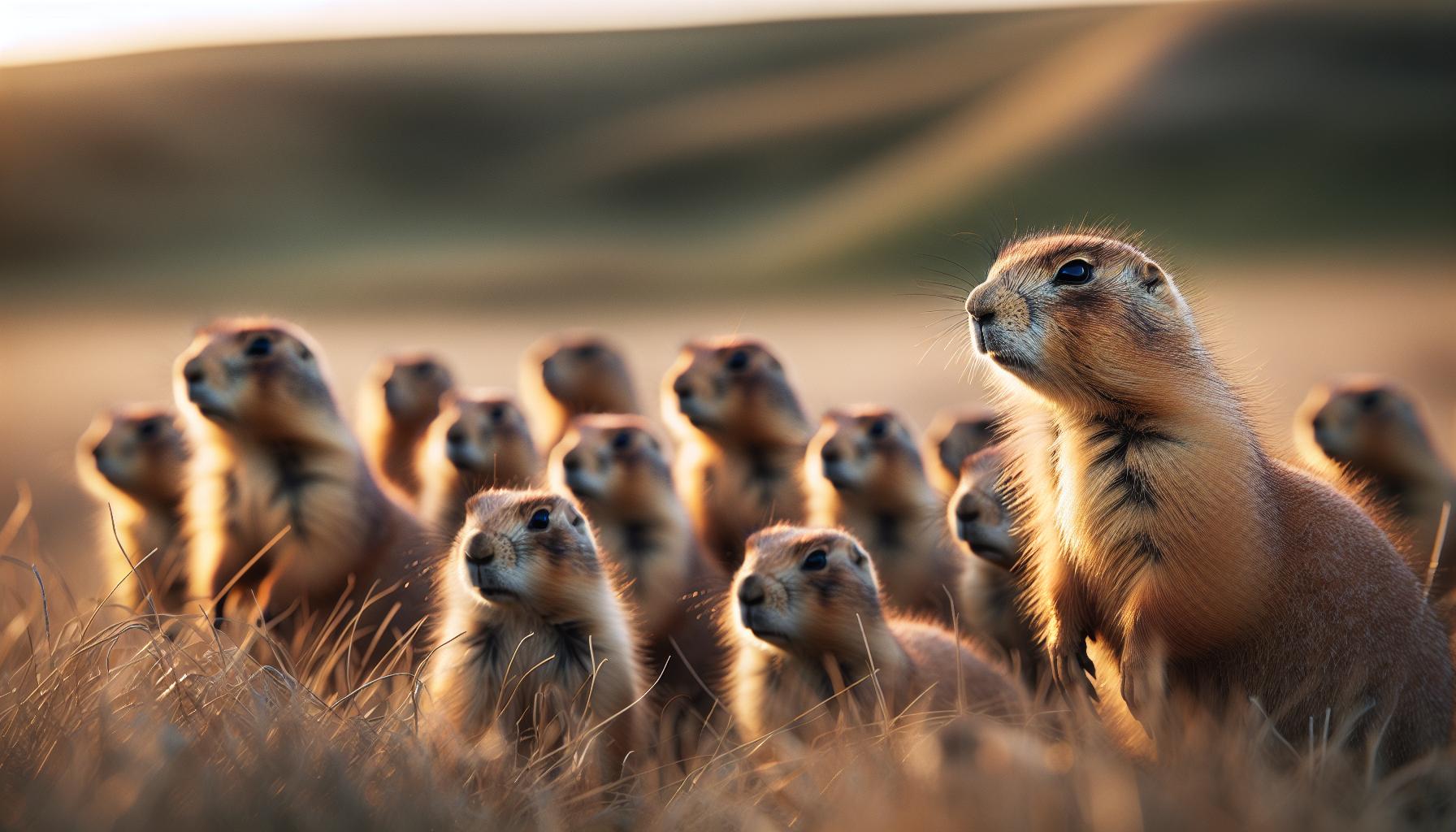
Common Fur Colors of Prairie Dogs Explained
The stunning variety in prairie dog fur colors offers much more than just aesthetic appeal; it plays a crucial role in their survival and social dynamics. Prairie dogs are primarily known for their earthy tones, which range from light tan to rich brown, helping them blend seamlessly into their native grassland habitats. This natural camouflage is essential for evading predators, effectively integrating them into the open plains where they reside.
Different species of prairie dogs exhibit distinct color patterns which serve both functional and social purposes. Among the most common, the Black-tailed Prairie Dog stands out with its warm brownish-tan body accented by striking black-tipped tails. This coloration not only provides an element of disguise against the backdrop of dirt and grasses but also aids in communication with fellow prairie dogs. The White-tailed Prairie Dog, on the other hand, is clad in a lighter fur with a notably pale underbelly, making it easily identifiable, especially within its colony. Lastly, the Mexican Prairie Dog features darker hues ranging from light to deep brown, varying with local environmental conditions, further highlighting the adaptability of these remarkable rodents.
These colors are more than just functional; they also indicate health and age within colony structures. Adults typically display more robust and uniform fur compared to younger individuals, who may exhibit spots and stripes as their coats develop. This variation can convey important signals to other prairie dogs regarding social status and fitness, helping to maintain the complex social hierarchy within their communities.
Understanding the diverse fur colors and patterns of prairie dogs offers insights into their behavior and ecology. As wildlife enthusiasts, recognizing these nuances not only enhances our appreciation for these charming creatures but also cultivates a deeper respect for their roles in the ecosystem.
Unique Patterns: Stripes, Spots, and More
The patterns and markings on prairie dogs are not just beautiful; they serve crucial functions in their social structures and survival strategies. While most prairie dogs are adorned with a base coat of tan or brown, many individuals showcase unique variations, including stripes and spots. These patterns can provide fascinating insights into their individual characteristics and social roles within their colonies.
In different species, the presence and arrangement of spots or stripes can vary significantly. For instance, the Black-tailed Prairie Dog often features faint stripes along its sides, which may help to break up its outline against the grassland backdrop. This natural camouflage not only assists in evading predators but can also influence how prairie dogs communicate with one another. The visual signals created by their fur patterns can convey information about a prairie dog’s age, health, or social status, facilitating interactions among colony members.
The White-tailed Prairie Dog, on the other hand, tends to have a more uniform appearance but may display light speckles in younger individuals, serving as a stage in their development. These spots often fade as the animal matures, reflecting the animal’s transition into adulthood. In contrast, the Mexican Prairie Dog, which is generally darker in hue, may exhibit a mix of darker and lighter patches that can alter as the seasons change, showcasing the adaptability of fur patterns to environmental conditions.
Understanding these unique fur patterns is essential for those interested in prairie dog observation and conservation. They serve as daily reminders of the diversity within these remarkable creatures and emphasize the importance of their social systems. Whether you are a seasoned wildlife enthusiast or just beginning to explore the world of prairie dogs, appreciating these subtle differences can deepen your connection to nature and highlight the intricate lives these fur-covered rodents lead.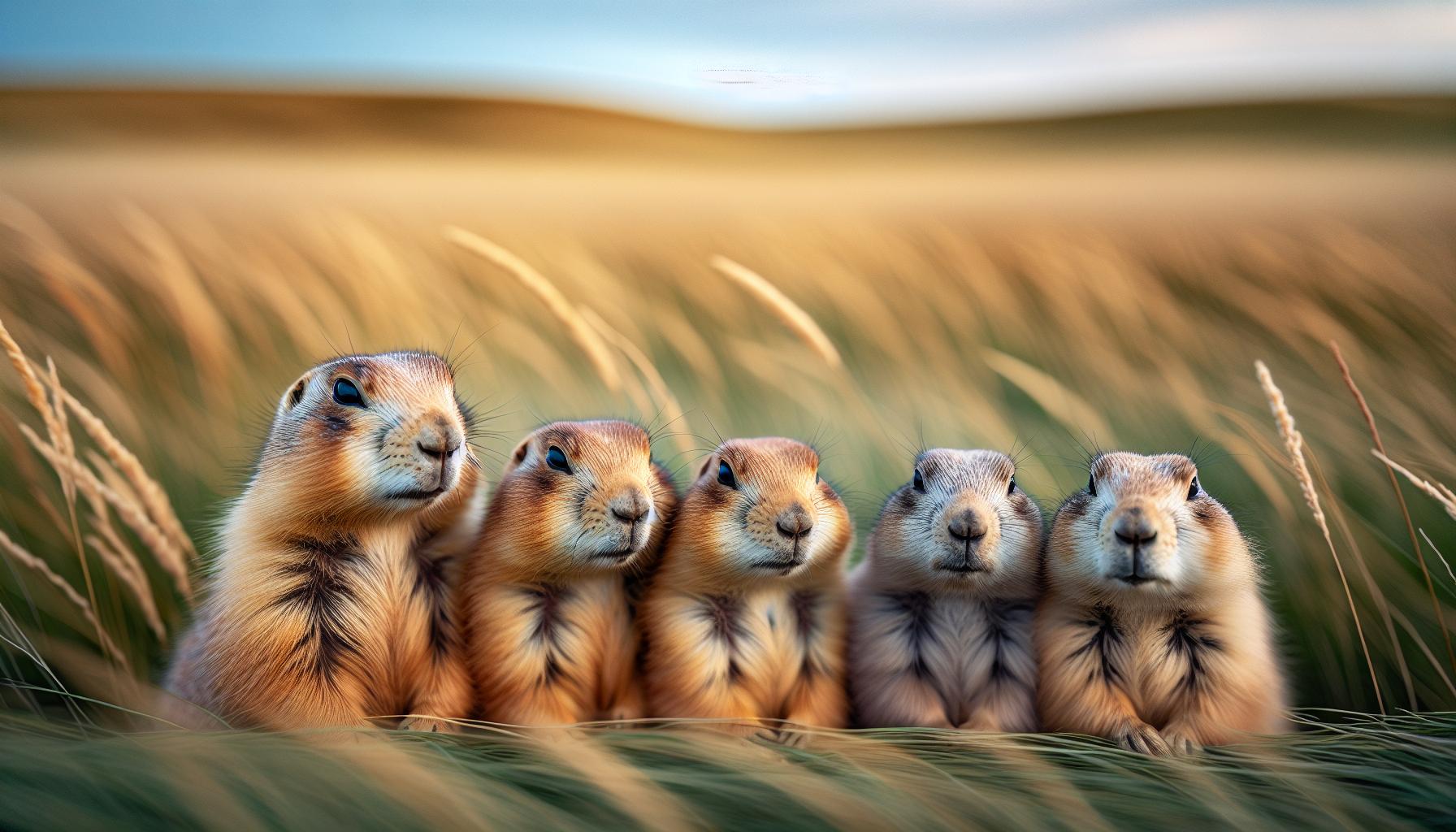
Regional Variations in Prairie Dog Fur
Prairie dogs are remarkable creatures, and their fur colors and patterns vary significantly depending on their region. This variability is not just a superficial trait; it reflects adaptations to their specific environments. For instance, in the vast plains of the Great Plains region, the Black-tailed Prairie Dog typically exhibits a rich, tawny brown coat. This coloration blends seamlessly with the golden grasses that dominate this landscape, offering essential camouflage against predators.
In contrast, the White-tailed Prairie Dog, found in parts of Colorado and Wyoming, often shows a lighter, more uniform coat that can appear almost grayish. This coloration is particularly advantageous in the rocky, shrub-filled areas they prefer, allowing them to maintain a low profile among the lighter-toned earth and foliage. Interestingly, juvenile White-tailed Prairie Dogs tend to sport light speckles that fade as they mature, which not only marks their growth stages but also enhances their survival as they transition into adulthood.
Moving further south, the Mexican Prairie Dog showcases an even darker appearance, usually a rich chocolate brown. The darker fur can be seen in populations ranging from northern Mexico to southern New Mexico and Arizona. This coloration aids in thermoregulation in warmer climates and provides a different style of camouflage against the varied landscapes of their habitats. Additionally, these prairie dogs may exhibit a mix of lighter patches, particularly during seasonal changes, reflecting their adaptation to the blooming desert flora.
Recognizing these can greatly enhance your wildlife observation experience. Whether you’re photographing them in the wild or simply enjoying a day out in their natural habitat, knowing what to look for can deepen your appreciation for these social and highly organized rodents. Understanding their fur adaptations furthers our knowledge of their ecology and the diverse ecosystems they inhabit.
How Environment Affects Fur Color
The relationship between a prairie dog’s environment and its fur color is a fascinating example of nature’s adaptations at work. These small, social mammals are not just cute faces in the grasslands; they’re also masters of blending into their surroundings. The coloration of their fur is intricately tied to the landscapes they inhabit, providing crucial camouflage against potential predators and helping them thrive in their specific habitats.
For instance, the Black-tailed Prairie Dog, prevalent in the Great Plains, sports a tawny brown hue that echoes the golden grasses of its environment. This coloration does more than just make them look good-it helps them avoid detection from birds of prey like hawks and eagles, as they can easily disappear among the swaying stalks of grass. In contrast, those found in the rocky terrains of Colorado-the White-tailed Prairie Dogs-often exhibit a lighter, grayish fur that mimics the shades of the rocky outcrops and shrubby areas where they dwell. This natural palette allows them to remain inconspicuous among the varying tones of their rugged homes.
Additionally, geographical variations influence the darker coats of the Mexican Prairie Dog, who resides in the warmer climates of northern Mexico and southern New Mexico. Their rich chocolate brown fur is not only a charming feature but also plays a critical role in thermoregulation, helping them maintain a comfortable body temperature in the heat. As they adapt to their surroundings, these prairie dogs may even display seasonal changes in coloration, reflecting the blooming flora of their habitats, which helps them stay hidden from predators throughout the year.
Understanding how the environment affects prairie dog fur color provides insightful perspectives on their survival strategies and habitats. Observing these adaptations can enrich your wildlife experiences, underscoring the importance of conserving the ecosystems these remarkable creatures depend upon. Remember, every time you see a prairie dog, it’s more than just a glimpse of nature-it’s a peek into the evolutionary dance between species and their habitats.
The Science Behind Prairie Dog Camouflage
The ability of prairie dogs to blend seamlessly into their environments is a remarkable adaptation that plays a crucial role in their survival. This camouflage is not merely a matter of luck; it is a sophisticated trait honed by evolution that helps them evade predators. The rich tapestry of their fur, a mix of earthy tones and patterns, mimics the grasses and soils of their habitats, making them nearly invisible to hawks, coyotes, and other threats.
One of the primary mechanisms behind this effective camouflage is the variation in fur color among different prairie dog species. For example, the Black-tailed Prairie Dog often sports a tawny brown fur that echoes the golden grasses of the Great Plains, while the White-tailed Prairie Dog presents a lighter grayish hue suitable for rocky terrains. These colorations allow prairie dogs to vanish from sight when they are motionless, thus reducing the chance of being spotted by those less fortunate predators.
Patterns and Their Purpose
The patterns on a prairie dog’s fur also play a significant role in their disguise. Some individuals may exhibit faint stripes or variations in shade that further break up their outline against the backdrop of their environment. This phenomenon is known as disruptive coloration-a patterning that confuses the viewer, making it difficult to distinguish the animal from its surroundings. Such adaptations extend beyond fur color to behavior; prairie dogs often remain still or use quick movements to dart back into their burrows, capitalizing on their natural camouflage during moments of danger.
By understanding , we not only appreciate their beauty but also recognize the critical importance of preserving their natural habitats. Conservation efforts focused on maintaining the health of grasslands and rocky areas ensure that these fascinating creatures can continue to thrive, using their well-developed tactics for survival in a world where every detail matters. The next time you spot a prairie dog popping its head out of a hole, take a moment to admire not just the animal, but the incredible natural engineering that allows it to exist in the wild.
Behavioral Traits Influenced by Fur Patterns
The intricate relationship between a prairie dog’s fur patterns and its behavior is both fascinating and essential for survival. Prairie dogs are not just cute, they are masters of disguise, using their fur colors and patterns to navigate their environments effectively. For instance, the tawny hues of the Black-tailed Prairie Dog help it match the golden grasses of the plains, while the lighter shades of the White-tailed Prairie Dog allow it to blend into rocky terrains. These adaptations do more than just enhance their camouflage; they influence how prairie dogs interact with their surroundings.
When a prairie dog senses danger, its behavior is directly impacted by its fur’s ability to blend in. Most species exhibit a remarkable ability to stay still, effectively “disappearing” into their environment. Their fur patterns, which may include faint stripes or gradients, further enhance their ability to break up their outline. This is known as disruptive coloration, a strategy that confuses potential predators. In moments of alarm, rather than dashing off in panic, prairie dogs often rely on their stillness. Observers might notice them peeking out cautiously, assessing the threat while remaining almost invisible against the backdrop of grasses or rocks.
Moreover, the social dynamics of prairie dog colonies are also influenced by fur patterns. In groups, these animals are keen observers of one another. Individuals with distinctive fur patterns may be more readily recognized by fellow prairie dogs, facilitating communication and strengthening social bonds. Whether it’s a quick scent sharing or a vocal alarm call, the fur can play a subtle role in ensuring each individual’s place within the colony. Such interactions are crucial; a well-functioning colony can better defend against threats and contribute to the species’ overall resilience.
In conclusion, while prairie dogs may seem like simple creatures, their fur patterns are a key factor shaping their behaviors, survival strategies, and social interactions. Observing these traits can be an enlightening experience for wildlife enthusiasts and those interested in animal behavior alike. Understanding this connection not only deepens our appreciation for these animals but also underscores the importance of conserving their habitats, ensuring they can continue to thrive in their natural environments.
Fur Color and Species: Identifying Differences
Identifying prairie dog fur colors can be a delightful journey into the subtle nuances of wildlife observation. These charming creatures exhibit a variety of colors and patterns that not only serve aesthetic purposes but also play critical roles in their survival and social structures. There are five primary species of prairie dogs, each exhibiting unique fur characteristics that can help you distinguish one from another.
Among the most recognizable is the Black-tailed Prairie Dog, which sports a rich sandy or tawny brown coat with distinctive black patches on the tips of its tail and ears. This coloration allows them to blend seamlessly into the golden grasses of their prairie habitats. Conversely, the White-tailed Prairie Dog showcases a lighter, almost greyish hue, with a striking white underside, which is particularly effective in rocky environments where they live. Their lighter coloration helps them camouflage against the lighter tones of their surroundings, making them less visible to predators.
Next, we have the Gunnison Prairie Dog, known for its unique reddish-brown fur that is particularly vibrant during the summer months. This species is often found in higher elevations, and its coloration serves both as camouflage against the rocky terrain and as an identification marker among other prairie dog species. The Utah Prairie Dog, while similar in size, has a lighter, more greyish fur that offers protection in different types of habitats, including those with sagebrush. Lastly, the Mexican Prairie Dog features a coat that ranges from brown to pale yellow, showcasing a variation that is adaptive to its arid environment.
Understanding these distinctions can enhance your wildlife watching experience, as each prairie dog species not only displays unique fur colors but also has different behavioral adaptations tied to their habitat. Whether you’re spotting them in their natural environments or sharing fascinating facts about them with friends, recognizing the fur colors and patterns of these delightful animals adds depth to your appreciation for their existence and the ecosystems they inhabit.
Seasonal Changes in Prairie Dog Fur
As the seasons shift across the prairie, prairie dogs undergo fascinating transformations in their fur, adapting to their environment and the changing climate. In spring and summer, these charming rodents often exhibit vibrant, rich colors that can range from sandy browns to reddish hues. For instance, the Gunnison Prairie Dog showcases a particularly bright reddish-brown coat during warmer months, which helps it blend into the sunlit grasses and remains effective against predators.
As autumn arrives, many prairie dog species begin to change their coats in preparation for the colder winter months. The fur may become thicker and slightly duller, transitioning to more muted tones that help camouflage them against the dry, sparse landscape. This seasonal shift not only aids in concealment but also provides insulation against the chill, crucial for surviving harsh winters. The Black-tailed Prairie Dog, for example, may adopt a more subdued sandy brown color as it enters the colder season.
The change in fur color is also influenced by factors such as sunlight and habitat. In areas with significant sun exposure, colors may fade slightly, while those in shaded or more vegetated locales might retain deeper hues longer. These seasonal adjustments are essential for prairie dogs, not only for their survival but also for their social interactions. Fur quality and color can signal health and fitness to potential mates, making it a crucial aspect of their reproductive strategies.
In summary, the reflect their adaptations to both environmental conditions and social dynamics. These transformations not only enhance their chances of survival but also contribute to their vibrant roles within the prairie ecosystem. Observing these changes can deepen our appreciation for these remarkable creatures and their intricate relationship with the world around them.
Caring for Your Prairie Dog’s Coat
Caring for a prairie dog’s coat goes beyond mere aesthetics; it’s crucial for their health and well-being. These social rodents rely on their fur not only for insulation against temperature extremes but also for protection from environmental hazards and predators. Understanding how to maintain a prairie dog’s coat helps ensure they remain healthy and vibrant throughout the seasons.
Regular grooming is essential, especially during shedding season. Prairie dogs naturally shed their fur in spring and fall as they transition between coats. You can use a soft brush or comb to gently remove loose hairs and prevent matting. This routine not only promotes healthy fur but also allows you to check for any signs of skin irritations or parasites that might require veterinary attention.
It’s also important to recreate their natural environment as closely as possible. Providing a habitat with adequate humidity and temperature control can positively affect coat condition. For example, a dry or overly humid space can lead to skin issues that affect your prairie dog’s fur quality. Additionally, ensure they have access to nesting materials like hay, which they can use to create a cozy burrow, aiding in keeping their fur insulated and protected.
Moreover, diet plays a pivotal role in fur health. A balanced diet rich in vitamins and minerals will contribute to a shiny, healthy coat. Foods high in omega fatty acids, like flaxseed or special prairie dog pellets that include these nutrients, can particularly enhance the luster of their fur. Remember, a well-nourished prairie dog is more likely to maintain a robust fur condition, making them less susceptible to environmental stresses.
Ultimately, is about more than just appearance; it’s a reflection of their overall health and happiness. When you invest time in grooming, providing proper habitat conditions, and ensuring a nutritious diet, you’re not only helping to maintain their beautiful fur but also fostering their vibrant personality and playful spirit.
The Role of Fur in Prairie Dog Society
The fur of prairie dogs plays a crucial role in the survival and social dynamics of these fascinating creatures. With their velvety soft coats, prairie dogs not only stay insulated against harsh weather conditions but also engage in social interactions that rely heavily on their appearance. The different shades of brown, tan, and even gray that adorn their bodies are more than mere aesthetics; they serve functional purposes that enhance their ability to thrive in the wild.
In the complex social structures of prairie dog colonies, fur color and patterns can influence dominance hierarchies and attract mates. Prairie dogs are social animals that live in burrow systems known as “towns,” where facial recognition and instinctual behaviors are critical. When a prairie dog displays its shimmering coat, it can convey health and vitality, making it more appealing to potential mates. In contrast, a dull or patchy coat may signal that an individual is struggling, which can affect its position within the community.
Additionally, the camouflage provided by their fur helps prairie dogs evade predators. The hues of their coats blend seamlessly with the dry grasses and soils of their native habitats, allowing them to remain unseen by hawks and coyotes. This natural adaptation highlights the importance of fur color in enhancing their survival rates. Behavioral traits, too, are influenced by this aspect of their biology; prairie dogs often engage in grooming behaviors not just for cleanliness but as a social bonding activity, reinforcing friendships within their groups through mutual grooming.
Moreover, the role of fur extends to more than survival and communication-it also reflects the impact of environmental factors on prairie dog health. Seasonal changes in temperature and weather can prompt these rodents to alter their grooming habits, as they instinctively seek to maintain their fur for optimal insulation. By observing how their fur fluctuates with the seasons, enthusiasts and researchers alike can gain insights into the overall health of prairie dog populations and the conditions of their habitats.
In essence, the fur of prairie dogs is a vibrant tapestry woven into the fabric of their social lives and survival tactics. Understanding this connection enriches our appreciation of these remarkable animals and highlights the intricate relationships between behavior, physiology, and environment in the wild.
Fun Facts: Prairie Dogs in Pop Culture
Prairie dogs might not be the first animals that come to mind when you think of pop culture, but these charming rodents have carved their own niche, often symbolizing community, communication, and environmental importance. From animated films to conservation campaigns, prairie dogs are celebrated for their unique behaviors and social structures, which reflect the intricate dynamics of their colonies.
One of the most notable appearances of prairie dogs is in the animated series “Madagascar,” where they are humorously depicted as lively and expressive characters. Their portrayal emphasizes their social nature and adaptability, showcasing how they communicate and work together in their expansive burrow systems. This has helped ignite interest in these fascinating animals, particularly among younger audiences who may not have encountered them in the wild.
Beyond entertainment, prairie dogs play a significant role in educational content focused on wildlife conservation. Documentaries and nature programs often highlight their importance in the prairie ecosystem, serving as a key species that contributes to soil health and provides habitat for other animals. This recognition in media serves to educate the public about their struggles against habitat loss and the effects of climate change, fostering a greater appreciation for their conservation.
Many enthusiasts also find joy in observing prairie dogs in real life, noting how their behaviors and fur patterns change with the seasons. Wildlife photographers and animal lovers often capture stunning images of these animals, showcasing their varied fur colors and patterns against the backdrop of the open plains. The vibrancy of their coats, reflecting the earth tones of their habitat, makes them a popular subject for nature photography, instilling a sense of wonder about the natural world.
Whether through clever animation or compelling documentaries, prairie dogs continue to intrigue and educate us, highlighting the importance of understanding and protecting the diverse species that share our planet. Their representation in pop culture not only entertains but also encourages a deeper connection to wildlife preservation efforts, inspiring a new generation of advocates for these remarkable creatures.
Frequently asked questions
Q: What colors can prairie dogs be?
A: Prairie dogs predominantly display tan to light brown fur, with variations that may include darker shades or grayish tones depending on their habitat. Some prairie dogs may exhibit lighter underbellies and darker backs, creating a distinctive contrast. For more about common fur colors, see our section on Common Fur Colors of Prairie Dogs Explained.
Q: Do prairie dogs have seasonal fur color changes?
A: Yes, prairie dogs experience seasonal fur color changes. In winter, their fur may lighten, providing better camouflage against snow and frost. Conversely, during summer, they tend to be darker or richer in hue. For details on seasonal variations, check our section on Seasonal Changes in Prairie Dog Fur.
Q: How does the environment affect prairie dog fur color?
A: The environment significantly influences prairie dog fur color. Soil type, vegetation, and climate can lead to variations in fur tone and pattern, enabling prairie dogs to blend into their surroundings for better protection from predators. Explore more about this in our How Environment Affects Fur Color section.
Q: Do prairie dogs have unique fur patterns?
A: Yes, prairie dogs can exhibit unique fur patterns, such as stripes or spots. These patterns are not only fascinating but also helpful for individual recognition among members of their colonies. Discover more in our section on Unique Patterns: Stripes, Spots, and More.
Q: How do fur patterns affect prairie dog behavior?
A: Fur patterns can influence social interactions and hierarchies within prairie dog communities. Individual recognition through differing patterns can affect mating and territorial behaviors. For further insights, see our section on Behavioral Traits Influenced by Fur Patterns.
Q: Are all prairie dog species color variations similar?
A: No, different prairie dog species exhibit distinct color variations. For example, the black-tailed prairie dog typically has darker fur than the white-tailed prairie dog. Understanding these differences is essential for species identification; see our section on Fur Color and Species: Identifying Differences for more.
Q: Can I change the color of my pet prairie dog’s fur?
A: It is not recommended to attempt to change your pet prairie dog’s fur color through dyes or other products. Their fur color is primarily determined by genetics and diet, and altering it could be harmful. For tips on caring for your prairie dog’s coat, refer to our section on Caring for Your Prairie Dog’s Coat.
Q: Why is fur important for prairie dogs beyond aesthetics?
A: Fur plays a vital role in thermoregulation and camouflage, helping prairie dogs maintain body temperature and avoid predators. The right fur characteristics enhance their survival skills in diverse environments. Learn more about this in our section on The Role of Fur in Prairie Dog Society.
Concluding Remarks
As we wrap up our exploration of prairie dog fur colors and patterns, we hope you’re now equipped with a deeper understanding of these fascinating critters. Whether you’re a wildlife enthusiast or considering owning a prairie dog, knowing their diverse color variations is key to appreciating their beauty and uniqueness.
If you’re interested in learning more about prairie dog habitats or their role in the ecosystem, check out our articles on “Prairie Dog Behavior and Habitat” and “The Importance of Prairie Dogs in Biodiversity”. Don’t forget to subscribe to our newsletter for the latest insights and tips on caring for these remarkable animals! Your journey into the world of prairie dogs doesn’t have to end here-let’s dive deeper together.
We invite you to share your thoughts in the comments below; we love hearing from fellow wildlife lovers! Explore our site further for more engaging content that fuels your passion for nature. Remember, knowledge is just the beginning-there’s a whole prairie of wonders waiting to be discovered!
Get our latest guides, news, and insights highlighted in your Google Search & AI Overviews.