
Did you know that keeping exotic animals as pets can offer unique companionship and captivating experiences unlike traditional pets? While some may question the wisdom of choosing creatures like reptiles or birds, these remarkable beings often bring joy, enrichment, and educational opportunities to their owners. From learning about their natural behaviors to providing a stimulating environment that mimics their habitats, exotic pets can significantly enhance our lives.
In this article, we’ll explore ten compelling reasons why exotic animals can make fantastic pets, addressing common concerns about care, legality, and compatibility. Whether you’re a curious newcomer contemplating an exotic addition to your home or an experienced enthusiast seeking fresh insights, understanding the benefits of these incredible creatures can help you foster a fulfilling and responsible pet ownership experience. Join us as we uncover the fascinating world of exotic pets!
Unique Characteristics of Popular Exotic Pets
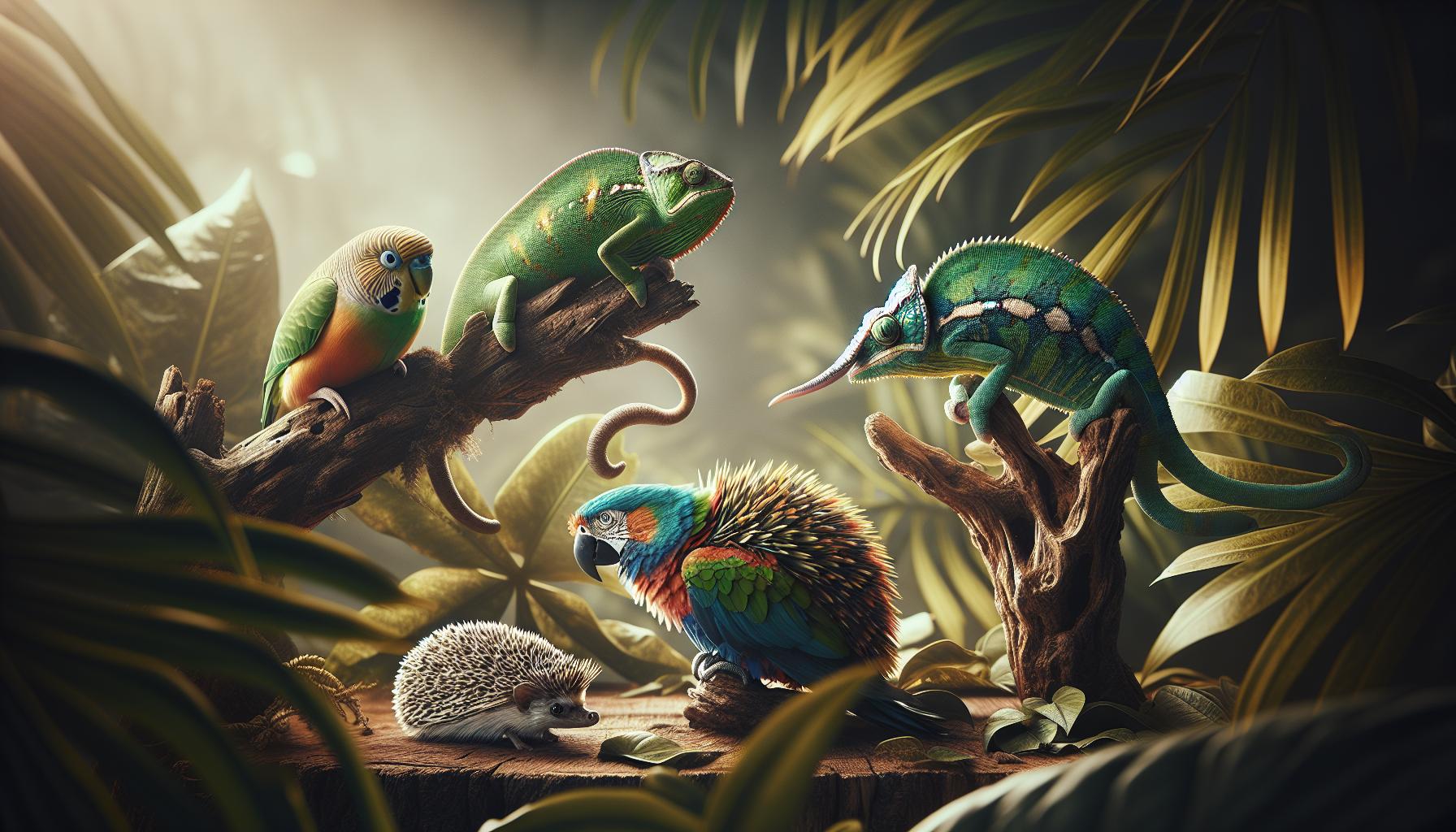
Exotic animals can captivate our hearts with their unique traits and behaviors that set them apart from traditional pets like dogs and cats. Take the colorful and social parrot as an example; their ability to mimic human speech not only entertains but fosters strong social bonds with their owners. Meanwhile, hedgehogs, with their adorable quills and curious nature, can provide a unique pet experience as they curl up into little balls when frightened, making each interaction a delightful surprise.
When considering the enchanting world of reptiles, bearded dragons stand out. These friendly lizards enjoy basking under UV light and interacting with their owners, often displaying a calm demeanor that can intrigue both adults and children. Similarly, sugar gliders, with their incredible ability to glide from tree to tree, bring a sense of adventure to pet ownership. These small marsupials require social interaction, making them perfect companions for those who can dedicate time to them.
Unique Fascination with Exotic Pets
Exotic pets often display behaviors that reflect their wild counterparts, allowing owners a glimpse into a different lifestyle. For instance, ferrets are playful and curious creatures that love to explore and tunnel through small spaces, offering endless entertainment. Meanwhile, exotic fish in a carefully maintained aquarium can create a vibrant underwater world, showcasing colorful species like clownfish or angelfish. This variety not only beautifies a living space but also provides a calming environment to enjoy.
Ultimately, choosing exotic animals as companions opens a portal to learning and exploration. Beyond their aesthetic appeal, exotic pets can teach us responsibility and respect for biodiversity-helping us understand the diverse worlds these creatures hail from. As we embrace responsible ownership, the unique characteristics of these animals remind us of the beauty of nature and the importance of conservation efforts globally.
Socialization: Building Bonds with Exotic Pets
Building a bond with your exotic pet can be one of the most rewarding aspects of ownership. Much like a dog or cat, many exotic animals can form deep emotional connections with their owners, but the process often involves unique methods tailored to their specific behaviors and needs. Understanding how to socialize with different species can enhance your relationship and create a trusting environment that benefits both you and your pet.
Parrots, for example, are known for their social nature and intelligence. They thrive on interaction and will often develop strong attachments to their owners. Engaging them in daily conversations, offering toys to play with, and allowing them time outside their cages can promote social bonding. Offering healthy treats can be a great way to motivate them to approach you or even learn tricks. Sugar gliders, on the other hand, require gentle handling and regular playtime outside their enclosure. These little marsupials are known for their strong social needs, and they thrive on physical affection and mental stimulation. This mutual interaction can help them feel secure and loved, fostering a stronger bond.
Socialization techniques vary widely among different species. Reptiles, like bearded dragons, may not exhibit affection in the same clamorous ways, but they do enjoy handling and interaction. Allowing them to explore your hands and arms in a calm environment can help them feel more comfortable, reinforcing their trust in you. Furthermore, setting aside regular time for these interactions can lead to more relaxed and enjoyable experiences for both you and your pet.
Incorporating daily routines into your interactions can further enhance social bonds. For instance, feeding your exotic pet at the same time each day, accompanying them during their feeding rituals, or giving them a daily “playtime” can establish positive associations and routines that nurture your relationship. Ultimately, understanding the needs and behaviors of your exotic pet enables you to create a loving and enriching environment where both human and animal can thrive together.
Responsible Ownership: Ensuring Exotic Pet Well-being

Exotic animals can brighten our lives in amazing ways, but choosing to welcome one into your home comes with great responsibility. These unique creatures have specialized needs in terms of care, socialization, and environment. Understanding how to meet these needs not only ensures the well-being of your pet but also enriches your own experience as an owner.
Proper nutrition is a cornerstone of responsible exotic pet ownership. Unlike cats and dogs, which often thrive on a more straightforward diet, exotic pets like iguanas or tortoises may require a varied menu that includes specific vegetables, fruits, and supplements. For instance, iguanas primarily eat leafy greens and need calcium and vitamin D3 to prevent metabolic bone disease. It’s crucial to research the dietary requirements of your particular species, perhaps consulting a veterinarian or specialized literature to formulate a balanced diet.
Equally important is the environment in which your exotic pet resides. Many species come from specific habitats-whether it’s the humid rainforest or the arid desert-which means they require tailored housing conditions. For example, reptiles like chameleons need regulated temperatures and humidity levels to thrive. A bioactive terrarium setup can mimic their natural habitat, promoting healthy behaviors and overall well-being. Investing in appropriate housing and equipment, like heat lamps or substrate, pays off in the form of a happier, healthier pet.
Social interaction is another vital aspect of ensuring your exotic pet’s happiness. While some species are naturally social, like parrots, others may need more encouragement to engage. Establishing a routine that includes regular playtime, training sessions, or simply being present will help them feel secure and build trust in you as their caregiver. Be attentive to their social needs; for example, if your pet shows signs of stress, it may need more gentle handling or quiet time away from stimulation.
Finally, responsible ownership means being aware of legal regulations associated with exotic pet ownership. Some animals may require permits, and certain species might be endangered or restricted under local laws. Understanding these regulations helps protect both the owner and the species in question. In this way, responsible ownership not only fosters a loving relationship between you and your pet but also contributes to broader conservation efforts.
Embracing the joys of exotic pet ownership entails a commitment to learning and adapting to the needs of these remarkable creatures. By ensuring their well-being, you embark on a rewarding journey that benefits both you and your unique companion.
Legal Considerations for Owning Exotic Animals

Owning an exotic animal can be an exhilarating experience, but alongside the joy and companionship these pets bring, there exists a web of legal considerations that every owner must navigate. From local laws to national regulations, understanding what is permissible can ensure not only the well-being of your pet but also safeguard yourself from potential legal repercussions. For instance, did you know that in some areas, owning a hedgehog or a sugar glider requires a special permit?
When venturing into the world of exotic pets, the first step is to familiarize yourself with local ordinances. Many cities and states have specific restrictions on certain species, primarily to protect public safety and prevent invasive species from disrupting local ecosystems. Always check with your state’s wildlife agency or local animal control office before acquiring an exotic pet. These resources often provide lists of species that are illegal to own, as well as those that require permits.
Another important aspect to consider is the potential for endangerment and conservation laws. The Endangered Species Act and similar regulations may classify some exotic animals as threatened or endangered. Owning such animals may not only require special permits but could also subject you to stricter care standards and reporting requirements. For example, primates, which are occasionally kept as exotic pets, often fall under regulations due to their complex needs and social structures. Understanding these nuances helps foster a responsible ownership mindset that prioritizes the animal’s welfare.
Lastly, it’s wise to consider the commitment to ethical sourcing. Many exotic pets are bred in captivity, but others might be taken from their natural habitats, contributing to decline in wild populations. By choosing to adopt or buy from reputable breeders, you support sustainable practices and discourage the illegal wildlife trade. Not only is this beneficial for biodiversity, but it also enhances your experience as an owner, knowing (and being able to demonstrate) that your pet was responsibly sourced.
As you explore the delights of exotic pet ownership, taking the time to comprehend the legal landscape is crucial. Not only will this knowledge protect you, but it also paves the way for a fulfilling relationship with your unique companion, enriching both your lives in the process. The journey of responsible ownership is a rewarding adventure, contributing to conservation while adding a sprinkle of wonder to your everyday life.
Exotic Pets and Biodiversity: Supporting Conservation Efforts
Owning an exotic pet isn’t just about enjoying their unique traits; it’s also a chance to contribute positively to global conservation efforts. Many species in the pet trade are facing habitat loss and declining populations in the wild. By adopting these animals responsibly, pet owners can play a crucial role in supporting biodiversity and fostering a culture of conservation. For instance, choosing to adopt a species from a reputable sanctuary or a conservatively bred source can help reduce the demand for poached or wild-caught animals.
In addition, many exotic pets have unique stories that highlight the plight of their species. For example, certain reptiles, like the red-eared slider turtle, are often overcollected from their natural habitats. By becoming an informed pet owner and sharing knowledge about the importance of protecting these species, you can help raise awareness in your community. Moreover, responsible owners can participate in breeding programs aimed at re-establishing populations in the wild or supporting organizations focusing on habitat preservation.
Building a connection with an exotic pet also encourages owners to advocate for conservation efforts more broadly. Many exotic animals, like parrots and iguanas, require a diverse diet and specific environmental conditions that resemble their natural habitats. This commitment to their care often results in pet owners becoming more educated about wildlife preservation and environmental sustainability.
Ultimately, every exotic pet can serve as a living ambassador for their species, sparking interest in their wild counterparts and encouraging a greater appreciation for biodiversity. The passion of pet owners can drive vital discussions about conservation, leading to a ripple effect that benefits wildlife on a global scale. Through responsible ownership practices, you can enrich your life while contributing to the well-being of the planet.
Fostering a Sense of Adventure with Exotic Companions
Experiencing life with an exotic pet can inject a healthy dose of adventure into your daily routine. From the moment you decide to welcome an exotic companion, you step into a world filled with unique behaviors, fascinating rituals, and a spectrum of interactions that can be both surprising and delightful. For instance, imagine observing the acrobatics of a sugar glider as it glides from one end of the room to another, or the curious nature of a ferret as it explores its environment with unabashed enthusiasm. These moments not only entertain but also foster a connection that is both exhilarating and enriching.
The adventure doesn’t stop at watching. Engaging with an exotic pet often involves learning about their natural behaviors and habitats, leading to a deeper appreciation of the animal kingdom. For example, caring for a Bearded Dragon allows you to recreate its desert habitat, complete with the right basking spots and UV lighting, providing your scaly friend with a thriving environment while also immersing yourself in herpetology. Similarly, keeping parrots can introduce you to the joys of teaching and repetition, where learning new words and tricks becomes a fun activity that strengthens your bond.
Interacting with exotic pets can also inspire you to step out of your comfort zone. Whether it’s taking a hedgehog for a safe outdoor experience or creating a challenging enrichment environment for your nocturnal pets, each day presents opportunities to explore and learn together. This hands-on experience emboldens you to discover new aspects of animal care and wildlife conservation, sparking creativity in how you approach everyday tasks.
In essence, the allure of exotic pets is about embracing adventure in ways you might never have considered. The blend of responsibility and excitement encourages not just a commitment to the animal’s well-being but also a broader appreciation for wildlife. Each exotic companion serves as not only a pet but also a teacher, guiding you through a journey filled with discovery, joy, and appreciation for the wonders of the natural world.
Q&A
Q: What are some unique benefits of owning exotic pets?
A: *Exotic pets offer distinct advantages*, such as promoting biodiversity awareness and providing unique companionship not found in traditional pets. Their varied behaviors can enhance your home environment and stimulate curiosity, making them intriguing family members and conversation starters.
Q: How do exotic pets contribute to personal well-being?
A: *Owning exotic pets can enhance personal well-being* through companionship and enjoyment. Activities like observing their behavior or caring for them can reduce stress and anxiety, creating a therapeutic bond that enriches your daily life.
Q: Are exotic pets suitable for families with children?
A: *Many exotic pets can be great for families,* provided the species is suitable for children. Enrichment activities and responsible handling can teach kids about animal care, responsibility, and respect for wildlife, fostering valuable life skills.
Q: What special care do exotic pets require compared to traditional pets?
A: *Exotic pets often have specific care requirements,* including specialized diets, habitats, and socialization needs. Researching their unique needs is crucial to ensure a healthy and enriching environment, which can differ significantly from dogs or cats.
Q: How can owning exotic animals support conservation efforts?
A: *Owning exotic pets can support conservation* by raising awareness about their wildlife status and inspiring responsible ownership. Some breeders are involved in conservation programs that aid in protecting species and their natural habitats, benefiting ecosystems globally.
Q: What are some legal considerations for owning exotic pets?
A: *Legal considerations vary by location* and may include permits, species restrictions, and animal welfare laws. It’s essential to check local regulations before acquiring an exotic pet to ensure responsible ownership and compliance with the law.
Q: What educational opportunities do exotic pets provide?
A: *Exotic pets can offer educational experiences,* helping owners learn about animal behavior, biology, and conservation. Engaging with these animals can foster a deeper understanding of biodiversity and environmental issues, valuable for both adults and children.
Q: What kinds of exotic animals make the best pets?
A: *Choosing the right exotic pet depends on your lifestyle.* Common choices include reptiles, birds, and small mammals like sugar gliders. It’s crucial to consider the animal’s specific needs, lifespan, and your ability to provide proper care and environment.
The Conclusion
As we’ve explored the fascinating reasons why exotic animals can make exceptional pets, remember that each unique creature brings its own joys and responsibilities. If you’re considering welcoming one into your home, make sure to research their specific care needs and behaviors thoroughly-this knowledge is key to a harmonious relationship.
Want to dive deeper? Check out our guides on “Top Exotic Animals for Beginners” and “Essential Care Tips for Exotic Pets” for more insights and expert advice. Don’t miss out on becoming part of a vibrant community of wildlife enthusiasts! Subscribe to our newsletter for the latest articles, tips, and share your thoughts in the comments below. Together, let’s celebrate the beauty of these amazing animals and ensure responsible pet ownership!
Get our latest guides, news, and insights highlighted in your Google Search & AI Overviews.