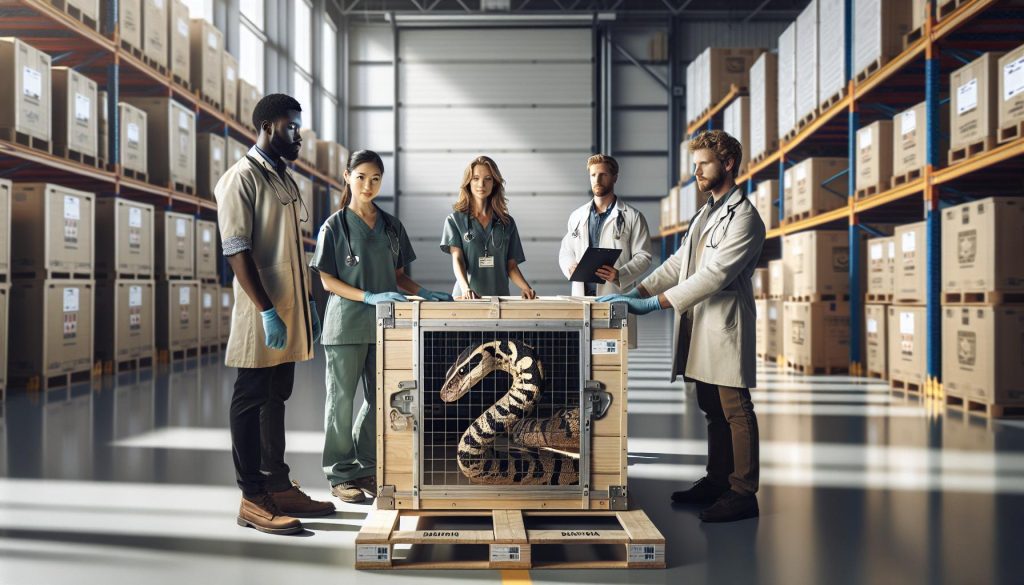
Did you know that transporting exotic animals is a highly specialized endeavor, governed by strict regulations to ensure their safety and well-being? As more people embrace the joys of owning unique pets, understanding how these animals travel from one place to another becomes crucial. From delicate reptiles to magnificent birds, each species has its own unique transport needs, often requiring expert logistics and careful planning.
In “How Are Exotic Animals Transported? Behind the Scenes,” we’ll explore the fascinating processes and considerations involved in relocating these remarkable creatures. Whether you’re a seasoned exotic pet owner or simply curious about the logistics of animal transport, this journey will reveal the challenges and triumphs faced by those who ensure that our furry, scaly, and feathered friends travel safely to their new homes. Get ready to dive into the intricate world of exotic animal transport, where passion meets responsibility, and every detail matters!
How Exotic Animals Are Prepared for Transport
When it comes to transporting exotic animals, preparation is key to ensuring their safety and well-being. Before an animal embarks on its journey, transport specialists conduct thorough assessments, often beginning weeks in advance. Each species has unique needs-whether it’s a striking macaw or a shy chameleon. Understanding behavioral traits, habitat requirements, and stress factors is essential in this meticulous process.
First, animals undergo health evaluations by veterinarians to ensure they are fit for travel. This might include vaccinations, health certifications, and even tests for specific pathogens, especially for species vulnerable to stress-induced illnesses. For instance, large reptiles often require stable temperatures and humidity levels, so their enclosures must mimic their natural environments as closely as possible. Utilizing technologies such as climate-controlled transport vehicles ensures comfort during transit.
Once health checks are complete, animals are acclimated to their travel containers, which are specifically designed to keep them secure and comfortable. These enclosures often include adequate ventilation, escape-proof designs, and appropriate flooring materials to reduce stress. Proper enrichment items, like favorite toys or branches for climbing, can also be included, providing familiar scents and textures to make them feel safer. As the travel date nears, ongoing monitoring is crucial. This might involve maintaining a balanced diet and minimizing handling to avoid additional stress.
The final preparations also include meticulous logistical planning. Transportation routes are carefully chosen to avoid excessive delays, and coordination with local authorities ensures compliance with international regulations, especially when crossing borders. Each step is designed with the utmost consideration for animal welfare, highlighting the joint responsibility of trained professionals and compassionate owners in safeguarding these incredible creatures during their journeys.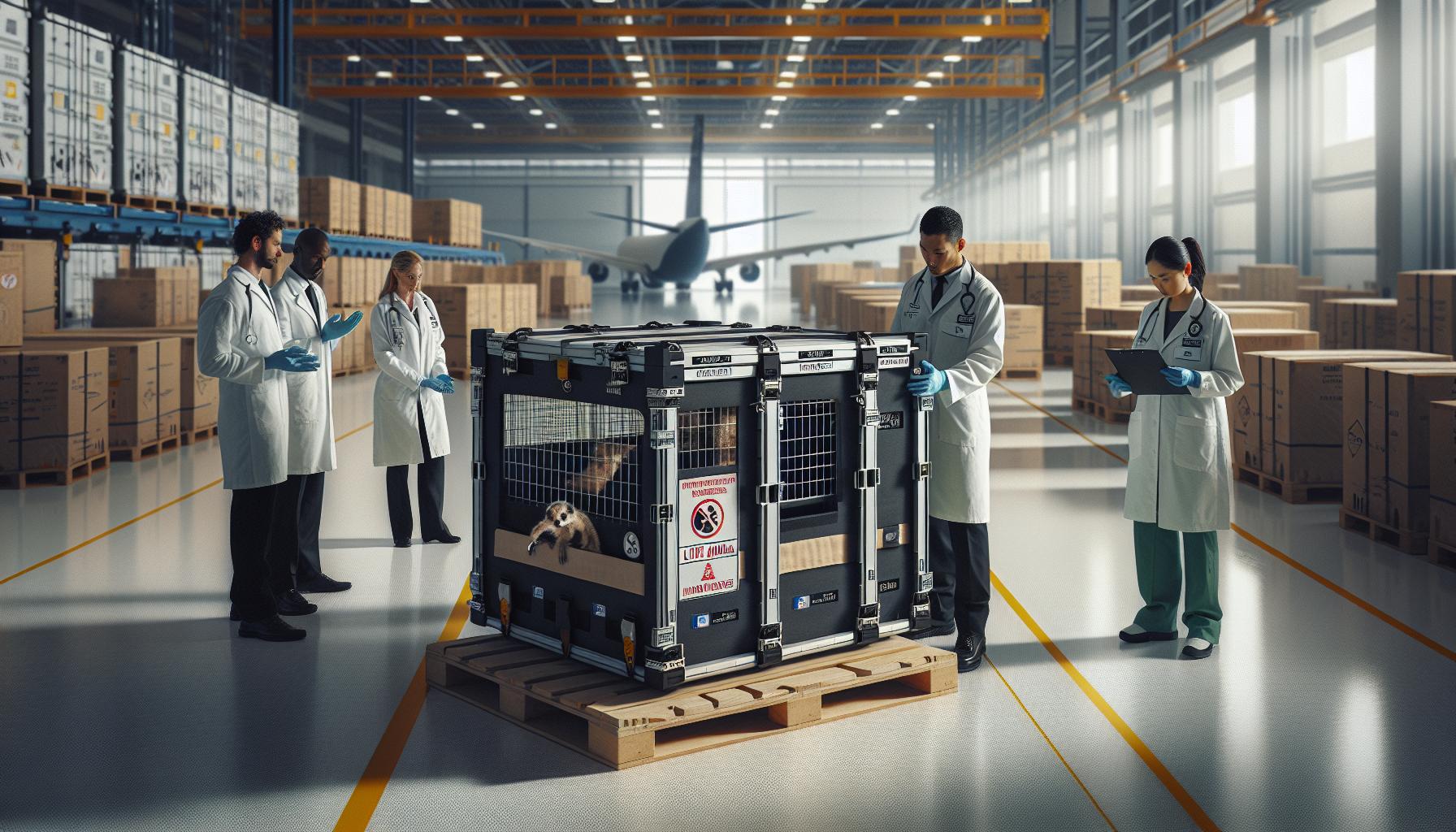
The Key Regulations for Transporting Exotic Animals
Transporting exotic animals is not just a process; it’s governed by a complex framework of regulations designed to protect both the animals and the ecosystems they come from. For anyone involved in the transport of these unique creatures-be it for conservation purposes, relocation, or trade-understanding these key regulations is crucial.
At the federal level in the United States, the Animal Welfare Act (AWA) sets the groundwork for all animal transport regulations. It mandates that animals be transported in a manner that provides for their welfare, including adequate space, ventilation, and safety. Additionally, the U.S. Department of Agriculture (USDA) enforces these regulations, often conducting inspections to ensure compliance. For exotic animals specifically, one must also consider the 9 CFR Part 352 regulations concerning the processing and transport of exotic animal meat and related products, which detail protocols on handling and welfare during transport [[1]].
Internationally, the Convention on International Trade in Endangered Species of Wild Fauna and Flora (CITES) plays a vital role. CITES regulates the trade of endangered species, requiring permits for the transport of many exotic animals. Each country that is a party to CITES must adhere to its regulations, which may vary depending on the species and the level of risk associated with transportation. For instance, transporting an endangered bird or a rare reptile may require not only health certificates but also proof of legality and ethical sourcing.
Furthermore, transportation companies specializing in live animals usually follow the International Air Transport Association (IATA) Live Animals Regulations (LAR). These regulations outline the best practices and requirements for transporting various species, ensuring conditions that take into account the individual needs of animals, such as temperature control and enclosure specifications [[2]]. Adhering to these standards not only protects the animal but also shows a commitment to ethical practices in an industry that is often scrutinized.
In summary, navigating the regulations surrounding exotic animal transport is essential for anyone involved in the process. These rules are in place to safeguard the animals and ensure that their transport is carried out humanely and responsibly. Enthusiasts and professionals alike should remain aware of both domestic and international laws governing the trade of exotic species to promote conservation and ethical standards in wildlife transport.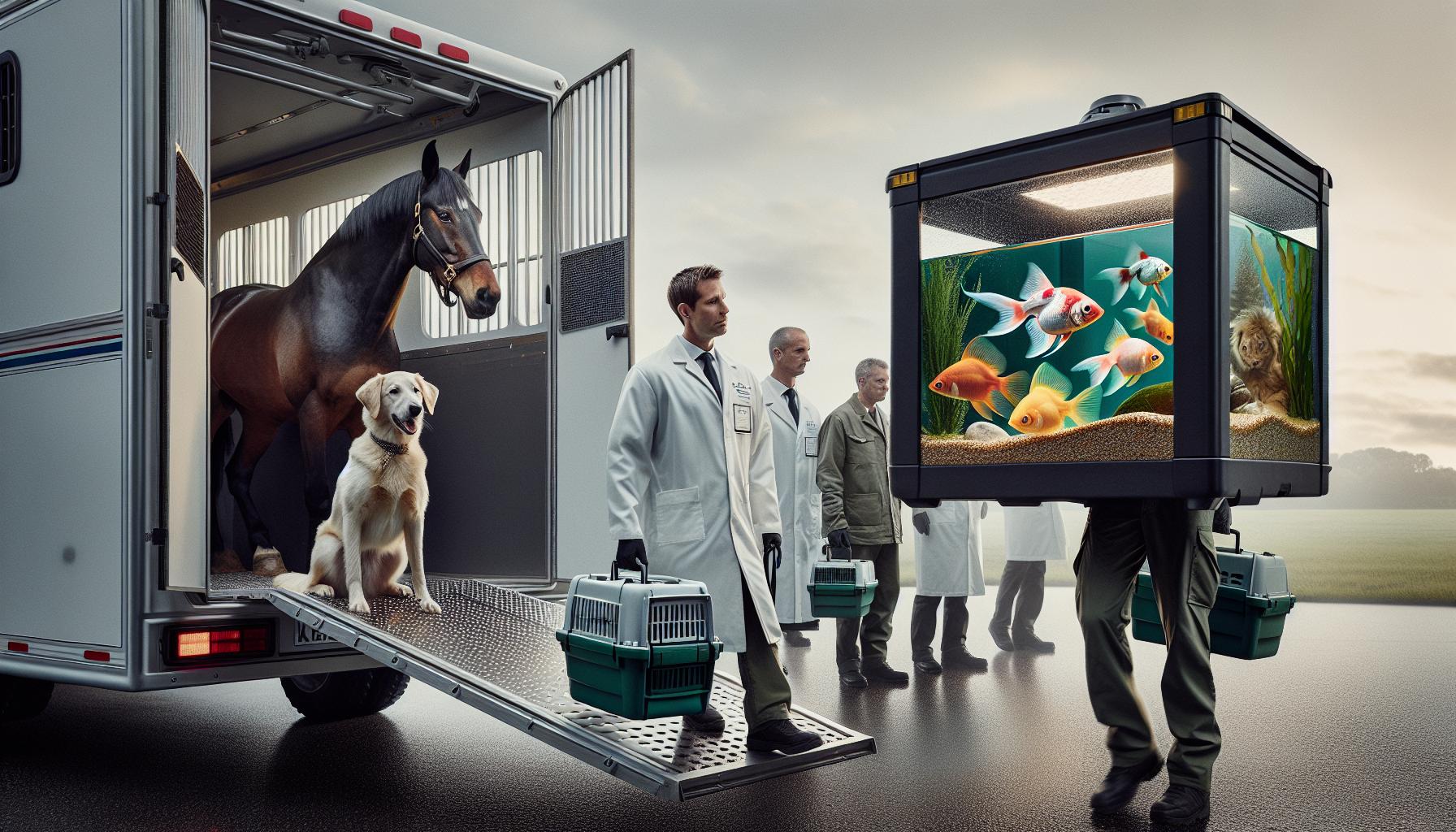
Safe Transport Methods for Different Species
Transporting exotic animals requires not only meticulous planning but also specific strategies tailored to the unique needs of different species. The safety and well-being of these animals during transit depend on understanding their natural behaviors, habitats, and specific care requirements, ensuring a humane journey that minimizes stress and upheaval.
For many reptiles, such as snakes and lizards, temperature regulation is crucial; these cold-blooded creatures rely on their surroundings to maintain body temperature. Thus, transportation enclosures must be designed with insulation to protect against extreme temperatures. During transport, it is often recommended to use heat packs or cool packs, depending on the species and environmental conditions. Furthermore, secure, ventilated containers allow for proper air circulation while preventing the animals from escaping or injuring themselves.
Birds, on the other hand, have different needs. For successful transport, it is essential to address their psychological well-being as well as their physical safety. Enclosures should be spacious enough to allow the bird to move comfortably and should include perches made from natural wood to mimic their habitat. Varieties of birds, especially those that are more sensitive, such as parrots, may also require calming strategies during transport. This can include providing familiar items, such as toys or blankets, to help reduce stress.
Mammals like primates or large cats present their own unique challenges. For these species, transport crates must be robust and spacious enough to accommodate their size and activity level. Moreover, they should include enrichment items to keep the animals engaged and calm during transit. In addition, transport times should be minimized whenever possible, and regular breaks with access to water and food should be planned.
Safety and comfort during transport can’t be overstated, as they play a vital role in the journey’s success. The symbiotic relationship between proper enclosure design, consideration of environmental factors, and respect for each species’ psychological needs forms the foundation for safe transport methods. Through these detailed methods tailored to each species, the overall welfare of exotic animals can be upheld, ensuring they arrive at their destinations healthy and with minimal stress.
Behind the Scenes: The Logistics of Animal Transport
Transporting exotic animals is a complex process that goes far beyond simply placing an animal in a crate and moving it from point A to point B. Every journey involves careful planning, coordination, and a deep understanding of the unique needs of each species. For instance, transporting an iguana requires different considerations than shipping an eagle. Here’s a glimpse into the logistical dance that is animal transport.
The journey begins well before the animals embark on their trip. Transportation companies like Global Animal Transport and Transcon Pet Movers conduct detailed assessments of the species being transported. This includes understanding their native habitats, behavioral traits, and specific care requirements during transit. Coordinating the transport requires an understanding of local and international regulations, especially for endangered species that are subject to strict laws. Compliance with these regulations is crucial and ensures the safety of the animals, as well as protecting the transport company from potential legal issues.
Detailed Assessments and Preparations
Prior to transport, animals undergo thorough health checks to ensure they are fit for travel. Veterinarians might issue health certificates and advise on any vaccinations needed. This preventive step is vital for animals like monkeys or birds that can be susceptible to stress-related illnesses. Furthermore, the logistics team designs appropriate enclosures tailored to the specific needs of each creature. For example:
- Reptiles: Requires temperature-controlled containers with appropriate insulation.
- Birds: Need spacious cages with natural perches and familiar items to reduce anxiety.
- Mammals: Benefit from sturdy crates that provide enough room for movement and mental enrichment.
Collaborative Coordination
Transport specialists work closely with airlines and customs officials to ensure that all travel arrangements align with regulations. Scheduling is critical; flights must be timed to minimize layovers and transit duration. This involves checking on the availability of space on flights that permit live animal transport, which is essential as not all airlines allow this. The process also includes liaising with local authorities at the destination to guarantee that the animals are received properly.
Once the animals are on the move, monitoring their well-being continues. Transport teams conduct periodic checks to make sure conditions within the crates remain optimal. This attention to detail helps mitigate any stress and ensure that the animals arrive at their new homes happy and healthy.
Every step of the process highlights the importance of thoughtful logistics in animal transport. By prioritizing careful planning, compliance, and animal welfare, transportation companies help ensure that exotic animals make successful journeys while respecting their natural needs and behaviors.
Understanding the Challenges of Exotic Animal Transport
Transporting exotic animals is not merely a logistical challenge; it also involves a deep responsibility to prioritize the well-being of each creature. One of the most daunting aspects of this process is dealing with the unique requirements of different species. For instance, a transport suitable for a snake won’t necessarily meet the needs of a parrot. Each animal is a product of its environment, carrying specific behaviors and sensitivities that must be respected throughout transit.
Potential challenges begin with the intricate regulations governing the transport of exotic species. Many animals are regulated under international agreements like CITES (the Convention on International Trade in Endangered Species of Wild Fauna and Flora), which sets strict guidelines to prevent trafficking and protect wildlife. Operators must carefully navigate these regulations, often needing permits that require significant advance planning. Failure to comply can lead to delays, legal issues, or worse, the unnecessary suffering of the animals involved.
In addition to regulatory hurdles, transport logistics present another layer of complexity. The physical journey itself can be stressful for animals, and ensuring their comfort is paramount. For example, temperature and humidity control are crucial for reptiles, which often need specific environmental conditions to thrive. Birds, on the other hand, can be sensitive to noise and movement, requiring quieter transport routes and familiar objects to help ease anxiety during transit. The journey may involve multiple stops, layovers, and transfers, each introducing new variables that must be managed to maintain ideal conditions.
Accidents can also happen, such as delays or sudden changes in travel arrangements, which can exacerbate the stress on animals. Continuous monitoring during the journey is vital. Each transport team is trained to recognize signs of distress, ensuring immediate interventions when needed. All these factors highlight the challenges inherent in exotic animal transport-from regulatory compliance to species-specific care-and underscore the profound commitment required from transport professionals to prioritize the health and safety of these extraordinary creatures.
Animal Welfare: Ensuring Safety During Transit
Transporting exotic animals is a profound responsibility, and ensuring their welfare during transit is crucial for their health and well-being. Many species, from the tiniest reptiles to the most majestic birds, have specific needs that must be met to minimize stress and avoid trauma during their journeys. Understanding these needs is not just beneficial; it’s essential for anyone involved in the transport of these remarkable creatures.
To start, the choice of container plays a vital role. It should be secure, well-ventilated, and large enough to allow the animal to move comfortably. For instance, reptiles require enclosures that maintain specific temperature and humidity levels to prevent them from going into shock. On the other hand, birds thrive in surroundings that make them feel secure; adding familiar toys or perches can ease their anxiety. Transport professionals often customize enclosures to cater to each animal’s species-specific requirements, ensuring they receive the best possible environment during transit.
Continuous monitoring is another critical aspect of ensuring animal welfare. Transport teams are typically trained to observe behavioral cues indicating stress or discomfort. For example, a sudden increase in vocalization from a bird can signal distress, while a reptile becoming unusually lethargic may indicate it’s not coping well with environmental conditions. Quick responses, like adjusting temperature controls or providing a calming presence, can make a significant difference in the animal’s experience during transit.
Moreover, the journey itself can be unpredictable. Delays and unexpected circumstances may arise, making it essential for transport companies to have contingency plans in place. This includes access to veterinary care, emergency supplies, and protocols for various scenarios. Ensuring that all team members understand the importance of animal welfare and are equipped to handle emergencies reinforces a culture of care that extends beyond transportation.
Ultimately, prioritizing animal welfare during transit is a commitment to respecting the unique needs of each species, minimizing stress, and ensuring a safe journey. This dedication not only helps to transport these exotic animals effectively but also contributes to broader conservation efforts. By highlighting the importance of proper transport methods and care, we can foster a greater awareness of the responsibilities involved in handling the fragile lives of our world’s extraordinary fauna.
The Role of Transportation Companies in the Industry
When it comes to the intricate world of transporting exotic animals, transportation companies play a pivotal role, akin to a well-coordinated crew ensuring that a rare bird safely reaches its new aviary across the globe. These specialized firms bring a wealth of knowledge and experience that is essential for the delicate task of animal relocation. From understanding the unique needs of various species to adhering to strict regulations, their expertise makes them indispensable in the industry.
One of the most critical aspects of their service is developing personalized transport plans tailored to each type of animal. For example, reptiles may require climate-controlled environments that mimic their native habitats, while mammals like primates might need extra attention to minimize social stress. Transportation companies often collaborate with veterinarians and animal behaviorists to determine the safest methods and suitable enclosures. This collaboration extends to the preparation phase, where each animal’s health status is assessed and documented, ensuring they are fit for travel. For instance, exotic birds may need health certificates verifying they are free from specific diseases before embarking on their journey.
Logistics also play a significant part in the role of these companies. They coordinate not just the transportation but the entire journey: from pickup and travel routes to scheduling and timing of flights to minimize layovers and stress. Many firms employ advanced tracking technologies that allow for real-time monitoring of an animal’s journey. This allows them to quickly adapt to unforeseen situations, such as delays or changes in temperature that could affect an animal’s well-being.
Moreover, these companies prioritize animal welfare above everything else. During transit, trained staff monitor the animals continuously, ensuring all conditions remain optimal. Should an emergency arise, they have contingency plans that may involve immediate veterinary support or alternative travel arrangements. Their commitment doesn’t just stop at the journey; they are often involved in educating clients about post-transport care, ensuring that both new owners and the animals themselves can smoothly adapt to their new environments.
In summary, the role of transportation companies in the translocation of exotic animals is comprehensive and deeply integrated into the welfare and safety of the creatures in their care. By balancing logistics, species-specific requirements, and impeccable service, they provide an essential bridge between wildlife conservation efforts and responsible animal ownership.
Innovations in Exotic Animal Transport Technology
The transportation of exotic animals has evolved dramatically in recent years, thanks to groundbreaking innovations that prioritize animal welfare and safety. One of the most significant advancements lies in the use of smart cages equipped with climate controls and monitoring systems. These cages can automatically adjust temperature and humidity levels to ensure that the environment is as close to the animal’s natural habitat as possible. For instance, reptiles and amphibians often need specific heat and moisture levels, which can be efficiently regulated using these high-tech solutions, ultimately reducing stress during travel.
Another exciting development is the application of real-time tracking technology. Utilizing GPS and RFIDs (Radio Frequency Identification Devices), transportation companies can keep tabs on animals throughout their journey. This means that in cases of delays or unforeseen changes, rapid responses can be executed to either adjust conditions or reroute to ensure minimal stress for the animals. Moreover, this technology not only enhances logistics but also instills confidence in pet owners or conservationists who are anxious about the well-being of their cherished creatures.
Innovations in biosecurity measures also play a crucial role in the transport of exotic animals. Enhanced sanitation protocols and pathogen detection systems help in preventing disease transmission between animals during transport. For example, mobile testing kits can quickly identify any potential health issues before an animal boards a transport vehicle or aircraft. This is especially vital for exotic birds, which can be susceptible to respiratory infections that spread rapidly but can often go unnoticed until it’s too late.
Future Trends
Looking ahead, the integration of artificial intelligence (AI) into transport logistics is an area ripe for growth. AI can analyze vast amounts of data in real-time, helping transportation companies refine their practices further. With the ability to predict stress levels based on species behavior and environmental conditions, AI could lead to customized transport plans that are not only efficient but also align closely with the needs of the animals being transported.
With these , we can ensure that these unique creatures are not only moved safely but are also cared for in a manner that respects their natural behaviors and physiological needs. As technology continues to advance, the future promises even more tailored solutions, paving the way for a more humane approach to the transportation of exotic species.
Real-Life Stories: Successful Transport Cases
One of the most remarkable success stories in exotic animal transport involves the relocation of a rare species of parrot, the Spix’s Macaw, back to its native Brazil after being declared extinct in the wild. In a monumental effort blending conservation with logistics, dedicated teams coordinated to transport a group of these vibrant blue birds from breeding facilities in Germany to their new home in the Brazilian rainforest. The meticulous planning involved environmental simulations to mirror their natural habitat. Each macaw was housed in specially designed carriers equipped with temperature and humidity controls to ensure their comfort and safety during the journey, highlighting the advancements in technology and animal welfare standards in contemporary transport practices.
Another inspiring case is that of a rescued African elephant, named Tambo, who was relocated from a small zoo in Europe to a large sanctuary in South Africa. The logistics of this transport included not just the physical journey, but also the emotional transition for Tambo. Prior to the flight, experts conducted behavioral assessments to tailor the experience according to his needs. They utilized a large custom crate that allowed ample space for movement while also providing a secure environment. Throughout the three-day journey, Tambo was monitored continuously via GPS tracking, allowing the team to adjust transport conditions in real-time. This case illustrates how technology and expert care combine to facilitate the humane transport of such intelligent creatures.
Logistical Triumphs
In addition to individual stories, transportation companies often share their logistical triumphs as a collective effort to advocate for sustainability and conservation. For example, a recent initiative involved the transport of critically endangered turtle species from the United States to conservation programs in Southeast Asia. This operation required comprehensive compliance with international regulations, including obtaining necessary permits and coordinating with various wildlife agencies. The turtles were transported in climate-controlled containers designed to mimic their aquatic environments and were accompanied by veterinarians to monitor their health throughout the flight.
These real-life stories illustrate the increasingly sophisticated methods employed in the transport of exotic animals, where respect for animal welfare and adherence to conservation efforts play a central role. As these successful cases demonstrate, the collaboration between transportation agencies, wildlife conservationists, and government entities is vital for ensuring the safe transit of these remarkable creatures while working towards their preservation. The dedication of all involved not only ensures the successful relocation of vulnerable species but also sparks hope for the future of wildlife conservation globally.
Common Myths About Exotic Animal Transportation
Exotic animal transportation often stirs up curiosity and, unfortunately, a fair share of misconceptions. One prevalent myth is that all exotic animals travel in cramped, uncomfortable cages with little regard for their well-being. In reality, respected transportation companies prioritize animal welfare. For instance, species like giraffes and elephants are transported in specially designed crates that allow them to stand comfortably and even move around to some degree. These transporters use climate-controlled environments to mimic natural habitats, reducing stress during the journey.
Another common belief is that exotic animals can be instantly transported across the globe with little preparation. The truth is far more nuanced. Transporting these creatures involves meticulous planning and compliance with numerous regulations, including permits and health checks mandated by organizations like the U.S. Fish and Wildlife Service and the International Air Transport Association (IATA). Prior to any journey, experts often conduct behavioral assessments and health checks to ensure the animals can safely endure the trip. This attention to detail ensures that each animal’s specific needs-be it temperature, humidity, or diet-are adequately met throughout the transport process.
Some people also think that transportation is a simple task of loading animals onto planes or trucks and driving away. However, behind the scenes, a small army of professionals work tirelessly to ensure the safety and comfort of each animal. From veterinarians to wildlife specialists, everyone involved understands the significance of a stress-free transit experience. For example, when transporting a group of endangered tortoises, teams will coordinate each aspect of the journey, ensuring water and food supplies are at hand, and frequent stops are made to monitor their condition.
Lastly, there’s a misconception that transporting animals is solely about commercial gain. While it’s true that the exotic pet trade and zoos are involved, many transportations today are aimed at conservation efforts. Success stories such as relocating endangered species for breeding programs or habitat restoration highlight the vital role this industry plays in wildlife preservation. By dismantling these myths, we can foster a more informed and compassionate understanding of the complexities involved in the transport of exotic animals, ultimately encouraging better practices and policies that prioritize their welfare.
How to Choose a Responsible Transportation Service
Choosing the right transportation service for exotic animals is paramount in ensuring their safety and well-being during transit. The first step in this process is to research potential transportation companies thoroughly. Look for companies that specialize in exotic animal transport and have a solid reputation for adhering to both national and international regulations. For example, reputable companies, such as Transcon Pet Movers and Intradco Global, offer specialized services that comply with guidelines from organizations like the U.S. Fish and Wildlife Service and CITES, which are crucial for legal and safe transport [1],2.
When evaluating options, consider the experience and training of the staff. A responsible transportation service should employ wildlife experts, veterinarians, and trained handlers familiar with the specific needs of different species. These professionals understand not only the logistical challenges but also the physical and behavioral requirements of the animals. For instance, reptiles have unique temperature and humidity needs that must be carefully monitored throughout the journey, while larger mammals may require specialized crates to ensure their comfort and safety [3].
Additionally, inquire about the company’s transport methods. Look for services that use climate-controlled vehicles, provide adequate space, and ensure minimal stress during transit. Asking for references and case studies of past transports can offer insight into their success rates and standards of care. Also, visiting their facilities, if possible, allows you to assess the conditions in which the animals are housed before and after transport.
Finally, transparency is a hallmark of a trustworthy transporter. A responsible company should willingly share detailed plans of the transport process, including routes, timelines, and procedures for monitoring the animals’ health and well-being. This level of communication not only builds trust but also ensures you are well-informed about the journey ahead. By taking these steps, you not only choose a competent transportation service but also become an advocate for the welfare of the exotic animals in transit.
The Future of Exotic Animal Transport and Conservation
The world of exotic animal transport is rapidly evolving, fueled by advancements in technology and a growing commitment to conservation and animal welfare. As more individuals and organizations recognize the importance of ethical transportation practices, the future of moving exotic species promises to be both innovative and compassionate. For instance, emerging technologies in tracking and monitoring animals during transit have the potential to enhance their safety and comfort significantly. With GPS tracking and real-time health monitoring tools, transporters can provide tailored journeys that cater to the specific needs of different species, adapting to their behavior and health status throughout the trip.
Innovations in transport methods are also playing a crucial role in shaping the future. Climate-controlled vehicles and specially designed travel crates are becoming standard. These advancements ensure that animals are protected from extreme temperatures and can experience minimal stress during their journeys. Companies are increasingly investing in sleek, modern transport vehicles equipped with temperature regulation systems, reducing the risks associated with transport-induced stress. More importantly, these practices align with worldwide conservation efforts that seek to protect both wildlife populations and their habitats.
Additionally, there is a growing awareness and emphasis on transparent communication among transport companies, regulatory bodies, and clients. As the public becomes more knowledgeable about animal welfare, responsible handlers will provide detailed itineraries and constantly update stakeholders on the state of the animals in transit. This transparency not only builds trust but also encourages a higher standard in the industry as clients demand humane and ethical treatment for their charges.
Ultimately, as we look ahead, the marriage of technology and ethics in the transport of exotic animals will likely lead to improved care standards. With a strong focus on collaboration among wildlife experts, transportation companies, and conservation organizations, the future is bright for safe and humane transport that prioritizes the well-being of these incredible animals. It’s an exciting time for wildlife enthusiasts and advocates as we collectively strive to ensure that every journey contributes positively to the preservation of these species for future generations.
Frequently asked questions
Q: How are exotic animals transported across international borders?
A: Exotic animals are transported internationally by adhering to strict regulations, including permits and health certifications. Specialized transport companies ensure compliance with international guidelines, providing secure and species-specific crates, temperature control, and constant monitoring throughout the journey to safeguard animal welfare.
Q: What are the most common methods for transporting exotic pets?
A: The most common methods for transporting exotic pets include air transport, ground shipping, and specialized animal carriers. Each method is chosen based on the species, distance, and specific needs, ensuring safety and comfort during transit.
Q: Why is it important to use professional transport services for exotic animals?
A: Professional transport services are crucial because they ensure proper handling, knowledge of legal regulations, and adherence to animal welfare standards. These experts manage the logistics and safety precautions required for transporting delicate species effectively and humanely.
Q: What can owners do to prepare their exotic animals for transport?
A: Owners should prepare their exotic animals by familiarizing them with their transport carrier, providing essential health documents, and ensuring they are calm and comfortable before the trip. Additionally, consult with veterinarians for any specific care needs during transportation.
Q: How do transportation companies ensure the welfare of exotic animals during transit?
A: Transportation companies ensure welfare by implementing environmentally controlled crates, providing appropriate ventilation, and monitoring animals throughout the journey. They also schedule regular breaks to attend to the animals’ needs, minimizing stress and discomfort.
Q: What challenges do companies face when transporting exotic animals?
A: Companies face challenges like fluctuating regulations, varying climate conditions, and the specific needs of different species. Addressing these challenges requires careful planning and expertise to ensure a successful and safe transport process.
Q: How are exotic animals monitored during transportation?
A: Exotic animals are monitored through various methods, including real-time tracking systems, temperature monitoring devices in their crates, and frequent veterinary checks. These measures help ensure that animals remain stable and healthy throughout their journey.
Q: What should I consider when choosing an exotic animal transport service?
A: When choosing a transport service, consider their experience with specific species, compliance with regulations, and reviews from previous clients. It’s essential to ensure they prioritize animal welfare and have a transparent plan for the entire transportation process.
Closing Remarks
As we’ve explored the intricate world of exotic animal transportation, it’s clear that ensuring the well-being of these unique creatures requires expertise and dedication. Whether it’s for conservation efforts, relocations, or personal ownership, the behind-the-scenes processes are vital for their safe journey. If you’re considering venturing into the world of exotic pets or just want to learn more about animal welfare, check out our articles on Best Practices for Exotic Pet Care and Understanding Animal Transport Regulations.
Ready to take the next step in your exotic animal journey? Join our newsletter for the latest insights and updates, or explore our detailed guides to connect deeper with these fascinating species. Don’t hesitate to share your thoughts in the comments or follow us on social media to keep the conversation going. Every animal deserves our respect and care-let’s make responsible ownership a shared goal!
Get our latest guides, news, and insights highlighted in your Google Search & AI Overviews.