
Did you know that certain monkeys can make fascinating and playful companions? However, choosing a pet monkey isn’t just about love; it entails responsibility, legal considerations, and an understanding of their unique needs. As exotic pets, monkeys require specialized care, diet, and social structures, making informed ownership crucial. In this guide, we’ll explore which monkey species are legally permissible as pets in various regions, along with advice on their care and temperament. Whether you’re a curious newcomer dreaming of a primate friend or an experienced exotic animal enthusiast, understanding the implications of pet ownership will help ensure a happy and healthy environment for both you and your future furry companion. Let’s dive into the wonderful world of pet monkeys and discover your options!
Understanding Pet Monkeys: Basic Facts to Know
Many people find monkeys to be fascinating and intelligent companions, sparking curiosity about them as potential pets. However, it’s crucial to understand that monkeys, while captivating, are complex creatures that require specific care and attention. Among the over 300 species of monkeys, only a few are commonly kept as pets, and each comes with its own set of behavioral traits, dietary needs, and social requirements. For those considering this unique companionship, knowledge is key.
Pet monkeys are highly social animals that thrive on interaction with both their human caretakers and other monkeys. For example, Capuchin monkeys are known for their playfulness and intelligence, making them popular choices. However, their social nature means they can become bored or stressed if left alone for extended periods, leading to destructive behavior. It’s essential to understand that these animals require regular mental stimulation and enrichment, such as toys and puzzles, along with opportunities for social interaction.
In terms of habitat, pet monkeys need space to move and explore. A cage or enclosure that mimics their natural environment is essential, complete with climbing structures and places to hide. Additionally, many monkey species have specific dietary requirements; for instance, a well-balanced diet for a squirrel monkey may include a variety of fruits, vegetables, and a protein source. Understanding their dietary needs and ensuring proper nutrition is vital for their health and longevity.
It is also important to consider the legal aspects of monkey ownership, as laws around pet monkeys vary greatly by location. Some states or countries have strict regulations or outright bans on private ownership of certain species. Potential owners should always research their local laws and regulations regarding exotic pets before acquiring a monkey to ensure compliance and responsible ownership.
By educating themselves, monkey enthusiasts can ensure they make informed decisions about their potential new companions, balancing the joy of pet ownership with the utmost respect for these incredible animals.
Legal Considerations for Owning a Monkey
Understanding the legal landscape surrounding monkey ownership is crucial for anyone considering bringing one of these fascinating creatures into their home. Different states and countries have varied laws that may restrict or entirely prohibit the keeping of monkeys as pets. For instance, in states like California and New York, the ownership of most species of monkeys is either heavily regulated or illegal, citing concerns over public safety and animal welfare. On the other hand, some states have more lenient laws, allowing certain species under specific conditions.
Before acquiring a monkey, it’s essential to check both local and state regulations to ensure compliance. This often involves obtaining permits, adhering to zoning laws, and ensuring that the animal was bred in captivity and not taken from the wild. Many regions require potential owners to demonstrate knowledge about the species and have adequate resources to provide for their care. For example, in Florida, while ownership of some monkey species is permitted, potential owners must be licensed, and the animals must have proper veterinary care and a secure habitat.
Moreover, the ethical implications of owning a monkey can’t be ignored. Many species are highly social and need companions of their kind, which can lead to ethical dilemmas for solitary pet owners. It’s important to consider whether you can meet their social and environmental needs, as the failure to do so can result not only in an unhappy monkey but also legal repercussions if the animal is found to be living in inadequate conditions.
To navigate these legal waters effectively, potential owners should engage with local wildlife agencies or animal advocacy organizations. These resources can provide guidance not only on the legalities but also on the ethical responsibilities that come with monkey ownership. By being informed and prepared, you can ensure that your journey into pet ownership is both lawful and compassionate.
Top Monkey Breeds Suitable as Pets
While many people dream of having a monkey as a pet, not every species is suitable for life in a human household. A few specific breeds tend to thrive better in domestic environments, striking a balance between companionship and manageable care requirements. If you’re considering welcoming a monkey into your life, it’s essential to choose a breed that aligns with your lifestyle, living situation, and the legal frameworks in your area.
Capuchin Monkeys
Capuchins are among the most popular pet monkeys and for good reason. These little guys are known for their intelligence and playful nature, often described as the “clowns” of the monkey world. Capuchins are incredibly social, requiring a lot of interaction, and they can be trained to perform a variety of tricks. However, they can also be quite demanding and may not be suitable for first-time exotic pet owners due to their need for attention and stimulation.
Marmosets
Marmosets, particularly the Common Marmoset, are small, affectionate primates that make endearing companions. They thrive on social interaction, not just with their human caregivers, but also with other marmosets, making it advisable to keep them in pairs. Their small size and relatively simple dietary needs are appealing, but prospective owners should be aware that marmosets can be prone to stress if not provided with adequate stimulation and socialization.
Squirrel Monkeys
Known for their bright personalities and engaging behavior, squirrel monkeys are another option for those looking to own a pet monkey. These monkeys are highly active and curious, requiring ample space to move around and explore. Their playful nature makes them entertaining companions, but they are not ideal for those seeking a laid-back pet. Additionally, squirrel monkeys are best suited for experienced owners who can meet their social and psychological needs.
Other Considerations
Before deciding on a monkey breed, it’s crucial to research the specific requirements of that species. Here are some key considerations:
- Legal Restrictions: Always verify the legality of owning your preferred monkey breed in your location, as regulations vary widely.
- Space: Ensure you have enough space to accommodate their exercise and social needs.
- Companionship: Many monkeys are social animals that thrive with companions of their kind; consider the implications of keeping only one.
- Care Commitment: Be prepared for a long-term commitment, as many monkey species can live over 20 years.
Choosing the right monkey as a pet is about more than just personal preference; it involves understanding the unique characteristics and needs of each species. By carefully considering these factors, you can ensure that both you and your new companion will have a harmonious and fulfilling relationship.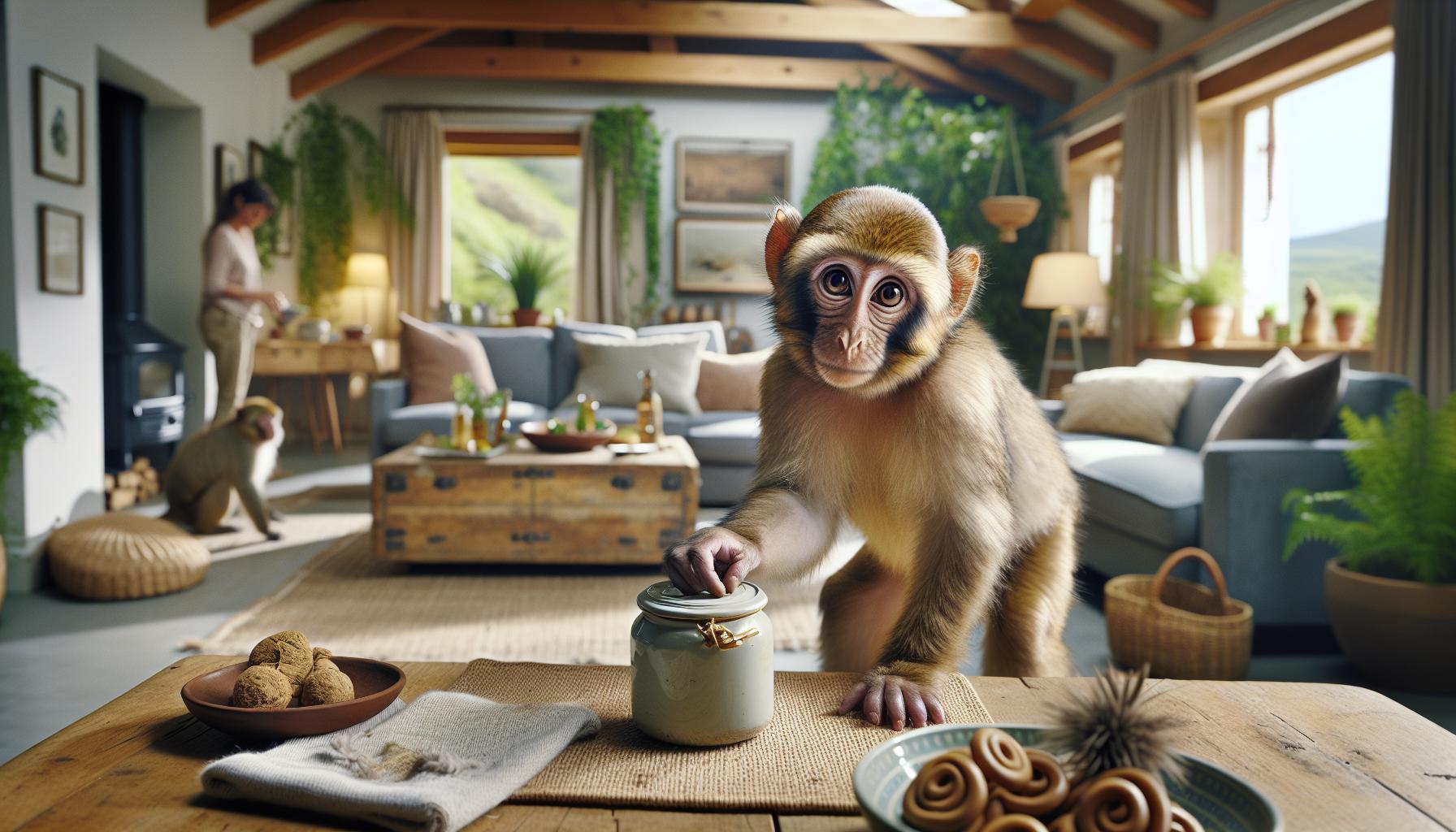
Behavioral Traits of Pet Monkeys
Pet monkeys are fascinating creatures, full of personality and charm, making them incredibly appealing as pets. Each monkey species has its unique behavioral traits that potential owners should understand. For instance, Capuchin monkeys, renowned for their intelligence and social nature, often exhibit playful antics that can be entertaining but require substantial interaction. It’s important to note that they thrive on mental stimulation; without it, they may resort to destructive behaviors out of boredom.
Marmosets, on the other hand, are smaller and often described as affectionate companions. These primates are social animals who need interaction not just with humans but also with their peers. Keeping them in pairs can significantly enhance their well-being, as they engage in social behaviors that are integral to their happiness. Their vocalizations and playful interactions can bring joy to any household.
Squirrel monkeys showcase high energy levels, exhibiting constant curiosity and playfulness. They require plenty of space to exercise and explore, which is essential for their physical and emotional health. These monkeys are known for their social structures and often display bonding behaviors like grooming and vocal communication, which can strengthen their relationships with human caregivers.
Understanding these behaviors is crucial not only for meeting their needs but also for ensuring a harmonious relationship. Each species has its own quirks; therefore, prospective owners should carefully consider which traits align with their lifestyle and expectations. This knowledge will help in fostering a rich and fulfilling companionship with your pet monkey, encouraging both enjoyment and responsible ownership.
Space and Habitat Needs for Pet Monkeys
Creating an appropriate living space for pet monkeys is essential for their health and happiness. These inquisitive and active animals require more than just a cage; they need an environment that mimics the complexities of their natural habitat. Providing adequate space allows them to climb, explore, and exhibit natural behaviors, which is crucial for their physical and mental well-being.
Most pet monkeys, regardless of breed, need a large enclosure that offers vertical space as well as horizontal. A typical guideline is to have a space measuring at least 6 feet high and 10 feet wide. Yet, the bigger the better! In addition to the structural dimensions, the enclosure should be enriched with various climbing structures such as ropes, branches, and platforms. These elements not only satisfy their instinct to climb and explore but also help to keep them physically fit, much like monkeys would in the wild.
Outdoor vs. Indoor Enclosures
Some owners opt for outdoor enclosures, which can provide fresh air and sunlight that contribute to health. Outdoor spaces should be secure, escape-proof, and shaded to protect from direct heat. However, living indoors is often more practical for many monkey species, especially in urban settings. Indoor environments should be spacious and include safe, non-toxic plants, toys, and places for them to hide and sleep. Regular interaction time outside their enclosure is vital, as monkeys need socialization and mental stimulation to thrive.
It’s crucial to note that the environment should reflect the social nature of monkeys. They’re not solitary creatures; they thrive in groups. Therefore, having multiple monkeys can improve their happiness. If having a companion isn’t feasible, ensuring significant human interaction is key. Rotating toys and changing the layout of their space periodically keeps their environment stimulating, preventing boredom and associated behavioral issues.
Setting up a suitable habitat requires careful thought and dedication. By prioritizing space and enrichment in their living conditions, you can ensure that your pet monkey leads a fulfilling and healthy life, forming a bond that benefits both of you.
Essential Care Requirements for Monkeys
Caring for a pet monkey is a rewarding yet challenging commitment that goes beyond basic companionship. These intelligent and social creatures require a well-rounded approach to their care, ensuring they are healthy, happy, and properly stimulated. To thrive, monkeys need a balanced diet, regular veterinary care, mental stimulation, and ample social interaction. It’s essential to understand that the responsibility of monkey ownership encompasses a variety of aspects that impact their well-being.
A properly balanced diet is fundamental. Monkeys are omnivorous and need a mix that includes fresh fruits, vegetables, and high-quality primate pellets. Foods like bananas, apples, and leafy greens provide vital nutrients. Avoiding processed foods and sugary snacks is crucial, as they can lead to significant health issues like obesity and dental problems. Regularly consulting with a veterinarian who specializes in exotic animals is also critical for monitoring dietary needs and overall health.
Mental stimulation is another key factor in their care. Monkeys are highly intelligent and require engagement to prevent boredom, which can lead to destructive behaviors. Incorporating a variety of toys that challenge their problem-solving abilities can make a significant difference. Activities such as puzzle feeders, where food is hidden within toys, promote cognitive skills and mimic foraging behavior. Additionally, setting up a routine that includes training sessions can strengthen your bond and reinforce positive behaviors through rewards.
Socialization is crucial to a monkey’s happiness. They are inherently social animals and often thrive on interaction, whether with other monkeys or their human companions. If you decide on keeping a single monkey, providing consistent and enriching human interaction is vital. However, if circumstances allow, adopting a pair can greatly enhance their well-being, as they can engage in natural social behaviors with one another.
Ultimately, responsible ownership of a pet monkey demands time, effort, and dedication to meet their complex needs. Engaging with them daily, ensuring they have a proper diet, stimulating toys, and opportunities for social interaction will help nurture a healthy and fulfilling life for your primate companion. Remember, the joy of having a monkey as a pet comes with the responsibility to provide an environment that respects their nature and promotes their well-being.
Socialization and Bonding with Your Monkey
Building a strong bond with your monkey is not just a rewarding experience; it is essential for their emotional well-being. Monkeys are incredibly social creatures, and their happiness largely depends on their interactions with their human companions. The more time you spend with your monkey, the more secure and content they will feel in their environment. Establishing a relationship based on trust takes patience and consistency, which can lead to a deep emotional connection that is both fulfilling for you and beneficial for your monkey.
To foster socialization, start by creating a structured routine. Monkeys thrive on predictability; knowing what to expect helps them feel safe. Incorporate daily playtime and training sessions into your routine. For example, you can use clicker training to reinforce positive behaviors. This technique not only builds a strong bond but also allows your monkey to engage in mental challenges, reducing boredom and preventing behavioral issues. Additionally, make sure to provide a variety of toys that encourage exploration and problem-solving. For instance, using puzzle feeders filled with treats can stimulate their minds while rewarding their curiosity.
Understanding your monkey’s body language is also crucial for effective communication. Monkeys express their feelings through facial expressions, vocalizations, and physical gestures. For instance, a relaxed, open posture generally indicates comfort, while a stiff body with a closed stance may signal stress or discomfort. By observing these cues, you can adjust your interactions accordingly, ensuring your monkey feels respected and understood. Remember to approach them calmly and respectfully to reinforce positive interactions, especially during initial bonding phases.
Socialization doesn’t just benefit solitary monkeys; having a companion can significantly enhance their quality of life. If you have the opportunity, consider adopting another monkey. This allows them to engage in natural behaviors such as grooming and playing, which are vital for their mental health. If you’re committed to responsible ownership, you can create a stimulating and loving environment that meets all your monkey’s needs, paving the way for a long and happy cohabitation.
What to Expect: The Lifespan of Pet Monkeys
The lifespan of pet monkeys can vary significantly depending on the species, care practices, and environment. On average, many pet monkeys live between 15 to 25 years, although some can live even longer with the right care. For instance, capuchin monkeys typically have a lifespan of 15 to 25 years, while macaques can live up to 30 years or more in captivity. This long lifespan means that potential monkey owners must be prepared for a long-term commitment, as these animals can require a lot of attention and specialized care throughout their lives.
To ensure a healthy and fulfilling life for your monkey, it’s crucial to provide proper nutrition, mental stimulation, and social interaction. The diet should closely mimic what they would eat in the wild-primarily fruits, vegetables, and proteins-while avoiding harmful foods such as chocolate or caffeine. Regular veterinary check-ups are also essential since monkeys are susceptible to various health issues, including diabetes and dental problems. Many monkey owners report that creating an enriched environment with toys, climbing structures, and opportunities for socializing makes a significant difference in their pets’ happiness and overall health.
Additionally, knowing the unique needs of each species can greatly affect their longevity. For instance, squirrel monkeys are social creatures and tend to thrive better in pairs or groups, which can also contribute to their well-being and lifespan. Comparatively, some species like the titi monkey may do well in smaller family units but still require interaction with their human caregivers. Understanding the specific characteristics and behaviors of your chosen breed will not only enhance your pet’s life but will also bring joy and fulfillment to your own life as a dedicated monkey owner.
As you consider bringing a monkey into your home, remember that their lifespan is accompanied by high responsibilities. A pet monkey is not just a companion; it’s a lifelong commitment that requires careful planning and resources. Being informed about what to expect can help you provide a nurturing and supportive environment for your furry friend.
Health Issues Common in Pet Monkeys
Many prospective monkey owners are surprised to learn that these intelligent creatures can be prone to a variety of health issues. Understanding these common concerns is essential for ensuring a thriving, happy pet monkey. Monkeys can suffer from the same health problems that affect other mammals, but they also face unique risks due to their specific dietary and social needs.
One of the most prevalent health issues among pet monkeys is obesity, which can lead to serious conditions like diabetes and heart disease. Monkeys often have a natural instinct to hoard food, and when combined with a sedentary lifestyle, this can quickly escalate into weight problems. To combat this, owners should provide a balanced diet rich in fruits, vegetables, and proteins while limiting high-calorie treats. Regular, active playtime is crucial to keep your monkey moving and mentally stimulated.
Another major health concern is dental disease. Monkeys often experience tooth decay and gum problems due to dietary choices and lack of proper dental care. It’s vital to include dental-friendly foods in their diet-like raw vegetables-to help mitigate this risk. Additionally, regular veterinary check-ups should include dental examinations to catch any issues early.
Infection can also pose a threat. Monkeys have sensitive immune systems and can be susceptible to viruses, parasites, and bacteria. Keeping their living environment clean and making sure they receive vaccinations and preventive care is essential for minimizing these risks. For example, capuchin monkeys are known to be particularly vulnerable to respiratory infections, so observing changes in their behavior or health can allow for timely medical intervention.
Lastly, mental health issues such as depression and anxiety are common, especially in species like macaques, which thrive in social groups. Providing ample social interaction, either with humans or another monkey, helps promote mental well-being. Enrichment activities, including toys and foraging games, are also beneficial for maintaining a healthy mind and preventing destructive behaviors.
Pet monkeys require vigilant monitoring for a range of health issues. By being informed and proactive about their care, you can help ensure your monkey lives a long, healthy, and fulfilling life.
Ethical Considerations for Monkey Ownership
Choosing to own a monkey is not just about the love for these fascinating creatures; it’s a decision that encompasses deep ethical considerations. Monkeys are highly intelligent and social animals that thrive in complex, dynamic environments-conditions that are often challenging to meet in a typical household. Before deciding to bring a monkey into your home, it’s crucial to recognize the responsibilities that come with owning such a unique pet.
First and foremost, the question of social needs arises. Monkeys are inherently social beings. Many species, such as macaques and capuchins, live in large groups in the wild, relying on social interactions for mental stimulation and emotional health. Isolating a monkey can lead to severe behavioral issues, anxiety, and depression. This means that prospective owners should carefully consider whether they can provide enough social engagement-be it from other primates, humans, or a combination of both. Some owners opt for two monkeys to ensure they have companionship, but this leads to the next ethical dilemma: the challenge of providing adequate space and resources for more than one animal.
Another key ethical aspect is the welfare of the primate. Unlike traditional pets such as dogs or cats, monkeys have specialized needs regarding diet, exercise, and habitat. Owners must be prepared to invest time and money into creating an enriching and appropriate environment. This includes providing toys, climbing structures, and opportunities for socialization and exploration. Owners need to ensure that their home mimics the natural habitat where monkeys thrive; otherwise, it can lead to boredom and destructive behaviors.
Additionally, the legality of owning a monkey can vary widely by region, impacting the ethical landscape of pet ownership. Some states or countries impose strict regulations or outright bans on primate ownership due to concerns about wildlife trafficking, public safety, and animal welfare. Always check local laws before considering a monkey as a pet, as violating these laws can result in significant consequences-for both the owner and the animal.
Finally, reflecting on the broader implications of primate ownership is vital. Many species face threats in the wild due to habitat destruction and illegal pet trade. By choosing to keep a monkey as a pet, owners must consider the ethical implications of contributing to these issues. Supporting conservation efforts and understanding the impact of pet ownership on primate populations can guide responsible decision-making.
In essence, the commitment to owning a monkey goes beyond a simple desire for companionship. It involves understanding the species’ complex needs, legal restrictions, and the ethical responsibilities entwined with this decision. A thoughtful approach ensures that both the owner and the monkey can enjoy a harmonious existence together, promoting the well-being of these remarkable animals.
Alternatives to Monkeys: Other Exotic Pets
Looking for a pet that’s a bit more exotic than the usual cat or dog? While monkeys can be captivating companions, they require extensive care, social interaction, and living conditions that are difficult to replicate in a home environment. Fortunately, there are many other exotic pets that might satisfy your desire for something unique while being more manageable for a typical household.
One excellent alternative is the ferret. These playful and curious animals are full of energy and personality. Ferrets are social creatures that thrive on interaction, both with other ferrets and humans. They require a safe space to explore and play, ideally with tunnels and climbing structures. Care for a ferret involves a specialized diet and daily exercises to keep them healthy and happy.
Another fantastic option is the hedgehog. With their adorable spiny coats and quirky nature, hedgehogs can be wonderful companions. They are generally solitary creatures, which makes them easier to care for than social species like monkeys. They require a suitable habitat with enough space for them to roam and explore, as well as a diet rich in protein. Hedgehogs are nocturnal, so if you’re a night owl or don’t mind a pet that sleeps during the day, they could be a perfect match.
If you’re interested in something even more unique, consider a miniature pig. These intelligent creatures are gaining popularity as pets because of their charming personalities and relatively small size. Miniature pigs require a significant commitment, including proper training, socialization, and a diet designed to meet their unique nutritional needs. They are highly sociable and thrive when they receive ample attention and mental stimulation from their owners.
For those enchanted by birds, species like African grey parrots or cockatiels can be delightful companions. Known for their intelligence and ability to mimic sounds, these birds can engage in interactive play and form strong bonds with their owners. However, they also need a stimulating environment with plenty of toys and social interaction.
When choosing an exotic pet, it’s crucial to research their specific needs regarding habitat, diet, and socialization. Remember that although they might seem like a more manageable choice than a monkey, exotic pets come with their own sets of challenges and responsibilities. Always consider adopting from reputable breeders or shelters to ensure the health and well-being of your new friend. By making informed choices, you can provide a loving home for a unique pet that fits seamlessly into your life.
Resources for Potential Monkey Owners
Owning a monkey is an exciting prospect that attracts many prospective pet owners. However, it’s essential to understand the legal landscape and available resources to ensure responsible ownership. First, you need to investigate the legality of owning a monkey in your state or country. Some regions have strict regulations or outright bans on private ownership of primates due to concerns about public safety and animal welfare. Websites like the Born Free USA and The Humane Society provide updated information on laws regarding exotic animals in various states, helping potential owners navigate their options.
Once you’ve clarified the legal requirements, connect with reputable exotic animal rescue organizations and breeders. Networking with these groups not only aids in identifying whether specific monkey species are permissible but also emphasizes the importance of ethical sourcing. Consider reaching out to local wildlife sanctuaries or rescue groups-they often have educational resources or might have monkeys that need rehoming due to previous owners’ inability to care for them properly.
Additionally, joining online communities dedicated to monkey ownership can provide invaluable first-hand knowledge. Platforms such as forums, Facebook groups, and Reddit communities are excellent places to ask questions, share experiences, and receive support from other monkey enthusiasts. Engaging in these communities can also expose you to ongoing education about monkey care and the latest developments regarding primate ownership laws.
Finally, investing in educational materials, including books about monkey behavior and care, can equip you with the knowledge necessary for responsible ownership. Look for resources authored by experienced professionals-such as veterinarians specializing in exotic pets or primate caretakers. These materials can guide you through the complexities of monkey care, from dietary needs to social behavior, ensuring that you’re well-prepared for the rewarding journey ahead.
FAQ
What types of monkeys are commonly kept as pets?
A: The most common pet monkeys include Capuchins, Marmosets, and Spider monkeys. These species are popular due to their smaller size and social nature. However, it’s crucial to research each species’ specific needs and characteristics before considering ownership.
Are monkeys legal to own as pets in the United States?
A: The legality of owning monkeys varies significantly by state and municipality. Some states, like Florida and Texas, allow pet monkeys, while others, like California and New York, have stringent restrictions or bans. Always check your local laws before acquiring a monkey as a pet.
What are the essential care requirements for pet monkeys?
A: Pet monkeys require a specialized diet, ample space to play, social interaction, and mental stimulation. They need a secure environment and regular veterinary care. Understanding their habitat needs is essential for their well-being.
Do pet monkeys have behavioral problems?
A: Yes, pet monkeys can exhibit behavioral issues such as aggression, anxiety, or destructiveness if not properly socialized or stimulated. It’s important to spend quality time with them and provide training to mitigate these behaviors.
Can you train a pet monkey?
A: Yes, pet monkeys can be trained using positive reinforcement techniques. Training helps them learn basic commands and behaviors, enhancing their social skills and reducing problematic behaviors. Consistency and patience are key in their training process.
What is the lifespan of a pet monkey?
A: The lifespan of a pet monkey varies by species, with many living between 15 to 40 years. It’s crucial to be prepared for a long-term commitment, as their care needs will change throughout their life stages.
What alternative pets can be considered instead of monkeys?
A: If owning a monkey seems daunting, consider alternatives like ferrets, skunks, or degus. These animals often require fewer legal considerations and can offer similar companionship without the complex needs of a monkey.
What documentation is necessary for owning a pet monkey?
A: Documentation requirements can include a wildlife permit, veterinary health certifications, and sometimes specific licenses depending on local laws. Always secure proper documentation to ensure compliance with regulations when considering a monkey as a pet.
Key Takeaways
As you consider which monkey might fit into your life as a pet, remember that responsible ownership starts with thorough research. We’ve explored various legal options, and now it’s crucial to weigh the commitment each species entails, from their specific habitat needs to behavior traits. If you’re intrigued by the idea of having a pet monkey, don’t hesitate to dive deeper into our resources on primate care basics and legal considerations.
Stay informed and empowered; subscribe to our newsletter for the latest insights and updates on exotic pet ownership. Don’t forget to check out our articles on the differences between monkeys and other exotic pets, and the joys and challenges of caring for these fascinating creatures. Join the conversation in the comments below – your experiences and questions matter! Let’s continue this journey together and uncover the wonders of responsible exotic pet ownership.
Get our latest guides, news, and insights highlighted in your Google Search & AI Overviews.