Are you captivated by the idea of bringing a capuchin monkey into your life? Known for their playful traits and high intelligence, these enchanting primates can be delightful companions. However, owning a capuchin comes with significant responsibilities and costs that extend far beyond the initial purchase price. From veterinary care to specialized housing and nutrition, ensuring the well-being of a capuchin monkey is crucial for their health and your peace of mind. In this article, we’ll explore the various expenses involved in purchasing and caring for a capuchin monkey, empowering you to make an informed decision and create a thriving environment for your new friend. Whether you’re a seasoned exotic pet owner or a curious newcomer, understanding the full scope of caring for these remarkable animals is essential. Dive in to uncover what it truly means to welcome a capuchin monkey into your home!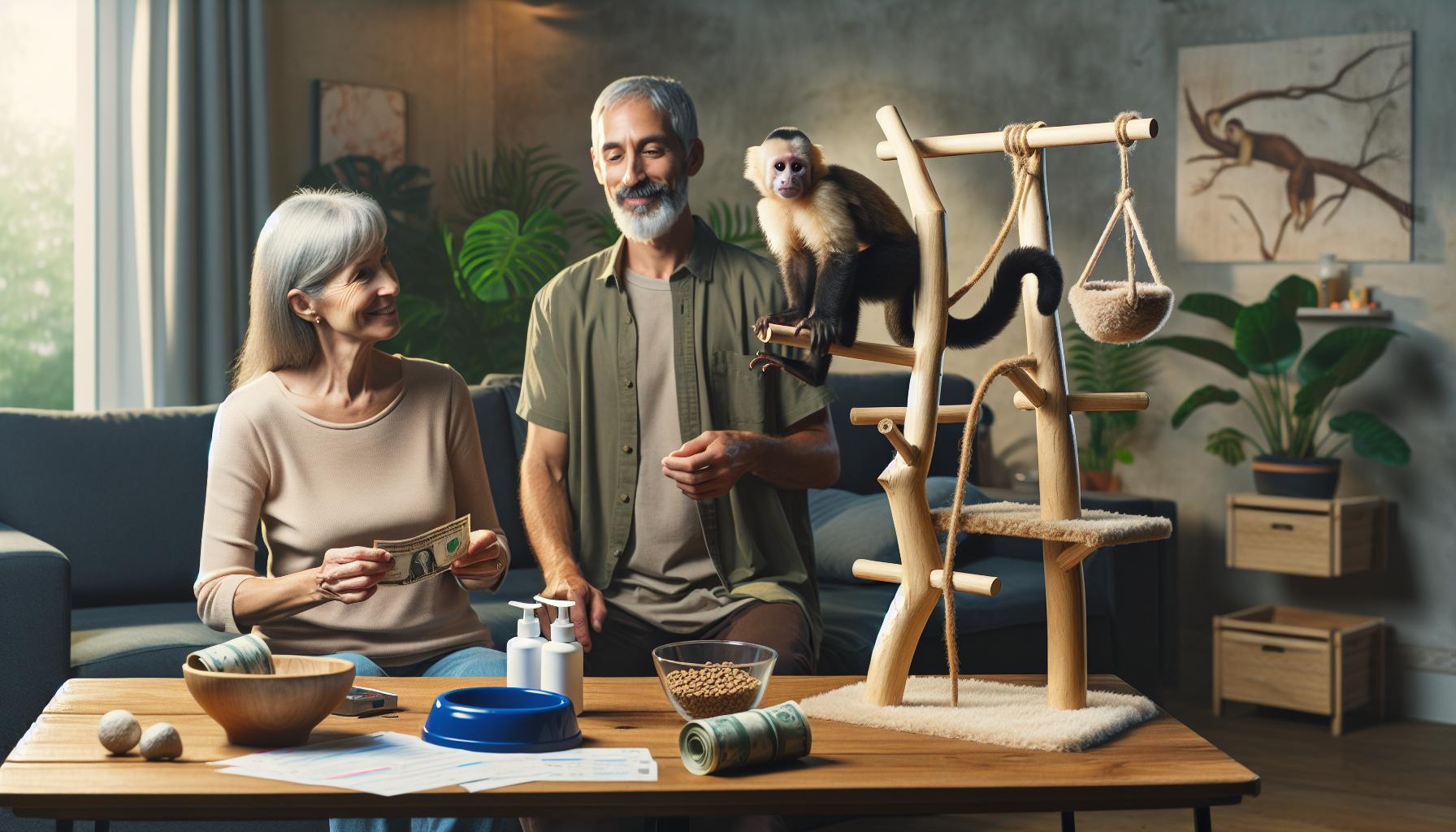
Cost of Owning a Capuchin Monkey
Owning a Capuchin monkey can be a dream for many animal lovers, but it’s essential to know that this dream comes with significant financial responsibility. The initial purchase price alone for a Capuchin monkey typically ranges from $5,000 to $20,000, depending mainly on the age, breeder reputation, and specific species [[1]]. Beyond the initial cost, prospective owners should prepare for ongoing expenses that contribute to the well-being and happiness of their new friend.
Ongoing Care Expenses
Once you’ve brought a Capuchin into your home, budgeting for ongoing care is crucial. Monthly expenses can include food, supplies, veterinary visits, and habitat maintenance which can easily add up to several hundred dollars each month. For instance, specialized monkey food and fresh fruits and vegetables can average around $50 to $100 monthly, depending on dietary needs and preferences. Additionally, regular veterinary check-ups may range from $100 to $300 each visit, and unforeseen health issues can further escalate these costs.
Housing and Supplies
Capuchins are active and intelligent creatures that require a stimulating environment. A suitable cage or habitat can cost between $1,000 and $3,500, reflecting the space and security they need. Essential supplies like toys, climbing structures, and bedding add to this initial setup cost. Creating an environment that enables your Capuchin to thrive is not just a luxury-it’s a necessity for their physical and mental health.
Conclusion
In summary, owning a Capuchin monkey involves considerable investment, not only in terms of the initial purchase price but also in the ongoing financial commitment to their care. Prospective owners must weigh these factors carefully to ensure they are prepared for a long-term relationship that requires both emotional and financial investment.
Initial Purchase Price Breakdown
The journey to welcoming a Capuchin monkey into your home begins with considerations around their initial purchase price, which can be strikingly high compared to traditional pets. When thinking about getting a Capuchin, prospective owners should prepare for an investment typically ranging from $5,000 to $20,000. Factors influencing price include the monkey’s age, the breeder’s reputation, and the specific species. For instance, baby capuchin monkeys can start at around $20,000, while older, altered monkeys or those with experience as pets may come with lower price tags, around $6,000 for an 18-year-old example found in the market [1] [2].
Understanding the different pricing structures can help potential owners make informed choices. If you’re considering a baby monkey, keep in mind that younger animals often require more training and attention, which can add to the cost in terms of care and management. In contrast, adopting an older monkey that is already socialized may reduce the stress of adjusting and can sometimes come with a lower price.
The initial cost isn’t just about the monetary price tag-it’s about what kind of life you intend to provide for your new companion. Those yearning for a long-term commitment will want to ensure that they choose a healthy monkey from a reputable breeder. This adds value in the form of a strong start for your relationship, ensuring good health and temperamental traits that align with your lifestyle. Remember, this furry friend will rely on you for care, companionship, and enrichment for years to come!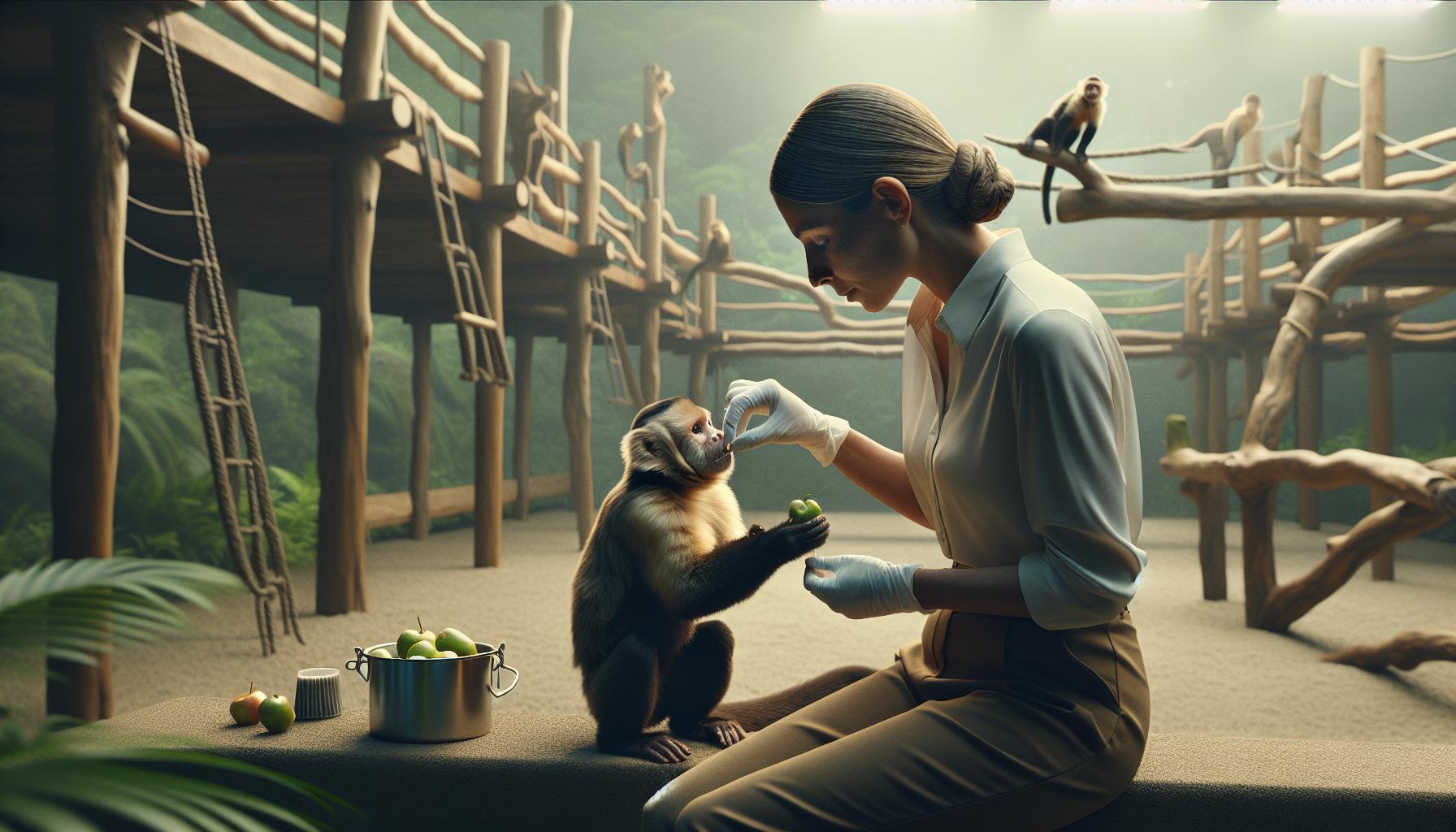
Ongoing Care Expenses for Capuchins
Owning a capuchin monkey isn’t just a whimsical choice; it’s a significant commitment that brings a range of ongoing care expenses. These clever and social creatures thrive in interactive environments, which can lead to various costs that accumulate over time. Understanding these expenses is vital for anyone considering making a capuchin part of their family.
One of the primary costs associated with capuchin care is their nutrition. A balanced diet is crucial to their health and well-being. Capuchins often require fresh fruits, vegetables, and specially formulated primate food, which can run between $30 to $50 per month. Additionally, treats such as nuts or insect protein can add to this expense, making it essential to budget for their dietary needs consistently. Not to forget, if you’re considering a quality diet, purchasing organic or specially sourced foods may elevate your monthly costs further.
Beyond nutrition, housing and habitat maintenance are significant factors to consider. Capuchins are active and need ample space to roam and play. Setting up a safe and stimulating habitat can cost between $500 to $2,000 initially, and maintenance can add $50 to $100 monthly for bedding, cleaning supplies, and enrichment toys. Regular sanitization is necessary to ensure a healthy environment, and these ongoing supplies should be factored into your budget.
Regular veterinary care is crucial for any pet, especially exotic animals like capuchins. Initial vaccinations, routine check-ups, and preventive treatments can amount to $300 to $500 annually. It’s wise to find a vet experienced with exotic animals, which might include higher consultation fees. Additionally, be prepared for unforeseen health issues, which can significantly increase costs if emergency care is needed.
In summary, the ongoing expenses for capuchin monkeys encompass nutrition, housing, and veterinary care, which can collectively amount to several hundred dollars each month. Prospective owners should approach this decision with both enthusiasm and a clear financial plan, ensuring they can provide the enriching and fulfilling life these intelligent primates deserve.
Diet and Nutrition Needs that Impact Costs
Capuchin monkeys are not just adorable companions but also require a carefully balanced diet to thrive. These intelligent primates are omnivorous, meaning they need a mix of fruits, vegetables, and proteins to stay healthy. On average, you might expect to spend between $30 to $50 each month on their food. However, the costs can vary based on dietary preferences and quality. For instance, if you decide to opt for organic produce or specialized primate diets, your monthly grocery bill could climb.
Nutritional Essentials
A typical capuchin diet includes:
- Fruits: Bananas, apples, and berries are favorites, but variety is key.
- Vegetables: Leafy greens, carrots, and sweet potatoes contribute essential vitamins.
- Protein Sources: Nuts, cooked eggs, or insect protein supplements are great for meeting their protein needs.
Providing a varied diet not only ensures your capuchin receives all necessary nutrients but also keeps meal times exciting for them! For example, you could create a “monkey buffet” once a week, introducing new fruits or vegetables to their menu and observing their preferences and reactions.
Special Dietary Considerations
It’s also essential to be mindful of what not to feed your capuchin. Certain foods can harm their health. For example, chocolate, caffeine, and highly processed foods are dangerous for them. Planning your shopping list with these restrictions in mind is crucial for their safety.
Ultimately, the dietary needs of a capuchin monkey significantly influence the overall costs of ownership. By understanding their requirements and budgeting accordingly, you can ensure your capuchin flourishes while keeping your finances in check. Owning a capuchin is a rewarding journey filled with challenges, but a well-fed monkey equals a happy, playful companion!
Housing Requirements: Setting Up a Habitat
Creating a comfortable and secure habitat for a capuchin monkey is vital to their health and happiness. These lively primates are incredibly curious and energetic, requiring plenty of space to move, play, and explore. The recommended enclosure size is a minimum of 8x8x10 feet. However, larger is always better, as capuchins love to climb and swing. Think of their enclosure as a mini jungle gym! Including different levels, ropes, and branches allows them to indulge their natural behaviors, which are integral to their well-being.
When designing your capuchin’s living space, it is essential to consider the materials used. Sturdy, non-toxic materials that can withstand chewing and climbing are ideal. A secure mesh or bar enclosure that prevents escape, while providing adequate ventilation, should be a priority. Additionally, capuchins benefit from having distinct areas within their habitat, such as a sleeping area with soft bedding and a play zone with toys and climbing structures. Incorporating enrichment items like foraging toys and puzzle feeders not only keeps them engaged but also mimics the hunting and foraging behaviors they exercise in the wild.
To further enrich their environment, you can incorporate natural elements. Safe plants can provide stimulation and a touch of nature while hiding spots enhance their sense of security. Additionally, access to the outdoors is invaluable, as fresh air and natural sunlight can vastly improve your capuchin’s mood and health. Thus, if you have the opportunity, consider creating a secure outdoor enclosure where they can explore under your supervision.
Ultimately, setting up a suitable habitat for a capuchin monkey involves careful planning and a commitment to meeting their behavioral and physical needs. The effort you put into creating an engaging and safe environment will profoundly impact your capuchin’s quality of life, ensuring that your new companion thrives in its new home. The joy of watching your capuchin adapt and flourish in a thoughtfully designed habitat is truly rewarding!
Essential Supplies for Capuchin Care
To provide optimal care for a capuchin monkey, you’ll need to gather a variety of essential supplies that cater to their unique needs. These lively primates are known for their intelligence and playful nature, so having the right tools and materials in place can make a significant difference in their well-being.
Feeding Essentials
Capuchins have specific dietary needs that must be met with quality supplies. You’ll need:
- High-quality Primate Diet: A specially formulated monkey food that meets their nutritional requirements.
- Fresh Fruits and Vegetables: These should be organic and free from pesticides to avoid health risks. Typical choices include bananas, apples, leafy greens, and carrots.
- Feeding Dishes: Sturdy, non-toxic bowls that prevent tipping and are easy to clean.
- Water Bottles or Bowls: Ensure a constant supply of fresh, clean water, as hydration is crucial.
Habitat Accessories
To create a stimulating environment, consider these habitat accessories:
- Climbing Structures: Provide a variety of platforms, ropes, and branches for climbing to mimic their natural habitat.
- Hiding Spots: Offer spaces where they can retreat for security, such as tunnels or small huts.
- Toys: Durable toys that promote mental stimulation and physical activity. Interactive toys can help satisfy their curious nature.
Grooming and Hygiene Items
Keeping your capuchin clean and healthy involves some grooming supplies:
- Flea and Tick Prevention: Consult with a vet for appropriate products.
- Nail Clippers: Regular nail maintenance is essential for their comfort and health.
- Toothbrush and Toothpaste: Dental hygiene is vital to prevent diseases.
Safety and Security Supplies
Investing in safety gear is crucial for responsible ownership:
- Secure Enclosure: Ensure the enclosure is sturdy, non-toxic, and escape-proof.
- Safety Locks: Use these on cages to prevent accidental escapes.
- First Aid Kit: Equip yourself with basic supplies in case of minor injuries.
By assembling these essential supplies, you’re not just preparing for ownership; you’re setting the foundation for a happy and healthy life for your capuchin monkey. These supplies will help create a nurturing environment that meets their behavioral and physical needs, ultimately allowing you and your curious companion to thrive together. Engaging in their care will enhance your bond while ensuring they have the stimulating and secure habitat they need to flourish.
Veterinary Care: Costs and Considerations
Monitoring the health of your capuchin monkey is not just important-it’s crucial. These lively primates, known for their intelligence and playful nature, require regular veterinary care to ensure they thrive in a home environment. From vaccinations to routine check-ups, the associated costs can add up, but investing in veterinary care is essential for their long-term well-being.
One of the first considerations when it comes to veterinary expenses is the initial health assessment. Bringing a new capuchin home means scheduling a visit to an exotic animal vet as soon as possible. Expect to pay between $50 to $150 for an initial exam, which may include vaccinations against common diseases like herpes simian virus and tetanus, as well as screenings for parasites. Ongoing health checks should follow at least once a year, adding approximately $75 to $200 each visit depending on the tests required.
Emergency Care
Capuchins are active and curious, which sometimes leads to injuries or health issues that require immediate attention. Emergency vet visits can be particularly costly, ranging anywhere from $200 to $1,500 depending on the nature of the issue and the treatment required. For example, a monkey that has ingested something harmful or has been injured in play may require hospitalization, which can significantly inflate your vet bills. Therefore, it’s wise to consider setting aside an emergency fund specifically for veterinary care.
Specialized Care Needs
Beyond standard check-ups and emergency visits, capuchins may require specialized care. This could include dental cleanings, which can cost $150 to $600, or even surgeries for issues like hernias or severe infections. Additionally, some capuchins may need behavioral assessments or consultations, which can also factor into regular health maintenance. It’s essential to work closely with a veterinarian who is experienced with primates to develop a tailored healthcare plan.
Remember, the investment in veterinary care is a critical component of responsible pet ownership. Ensuring your capuchin monkey remains healthy through regular check-ups and prompt treatment of health issues will not only lead to a happier life for your furry companion but will also save you from unexpected, heavier expenses down the road. By being proactive about veterinary care, you can enjoy a long, healthy relationship with your playful primate friend.
Legal Considerations for Ownership
While the idea of sharing your home with a capuchin monkey may seem enchanting, potential owners must first navigate a complex landscape of legal considerations. In many areas, keeping a capuchin as a pet is heavily regulated or even prohibited. Laws vary widely by country, state, and municipality, so it’s crucial to do thorough research before making any decisions.
Licensing and Permits
Many places require owners to obtain specific licenses or permits to keep exotic animals like capuchins. These may involve background checks, inspections of your property, and proof of adequate knowledge about the animal’s care. For example, some states in the U.S. demand a wildlife possession permit, which often comes with strict conditions about housing and care standards.
Local Regulations
It’s not just state laws you need to consider; local ordinances can impose additional restrictions. Some cities may prohibit keeping primates altogether, regardless of state laws. Always check with local wildlife agencies or animal control departments before proceeding. Failure to comply with these laws can result in fines and the forced removal of your pet.
Import and Export Regulations
If you’re considering acquiring a capuchin monkey from another country, be aware that international trade in primates is also regulated. Many countries implement strict controls on the import and export of exotic animals to protect wildlife populations and ensure ethical breeding practices. Buyers must ensure that any capuchin they consider is sourced legally and ethically, with appropriate documentation and health certificates.
In conclusion, being a responsible capuchin monkey owner requires far more than just the desire to have one as a pet. Taking the time to understand and adhere to the legal landscape not only safeguards your future with your monkey but also reflects a commitment to wildlife conservation and ethical animal ownership. Always prioritize legality and the welfare of the animal to ensure a harmonious and lawful relationship.
Time Commitment: Daily Care and Interaction
Owning a capuchin monkey is not just a whimsical choice; it demands a considerable daily time commitment that may surprise prospective owners. These lively primates are highly social creatures that require constant interaction and mental stimulation. Imagine having a toddler with boundless energy and curiosity-this offers a glimpse into the daily life of a capuchin owner. Engaging them isn’t simply about companionship; it’s vital for their well-being and development.
Capuchins thrive on social interaction, and without it, they can become bored and exhibit undesired behaviors like excessive vocalization or destructive tendencies. As part of their daily routine, you’ll need to dedicate several hours to play, training, and enrichment activities. This might include unsupervised playtime in a safe environment, interactive toys designed for primates, or even short training sessions to stimulate their minds and reinforce good behavior. These daily interactions mimic their natural behaviors in the wild and help build a strong bond between you and your monkey.
Feeding Routine
Additionally, feeding is an important part of your daily schedule. Capuchin monkeys typically require meals at least twice a day, consisting of fresh fruits, vegetables, proteins, and specially formulated monkey diets. This not only involves preparing diverse and nutritious meals but also the time it takes to monitor their intake and adjust accordingly based on their health and preferences.
Grooming and Health Checks
Daily care also includes grooming and health checks. Capuchins enjoy being groomed, which serves as a bonding activity while also ensuring they remain free from parasites and skin issues. Regular health checks are crucial; observing their temperament, appearance, and behavior can help catch potential health issues early.
Taking on a capuchin monkey comes with a significant lifestyle change. The daily commitment to interaction, feeding, grooming, and mental stimulation is essential to ensure a happy and healthy pet. If you’re considering a capuchin as part of your family, reflect on the time you’re willing to invest in your new companion-because they’ll require your dedication and love, just like any family member.
Behavioral Needs and Enrichment Activities
Capuchin monkeys, known for their intelligence and playful nature, thrive in environments that stimulate their natural behaviors. These clever creatures require a variety of enrichment activities to keep them mentally and physically engaged. Without proper outlets for their energy and curiosity, capuchins can become bored, leading to destructive behaviors or excessive vocalization. Understanding their behavioral needs is crucial for any potential owner.
To meet a capuchin’s need for enrichment, consider incorporating a diverse range of toys and activities. Interactive toys like puzzles that dispense treats can challenge their minds and satisfy their instincts to forage. Simple activities, such as hiding food in various locations, replicate their natural foraging behavior and encourage them to explore their surroundings. Moreover, providing climbing structures or ropes allows capuchins to exercise their agility and natural climbing instincts, crucial for their physical health.
Another vital aspect of their care is social interaction. Capuchins are highly social animals, and regular, positive interactions with their human companions are essential. Engaging in playful activities like chasing, playing fetch, or simple games can foster a strong bond. Additionally, training sessions not only serve as a way to teach them desirable behaviors but also provide mental stimulation. Techniques such as positive reinforcement training help cultivate a relationship built on trust and respect.
Creating a stimulating environment is key to a happy capuchin. This can include changing their surroundings occasionally to keep things fresh-rotating toys, introducing new climbing structures, or even rearranging their habitat can reignite their curiosity. For owners, it’s about balancing these enrichment activities with daily routines. With the right mix of interaction and stimulation, you can ensure your capuchin remains a lively and well-adjusted member of the family.
Common Challenges and Solutions for Owners
Capuchin monkeys are delightful companions, but they come with their own set of challenges that can surprise even the most prepared owner. These intelligent creatures, which can cost anywhere from $5,000 to over $20,000, depend heavily on social interaction, mental stimulation, and a stable home environment to thrive. Owners often find that the initial purchase cost is just the tip of the iceberg when it comes to their overall care and maintenance.
One significant challenge is managing their strong social needs. Capuchins are highly social animals that thrive on interaction, both with humans and, ideally, other monkeys. Owners should dedicate time each day for play and interaction to prevent loneliness and behavioral issues. If loneliness arises, capuchins may resort to destructive behaviors or excessive vocalization. A practical solution often discussed among owners is a structured schedule that includes daily playtime, training sessions, and even designated “enrichment days” where toys and activities are rotated to keep their environment stimulating.
Another common issue is their exceptional curiosity, which can lead to destructive behavior if not adequately addressed. Capuchins are notorious for their ability to open doors, cabinets, or even draw out items from your belongings. This issue can be mitigated by creating a secure environment where they can explore safely, combined with providing engaging toys that satisfy their natural instinct to manipulate and investigate. Additionally, many owners find that purchasing or constructing sturdy enclosures that offer climbing opportunities helps redirect their energy into more productive play.
Veterinary care is another crucial aspect that can become quite expensive. Regular check-ups, vaccinations, and the potential for emergency situations can add significantly to the budget. Owners should seek veterinarians experienced with exotic pets, and many find it beneficial to establish a health fund for unexpected expenses. Researching veterinarians in advance and understanding the specific health needs of capuchins will prepare owners for the inherent costs of long-term care.
Living with a capuchin monkey is a rewarding experience filled with joy and challenges. By understanding and preparing for these challenges, prospective owners can create a harmonious and enriching environment that nurtures both the monkey’s and their own needs, ensuring that their relationship flourishes.
Is a Capuchin Monkey Right for You?
Owning a capuchin monkey is akin to opening the door to a world of wonder and companionship, yet it is packed with responsibilities that extend beyond mere admiration. These vibrant little primates are bursting with personality and curiosity, but before you dive headfirst into this adventurous journey, it’s crucial to ask yourself: are you truly ready for the commitment? Capuchins thrive on social interaction and mental stimulation, requiring constant engagement from their human companions or, preferably, other monkeys. This need for companionship stems from their natural instincts, which drive them to socialize and play to maintain their well-being.
Daily life with a capuchin is an active one. These monkeys are notorious for their remarkable intelligence and curiosity. They can turn any space into a miniature adventure zone, exploring everything and anything in their environment. If you can’t dedicate several hours each day for active interaction, training, and supervised play, a capuchin may not be the right pet for you. Owners frequently report that without regular engagement, these monkeys can exhibit boredom-related behaviors such as vocalization and destruction, which are signs of distress. Creating a structured schedule for playtime and enrichment activities is essential for maintaining a happy and healthy companion.
Consider the financial and emotional aspects of ownership. Beyond the initial costs, which can range widely from $5,000 to over $20,000, the ongoing expenses for care, diet, and veterinary needs can add up significantly. Investing in high-quality food, appropriate toys, and a safe, stimulating habitat will contribute to your capuchin’s overall happiness and health. Additionally, pet owners often face unexpected veterinary bills since specialized care is vital for the health of exotic pets. Setting aside a dedicated budget for these anticipated expenses, along with a little extra for emergencies, can help mitigate the financial surprised that come with capuchin care.
If you possess the space, resources, and invaluable time to commit to nurturing this dynamic creature, a capuchin monkey can bring joy and excitement into your life. Yet, it’s essential to reflect on whether you can meet these unique needs consistently. The rewards of capuchin ownership are immense, but so are the responsibilities. If you approach this relationship with the necessary foresight and dedication, there’s a good chance you will find the experience incredibly fulfilling.
Frequently Asked Questions
Q: What are the hidden costs of owning a capuchin monkey?
A: Beyond the initial purchase price, hidden costs include specialized diet, veterinary care, and enrichment activities. Expect ongoing expenses for supplies, potential emergency veterinary visits, and habitat maintenance. Understanding these costs is crucial for responsible ownership.
Q: How much does a capuchin monkey cost annually for care?
A: Annual care for a capuchin monkey can range from $2,500 to $5,000. This includes food, medical expenses, habitat upkeep, and enrichment items. Budgeting for these costs ensures you can provide a healthy, stimulating environment for your pet.
Q: Are there legal restrictions in owning a capuchin monkey?
A: Yes, ownership of capuchin monkeys is subject to state and local regulations. Some areas require permits or have outright bans. Always check local laws before purchasing to ensure compliance and responsible ownership.
Q: What do capuchin monkeys eat, and how does it affect costs?
A: Capuchin monkeys require a balanced diet of fruits, vegetables, nuts, and specially formulated monkey chow, costing about $50 to $100 per month. The nutritional needs significantly impact ongoing care expenses.
Q: How large of a space do capuchin monkeys need?
A: Capuchin monkeys need ample space to roam and play. A large, secure enclosure with safe climbing structures is essential. Costs for housing can range from $1,000 to $3,500, depending on size and material quality.
Q: Can capuchin monkeys be trained, and what does that involve?
A: Yes, capuchin monkeys can be trained but require consistent time and positive reinforcement. Training helps in behavior management and socialization, necessitating a daily time commitment and patience for effective results.
Q: What is the average lifespan of a capuchin monkey in captivity?
A: Capuchin monkeys typically live 20 to 40 years in captivity, emphasizing the long-term commitment required for their care. Prospective owners should consider their ability to meet this commitment throughout the animal’s life.
Q: What should I consider before buying a capuchin monkey?
A: Consider the financial costs, space requirements, and time commitment. Ensuring you can provide for their complex needs, including social interaction, is crucial before making a purchase. Reflect on whether this is the right decision for your lifestyle.
Final Thoughts
Deciding to welcome a capuchin monkey into your home is a big step that comes with significant financial and emotional responsibilities. Understanding the purchase price and ongoing care costs is essential for responsible ownership. If you’re intrigued by the unique needs of these playful primates, dive deeper into our comprehensive guides on training and mental stimulation for capuchins, as well as the best practices for their diet and habitat [[2]](https://www.promeal.in/post/how-to-care-for-capuchin-monkeys-a-detailed-guide) [[1]](https://strapi.eaza.net/uploads/20190828_Best_Practice_Guideline_Capuchins_NV_6f6ea5ceb4.pdf).
Now is the time to take the next step! Subscribe to our newsletter for updates on capuchin care tips and exclusive insights from fellow exotic animal enthusiasts. Have questions or concerns? Join the conversation in our comments section or reach out directly for personalized advice. Remember, responsible ownership begins with informed decisions-start your journey the right way today!
Get our latest guides, news, and insights highlighted in your Google Search & AI Overviews.