Have you ever marveled at the intricate beauty of a well-tied knot? The Monkey Fist knot is not only visually striking, but it also serves practical purposes-making it a favorite among sailors, survivalists, and craft enthusiasts alike. This versatile knot can be used as a weight on a rope, a decorative addition to your gear, or even as a handy self-defense tool. In this tutorial, we’ll explore step-by-step how to master the Monkey Fist knot, helping you elevate your knot-tying skills while uncovering its fascinating history and applications. Whether you’re preparing for an outdoor adventure or looking to impress friends with your newfound skills, learning to tie a Monkey Fist knot is a rewarding journey that combines craftsmanship with creativity. Let’s dive into the techniques and tips that will have you tying this classic knot with confidence!
How the Monkey Fist Knot Became Popular
The monkey fist knot has an intriguing history that spans centuries, originating as a practical tool for sailors and seafarers. Initially, these knots were designed as a heavy weighted knot at the end of a rope, making it easier to throw or moor lines aboard ships. As sailors became adept at knot tying for nautical tasks, the monkey fist knot quickly became a staple, appreciated for its utility and effectiveness. Over time, its unique structure and aesthetic appeal caught the eyes of both maritime enthusiasts and craftsmen, leading to its adoption in various contexts beyond the high seas.
In recent years, the monkey fist knot has transcended its maritime roots and found popularity in outdoor recreational activities, martial arts, and even fashion. The knot’s ability to be both decorative and functional has captivated knot tyers and DIY enthusiasts alike. It can be seen in keychains, paracord bracelets, and self-defense tools, which showcase its versatility. This broadening appeal has fostered a vibrant community of knot tiers who share techniques, variations, and creative applications, further solidifying the monkey fist’s status as a beloved knot among hobbyists and professionals.
As interest in handcrafted items surged with the rise of social media, images of beautifully tied monkey fists proliferated online, inspiring a new generation to explore knot tying. Contemporary knot tying not only honors the traditional uses of the monkey fist but also celebrates its artistic aspects, making it a popular project for crafting communities. This blend of practicality and creativity ensures that the monkey fist knot will continue to flourish as both a skill and a trend, appealing to those drawn to its rich history and multifaceted applications.
Essential Tools for Monkey Fist Knot Tying
To expertly tie a monkey fist knot, equipping yourself with the right tools can significantly enhance your experience and increase the chances of a beautifully finished knot. While the process is fundamentally about technique and skill, the right equipment can make a world of difference, especially for beginners or those looking to refine their craft.
To get started, here’s a list of essential tools you should consider having on hand:
- Rope or Cordage: Selecting a good quality rope is crucial. Paracord is a popular choice due to its durability and flexibility, making it easy to manipulate during the tying process. You might also opt for thicker marine rope if you’re looking for a sturdier knot that can be weighted effectively.
- Scissors or a Cutter: A reliable pair of scissors will be necessary for cutting your rope to the desired length. If you’re working with thicker rope, consider using a rope cutter to ensure clean edges.
- Measuring Tape: This tool helps in measuring the length of the rope accurately, allowing for consistency in your knots. Depending on your project, you might need lengths that range from several feet to just a few inches.
- Workspace: Having a flat, stable surface where you can lay out your rope and work freely is important. This will help prevent the rope from tangling and make the knot-tying process smoother.
- Weight (Optional): In traditional use, a monkey fist knot is often tied around a weight. You can use a small stone or a metal ball, especially if you intend to use the knot for practical applications like throwing or mooring lines.
- Instructional Material: Whether it be a video tutorial or a step-by-step guide, having a reference can be incredibly beneficial, especially when you’re learning. Don’t hesitate to take notes or mark important steps for easier follow-ups.
With these tools ready, you’ll set yourself up for success. The monkey fist knot isn’t just a fascinating skill; it’s a delightful blend of creativity and functionality that can bring joy to any crafting session. So gather your tools and dive into the world of knot tying, where adventure and artistry intertwine.
Step-by-Step Guide: Tying a Monkey Fist
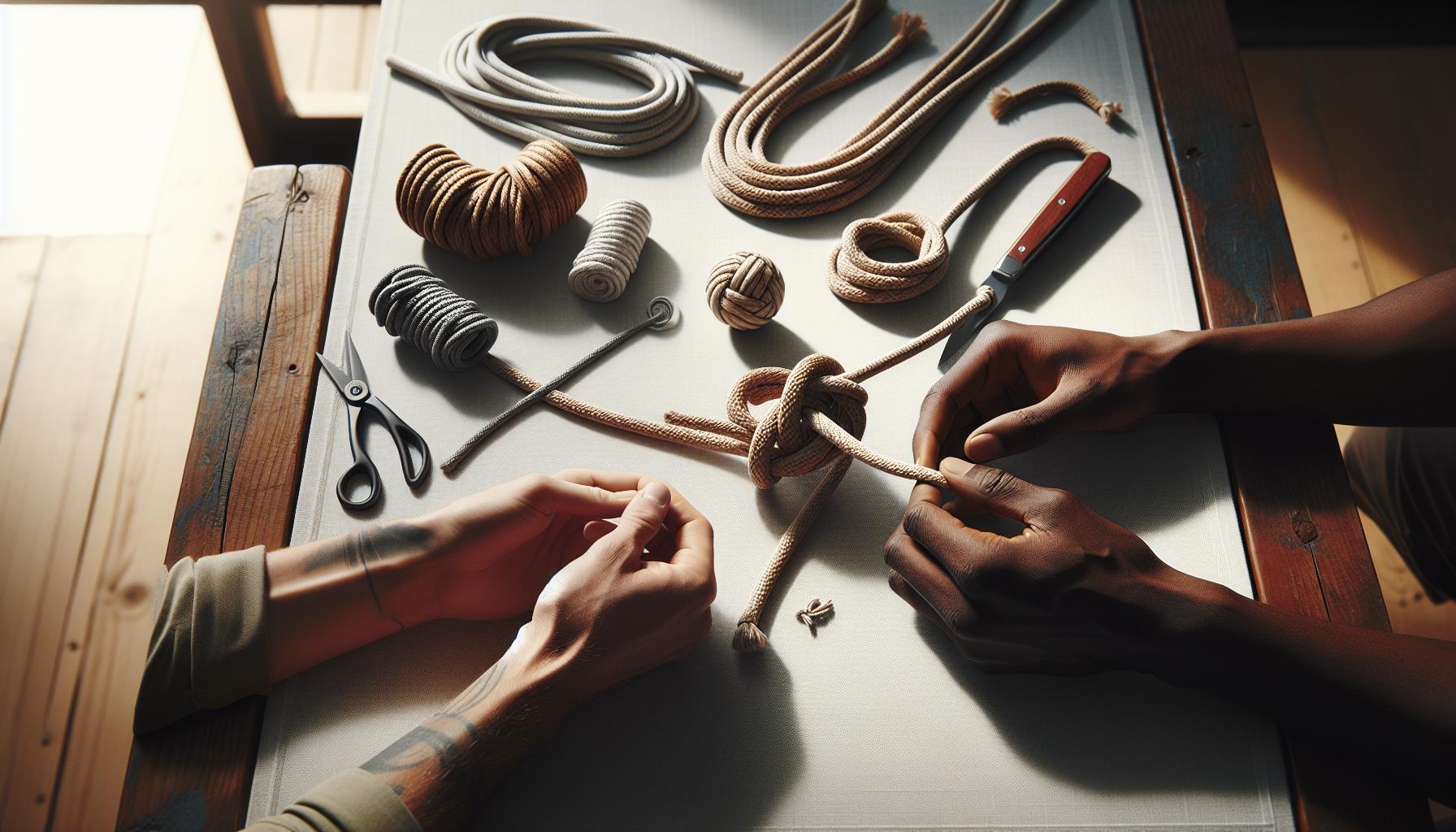
To tie a monkey fist knot, you’ll want to engage your hands and focus, as this knot combines functionality with a touch of artistry. Often associated with maritime practices, the monkey fist can serve various purposes-from a decorative piece to a practical weight for throwing lines. Here’s how to craft this fascinating knot step by step.
Begin by gathering about 10 to 15 feet of rope. Fold the rope in half to create a loop-this will serve as the base for your knot. Make sure to leave some length on either side for the details you’ll add later.
Next, form a small loop with one of the strands, then wrap the other strand around it, making about five to six turns. Ensure these turns are tight but not so tight that it becomes challenging to work with. The method behind the wrap is crucial; it creates the foundation that gives the monkey fist its characteristic shape.
After you’ve completed the wraps, take the end of the rope that you’ve been wrapping and slide it through the eye of the loop that you created at the beginning. This step is essential for locking in the knot. Pull this end to tighten everything up, keeping the wraps neat and confined.
Depending on how you plan to use the monkey fist, insert a weight-such as a small stone or a ball-into the center. This weight not only enhances the knot’s utility but also helps in forming a more pronounced shape. To secure the knot, pull on all the working ends with equal force, making adjustments as necessary to ensure a tidy finish. Finally, trim any excess rope and tuck in the ends to avoid fraying.
Remember, practice makes perfect. The more you tie the monkey fist, the more adept you’ll become at creating it swiftly and effectively. Happy knot tying!
Choosing the Right Rope for Your Monkey Fist
When it comes to crafting a monkey fist knot, the choice of rope plays a crucial role in both its functionality and aesthetics. The rope should not only be strong enough to hold weight, but it should also be flexible enough to manipulate through the intricate winding technique required for the knot. Opt for materials like paracord, nylon, or cotton, as these offer a desirable balance of durability and ease of handling. Paracord, in particular, is favored for its high tensile strength and lightweight nature, making it ideal for outdoor activities such as camping or hiking.
Consider the thickness of the rope as well. Thinner ropes allow for tighter wraps, which can enhance the knot’s form and functionality. A diameter of 4 to 6 mm is generally recommended for an effective monkey fist. Conversely, if you prefer a larger knot that makes a striking visual impression or serves as a statement piece, thicker rope can be used. Just keep in mind that it will require more effort to tie and may be less manageable for fine details.
The color of your rope can also influence your final product. Vibrant colors or patterns can turn your monkey fist into an artistic creation, perfect for decorative purposes or as a unique gift. When choosing a color, consider its intended use; for example, if the knot will be used in a fishing application, earthy tones may blend better with a natural setting, whereas bright colors can enhance visibility on a hiking trail.
Lastly, don’t forget about the rope’s texture. A smooth rope can glide easily during the tying process, reducing the effort needed to tighten and adjust. However, a rougher texture might provide better grip, ensuring that the knot remains secure under pressure. Testing different types of ropes can help you find the perfect material that suits your skills and preferences. Happy knot tying!
Creative Uses for Monkey Fist Knots
The monkey fist knot is not only an impressive example of knot-tying craftsmanship; it also boasts a variety of creative applications that can enhance both functionality and aesthetics in many aspects of life. Whether you’re embarking on an outdoor adventure or looking to add a touch of flair to your home décor, the versatile monkey fist knot has something to offer.
One popular usage is as a pendant or keychain. Many enthusiasts make monkey fist knots to create eye-catching keychains or to attach to gear for easier identification. These knots can be customized in size and color, making them personal and functional. Use vibrant paracord to ensure you’ll spot your keys even in the deepest depths of your backpack. You can also tie a monkey fist using different materials like leather or thicker rope, creating a unique textural element.
In outdoor pursuits, the monkey fist serves as an excellent weight for throwing lines. When fishing or boating, a monkey fist can be attached to the end of a throw line, allowing for easy casting and retrieval. Its compact shape reduces air resistance, helping it travel further when thrown. This practical application makes it a staple for campers and anglers who value efficiency and performance.
The knot also shines in the realm of decorative arts. Crafters can incorporate monkey fists into macramé projects, wall hangings, or even as elements in jewelry designs. By varying your choice of rope-such as using brightly colored paracord or natural fibers-you can create stunning visual displays. This adaptability allows crafters to blend traditional skills with modern aesthetics, making each piece a reflection of personal style and creativity.
Lastly, many engage in katana or self-defense training where the monkey fist knot is used to add weight to a cord or chain, facilitating practice techniques. For martial arts enthusiasts, mastering the knot can also lead to unique weapon modification, illustrating the blend of functional utility and artistic expression inherent in this knot.
With its myriad applications, the monkey fist knot stands out not only as a skillful adornment but also as a practical tool in various settings. Embrace the creativity it inspires, and you may just find new ways to incorporate this fascinating knot into your life.
Tips for Mastering Monkey Fist Knot Techniques
To truly excel at tying the monkey fist knot, several tips can enhance your technique and efficiency. This knot, known for its distinctive shape and utility, can be intricate, but with a little practice and the right approach, you can master it. A strong foundation in basic knot-tying principles will serve you well, so ensure you’re familiar with the fundamentals before diving into the monkey fist.
Begin by assembling your workspace and materials. A flat surface can make a significant difference in your tying process. Use a longer length of rope than you think you’ll need; this not only makes the knot easier to handle but allows for adjustments as you work. If possible, select a rope that isn’t overly stiff, as a flexible rope is easier to maneuver and manipulate into the desired shape.
Another essential factor is technique. Consider the following strategies to improve your monkey fist knot skills:
- Visual Aids: Watching videos can be incredibly helpful. Pay attention to the hand positioning and the flow of the knot as it’s being tied. Each twist and loop should be clear and deliberate. This visual reinforcement can help solidify the process in your mind.
- Practice with Different Materials: Experiment with various types of rope-each can affect the knot’s behavior. Natural fibers, paracord, or even fabric strips each offer different strengths and looks. Understanding how your chosen material behaves while tying will promote dexterity and familiarity.
- Maintain Tension: It’s crucial to maintain consistent tension throughout the process. A knot that is tied too loosely is likely to unravel, while excessive tension can distort its shape. Aim for a balanced tightness that keeps your knot firm without compromising its aesthetic.
- Regular Practice: Like any skill, improvement comes with repetition. Set aside some time regularly to practice tying monkey fists. Over time, you’ll develop muscle memory, which can enhance your speed and accuracy.
- Seek Feedback: If you have friends or family members who are also into knot tying, consider asking for feedback. An outside perspective can reveal areas for improvement that you might not notice on your own.
These techniques can help you not only tie a monkey fist knot but also understand the principles behind effective knot tying. Each successful knot can serve as a building block for more complex tying tasks, expanding your skills and confidence in the craft. So grab your rope, find your rhythm, and enjoy the satisfying process of mastering this versatile knot!
Common Mistakes to Avoid When Tying
When tying a monkey fist knot, one common pitfall is the temptation to rush through the process. While the knot may seem simple at first glance, skimming through the steps can lead to a variety of issues that compromise its effectiveness. A key mistake is not maintaining consistent tension throughout the tying process. If the knot is tied too loosely, it may not hold well under load, while over-tightening can distort its intended shape, making it less functional and visually appealing. To avoid this, take your time and establish a steady rhythm, ensuring that each segment of the knot is pulled taut but not overly strained.
Another frequent error occurs during the initial wrapping of the rope around the core. Misalignments in the wraps can significantly alter the knot’s integrity. It’s essential to ensure that each wrap lies smoothly against the previous one, avoiding overlaps that can create weak points. A helpful tip is to keep an eye on the center of the knot as you work, as this will help you gauge whether you’re maintaining the correct form.
Attention to Details
Lastly, neglecting to check your work before finalizing the knot can lead to disaster. After tying the monkey fist, take a moment to examine the structure. Look for any twists, gaps, or irregularities in the weave. These inconsistencies might not seem critical at first, but they can lead to failures during use. Once you’ve tied the knot, give it a gentle tug to test its strength. If it feels loose or wobbly, it’s better to adjust or redo the knot than risk it failing when you need it most.
Becoming aware of these common pitfalls can enhance your knot-tying experience and ensure that each monkey fist you create is both functional and aesthetically pleasing. Happy tying!
Advanced Variations of the Monkey Fist Knot
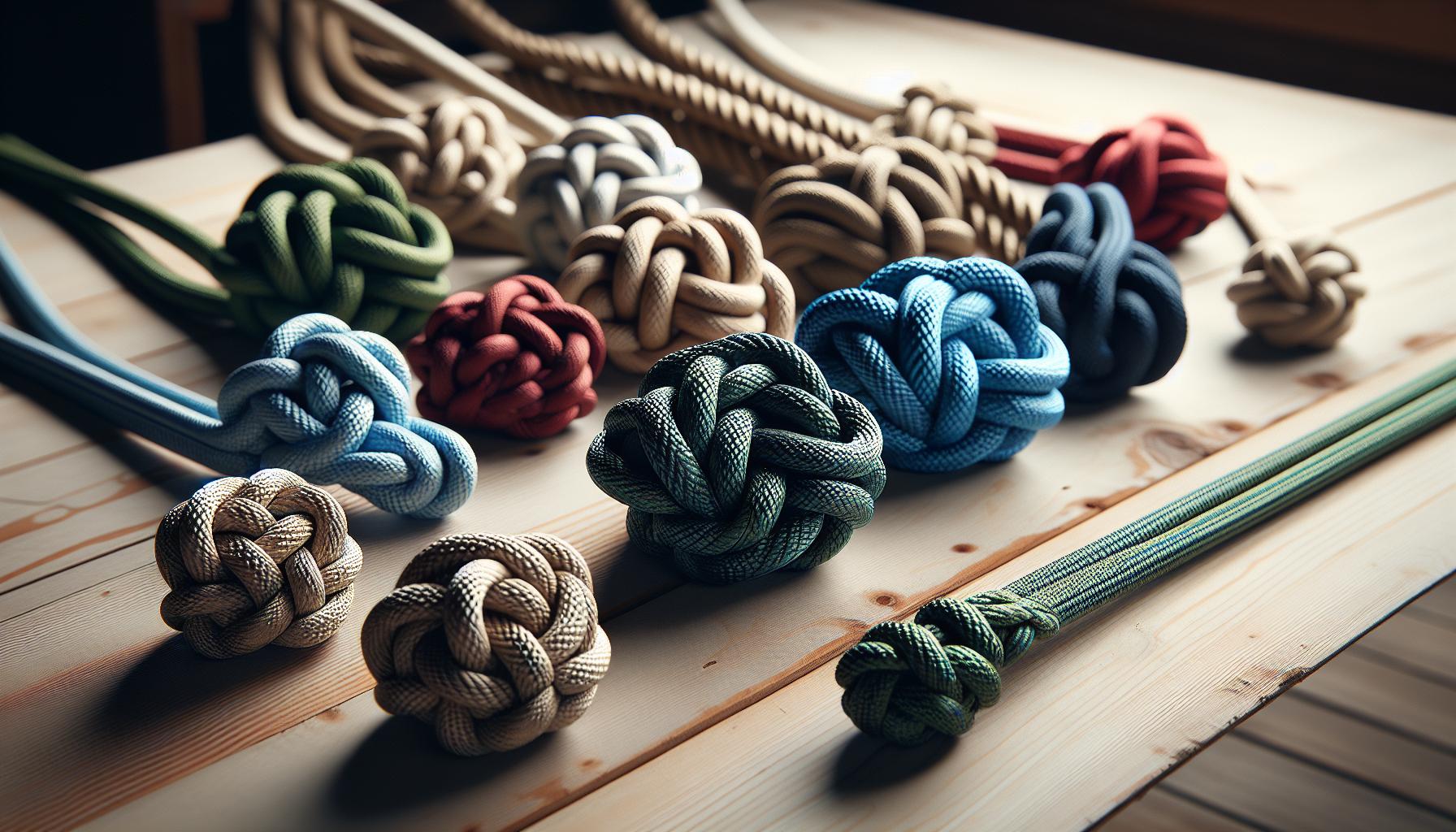
The monkey fist knot is not just a practical tool; it’s also a canvas for creativity, allowing for numerous advanced variations that can elevate both its utility and aesthetic appeal. One popular adaptation is the two-color monkey fist, where two different colors of rope are woven together to create a striking visual contrast. This variation not only makes the knot more attractive but also helps to signal different uses or ownership when multiple knots are in play.
Exploring different core materials can also lead to innovative twists on the traditional monkey fist. Instead of simply using a ball bearing or a stone, consider experimenting with materials like a rubber bouncy ball or a wooden sphere. These alternatives can change the weight and feel of the knot, allowing for unique applications such as in games or as weight training tools. To tie a monkey fist with a core, just extend the knot’s layers with the new material, ensuring it remains tightly wrapped to prevent it from slipping out.
Another fascinating direction is to integrate decorative elements into the knot itself. For instance, adding beads or charms within the layers of the monkey fist can give it a personal touch while also serving practical purposes, like serving as a makeshift identification tag. Additionally, creating a multi-strand monkey fist knot involves using several ropes of varying lengths and thicknesses, braided together to create a more dynamic form. This version not only looks impressive but also offers increased strength and durability for heavy-duty applications.
Lastly, consider delving into the world of themed designs, such as a holiday or festive monkey fist knot, where colors and styles reflect seasonal themes. For example, a Christmas-colored monkey fist could incorporate red and green paracord, making it a fun and practical decoration that doubles as a useful tool during holiday festivities. These variations not only enhance the functional aspects of the knot but also contribute to the artistry of knot tying, inviting both beginners and seasoned enthusiasts to explore their creative potential.
Safety Considerations When Using a Monkey Fist

Using a monkey fist knot can be exceptionally versatile, but it’s essential to keep safety front and center, particularly when these knots are employed in activities such as climbing, fishing, or as a decorative feature. The design of the monkey fist, often incorporating a weighted core, means that it can be thrown or swung, which presents unique risks if not handled with care. This knot can be a practical tool, but it can also cause injury or damage if misused.
Before you start using a monkey fist knot, understanding its purpose is crucial. If you plan to use it as a weight, ensure that the core material is securely contained. A poorly tied monkey fist can come undone under stress, leading to the risk of the core becoming a projectile. Additionally, consider the environment where you’ll be using the knot. For instance, if you’re practicing outdoors, be mindful of your surroundings and avoid areas where people or animals could be unintentionally struck.
When throwing a monkey fist, always make sure you’re in a clear area. Practice your throws in a controlled environment to gauge the distance and trajectory. Utilize protective gear such as gloves, which can help with grip but also protect your hands from impact. If using the knot for climbing or securing objects, check the knot regularly for wear and ensure it remains tightly bound. Loose knots not only lose their effectiveness but can also slip or come apart, creating hazards.
In situations where a monkey fist knot is utilized in DIY projects or as a decorative element, ensure that any beads or charms added within the knot are securely attached and won’t pose a choking hazard if the knot is used in other contexts. By taking these precautions, you’ll not only enhance your safety but also ensure that your monkey fist knot serves its purpose effectively and enjoyably.
Care and Maintenance of Your Monkey Fist Knots
Caring for your monkey fist knots is crucial to ensure their longevity and effectiveness, especially since they can be used for various purposes-from decorative art to practical tools. Just like a well-maintained piece of equipment, proper care will keep your knots functioning safely and looking great. An interesting fact is that the monkey fist knot originated as a sailor’s knot, used to throw lines or weights, and its continued popularity in outdoor activities and crafting reflects its versatility.
To maintain your monkey fist knots, regularly inspect them for wear and tear. Look for frayed ends or loose sections that could compromise the knot’s integrity. If you find any issues, it may be time to either re-tie the knot or replace the rope altogether. If your knot is exposed to moisture-say, from fishing or water sports-allow it to dry fully before storing it away. This practice helps prevent mold and mildew, which can weaken the fibers over time.
Here are some handy tips for keeping your monkey fist knots in top-notch condition:
- Storage: Keep your knots out of direct sunlight, as UV rays can degrade the rope material.
- Cleansing: To clean knots that have accumulated dirt, use a mild soap and rinse thoroughly. Allow the knot to air dry completely.
- Re-tie After Use: If your knot has served a significant purpose, consider re-tying it for assurance that it’s secure and reliable.
By implementing these simple care techniques, you’ll not only prolong the life of your knots but also ensure that they remain a handy tool or decorative piece in your kit for years to come. Caring for your monkey fist knot is not just about maintenance; it’s about appreciating and respecting the craftsmanship involved in making something both functional and beautiful.
Troubleshooting: Fixing Common Knot Issues
One of the most fascinating aspects of tying a monkey fist knot is the intricacy that sometimes leads to common issues during creation. Understanding how to troubleshoot these problems can turn a frustrating experience into a rewarding one. For instance, if you find that your knot is coming undone or isn’t holding as tightly as you’d like, it’s often due to insufficient tension while tying. Remember, the key is to keep firm, consistent pressure as you wrap the cord around the core. This helps ensure that the knot remains secure and functional.
Another frequent challenge is the knot becoming overly loose or asymmetrical. If this happens, don’t hesitate to undo your work and re-tie it, starting from the core. As you tie, keep an eye on the overall shape and adjust as needed. It’s also beneficial to work on a flat surface where you can easily see how your work is progressing. Using a cylindrical object, like a ball or a piece of PVC pipe, can provide structure and help achieve a more uniform appearance.
Sometimes, the materials themselves can present hurdles. If you notice fraying or wearing on your rope, it’s vital to replace the damaged section to avoid compromising the integrity of the knot. Selecting the right type of rope can make a significant difference-paracord is generally a great choice for its durability and flexibility. If the knot isn’t forming as intended, consider using a slightly thicker or different material; this can be particularly useful when you’re striving for a specific aesthetic or functionality.
Lastly, practicing makes perfect! Don’t be discouraged by initial attempts; instead, consider each knot you tie as a step toward mastery. Each fix allows you to learn something new. Engaging with online communities can also provide additional insights and inspiration. By sharing your experiences and seeing others’ projects, you’ll cultivate your skills and find new ideas for using your monkey fist knots.
Inspiring Projects Using Monkey Fist Knots
The monkey fist knot, with its intricate design and sturdy nature, isn’t just for sailing or climbing; it’s found its way into a wide array of creative projects that elevate its functionality beyond mere utility. One exciting use is as a decorative element in home décor. Imagine crafting unique doorstops or curtain weights from monkey fists; these can add a touch of nautical charm to your living space. The colorful variations of the knot can be a stunning accent, especially when paired with vibrant ropes or clever color combinations.
Another engaging project is using monkey fist knots in jewelry making. By skillfully integrating this knot into bracelets or keychains, you can produce bespoke pieces that showcase your knot-tying skills while making great gifts for friends and family. With a small weight at the end, these accessories not only look captivating but can also serve practical purposes, such as holding together loose items or acting as a conversation starter at gatherings.
For outdoor enthusiasts, monkey fist knots can enhance gear like fishing tackle or climbing equipment. Sailors have famously used monkey fists as weights to throw lines, and the same principle applies to creating fishing lures or even as added weight on camping tarps. Additionally, they can be tied as part of dog leashes or collars, presenting both aesthetics and strength, making them a reliable choice for animal lovers who want durable and stylish gear.
To ensure your projects shine, consider using various materials such as paracord or cotton rope, which offer both strength and a variety of colors. Experimenting with size and structure can lead to unique designs, turning each knot into a personal signature piece. Whether for decoration, utility, or personal expression, the monkey fist knot invites creativity and innovation, making it a perfect choice for your next crafting adventure.
Faq
Q: What materials do I need to make a monkey fist knot?
A: To make a monkey fist knot, you will need a sturdy rope, typically 3 to 5 feet long, and a ball or weight as the core, such as a tennis ball or a small piece of wood. Having scissors and a lighter on hand for finishing touches can also be helpful.
Q: How long does it take to learn how to tie a monkey fist knot?
A: Learning to tie a monkey fist knot can take anywhere from 20 minutes to an hour, depending on your prior knot-tying experience. Following a clear step-by-step guide will help speed up the process significantly.
Q: Can I use a monkey fist knot for climbing?
A: While the monkey fist knot is not primarily designed for climbing, it can serve specific tasks such as throwing lines or securing gear. However, it’s crucial to ensure it’s tied correctly and to use other specialized knots for climbing applications.
Q: What is the best rope type for tying a monkey fist?
A: The best rope for a monkey fist knot is typically a durable material like nylon or paracord. Choose a rope that fits comfortably in your hands and is easy to manipulate, ensuring it has enough strength for your intended use.
Q: How can I modify a monkey fist knot for different purposes?
A: You can modify a monkey fist knot by adjusting the size of the core or the number of wraps around it. For instance, using a larger core can create a bigger knot, useful for added weight or specific decorative purposes.
Q: What are common mistakes when tying a monkey fist knot?
A: Common mistakes include using too much or too little rope, not securing the core tightly, and forgetting to follow the correct sequence of wraps. Refer to the troubleshooting section of your guide for tips on fixing these issues.
Q: Can a monkey fist knot be untied easily?
A: The monkey fist knot can be difficult to untie, especially if heavily loaded. To make it easier to untie, avoid over-tightening, and consider using a more straightforward knot if you need frequent access.
Q: Are there decorative variations of the monkey fist knot?
A: Yes, there are several decorative variations of the monkey fist knot, such as adding colorful paracord or combining it with other decorative knots. Explore the advanced variations section of your guide for creative inspiration.
To Conclude
Now that you’ve mastered the art of tying a monkey fist knot, why not explore other exciting knot tying techniques? Check out our detailed guides on the Bowline knot and Double Fisherman’s knot for even more skills to add to your repertoire. Remember, mastering knots not only enhances your outdoor adventures but also boosts your confidence in various practical situations.
If you enjoyed this tutorial, don’t forget to share your creations with us in the comments below or on social media! Your stories inspire others to get involved and try their hand at knot tying. For more tips, tricks, and tutorials, consider signing up for our newsletter – you won’t want to miss any updates. So grab some rope and start practicing; your next adventure awaits!
Get our latest guides, news, and insights highlighted in your Google Search & AI Overviews.