Did you know that flying squirrels can glide up to 150 feet from tree to tree? While they might not be the highest jumpers in the animal kingdom, their impressive leaping abilities certainly capture our attention. Understanding just how high these fascinating creatures can jump not only satisfies our curiosity about their unique adaptations but also highlights the important roles they play in their ecosystems. As we explore the surprising facts about flying squirrels, you’ll gain insight into their behavior, habitat, and the conservation challenges they face. This knowledge may inspire a deeper appreciation for these remarkable animals and their place in the wild. So, let’s dive in and discover the incredible world of flying squirrels and find out just how high they can really jump!
How High Can a Flying Squirrel Jump? An Overview of Their Capabilities
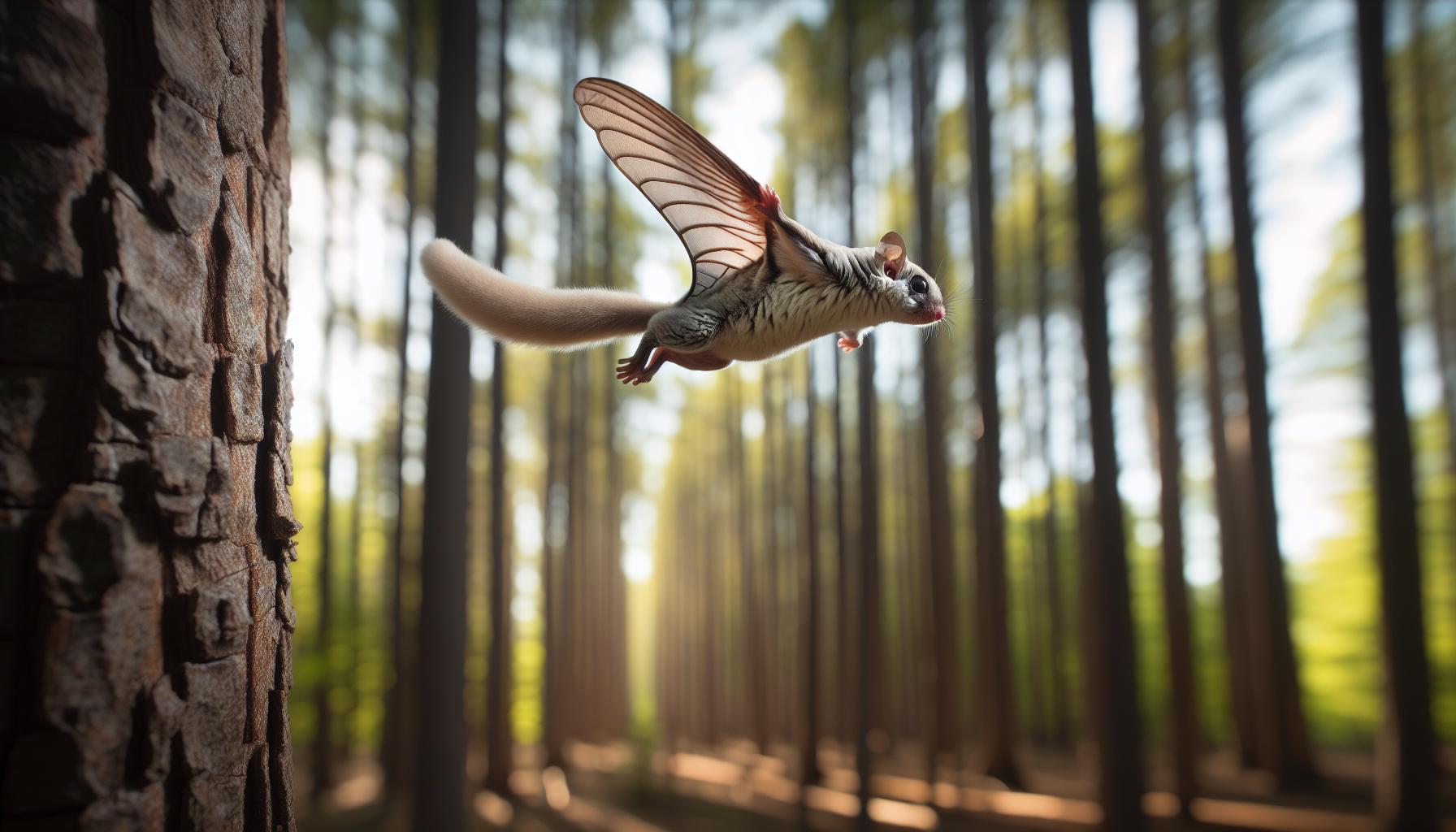
Flying squirrels possess remarkable jumping abilities that often astonish observers. While they don’t “jump” in the traditional sense, they can glide spectacular distances thanks to their unique adaptations. On average, flying squirrels can cover up to 150 feet horizontally by extending their limbs and utilizing a special membrane called the patagium, which stretches from their forelegs to their hind legs. This impressive gliding skill is not just for show; it aids them in escaping predators and moving between trees in search of food.
These acrobatics are facilitated by a combination of anatomical features. The flexible structure of their limb joints and a large surface area provided by the patagium allow for such aerial maneuvers. Notably, flying squirrels do excel in vertical jumps, often leaping from significant heights. While they can jump from about 10 to 15 feet high in a single vertical leap, the true marvel lies in their ability to control their descent and navigate their environment while gliding.
Understanding how high flying squirrels can leap enhances our appreciation for their lifestyle and habitat needs. In wooded environments, where they primarily reside, their leap and glide capability serve not just for mobility but also for accessing food sources like nuts, fruits, and insects high up in the canopy. This adaptability showcases their evolutionary success in arboreal habitats, emphasizing the importance of conserving these environments to ensure the survival of these fascinating creatures.
The Science Behind the Flying Squirrel’s Jumping Ability
Flying squirrels are true acrobats of the sky, capable of navigating their arboreal homes with grace and precision. Their remarkable ability to leap and glide isn’t simply a product of random evolution; it’s the result of a finely tuned suite of anatomical adaptations that allow these creatures to thrive in forested environments. With the help of their patagium-a membrane that stretches from their forearms to their hind legs-flying squirrels can cover impressive distances when they leap from heights. This specialized membrane increases surface area, transforming what might seem like a simple jump into an extraordinary glide that can span over 150 feet horizontally.
One of the key features that enhance a flying squirrel‘s jumping ability is the flexibility of their limb joints. This flexibility allows for powerful launches as they leap from high branches, often reaching vertical heights of 10 to 15 feet. Such jumps are critical for accessing food sources and escaping potential predators. When a flying squirrel decides to leap, it uses a technique similar to what we might see in modern-day parkour athletes-using momentum and body control to maximize distance and safety upon landing.
The physics behind their jumps is fascinating as well. When they take off, they push off with great force using their powerful hind legs. This initial burst of energy propels them into the air, and as they reach the peak of their jump, they spread their limbs wide to catch air. The combination of their body shape, the angle of their leap, and their gliding technique allows these animals not just to fall gracefully but to hover momentarily, adjusting their trajectory mid-air with ease.
In essence, the science behind flying squirrels’ jumping ability speaks to their adaptation to life in the trees. Observing these remarkable creatures can provide insights into the intricate balance of nature, where every physical trait plays a crucial role in survival and interaction within their ecosystem. As you watch a flying squirrel take to the air, remember that each leap is a perfect blend of biology and physics, creating a spectacle that captivates nature lovers and casual observers alike.
Comparative Analysis: Flying Squirrels vs. Other Gliding Mammals
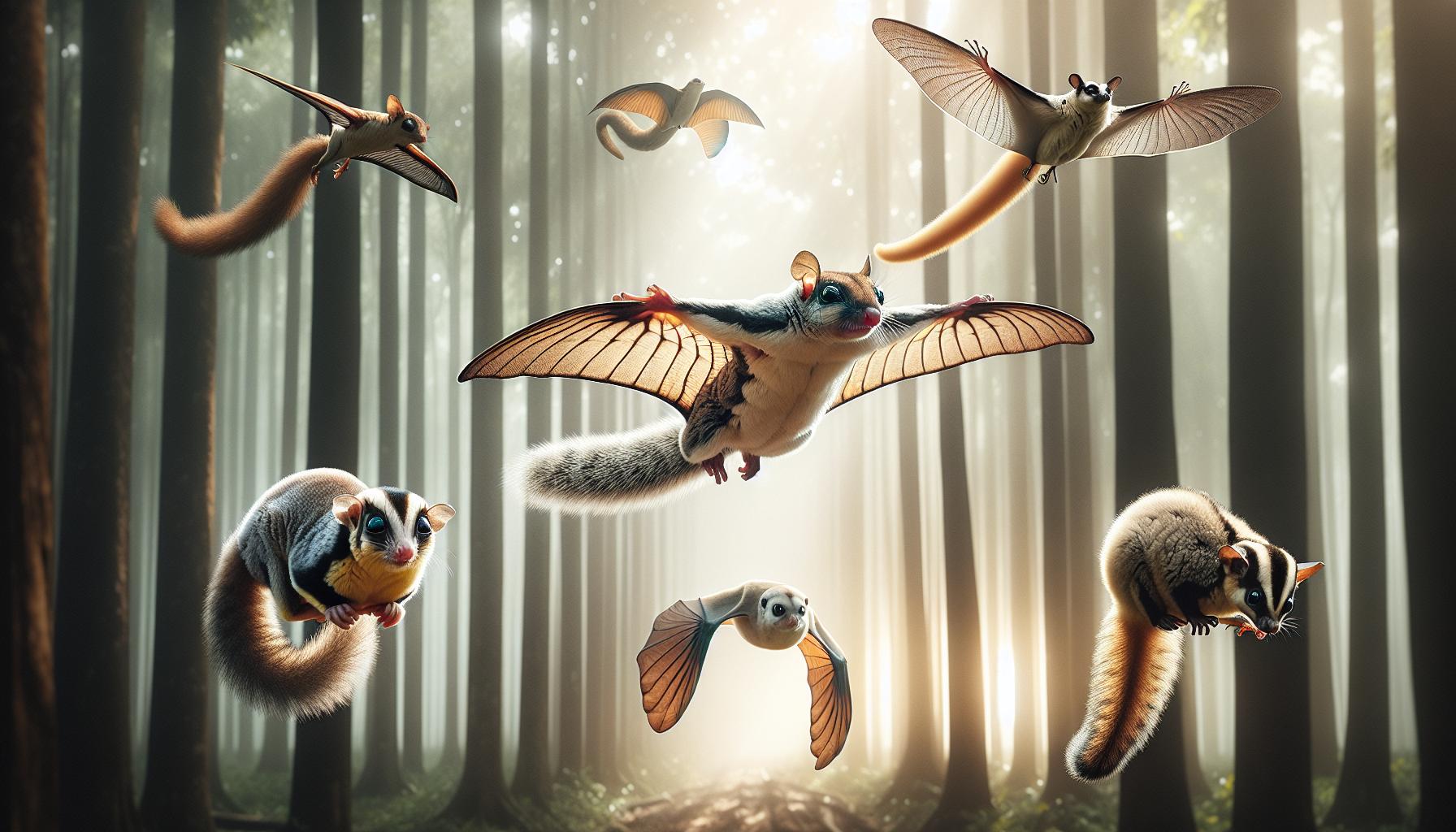
Flying squirrels are not the only gliders in the mammalian world, and comparing their unique abilities to those of other gliding mammals reveals fascinating insights into adaptation and survival strategies. These remarkable creatures are closely related to other gliders like the sugar glider, colugos (or flying lemurs), and even certain species of marsupials. Each of these animals has evolved specific traits that enable efficient movement through the air, making the study of their capabilities a thrilling exercise in biology.
Flying squirrels primarily rely on their patagium-a membrane stretching from their wrists to ankles-that allows them to glide effortlessly between trees. They can reach horizontal glides of over 150 feet, which provides them with an excellent escape route from predators. In contrast, sugar gliders, another popular gliding mammal, exhibit similar adaptations but have a slightly different approach. Their smaller size and rapid acceleration enable them to perform quick, agile maneuvers, perfect for darting between branches while foraging for fruits and nectar. Interestingly, sugar gliders’ gliding distances are slightly shorter, making their flight style more about adaptability and speed.
Colugos, or flying lemurs, take gliding to another level. These animals are equipped with a larger surface area due to their extensive membranes, allowing them to glide for vast distances-sometimes exceeding 200 meters. They can adjust their trajectory mid-air, which allows them to navigate the dense canopies of Southeast Asian forests skillfully. While they may not be true lemurs, their gliding abilities and tree-dwelling lifestyle draw interesting comparisons to flying squirrels in terms of survival strategies in arboreal habitats.
In examining these gliding mammals, we see how different environmental pressures have shaped their anatomical and behavioral traits. Each species exemplifies a unique blend of evolution, biomechanics, and ecological significance. The similarities and differences in their gliding mechanisms highlight the beauty and diversity found in nature. Observing these creatures in the wild can enhance our appreciation for their adaptations and the delicate balance that helps them thrive in their native habitats. Whether you’re a curious first-timer or a seasoned wildlife enthusiast, understanding these fascinating flying mammals can deepen your connection to the natural world.
Fun Facts About Flying Squirrels You Didn’t Know
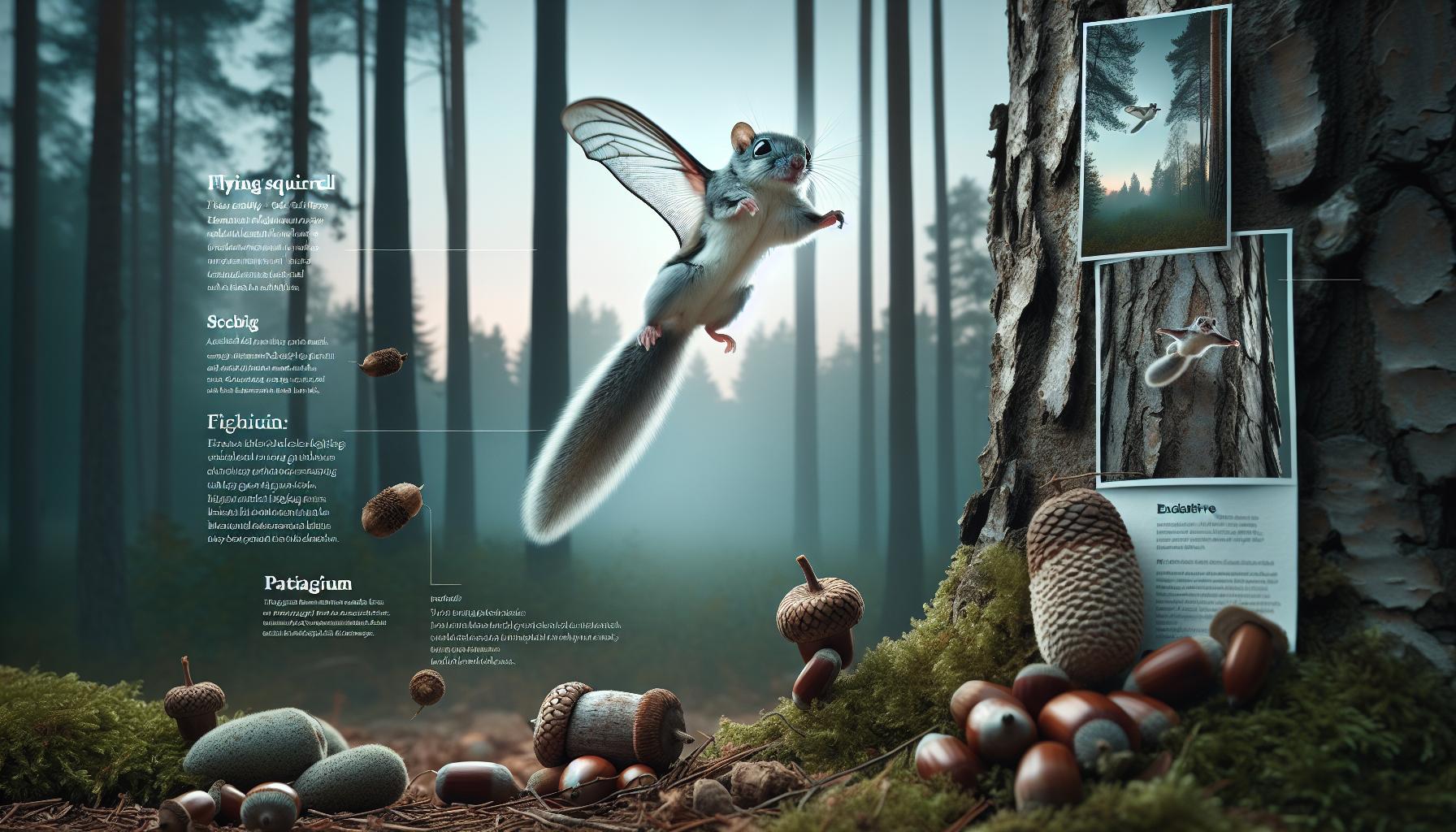
Did you know that flying squirrels have a unique ability to glide through the air, allowing them to avoid predators and travel great distances? These little acrobats can cover horizontal distances of up to 150 feet in a single glide! An essential part of their jumping mechanics lies in their patagium-the furry membrane stretching from their wrists to their ankles, which acts like a parachute. This adaptation not only aids in gliding but also helps them maneuver expertly among the trees.
When it comes to their jumping capabilities, flying squirrels can leap from heights of up to 30 feet. However, it’s their gliding that truly shines. Unlike some land animals known for their impressive vertical jumps, flying squirrels excel at horizontal movement. They can adjust their trajectory mid-glide by rotating their hind legs and tail, making for some impressive stunts as they navigate through the forest canopy. This remarkable aerial skill is critical for foraging, avoiding dangers, and even finding mates.
Another fascinating aspect of flying squirrels is their social behavior. These nocturnal creatures often live in small groups, sometimes sharing nests. During mating season, they perform playful leaps and jumps, showcasing their acrobatic prowess to attract potential partners. Additionally, flying squirrels are known for their vocalizations-different sounds communicate everything from danger to establishing social bonds within their groups.
While many people may think of flying squirrels as solitary creatures, they live in complex social structures. This adaptability not only aids in their survival but also highlights their role in the ecosystem. From seed dispersal to providing food for predators, understanding these charming animals sheds light on the intricacies of forest life. Next time you’re out at dusk, keep an eye on the treetops; you might just catch a glimpse of these delightful gliders in action!
The Role of Habitat in Jumping Skills
The jumping abilities of flying squirrels are closely linked to their natural habitats, which provide both the physical structures needed for leaping and the environmental factors that influence their agility. These charming creatures thrive in mature forests where trees are abundant, allowing them to demonstrate their incredible jumping and gliding skills. The presence of large tree trunks and sturdy branches is critical, as flying squirrels often launch themselves from significant heights, reaching up to 30 feet in the air.
In their preferred habitat, flying squirrels benefit from a variety of tree species, which provide not only launching points for their jumps but also hiding spots from predators. The availability of natural cavities in trees-such as those created by woodpeckers or formed from old branches-adds another layer of safety and support. When they leap from these heights, the flexibility offered by their patagium, the membrane between their front and back legs, allows them to glid smoothly towards another tree. This adaptation is essential for both foraging and evading threats in their forest homes, as they can cover distances up to 150 feet when gliding between trees.
The type of forest also plays a crucial role in their jumping skills. Dense, mature forests with a rich understory provide ample foraging opportunities and social habitats for flying squirrels. Here, they can make intricate leaps among branches to reach food sources like fruits, nuts, and fungi. In contrast, fragmented habitats, such as urban or suburban areas, can hinder their abilities. Limited tree cover reduces the height and frequency of leaps and can increase predation risk.
Understanding the relationship between habitat and jumping skills can enhance your appreciation for these agile mammals. If you find yourself in a suitable forested area during twilight hours, look upwards, and you might witness a flying squirrel effortlessly navigating the treetop canopy, showcasing the remarkable harmony between their physical abilities and natural environment.
Understanding the Anatomy of a Flying Squirrel
Flying squirrels are fascinating creatures that capture the imagination with their unique adaptations for gliding. Their anatomy plays a crucial role in their jumping and gliding abilities. One of the most remarkable features of the flying squirrel is the patagium, a membrane that stretches from their wrists to their ankles. This flexible flap of skin allows them to catch air effectively, acting much like a parachute, which is crucial for both jumping and gliding from great heights.
Another notable feature is their long, bushy tails. These tails serve multiple purposes: they act as rudders during their aerial maneuvers, helping to steer and stabilize their flight, and they also aid in balance when navigating the treetops. The tail is especially useful when landing, allowing them to adjust their position and land safely on branches. In terms of leg strength, flying squirrels boast powerful hind legs that enable them to launch themselves into the air. Their leg muscles are well-developed, which helps them propel off branches and achieve impressive heights.
The skeletal structure of flying squirrels is also adapted for their gliding lifestyle. Their lightweight bones reduce overall body mass, making it easier for them to soar through the air. Additionally, their large eyes provide excellent night vision, essential for spotting food and predators in the dim light of their forest habitats. This combination of features results in a creature perfectly built for a life spent in the trees.
When observing flying squirrels, it can be particularly enchanting to see these adaptations in action. Imagine a squirrel leaping off a high branch, unfurling its patagium to glide gracefully through the air, twisting and turning in a display of agility. Understanding these anatomical features not only enriches your appreciation for these animals but also underscores the evolutionary wonders that allow them to thrive in their natural environments. Whether you’re an avid wildlife watcher or just curious about these adorable mammals, the anatomy of flying squirrels reveals the incredible adaptations that make their gliding abilities possible.
Jumping Mechanics: How They Soar Through the Air
Flying squirrels possess remarkable mechanics that enable them to soar gracefully through the air, a feat that is as captivating as it is functional. These creatures use a combination of powerful hind leg muscles and their unique patagium, allowing them to launch themselves off branches and glide considerable distances. When ready to jump, a flying squirrel will crouch slightly, engaging its strong back legs to push off with impressive force. This spring-loaded action is similar to how a gymnast performs a vault, using explosive energy to gain height.
Once airborne, the patagium unfurls, creating a wing-like structure that helps to catch the air. This membrane, which stretches from their limbs to their fingertips and toes, acts like a parachute, slowing their descent and allowing for controlled gliding. As they glide, flying squirrels can adjust their direction mid-air by using their long, bushy tails as rudders. This maneuverability is essential for navigating through dense forest canopies, where avoiding obstacles is key to their survival.
Interestingly, the height from which they can jump varies based on individual and environmental factors, but in ideal conditions, flying squirrels can leap from heights of up to 150 feet! This ability not only enhances their gliding distance but also aids in escaping predators. When considering their jumping mechanics, it’s important to recognize that young flying squirrels might not achieve the same heights as their more experienced counterparts, as practice and physical maturity play significant roles in their capabilities.
For those keen on observing these incredible feats, it is best to go out at twilight when flying squirrels are most active. A calm evening in a forested area can offer the perfect stage to witness these remarkable gliders in action, showcasing the beautiful interplay of physics and biology that allows them not only to jump but to soar above the treetops with ease.
Tips for Observing Flying Squirrels in Action
As twilight approaches, these agile acrobats prepare for their evening performances, and your chance to witness their enchanting leaps and glides begins. To enhance your experience of observing flying squirrels in action, consider the following tips that can significantly improve your chances of spotting these agile gliders.
Choose the Right Time and Location
Flying squirrels are most active at dusk and dawn, so the best time to see them is just after sunset or before sunrise. Head to wooded areas or parks with mature trees, as flying squirrels prefer habitats with plenty of canopy cover that allows them to glide safely. Look for places near water sources or berry-producing plants, as these attract flying squirrels looking for food.
Bring the Right Equipment
A good pair of binoculars can be invaluable for observing flying squirrels from a distance without disturbing them. Look for binoculars with a magnification of at least 8x for clear viewing. Additionally, a quiet camera with a zoom lens can help you capture their impressive leaps without getting too close, which might scare them away.
Remain Quiet and Patient
Flying squirrels are naturally cautious and skittish. Settle into your observation spot quietly, and give the area time to settle down after your arrival. Speak softly or not at all to avoid startling them. Patience is key; it might take time for these nocturnal creatures to come out and begin their acrobatics. If you remain still and patient, you’re more likely to catch a glimpse of their remarkable gliding skills.
Observe Their Behavior
When you finally spot a flying squirrel, pay attention to its behavior. Notice how it prepares for a jump by crouching, and watch as it launches itself into the air. They often glide from one tree to another, using their tails for steering. Understanding their behavior not only enhances your viewing experience but also deepens your appreciation for these fascinating creatures.
With these tips, you’re well on your way to enjoying the extraordinary spectacle of flying squirrels in action. Each observation can reveal something new about their jumping skills and gliding techniques, making each encounter a unique learning experience. Embrace the quiet beauty of nature and relish the amazing gravity-defying feats of these remarkable mammals.
Common Misconceptions About Flying Squirrels’ Abilities
Flying squirrels are often shrouded in myths and misconceptions, one of the most prevalent being their alleged inability to truly “fly.” In reality, these incredible creatures are superb gliders, utilizing a unique membrane called the patagium that stretches from their neck to the tips of their toes. This anatomical feature enables them to glide gracefully from tree to tree, but many people mistakenly believe that flying squirrels can fly upwards like birds. Instead, they leap from heights and use gravity, combined with their gliding skills, to navigate through their arboreal habitats.
Another common misconception is that flying squirrels can jump excessively high. In truth, these animals are not built for vertical jumps. They primarily jump horizontally, often gliding over distances of up to 150 feet. When they leap, they can reach heights of about 20 feet, but their true aptitude lies in their ability to cover ground with remarkable agility while controlling their descent using their tails for balance and steering. This astounding gliding ability allows them to navigate through complex forest environments effectively, escaping predators and foraging for food.
Additionally, some people think that flying squirrels are solitary animals. While they can be independent, flying squirrels are inherently social creatures. They often live in family groups or colonies that share nesting sites, especially during the colder months. This social behavior is crucial for their survival and adds yet another layer of charm to these fascinating mammals. By understanding these aspects, wildlife enthusiasts can better appreciate the true capabilities and behaviors of flying squirrels, dispelling myths and fostering a deeper respect for their role in the ecosystem.
Observing flying squirrels can be a magical experience, especially when you recognize the remarkable adaptations that enable their gliding skills. By debunking these common misconceptions, we can celebrate the flying squirrel’s unique qualities and better advocate for their conservation in the wild.
How High Do They Really Jump in the Wild?
When it comes to the impressive aerial exploits of flying squirrels, many enthusiasts are curious: just how high can they jump? These agile mammals may not soar to great heights in the traditional sense, like birds, but they excel at both horizontal leaps and controlled descents. In the wild, flying squirrels can reach heights of up to 20 feet when they jump. However, their true talent lies in gliding rather than verticality. By utilizing their remarkable patagium, a stretchy membrane that extends from their wrists to their ankles, they can glide horizontally for distances of up to 150 feet.
Flying squirrels typically launch themselves from tall trees, taking advantage of gravity to propel them into the air. This leap not only allows them to attain an impressive vertical height but also grants them a significant horizontal range. During these jumps, they skillfully manage their descent, using their tail as a rudder to steer and control their landing. They are not just aiming for a height but also for precision, ensuring they can safely glide to another tree and navigate their forest habitat effectively.
To put this into perspective, consider other small mammals in similar environments. While squirrels are adept at climbing, flying squirrels uniquely combine their jumping ability with gliding, giving them an unmatched edge in movement through trees. This capability plays a vital role in their survival, helping them evade predators and forage for food across the forest canopy.
For wildlife watchers, witnessing a flying squirrel in action can be awe-inspiring. Observing a squirrel leap from a branch and gracefully glide through the air emphasizes the adaptations that make these creatures such effective navigators of their arboreal homes. Whether it’s during a quiet evening in a woodland area or in a well-planned backyard habitat, the sight of these gliding acrobats is one that any nature lover will cherish.
Impact of Age and Health on Jumping Performance
As flying squirrels age, their jumping performance can vary significantly, much like in many animal species. Young, healthy flying squirrels tend to exhibit impressive agility and strength, allowing them to leap to remarkable heights and glide over great distances. However, as they grow older, factors such as decreased muscle mass, potential joint issues, and overall health can influence their physical capabilities, making them less sprightly.
Age can also affect the coordination and precision required for successful jumps and glides. Younger squirrels, full of energy and vigor, often demonstrate superior skills in launching from tree branches and deftly maneuvering in mid-air. In contrast, older flying squirrels might not achieve the same heights or distances due to natural aging processes. For instance, a young flying squirrel may easily reach that 20-foot vertical leap when jumping, while an elder might struggle, only achieving a lesser height.
Health conditions can compound these effects; illness or injury can significantly hinder a flying squirrel’s ability to jump effectively. Malnutrition or diminished physical condition can lead not only to reduced jumping ability but also to impaired maintenance of their gliding skills. Healthy diet and energetic exercise are crucial to keeping flying squirrels fit, enabling them to fully utilize their extraordinary adaptations.
To support a flying squirrel’s health and jumping ability, it’s essential to provide a diverse diet rich in nuts, fruits, and vegetables, along with opportunities for active play and exercise in a safe environment. Environmentally enriching their habitat can help stimulate their instincts and keep them agile, prolonging their jumping prowess well into their later years. Whether you’re observing them in the wild or caring for them as pets, understanding how age and health impact these magnificent gliders can deepen your appreciation and respect for their unique capabilities.
Conservation Status and Its Influence on Flying Squirrel Behavior
Flying squirrels are not just cute and curious creatures; they play a vital role in their ecosystems, and their conservation status can significantly influence their behavior. As their habitats face increasing threats from urbanization, logging, and climate change, flying squirrels are adapting in fascinating ways. Interestingly, these adaptations can affect their famous jumping abilities, as survival often hinges on their capacity to escape predators and navigate fragmented habitats.
When populations of flying squirrels are threatened, they may adjust their behaviors to cope with new environmental pressures. For instance, they might alter their nesting preferences and seek out urban green spaces that allow for better access to food resources and safety from ground-based predators. This behavioral flexibility frequently enhances their jumping skills, as they become adept at maneuvering between trees and structures in their urbanized environments. Utilizing their gliding membrane, flying squirrels can leap from higher points to lower ones, adapting their techniques based on their surroundings.
Conservation status also impacts flying squirrel behavior in terms of social interactions and group dynamics. In areas where populations are stable, flying squirrels might exhibit more playful and exploratory behavior, which can showcase their impressive jumping abilities. Conversely, in regions where they are threatened, stress from habitat loss can result in more cautious behavior, limiting their jumping and gliding activities. It’s essential for enthusiasts and conservationists alike to foster environments that minimize stressors for these animals-all while recognizing how these changes in behavior can deepen our understanding of their resilience and adaptability.
To help protect flying squirrels, maintaining and restoring their natural habitats is crucial. Support local conservation efforts, promote the creation of wildlife corridors, and educate others about the importance of these amazing gliders. By taking action, we can ensure that future generations will marvel at the sight of a flying squirrel soaring through the trees, showcasing its remarkable jumping skills against a backdrop of thriving ecosystems.
Q&A
Q: How far can a flying squirrel glide?
A: Flying squirrels can glide up to 150 feet (approximately 46 meters) in a single leap. Their unique membrane between limbs allows them to control their descent and navigate through trees effectively, making them skilled gliders.
Q: What is the lifespan of a flying squirrel?
A: A flying squirrel typically lives for 6 to 12 years in the wild, but some may survive longer under optimal conditions. Factors like habitat, diet, and predation can greatly influence their lifespan.
Q: Do flying squirrels have any natural predators?
A: Yes, flying squirrels face threats from various predators, including owls, hawks, snakes, and raccoons. Their nocturnal lifestyle and gliding abilities help them evade these dangers in their natural habitats.
Q: How do flying squirrels differ from regular squirrels?
A: Flying squirrels possess large, flat tails and a patagium, a membrane that allows them to glide. Unlike regular squirrels, which are primarily terrestrial, flying squirrels are nocturnal and have evolved for an arboreal lifestyle, enhancing their gliding abilities.
Q: Can flying squirrels be kept as pets?
A: Yes, flying squirrels can be kept as pets, but they require a spacious, secure environment and social interaction due to their social nature. It’s important to research their specific needs, such as diet and habitat, before considering them as pets.
Q: What do flying squirrels eat?
A: Flying squirrels have a diverse diet that includes fruits, nuts, insects, and tree sap. They are opportunistic feeders and play a vital role in their ecosystem as seed dispersers, helping to promote forest growth.
Q: How can I attract flying squirrels to my yard?
A: To attract flying squirrels, provide food sources like nuts and fruits in your yard. Installing wildlife-friendly nesting boxes and ensuring a suitable habitat with trees can also encourage them to visit your property.
Q: Are flying squirrels social animals?
A: Yes, flying squirrels are very social creatures. They often live in family groups or colonies, which helps them stay safe from predators and enhances their foraging success. Their social structure is important for their well-being and activities.
The Way Forward
Now that you know how high a flying squirrel can jump, let’s dive deeper into their fascinating world! These agile little creatures can leap impressive distances, thanks to their unique adaptations. Curious about how they glide or what their natural habitats look like? Check out our articles on “The Amazing Gliding Abilities of Flying Squirrels” and “5 Surprising Facts About Their Diets” for even more insights.
If you enjoyed this exploration, don’t forget to subscribe to our newsletter for the latest wildlife facts and tips or leave a comment below sharing your thoughts! Your curiosity fuels our passion for wildlife education, so let’s keep the conversation going. Remember, every click adds to your knowledge and helps you discover the wonders of nature-why not explore more right now?
Get our latest guides, news, and insights highlighted in your Google Search & AI Overviews.