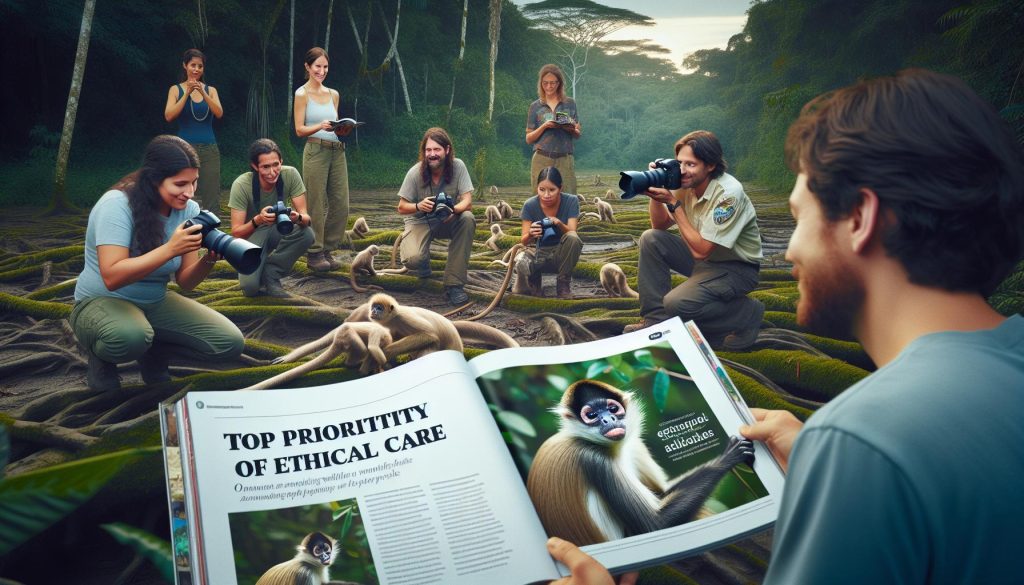
Have you ever considered the idea of owning a spider monkey? These captivating creatures, known for their playful antics and unique personalities, can be enticing as potential companions. However, before bringing one into your home, it’s crucial to understand the legalities and care requirements involved in spider monkey ownership. With a growing interest in exotic pets, many people are curious about the responsibilities and implications of sharing their lives with these intelligent animals. This guide will navigate the complexities of spider monkey ownership, including legal regulations, proper habitat needs, diet, and social behaviors. Whether you’re a seasoned exotic pet owner or just starting to explore this thrilling journey, understanding these factors ensures a responsible and fulfilling experience for both you and your potential new friend. Let’s delve into the whimsical world of spider monkeys and see if they’re the right fit for your lifestyle!
Can You Legally Own a Spider Monkey?
In many places, owning a spider monkey is more complex than one might assume, with a myriad of legal implications at play. These intelligent and social creatures, admired for their playful nature, are often sought after as exotic pets. However, before considering bringing one into your home, it’s crucial to understand the legal landscape surrounding spider monkey ownership, which varies significantly by region.
In the United States, for example, laws regulating the ownership of spider monkeys are determined at both federal and state levels. The U.S. Fish and Wildlife Service governs the protection of many species, including spider monkeys, under the Endangered Species Act. This means that in some states, potential owners may be required to secure permits, while other states may outright ban ownership of such primates due to conservation concerns or public safety laws. For instance, states like California and New York have stringent laws that prohibit the possession of primates, viewing them as a potential hazard to public health and safety.
Before you decide to pursue ownership, it’s essential to research the specific regulations in your area. Contacting local wildlife agencies or animal control can provide clarity on current laws and any necessary permits. Additionally, consider the ethical implications of owning a spider monkey. Many of these animals thrive in their natural habitats, where they can forge social bonds and engage in complex behaviors essential for their well-being. Keeping such a social and active creature in captivity can lead to significant behavioral issues and stress if their needs aren’t met.
Ultimately, while it is possible to legally own a spider monkey in some areas, potential owners must navigate a complex web of regulations and ethical considerations. Engaging in responsible ownership means prioritizing the animal’s health and welfare above all else, understanding that true companionship with these lively creatures requires deep commitment, knowledge, and a significant amount of preparation.
Understanding Spider Monkey Behavior and Traits
Spider monkeys are captivating creatures, often recognized for their long limbs and prehensile tails, which allow them to navigate through the treetops of tropical forests with remarkable agility. These social primates, native to Central and South America, exhibit behaviors and traits that uniquely define their species. Understanding these characteristics is crucial for anyone considering spider monkey ownership, as they require more than just physical care; they need an environment that mimics their natural social structures and behaviors.
Spider monkeys are highly social animals that thrive in groups, often forming strong bonds with their troop members. Their communication is diverse, utilizing vocal calls, body language, and facial expressions to interact with one another. Observing a troop of spider monkeys can be likened to watching a well-rehearsed performance, where each member plays a role in maintaining group cohesion. When kept as pets, spider monkeys can suffer from loneliness and stress if not provided with ample social interaction-either from other spider monkeys or human caregivers. Thus, it’s imperative that potential owners consider the commitment required to meet these social needs.
In terms of behavior, spider monkeys are known for their playful and curious nature. Much like toddlers, they explore their surroundings with enthusiasm, often getting into mischief. This intelligence and energy mean that they need mental stimulation and physical exercise every day. Toys, puzzle feeders, and safe climbing structures can keep them engaged, while regular interaction helps satisfy their social instincts. Without proper stimulation, these intelligent creatures can develop behavioral issues, including anxiety and aggression, which can lead to problems for both the monkey and its owner.
In summary, understanding the behavior and traits of spider monkeys is essential for any potential owner. Their social nature, high intelligence, and playful demeanor make them beautiful companions, but they require a dedicated approach to care that respects their needs. Preparing for the responsibilities that come with owning a spider monkey is not just about legality but involves a commitment to their well-being and happiness.
Essential Care Requirements for Spider Monkeys
Spider monkeys are not just captivating to watch; they demand a level of care and attention that matches their vibrant personalities. These highly intelligent and social creatures require a carefully structured environment and routine that meets both their physical and emotional needs. A deep understanding of their unique requirements is essential for anyone considering bringing a spider monkey into their home.
Physical Needs and Daily Care
To ensure a spider monkey thrives, a primary focus should be on their daily physical care. These agile primates need ample space to move and explore, ideally at least a few hours of free play outdoors or in a large indoor enclosure each day. Secure climbing structures, ropes, and toys that challenge their intellect are crucial to keep them stimulated. Regular supervised playtime is essential, as it prevents boredom and destructive behaviors, much like what a dog needs exercise and mental challenges.
Diet is another critical aspect. Spider monkeys are primarily frugivorous, meaning they thrive on a diet rich in fruits, vegetables, and some nuts. An appropriate diet not only supports their health but also their social behavior, as many feeding activities are opportunities for bonding within their groups in the wild. Owners should provide a mix of fresh fruits, leafy greens, and commercial monkey chow to ensure balanced nutrition. It’s wise to consult with a veterinarian who specializes in exotic animals to design a diet tailored to your spider monkey’s specific needs.
Social Interaction
Given their highly social nature, spider monkeys should never be kept in isolation. They need regular interaction, either with their human caregivers or, ideally, with other spider monkeys. Insufficient socialization can lead to anxiety and stress, adversely affecting their well-being. Engage in daily activities that promote bonding, such as interactive play, training sessions, or even just spending quiet time together. Establishing a routine where your spider monkey feels secure and valued is critical for a happy, healthy pet.
Emotional and Mental Stimulation
Spider monkeys are incredibly intelligent and curious, which means they require not only physical but also mental stimulation. Incorporate puzzle toys that challenge their problem-solving skills, and rotate the toys regularly to keep their environment fresh and engaging. Providing safe objects to manipulate, like cardboard boxes or climbing ropes, can also facilitate their natural instincts to explore and play. A well-stimulated spider monkey is less likely to develop behavioral problems and more likely to thrive in the home environment.
By prioritizing their needs for space, diet, social interaction, and mental stimulation, prospective owners can create a fulfilling and enriching environment for their spider monkey. Remember, the commitment required is significant-ownership means being prepared to meet both the challenges and joys that come with these extraordinary primates.
Housing Needs: Creating an Ideal Habitat
Creating a suitable habitat for your spider monkey is essential for their well-being and happiness. These energetic primates thrive in environments that mimic their natural habitats, filled with plenty of vertical space and opportunities for exploration. Imagine a spider monkey swinging through the canopy of a lush rainforest; that thrill of movement and play should be reflected in their home. A spacious enclosure, either indoors or outdoors, is a crucial starting point.
When planning the habitat, consider the following key elements:
Space Requirements
Spider monkeys are highly active and require ample space to jump, swing, and climb. A minimum of 200 square feet for a single monkey is recommended, with additional space for each additional monkey. The height of the enclosure is equally important; aim for at least 8-10 feet high to allow for natural climbing behavior. Outdoor enclosures should also be secure from potential predators and escape routes.
Climbing Structures
The inclusion of various climbing structures is vital. Build or purchase multi-level platforms, ropes, and sturdy branches to encourage natural climbing and jumping behaviors. Using materials like untreated wood, ropes, and hammocks can make the environment enriching. Consider incorporating enrichment items like swings and ladders to engage their instincts and keep their minds active.
Enrichment and Comfort
Ensuring your spider monkey’s habitat is not just functional but also stimulating is important. Create a diverse environment that includes hiding spots, foraging opportunities, and interactivity. Use natural branches and logs positioned at different heights to provide both shelter and stimulation. Regularly rotate or introduce new toys and climbing features to keep their environment fresh and exciting.
Remember also to provide a comfortable area for rest, such as soft bedding or hammocks, allowing your spider monkey to retreat when they need downtime. Proper ventilation and access to natural light are equally important, so try to utilize windows or create a sunlit outdoor space where safe.
By tailoring their habitat with these considerations, you help ensure that your spider monkey can express natural behaviors, enjoy their environment, and lead a fulfilling life as part of your family. Embrace the delightful challenge of providing not just a home but a thriving habitat!
Diet Essentials: What to Feed Your Spider Monkey
Providing the right diet for a spider monkey is crucial for their health and well-being. In the wild, these fascinating primates primarily consume a variety of fruits, leaves, and flowers, making their dietary needs somewhat specific and requiring careful attention from owners. A well-rounded diet will mimic their natural intake and ensure they thrive in a domestic setting.
Fruits and Vegetables
Fresh fruit should make up a significant portion of a spider monkey’s diet, as it provides essential vitamins and minerals. Foods like bananas, apples, berries, and mangoes are popular choices-just be sure to offer these in moderation due to their sugar content. Likewise, leafy greens and vegetables like kale, carrots, and sweet potatoes can be excellent additions, ensuring your monkey gets a well-balanced nutritional profile.
Nuts and Seeds
In addition to fruits and vegetables, spider monkeys can benefit from nuts and seeds, which serve as a good source of protein and healthy fats. Almonds, walnuts, and sunflower seeds can be included in small quantities. However, always ensure they are unsalted and unprocessed to avoid unnecessary additives that could harm their health.
Commercial Diets
To simplify feeding, consider using commercial primate diets specifically formulated for their unique nutritional needs. These often come in pellet form and are crafted to provide a balanced diet when fresh foods are supplemented accordingly. Combining these with natural foods offers a comprehensive approach to nutrition.
Hydration and Special Considerations
Fresh, clean water must always be available. Spider monkeys can be sensitive to dietary changes, so introduce new foods slowly to prevent digestive upset. Always consult a veterinarian experienced with exotic animals to tailor a diet that fits your specific spider monkey’s age, health status, and lifestyle needs.
Creating a diverse and nutritious diet is not just about keeping your spider monkey healthy; it’s also a wonderful way to enrich their lives. Watching them explore different tastes and textures can be a delightful experience, enhancing their overall quality of life. Plus, it fosters a strong bond between you and your furry friend as you navigate the fascinating world of primate care together.
Socialization: The Importance of Companionship
Understanding the social nature of spider monkeys is vital for anyone considering them as pets. These remarkable primates are highly social creatures that thrive in the company of their own kind. In the wild, spider monkeys typically live in troops, where they engage in complex social interactions that are crucial for their well-being. Without companionship, a spider monkey can become lonely, stressed, or even depressed, leading to serious behavioral issues.
When it comes to socialization, it’s essential to create an environment that mimics their natural social structures. Most owners may not be able to provide a second spider monkey for companionship due to space, resources, or legal restrictions, so interaction with humans becomes particularly important. Engaging with your spider monkey daily through play, training, and bonding activities is crucial. Activities like climbing, swinging, and puzzle toys can offer not just physical stimulation but also an emotional connection, keeping them mentally sharp and socially fulfilled.
It’s also vital to be aware of how to introduce other pets into your home. Spider monkeys are curious and can be protective of their space. Gradually introducing them to other household animals under careful supervision can help prevent conflict and foster peaceful coexistence. Moreover, understanding your spider monkey’s body language and vocalizations can provide insights into their feelings and help you respond appropriately, making your home a more supportive environment for them.
In summary, fostering strong social bonds through daily interaction and companionship is essential for the emotional health of your spider monkey. Being attuned to their needs not only enhances their quality of life but enriches your own as you develop a deep and rewarding relationship with these captivating creatures.
Spider Monkey Health Concerns and Vet Care
Keeping a spider monkey as a pet comes with a unique set of health considerations that every potential owner must understand. Just like any other companion animal, they require regular veterinary care to thrive. Their health can be affected by various factors, including diet, environment, and social interactions. Understanding these elements can help you provide the best care for your lively little primate.
Regular Veterinary Check-ups
Spider monkeys, like all primates, need routine veterinary examinations. It’s essential to find a veterinarian experienced in exotic animals who understands their specific needs. Annual wellness visits should be scheduled to catch any potential health issues early. These check-ups typically include physical exams, vaccinations, and possibly blood tests to ensure they’re healthy. A proactive approach to their health can be the difference between a thriving monkey and one that faces ongoing issues.
Common Health Issues
Spider monkeys can suffer from several health concerns, often related to their diet and environment. Obesity is a significant issue due to their highly energetic nature and, sometimes, improper diet. They can also develop dental problems from a lack of chewing materials or poor nutritional choices. Additionally, some common conditions include:
- Skin Issues: Like many primates, spider monkeys can be prone to skin infections, often exacerbated by a lack of proper grooming or stress.
- Respiratory Problems: These may arise from environmental factors such as exposure to drafts or poor air quality.
- Behavioral Disorders: Stressors, whether from loneliness or improper handling, can lead to self-destructive behaviors or depression.
Understanding these potential issues is crucial. Providing a diet rich in fruits, vegetables, and other natural foods that promote healthy chewing can mitigate some of these concerns.
Nutrition and Diet
A balanced diet is one of the pillars of good health for your spider monkey. They thrive on a diet that mimics what they would eat in the wild. This typically includes a variety of fruits, nuts, seeds, and occasional vegetables. It’s essential to avoid foods high in sugar or artificial additives, as these can lead to obesity and other health issues. Consulting with a veterinarian or a primate nutritionist can help set a proper dietary regimen.
Emergency Care
In addition to regular check-ups, it’s important to prepare for potential emergencies. Know nearby veterinary clinics that specialize in exotic animals, and have a plan for transportation to ensure your monkey receives immediate care if needed. Understanding the signs of distress in your spider monkey is crucial, whether it’s unusual vocalizations, lethargy, or changes in appetite. Quick response can often save a life.
Just as you would for a dog or cat, investing time, knowledge, and resources into your spider monkey’s health and veterinary care not only enriches their life but also strengthens the bond you share. Responsible ownership means keeping pace with their health needs and advocating for their well-being every step of the way.
Legal Considerations: Permits and Regulations
Navigating the legal landscape of owning a spider monkey can be as intricate as the species itself. Many potential owners are surprised to learn that keeping these captivating primates is subject to a complex web of regulations, differing by state and sometimes even local jurisdictions. Some areas may impose strict laws prohibiting ownership altogether, while others might allow it with specific permits and licenses. Always check with your local wildlife agency, as ignorance of the law can lead to hefty fines or even the confiscation of your pet.
In most regions that permit ownership, obtaining a legal permit is a crucial step. This process often includes demonstrating knowledge about spider monkey care, showcasing appropriate housing and care facilities, and sometimes even passing home inspections. For example, in states like Florida and Texas, applicants might need to prove their ability to provide for the animal’s social and environmental needs. It’s a reflection of the commitment required to be a responsible exotic pet owner, ensuring that spider monkeys live in conditions that mimic their natural habitats.
Additionally, some states require owners to adhere to federal regulations, particularly those enforced by the U.S. Fish and Wildlife Service. This includes compliance with the Endangered Species Act if spider monkeys are classified under protected species due to their status in the wild. Understanding these laws not only helps you stay on the right side of the law but also plays a part in broader conservation efforts that protect these fascinating creatures.
The ethical considerations involved in ownership cannot be overstated. Before embarking on this journey, it’s valuable to reflect on the implications of keeping a wild animal as a pet. Engaging with reputable sanctuaries and conservation groups to learn about the species can offer insights into their needs and behavior, ultimately enhancing the quality of life for both the owner and the spider monkey. Responsible ownership is rooted not just in legality, but also in a genuine commitment to the welfare of a species that has a rightful place in the wild.
Ethical Ownership: Conservation and Responsibility
While the allure of having a spider monkey as a pet is undeniable, it’s essential to consider the broader implications of ownership. These magnificent creatures are not just pets; they are complex, social beings with intricate emotional and environmental needs. Before making the commitment to bring a spider monkey into your home, understanding the ethical responsibilities involved is paramount.
Understanding the Impact of Ownership
Owning a spider monkey often means navigating a tightrope between personal desire and wildlife conservation. Many spider monkeys are threatened in their natural habitats due to deforestation, habitat destruction, and illegal wildlife trade. By choosing to own one of these animals, potential owners need to ask themselves: are they contributing to the problem or helping to mitigate it? Supporting conservation efforts or adopting from reputable sanctuaries rather than purchasing from breeders can make a significant difference. Luckily, many sanctuaries offer educational programs that provide insights into the realities faced by spider monkeys, benefiting both the animals and the owners.
Promoting Conservation and Responsible Practices
Ethical ownership extends beyond mere legality. It’s about ensuring that your actions help preserve the natural populations and habitats of spider monkeys. Owners can contribute through several avenues:
- Education: Understanding their biology and behavior can help owners create a stimulating environment that mirrors their natural habitat.
- Advocacy: Engaging in or supporting conservation efforts can amplify your impact. This might include fundraising for habitat preservation or volunteer work.
- Responsible Breeding Awareness: If you’re considering adoption, seek out organizations dedicated to ethical breeding practices, focusing on the welfare of the animal.
The Role of Community and Network
Additionally, building a community with other spider monkey owners can enhance the care experience. This network can provide valuable resources, share knowledge on best practices, and offer support during challenging times. Connecting with local wildlife organizations also promotes collective responsibility, encouraging owners to be stewards of both exotic animals and their cultures. Remember, owning a spider monkey isn’t just a privilege-it’s a commitment to understanding a species that deserves respect and care.
In conclusion, ethical ownership reflects a deep respect for spider monkeys as dynamic creatures requiring specific needs. It invites owners to go beyond conventional views of pet ownership, fostering a more profound appreciation for the secrets these incredible primates hold while contributing positively to conservation efforts. By committing to responsible ownership, you not only enrich the life of your spider monkey but also play a role in preserving a species that captivates the hearts of many.
Curious Facts About Spider Monkeys for Fans
Did you know that spider monkeys are among the most acrobatic of all primate species? Their long limbs and prehensile tails make them incredible climbers and jumpers, allowing them to traverse the treetops of Central and South American forests with astonishing agility. This adaptation not only facilitates their foraging for fruits and leaves in the canopy but also benefits their social structures, enabling playful interactions with fellow spider monkeys.
These monkeys exhibit some fascinating social traits. They are highly social animals, living in communities that can range from 15 to 25 individuals. Their social bonds are characterized by vocalizations, grooming, and even playful antics-a characteristic often amusing for onlookers. Interestingly, females tend to stay within their natal groups while males may disperse to find mates, promoting genetic diversity. This matriarchal structure contributes to the group’s stability and cohesion, making spider monkeys delightful companions in their natural environments.
When it comes to diet, spider monkeys primarily feast on fruits, which comprise 70-90% of their diet. They are crucial for their ecosystems, as they help in seed dispersal. After consuming fruits, they often move to different areas, where the seeds pass through their digestive systems and sprout as new plants. This ecological role is essential for forest regeneration, highlighting the importance of conserving their natural habitats.
Besides their ecological and social significance, spider monkeys have made appearances in pop culture, from documentaries to cartoons, showcasing their playful nature and quirky behaviors. Their charming antics often resonate with fans, deepening our appreciation for these primates. However, it’s vital for potential owners to remember that while spider monkeys are captivating, their needs are complex and require dedicated attention to ensure their well-being and happiness-and that’s a commitment that should not be taken lightly.
Whether you’re an enthusiastic fan or a prospective owner, these creatures are nothing short of remarkable. Being informed about their behavioral needs and ecological importance contributes not just to better care but also to ongoing conservation efforts that protect these incredible animals in the wild.
Common Myths About Owning Spider Monkeys
The allure of spider monkeys often leads to a flurry of misconceptions about what it truly means to own one of these charming creatures. A common myth is that spider monkeys are like small dogs or cats; this couldn’t be further from the truth. While they are undeniably playful and social, these primates possess complex needs and behaviors that require a much more profound commitment than most household pets. Potential owners may envision cuddly companions that thrive in a home environment, but in reality, spider monkeys are highly social animals that need the company of their own kind to flourish emotionally and mentally.
Another prevalent misconception is that caring for a spider monkey is akin to having a uniquely entertaining pet that requires little beyond a safe environment and regular food. In contrast, these active primates need dedicated stimulation-both physical and mental. They require ample space to climb and explore and mental challenges to prevent boredom. For instance, engaging them with toys, puzzles, and interactions that mimic their natural behaviors is essential to ensuring their well-being. Without proper engagement, spider monkeys are prone to stress and behavioral issues, which can lead to serious health concerns.
Furthermore, many people believe that legal ownership of a spider monkey is straightforward. However, the reality is laden with regulations and potential legal hurdles. Each state or country may have different laws regarding exotic pets, often requiring permits and specific care standards that must be adhered to. It’s crucial to research local laws thoroughly, as well as the ethical implications of keeping a wild animal as a pet.
Real Ownership Responsibilities
Owning a spider monkey is not a whimsical decision; it demands a significant investment of time and resources. This includes the costs associated with their specialized diet, veterinary care, and suitable housing, which can be quite expensive over time. The commitment to their care is lifelong, as spider monkeys can live for 20 to 30 years in captivity. This long-term responsibility requires careful planning and a deep understanding of their needs, a reality often overlooked by those enchanted by their playful appearance.
In conclusion, while spider monkeys are fascinating creatures, they are not suitable for everyone. Understanding the realities of ownership, from their intricate social structures to their demanding care needs, is key for any potential owner. Balancing this knowledge with a respectful appreciation for these amazing animals helps ensure their well-being and contributes to overall conservation efforts.
Q&A
Q: What states allow the ownership of spider monkeys?
A: The legality of owning a spider monkey varies by state. Some states, like Florida and Texas, permit ownership with specific permits, while others, such as California and New York, have strict prohibitions. Always check local and state regulations before considering adopting a spider monkey.
Q: How much does it cost to care for a spider monkey?
A: Caring for a spider monkey can be expensive. Initial costs include acquisition fees and habitat setup, which can exceed $5,000. Monthly expenses for proper nutrition, veterinary care, and enrichment can range from $200 to $500. Ensure you’re financially prepared for long-term care.
Q: What do you need to keep in mind before getting a spider monkey?
A: Before acquiring a spider monkey, consider their complex social and physical needs. They require ample space, social interaction, and mental stimulation. Research their behavior and care thoroughly to ensure you can provide a suitable environment that caters to their needs.
Q: Can spider monkeys be kept as pets, and how do they behave?
A: While spider monkeys can be kept as pets, they are highly intelligent and social animals requiring dedicated care. They may exhibit strong attachments to humans but can develop behavioral issues if not properly socialized or if left alone for long periods. Consider your lifestyle and ability to provide companionship.
Q: What are the best practices for housing a spider monkey?
A: Spider monkeys need a large, secure outdoor enclosure with climbing structures, shelter, and enrichment toys. A minimum space of 12×12 feet is recommended, along with a secure area to protect them from weather extremes. Regular cleaning and maintenance are essential for their health.
Q: What special dietary requirements do spider monkeys have?
A: Spider monkeys need a diverse diet rich in fruits, vegetables, and some protein sources. Avoid processed foods and ensure they have access to fresh water daily. Consulting with a veterinarian who specializes in exotic animals can help establish the best feeding practices.
Q: What are the signs of health issues in spider monkeys?
A: Common health issues in spider monkeys include skin infections, dental problems, and behavioral stress. Signs to watch for include lethargy, loss of appetite, unusual vocalizations, or changes in behavior. Regular veterinary checkups are crucial for monitoring their health status.
Q: How can I find a veterinarian for my spider monkey?
A: To find a veterinarian for your spider monkey, look for professionals with experience in exotic animals. Organizations like the American Association of Zoo Veterinarians (AAZV) can provide referrals. You can also seek recommendations from exotic animal ownership communities for trustworthy local vets.
In Summary
Owning a spider monkey can be both an exciting and challenging venture, requiring careful consideration and commitment. From their complex behavioral needs to legal implications, it’s clear that prospective owners must be prepared. If you’re eager to explore this unique path, don’t hesitate! Check out our articles on “Legal Aspects of Exotic Pet Ownership” and “Essential Care Tips for Exotic Animals” for more critical insights.
Feeling overwhelmed? Join our community newsletter for regular updates and helpful guides tailored to exotic pet enthusiasts like yourself. Remember, responsible ownership not only benefits you but ensures the wellbeing of these fascinating creatures. Before you take the leap, delve into our resources to ensure you’re fully prepared for the rewarding journey that lies ahead. Let’s foster a deeper understanding of wildlife care together-your next adventure starts now!
Get our latest guides, news, and insights highlighted in your Google Search & AI Overviews.