Did you know that not all monkeys shy away from water? In fact, some species possess surprising swimming abilities, allowing them to navigate aquatic environments with ease. Understanding whether monkeys can swim isn’t just a fun fact; it highlights their adaptability and offers insights into their behavior. This exploration not only sparks curiosity but also connects us to broader conservation issues surrounding their natural habitats. As we dive into the fascinating world of these intelligent primates, you’ll uncover the different ways monkeys interact with water, their unique adaptations, and the implications for their survival in the wild. Ready to learn more about these remarkable creatures and their aquatic skills? Let’s plunge in!
Can All Monkeys Swim? Debunking Myths
Many people believe that all monkeys are proficient swimmers, but the reality is much more nuanced. While some monkey species exhibit natural swimming abilities, not all possess this skill, and misconceptions abound. For instance, it’s common to think that all monkeys can easily navigate through water like otters or hippos, but this is far from the truth. Different species have evolved various adaptations that affect their interaction with aquatic environments.
Swimming Abilities by Species
Notably, there are monkeys that thrive in wet habitats. The proboscis monkey, for example, is known for its remarkable swimming capability, using its webbed feet to navigate rivers with ease. In contrast, species like the macaque show varying degrees of comfort with water. Some populations, particularly those living near coastal regions, exhibit a surprising affinity for swimming, while others avoid it altogether. This variability highlights that swimming skills are not universal among all monkeys.
Common Myths and Misconceptions
A common myth is that monkeys love to swim and play in the water as a standard behavior. While they do engage in water play-such as splashing or dipping their feet-this is often more about exploration than a love of swimming. Most monkeys prefer to stay dry and climb trees over trophic waters. Understanding these differences helps clarify their natural behaviors and urges us to appreciate the unique adaptations of each species.
To summarize, while some monkeys are excellent swimmers with fascinating adaptations, it’s crucial to recognize that not all monkeys share this ability. Clearing up these myths not only informs better animal appreciation but also promotes the importance of tailored conservation efforts that consider the unique needs of different primate species.
Aquatic Adaptations in Different Monkey Species
Some monkey species have fascinating adaptations that allow them to thrive in aquatic environments, turning the stereotype of land-loving primates on its head. For instance, the *proboscis monkey* of Borneo is uniquely equipped for swimming, thanks to its strong limbs, webbed feet, and a long, flat tail that aids in propulsion. These adaptations enable it to navigate rivers with surprising agility, demonstrating the remarkable diversity of primate swimming behaviors.
Species-Specific Swimming Skills
The adaptability of monkeys to watery surroundings varies significantly across species. In coastal areas, *macaques* have been observed swimming and even foraging for food in the water. Some populations, like the *Japanese macaque,* often dip their hands into hot springs and rivers, showcasing their comfort around water. On the other hand, *howler monkeys* and *squirrel monkeys* generally prefer to stay high in the trees, avoiding water to prevent any unnecessary risks associated with swimming.
For those curious about how evolution plays a role in these aquatic adaptations, it’s important to note that ecological factors heavily influence behavior. Monkeys living in tropical rainforests with abundant water sources have adapted to utilize these resources to escape predators and find food. Adaptations such as flotation capabilities, strong limb muscles, and sophisticated social behaviors when interacting with water create a rich tapestry of life for these primates.
Swimming vs. Non-Swimming Species
It’s crucial to recognize that not all monkey species embrace their aquatic side. While some are born swimmers, others maintain a cautious distance from water. For example, the *Capuchin monkey* is known for its intelligence and adaptability, but while it might wade through shallow water, it rarely swims. This diversity reflects the broad spectrum of adaptations that various monkey species have developed, shaped by their habitats and lifestyles.
In summary, the world of monkeys showcases a stunning array of adaptations for water interaction, ranging from expert swimmers like the *proboscis monkey* to those who shy away from aquatic environments. As we delve deeper into understanding these behaviors, it becomes evident that each species has uniquely evolved to survive and thrive, offering us a glimpse into the incredible adaptability of wildlife.
Famous Swimming Monkeys in the Wild
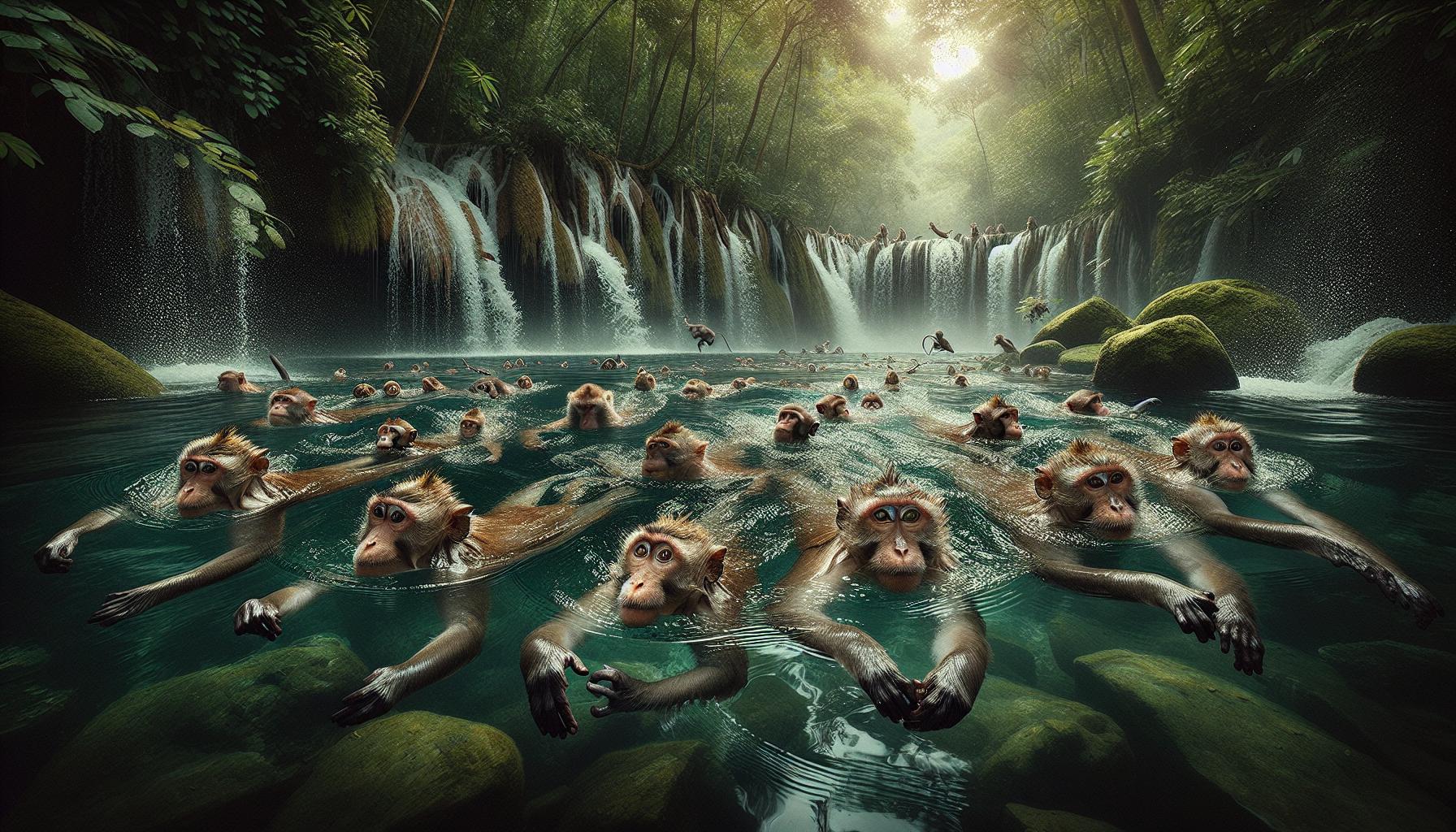
Curious about primates with aquatic talents? You’ll be fascinated to learn that some monkey species not only enjoy water but excel in swimming! Among the most noteworthy are the proboscis monkeys of Borneo. These uniquely adapted monkeys have strong limbs, webbed feet, and long tails, which help them navigate through rivers with remarkable agility. Their capacity to swim is not just about getting from one bank to another; it plays a crucial role in their survival in the densely forested and water-rich regions of their habitat.
Another famous swimmer is the macaque, particularly the Japanese macaque. Known for their intelligence, these monkeys often wade into hot springs and rivers, demonstrating their comfortable relationship with water. In coastal regions, macaques are observed swimming to forage for food, which is essential for their diet. This adaptability allows them to thrive in environments where water access is frequent, showcasing their resourcefulness.
Moreover, the common squirrel monkey is intriguing in its interaction with water. While it doesn’t dive deep like the proboscis monkey, it enjoys splashing around in shallow pools and playing in the rain. Their playful behavior highlights how water is not just a survival tool but also a source of joy and social interaction among these primates. Similarly, howler monkeys, though not known for swimming, can often be seen relaxing near water sources, illustrating a diverse array of responses to aquatic environments among monkey species.
These examples reflect a rich tapestry of aquatic adaptations that serve not only immediate survival needs but also social and recreational interactions, revealing the complex lives of these remarkable creatures. Whether swimming to escape predators or simply enjoying a splash, these monkeys remind us of nature’s incredible adaptability and the vital role of water in their ecosystems.
How Monkeys Use Water for Play and Survival
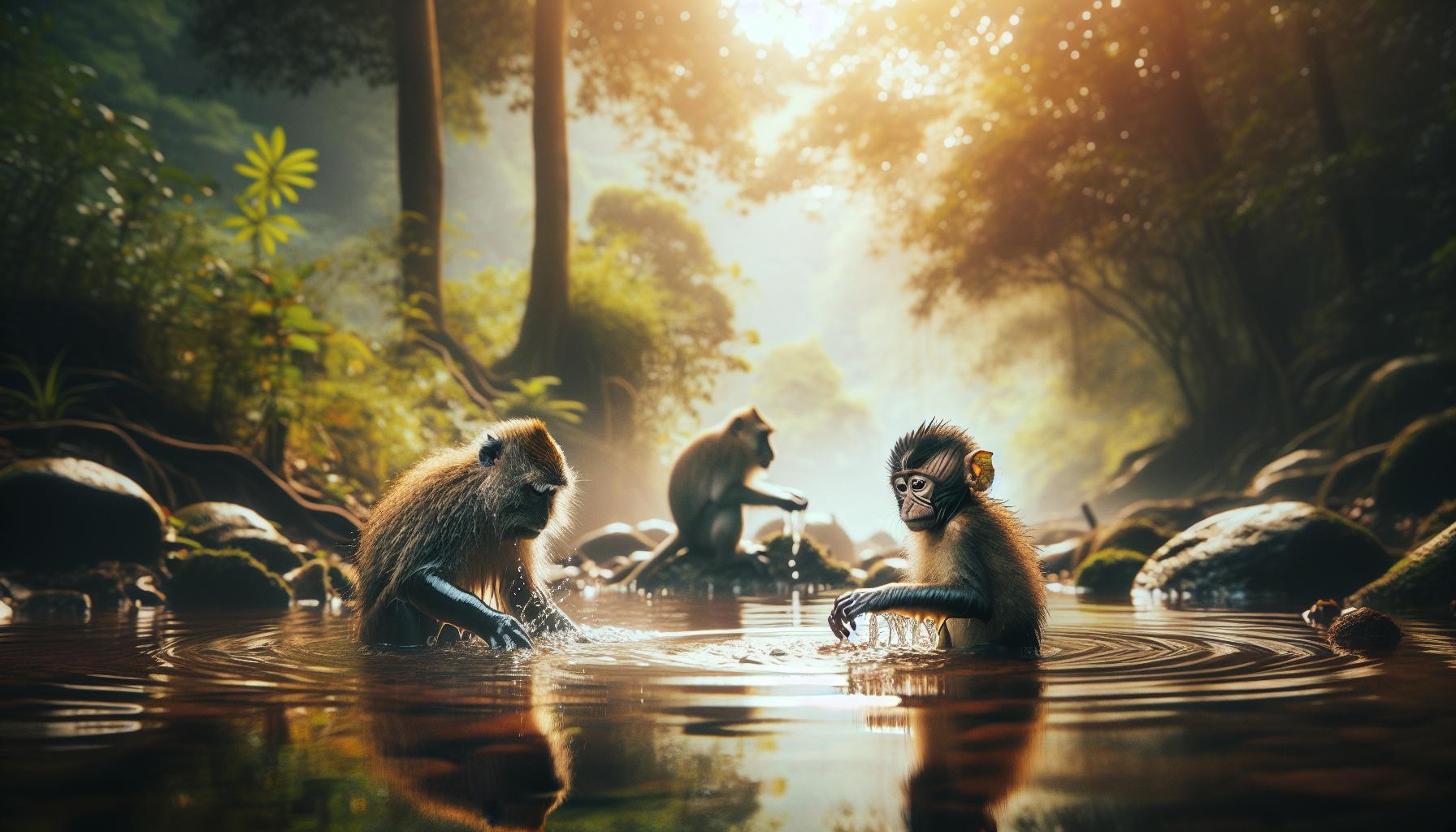
Monkeys are not only skilled at climbing trees and swinging through the canopy; many of them also display surprising aquatic abilities that enrich their behaviors and survival strategies. Water serves as a playground, a hunting ground, and a refuge, showcasing just how versatile these primates can be. For example, while the proboscis monkey uses its strong limbs and webbed feet to swim efficiently in the rivers of Borneo, other species like the common squirrel monkey revel in the simple joy of splashing around in shallow pools during the rainy season, highlighting the multifaceted role water plays in their lives.
In warmer climates, monkeys often take to the water for a variety of practical reasons. Survival is paramount; for the Japanese macaques, swimming can be essential for finding food, such as foraging for aquatic plants or crustaceans. Furthermore, their ability to use hot springs for warmth during cold weather exemplifies their resourcefulness and adaptability. By not only surviving but thriving in aquatic environments, these monkeys demonstrate the importance of water sources for their habitat and overall well-being.
Equally fascinating is the social aspect of how monkeys interact with water. Playtime isn’t just for younger monkeys; adults engage in games, fostering community bonds and reinforcing social structures within troops. Social grooming near water is also common, allowing monkeys to maintain social ties while enjoying the ambiance of their watery surroundings. Such interactions underscore water’s significance as a catalyst for both play and social engagement among these primates, providing a holistic view of their ecological niche.
In summary, the relationship monkeys maintain with water is as dynamic as it is critical. Through play, survival, and socialization, water enriches their lives, ensuring they remain resilient and adaptable in an ever-changing environment. Observing these interactions not only enhances our understanding of monkey behavior but also reminds us of the essential role that natural habitats play in the conservation of these incredible animals.
Training and Care: Encouraging Aquatic Skills in Pet Monkeys

For many monkeys, water is not just a barrier to cross; it’s a playful playground and a vital resource for survival. When it comes to pet monkeys, encouraging aquatic skills can enhance their quality of life, promote natural behaviors, and strengthen the bond you share. Providing a safe and enriching environment to explore their swimming abilities fosters not only physical health but also mental stimulation.
To start, it’s essential to create a controlled environment where your monkey can safely experience water. Shallow pools or specially designed tubs filled with warm water can be an ideal option. Always supervise your pet during aquatic play; safety is paramount. Gradually introduce your monkey to water by allowing them to explore during playtime, throwing in floating toys or providing gentle encouragement. This can help them become comfortable and curious about swimming. Remember, each monkey is different-some may take to the water immediately, while others might need more time to adjust.
Moreover, enriching their aquatic experience can be beneficial. Consider teaching your pet tricks that involve water, like retrieving a toy or jumping through small hoops. These activities not only provide exercise but also simulate their natural behaviors seen in the wild, where swimming can be a part of foraging or play. Regularly changing the toys and environment will keep their interest alive, just as engaging social play with you or other pets can help them feel secure.
Using water in their routine also offers health benefits. Swimming is a great cardiovascular workout, providing essential exercise that can help prevent obesity, a common issue in domesticated monkeys. Moreover, introducing a schedule that includes water play can help them burn off excess energy, making them more relaxed and content in other aspects of their day-to-day life.
In conclusion, encouraging swimming skills in pet monkeys can significantly enhance their well-being. By creating safe, engaging, and variable aquatic environments, you’ll not only nurture their natural instincts but also enrich their lives, making every splash a joyful experience that brings you closer together.
The Science Behind Monkey Swimming Mechanics
Many people may not realize that monkeys are not only agile climbers but also surprisingly adept swimmers. For instance, some primate species, like the Japanese macaques, have shown remarkable aquatic abilities, often venturing into hot springs and playing in water. This invites an intriguing look at the fascinating mechanics behind how monkeys swim and adapt to aquatic environments.
When examining the swimming mechanics of monkeys, it’s essential to consider their anatomy and natural behaviors. Monkeys generally possess flexible bodies, enabling them to navigate through various terrains, both on land and in water. Their limbs are proportioned in a way that helps propelling through water; their long arms and strong hands are perfect for grasping branches and swimming effectively. The style of swimming can vary among species, often resembling a dog paddle, where they use their limbs symmetrically to stay afloat and move forward.
Adaptations for Aquatic Life
While not all monkeys are frequent swimmers, certain species exhibit unique adaptations that facilitate their ability to thrive in aquatic settings. These adaptations may include:
- Webbed Feet: Some monkeys have slight webbing between their toes, which can help push water more effectively, increasing their propulsion.
- Body Fat Distribution: A layer of body fat aids in buoyancy, helping them to float while swimming.
- Breath Control: Many species can hold their breath for extended periods, allowing them to dive and forage underwater for food.
Learning from the Wild
In the wild, swimming is often a crucial skill for survival, aiding in foraging and escaping predators. For instance, capuchin monkeys have been observed swimming to reach islands in search of fruit. Their experience showcases the instinctual skills developed over generations, confirming that environmental needs can drive the evolution of swimming capabilities.
Thus, as you explore the aquatic abilities of monkeys, it’s fascinating to see how these animals have adapted to their environments. Understanding the physiological fundamentals of monkey swimming not only highlights their remarkable nature but also sheds light on their behavior and habitat needs, enriching our appreciation for these clever primates.
Cultural Significance of Water in Primate Behavior
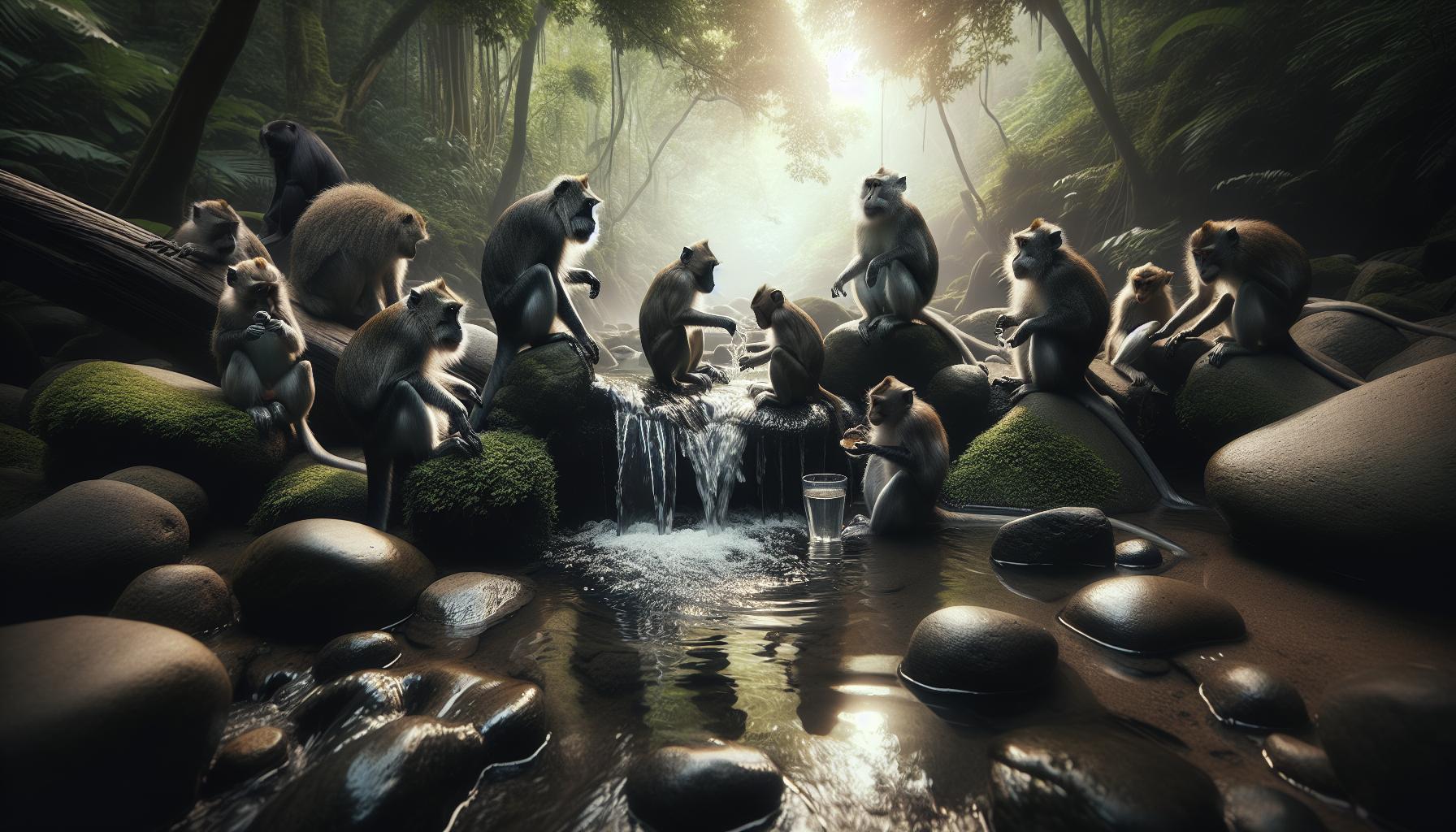
Water plays a crucial role in the lives of many primate species, influencing their behavior and cultural practices. Some monkeys have been observed using water not just for survival, but also as a playground where social interactions flourish. For example, in regions like the Japanese Alps, Japanese macaques are famous for enjoying hot springs, illustrating how the use of water can foster social bonding and relaxation. This behavior is not only a way to cope with the cold but reflects a deeper cultural significance tied to their environment.
Among various primate species, the use of water can vary widely, often influenced by habitat and social structure. River-dwelling monkeys, like the capuchins, utilize water as a travel route, crossing rivers to access food sources. This ecological adaptation highlights how water is not only essential for drinking but also serves as a resource for foraging and escape from predators. Their ability to swim contributes to their survival, showcasing the link between their aquatic behaviors and cultural practices observed in their communities.
Furthermore, the presence of water in their environment offers opportunities for enrichment and play. Monkeys engage in activities like splashing and swinging from branches above water bodies, which reinforces social hierarchies and strengthens group bonds. Observations of these playful interactions provide valuable insights into the social dynamics of monkey troops, emphasizing the importance of water as a contextual element in their lives.
As we explore the cultural significance of water in the lives of monkeys, it becomes clear that water transcends its basic necessity; it shapes behaviors, fosters relationships, and contributes to the health of their ecosystems. Understanding these aquatic interactions enriches our comprehension of primate behavior, providing fascinating insights into how these intelligent beings adapt to and engage with their environments.
Risks and Safety Concerns for Swimming Monkeys
While monkeys are often seen splashing around in rivers and streams, their aquatic play can come with significant risks that deserve attention. Just like any adventurous journey into the water, swimming monkeys face dangers from swift currents, deep waters, and potential predators lurking nearby. It’s essential to understand these safety concerns, particularly for those who admire these agile animals from a distance or may dream of engaging with them in a more interactive setting.
One major risk is drowning. Although many species, such as capuchins or macaques, are natural swimmers, they can tire quickly, especially if they swim in strong currents or over long distances. Young or less experienced swimmers might venture into water that’s too deep or rough, putting them at an increased risk of losing their footing or strength. This leads to the important reminder that, while swimming can be a fun and enriching activity for these primates, it should always be approached with caution.
In addition to the immediate dangers of drowning or exhaustion, aquatic environments pose threats from waterborne parasites and pollutants. Monkeys that swim in contaminated waters can easily expose themselves to harmful pathogens, leading to diseases that could impact their health. For this reason, monitoring the waterways where monkeys swim is vital, especially in areas affected by human activity and pollution. Ensuring that these environments remain clean not only protects monkey populations but also supports the wider ecosystem they inhabit.
Finally, while engaging with pet monkeys or domesticated species, it’s crucial for owners to recognize the natural inclination of their pets toward water play but also to understand their limits. Providing a safe, controlled environment for swimming or playing in water can allow for healthy interaction without the hazards of a wild environment. For example, shallow kiddie pools can be an excellent way to let pet monkeys explore water safely, under careful supervision. By considering these risks and implementing safety measures, we can appreciate and support the aquatic abilities of monkeys without compromising their well-being.
Conservation Efforts and Swimming Habitats
Many species of monkeys thrive in environments that provide access to water, showcasing their surprising aquatic abilities. Conserving these habitats is crucial not just for the survival of these primates but also for maintaining the overall health of ecosystems where they reside. When we think about the relationship between monkeys and their aquatic environments, it’s important to explore the ongoing conservation efforts aimed at protecting these critical areas.
Monkey populations, such as macaques and capuchins, often inhabit regions near rivers, lakes, and wetlands. These environments serve as both playgrounds and essential resources, offering food, shelter, and safety from predators. However, the expanding human footprint – including deforestation, pollution, and water diversion for agriculture – threatens these habitats, resulting in habitat loss and decreased water quality. Conservation initiatives focused on safeguarding these habitats are vital. For instance, organizations like the World Wildlife Fund (WWF) and local conservation groups are working tirelessly to establish protected areas that safeguard the natural habitats of aquatic-adapted monkeys.
To effectively support these conservation efforts, individuals can take action by raising awareness about the importance of clean waterways and the species that depend on them. Community involvement is also crucial; local populations can be educated about sustainable practices that minimize pollution and protect water sources. Implementing activities like river clean-up days or educating communities about the ecological benefits of maintaining healthy aquatic environments can make a significant difference. Moreover, responsible tourism plays a role: promoting eco-friendly travel practices helps generate funding for conservation projects while allowing visitors to appreciate these animals in their natural settings.
In addition to habitat preservation, it is essential to monitor and research how swimming behaviors adapt to changing environments. Studies tracking monkey movements and their use of water bodies can illuminate how these species thrive and adjust. Such research provides invaluable insight, helping conservationists develop strategies tailored to specific species’ needs and the environmental challenges they face.
By fostering a deeper understanding of these relationships and taking steps to protect their aquatic habitats, we not only benefit monkey populations but also contribute to the overall health and balance of our ecosystems. With every effort made towards conservation, we move closer to ensuring that these fascinating creatures can continue to showcase their unique swimming abilities for generations to come.
Inspiring Stories: Monkeys Overcoming Water Challenges
While monkeys might not be the first animals that come to mind when you think of swimmers, numerous stories reveal their remarkable adaptability and resilience in aquatic challenges. For example, the macaques of Japan have been observed taking spontaneous dips in hot springs and rivers, not only to cool off but also to play and socialize. These playful bouts in the water highlight their ability to interact with their environment in fun and unexpected ways, making them a fascinating case of primate behavior.
Overcoming Threats
Consider the capuchin monkeys of Central and South America, who navigate their forested homes alongside rivers and mangroves. In some regions, flooding can pose significant threats to their survival. When faced with rising waters, these clever primates have been documented using fallen branches and other floating debris to cross flooded areas. This not only demonstrates their swimming capabilities but also their problem-solving skills and intelligence as they adapt to changing environments.
Training and Bonding
In domestic settings, stories of keeping monkeys as pets often reveal encounters with water. Responsible owners have found creative ways to help their monkeys learn to enjoy swimming as a healthy pastime. By gradually introducing their pets to water and rewarding them with treats, many pet owners observe their monkeys playing and exploring in pools or shallow water. This positive exposure fosters a love for water while providing essential physical exercise. However, it is crucial to ensure that these experiences are supervised to guarantee the safety of both the monkey and the environment.
Reflection on Conservation
A poignant narrative involves the ongoing conservation efforts for the endangered golden lion tamarin, which faced severe habitat loss near water bodies in Brazil. Conservationists have reported heartwarming success as these monkeys learn to navigate preserved wetlands, showcasing their resilience in the face of adversity. The continued restoration of these habitats demonstrates how nature can heal and adapt, fostering hope that these captivating primates will thrive alongside their aquatic habitats for generations to come.
Through these inspiring stories, we see that monkeys are not just ground dwellers; they are skilled at overcoming challenges in their watery worlds. These tales serve as a reminder of the importance of preserving their habitats, ensuring that these remarkable beings can keep making waves for years to come.
What Can We Learn from Monkeys About Water?
Monkeys have much to teach us about their interactions with water, showcasing not just survival skills but also the importance of adaptability and play in their lives. One key takeaway is the notion that water is not merely a barrier but a resource that can be harnessed for various purposes. For instance, monkeys like the macaques have been observed in their natural habitats engaging in both swimming and playful activities in hot springs, demonstrating how they integrate bathing into their social behaviors. This element of play is crucial, highlighting that enjoyment is an essential part of their interaction with their environment, which can be a valuable perspective for pet owners seeking to enrich their animals’ lives.
Training pet monkeys to appreciate water can offer insights into their natural behaviors. Owners can facilitate aquatic skills by gradually introducing snub-nosed monkeys to shallow water, allowing them to explore and play, much like their wild counterparts. This encourages not only physical exercise but also mental stimulation. Building confidence in water through positive experiences can enhance a monkey’s overall well-being. It’s essential for caregivers to ensure these interactions are safe, reinforcing supervision as a priority.
From a conservation standpoint, understanding monkeys’ relationship with water ecosystems sheds light on the broader environmental context. The success stories of species like the golden lion tamarin show how vital it is to preserve their natural habitats, as these primates navigate wetlands and water bodies skillfully. Protecting these ecosystems ensures that monkeys continue to thrive and adapt to their surroundings, using water not just for survival but also as a vital component of their social structures and daily activities.
In summary, the adaptability of monkeys in aquatic environments teaches us the significance of water in their lives. Documenting these interactions helps enhance our appreciation for their intelligence and resilience, which can inspire us to advocate for the conservation of their habitats and facilitate joyful, safe experiences for pet monkeys in our care. Observing monkeys not merely as terrestrial animals but as engaging aquatic beings invites richer conversations about wildlife and habitat preservation.
Frequently asked questions
Q: Can monkeys hold their breath while swimming?
A: Yes, monkeys can hold their breath while swimming. Generally, they can stay submerged for around 30 seconds to a minute, depending on the species. This ability helps them navigate underwater environments safely, especially when jumping between branches or escaping predators.
Q: What types of monkeys are the best swimmers?
A: Capuchin monkeys and macaques are known for their strong swimming abilities. These species demonstrate natural adaptation to aquatic environments, often engaging in swimming and playing in water as a part of their behavior.
Q: Why do some monkey species enjoy water so much?
A: Monkeys enjoy water for various reasons, including cooling off, play, and accessing food. Water can provide an opportunity for social interaction and is essential in their natural habitats, where they may need to find hydration or forage for aquatic plants.
Q: How can monkey owners encourage their pets to swim?
A: Owners can encourage pet monkeys to swim by gradually introducing them to water in a safe environment, using shallow areas first. Positive reinforcement, such as treats or play, can also help build their confidence and comfort in the water.
Q: Can swimming benefit monkeys in terms of health?
A: Yes, swimming can benefit monkeys’ health by promoting muscle growth, enhancing cardiovascular health, and providing a form of enrichment. Regular water play can also aid in mental stimulation and alleviate stress.
Q: Are there any risks for monkeys swimming?
A: Swimming does pose risks for monkeys, such as drowning, exposure to strong currents, or waterborne diseases. It’s important to supervise them closely when they swim and ensure safe environments to minimize these risks.
Q: How does climate impact a monkey’s swimming abilities?
A: Climate can significantly influence a monkey’s swimming behavior. Warmer climates encourage more frequent swimming as a cooling strategy, while colder weather may limit their desire to engage in water activities. Species have adapted differently to their habitats, impacting their swimming frequency and abilities.
Q: What can we learn from monkeys about being in the water?
A: Observing monkeys in water can teach us about the importance of water play for physical and mental health. Their natural instincts and adaptations showcase how animals can thrive in aquatic environments, emphasizing the need for safe water access in captivity and conservation efforts.
In Conclusion
As we’ve discovered, monkeys are surprisingly adept in the water, showcasing unique swimming abilities that might challenge your perceptions of these fascinating creatures. From their natural habitats near rivers to their playful aquatic antics, monkeys reveal an exciting side of wildlife that deserves our attention. Curious about more special animal skills? Check out our articles on “Unbelievable Animal Adaptations” and “The Secrets of Primate Social Structures” for deeper insights.
If you enjoyed uncovering the aquatic talents of monkeys, don’t miss out on future explorations-subscribe to our newsletter for the latest updates and exclusive content! Share your thoughts in the comments below; we love hearing from fellow animal enthusiasts. Let’s keep the conversation going-what other wildlife wonders would you like us to explore next? Remember, expanding our knowledge helps us appreciate and protect these amazing animals better. Dive into our content and keep learning today!
Get our latest guides, news, and insights highlighted in your Google Search & AI Overviews.