
Did you know that owning an exotic animal can be just as challenging as it is fascinating? While many people are drawn to the allure of unique pets, the reality is that exotic animals often come with complex needs and serious legal and ethical considerations. From their specialized diets and habitats to the potential dangers they pose, owning these animals is a responsibility that goes beyond mere fascination. As you explore the critical concerns surrounding the ownership of exotic animals, you’ll discover the risks involved not only for the animals themselves but also for their human companions and communities. Join us as we delve into the reasons why this trend can lead to significant consequences, ensuring you’re well-informed about a choice that could impact lives-both human and animal alike.
Why Exotic Animals Are Not Pets: Common Misconceptions
Exotic animals often captivate our imagination with their vibrant colors and unique behaviors. However, many misconceptions surround their ownership. A common belief is that exotic pets can be tamed just like dogs or cats. In reality, these animals have complex needs and instincts that are difficult to meet in a domestic setting. For example, a capuchin monkey may appear cute and cuddly, but in the wild, they live in social groups and require stimulation and space to thrive. Keeping them isolated in a home can lead to stress and behavioral issues.
Another myth is that exotic animals are easy to care for. Many people assume that because the animals look different, their care requirements are also different-from feeding to habitat needs. In truth, exotic pets often require specialized diets, extensive enclosures, and a significant amount of time dedicated to socialization and enrichment. A diet that consists only of generic pet food can lead to severe health problems in animals like iguanas or parrots, which have specific nutritional needs reflecting their wild diets.
Furthermore, there’s a widespread misconception that owning an exotic pet is harmless and only affects the owner. However, this viewpoint overlooks the significant legal and ethical implications. Many regions have laws regulating or prohibiting the ownership of exotic animals due to the potential public safety risks and the impact on conservation efforts. When non-native species are introduced into the local environment, they can disrupt ecosystems and threaten local biodiversity.
Education is crucial when considering the responsibilities of exotic ownership. Understanding the needs, both physical and psychological, of these creatures can lead to better-informed decisions. Curious about the realities of exotic animal ownership? It’s essential to think beyond the exotic allure and consider the well-being of the animal and the environment they come from-it’s a commitment, not just a trend.
The Legal and Ethical Quagmire of Exotic Ownership
Exotic animal ownership is a topic that often sparks both interest and controversy. While the allure of owning a unique creature like a sugar glider or a ball python is undeniable, the reality is that such choices come with a tangled web of legal and ethical considerations. Across many regions, laws concerning exotic pets are becoming increasingly stringent, reflecting a growing recognition of the risks these animals pose. These regulations are in place for several reasons, including public safety, ecological balance, and animal welfare.
Many exotic animals are not only unsuitable for domestic life but can also become significant threats when they escape or are released into the wild. For instance, species like Burmese pythons have wreaked havoc in places like the Florida Everglades, demonstrating the ecological dangers posed by invasive species. Additionally, the legal implications of ownership can vary widely from one jurisdiction to another. In some places, certain species require special permits, and others are outright banned. Potential owners must educate themselves on the local laws governing exotic pets-failing to do so can result in hefty fines or even criminal charges.
Ethically, the debate extends beyond mere legality. Many animal rights organizations argue that exotic pets suffer when kept in captivity, often missing the social structures and habitats they would have in the wild. For example, parrots are highly social birds that thrive in flocks; creating an enriching environment for them in a home setting is challenging. Without adequate space, companionship, and mental stimulation, these animals may develop severe behavioral issues. Responsible ownership requires a commitment not only to care for these animals but also to understand their complex needs, which often goes unmet in private homes.
To navigate these complexities, prospective owners should consider alternatives to ownership that support wildlife conservation and animal welfare. Engaging with wildlife through accredited sanctuaries or rehabilitation centers allows individuals the opportunity to appreciate these incredible creatures without the burdens and risks of ownership. Programs that educate the public about wildlife conservation can foster a respect for animals in their natural habitats while promoting responsible interaction with the animal kingdom. By placing emphasis on education, protection, and ethical considerations, society can better advocate for the well-being of exotic animals and the ecosystems that support them.
Health Risks: Diseases and Zoonotic Concerns
Many may be surprised to learn that owning exotic animals can pose significant health risks, not just for the animals, but also for their human caretakers. A salient concern is the transmission of zoonotic diseases-illnesses passed from animals to humans. These diseases can arise from direct contact with the animal, exposure to their waste, or even from their environments. For instance, reptiles such as turtles and iguanas are known carriers of Salmonella, which can lead to severe gastrointestinal illness in people. Studies indicate that nearly 75% of new infectious diseases in humans are zoonotic in origin, emphasizing the pervasive and sometimes insidious connection between animal health and human health.
Exotic mammals can present their own set of illnesses, such as Herpes simian virus found in primates, which can lead to serious health complications if transmitted to humans. Moreover, with rising pet ownership of unconventional species like sugar gliders or fennec foxes, the risks of unique pathogens entering our environment cannot be overlooked. While many people might believe they can handle the responsibility, they often underestimate their exposure to these potential health threats. Caring for an exotic animal means being diligent about hygiene, regular health checks, and understanding the specific health needs of each species.
To better illustrate this, consider the case of ferrets, which are sometimes kept as pets. They can be carriers of the canine distemper virus, which, although primarily affecting dogs, can have severe ramifications if transmitted. Owners are often unaware that these seemingly fun and playful creatures could harbor such dangers, leading to potential outbreaks. Proper vaccination and knowledge are critical to mitigating such risks.
Make no mistake: while the appeal of exotic pets can be enticing, the responsibilities tied to their health and the associated zoonotic risks can be complex and daunting. Ensuring proper care demands a deep dive into species-specific knowledge, consistent veterinary care, and, above all, a commitment to maintaining health standards that prevent disease transmission. By opting for more conventional pets or engaging with wildlife in ethical ways, you can enjoy the wonders of these creatures while minimizing health risks.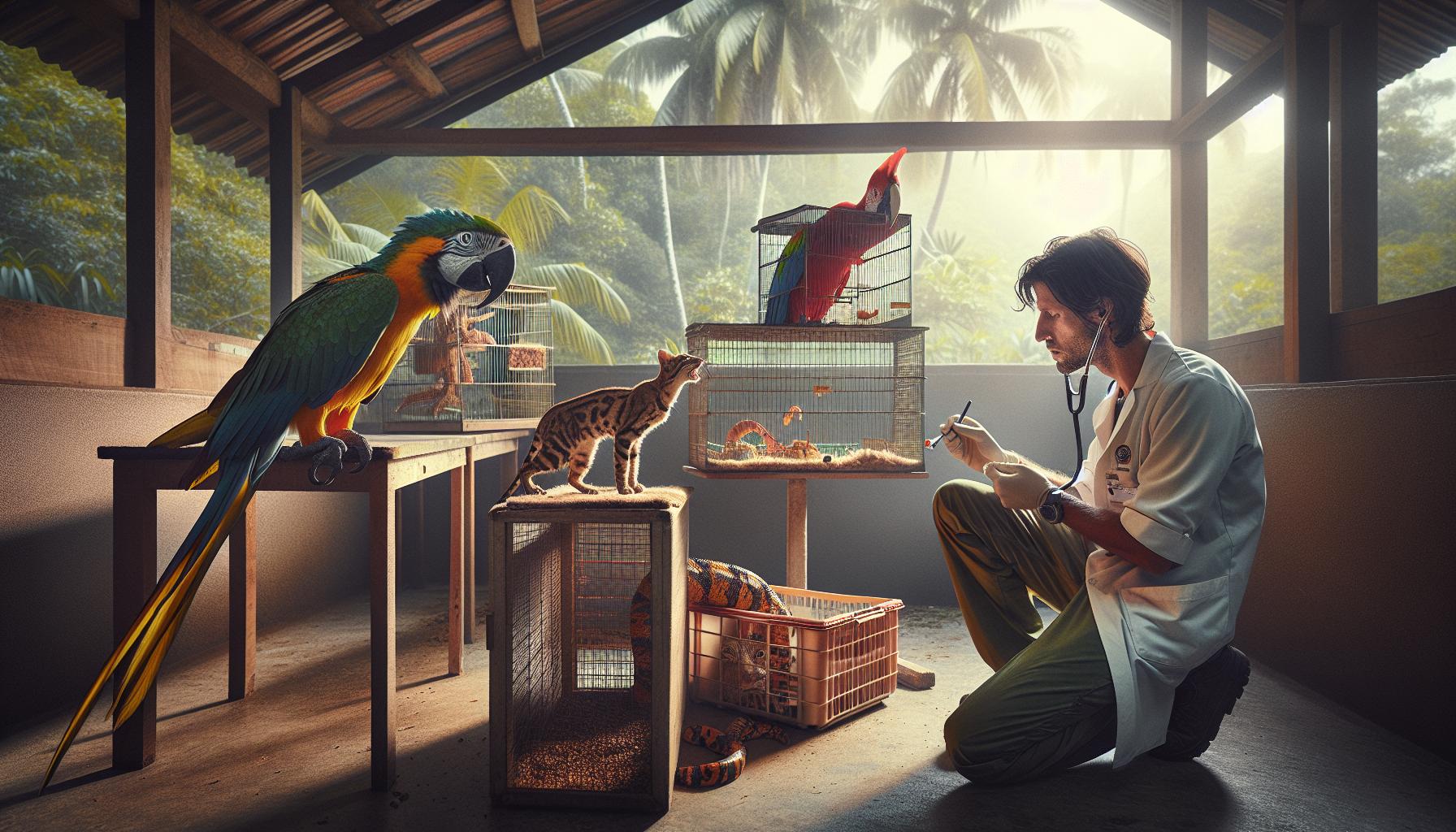
The Welfare Challenges for Exotic Animals
Owning exotic animals can come with a myriad of welfare challenges that many potential pet owners might not fully understand. Much like us, exotic species have specific physical and psychological needs that must be met to ensure their well-being. Failing to provide an appropriate environment can lead to severe stress and behavior problems. For example, many exotic animals, such as parrots or reptiles, require specialized habitats that mimic their natural surroundings, including proper lighting, temperature regulation, and space to roam and explore. Without these, they can suffer from health issues and behavioral abnormalities.
Understanding the emotional and social needs of these animals is equally crucial. Many species are inherently social and thrive on interaction with their own kind. For instance, primates often develop strong bonds within their groups; keeping a single primate can lead to loneliness and depression. These welfare challenges extend to diet as well; many exotic pets have complex dietary requirements that differ significantly from those of more common pets. Providing a proper diet is not just about feeding them but ensuring they receive the right nutrients for their health and longevity.
Additionally, the capture and trade of exotic animals can exacerbate welfare issues. Animals like African grey parrots and various reptiles are commonly taken from their natural habitats, a practice that can severely impact their populations in the wild, leading to ecological imbalances. Captive-bred animals also face their own challenges, as they often lack the innate skills needed to thrive if released and may still experience the effects of inbreeding.
Thus, it’s essential for potential owners to ask themselves the tough questions: Can I truly provide the environment these animals require? Am I equipped to meet their social and health needs? The allure of keeping an exotic pet could quickly turn into a serious commitment filled with ethical dilemmas, demanding knowledge and resources that many may not possess. Understanding these welfare challenges emphasizes the importance of responsible pet ownership, encouraging individuals to consider alternatives that support animal welfare and contribute positively to conservation efforts.
Consequences of Inexperienced Ownership
The thrill of owning an exotic animal often overshadows the complexities involved in their care, leading to unintended consequences for both the animal and the owner. Many interested in exotic pets may not realize that caring for these animals comes with a steep learning curve, much like learning to ride a bike-without the right guidance, it can lead to falls and injuries. Without proper knowledge and experience, the welfare of these animals can suffer immensely, resulting in stress, health issues, and often tragic outcomes.
One common consequence of inexperienced ownership is the misunderstanding of an exotic animal’s dietary needs. For example, many reptiles require specific types of food that mimic their natural diet, such as live insects or particular fruits and vegetables. A simple error, like feeding a bearded dragon the wrong type of greens, can lead to severe nutritional deficiencies. Similarly, many parrots need a balanced diet that includes various seeds, nuts, fruits, and vegetables. New owners might opt for a basic seed mix, thinking it sufficient, but this can lead to obesity and other health problems due to the lack of variety.
Another significant issue arises from the social needs of many exotic species. Animals like monkeys, parrots, and ferrets are social creatures that thrive on interaction, not just with humans but with their own kind. Inexperienced owners might isolate these animals, failing to provide the mental stimulation and companionship they require. As a result, the animals can develop behavioral issues such as aggression, self-harm, or depression, which can lead to a cycle of rehoming or abandonment.
When exotic pets are kept in inappropriate conditions due to a lack of understanding of their habitat needs, it can result in both physical and psychological distress. For example, a sugar glider needs ample space to glide and jump, but inexperienced owners may confine them to small cages, leading to bone and muscle problems. The consequences of such oversight are not just detrimental to the animals but can also lead to legal issues for the owner, especially if local laws regarding exotic animal care and welfare are violated.
In short, the allure of exotic pets can quickly turn sour for both animals and owners alike. The responsibility is immense, mandating that potential exotic pet owners engage in comprehensive research and preparation. It’s vital to ask hard questions about care capabilities and long-term commitment. Embracing the role of an informed caregiver ensures a healthy, happy relationship with these fascinating creatures, making for a far more rewarding experience than impulsive ownership ever could.
Captive Breeding vs. Wild Sourcing: What You Should Know
Captive breeding and wild sourcing are two distinct avenues through which exotic animals enter the pet trade, each with its own set of implications for animal welfare, conservation, and responsible ownership. Understanding the differences between these two categories is crucial for potential pet owners who aim to make informed choices.
Captive breeding refers to the practice of breeding exotic animals in controlled environments, such as zoos, private facilities, or breeding operations. One of the primary advantages of captive breeding is that it can help reduce the pressure on wild populations. By providing a sustainable source of animals for the pet trade, captive breeding works best for species whose numbers are declining due to habitat loss and illegal wildlife trade. Additionally, animals bred in captivity tend to be more accustomed to human interaction and are often easier to care for since their behaviors and needs can be studied and managed effectively. However, not all captive breeding operations are created equal, and some may prioritize profit over the health and welfare of the animals involved.
On the flip side, wild sourcing involves capturing animals directly from their natural habitats, which poses significant ethical concerns. Wild-caught animals can experience immense stress during the capture and transportation processes, leading to health issues that may not be immediately apparent. Additionally, this practice can contribute to dwindling populations of certain species, particularly those that are already threatened or endangered. The removal of individuals from their ecosystems can disrupt local biodiversity and have unintended consequences on the ecosystems themselves.
When choosing an exotic pet, it’s vital to consider the source. Here are some essential factors to keep in mind:
- Research the Breeder: If opting for a captive-bred animal, ensure that it comes from a reputable breeder committed to the welfare of their animals. Verify their breeding practices and ask about their care standards.
- Understand Legalities: Be aware of local laws concerning the ownership of exotic pets. Some species may be illegal to own, either due to conservation efforts or safety concerns.
- Educate Yourself on Species Needs: Consider that even captive-bred animals have specific care requirements relating to habitat, diet, and social interaction. Insufficient knowledge can lead to health issues.
- Consider Adoption: Whenever possible, consider adopting from sanctuaries or rescue organizations that house exotic animals in need of homes.
In conclusion, while the allure of exotic pets is palpable, the realities behind their sourcing are multifaceted and often fraught with ethical dilemmas. By understanding the implications of captive breeding versus wild sourcing, potential pet owners can make smarter, more compassionate decisions that benefit both themselves and the animals they wish to care for.
Alternatives to Owning Exotic Animals: Responsible Choices
Many people dream of sharing their lives with exotic animals, enchanted by their beauty and uniqueness. However, the reality of exotic pet ownership often comes with significant challenges and ethical concerns. Instead of diving into the complexities of caring for an exotic pet, consider a variety of responsible alternatives that can satisfy your love for wildlife without the drawbacks.
One of the most rewarding options is to become involved with local wildlife rehabilitation centers or sanctuaries. These organizations often rely on volunteers to help care for animals that cannot be released back into the wild. By volunteering, you’ll gain hands-on experience with exotic species while contributing to their care and rehabilitation. Not only does this provide you with the enjoyment of interacting with wildlife, but it also offers an opportunity to learn about their natural behaviors and habitats in a responsible setting.
Adopt, Don’t Shop
For those who want the companionship of a pet, adopting from shelters and rescues is a fantastic alternative. Many domestic animals, including unique breeds and mixes, are in desperate need of homes. Consider adopting a cat or dog that exhibits behaviors reminiscent of their wild cousins. For example, certain dog breeds like the Canaan Dog or the Basenji retain many characteristics of their wild ancestors. These pets can provide the thrill of unique companionship while being more suited for life in a home environment.
Support Conservation Efforts
Another impactful way to engage with wildlife is by supporting conservation efforts. This can involve donating to organizations dedicated to protecting natural habitats or participating in eco-tourism adventures that promote wildlife preservation. These experiences not only help support the species in their natural habitats but also educate you and others about the importance of biodiversity and conservation. For instance, joining a guided tour in a national park can provide close encounters with wildlife in their natural settings, allowing you to appreciate their beauty without contributing to exploitation.
Learn and Educate
Lastly, immerse yourself in learning more about wildlife through books, documentaries, and even courses focused on animal behavior and conservation. By becoming an advocate for responsible wildlife care and conservation education, you can inspire others to appreciate wildlife without the need to own them as pets. Hosting community talks or educational outings at local zoos and aquariums can also cultivate a deeper understanding and appreciation for these fascinating animals, fostering a culture of respect and protection for wildlife rather than ownership.
Choosing responsible alternatives not only enriches your life but also helps support the well-being of the animals you admire. By shifting your focus from ownership to appreciation and advocacy, you can play a crucial role in wildlife conservation and foster a healthier relationship with the animals we share this planet with.
Frequently Asked Questions
Q: What are the dangers of owning exotic pets?
A: The dangers of owning exotic pets include potential injuries from bites or escapes, as many species do not behave like domesticated animals. Additionally, the risk of zoonotic diseases, which can transfer from animals to humans, poses significant health concerns. It’s crucial to understand these risks before considering an exotic pet.
Q: How does owning exotic animals impact their wild populations?
A: Owning exotic animals can negatively impact wild populations through illegal poaching and habitat destruction. When demand increases for exotic pets, it can lead to a decline in certain species and disrupt ecosystems. Responsible choices are vital for conservation efforts and maintaining biodiversity.
Q: Why is specialized care important for exotic pets?
A: Specialized care for exotic pets is essential because their dietary, social, and environmental needs differ drastically from traditional pets. Without proper knowledge, owners may unintentionally provide inadequate care, leading to health issues and poor welfare outcomes. Expertise matters-educate yourself before considering an exotic animal.
Q: What legal issues can arise from owning exotic animals?
A: Owning exotic animals often comes with legal issues, including the risk of fines or confiscation if the animal is illegal in your area. Many regions enforce strict regulations on the ownership of certain species to protect wildlife and public safety, making it essential to research local laws prior to acquiring an exotic pet.
Q: What are the ethical concerns with keeping exotic animals as pets?
A: Ethical concerns regarding exotic pets include the animal’s right to live in its natural habitat rather than in captivity and the often inadequate living conditions provided by owners. Furthermore, many exotic animals have specific social and environmental needs that cannot be met in a home setting, raising questions about their welfare and quality of life.
Q: How can exotic pet ownership lead to potential conflicts with neighbors?
A: Exotic pet ownership can lead to conflicts with neighbors due to noise, scent, and safety concerns, especially if the animal escapes. This can create tension within the community, highlighting the importance of considering local perceptions and regulations before bringing an exotic pet into your home.
Q: What are some alternatives to owning exotic animals?
A: Alternatives to owning exotic animals include volunteering at wildlife sanctuaries, supporting conservation efforts, or adopting domesticated pets that require homes. By choosing these options, you contribute positively to animal welfare and conservation without the risks and challenges associated with exotic pet ownership.
Q: When should someone reconsider their choice of owning an exotic animal?
A: Individuals should reconsider owning an exotic animal if they feel unprepared for the responsibility, lack adequate knowledge about the specific needs of the species, or if they cannot provide the proper environment and care. It’s essential to prioritize the welfare of the animal over personal desire.
For further information, check our sections on the Health Risks and Welfare Challenges for Exotic Animals to learn more about the implications of exotic pet ownership.
Future Outlook
As we wrap up our discussion on the critical concerns of owning exotic animals, it’s clear that these magnificent creatures, while fascinating, come with significant responsibilities and challenges. From their specialized care needs to the potential impact on wildlife conservation, the reasons against exotic pet ownership are compelling. If you’re considering an unconventional companion, it’s essential to understand these factors thoroughly.
For those eager to expand their knowledge, check out our articles on the impacts of exotic animals on ecosystems and the benefits of adopting traditional pets. Don’t hesitate to explore the rich content available on our site-there are countless insights waiting for you! Are you passionate about wildlife? Join our community by signing up for our newsletter for tips, resources, and updates on responsible pet ownership. Together, we can advocate for animal welfare and make informed choices that benefit both pets and their owners. Your thoughts matter-share your experiences in the comments below!
Get our latest guides, news, and insights highlighted in your Google Search & AI Overviews.