
Did you know that in the United States, there are more tigers in captivity than in the wild? This startling statistic highlights the growing trend of exotic pet ownership. While the idea of having a unique animal companion might seem appealing, the reality is that owning exotic pets often leads to significant ethical, environmental, and safety concerns. This article will explore why the ownership of exotic animals should be illegal, addressing critical issues like the potential for animal abuse, public safety risks, and the ecological impact of keeping wild species in domestic settings. By delving into these complex topics, we aim to shed light on the responsible treatment of wildlife and the urgent need for stricter regulations to protect both animals and communities. Continue reading to discover the compelling arguments that advocate for making exotic pet ownership a thing of the past.
The Hidden Dangers of Exotic Animal Ownership
Exotic animal ownership can seem like an exhilarating choice, promising the thrill of having a wild creature as a companion. However, beneath the surface of this allure lie profound dangers that affect both the animals and humans. When individuals bring exotic animals into their homes, they often overlook the complex needs of these creatures and the risks associated with their care. For instance, many species require specialized diets, extensive space, and social interactions that mimic their natural habitats-conditions that are impossible to replicate in captivity for most pet owners.
Moreover, the emotional and behavioral repercussions for these animals can be severe. For instance, many exotic pets, like primates or big cats, may suffer from stress and anxiety when confined to inappropriate environments. They might display destructive behaviors, escape attempts, or even aggression, leading to dangerous situations for both the animal and the owner. It’s also worth noting that certain species, such as snakes or large reptiles, can pose significant health and safety risks, including the potential for zoonotic diseases that can transfer from animals to humans.
Beyond individual experiences, the impact of exotic pet ownership casts a long shadow on wildlife conservation. When people opt for exotic animals, it inadvertently fuels an ongoing demand that drives illegal poaching and habitat destruction. The exotic pet trade leads to overharvesting of species from the wild, many of which are already threatened or endangered, thus exacerbating the loss of biodiversity. This cycle not only endangers the species but also the ecosystems they inhabit.
It’s crucial for potential owners to weigh these risks carefully against the reality of owning an exotic pet. Understanding the commitment required for proper care and the broader implications of supporting the exotic pet industry can create a more informed and responsible approach to animal companionship. Choosing to admire these magnificent creatures in the wild or through reputable sanctuaries can be a far more beneficial and ethical option.
Understanding the Impact on Wildlife Conservation
Exotic animal ownership poses a substantial threat to wildlife conservation, a fact that may surprise many prospective pet owners. While the idea of sharing your home with a wild creature can be enticing, it meshes uncomfortably with the realities of the global wildlife crisis. According to the World Wildlife Fund, approximately 1 million species are endangered due to habitat loss, poaching, and the climate crisis, among other factors. This crisis is exacerbated by the demand for exotic pets, which often drives illegal poaching and contributes to declining populations of already vulnerable species.
Exotic pet ownership doesn’t only affect the animals taken from the wild; it disrupts entire ecosystems. When species are removed from their natural habitats, the ripple effects can be devastating. For example, overharvesting of certain reptiles and birds not only diminishes those populations but also impacts the predators and prey involved in their ecosystems. Additionally, some species play crucial roles in their environments, such as pollinators or seed dispersers. Their removal alters the balance and health of the ecosystem, leading to a decline in biodiversity that affects all life forms within that habitat.
The legal and ethical implications of the exotic pet trade are also significant. Many animals are captured and sold under dire conditions, often experiencing severe stress, poor health, and inadequate care. This isn’t just a problem for the animals; it reflects a broader societal issue of how we value wildlife. Supporting the exotic pet trade can indirectly condone the suffering of countless animals and threaten global efforts to conserve biodiversity. Instead of buying exotic animals, which perpetuates these problems, individuals can choose to support wildlife conservation organizations or engage in wildlife tourism that funds protection efforts.
When considering the exquisite diversity of our planet’s fauna, it’s crucial to appreciate each species in its rightful habitat rather than in a living room. Opting to advocate for conservation and protection efforts offers a healthier, more sustainable alternative to pet ownership. By educating ourselves and others about these issues, we can foster a deeper appreciation for wildlife and contribute to a future where nature thrives.
Legal and Ethical Implications of Exotic Pet Trade
Exotic pet ownership often elicits a sense of wonder, with captivating images of colorful reptiles, unique birds, and furry mammals that many might dream of having as companions. However, the underlying legal and ethical implications of the exotic pet trade paint a far more troubling picture. The trade not only endangers wildlife through capture and habitat destruction but also raises complex moral questions about our responsibilities toward animals that are fundamentally wild and should thrive in their natural environments.
The laws surrounding exotic animal ownership vary widely by region, but many can be surprisingly lenient, allowing individuals to keep wild animals without adequate measures to ensure animal welfare. Often, these regulations fail to account for the needs of the animals or the potential dangers they pose to human health and safety. For instance, ownership of species like tigers or primates is prevalent in some areas, allowing individuals to keep animals that require vast territories and specialized care in environments that can be grossly inadequate. This raises questions about our societal values-what does it say about us when we prioritize personal enjoyment over the well-being of sentient creatures? The conditions under which most exotic pets are kept can lead to severe physical and psychological stress, resulting in a compromised quality of life for these animals.
Furthermore, engaging in the exotic pet trade supports a system marked by cruelty and exploitation. Many animals are captured from the wild, often facing inhumane treatment during transport and in captivity. The lack of stringent regulations means that many end up in circumstances that neglect their dietary, environmental, and social needs. For example, reptiles may be kept in cramped, bare enclosures that don’t mimic their natural habitats, leading to malnutrition and health issues. The ethical implication is stark: this practice promotes a cycle of suffering that is often invisible to the average pet owner, disconnected from the harsh realities faced by these creatures.
As individuals, we hold the power to shift this narrative. Instead of supporting the exotic pet industry with our wallets, we can advocate for stronger laws and research-informed practices that prioritize animal welfare. Individuals drawn to unique pets can opt for fostering wildlife conservation or supporting sanctuaries that provide refuge for animals rescued from the pet trade. By choosing to appreciate wild species in their natural habitats or through responsible wildlife tourism, we can help protect these magnificent creatures while promoting biodiversity and ecosystem health.
In conclusion, recognizing the legal and ethical implications of owning exotic animals is vital in fostering a cultural shift toward wildlife conservation. As stewards of the planet, we have a responsibility to advocate for policies that protect wildlife and discourage practices that devalue their existence. By raising awareness and educating others about the realities of the exotic pet trade, we pave the way for a future that respects and celebrates wildlife in all its forms.
The Psychological and Environmental Costs of Ownership
Many people may be drawn to the idea of owning an exotic pet because of their striking appearances and intriguing behaviors. However, the reality is that these animals often suffer tremendously in captivity. For instance, a common misconception is that species like parrots or large lizards can thrive in a typical household environment. In actuality, they have complex needs that, when unmet, result in significant psychological distress. Wild animals are not designed for the constraints of our homes; they thrive in expansive, stimulating environments that mimic their natural habitats. This disconnect leads to a host of behavioral issues, including stress-induced aggression, repetitive movements akin to pacing, and severe anxiety.
The Psychological Toll
Owning an exotic pet can lead to high rates of stress for the animal, even in environments that appear adequately stimulating. For example, large animals like primates are highly social creatures that require interaction and companionship; solitary confinement can lead to depression and anxiety, manifesting in problem behaviors such as self-mutilation. Consider the case of capuchin monkeys, often kept as pets despite their incredibly social nature. When isolated from other monkeys, they can exhibit signs of distress much like a human might, showcasing the deeper emotional needs these animals possess.
Environmental Costs
Beyond the psychological issues, the environmental impact of exotic pet ownership is equally concerning. The demand for exotic pets fuels illegal wildlife trafficking, leading to significant reductions in wild populations. Animals captured from their natural habitats often disrupt local ecosystems and can pose threats to native species. For example, the introduction of non-native reptiles like Burmese pythons in the Florida Everglades has caused severe ecological consequences, affecting local wildlife and disrupting food chains.
Additionally, the environmental footprint of maintaining an exotic pet can be considerable. The resources required for their care, including specialized diets, heating, and humidity controls, can lead to an overuse of energy and materials, exacerbating climate change and habitat degradation. This awareness presents a compelling argument for prohibiting the ownership of exotic pets: by reducing demand, we can protect both animal welfare and the integrity of our ecosystems.
It is evident that the costs associated with exotic pet ownership far outweigh the perceived benefits. Instead of indulging in the appeal of unique companions, we can channel our passion for wildlife into supporting conservation efforts and sanctuaries. By doing so, we not only protect these amazing animals but also foster a deeper respect for the natural world and its intricate ecosystems.
Preventing Zoonotic Diseases: Why It Matters
Owning an exotic pet can bring a certain allure, but it also comes with significant risks, particularly concerning zoonotic diseases-those that can be transmitted from animals to humans. The reality is that many exotic animals are carriers of infectious agents, and when they come into contact with humans or our domestic pets, we may inadvertently find ourselves facing serious health threats. For instance, reptiles such as turtles and snakes are well-known for harboring pathogens like Salmonella, which can cause severe gastrointestinal illness in humans. This risk is particularly worrisome for young children, the elderly, and those with compromised immune systems.
Understanding the Risks
The Centers for Disease Control and Prevention (CDC) has long spotlighted the dangers posed by exotic animals as pets. Wildlife and exotic pets can serve as reservoirs for emerging zoonoses, which are diseases that have jumped from animals to humans. These may range from well-known afflictions, such as rabies and West Nile virus, to newer threats like monkeypox and various strains of flu that circulate among wildlife. The close quarters of human-animal interaction can set the stage for transmission, especially in households unprepared for the specialized care these animals require.
Preventive measures can be straightforward but are often overlooked. Regular veterinary check-ups for exotic pets and strict hygiene practices-like thorough handwashing after handling animals or cleaning their habitats-are essential. In addition, understanding the specific needs and behaviors of these animals is crucial, as their stress and health can directly impact the potential spread of zoonotic diseases. For example, if an exotic pet is kept in poor conditions, it may shed more pathogens into its environment.
Taking Responsible Action
For those considering adding an exotic pet to their family, it’s vital to weigh the health risks against the benefits. Is the appeal of an exotic animal worth the potential implications for your health, the well-being of your family, and local wildlife? Instead of exotic pets, look towards adopting more common pets that are well-suited to our homes and lifestyles. By choosing animals like dogs or cats, you not only reduce the risk of zoonotic diseases but also contribute to animal welfare by adopting from shelters and rescues.
Educating ourselves about the implications of exotic pet ownership is a crucial step. Every creature, exotic or domestic, deserves a respectful and knowledgeable owner who can provide a suitable environment. By acknowledging the complexities that come with exotic animal ownership, we can foster deeper respect for wildlife and contribute to conservation efforts aimed at protecting these vulnerable species in their natural habitats. In doing so, we support a healthier relationship between humans and the animal kingdom.
Alternatives to Exotic Pets: Choosing Responsible Companions
Considering a companion animal? While exotic pets might seem intriguing, there are many wonderful alternatives that are not only more suitable for home life but also promote responsible pet ownership. For instance, adopting dogs or cats from shelters not only provides them with a loving home but also helps combat the pet overpopulation crisis. Animal shelters are filled with loving companions eagerly waiting for a family, and they come in all shapes and sizes!
Moreover, small mammals like rabbits, guinea pigs, and hamsters can be fantastic pets. They require less space compared to dogs or cats and can be quite affectionate. For those who appreciate the charm of reptiles, consider species like leopard geckos or bearded dragons. These reptiles can be easier to care for and have relatively simple habitat requirements, making them great options for beginners without the wild behaviors typical in exotic species. Always remember that even small pets require a commitment to their care – including proper housing, diet, and veterinary attention.
Benefits of Choosing Common Companions
Opting for traditional pets can lead to numerous benefits for both owners and their furry, scaly, or fluffy friends. Here are a few key reasons to choose responsible companions:
- Health and Safety: Common pets are less likely to transmit zoonotic diseases. You minimize health risks while enriching your life.
- Simpler Care Needs: Many traditional pets have well-documented care guidelines, making it easier to provide for their needs.
- Supporting Animal Welfare: Adopting pets from shelters contributes to their well-being and reduces the demand for the exotic pet trade.
In addition to adopting, consider fostering. This not only opens up space in shelters for other animals but also gives you the opportunity to help an animal adjust to home life, making it more adoptable. By choosing common companions, you’re not just gaining a pet; you’re making a positive impact on the animal community and reinforcing the importance of responsible pet ownership. Celebrate the joy of having a pet that is well-suited for life within a home-one that can be a true friend without the complications and ethical dilemmas of exotic ownership.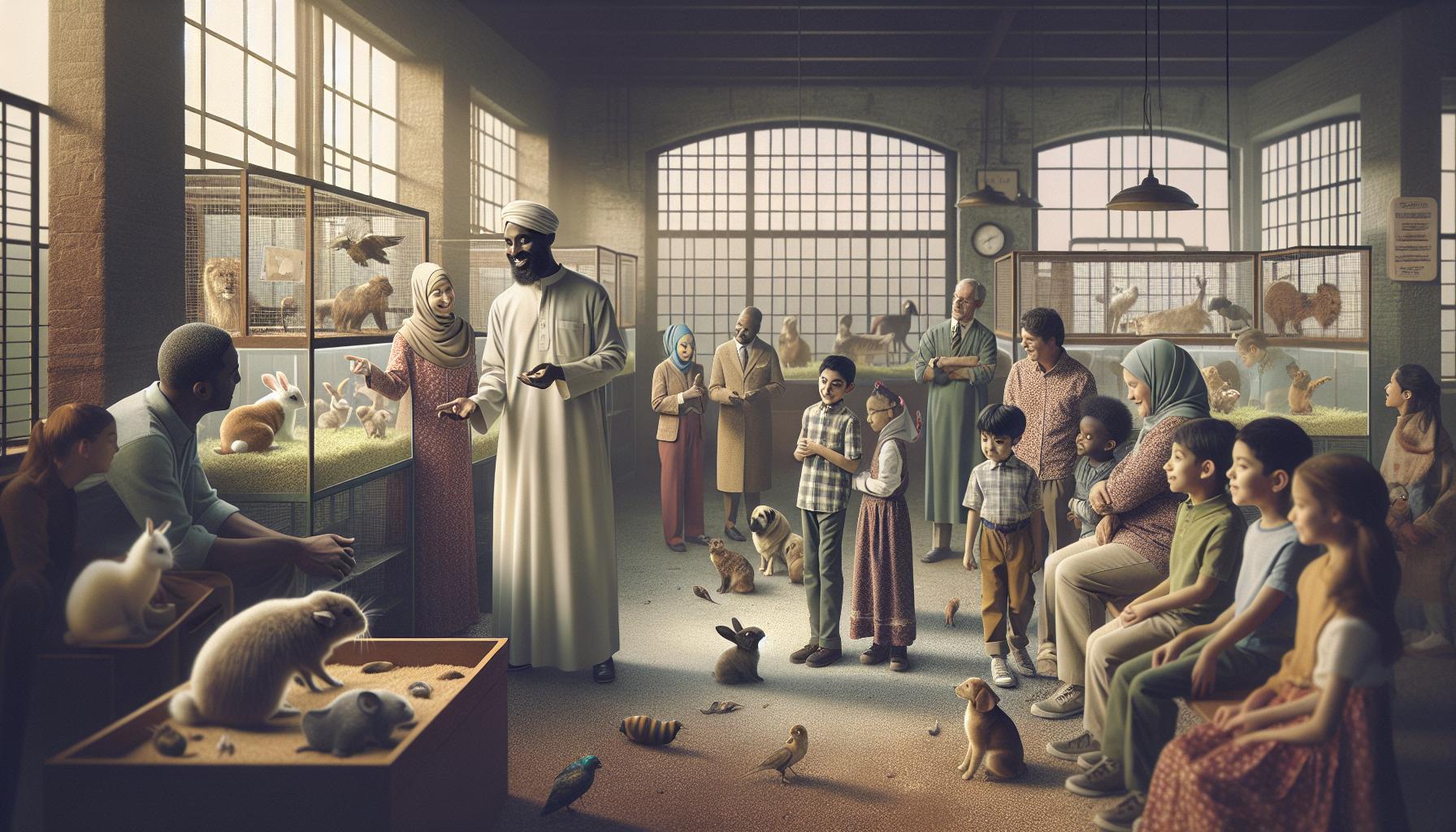
The Role of Education in Responsible Animal Care
Education is paramount in fostering responsible animal care, particularly in the context of exotic pet ownership. Many people are drawn to exotic animals due to their unique beauty and fascinating behaviors, yet they often lack an understanding of the specific needs and complexities associated with keeping them. For instance, exotic animals often have specialized dietary requirements, social structures, and environmental necessities that, if unmet, can lead to severe health issues or behavioral problems. A well-informed owner is better equipped to provide a suitable habitat and care routine, ensuring a happier and healthier life for both the animal and the owner.
Exotic pets like reptiles, for example, may require precise temperature and humidity levels to thrive-something that common pet care training doesn’t usually cover. Additionally, many prospective owners are unaware of the potential legal and ethical implications of owning such animals. Education can illuminate the broader consequences of the exotic pet trade, such as its impact on wild populations and ecosystems, which is critical for anyone considering adding such a pet to their family. Awareness campaigns and educational workshops can help demystify the responsibilities involved in exotic pet ownership and promote informed decisions that prioritize animal welfare.
Moreover, dispelling common myths about exotic pets is crucial. For example, many believe that reptiles do not form bonds with their owners, but studies show that with proper handling and interaction, they can display affection and recognition. Providing accurate information can reshape perceptions and encourage potential owners to undertake thorough research before making a commitment. This not only aids in responsible ownership but also helps foster a deeper respect for wildlife, which is essential for conservation efforts.
Lastly, community resources such as local wildlife centers and veterinarians specializing in exotic pets can be valuable avenues for education. They can offer insights into the realities of exotic pet care and guide prospective owners in selecting animals that match their experience levels and lifestyles. By encouraging education and awareness, we can contribute to a more compassionate view towards animals and promote practices that prioritize their well-being over mere novelty.
Addressing Common Myths About Exotic Animals
Many people are fascinated by exotic animals, but unfortunately, this allure is often built on a series of misconceptions that can lead to irresponsible ownership. One prevalent myth is the belief that exotic animals, like reptiles and birds, can easily adapt to a typical home environment without specific care or attention. In reality, these creatures come from diverse ecosystems with unique needs-failing to meet these can result in serious health issues and behavior problems. For example, reptiles require precise temperature and humidity levels to thrive; neglecting these needs often leads to metabolic disorders and premature death.
Another widespread misconception is that exotic pets do not form bonds with their owners. Contrary to this belief, studies have shown that many species, including reptiles and birds, can develop affectionate and recognizing behaviors towards their caretakers when appropriately handled. This emotional connection is crucial, as it significantly influences the well-being of the animal and enhances the owner’s experience. With compassionate interactions, these creatures can exhibit behaviors that demonstrate positive recognition of their human companionship.
The idea that owning an exotic pet is a form of conservation is also misleading. While some believe that keeping these animals helps preserve species, the reality is that the exotic pet trade often contributes to the decline of wild populations. Many species are taken from their habitats to supply the market, further threatening their survival in the wild. Educating potential owners about the impact of their choices is essential. It encourages a more informed perspective that prioritizes the welfare of the animals over the novelty of their ownership.
Lastly, there’s a misconception that all exotic pets are legal and ethically sourced. The reality is far more complex, as the exotic pet trade is rife with illegal activities, often involving cruelty and unsustainable practices. It’s critical for prospective pet owners to do thorough research and ascertain the legality and ethical implications of their chosen pet to ensure they’re not inadvertently supporting harmful practices. By addressing these myths, we can foster a more responsible approach to animal care and conservation, ultimately benefiting both exotic animals and the ecosystems they hail from.
Regulations and Enforcement: Where Do We Stand?
In the ever-evolving landscape of exotic pet ownership, regulations are crucial yet often inconsistent and inadequate. Did you know that there are more tigers in captivity in the United States than in the wild globally? This startling fact underscores the complexity of managing exotic animal ownership and the urgent need for comprehensive regulations. As the demand for exotic pets continues to rise, so do the risks associated with their ownership-not only for the animals themselves but also for human health, safety, and wildlife conservation.
Current Regulations
The legal framework governing exotic pet ownership varies significantly across states and local jurisdictions. While certain species, such as tigers and bears, may be banned outright in some areas, other places have minimal regulations or adopt a permissive stance towards exotic ownership. The patchwork of state laws creates a confusing environment for potential pet owners and law enforcement alike. Furthermore, many regulations are poorly enforced, allowing illegal trade and ownership to flourish unchecked. A study highlighted that the inconsistent and incomplete regulation perpetuates risks related to disease invasions and ecological disruptions that can come from introducing non-native species into local environments [[2]].
The Enforcement Challenge
Enforcing existing regulations presents another significant hurdle. Local animal control agencies often lack the resources and training to handle exotic pets effectively, resulting in inadequate oversight and enforcement. For instance, while the Animal Welfare Act provides a baseline for the care of certain animals, many exotic species are not covered under this legislation. This loophole allows for subpar care and contribute to the mistreatment of these animals. Additionally, wildlife trafficking laws are often not stringent enough to deter illegal acquisition and sale of exotic pets. Addressing these enforcement gaps is critical for protecting both the animals and the public.
The Path Forward
To move towards a more responsible system of exotic pet ownership, a more uniform regulatory approach is necessary. This could include the development of federal guidelines that establish clear definitions of which animals are classified as exotic and require direct oversight and guidelines for their care. Potential solutions involve creating educational programs that inform potential owners of the complexities involved in caring for these animals, emphasizing ethical sourcing and promoting the adoption of pets that are domesticated or less dangerous.
In conclusion, while curiosity about exotic animals can fuel a passion for wildlife, this fascination must be matched with a commitment to informed, responsible ownership and regulation. By advocating for cohesive regulations and strong enforcement, society can work towards ensuring that both humans and exotic animals can coexist safely and ethically.
Animal Welfare Concerns in the Exotic Pet Industry
Did you know that many exotic animals sold as pets often suffer from neglect and inadequate care? The exotic pet industry poses serious animal welfare concerns that cannot be overlooked. When wild animals are held in captivity, they are stripped of their natural habitats and social structures, often leading to physical and psychological distress. Certain species, such as large cats, primates, and reptiles, have unique care requirements that most private owners cannot adequately meet, resulting in malnutrition, social isolation, and a host of behavioral issues.
- Inadequate Living Conditions: Many exotic pets are kept in small cages or confined spaces that do not mimic their natural environments. For example, tigers, which require vast territories to roam and hunt, can suffer from severe stress and abnormal behaviors when kept in enclosures that are a fraction of their natural range. This can lead to pacing, over-grooming, and even self-mutilation.
- Lack of Veterinary Care: Exotic animals often struggle to receive appropriate medical attention. Many private owners are uninformed about the specific health needs of their pets, leading to untreated illnesses and suffering. Unlike domesticated pets, exotic animals typically require specialized veterinary care that is not readily accessible.
- Breeding and Genetic Concerns: The exotic pet trade often prioritizes profit over animal welfare, leading to unethical breeding practices. This can result in genetic disorders, behavioral issues, and overall poor health among animals bred in captivity.
The effects of this industry extend beyond individual animals. Large-scale breeding operations can lead to inhumane treatment and overcrowding, where animals are viewed merely as commodities. For instance, the reptile trade, while seemingly innocuous, contributes to the suffering of millions of snakes and lizards kept in unsuitable conditions.
Real-World Consequences
Taking a broader view, consider the real-world consequences of these practices. Wild animals sold as pets often end up abandoned or released into non-native environments when owners realize they cannot meet their needs. This not only puts the animals at risk but also threatens local ecosystems and biodiversity. Invasive species can wreak havoc on habitats, outcompeting native wildlife for resources and creating imbalances.
By understanding these welfare concerns, potential pet owners can make informed choices. Embracing responsible pet ownership means prioritizing the animal’s needs and considering alternatives. Instead of opting for exotic pets, choosing domesticated animals that have been bred for companionship is a decision that supports both animal welfare and conservation efforts. By advocating for stricter regulations and understanding the responsibilities involved in animal care, we can help ensure a safer and more compassionate future for all creatures.
What to Consider Before Owning an Exotic Animal
Before diving into the exotic pet ownership journey, it’s essential to understand the profound responsibilities involved. Take, for instance, that large reptiles and big cats have specific environmental needs that often mirror the wild habitats they come from. Capturing the beauty of an African Serval or a Blue Iguana may seem appealing, but these animals demand vast spaces to roam and sophisticated diets that can be quite complex. If a potential owner can’t provide an appropriate habitat, the repercussions are often dire-these animals may suffer from stress, health issues, and behavioral problems.
Consider elements such as behavior and social requirements. Many exotic species are inherently social or require mental stimulation to thrive. For instance, primates often live in complex social groups in the wild and can develop severe emotional distress when isolated. The lack of proper social interaction not only affects their mental health but can also lead to destructive behaviors-something that most first-time exotic pet owners simply aren’t prepared to manage.
Furthermore, owning an exotic animal involves significant financial commitment. The costs can escalate quickly-from securing quality food to regular veterinary care. Not all veterinarians are equipped to handle exotic species, which may drive up costs even further if specialized care is needed. In many cases, this leads to neglect as owners underestimate the ongoing expenses involved.
Ultimately, it’s crucial to also recognize the broader implications of keeping exotic animals. The exotic pet trade has devastating effects on wildlife populations and ecosystems. Many species captured for the pet trade may already be endangered, and by purchasing them, owners inadvertently contribute to this decline. Choosing alternatives, like adopting domesticated breeds or supporting wildlife sanctuaries, not only respects these creatures but also promotes a healthier, more sustainable approach to animal companionship. In this light, prospective owners should reflect deeply on whether they can truly meet the unique needs of an exotic animal before making the leap into ownership.
Faq
Q: Why is owning exotic animals considered dangerous?
A: Owning exotic animals poses numerous dangers, including severe injuries from attacks, the risk of zoonotic diseases that can be transmitted to humans, and significant behavioral challenges that can arise when these animals are kept in unsuitable domestic environments. Responsible ownership is crucial to ensure safety for both the animal and the owner. For more on the psychological effects of ownership, visit our section on The Psychological and Environmental Costs of Ownership.
Q: What impact does the exotic pet trade have on wildlife conservation?
A: The exotic pet trade severely impacts wildlife conservation by threatening populations through poaching, habitat destruction, and the introduction of non-native species into ecosystems. Regulations are essential to protect endangered species and preserve biodiversity. To learn more, check out our article on Understanding the Impact on Wildlife Conservation.
Q: How do exotic animals affect human health?
A: Exotic animals can affect human health primarily through the transmission of zoonotic diseases, which can lead to serious health crises. Furthermore, the stress and unpredictability of exotic pets can result in aggressive behaviors, increasing risks to humans and other pets alike. Visit our section on Preventing Zoonotic Diseases: Why It Matters for more information.
Q: Are there legal consequences for owning exotic animals?
A: Yes, there can be serious legal consequences for owning exotic animals, including significant fines, confiscation of animals, or even criminal charges, depending on state and local laws governing exotic animal ownership. It’s crucial to understand these laws before considering an exotic pet. For a deeper insight, refer to Regulations and Enforcement: Where Do We Stand?.
Q: What alternatives exist to owning exotic pets?
A: Alternatives to owning exotic pets include adopting domestic animals or choosing traditional pets such as dogs, cats, or small mammals. These choices often lead to better outcomes for both animal welfare and the pet owner. For guidance on choosing responsible companions, see our section on Alternatives to Exotic Pets: Choosing Responsible Companions.
Q: How can education help in responsible exotic pet ownership?
A: Education plays a vital role in responsible exotic pet ownership by informing potential owners about the needs, behaviors, and legal responsibilities associated with these animals. Awareness can help prevent impulsive decisions and promote better animal welfare outcomes. Explore more on this subject in The Role of Education in Responsible Animal Care.
Q: What are the common myths about exotic animals that need debunking?
A: Common myths include that exotic animals can be effectively domesticated, that they can thrive in a home environment, and that their care is similar to that of traditional pets. These misconceptions can lead to serious animal welfare issues. For myth-busting facts, check our section on Addressing Common Myths About Exotic Animals.
Q: How do the psychological costs of owning exotic pets manifest?
A: The psychological costs can manifest in stress, anxiety, and potential aggressive behavior from both the exotic pet and the owner due to inadequate understanding of the animal’s needs and behaviors. Responsible ownership requires a commitment to appropriate care and environmental enrichment. Learn more in The Psychological and Environmental Costs of Ownership.
Final Thoughts
In summary, the conversation around why owning exotic animals should be illegal highlights critical concerns about wildlife conservation, public safety, and animal welfare. By understanding these issues, we can make informed decisions that benefit both exotic species and our communities. If you’re passionate about responsible pet ownership, stay informed by exploring our related articles on exotic pet care and ethical wildlife practices.
Don’t wait-join our community today by signing up for our newsletter for the latest insights and updates! Your voice matters in shaping a future that prioritizes the well-being of both people and animals. Engage with us in the comments below; we love hearing your thoughts and experiences! Together, we can advocate for a world where wildlife thrives, and responsible ownership is the norm.
Get our latest guides, news, and insights highlighted in your Google Search & AI Overviews.