
Did you know that owning exotic animals is often seen as a status symbol, yet it poses serious risks to both humans and wildlife? While the allure of these stunning creatures can be tempting, the reality of their care and the dangers they can present make a compelling case for stricter regulations-or outright bans-on private ownership. In this article, we unpack the ethical, ecological, and safety-related issues that arise when exotic animals are kept as pets. From the complexities of their dietary needs to the potential for aggression, owning such animals often leads to situations that can endanger both the owner and the animal itself. As responsible stewards of our planet, it’s vital to consider whether passion for exotic species justifies the potential consequences. Join us as we explore why banning the ownership of exotic animals is not only a matter of personal choice but a significant step towards conservation and public safety.
Reasons Behind the Need for Exotic Animal Ownership Laws
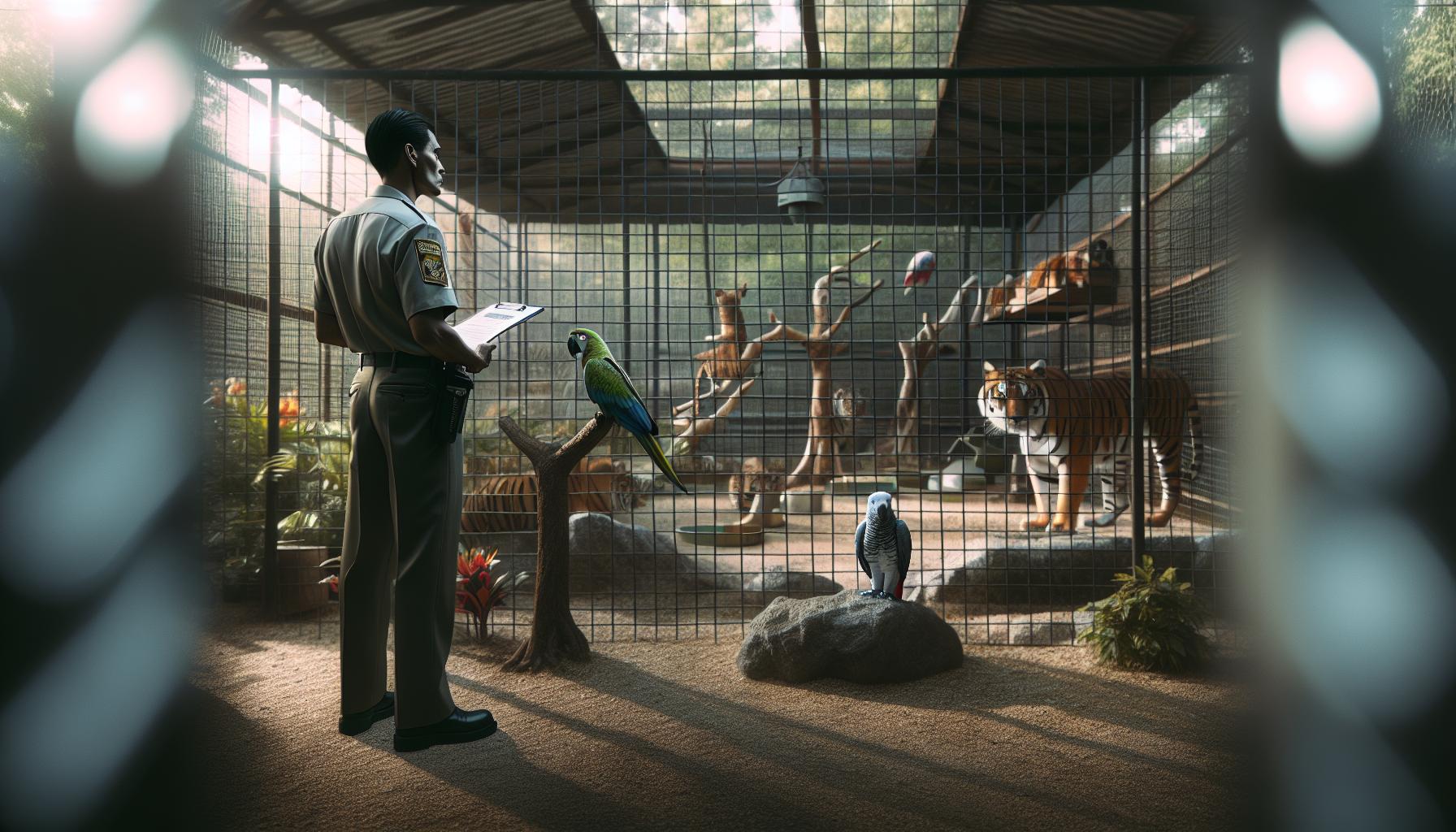
Wildlife enthusiasts often marvel at the beauty and uniqueness of exotic animals, but the allure of owning such creatures comes with significant responsibilities and risks. Laws governing exotic animal ownership are essential to protect both the animals and society. These regulations are born from the understanding that many people are ill-equipped to provide the specialized care these animals require. For instance, a capuchin monkey might seem like a fun pet, but their social and dietary needs mimic those of a small human child, demanding nearly round-the-clock attention and environmental enrichment.
Moreover, exotic pets can pose hidden dangers. Animals are often kept in inappropriate settings, leading to behavioral problems or even aggression. Reports of exotic animals escaping or causing harm to humans highlight the potential risks involved. For example, a family in Ohio recently faced legal action when their pet tiger escaped, leading to a dramatic confrontation with law enforcement. Such incidents not only put the populace at risk but also place undue stress on emergency services, diverting resources from other critical areas.
Additionally, the importation and ownership of exotic animals can have dire consequences for wildlife conservation. Overharvesting or illegal capture of species can impact their populations in the wild, throwing ecosystems out of balance. Laws that restrict ownership can play a pivotal role in preserving biodiversity. By discouraging private ownership, we ensure that these animals remain in their natural habitats, contributing to biodiversity and ecological stability.
Ultimately, establishing and enforcing exotic animal ownership laws is crucial not only for the welfare of the animals themselves but also for the safety and health of communities. These regulations help foster a sense of responsibility among potential pet owners, emphasizing education and ethical considerations when it comes to caring for wildlife. By prioritizing animal welfare and public safety, we can create a more harmonious relationship between humans and the extraordinary creatures that share our planet.
The Hidden Dangers of Exotic Pets
Exotic pets may seem like thrilling companions, but the reality is often fraught with complexities and dangers that can catch even seasoned animal lovers off guard. For instance, many exotic species, from large snakes to primates, have instinctual behaviors that can make them unpredictable in a domestic environment. Their needs typically far exceed what an average household can provide, potentially leading to serious consequences for both the animal and its owners.
Consider the case of a seemingly harmless pet monkey. Primates are social creatures that thrive in groups, and solitary confinement can lead to behavioral issues such as aggression, anxiety, and depression. These challenging behaviors could not only put the owner at risk but also pose threats to the community, especially if an escape occurs. In fact, public incidents involving exotic animals often result in alarmed neighbors and strained emergency services, as they rush to contain an unexpected wild creature on the loose.
Another alarming aspect is the health risks exotic pets can introduce. Many of these animals carry zoonotic diseases-those that can be transmitted to humans-like herpes simian virus or salmonella. Exposure to these pathogens can result in serious health issues, particularly for children and immunocompromised individuals. For example, owning a pet iguana might seem innocuous, yet they are known carriers of salmonella, which can be a severe health hazard.
Understanding the hidden dangers of owning exotic animals is crucial for responsible pet ownership. More than just a novelty, these creatures require specialized care that goes beyond the capacity of most households. Educating potential owners about these realities can not only help citizens make informed decisions but also lead to broader support for laws that protect both people and exotic species from the perils of inappropriate ownership.
Wildlife Conservation: How Ownership Affects Species Survival
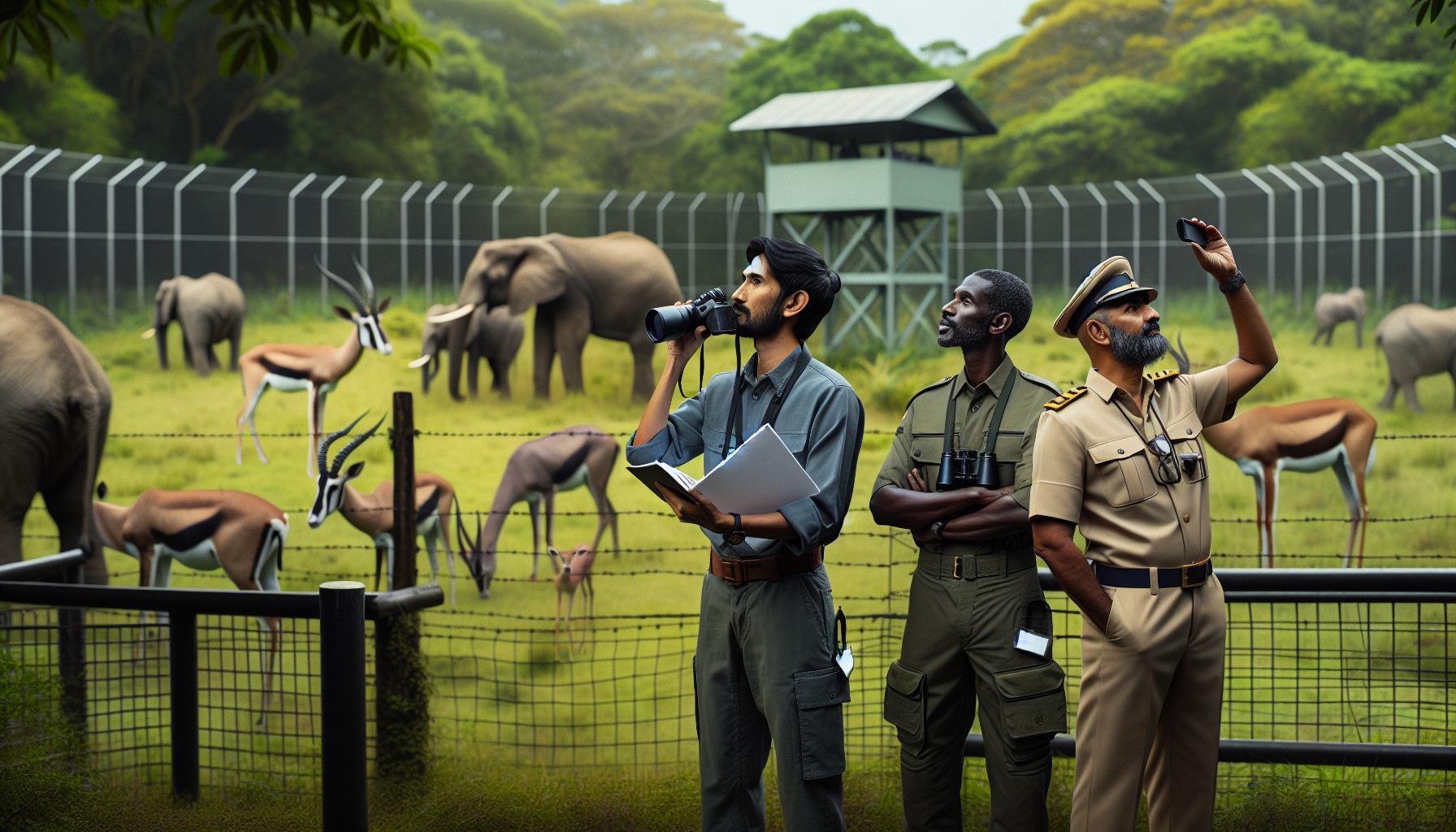
Owning exotic animals might seem like an exciting prospect to many, but the implications for wildlife conservation are profound and often detrimental. When individuals choose to keep exotic pets, they inadvertently contribute to a cycle that can threaten the survival of species in the wild. For instance, removing animals from their natural habitats for the pet trade diminishes their populations and disrupts the ecological balance. A striking example is the illegal wildlife trade, where species like reptiles, birds, and big cats are poached in alarming numbers, pushing them closer to extinction.
Exotic pet ownership can also introduce non-native species into ecosystems where they have no natural predators. This creates an imbalance and can lead to significant consequences for local wildlife. For example, Burmese pythons have become invasive in the Florida Everglades after being released or escaped from captivity, preying on native species and causing declines in their populations. Such species displacements not only threaten biodiversity but also undermine efforts to conserve native wildlife.
Moreover, many exotic animals sold as pets often come from breeding programs that lack oversight and regulation. These practices may not adhere to ethical breeding standards, harming the animals’ well-being and perpetuating issues associated with inbreeding. Animals like the African grey parrot, which is known for its intelligence and engaging personality, often face significant welfare concerns in captivity, leading to behavioral problems and increased mortality rates due to inappropriate husbandry.
Encouraging responsible stewardship and a deeper understanding of conservation is essential. Individuals interested in exotics should consider becoming advocates for wildlife protection instead of contributing to the pet trade. There are numerous ways to support conservation efforts without keeping exotic animals, such as volunteering with wildlife rehabilitation centers, donating to conservation organizations, or adopting sustainable practices that benefit wildlife habitats. By choosing to support wildlife conservation, we help ensure the survival of species that play crucial roles in their ecosystems.
Understanding the Ethical Implications of Exotic Pet Trades

The exotic pet trade is a complex and often troubling industry, where the allure of owning unique creatures can overshadow the ethical considerations involved. Many people may not realize that the very act of purchasing exotic animals contributes to significant welfare issues, ecological imbalances, and ethical dilemmas. For instance, consider the plight of the African grey parrot, which is known for its remarkable intelligence and social nature. Taken from the wild, these birds often suffer from psychological stress, poor living conditions, and lack of social interaction, leading to severe behavioral issues.
When animals are uprooted from their natural habitats, the consequences extend beyond individual welfare. The exotic pet trade fuels a black market that often involves illegal poaching and trafficking, threatening entire species. Endangered species like the slow loris and various reptiles see their populations dwindling as demand for these animals rises. By fostering a market where animals are seen as commodities, this trade not only facilitates species extinction but also undermines conservation efforts worldwide.
Moreover, ethical ownership implies recognizing the inherent needs of these animals. While they may appear charming and interesting, exotic pets often have complex care requirements that the average owner is ill-equipped to handle. For example, large snakes or primates require specialized diets, space to roam, and social engagement, which can be challenging to provide in a household setting. Misunderstanding these needs can result in neglect or abandonment, further exacerbating the issue of overpopulation in rescue centers.
Instead of contributing to the exotic pet trade, potential owners can channel their enthusiasm into other forms of support for wildlife. Volunteering at local shelters, participating in wildlife conservation projects, or simply advocating for awareness about the issues surrounding exotic animals can positively impact species survival. Ultimately, understanding the ethical implications of exotic pet ownership leads not only to better practices among owners but also fosters a collective responsibility towards our global wildlife heritage.
Exotic Animals and Public Health Risks
Exotic animals might look enticing as unique companions, but the public health risks associated with their ownership are significant and often overlooked. For instance, many exotic pets can carry zoonotic diseases-infectious diseases that can be transmitted from animals to humans. A well-known example is the pet hedgehog, which can harbor Salmonella bacteria, leading to severe gastrointestinal illness in people. Similarly, reptiles, including turtles and snakes, are notorious carriers of Salmonella, posing a health threat, particularly to young children and immunocompromised individuals.
Moreover, the stress of captivity can weaken an exotic animal’s immune system, making them more susceptible to diseases that can spread to humans. This vulnerability can lead to outbreaks, as seen with the rise of monkeypox cases associated with the importation of pet prairie dogs. Such events illustrate how the exotic pet trade can serve as a vector for diseases that might be rare in certain areas, exposing the public to new health risks.
Handling exotic animals can also lead to injuries such as bites or scratches, which can become infected. This is particularly concerning when you consider the size and strength of some species, such as large snakes and big cats, which can inflict serious harm. Public health authorities often report incidents stemming from improper handling and lack of understanding of these animals’ behaviors, highlighting the need for regulations.
To mitigate these risks, it’s essential for potential exotic pet owners to consider alternatives. Engaging in wildlife appreciation through ethical tourism or supporting wildlife rehabilitation centers can satisfy the desire for connection with nature without the inherent risks of private ownership. Advocating for responsible wildlife laws ensures that not only public health is protected but also that the welfare of exotic animals is preserved in their natural habitats. By spreading awareness and fostering understanding about these issues, we can help promote a more responsible approach to interactions with wildlife.
Regulations Around the World: A Comparative Analysis
The international landscape of exotic animal ownership regulations varies widely, reflecting cultural attitudes, ecological concerns, and public health risks associated with keeping wild species as pets. For instance, the European Union has put stringent measures in place, restricting the sale and ownership of many exotic species. Specific countries, such as the Netherlands, have outright bans on the ownership of primates, acknowledging both their complex social needs and the public health risks they pose. In contrast, countries like the United States offer a patchwork of laws, where some states allow ownership of certain exotic animals with minimal regulation, while others impose strict bans or require special permits. For example, California and New York have some of the most restrictive laws, while states like Texas and Florida see a proliferation of exotic pets due to more lenient regulations.
Key Factors Influencing Regulations
Various factors drive the regulatory landscape surrounding exotic pets, including:
- Public Safety: Incidents involving dangerous animals escaping captivity or causing harm often lead to calls for stricter regulations.
- Conservation Status: If a species is threatened or endangered, many regions prohibit private ownership to deter poaching and illegal wildlife trade.
- Public Health Concerns: Zoonotic diseases, which can be transmitted from animals to humans, have spurred lawmakers to re-evaluate the risks posed by exotic pets.
- Animal Welfare: The recognition of the complex needs of exotic animals has led to the implementation of regulations that prioritize their well-being over private ownership.
Global Examples of Regulations
Several countries have established comprehensive guidelines concerning the ownership of exotic pets. For instance:
- Australia: Strictly prohibits the importation of many species and mandates permits for others, recognizing the ecological impact of introduced species.
- Singapore: Has stringent laws regarding the ownership of exotic animals, requiring a special license to own species deemed dangerous or threatened.
- Brazil: Focuses on the conservation of native wildlife and has passed laws forbidding the captivity of many native species to protect natural habitats and biodiversity.
Such global viewpoints emphasize a key aspect of wildlife conservation: the understanding that while exotic animals may seem appealing as pets, the broader implications of their ownership often lead to negative consequences for both the species and the ecosystems they inhabit. Therefore, assessing these regulations reveals a growing acknowledgment that responsible stewardship of wildlife comes first-a philosophy that should guide practices everywhere.
The Impact of Exotic Pets on Native Ecosystems
The introduction of exotic pets into new environments can have unforeseen consequences on local ecosystems. When animals such as iguanas, pythons, or sugar gliders are kept as pets and later released or escape into the wild, they can become invasive species. Invasive species disrupt native populations by outcompeting them for resources, spreading diseases, or even preying on them. For example, the Burmese python in Florida has caused significant declines in native small mammal populations since its introduction, showcasing the delicate balance of native ecosystems that can be easily toppled.
Ecological Imbalance
The presence of exotic pets often leads to ecological imbalances. Native fauna and flora may not be equipped to deal with the competition presented by these non-native species. For instance, feral cats, descendants of domesticated pets, have been responsible for the extinction of numerous bird species worldwide. Similarly, when animals from different environments intermingle, they can introduce new diseases, which native species might have no immunity against. This ecological disruption can have a cascading effect, altering food webs and pushing numerous species toward the brink of extinction.
Urbanization and Habitat Fragmentation
Moreover, the demand for exotic pets can lead to increased habitat destruction. In areas where exotic animal ownership is popular, there’s often a corresponding increase in the extraction of wild animals from their natural habitats. This not only threatens the survival of those species in the wild but also contributes to habitat fragmentation, further isolating wildlife populations and reducing genetic diversity. The loss of biodiversity can have dire consequences, making ecosystems less resilient to changes such as climate fluctuations.
Public Responsibility and Awareness
Educating the public about the responsibilities that come with exotic pet ownership is crucial. Potential pet owners should be aware of the long-term consequences of their choices on local ecosystems. It’s not just about having a unique pet; it’s about understanding how their presence can ripple through the community of life around them. By fostering a culture of responsible ownership and respect for wildlife, we can begin to mitigate , ensuring they thrive for generations to come.
Responsible Ownership: What It Means for Exotic Animals
Owning an exotic animal may seem like an adventurous choice, yet it comes with a profound responsibility that extends beyond the joy of companionship. Exotic pets, from capuchin monkeys to Burmese pythons, require specialized care, understanding their unique behaviors, diets, and social needs. Many potential owners overlook the fact that these remarkable creatures thrive in environments vastly different from our homes. For instance, a parrot may live for over 50 years, demanding a commitment and care that can match or exceed that of a child. Therefore, responsible ownership starts with a genuine understanding of the long-term implications of bringing an exotic animal into your life.
To be a responsible exotic animal owner, it’s essential to educate yourself about the specific needs of the species you are considering. This includes their habitat requirements, dietary needs, social behaviors, and potential health issues. Each species comes with its own set of challenges; for example, reptiles, such as iguanas, require specific temperature gradients and UV lighting for their well-being. Additionally, recognizing the social dynamics of animals like monkeys is critical, as they are highly social creatures that can experience profound loneliness and stress if kept in isolation. Thus, ensuring the proper environment-both physically and socially-helps promote healthier, happier animals.
Moreover, responsible ownership extends to ethical considerations regarding how the animal was acquired. Many exotic animals supply chains are fraught with problems, including poaching and illegal trafficking. Ensuring that your pet was sourced from a reputable breeder or rescue organization not only supports ethical practices but also helps reduce the demand that fuels these harmful industries. Owners have a role in advocacy, spreading awareness of the plight of wild animals and the impact of the exotic pet trade on conservation efforts.
Finally, engaging with the broader community around exotic animal care can foster a sense of shared responsibility. Joining local or online groups of responsible exotic pet owners can provide invaluable support and knowledge. It encourages ongoing learning and raises awareness about the challenges faced by exotic animals, galvanizing efforts to protect both pets and their wild counterparts. By committing to responsible ownership, you contribute to the well-being of your pet and the preservation of their wild relatives, loudly echoing the sentiment that wild beauty belongs in the wild, not in a cage.
Educating the Public: Spreading Awareness About Exotic Animals
Owning an exotic animal might sound like a thrilling idea, but the reality is filled with challenges that many prospective owners are unaware of. Did you know that a single capuchin monkey can require up to two hours of social interaction every day? This highlights just one aspect of their complex social structure and the deep emotional needs of these animals. By spreading awareness about the realities of exotic animal ownership, we can help potential pet owners make informed decisions and promote humane treatment of these incredible creatures.
One key area to focus on is education surrounding the specific needs of various exotic species. For example, reptiles often require specific humidity levels and temperature ranges to thrive, while birds may require spacious enclosures and mental stimulation to prevent behavioral issues. Engaging the public through workshops, local events, or online platforms can provide aspiring owners with practical knowledge and resources. Sharing videos or articles that illustrate proper care for species like sugar gliders or ball pythons can demystify these unique pets and encourage responsible ownership.
Furthermore, understanding the impact of exotic pet ownership on wildlife populations is crucial. For instance, the demand for exotic pets can lead to habitat destruction and even endanger certain species in the wild. By highlighting the ecological ramifications of pet ownership through infographics or community discussions, we can foster a sense of responsibility among potential owners to consider adopting pets from shelters or fostering instead.
Finally, utilizing engaging storytelling can captivate audiences and emphasize the importance of conservation. Sharing success stories of rescued animals or highlighting conservation efforts can inspire action and promote empathy. Whether it’s through social media campaigns or community events, connecting the plight of exotic animals to broader environmental issues can ignite passion for responsible ownership and wildlife preservation.
In conclusion, educating the public about exotic animal ownership involves a mix of practical advice, engaging storytelling, and fostering community discussions. By providing accessible information and inspiring compassion, we can ensure that the call for educated, responsible choices resonates strongly among potential exotic pet owners. Together, we can build a movement that not only prioritizes the well-being of exotic animals but also preserves the beauty of wildlife in their natural habitats.
Frequently Asked Questions
Q: What are the dangers of owning exotic animals as pets?
A: Owning exotic animals can pose serious risks, including physical harm from bites or scratches, and increased stress for the animal due to inappropriate living conditions. These factors can lead to aggressive behavior or health issues, making it essential to understand the complexities of exotic pet care.
Q: How do exotic animals impact local ecosystems when released?
A: When exotic animals are released into the wild, they can become invasive species, disrupting local ecosystems by competing with native species for resources. This can lead to significant declines in native populations and alter habitat dynamics.
Q: Why are exotic pets considered a public health risk?
A: Exotic pets can carry zoonotic diseases, which are diseases that can transfer from animals to humans. This includes infections like salmonella and herpes simian virus, which pose significant health risks to owners and the wider community.
Q: What ethical concerns arise from the exotic pet trade?
A: The exotic pet trade often involves unethical practices, such as poaching and habitat destruction. Animals are frequently captured in the wild, leading to population declines and suffering. Ethical ownership emphasizes respect for wildlife and prioritizing conservation.
Q: What regulations exist worldwide regarding exotic animal ownership?
A: Regulations vary widely by country and often include permits for ownership, bans on certain species, and welfare standards. Countries like the U.S. have a patchwork of state laws, while others impose strict bans to protect both public safety and biodiversity.
Q: What alternatives exist for people interested in exotic animals?
A: Aspiring exotic animal owners can consider adopting domesticated animals that resemble exotic species or supporting wildlife sanctuaries. Volunteering at or visiting sanctuaries can provide the excitement of experiencing exotic animals without the ethical and practical burdens of ownership.
Q: How can people be educated about the importance of exotic animal laws?
A: Education can be achieved through community workshops, informative websites, and school programs that highlight the ecological and ethical issues surrounding exotic pet ownership. Engaging local wildlife organizations can help spread awareness and promote responsible behavior.
Q: When did the movement to restrict exotic animal ownership begin?
A: The movement to regulate exotic animal ownership gained momentum in the late 20th century, responding to public safety concerns and increasing awareness of conservation issues. Significant laws have been enacted in various countries to address these challenges effectively.
The Conclusion
In conclusion, the case against owning exotic animals emphasizes serious concerns about welfare, safety, and environmental impact. By understanding the complexities of their needs and the risks posed to both humans and wildlife, we can advocate for stricter regulations and recommend responsible practices. If you’re passionate about wildlife conservation, consider exploring our articles on responsible pet ownership and the dangers of illegal wildlife trade.
Stay informed and contribute to the conversation-share your thoughts in the comments below and subscribe to our newsletter for the latest updates on animal rights and conservation efforts. Together, we can make a difference! For more insights, check out our resources on animal behavior and habitat needs that will deepen your understanding and foster respect for these magnificent creatures.
Get our latest guides, news, and insights highlighted in your Google Search & AI Overviews.