Did you know that black-tailed prairie dogs are not only adorable but also a keystone species, playing a crucial role in their ecosystem? As their populations face threats from habitat loss and disease, more people are seeking ways to help, including adopting these fascinating creatures. If you’ve ever considered bringing home a prairie dog, whether for companionship or to support conservation efforts, you’re in the right place. This guide explores various adoption and rehoming options available to help you connect with these charming animals responsibly. From symbolic adoptions that provide vital support for wildlife conservation to opportunities for direct adoption, there are numerous ways to make a difference. Join us as we dive into the world of prairie dog adoption and discover how you can contribute to their well-being while enjoying their unique personalities. Your journey into prairie dog advocacy and care starts here!
Understanding Prairie Dogs: Fun Facts and Behavior
Did you know that prairie dogs are not actually dogs at all? These fascinating creatures are rodents belonging to the squirrel family, and they are renowned for their complex social structures and vocal communication. Found primarily in North America, prairie dogs live in extensive underground burrow systems that can house entire colonies, often referred to as “towns.” Their burrows provide safety from predators and protect them from the elements, showcasing their instinctual behaviors and ability to adapt to their environment.
These animals are highly social and live in groups, known as clans or coteries, comprising family members. Communication is vital in prairie dog society; they use a combination of barks and chirps to convey messages about predators and other important changes in their environment. Interestingly, different calls can describe specific threats, such as aerial predators versus ground-based ones, highlighting their intelligence and need for social interaction. Prairie dogs are herbivores, primarily consuming grasses and herbs, which means they graze much like cattle, contributing to their ecosystem by aerating the soil and promoting new plant growth.
If you’re considering adopting a prairie dog, it’s essential to understand their social needs. Prairie dogs thrive in a group setting and can suffer from loneliness if kept alone, leading to stress and behavioral issues. Hence, adopting at least two prairie dogs is advisable to ensure they can engage with one another, mimicking their natural social behaviors. Providing a suitable habitat that includes ample space for them to dig and explore is crucial. Their need for activity and mental stimulation should not be underestimated, making it vital to engage them with toys and opportunities for companionship.
In summary, prairie dogs are engaging, social animals with unique behaviors that make them both entertaining pets and important players in their ecosystems. Understanding their needs and characteristics can foster a rewarding relationship with these endearing critters. Whether you’re searching for rescue options or reputable breeders, ensure you’re prepared to meet the essential care requirements that come with owning such an extraordinary pet.
Essential Care Needs for Prairie Dogs as Pets
Considering a prairie dog as a pet opens up a unique avenue for wildlife enthusiasts, but it’s vital to grasp the essential care needs these interesting creatures require. While they may look like miniature dogs, prairie dogs are highly social rodents that thrive on interaction, both with their kind and their human caretakers. Understanding their behavioral and physical needs is crucial to ensuring that they live happy and fulfilling lives.
To start, it’s important to recognize that prairie dogs are natural diggers and need a habitat that allows them to express this instinct. A spacious enclosure with plenty of substrate for burrowing, such as shredded paper or aspen shavings, will mimic their natural environment. Enrichment is key; they should have access to tunnels, places to hide, and various chew toys to keep them engaged. Additionally, fresh hay and a varied diet of vegetables and specially formulated prairie dog pellets are essential for their health, as they primarily feed on grasses and herbs.
Moreover, social interactions cannot be overlooked. These animals typically live in colonies, which means it’s recommended to adopt at least two prairie dogs to prevent loneliness. Keeping them in pairs or small groups can significantly reduce stress and encourage natural behaviors. When adopting, consider contacting organizations dedicated to prairie dog welfare, such as Prairie Dog Pals, which focuses on humane care and finding responsible homes for these charming animals [[3]](https://prairiedogpals.org/about/). Using reliable rescues will ensure that the prairie dogs you bring home are healthy and well-adjusted, ready to bond with you and their companions.
Overall, understanding these care requirements is critical for successful prairie dog ownership. By meeting their needs for space, socialization, and diet, you can create a nurturing environment that allows these fascinating rodents to thrive, fostering a rewarding relationship that benefits both you and your new companions.
Where to Find Prairie Dog Rescue Organizations
If you’re considering bringing a prairie dog into your home, finding the right rescue or adoption organization is crucial for ensuring you are providing a loving environment for these social creatures. Numerous dedicated groups focus on rescuing and rehoming prairie dogs, giving them a second chance at a happy life while also offering you the chance to gain a wonderful companion.
One prominent organization is Prairie Song Rescue, a non-profit sanctuary based in Montana. This establishment is dedicated to the care, rehabilitation, and placement of various species, including prairie dogs. They emphasize responsible adoption processes and aim to connect animals with forever homes where they can thrive. For more information, you can visit their website: Prairie Song Rescue.
Another valuable resource is We Love Prairie Dogs. This organization provides comprehensive support, including relocation and rescue efforts. They focus on the health and well-being of prairie dogs in their care and also offer guidance for prospective pet owners. They strive to educate the community about prairie dog care and welfare needs. Check them out at We Love Prairie Dogs.
When seeking a prairie dog, it’s essential to prioritize shelters and rescues that align with humane practices. Look for organizations that screen potential adopters carefully, ensuring that new homes are prepared to meet the prairie dog’s social and environmental needs. Adopting from a reputable rescue not only provides a loving home to a prairie dog but also supports the broader movement of animal welfare.
Connecting with such organizations not only facilitates the adoption process but also enhances your knowledge and connection within the prairie dog community. Engaging with fellow prairie dog enthusiasts can enrich your experience and provide valuable insights into the care and needs of these delightful creatures.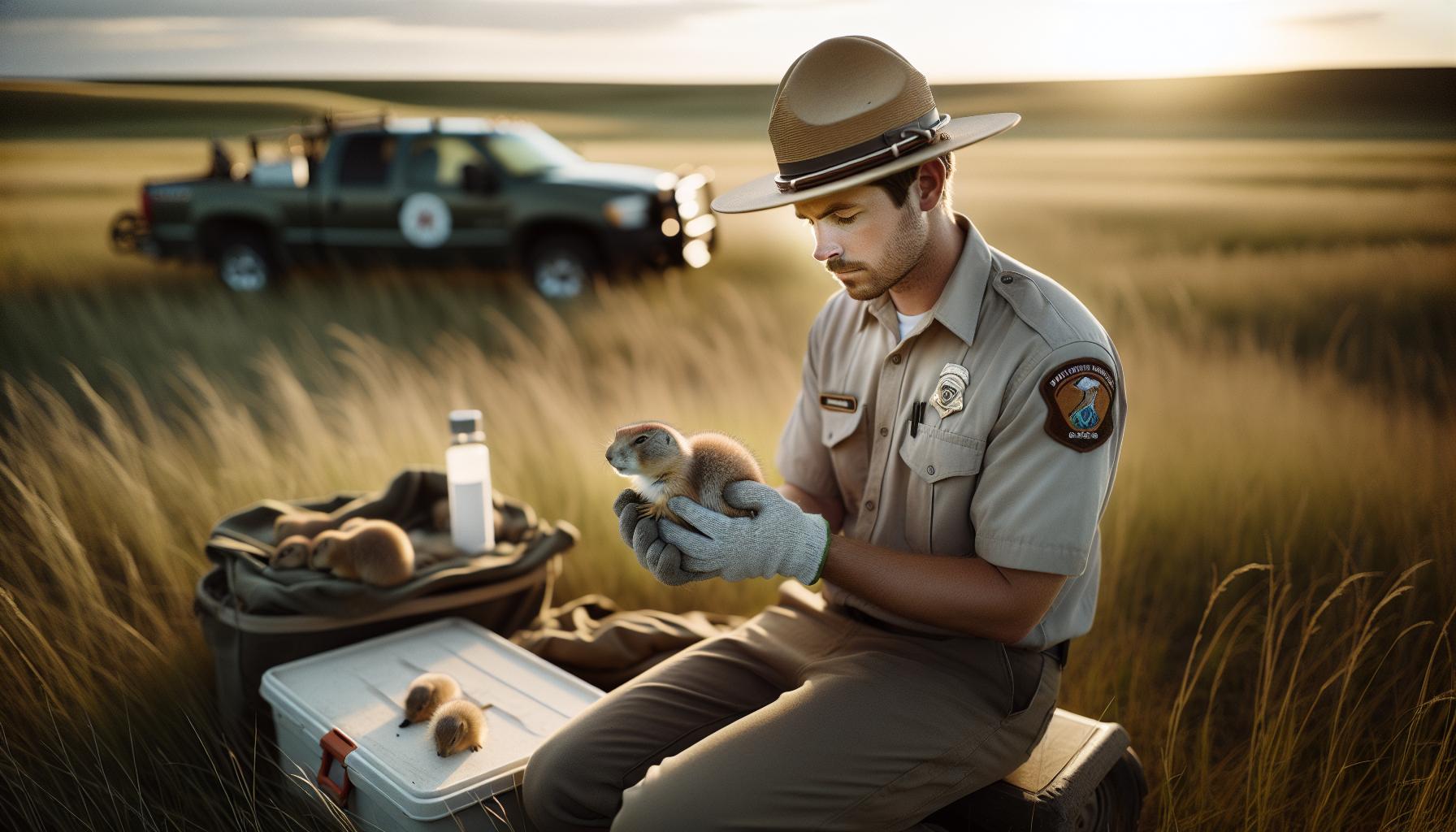
Reputable Shelters and Rescue Groups for Adoption
Finding a prairie dog to adopt is an exciting journey, and many reputable shelters and rescue organizations are dedicated to ensuring these charismatic creatures find forever homes. Prairie dogs are social animals that thrive in loving environments, and adopting one from a reputable organization not only benefits the animal but also enriches your life as you welcome this delightful companion into your home.
One noteworthy organization is Prairie Song Rescue, a Montana-based nonprofit that focuses on the care and adoption of prairie dogs and other small animals. They are dedicated to responsible placement and offer a thorough screening process for potential adopters to ensure that each prairie dog goes to a suitable home. Their approach emphasizes education about prairie dog care, which is crucial for the well-being of these complex animals. For more information, you can visit their website: Prairie Song Rescue.
Another excellent resource is We Love Prairie Dogs. This organization not only rescues and rehomes prairie dogs but also provides valuable support to new owners. Their mission includes educating the public about prairie dogs’ specific dietary and social needs, which helps ensure that adopted animals are cared for properly. They actively engage in community outreach to promote awareness about the importance of prairie dog conservation and responsible pet ownership. Learn more about their efforts at We Love Prairie Dogs.
When looking for a prairie dog to adopt, consider these essential tips:
- Research local organizations that specialize in exotic pets or specifically prairie dogs.
- Look for shelters that emphasize adoption education and provide new owners with resources on care and socialization.
- Ensure that the organization conducts proper screenings of potential adopters to promote responsible ownership.
By connecting with these dedicated shelters and rescue groups, you not only give a prairie dog a second chance but also gain access to a network of support and information that will help you provide the best possible home for your new furry friend. Taking the time to choose the right organization ensures both you and your new pet will thrive together, forming a bond that can bring joy and companionship for years to come.
Tips for Adopting a Prairie Dog: What to Consider
Before bringing a prairie dog into your home, it’s essential to understand their unique characteristics and requirements. Did you know that prairie dogs are highly social creatures, known for their complex vocalizations and strong family bonds within their colonies? This social nature means that they thrive in group settings, so considering adopting more than one can be beneficial for their emotional well-being. However, if you’re adopting just one, ensure you dedicate enough time daily for interaction and play, as they can become lonely without companionship.
When looking for a prairie dog to adopt, researching rescue organizations is crucial. Start by seeking out local shelters, like We Love Prairie Dogs or Prairie Song Rescue, which focus on the well-being of these animals and provide resources for responsible pet ownership. These organizations often prioritize the education of potential adopters, ensuring you’re well-informed about the specific care needs of prairie dogs, including their diet, habitat requirements, and socialization. Organizing home visits can also give you a better understanding of what to expect and how to prepare for their arrival.
Another important consideration is the environment in which you’ll be keeping your new pet. Prairie dogs require spacious habitats that allow for exercise and exploration. Ensure your home can accommodate a proper enclosure with ample room for running and tunneling. It’s also wise to stock up on appropriate bedding, toys, and food that cater specifically to their dietary needs, which includes hay, fresh vegetables, and specially formulated pellets.
Lastly, be prepared for long-term commitment; prairie dogs can live up to eight years or more in a home setting. This means considering not just their immediate needs but also their future care. Building a support system-through connections with veterinarians knowledgeable about exotic pets and community groups focused on prairie dog care-will provide you with valuable resources as you embark on this rewarding journey. Adopting a prairie dog is not just about giving them a home; it’s about becoming a dedicated guardian for these charming, social animals.
Preparing Your Home for a Prairie Dog
Bringing a prairie dog into your life is an exciting adventure that comes with plenty of preparation. These sociable little creatures are more than just quirky pets; they require an environment that caters to their unique needs. Did you know that prairie dogs can become quite attached to their habitats? Creating a comfortable and spacious living area can help them thrive and feel secure in their new home.
Creating the Right Habitat
Start by selecting an appropriate enclosure. A large, multi-level cage is ideal for prairie dogs, allowing them to climb and explore. Look for cages that are at least 4 feet long, 2 feet deep, and 2 feet high. It’s essential to provide adequate ventilation, as well as room for activities like tunneling, which is a natural behavior for these burrowing animals. Inside their habitat, include different structures such as ramps, platforms, and tunnels to stimulate their curiosity and provide comfort.
Additionally, bedding material plays a significant role in their health and happiness. Use aspen shavings, which absorb moisture and help control odor, avoiding cedar shavings as they can be harmful. Ensure their living space is kept clean by routinely replacing bedding and clearing out any uneaten food or waste. Adding toys that encourage natural behaviors can keep them engaged; consider chew toys made from natural wood or cardboard boxes to explore and gnaw on.
Diet and Nutrition
Providing a well-balanced diet is crucial for your prairie dog’s health. Stock up on high-quality hay, which should make up the bulk of their diet, alongside fresh vegetables such as carrots and leafy greens. You can also find specially formulated pellets made for prairie dogs that ensure they’re getting the right nutrients. Remember to introduce new foods gradually to avoid digestive upset.
A designated area for feeding is also beneficial. Establish a routine by offering meals at the same time each day. This not only helps them adjust to their new environment but also allows you to observe their health and appetite. Always provide fresh water, changing it daily to ensure it’s clean and accessible.
Safety Considerations
Safety is paramount when . Ensure that their enclosure is escape-proof, as these clever critters can be quite the escape artists. Remove any potentially toxic plants or items from their reach and be mindful of household dangers, such as open windows or gaps in flooring where they might squeeze through.
Finally, creating a prairie dog-friendly space means emphasizing enrichment and interaction. Regular playtime outside their habitat in a safe, enclosed area will help meet their need for exercise and mental stimulation. Consider pairing their natural curiosity and playfulness with various safe toys, tunnels, and even other approved pets for supervised social interaction. A well-prepared home will not only enhance your prairie dog’s well-being but also deepen the bond you share. Adopting one of these charming creatures is not just about providing shelter; it’s an opportunity to create an enriching and loving environment where they can thrive.
Health Considerations for Your New Prairie Dog
Bringing home a prairie dog is like adopting a tiny bundle of joy with unique needs and quirks. These social creatures require a solid health plan to ensure they thrive in your care. One key aspect is understanding common health issues prairie dogs face, which can range from dental problems due to their constantly growing teeth to gastrointestinal issues if not fed a proper diet. Regular veterinary check-ups are vital, especially for newly adopted prairie dogs, as they require vaccinations and may need treatments for parasites, which can be common in animals coming from less-than-ideal living conditions.
Providing a high-quality diet is essential not just for general health but also preventive care. A prairie dog’s diet should consist mainly of high-fiber grass hay, fresh vegetables, and specially formulated pellets. Avoid sugary snacks or processed foods, as these can lead to obesity and other health complications. It’s important to introduce any new foods slowly to prevent digestive upset, and keep fresh water available at all times to ensure hydration.
Another health consideration is the enrichment of their environment. A lack of social interaction or stimulation can lead to stress and boredom, presenting as lethargy or unusual behaviors. Incorporating plenty of toys, tunnels, and opportunities for safe exploration can enhance their physical and mental well-being. Regular interaction with you or other approved pets will fulfill their social needs and help create a healthy, happy prairie dog.
In addition to physical health, observing your prairie dog’s behavior is crucial. Sudden changes such as decreased appetite, isolation from human interaction, or changes in bathroom habits can indicate health issues. Proactive health monitoring combined with the support from knowledgeable rescue organizations can ensure a smooth transition into your home and help you tackle any health concerns that arise. Embracing a prairie dog means committing to a journey of love, care, and friendship, with a focus on keeping them healthy and happy throughout their life.
Building a Social Environment for Prairie Dogs
is essential to their overall health and happiness. These highly social creatures thrive in groups and experience stress when isolated. When you adopt a prairie dog, you’re not just bringing home a pet; you’re committing to creating a stimulating social environment that meets its complex needs. By mimicking their natural behaviors and habitat, you’ll ensure that your furry friend lives a fulfilling life.
To foster a vibrant social atmosphere, consider the following:
- Adopt in Pairs: If possible, adopt two prairie dogs. They communicate, play, and cuddle with each other, which relieves loneliness and encourages natural behaviors.
- Social Interaction: Spend quality time each day interacting with your prairie dog. Use toys, tunnels, and safe spaces for exploration. This not only keeps them entertained but also strengthens your bond.
- Environment Enrichment: Create an engaging living space. Provide different textures and hiding spaces-blankets, logs, and tunnels can make playtime more exciting and reduce stress.
- Routine Handling: Regular handling and gentle interaction can help your prairie dog become accustomed to human presence, which is crucial for their adaptability.
Offering varied activities each day can mimic their dynamic social structures in the wild. Prairie dogs establish intricate underground homes and are known for their playful nature, often rearing up on their hind legs to survey their surroundings. Incorporating activities that allow them to dig, forage, or climb can stimulate these behaviors and prevent boredom.
Keep in mind that while prairie dogs enjoy social company, ensuring that introductions between new pets (whether human or animal) are gradual and supervised is critical to preventing stress. Each prairie dog has its personality; some may be more dominant than others, so monitor interactions closely when integrating new members into their social circle.
The most rewarding aspect of providing a social environment is witnessing the joyful antics and interactions of your prairie dog. Their playful nature and curious demeanor will bring immense joy to your life, making the effort well worth it. Embrace the quirks and charm of these delightful creatures, and they will undoubtedly reciprocate with loyalty and affection.
Common Misconceptions About Prairie Dog Ownership
Many people think adopting a prairie dog is as simple as bringing home any other pet, but this perception is riddled with misconceptions that can lead to challenges for both the owner and the pet. One common misunderstanding is that prairie dogs are suitable for solitary living. In reality, these highly social animals thrive in groups. When considering adoption through rescues, it’s vital to recognize that adopting just one prairie dog could lead to stress and loneliness, affecting their overall well-being. It’s often recommended to adopt two to keep each other company.
Another myth is that prairie dogs can easily live outdoors in enclosures like some small pets. While they are indeed creatures of the wild, domestic prairie dogs require environments that mimic their natural habitat, including protection from extreme weather and predators. Outdoor living can pose significant risks, including escapes and health issues due to exposure. Therefore, when adopting, look for rescues that emphasize suitable living arrangements that keep these animals safe and comfortable.
Potential adopters may also underestimate the care requirements of prairie dogs. They are not “low-maintenance” pets. Regular veterinary check-ups, a specialized diet (rich in hay and veggies), and plenty of interactive playtime are crucial for their health and happiness. Those considering a prairie dog should educate themselves on these needs before making a commitment.
Finally, there is often confusion regarding prairie dog legality in certain areas. Some locations have restrictions on ownership or require specific permits. It’s essential to research local laws and ensure compliance before adopting. Doing so will ensure that the exciting journey of prairie dog ownership begins on a respectful and responsible note, paving the way for a joyful companionship with these fascinating creatures.
Prairie Dog Legislation: What You Need to Know
Understanding the legal landscape surrounding prairie dog ownership is crucial for any potential adopter. Prairie dogs are charming and social animals, but their ownership is often governed by specific legislation that varies from one region to another. This means that before you even consider bringing one of these lively creatures into your home, you must do your homework regarding the laws applicable in your area.
Many states and municipalities have regulations that either restrict or manage the ownership of prairie dogs. For example, some places may require special permits for ownership, especially concerning species that are considered endangered, such as the Utah prairie dog and the Mexican prairie dog. It’s vital to verify local laws through wildlife or animal control agencies before adopting. Failing to comply with these regulations not only jeopardizes your ability to keep a prairie dog but can also result in fines or legal action.
To ensure you’re on the right side of the law, consider these steps:
- Contact Local Authorities: Reach out to your state’s wildlife agency or local animal control to learn about the specific regulations regarding prairie dog ownership in your area.
- Review Animal Welfare Laws: Some regions have laws designed to protect the welfare of prairie dogs; this may include specific housing requirements or restrictions on breeding.
- Consider Endangered Species Listings: If you’re interested in a species that may be listed under the Endangered Species Act, additional protections will apply. Ignorance of these laws can have significant implications.
- Join Local Groups: Connect with prairie dog or exotic pet clubs. Fellow enthusiasts can be invaluable resources for navigating legislation and sharing insights on responsible ownership.
By understanding the legal requirements and responsibilities associated with adopting prairie dogs, you can ensure a smooth transition into pet ownership. Not only will this enable you to enjoy the companionship of these fascinating creatures, but it also contributes to their conservation and well-being in a world where their natural habitats are increasingly at risk.
The Importance of Prairie Dog Conservation
Prairie dogs are often viewed as charming little creatures, but they play a vital role in their ecosystems that goes far beyond their adorable appearance. As highly social animals that live in intricate burrow systems, they contribute significantly to the biodiversity of grassland environments. One fascinating aspect of prairie dogs is that their burrowing activity aerates the soil, allowing water to penetrate deeper and providing a habitat for many other species. By adopting prairie dogs through rescue organizations or shelters, you not only gain a delightful companion but also participate in a crucial conservation effort aimed at preserving these keystone species and their natural habitats.
Conservation for prairie dogs is essential, not only because of their ecological contributions but also due to the threats they face from habitat loss, disease, and human encroachment. Their populations have been declining in many areas, making efforts to preserve their homes even more critical. By supporting rescue organizations that focus on prairie dog recovery, you’re helping ensure that these animals have a future. Your adoption can directly aid in their protection and enable initiatives that promote their conservation in the wild.
When thinking about adopting a prairie dog, consider the intricate relationships they have with other wildlife. For instance, prairie dog colonies support various predator species, such as foxes and hawks, which rely on them as a food source. Each prairie dog saved through adoption can potentially support an entire ecosystem, showcasing how your commitment to caring for one pet can ripple through nature. Additionally, engaging with local conservation groups or clubs dedicated to prairie dog welfare can provide invaluable insights and foster community efforts to ensure these playful creatures thrive.
In summary, adopting a prairie dog means more than just taking home a pet; it’s a step toward preserving a species that is integral to its ecosystem. Embracing their conservation not only enriches your life but also helps safeguard the future of these remarkable animals and their environment.
Connecting with the Prairie Dog Community: Clubs and Resources
Connecting with fellow prairie dog enthusiasts can enhance your experience as a responsible owner while also contributing to vital conservation efforts. Engaging with clubs and resources dedicated to prairie dogs offers a wealth of information, support, and community that can enrich your understanding and help ensure the well-being of your pet. Many enthusiasts find solace in sharing their journeys, learning from one another, and collaborating on initiatives aimed at raising awareness about prairie dog care and conservation.
One fantastic way to connect is by joining local and national prairie dog clubs. These organizations not only provide networking opportunities but often host events, workshops, and educational sessions focused on everything from the day-to-day care of prairie dogs to broader conservation issues. Being part of such a community allows you to share your experiences, ask questions, and learn practical tips that can improve your relationship with your pet. You might even find local meet-ups that can transform your ownership experience into one filled with camaraderie and mutual learning.
Additionally, websites like We Love Prairie Dogs serve as a great resource for finding rescue organizations and networking with other prairie dog owners. Their focus on helping prairie dogs in need can connect you with adoption opportunities and volunteer activities that benefit the species as a whole. Consider participating in community outreach programs to raise awareness about prairie dog needs and conservation. The more you involve yourself in these initiatives, the more you’ll understand the vital role prairie dogs play in their ecosystems, as well as the challenges they face.
Joining online forums or social media groups centered around prairie dog ownership is another excellent way to stay informed and meet fellow animal lovers. You’ll find communities passionate about sharing success stories, addressing common challenges, and advocating for better lives for prairie dogs both in domestic settings and in the wild. Engaging with these groups not only elevates your knowledge but also places you in a position to influence others in nurturing the health and safety of prairie dogs everywhere.
In summary, deepening your involvement in the prairie dog community will not only enhance your journey as a pet owner but also support efforts to protect these adorable, socially dynamic animals. Through clubs and resources, you can forge connections that empower you to be a more informed and responsible caretaker while promoting a greater understanding of prairie dogs in our ecosystems.
Frequently asked questions
Q: Where can I find prairie dog rescue organizations?
A: You can locate prairie dog rescue organizations by searching online for local animal shelters or dedicated prairie dog rescues. Websites like We Love Prairie Dogs provide resources for finding help and guidance about prairie dog adoption, relocation, and care.
Q: What should I look for in a reputable prairie dog adoption center?
A: Look for adoption centers that prioritize animal welfare, provide health checks, and offer insights into prairie dog care. Reputable centers will also give you an opportunity to interact with the pets before adoption, ensuring they fit your lifestyle.
Q: How can I volunteer at a prairie dog rescue?
A: To volunteer at a prairie dog rescue, contact local organizations or shelters directly. Ask about their volunteer programs, required training, and how you can contribute to their efforts in rescue and education.
Q: Are there specific adoption fees for prairie dogs?
A: Yes, adoption fees for prairie dogs can vary based on the organization but typically range from $50 to $200. Fees often help cover the cost of medical care and basic supplies, ensuring the animal has a healthy start in its new home.
Q: What do I need to prepare before adopting a prairie dog?
A: Before adopting a prairie dog, prepare by ensuring you have a spacious habitat, safe toys, and proper food. It’s also crucial to familiarize yourself with their social needs and potential health issues, as discussed in the section on preparing your home for a prairie dog.
Q: Can prairie dogs be adopted in pairs?
A: Yes, adopting prairie dogs in pairs is often recommended as they are social animals. Having a companion can greatly enhance their well-being and happiness. Ensure that your living space accommodates multiple animals.
Q: What should I expect during the prairie dog adoption process?
A: During the adoption process, expect to fill out an application, undergo a home check, and possibly an interview to ensure you understand their care needs. This helps the rescue ensure that prairie dogs are placed in loving and suitable homes.
Q: How can I support prairie dog conservation efforts?
A: Supporting prairie dog conservation can involve adopting from shelters, donating to wildlife organizations, or spreading awareness about their ecological importance. Engage with local conservation groups and communities dedicated to protecting prairie dogs and their habitats.
Final Thoughts
Adopting a prairie dog means becoming part of a vital conservation effort while bringing home a unique and endearing pet. Whether you’re considering a symbolic adoption through organizations like the World Wildlife Fund or the National Wildlife Federation, or looking to rescue one from a local shelter, your choice makes a difference. Don’t wait-delve into the rewarding journey of prairie dog adoption today!
If you’re interested in learning more about the care needs of these fascinating creatures, check out our guides on Exotic Pet Ownership Tips and Common Prairie Dog Behaviors. Your curiosity can lead you to valuable resources that ensure a happy partnership with your new friend. Still have questions? Engage with us in the comments or explore our FAQs for more insights. Together, we can promote responsible ownership and conservation awareness!
Get our latest guides, news, and insights highlighted in your Google Search & AI Overviews.