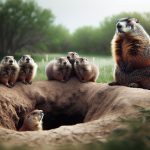
Did you know that the charming prairie dog, often seen as a symbol of the Great Plains, was first documented by explorers Lewis and Clark during their historic expedition in the early 1800s? Their encounter with these fascinating creatures not only highlighted the rich biodiversity of the American frontier but also marked a pivotal moment in the study of North American wildlife. Understanding when Lewis and Clark found the prairie dog enriches our appreciation of these social animals and their role in the ecosystem. In this article, we’ll dive into the significance of this discovery and how it has impacted wildlife conservation and our ongoing efforts to protect prairie ecosystems. Join us in uncovering the intriguing timeline of this memorable encounter and the prairie dog’s unique place in the natural world.
The Journey of Lewis and Clark: Key Highlights
The Lewis and Clark Expedition, which took place from 1804 to 1806, was a monumental journey of exploration and discovery across the uncharted western territories of the United States. Among the many fascinating finds during this expedition was the prairie dog, a species that caught the attention of the explorers. On September 7, 1804, during their travels along the Missouri River, Lewis’s men observed these small, burrowing animals and brought one back to their camp, noting its curious nature and remarkable social structure. This was a significant moment; the expedition was one of the first encounters between white explorers and this unique species, which Lewis described in his journal, likening them to “little dogs” given their size and behavior.
The prairie dog lives in elaborate underground colonies known as burrows, which serve as homes and community spaces. The explorers were intrigued not only by the prairie dog itself but also by the intricate landscapes they inhabited. These colonies can cover vast areas, filled with tunnels and connected chambers, making them vital areas for the local ecosystem. The expedition members reported seeing extensive “towns” of prairie dogs, which consisted of hundreds of individual burrows, showcasing the animals’ complex social structures and behaviors.
After their encounters, Lewis and Clark decided to send a live prairie dog back to President Thomas Jefferson as a scientific specimen, marking a pivotal moment in American natural history. This event highlighted the burgeoning relationship between exploration and scientific study, as the prairie dog became an emblem of the opportunities for discovery that awaited in the West. It also symbolized a growing interest in the flora and fauna of North America, setting the stage for future wildlife research and conservation efforts. The prairie dog’s unique traits and social behaviors captured the imagination of the period and continue to play a significant role in ecological studies today.
Uncovering the Prairie Dog: A New Discovery
On September 7, 1804, the Lewis and Clark Expedition encountered a remarkable new creature that captivated their curiosity: the prairie dog. During their travels along the Missouri River, Meriwether Lewis and his men observed these small, burrowing rodents, which they initially likened to little dogs due to their size and lively behavior. This encounter marked a significant moment in American natural history, as it was one of the earliest recorded observations of this unique species by white explorers.
Prairie dogs are social animals that live in vast underground colonies known as burrows. Each burrow system can host hundreds of individual prairie dogs, making these “towns” intricate networks of tunnels and chambers that serve various community needs. Within these elaborate systems, prairie dogs engage in complex social behaviors, such as grooming and playing, which are essential for their survival and group dynamics. The explorers were fascinated not only by the prairie dogs themselves but also by the environment they inhabited-expansive grasslands teeming with life.
This discovery became a focal point for the burgeoning field of American natural history. The expedition’s detailed observations offered insights into the prairie dog’s quirky lifestyle and the ecosystems they helped shape. After such intriguing encounters, Lewis and Clark decided to send a live prairie dog back to President Thomas Jefferson, emphasizing the importance of this small mammal and its role in North America’s biological tapestry. By highlighting this animal’s qualities, they not only showcased the rich diversity of the West but also set the stage for future research and conservation efforts.
Ultimately, the discovery of prairie dogs was more than just a curious find during the expedition; it illuminated the interconnectedness of species within their ecosystems. As the expedition navigated the uncharted territories, they unfolded a narrative of discovery that would resonate through decades, fostering a deeper appreciation for wildlife and the importance of preserving natural habitats. This dynamic relationship between exploration and scientific inquiry continues to inspire wildlife enthusiasts and conservationists alike today.
What Led Lewis and Clark to Find Prairie Dogs?
The Lewis and Clark Expedition’s encounter with the prairie dog was significant in more ways than one. Conducted during the early 1800s, this journey was fueled by a desire to explore the newly acquired territories of the Louisiana Purchase and to establish a connection with the Native American tribes living there. When Meriwether Lewis and William Clark embarked on their expedition in 1804, they carried with them the ambitious goals of mapping uncharted lands and documenting the flora and fauna of the West.
As they traveled along the Missouri River, the explorers were on the lookout for any new discoveries that could expand their scientific knowledge and improve their understanding of the region. Their interest in the natural world was part of a broader trend during this period, as naturalists, explorers, and scientists sought to classify the diverse species they encountered. The prairie dog, which they stumbled upon on September 7, 1804, caught their attention not only for its playful behavior but also for its unique burrowing lifestyle.
The social structures and communal living of prairie dogs provided a fascinating example of complex animal behavior that intrigued the expedition members. Seeing large colonies of these small animals, which they compared to “little dogs,” encouraged them to delve deeper into their habits and habitats. The explorers’ observations revealed intricate networks of burrows, where prairie dogs lived in social arrangements that included grooming and playfulness, illustrating a sophisticated social structure remarkably similar to that of various human societies.
This encounter was serendipitous; not only did it symbolize the spirit of discovery that drove the entire expedition, but it also laid the groundwork for future research in North American ecology. By documenting their findings, Lewis and Clark helped pave the way for the understanding and preservation of prairie dog colonies, which play a vital role in their ecosystems. Through this chance meeting with a previously unknown rodent, they transformed the prairie dog into a symbol of the rich biodiversity that characterizes the vast American West and emphasized the interconnectedness of wildlife within the environment.
Significance of the Prairie Dog in History

Encountering the prairie dog during their expedition was more than just a chance meeting; it marked a pivotal moment in natural history. On September 7, 1804, Lewis and Clark stumbled upon this fascinating species, which they described as a curious little creature, reminiscent of small dogs but living in intricate, social structures. The significance of their discovery extends far beyond the excitement of spotting a new animal; it transformed the understanding of North American ecology and highlighted the interconnectedness of various species within their habitats.
Prairie dogs thrived in expansive colonies, exhibiting behaviors that were strikingly complex. Their social dynamics involved grooming, communal living, and a sophisticated communication system, often likened to that of human societies. This social structure was particularly captivating to Lewis and Clark, fueling their interest in documenting not just the appearance of the prairie dog but also its lifestyle and environmental role. The explorers recognized early on that these small mammals were architects of their ecosystems, creating extensive burrow systems that provided homes for various other species and influenced soil health through their foraging activities.
The impact of Lewis and Clark’s documentation of the prairie dog was profound. Their detailed accounts helped pave the way for future scientific studies and conservation efforts, emphasizing the importance of these animals in maintaining ecological balance. By bringing attention to the prairie dog, they positioned it as a symbol of the rich biodiversity of the American West, promoting a deeper appreciation for wildlife and the delicate web of life in which these animals play a crucial role. Today, prairie dogs continue to be recognized for their vital ecological contributions, reminding us of the enduring legacy of the exploration led by Lewis and Clark and the importance of preserving the natural world.
In summary, the expedition’s encounter with the prairie dog was not just about discovery; it initiated a broader narrative about the significance of species richness and the roles they play in their ecosystems. Understanding these small but mighty creatures highlights the necessity of conservation and the intricate connections that sustain wildlife and habitats alike.
The Ecosystem Role of Prairie Dogs Explained
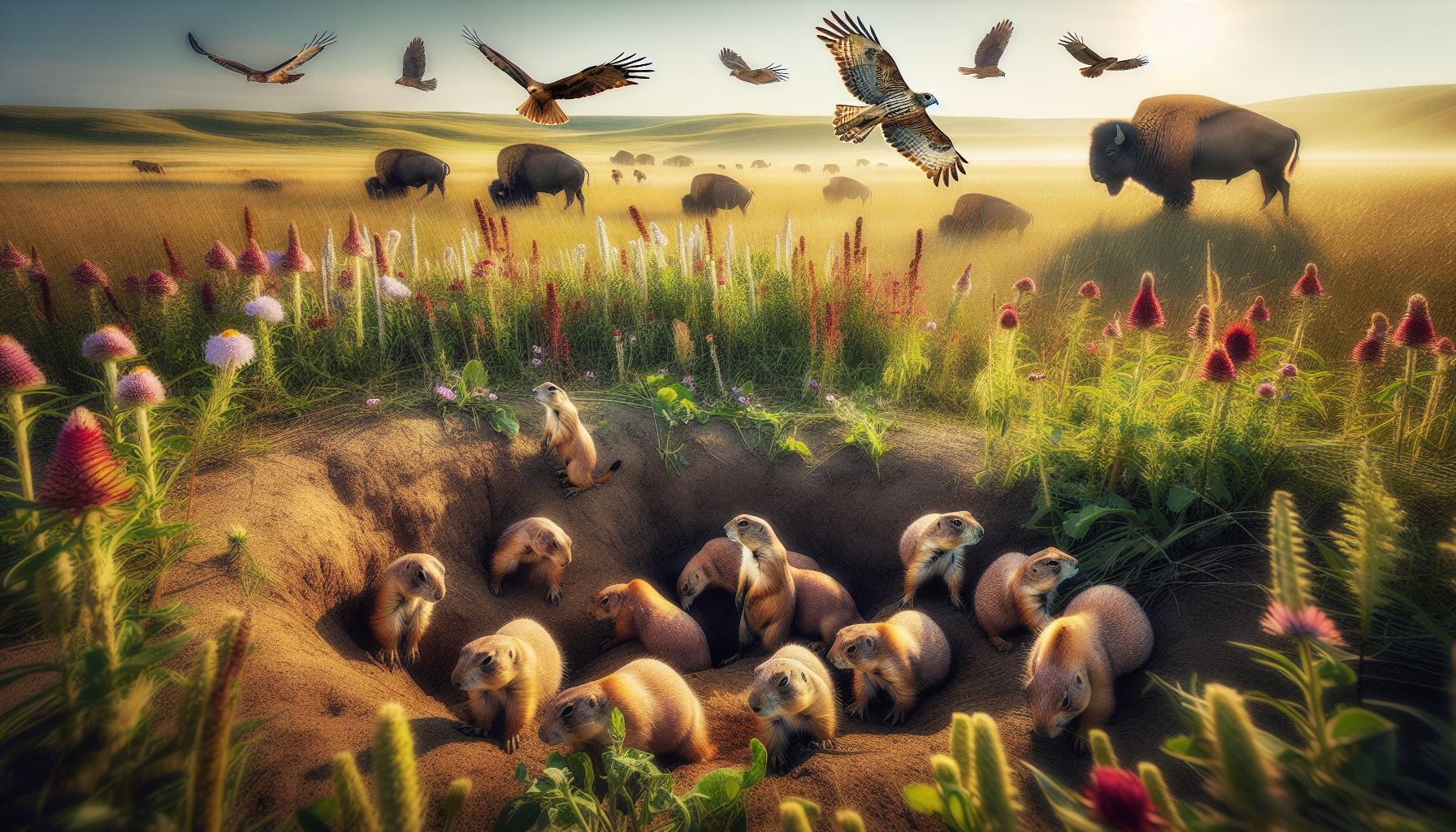
The prairie dog might seem like just another small rodent in the vast Great Plains, but these furry creatures are essential architects of their ecosystem. Notably, they create complex underground burrow systems that not only serve as their homes but also as habitat for numerous other species, including insects, birds, and even larger mammals. When Lewis and Clark encountered prairie dogs on September 7, 1804, they noted these fascinating communal animals and their intricate social structures, which are vital components of the grassland ecosystem.
One key aspect of prairie dogs’ ecological role is their impact on soil health. As they dig through the earth, their burrowing activities aerate the soil, enhancing water infiltration and promoting nutrient cycling. This process creates healthier grasslands that support a broader variety of plants and animals. Prairie dogs also graze on grasses and other vegetation, controlling plant populations and allowing for a more diverse plant community. Their eating habits help maintain the overall health of their grassland ecosystem, preventing overgrowth and encouraging plant species that might otherwise struggle.
Moreover, prairie dogs are a vital food source for a variety of predators. Animals such as the black-footed ferret, hawks, and coyotes rely on prairie dogs for sustenance, illustrating the interconnectedness of species within their habitats. Their colonies create a bustling hub of wildlife activity, showcasing a mini-ecosystem where each species plays a significant role. When Lewis and Clark documented prairie dogs, they were not just uncovering a new species; they were shining a light on the intricate web of life that revolves around them, laying the groundwork for understanding ecological relationships in the American West.
In summary, the exuberant life of prairie dogs contributes to biodiversity, enhances soil health, and supports various species in the ecosystem. By recognizing their role, we can appreciate why conserving prairie dog populations is crucial not just for their survival but for the health of the larger environment they help sustain.
How Did the Expedition Document Prairie Dogs?
On September 7, 1804, Lewis and Clark stumbled upon an unexpected marvel of the Great Plains: the prairie dog. These small yet sociable rodents were a new discovery for the expedition, and the explorers were not only intrigued but also diligent in documenting their observations. Captains Meriwether Lewis and William Clark, along with their team, meticulously recorded details about the prairie dogs in their journals, noting their behavior, social structures, and unique habitats. This careful documentation turned an ordinary encounter into a significant scientific observation.
In their writings, the expedition members described the prairie dogs as resembling small dogs, with a grayish color and a bark-like call that reminded them of barking squirrels. The team found an area more than an acre wide covered with the burrows of these creatures, which they referred to as “little dogs.” The expedition’s entries also captured their attempts to interact with prairie dogs, including efforts to flush them out of their burrows-a testament to their curiosity about the animals. Such first-hand accounts were crucial as they provided the first detailed records of prairie dog colonies for future scientists and naturalists.
Lewis and Clark’s documentation was not merely observational; it included sketches that illustrated the animals. Creating visual representations helped convey the unique features of prairie dogs to a wider audience back East. Their findings sparked interest, leading to more extensive studies of the species and its ecology. The expedition’s journals became foundational texts for understanding not only prairie dogs but also the broader environment of the American West.
By incorporating their discoveries into scientific discourse, the expedition set the stage for ecological discussions that would take place in the years to come. This careful documentation of prairie dogs-along with other species-demonstrated the importance of such animals in their habitats and underscored the growing understanding of biodiversity. Through Lewis and Clark’s eyes, we can appreciate how one encounter with prairie dogs contributed to the larger narrative of American natural history.
Impact of Lewis and Clark’s Findings on Science
When Lewis and Clark first encountered prairie dogs on September 7, 1804, it marked a turning point in American natural history, highlighting the importance of documentation in scientific exploration. The expedition’s meticulous observations went beyond simple curiosity; they provided some of the earliest detailed records of these social rodents, which were unknown to many in the Eastern United States. The captains described their features, behaviors, and habitats, transforming their findings into foundational texts that would inform future generations of naturalists.
One of the significant impacts of Lewis and Clark’s observations was that they ignited interest in the biodiversity of the American West. By categorizing prairie dogs as a distinct species and documenting their colonies, the expedition laid the groundwork for ecological studies. Their careful notes about the prairie dog’s ability to thrive with minimal water by extracting moisture from grasses introduced a new understanding of adaptation in arid environments. This knowledge was crucial at a time when the relationship between animals and their habitats was still largely unexplored.
Moreover, the sketches and written accounts that accompanied their discoveries served to bridge the gap between science and the public, creating a narrative that invited wider discussion and inquiry. The excitement generated by these discoveries influenced future explorations and studies of prairie dogs as well as other species, fueling a burgeoning interest in natural sciences in America.
As the prairie dog gained attention, it became a symbol of the rich biodiversity of the Great Plains, prompting further scientific inquiry into its ecosystem role. Researchers began to recognize prairie dogs as a keystone species, essential for maintaining the health of their environment by providing habitat for various predators and influencing vegetation patterns. In essence, the impact of Lewis and Clark’s findings reverberated through time, enriching our understanding of wildlife and ecosystems, and highlighting the importance of thorough scientific documentation.
The Myths and Misconceptions About Prairie Dogs
Prairie dogs are often seen as peculiar rodents, but they are shrouded in myths and misconceptions that can muddle our understanding of their true nature. One common myth is that prairie dogs are inherently aggressive. In reality, these social creatures are more inclined to communicate with one another through a complex system of barks and chirps than to engage in outright conflict. Their “barking” serves as a warning signal to fellow prairie dogs about potential threats, demonstrating a sophisticated awareness of their surroundings.
Another misconception is that prairie dogs are mere pests. While they do dig extensive burrow systems that can impact agricultural lands, they are also a vital part of their ecosystem. As a keystone species, their burrowing activities aerate the soil and create habitats for various other animals, including the endangered black-footed ferret. This biodiversity plays a crucial role in maintaining the health of the grassland ecosystems they inhabit. By digging, they help manage vegetation, which benefits many other species that share their habitat.
Begin to understand prairie dogs through their fascinating lifestyle. For instance, they live in elaborate colonies called “coteries,” which can range from a few individuals to hundreds. This social structure reinforces their survival instinct, as living in groups helps them effectively watch for predators. In contrast to some beliefs that these animals are solitary creatures, their cooperative behavior illustrates the richness of their social dynamics and their importance to ecological balance.
Lastly, there’s a myth that prairie dogs thrive only in wide-open spaces with little danger. However, they have adapted well to survive a range of environments within the Great Plains and manage to coexist with various predators, including hawks and coyotes. Recognizing the reality of prairie dogs as vital ecosystem engineers rather than mere rodents will help promote a better understanding and appreciation of their role in nature. Understanding these nuances not only clears up misrepresentations but also fosters conservation efforts to protect these remarkable animals and their habitats.
Comparing Prairie Dogs to Other Iconic Species
reveals fascinating insights into their unique ecological roles. A particularly striking comparison can be made with beavers, known as “ecosystem engineers” for their remarkable ability to modify their environment. Just as beavers create ponds by building dams, prairie dogs create extensive burrowing systems that aerate the soil and impact vegetation. Both species contribute significantly to their ecosystems, fostering biodiversity. In fact, prairie dogs’ burrows often serve as homes for a variety of animals, including the endangered black-footed ferret and various reptiles, much like how beaver ponds support diverse aquatic life.
Another intriguing comparison is with meerkats, celebrated for their cooperative behaviors in family groups. Prairie dogs exhibit similar social dynamics, living in large colonies, or “coteries,” that can consist of hundreds of individuals. These groups are essential for their survival; with many eyes watching for predators, they can quickly communicate danger through a sophisticated system of vocalizations. While meerkats are known for their standing watch against threats, prairie dogs also employ lookout behaviors, showcasing the importance of social cooperation in the animal kingdom.
The distinctions between prairie dogs and other rodents, such as squirrels, further highlight their unique characteristics. Although both belong to the rodent family, prairie dogs are more social and live in complex colonies, while many squirrels are more solitary. Their communication styles differ too, with prairie dogs having a rich vocabulary of barks that serve various purposes, from warning of predators to signaling alarm. This level of interaction offers a glimpse into the social life of these animals, emphasizing their importance within their ecosystems.
Ultimately, understanding these comparisons not only enhances our appreciation for prairie dogs but also underscores the intricate connections within nature. Each species plays a vital role, contributing to the health and diversity of the ecosystems they inhabit, and recognizing these relationships fosters a deeper respect for wildlife conservation efforts.
Preservation Efforts for Prairie Dogs Today
Prairie dogs, those charming burrowing rodents that first caught the attention of Lewis and Clark in 1804, are now in need of concerted preservation efforts to ensure their survival. Despite their ecological importance, these social creatures face numerous challenges, including habitat loss, disease, and the impacts of agriculture and urban development. Protecting prairie dogs isn’t just about saving one species; it’s about maintaining the health of the ecosystems they support.
To combat the decline of prairie dog populations, various organizations and initiatives have emerged. Many conservation groups are advocating for habitat protection, establishing wildlife reserves, and promoting sustainable land-use practices that consider the needs of prairie dogs and other native species. By creating protected areas, these organizations not only provide safe havens for prairie dogs but also help maintain the biodiversity of the grassland ecosystems they support.
Educating the public about the ecological role of prairie dogs is also crucial. They are known as a keystone species because their burrowing activities aerate the soil and create habitats for numerous other species, including the endangered black-footed ferret. Community outreach programs highlight the importance of prairie dogs in grasslands and encourage responsible land management. Whether through school programs, nature walks, or social media campaigns, these efforts help raise awareness about why preserving prairie dogs matters.
Lastly, some local governments have adopted policies to protect prairie dog populations from indiscriminate extermination practices. By promoting coexistence strategies, such as relocation instead of lethal control, communities can appreciate the value of these quirky little rodents. Every action counts-whether you’re a wildlife enthusiast, a backyard ecologist, or just someone who enjoys nature, learning about and supporting prairie dog conservation can make a meaningful impact.
As we reflect on the legacy of Lewis and Clark’s expedition, it’s essential to recognize that preserving prairie dogs is a direct way to honor their exploration and the rich ecosystems they discovered so long ago. By fostering respect and protection for these social animals, we can ensure that future generations will continue to marvel at their unique behaviors and contributions to the world around us.
Fun Facts About Prairie Dogs and Their Habitats
Prairie dogs are not just adorable little burrowing rodents; they are also fascinating creatures with unique behaviors and significant ecological roles. These social animals, first documented by Lewis and Clark during their expedition in September 1804, live in complex underground tunnels that can extend up to 30 feet deep and cover vast areas. A single prairie dog colony, often referred to as a “town,” can house thousands of individuals, creating a bustling ecosystem right beneath our feet.
One captivating fact about prairie dogs is their complex communication system. They use a range of vocalizations to alert each other to potential predators – think of it as a highly developed “language.” Researchers have identified specific calls that denote different types of threats, meaning these rodents could be more socially sophisticated than many might assume. Their interactions go beyond just alarm calls; they also greet each other with a friendly nuzzle, reinforcing social bonds within the colony.
Prairie dogs play a crucial role in their ecosystems as a keystone species. Their burrowing activities aerate the soil, which improves water absorption and nutrient distribution. This, in turn, benefits a variety of other animals. For instance, their abandoned burrows are often used by species such as the black-footed ferret and various snakes. Without prairie dogs, the habitat would see a decline in biodiversity, demonstrating how interconnected these species are within the grassland community.
Moreover, these animals won’t drink water directly; they obtain all the moisture they need from the grasses and plants they consume. This adaptation allows them to thrive in dry grassland environments, where water sources may be scarce. Prairie dogs have even been observed digging up to 9 miles from water sources yet still maintaining healthy colonies. This incredible resilience highlights why promoting their conservation is essential-not only for their survival but for the health of entire grassland ecosystems.
Why Prairie Dogs Matter in Ecosystem Health
Prairie dogs are more than just charming, chattering rodents; they are vital players in their ecosystems, influencing a wide array of species and environmental health. These social animals, first recorded by Lewis and Clark during their expedition in September 1804, live in sprawling underground towns where thousands of individuals coexist. Their robust community structures create a dynamic habitat that supports numerous other species and enriches the soil.
One of the key roles prairie dogs play is as a keystone species. Their extensive burrowing activities aerate the soil, significantly enhancing its quality. This natural aeration leads to improved water retention and nutrient distribution, benefiting the plants that grow in their habitats. The grasses and other vegetation that thrive due to these conditions form the backbone of the prairie ecosystem, supporting a plethora of herbivores, which in turn attract predators. Additionally, abandoned burrows become homes for various other species, such as the endangered black-footed ferret and numerous reptiles. Without prairie dogs, these ecosystems would see a notable reduction in biodiversity.
Moreover, prairie dogs exhibit remarkable water conservation strategies. They obtain moisture directly from the grasses they consume, allowing them to thrive in arid environments with minimal water access. This adaptability not only aids their survival but influences the overall health of the grasslands around them. Their ability to maintain healthy colonies far from water sources demonstrates their resilience and the intricate connections within their ecosystem.
In summary, prairie dogs serve as a cornerstone species whose presence significantly shapes the ecology of the prairies. Not only do they contribute to soil health and nutrient cycling, but they also support a broader community of wildlife, making their conservation crucial for the overall ecological balance in grassland habitats. Protecting these social creatures and their environments ensures that the rich tapestry of prairie life continues to thrive.
Faq
Q: When did Lewis and Clark encounter prairie dogs during their expedition?
A: Lewis and Clark first encountered prairie dogs in June 1805 during their journey through present-day Montana. This discovery marked an important moment in documenting new wildlife in the American West.
Q: Why was the prairie dog significant to Lewis and Clark?
A: The prairie dog was significant to Lewis and Clark as it represented a new species to science. Their findings helped expand knowledge about North American ecosystems and animal behavior, enhancing the understanding of the region’s biodiversity.
Q: How did Lewis and Clark document their findings about prairie dogs?
A: Lewis and Clark documented their findings on prairie dogs through detailed notes and drawings, providing descriptions of their behavior and habitat. This documentation was crucial for later scientific exploration and understanding of the species.
Q: What did Lewis and Clark send back to Thomas Jefferson?
A: Lewis and Clark sent a live prairie dog back to Thomas Jefferson as a scientific specimen. This act was significant, showcasing the expedition’s commitment to presenting new discoveries to the President and the scientific community.
Q: Where did Lewis and Clark find prairie dogs?
A: Lewis and Clark found prairie dogs primarily in the Great Plains region, particularly in areas of present-day Montana and South Dakota. Their presence indicated the type of ecosystems explored during the expedition.
Q: What role did prairie dogs play in the ecosystems observed by Lewis and Clark?
A: Prairie dogs play a pivotal role in their ecosystems as keystone species. They help aerate the soil, contribute to nutrient cycling, and provide habitats for numerous other species, thus maintaining ecological balance, which Lewis and Clark observed.
Q: Did Lewis and Clark bring any prairie dog specimens back with them?
A: Yes, Lewis and Clark did bring a live prairie dog back to the East Coast, which was later sent to President Jefferson as part of their expedition findings. This event exemplified their exploration efforts and discoveries.
Q: How did the encounter with prairie dogs influence future scientific exploration?
A: The encounter with prairie dogs influenced future scientific exploration by highlighting the diversity of wildlife in the West. This sparked interest in further studies of North American fauna and contributed to the fields of zoology and ecology.
In Summary
Discovering the prairie dog was a remarkable moment for Lewis and Clark, capturing the fascination of countless nature enthusiasts. By learning about these unique burrowing creatures, you not only honor their historical journey but also gain insights into their intriguing behaviors and habitats that make them vital to our ecosystem. Want to dive deeper into the world of prairie dogs? Check out our articles on their social structures and conservation efforts to protect these adorable critters from habitat loss.
Don’t miss out on the chance to expand your knowledge about the breathtaking discoveries of the Lewis and Clark expedition! Subscribe to our newsletter for updates on more fascinating wildlife tales and join our community of fellow enthusiasts. Have questions or stories to share about your encounters with prairie dogs? Leave a comment below, and let’s keep the conversation going! Your journey through the wild has just begun-explore more today!
Get our latest guides, news, and insights highlighted in your Google Search & AI Overviews.