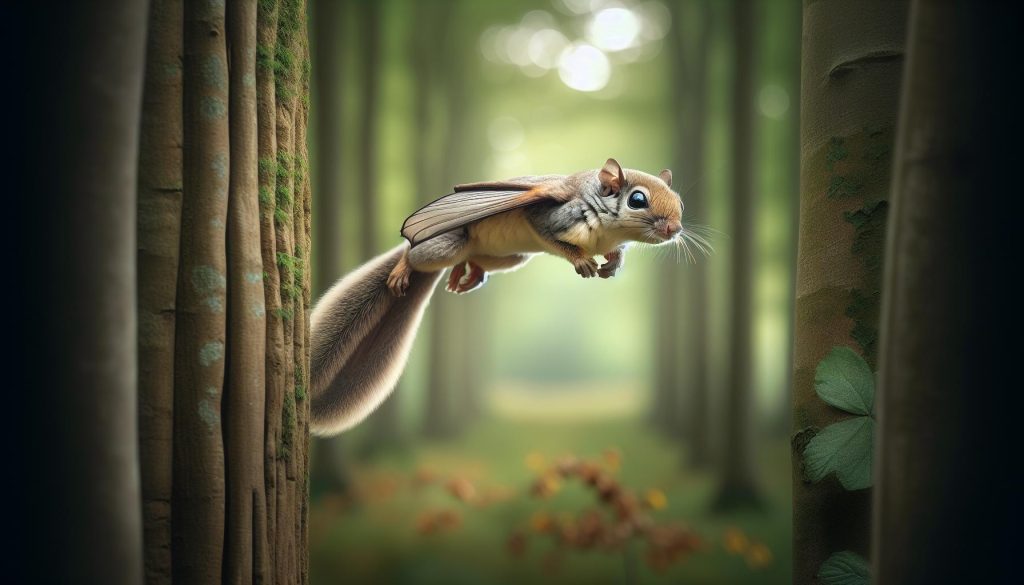
Did you know that flying squirrels, with their remarkable ability to glide through the air, are not actually capable of flying? These fascinating mammals belong to the family Sciuridae and are equipped with a special membrane that allows them to soar between trees, making them one of nature’s charming acrobats. Understanding what type of mammal a flying squirrel is goes beyond just their aerial antics; it dives into their unique biology, social behaviors, and essential role in their ecosystems. Whether you’re a wildlife enthusiast, a potential pet owner, or just curious about these intriguing creatures, delving into the world of flying squirrels offers insight into their behavior, habitat preferences, and care needs. Join us as we explore the wonders of these nocturnal gliders and uncover why they capture the hearts of so many nature lovers.
The Fascinating World of Flying Squirrels
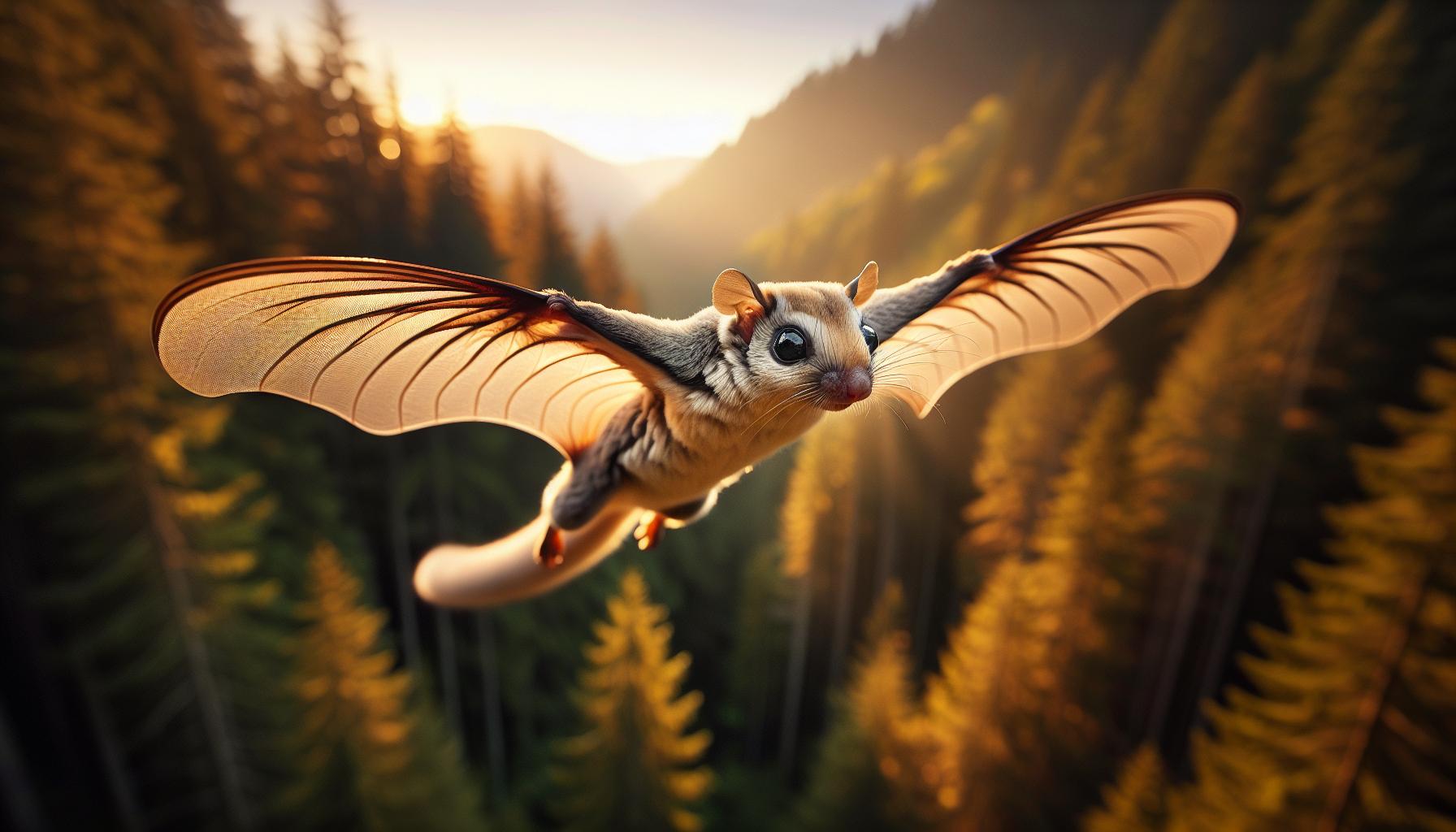
Did you know that flying squirrels aren’t actually capable of true flight like birds or bats? Instead, they glide gracefully from tree to tree, utilizing a special membrane called the patagium, which stretches from their wrists to their ankles. This remarkable adaptation allows them to soar distances of up to 150 feet! With their big, expressive eyes and fluffy tails, these nocturnal mammals are not only adorable but are also fascinating creatures with much to explore.
Flying squirrels belong to the family Sciuridae, which makes them distant relatives of our common tree squirrels. They are primarily found in the forests of North America, Europe, and Asia. Their fur is typically a mix of gray, brown, and white, helping them blend seamlessly into their leafy habitats. This camouflage is crucial for protecting them from predators such as hawks and owls, especially during their active night hours when they take to the skies on their nightly adventures.
In terms of social structure, flying squirrels are quite communal. They often live in groups, sharing nests and grooming one another-a behavior known as allogrooming. This not only strengthens their social bonds but also increases their chances of survival through collective vigilance against threats. Their communication is a symphony of high-pitched chirps and soft coos, allowing them to stay connected in the darkened forest canopy.
Flying squirrels play an essential role in their ecosystems by aiding in seed dispersal, which helps in forest regeneration. As they forage for food-primarily fruits, nuts, and fungi-they inadvertently scatter seeds throughout their habitat, promoting biodiversity. However, despite their ecological importance, flying squirrels face threats from habitat loss and climate change, making conservation efforts vital for their continued existence. Whether you’re a wildlife enthusiast or just curious about these incredible creatures, the world of flying squirrels is indeed captivating and worth learning more about!
What Are Flying Squirrels? Identifying Characteristics
Flying squirrels are a remarkable group of mammals that have captured the curiosity of wildlife enthusiasts and casual observers alike. These charming creatures, belonging to the family Sciuridae, are known for their ability to glide gracefully between trees rather than true flying like birds or bats. With a membrane called the patagium stretching from their wrists to their ankles, they can cover impressive distances of up to 150 feet as they soar through the night sky, creating a mesmerizing display of agility and grace.
One of the most distinctive features of flying squirrels is their prominent, large eyes, which are well-adapted for nighttime activity. Their eyes are equipped with a high number of rod cells, allowing them to see effectively in low light. Together with their soft and dense fur that often showcases a mix of gray, brown, and white, these adaptations not only enhance their gliding capabilities but also provide excellent camouflage against the forest backdrop. This coloration helps protect them from nocturnal predators such as owls and hawks.
Socially, flying squirrels are fascinating creatures. They are inherently social, often living in groups that allow them to share nests and support one another through behaviors like allogrooming. This social structure enhances their survival by fostering vigilance against potential threats. Their communication is equally captivating, characterized by a repertoire of high-pitched chirps and soft coos, enabling them to maintain contact with each other in the dense forest canopy.
In addition to their unique physical characteristics and social behaviors, flying squirrels play a vital role in their ecosystems. By foraging for fruits, nuts, and fungi, they inadvertently assist in seed dispersal, contributing to forest health and biodiversity. Understanding these identifying traits and the significance of flying squirrels can deepen our appreciation for these extraordinary mammals and the environments they inhabit.
The Biology Behind Their Unique Flight
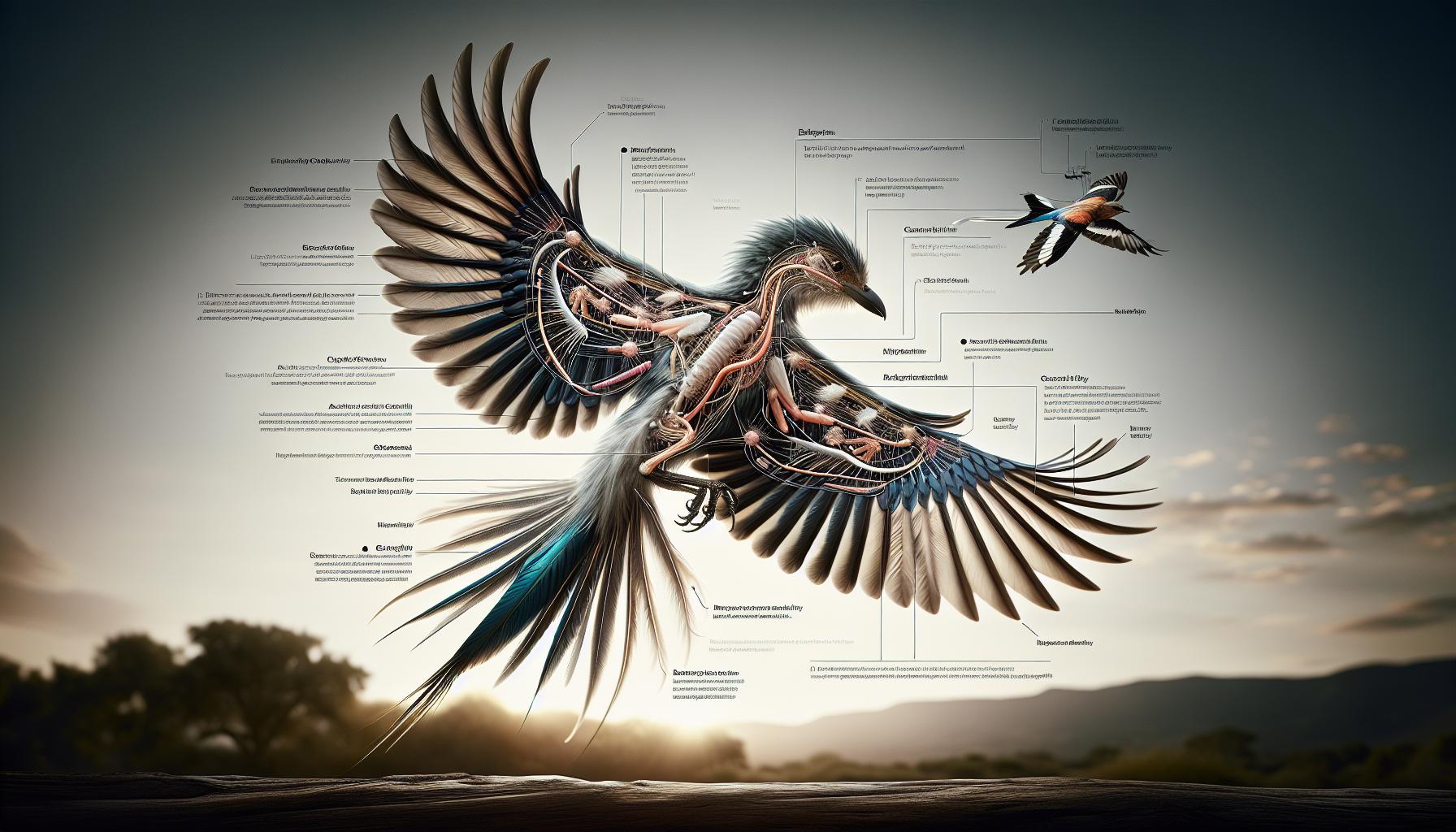
Flying squirrels’ ability to glide through the night air is nothing short of enchanting, resembling an aerial ballet as they traverse between trees. This remarkable skill is not a product of esoteric evolution, but a finely-tuned adaptation that allows them to navigate their arboreal homes with ease and efficiency. Central to this process is the patagium, a flexible membrane that stretches between their front paws and back legs. When these agile rodents leap from a height, they spread their limbs wide, using this membrane to catch the air and slow their descent while steering toward their intended landing spot.
In essence, their anatomy contributes heavily to this gliding prowess. Flying squirrels possess a lightweight skeletal structure, reducing drag and allowing them to cover distances of up to 150 feet. Their legs are powerful enough to launch them from tree branches, while their wide, flattened tail acts almost like a rudder, helping to steer and stabilize them during flight. This combination of features allows them to change direction swiftly and navigate around obstacles with remarkable precision.
The mechanics of their gliding are further enhanced by their keen eyesight adapted for low light conditions. The large, sensitive eyes of flying squirrels allow them to spot potential landing spots-or dangers-while soaring through the night sky. This visual acuity, combined with their agility, is crucial for avoiding predators as they glide from tree to tree, often in search of food or mates.
To truly appreciate these unique mammals, one must recognize that their gliding is more than just a quest for food; it’s a lifestyle rooted in survival instincts. By being able to traverse great distances between trees, they not only evade ground-based predators but also find resources like acorns, fruits, and nuts more efficiently. Thus, the biology behind flying squirrels’ gliding capabilities is a fascinating intersection of evolutionary advantage and ecological necessity, making them a vital part of the forest ecosystem.
Habitat and Distribution: Where Do They Live?

Flying squirrels inhabit a diverse range of environments, predominantly thriving in forested areas where they can easily access tree canopies. Their most common habitats include deciduous and mixed forests, where tall trees provide numerous branches for gliding and nesting. These agile little creatures are particularly fond of hardwood trees like oaks and maples, which offer not only ideal nesting sites but also a rich supply of their favorite foods. The high-up, leafy confines of trees provide both camouflage from predators and safe spaces for foraging at dusk and during the night.
Interestingly, flying squirrels are found in various regions across North America, including as far south as Florida and as far north as southern Canada. They also inhabit temperate areas of Asia and have made their homes in parts of Europe. Their adaptability allows them to thrive in urban areas as well, where they often inhabit parks and landscaped gardens. This ability to adjust to various environments speaks to their resilience, allowing them to intermingle with human spaces while maintaining their natural habits.
When considering care for pet flying squirrels, it’s essential to replicate their natural environment as closely as possible. Provide a spacious habitat filled with vertical space for climbing and gliding, incorporating branches, climbing structures, and plenty of places for them to hide. It’s also important to consider the temperature and humidity levels that mimic their natural woodland environment, ensuring they feel comfortable and secure.
In summary, flying squirrels are remarkable for their adaptability, thriving in a variety of habitats across North America and beyond. Ensuring their survival not only involves protecting their natural habitats but also considering how they can coexist alongside human settlements. Observing these fascinating animals in their wild environment is a rewarding experience and helps highlight the importance of conservation efforts to maintain their ecosystems.
Diet of Flying Squirrels: What Do They Eat?
Flying squirrels are fascinating creatures, not just for their gliding abilities, but also for their diverse and interesting diet. These nocturnal marsupials delight in a variety of foods, making them omnivorous eaters. Their diet primarily consists of fruits, nuts, and seeds, which they skillfully gather and store. Because they rely on their keen sense of smell to locate food, they often forage at twilight and during the night when their senses are heightened.
What’s on the Menu?
Here’s a sampling of the delicious items that make up a flying squirrel’s diet:
- Nuts: Acorns, walnuts, and hickory nuts are favorites, providing essential fats and proteins.
- Fruits: They relish berries, apples, and other ripe fruits, which offer hydration and vitamins.
- Vegetation: Bark, flowers, and leaves can also be part of their diet, especially when other foods are scarce.
- Insects: Though primarily herbivorous, they occasionally snack on insects for added protein.
Flying squirrels have a unique ability to adapt their diet based on seasonal availability. In the fall, for example, they engage in a behavior called “caching,” where they store surplus food in tree hollows or hidden spots-this is vital for their survival during the harsher winter months when food sources are limited.
Feeding in Captivity
For those considering caring for a flying squirrel as a pet, replicating their natural diet is crucial for their health and happiness. Commercial food specifically formulated for flying squirrels can be beneficial, but incorporating fresh fruits, vegetables, and nuts will enrich their diet significantly. It’s essential to avoid high-sugar or processed foods to maintain their well-being.
Respecting their dietary needs goes hand in hand with understanding their behavior and feeding habits in the wild, enhancing the opportunity for a rewarding relationship with these enchanting animals. Observing a flying squirrel nosediving from a branch to catch its favorite snack is not just a treat for the eyes, but a reminder of their unique adaptations and ecological role in forest ecosystems.
Social Behavior and Communication in Flying Squirrels
Flying squirrels are not just acrobatic gliders; they are also incredibly social creatures with captivating communication skills. These nocturnal mammals exhibit a range of behaviors that reveal their social nature. In the wild, flying squirrels often live in small groups, which helps them to bond and coordinate their activities. They come together to share resources, such as food and nesting sites, fostering a community spirit that is vital for their survival.
One of the most fascinating aspects of flying squirrel communication lies in their vocalizations. They have a repertoire of sounds used to communicate with family members and establish boundaries with rivals. These include chirps, barks, and whistles, each serving a different purpose. For example, a soft chirp might be used to signal relaxation and community bonding, while a sharper bark can indicate alarm or a warning of danger. Understanding these vocalizations can deepen the appreciation of their complex social interactions.
Social behaviors extend beyond vocal communications; flying squirrels engage in physical interactions, such as grooming and playing. Grooming helps to strengthen social bonds and maintain hygiene, essential for a species that often shares dens. Observing these playful interactions can enrich your understanding of their behavior, highlighting their need for companionship and community.
When it comes to caring for flying squirrels as pets, replicating their social needs is crucial. These animals thrive on interaction, so consider the benefits of having more than one, as they often do better in pairs or groups. Regular playtime and engagement with their human caretakers can simulate their natural social environment, ensuring they remain happy and healthy. By fostering an understanding of their behaviors and communication styles, we can better appreciate these remarkable mammals and support their well-being, whether in the wild or in our homes.
Reproduction and Lifespan of Flying Squirrels
Flying squirrels have a fascinating and intricate reproductive cycle that is as captivating as their gliding abilities. Most species mate twice a year, typically in late winter and again in summer. After a gestation period of about 40 to 45 days, female flying squirrels give birth to a litter consisting of one to five young, most commonly around two to three. These adorable babies are born naked and blind, relying heavily on their mother’s care for the first few weeks of life. The young are weaned at about two months old and begin to explore their environment, but they remain dependent on their mothers for several more weeks, utilizing their remarkable climbing skills and growing gliding ability during this time.
The lifespan of a flying squirrel can vary significantly based on environmental conditions and predation pressure. In the wild, these creatures typically live about 5 to 10 years. However, when kept in captivity under proper care conditions, they can live up to 15 years or more, which reflects the importance of suitable habitats and diet. Just like other small mammals, their life span can be compromised by threats such as habitat loss and predators. This highlights the need for habitat conservation efforts, which play a crucial role in ensuring these fascinating creatures can thrive in their natural environments.
For those considering flying squirrels as companions, it’s essential to be aware of their needs, particularly during their young development stages. Providing a spacious cage, proper nutrition, and social interaction are all vital in mimicking their natural lifestyle. As they grow, they’ll need avenues for mental stimulation and exercise to prevent boredom and encourage healthy behaviors. With the right environment and attention, flying squirrels can offer years of joy and companionship to their owners. By understanding their reproduction and lifespan, you can appreciate the complexities of their life cycle and ensure a fulfilling experience for both the animal and its human companions.
Conservation Status: Protecting Flying Squirrels
Flying squirrels serve as a delightful reminder of nature’s ingenuity, with their unique gliding ability capturing the imagination of many. Yet, despite their charming appearance, these creatures face numerous challenges that threaten their populations. A crucial aspect of ensuring their survival involves understanding their conservation status and advocating for appropriate protective measures.
Threats to flying squirrels primarily stem from habitat loss due to urbanization, deforestation, and agriculture. As trees, their primary habitat, are cut down or cleared, flying squirrels lose not only their homes but also their food sources. They depend on a mix of trees for foraging, primarily consuming fruits, nuts, and fungi; thus, maintaining forest ecosystems is vital. Conservation efforts emphasize preserving existing forested areas and restoring habitats through reforestation initiatives. Planting native tree species can help create corridors that allow these animals to navigate safely between wooded areas, thereby increasing genetic diversity and resilience.
Community involvement can also play a pivotal role in protecting flying squirrels. Educating the public about these animals fosters a sense of stewardship. Many people may not realize that flying squirrels are nocturnal and often remain hidden during the day, making them less visible compared to other wildlife. Initiatives such as citizen science projects allow enthusiasts to contribute to monitoring flying squirrel populations, thereby gathering valuable data that can inform conservation strategies.
Moreover, responsible pet ownership is essential. While flying squirrels can be kept as pets, potential owners should be aware of their specific needs, such as large enclosures and social interaction, which, if neglected, can lead to stress and health issues. Advocating for ethical treatment and understanding their wild nature can help curb illegal capturing and ensure that if kept in captivity, they are cared for properly.
Ultimately, the survival of flying squirrels rests in our hands. By supporting conservation efforts, participating in local wildlife initiatives, and spreading awareness, we can help ensure these remarkable creatures continue to glide gracefully among the trees for generations to come.
Common Myths and Misconceptions About Flying Squirrels
Did you know that many people hold misconceptions about flying squirrels, believing them to be something they’re not? For instance, a common myth is that these adorable critters can truly fly like birds. In reality, flying squirrels glide through the air using a special membrane called the patagium, which stretches from their wrists to their ankles. This skin flap allows them to glide effortlessly between trees, but they don’t have the ability to flap their arms and take off like a bird. They can cover impressive distances-up to 150 feet-but they’re more like expert parachutists than flying aviators.
Another prevalent misunderstanding is that flying squirrels are pests that raid attics and homes. While they are capable of entering structures in search of food or nesting sites, they are generally quite shy and prefer to stay in their natural habitats. Educating homeowners about their behavior can help address these issues peacefully. Instead of viewing them as nuisances, we can appreciate their important ecological role as seed dispersers and prey for larger predators.
People often confuse flying squirrels with tree squirrels, leading many to assume they share the same diets and behaviors. However, while tree squirrels are diurnal and active during the day, flying squirrels are nocturnal and have entirely different feeding habits. They tend to prefer fruits, nuts, and fungi-especially those that are abundant at night. Their unique adaptations make them particularly attuned to their nighttime environment.
To further clarify, some believe that flying squirrels can be kept as pets without serious consideration of their needs. While they can be domesticated, potential owners should realize that they require a lot of social interaction, spacious habitats, and a specialized diet to thrive in captivity. If their needs aren’t met, flying squirrels can suffer from stress and health issues, highlighting the importance of responsible pet ownership.
Understanding these myths helps us appreciate flying squirrels’ unique biology and their pivotal role in the ecosystem. By clearing up these misconceptions, we can foster a greater respect for these charming gliders and advocate for their conservation in the wild.
Caring for a Flying Squirrel as a Pet
Owning a flying squirrel can be a delightful experience, but it comes with a unique set of responsibilities and requirements that must be met to ensure the health and happiness of your new friend. These charming mammals are a bit more than just cute pets; they have specific needs that mirror their natural behaviors in the wild. If you’re considering bringing one into your home, it’s essential to understand the care they require to thrive.
First and foremost, flying squirrels are social creatures. They naturally live in groups, so having more than one can help reduce loneliness and stress. If you do choose to keep a single squirrel, be prepared to spend ample time interacting with him or her daily. Their diets, much like their wild counterparts, can include a mix of fruits, nuts, and specially formulated pellets. Introducing occasional treats, such as a slice of apple or a handful of walnuts, can keep them happy. However, be sure to avoid processed foods and stick to a natural diet to prevent health problems.
Creating a suitable habitat for your flying squirrel is critical. You’ll need a spacious enclosure that allows for climbing and gliding, mimicking their tree-dwelling lifestyle. A multi-level cage with ramps and platforms will encourage exercise and help maintain their physical health. It’s also important to include safe, chewable materials like untreated wood, as flying squirrels love to gnaw. Additionally, enriching their environment with hidden treats and toys will stimulate their intelligent minds, preventing boredom and promoting well-being.
Lastly, regular vet checkups are vital. Flying squirrels can suffer from various health issues, such as dental problems or nutritional deficiencies, and having a vet who is familiar with exotic pets is crucial. Owners also need to be aware of the potential for bonding and trust-building, which can take time-consider this an investment in your new pet’s happiness. With the right care and attention, these enchanting creatures can become wonderful companions, providing you with joy and fascinating interactions for years to come.
The Role of Flying Squirrels in Ecosystems
Flying squirrels may charm us with their gliding antics, but they play critical roles in their ecosystems that extend far beyond mere entertainment. These nocturnal mammals serve as important seed dispersers, aiding in the growth and regeneration of various trees. As they glide through the forest canopy, flying squirrels consume fruits, nuts, and seeds, some of which pass through their digestive systems and get deposited on the forest floor through their droppings. This natural process not only helps diversify plant life but also contributes to the overall health of forest ecosystems.
In addition to seed dispersal, flying squirrels are integral to the food web. They serve as prey for a variety of predators, including owls, hawks, and larger mammals. Their presence ensures the health and balance of these predator populations. By fulfilling this role, flying squirrels contribute to a dynamic ecological balance, where each species plays a part in maintaining the environment’s health.
Furthermore, flying squirrels’ nesting habits also benefit other wildlife. Often found nesting in tree hollows, they provide shelter for various other species, including birds and insects. This symbiotic relationship highlights how interconnected life in the forest is, where one species’ activities can support the survival of many others.
By understanding the ecological importance of flying squirrels, we can appreciate the need to protect their habitats. As urbanization and deforestation threaten these environments, recognizing flying squirrels as vital components of their ecosystems encourages conservation efforts. Healthy populations of flying squirrels indicate a thriving forest, which is essential for the myriad of life that depends on these habitats. As both a keystone species and a fascinating part of our natural world, flying squirrels remind us of the delicate balance in nature and the importance of preserving biodiversity.
Fun Facts About Flying Squirrels You Didn’t Know
Flying squirrels are not just adorable nocturnal critters; they possess some extraordinary traits that make them truly fascinating. For starters, did you know that flying squirrels can glide for distances of up to 150 feet? They achieve this incredible feat thanks to a specialized membrane called the patagium, which stretches from their wrists to their ankles. This allows them to steer their bodies through the air and adjust their landing spots effectively-a skill that comes in handy when avoiding predators or navigating between trees in their forest habitats.
Another intriguing fact is that flying squirrels have excellent night vision, which is vital for their nocturnal lifestyle. Their large eyes are packed with rod cells that enhance their ability to see in low-light conditions, making evening excursions for food much more efficient. However, these charming little mammals aren’t just isolated gliders; they are quite social and often live in small family groups. Communication between them is equally fascinating, as they use a variety of sounds, from soft chirps to loud barks, to convey messages about territory and alerts regarding predators.
In terms of diet, flying squirrels are omnivorous, but they have a sweet tooth for fruits and nuts, making them important for forest ecology as seed dispersers. They also have a unique way of storing their food; unlike many animals, they often stash their snacks in multiple locations to ensure they have enough to eat throughout the winter. Interestingly, flying squirrels can produce a special protein during colder months that helps them tolerate low temperatures, showcasing their remarkable adaptability to varying climates.
Lastly, while often depicted simply as engaging creatures in cartoons, flying squirrels have historical significance as well. Native Americans utilized them not just as companions but also integrated them into their lore and survival practices, illustrating the deep connection humans have had with these unique animals throughout time. With their fascinating behaviors and important ecological roles, flying squirrels are more than just a fleeting glimpse in the trees-they are a testament to the wonders of nature.
Faq
Q: What family do flying squirrels belong to?
A: Flying squirrels are part of the Sciuridae family, which includes all squirrels. Within this family, they belong to the Petaurinae subfamily, known for their ability to glide thanks to a membrane that extends from their wrists to their ankles. For more details, check “What Are Flying Squirrels? Identifying Characteristics.”
Q: Are flying squirrels considered true fliers?
A: No, flying squirrels are not true fliers. They glide between trees using a patagium, a skin membrane that allows them to soar through the air, covering significant distances without flapping wings, as seen in birds and bats. For additional context, see “The Biology Behind Their Unique Flight.”
Q: Where do flying squirrels primarily live?
A: Flying squirrels are predominantly found in wooded areas across North America, Asia, and parts of Europe. They prefer forests with large trees for gliding and nesting. For specific habitat information, refer to “Habitat and Distribution: Where Do They Live?”
Q: What adaptations do flying squirrels have for gliding?
A: Flying squirrels have several adaptations, including a large patagium, specialized limb structure, and a lightweight body, which facilitate their gliding capabilities. These adaptations enable them to maneuver effectively among trees. For a deeper dive, check “The Biology Behind Their Unique Flight.”
Q: How do flying squirrels communicate?
A: Flying squirrels communicate through a variety of vocalizations and body language. They might produce chirps, whistles, and other sounds to convey different messages, especially during social interactions. For more about their social behavior, check “Social Behavior and Communication in Flying Squirrels.”
Q: What do flying squirrels eat?
A: Flying squirrels primarily have a herbivorous diet, feeding on fruits, nuts, and tree bark. They may also consume insects and small animals, which contributes to their balanced nutrition. Visit “Diet of Flying Squirrels: What Do They Eat?” for more details.
Q: How long do flying squirrels live?
A: In the wild, flying squirrels generally live around 5 to 10 years; however, in captivity, they can live up to 15 years or more with proper care. For insights into their reproductive habits, see “Reproduction and Lifespan of Flying Squirrels.”
Q: Are flying squirrels endangered?
A: Most flying squirrel species are not considered endangered, though habitat loss poses a threat. Conservation efforts are vital to maintain their populations, especially in areas undergoing deforestation. For detailed conservation status, refer to “Conservation Status: Protecting Flying Squirrels.”
Closing Remarks
Flying squirrels are truly fascinating creatures, combining unique adaptations with playful behavior. If you’re eager to learn more about their habitats, care needs, or even how they compare to other small mammals, dive into our in-depth articles on “Caring for Pet Squirrels” and “Tree-Dwelling Mammals of North America.” Now that you’re equipped with knowledge about these extraordinary animals, why not explore how to create a safe home if you’re thinking of adopting?
Don’t forget to subscribe to our newsletter for updates on the latest wildlife entries and conservation tips, and feel free to share your thoughts or questions below-your curiosity helps our community grow! Let’s continue this adventure together and uncover more amazing animals. Remember, every little bit of knowledge helps protect our planet’s incredible biodiversity!
Get our latest guides, news, and insights highlighted in your Google Search & AI Overviews.