
Did you know that flying squirrels, with their ability to glide gracefully through the night sky, captivate both wildlife enthusiasts and animal lovers alike? These enchanting mammals belong to the family Sciuridae, specifically within the genus Petaurista, which highlights their remarkable adaptations for life among the trees. Understanding the scientific name and classification of these creatures not only deepens our appreciation for their role in ecosystems but also emphasizes the need for conservation efforts. As you dive into the world of flying squirrels, you’ll discover fascinating insights about their habitat, behavior, and how they thrive in both urban and wild environments. Get ready to uncover the captivating science behind these gliding wonders!
What Is a Flying Squirrel? An Overview of This Unique Creature
Did you know that flying squirrels are equipped with a unique adaptation that allows them to glide smoothly between trees? Unlike traditional squirrels that scurry up and down trunks, these fascinating creatures can soar up to 150 feet, thanks to a special membrane called the patagium, which extends from their wrists to their ankles. This feature not only aids in their remarkable aerial abilities but also plays a crucial role in their survival by helping them escape predators and navigate their forested habitats.
Flying squirrels belong to the family Sciuridae and are generally classified under two main genera: Petaurista and Glaucomys. The most common species in North America, the Southern flying squirrel (Glaucomys volans), is well-known for its nocturnal lifestyle and social behavior. These small, fuzzy mammals possess big, expressive eyes that help them see in low light conditions, making them excellent foragers during twilight hours. Their soft fur can range from gray to brown, and they commonly have a lighter underside, aiding in camouflage against the forest floor.
In their natural habitat, flying squirrels are typically found in deciduous or mixed forests. They prefer areas with mature trees that provide ample cover and nesting sites. Their nests, often made in hollow tree trunks or leafy dens, serve as safe havens where they can give birth and raise their young. While they are mostly solitary, some species exhibit social behavior, living in colonies where they can share food and shelter during colder months. This behavior not only helps with survival but also fosters a unique community dynamic among these charming rodents.
As charming as they are, flying squirrels also present interesting challenges for potential pet owners. Understanding their specific needs-such as dietary requirements and social interactions-is vital for ensuring they thrive in captivity. In the wild, their varied diet includes fruits, nuts, and fungi, emphasizing the importance of mimicking their natural feeding habits. With proper care and a little bit of knowledge, flying squirrels can make fascinating companions, bringing a piece of the wild into your home.
From their incredible gliding abilities to their complex social structures, flying squirrels are truly remarkable creatures that enrich our ecosystems and inspire wonder. Whether you’re a wildlife enthusiast or considering one as a pet, their playful nature and unique adaptations make them a subject worth exploring further.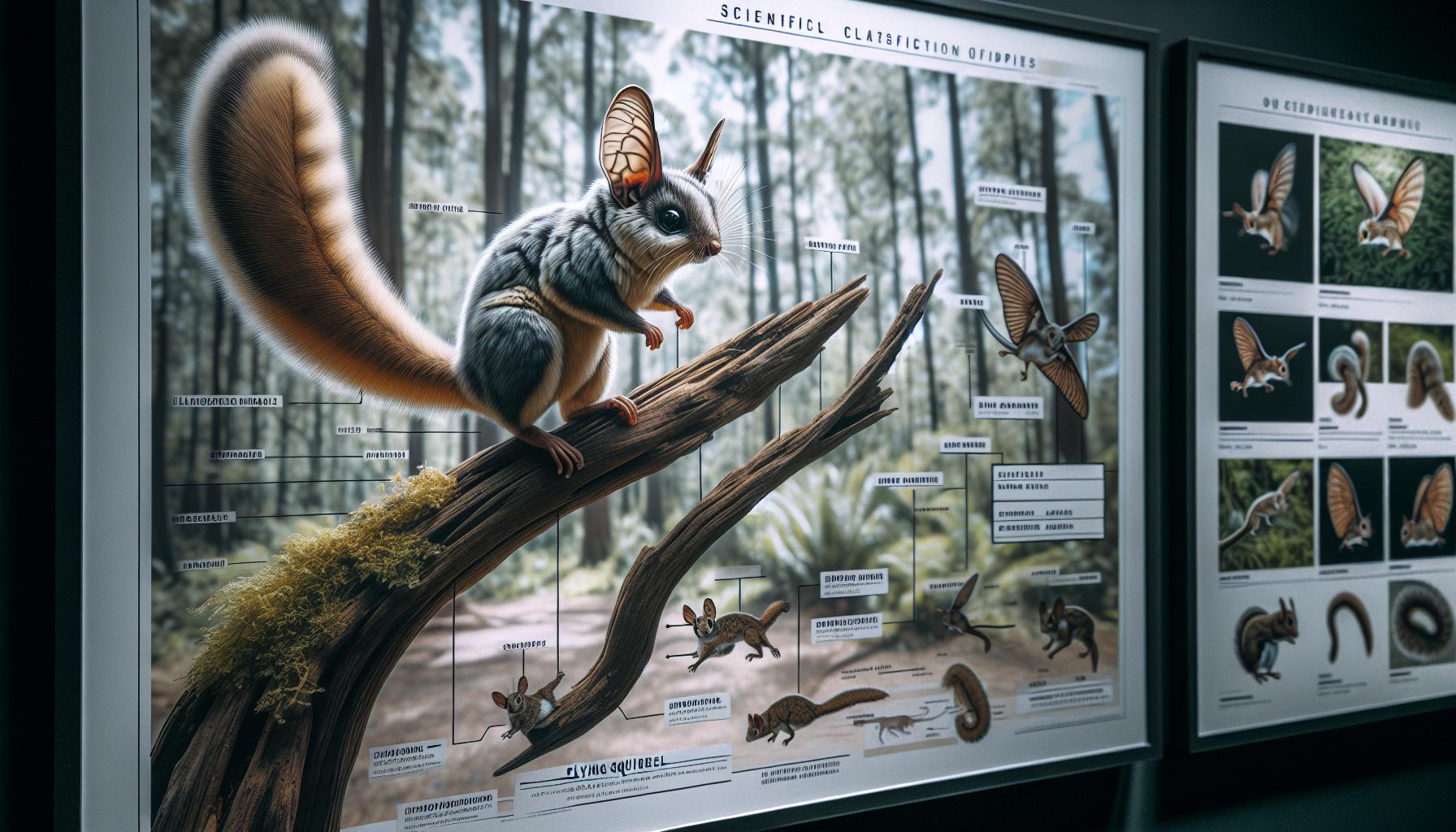
The Scientific Classification of Flying Squirrels
Flying squirrels, with their enchanting gliding abilities, belong to a remarkable taxonomic grouping that highlights their unique evolutionary adaptations. In the grand hierarchy of biological classification, these creatures are part of the family Sciuridae, which encompasses all squirrels, both flying and non-flying.
The scientific classification can be broken down into several key levels:
Classification Overview
- Kingdom: Animalia
- Phylum: Chordata
- Class: Mammalia
- Order: Rodentia
- Family: Sciuridae
- Genus: Petaurista (for some species) and Glaucomys (the more common genus for North American flying squirrels)
- Species: Includes Glaucomys volans (Southern flying squirrel) and Glaucomys sabrinus (Northern flying squirrel).
These classifications indicate that while all flying squirrels share common characteristics, each species has adapted uniquely to its environment. For instance, the Southern flying squirrel typically weighs between 4 to 5 ounces, while the Northern flying squirrel can be slightly larger. Their diets, behaviors, and habitats may vary, but they all exhibit that extraordinary patagium that allows for their famous gliding.
In essence, understanding their scientific classification not only helps us identify the various species but also shines a light on their evolutionary journey. Each level of classification underscores the diverse adaptations that have allowed these small but fascinating mammals to thrive in a range of environments, from dense forests to suburban backyards. Whether you’re a seasoned researcher or simply curious about these creatures, knowing their taxonomy is a wonderful way to appreciate their role in the animal kingdom.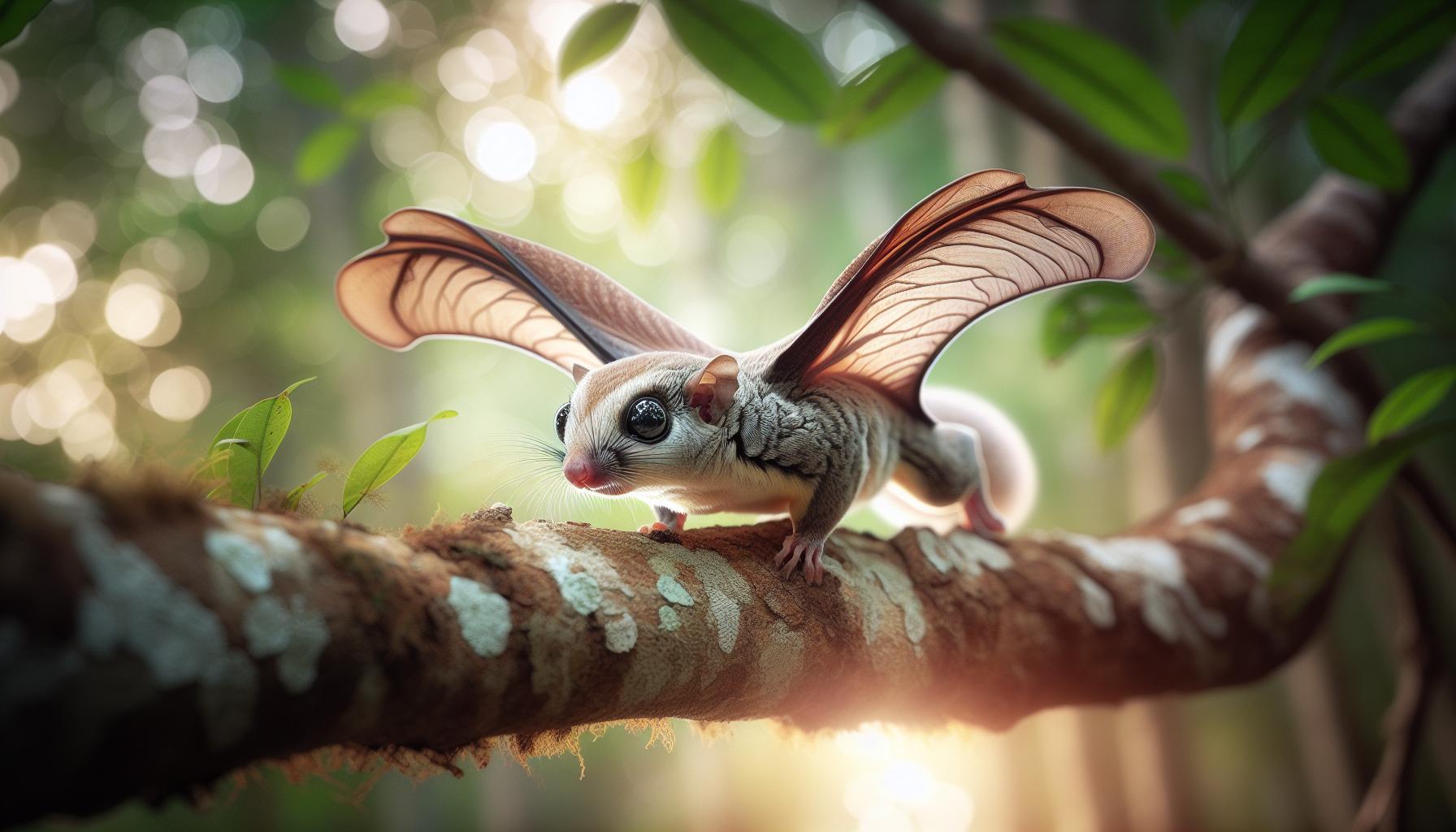
Physical Characteristics That Set Flying Squirrels Apart
Flying squirrels are marvels of nature, distinguished from their terrestrial relatives by a unique suite of physical characteristics that enable their spectacular gliding abilities. One of the most notable features is the patagium, a stretch of skin that extends from their wrists to their ankles. This membrane acts like a parachute, allowing them to glide gracefully between trees, sometimes for distances up to 150 feet! Their soft, dense fur also plays a crucial role, providing insulation during cold nights while helping to camouflage them against predators in the treetops.
In terms of size, flying squirrels vary slightly by species. The Southern flying squirrel usually weighs between 4 to 5 ounces, while the Northern flying squirrel can be a bit larger, reaching up to 7 ounces. These squirrels typically have large, round eyes adapted for excellent night vision, crucial for their nocturnal lifestyle. Their eyes not only help them navigate in low light but also enhance their ability to spot predators and food sources. Additionally, their broad, flattened tails serve multiple purposes: as a rudder during glides and as a parachute to help them stabilize their descent.
Hearing is another critical sense for flying squirrels, with large ears that are highly sensitive to sounds, making them adept at detecting the slightest rustle in the leaves around them. As they glide silently through the trees, their remarkable adaptations allow them to evade predators and locate potential mates. These characteristics, coupled with their playful nature and agility, make flying squirrels a fascinating subject of study and a delightful sight for wildlife enthusiasts. Whether perched on a branch or soaring through the air, their unique adaptations truly set them apart in the animal kingdom.
The Natural Habitat of Flying Squirrels: Where Do They Live?
Flying squirrels are often found in habitats that provide ample trees and vegetation, necessary for their gliding lifestyle and nocturnal activities. They thrive in deciduous and mixed forests, where they can easily navigate through the canopy from tree to tree. Southern flying squirrels (Glaucomys volans) and northern flying squirrels (Glaucomys sabrinus) inhabit different geographic regions but share similar habitat preferences. The southern variety prefers warmer climates across the eastern United States while the northern species is more commonly located in the boreal forests of Canada and the northeastern U.S.
These creatures are primarily arboreal, residing in tree cavities or nests created from leaves and twigs. This choice of habitat not only provides protection from predators but also allows them easy access to food sources like nuts, fruits, and fungi. Flying squirrels are social animals, often living in small family groups, which means they benefit from sharing a common space. Their homes are strategically chosen to be near frequent food supplies, such as hickory, oak, and beech trees, where they can forage during their active nighttime hours.
In suburban areas too, flying squirrels adapt well, utilizing trees in parks and residential neighborhoods where they can find food and nesting sites. However, they are sensitive to habitat destruction and fragmentation, which can threaten their populations. Ensuring the preservation of wooded areas and planting native trees can help support these charming gliders and maintain their natural habitats.
Understanding the Behavior of Flying Squirrels in the Wild
Flying squirrels are truly mesmerizing creatures, showcasing a blend of social grace and acrobatic prowess in their natural behaviors. Known scientifically as Glaucomys volans for the southern flying squirrel and Glaucomys sabrinus for the northern variant, these nocturnal animals provide a fascinating glimpse into the lives of animals that navigate the treetops with ease and agility. Instead of flying, they glide using a membrane that stretches between their limbs, allowing them to soar gracefully from tree to tree, often gliding up to 150 feet in one leap.
Social interaction plays a vital role in the lives of flying squirrels. Typically, they are found living in small family groups, which helps them share resources and increase their chances of survival against predators like owls and hawks. Their social nature is reflected in their vocalizations and physical interactions. They communicate through a variety of sounds, including barks, whistles, and chattering noises, which can denote everything from alarm to social bonding. Social grooming and cuddling are common, especially during colder months, helping them maintain warm body temperatures while reinforcing their social bonds.
Flying squirrels are primarily nocturnal, which adds a layer of mystery to their activities. They spend their nights foraging for food, which primarily consists of nuts, fruits, and fungi. Notably, they have been observed caching food in the bark of trees for later consumption, a behavior that showcases their intelligence and foresight. They also have a unique way of navigating their environment; by tilting their limbs and adjusting their tail, they can steer their glides with remarkable precision, making them adept at maneuvering through dense forest canopies.
In terms of conservation, it is essential to protect their habitats, as deforestation and urban expansion threaten their living environments. Promoting conservation efforts and creating wildlife corridors can help these charming creatures thrive in the wild. By understanding the behaviors and needs of flying squirrels, we can foster a deeper appreciation for the delicate balance of our ecosystems and the incredible adaptations of these unique animals.
Diet and Feeding Habits: What Do Flying Squirrels Eat?
Flying squirrels are not just charming gliders of the night; they are also culinary connoisseurs of the forest. Their diet plays a crucial role in their survival and health, showcasing a diverse palate that includes fruits, nuts, seeds, and even insects. This varied diet is supported by their role in the ecosystem as both foragers and seed dispersers, making them vital players in maintaining forest health.
When it comes to food preferences, flying squirrels exhibit a fondness for foods that are high in fat and protein, necessary for their active lifestyles. They often enjoy:
- Nuts: Acorns, walnuts, and hazelnuts are favorites, providing essential energy through their high fat content.
- Fruits: Berries, apples, and tree sap offer a sweet treat that complements their diet.
- Seeds: The seeds from various plants, especially those found in the forests where they dwell.
- Fungi: They also consume mushrooms and other fungi, which are a great source of nutrients.
- Insects: While not the centerpiece of their diet, insects like crickets and beetles provide crucial protein.
Flying squirrels have been known to exhibit impressive intelligence when it comes to storing food. They often cache surplus nuts and seeds in the bark of trees or hide them in small crevices, allowing them to access these resources during leaner times. This behavior not only shows their foresight but also highlights their crucial role in the ecosystem as they inadvertently assist in forest regeneration by promoting seed dispersal when they forget the locations of some of their hidden caches.
Whether they are foraging together in family groups or scattering to their hiding spots, the feeding habits of flying squirrels are a fascinating aspect of their nightly adventures. Understanding these dietary needs is essential for anyone considering keeping a flying squirrel as a pet, as a balanced diet is key to their health and wellbeing. Caring for a pet flying squirrel means replicating their natural diet as closely as possible, which can include commercial rodent blocks designed to meet their nutritional needs.
Reproduction and Lifespan of Flying Squirrels
Flying squirrels have a fascinating reproduction cycle that showcases their adaptability and social bonds. Generally, mating occurs in late winter to early spring, with most species engaging in a form of courtship involving playful gliding and vocalizations. Once a pair forms, they may remain bonded for the breeding season, with both parents contributing to raising the young. After a gestation period of about 40 to 45 days, the female typically gives birth to a litter of two to four pups. The newborns are helpless and rely entirely on their mother’s care, growing rapidly during their first few weeks.
As the pups mature, they develop a strong sense of independence. By around six to eight weeks, they begin to venture out of their nest, testing their gliding skills under the watchful eye of their parents. It’s during these playful outings that they refine their aerial maneuvers, an essential survival skill. Interestingly, flying squirrels reach sexual maturity between 10 to 11 months of age, at which point they may leave their parents to establish their own territories or join other family groups, promoting genetic diversity.
Lifespan in the wild varies, but on average, flying squirrels can live up to 6 years. However, some have been known to reach the age of 10 or even 15 years, particularly in captivity where threats from predators and environmental hazards are minimized. This longevity reflects their adaptability and the successful care they receive from their parents during the critical early weeks of life. For those considering a pet flying squirrel, it’s essential to understand this long-term commitment, as their care will be a significant part of your life for many years. Providing a stimulating environment that mimics their natural habitat can greatly enhance their well-being and lifespan.
Conservation Status: Are Flying Squirrels at Risk?
Flying squirrels are fascinating creatures, captivating both wildlife enthusiasts and casual observers alike. However, their enchanting gliding abilities and unique adaptations face significant threats in today’s world. Habitat loss, primarily due to urbanization and deforestation, poses the greatest risk to their populations. These nimble rodents depend heavily on the canopies of mature forests, which provide food, shelter, and safe nesting sites. As these essential habitats are destroyed or fragmented, flying squirrels struggle to find the resources they need to thrive.
While many species of flying squirrels, such as the common eastern flying squirrel (*Glaucomys volans*), enjoy widespread distribution across North America, others, like the Humboldt’s flying squirrel (*Sciuropterus humboldti*), are classified as endangered. Conservation efforts for flying squirrels often focus on preserving existing habitats and restoring degraded forest areas. Protective measures can include establishing wildlife corridors that connect fragmented habitats, allowing for safe travel between patches of forest, which is crucial for maintaining genetic diversity.
What Can You Do?
Being an advocate for flying squirrels can be as simple as supporting local conservation initiatives or participating in tree-planting activities. Here are some ways you can help:
- Educate yourself and others about the importance of preserving forest ecosystems.
- Support organizations that focus on wildlife preservation and habitat conservation.
- Promote sustainable forestry practices that minimize habitat destruction.
- Consider creating wildlife-friendly spaces in your own backyard that can offer refuge to local wildlife, including flying squirrels.
Through concerted efforts to protect their habitats and promote awareness, we can help ensure that flying squirrels continue to glide through our forests for generations to come. Balancing conservation with enjoyment of nature allows us to appreciate these marvels while actively participating in their preservation.
How to Care for a Pet Flying Squirrel: A Guide for New Owners
Caring for a pet flying squirrel can be a rewarding experience, yet it requires a commitment to understanding their unique needs. Did you know that these adorable creatures are not only exceptional gliders but also exhibit intricate social behaviors? Their friendly nature can make them delightful companions, but it’s crucial to provide an environment that mimics their natural habitat while ensuring their health and well-being.
Creating a proper habitat is the first step in caring for your flying squirrel. Ideally, a spacious cage that allows for climbing and gliding is essential. The cage should be at least 3 feet tall, equipped with plenty of shelves, branches, and toys that encourage exercise and mental stimulation. Use bedding made from natural materials like aspen shavings or paper-based products, avoiding cedar or pine due to toxic oils.
Diet is equally important. Flying squirrels are omnivores, so their diet should consist of a variety of foods. A well-balanced diet includes high-quality pellets specifically formulated for sugar gliders or flying squirrels, fresh fruits, nuts, and vegetables. Always ensure access to fresh water and avoid feeding them sugary treats excessively, as this can lead to health issues.
Social interaction is key for these social animals. Flying squirrels thrive on companionship, whether it’s from humans or other flying squirrels. Daily handling can help build trust and prevent them from becoming too wild. Provide playtime outside of their cage in a safe, supervised environment, as this encourages bonding and allows them to exercise their natural gliding abilities.
In conclusion, caring for a flying squirrel means providing a suitable habitat, a balanced diet, and ample social interaction. With the right approach, these charming creatures can become loving companions, offering joy and fascination to those willing to invest time and energy in their care. Remember, being a responsible pet owner not only enriches your life but also contributes to the well-being of these captivating animals.
Fun Facts About Flying Squirrels You Might Not Know
Did you know that flying squirrels can glide over 150 feet in a single leap? These incredible creatures, which belong to the family Sciuridae, have specialized membranes that allow them to soar gracefully through the trees. Their scientific name varies by species, but the most well-known counterpart is the Southern Flying Squirrel, known as Glaucomys volans, and the Northern Flying Squirrel, referred to as Glaucomys sabrinus. Both species are native to North America and showcase unique adaptations that make them a fascinating study in evolution.
One of the most intriguing aspects of flying squirrels is their nocturnal lifestyle. They are most active at night, relying on excellent night vision and a keen sense of hearing to navigate their environment. Contrary to what many think, these animals do not actually fly but glide, using their patagium-a membrane that stretches from their wrists to their ankles-to catch the wind. This allows them to soar from tree to tree with remarkable agility while avoiding ground predators.
Additionally, flying squirrels are social animals that often live in small family groups, communicating through a variety of vocalizations. They are known to express themselves with chirps, barks, and even squeals, which can convey both excitement and alarm. Their social nature makes them wonderful pets when cared for properly, but it also emphasizes the importance of companionship-keeping multiple flying squirrels can significantly enrich their lives.
Among fun facts to note, flying squirrels possess a special adaptation for feeding-they can eat fruits, nuts, and fungi, especially the coveted truffles! Interestingly, they play a crucial role in forest ecosystems by aiding in seed dispersal, contributing to the health of their habitats. So, while these charming gliders are captivating as pets, their ecological significance is just as wonderful to explore.
Flying Squirrels in Popular Culture: Myths and Media
Flying squirrels have captured our imagination in various ways, often appearing in stories, cartoons, and educational media, showcasing their fascinating abilities. These charming creatures, specifically the Southern Flying Squirrel (Glaucomys volans) and Northern Flying Squirrel (Glaucomys sabrinus), have become symbols of agility and adaptability in nature. Their unique gliding skills, coupled with their playful nature, have led to portrayals that emphasize their whimsical side.
In popular culture, flying squirrels are often depicted as adventurous and lively characters. For instance, animated series and children’s books frequently feature them as friendly, heroic figures, tackling challenges as they glide through their forest homes. This portrayal helps to enchant younger audiences and instill a sense of wonder about wildlife. However, these fictional representations sometimes blur the lines between fact and myth; for example, while flying squirrels are indeed social animals, their vocalizations and behaviors are often exaggerated for entertainment value.
Moreover, flying squirrels contribute to ecological education, appearing in documentaries that highlight their role in forest ecosystems. Through these media, viewers can learn about their importance in seed dispersal and maintaining biodiversity, connecting the audience with real-world environmental challenges. Such programs enlighten viewers about the necessity of conserving their habitats, showing how flying squirrels are integral to the health of their ecosystems.
In essence, flying squirrels in popular culture serve a dual purpose: they entertain and inform. As we encounter these delightful representations, we are invited to appreciate not just their whimsical aspect but also their ecological significance. As enthusiasts, we can spread awareness and foster a love for these remarkable creatures, both in fiction and in reality, enriching our understanding and appreciation of wildlife.
Frequently Asked Questions
Q: What is the scientific name for a flying squirrel?
A: The scientific name for the most common flying squirrel is *Petaurista leucogenys*. This species is known for its distinctive gliding ability and large eyes, which help it navigate at night.
Q: How many species of flying squirrels are there?
A: There are approximately 50 species of flying squirrels, including the common flying squirrel (*Glaucomys sabrinus*) and the northern flying squirrel (*Glaucomys volans*). They belong to the family Sciuridae and are spread across various regions.
Q: Are flying squirrels the same as sugar gliders?
A: While both flying squirrels and sugar gliders can glide, they are from different families. Flying squirrels belong to the Sciuridae family, while sugar gliders are part of the Petauridae family, making them distinct species.
Q: What adaptations do flying squirrels have for gliding?
A: Flying squirrels possess a *patagium*, which is a membrane that extends from their wrists to their ankles. This adaptation allows them to glide gracefully between trees, helping them escape predators and reach food sources.
Q: Where can I find flying squirrels in the wild?
A: Flying squirrels inhabit wooded areas across North America, Asia, and parts of Africa. They prefer habitats with plenty of trees for gliding and nesting, often residing in forests, parks, and other green spaces.
Q: What do flying squirrels eat?
A: Flying squirrels primarily consume fruits, nuts, seeds, and fungi. Their diet may vary by season, but they mainly forage at night, using their keen sense of smell to find food sources.
Q: How do flying squirrels communicate?
A: Flying squirrels communicate using various vocalizations, including chirps and whistles, as well as body language. This communication helps them alert others to danger and maintain social bonds within their groups.
Q: Are flying squirrels social animals?
A: Yes, flying squirrels are generally social creatures. They often live in groups and share sleeping areas, which helps them maintain warmth and safety. Their social interactions are vital for the survival of the group.
Key Takeaways
Now that you know the scientific name for a flying squirrel, why not explore more fascinating facts about these incredible creatures? Their unique adaptations for gliding make them truly remarkable. If you’re curious about their habitats, behaviors, or how to care for them as pets, check out our articles on Flying Squirrel Care and Natural Habitats of Squirrels.
Don’t hesitate to drop your questions or share your thoughts in the comments below. Every comment helps build our community of enthusiasts! Ready to dive deeper? Subscribe to our newsletter for exclusive content and insights delivered directly to your inbox. Remember, the wonders of wildlife await-let’s keep learning together!
Get our latest guides, news, and insights highlighted in your Google Search & AI Overviews.