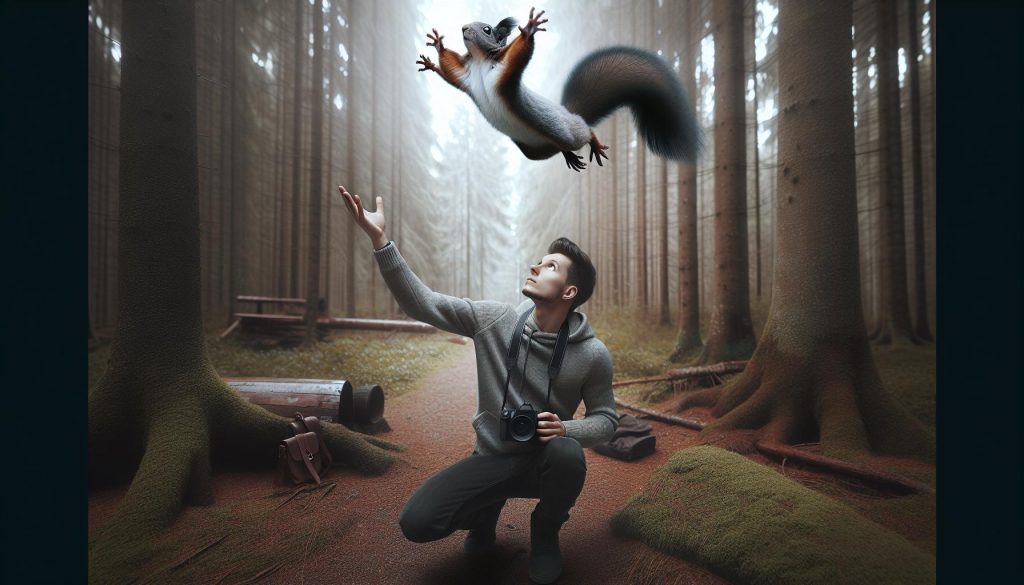
Did you know that flying squirrels can glide up to 500 feet through the trees? These enchanting nocturnal creatures, found in various regions around the world, have developed unique adaptations for survival, including the ability to glide gracefully from branch to branch. Unlike their more familiar tree-dwelling relatives, flying squirrels don’t actually fly; instead, they use a specialized membrane to soar. This fascinating capability not only helps them evade predators but also allows them to navigate their forest homes with incredible agility.
Whether you’re a wildlife enthusiast or simply curious about the wonders of nature, exploring the world of flying squirrels reveals surprising facts about their behaviors, habitats, and even their role in the ecosystem. From their nocturnal habits to their ability to share nests with other wildlife, these adorable creatures are more than just cute faces; they offer valuable insights into the importance of maintaining biodiversity. Join us as we delve into the captivating realm of flying squirrels and uncover the marvels of these unique gliders!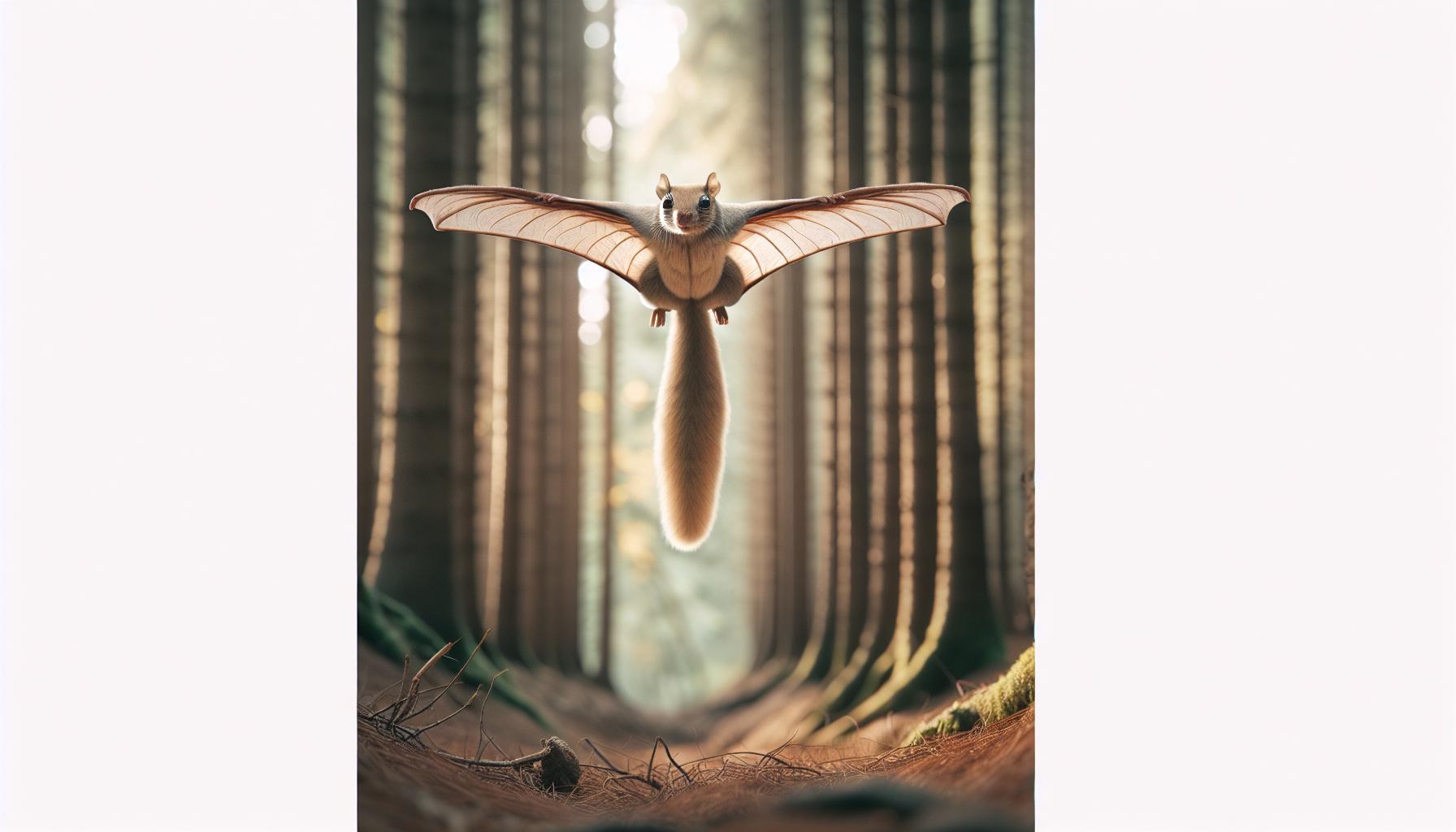
What Are Flying Squirrels? An Overview of Their Species
Did you know that flying squirrels can glide over 150 feet in a single leap? These remarkable creatures belong to the family Sciuridae and are not truly flying in the sense that birds are, but they possess a unique adaptation that allows them to glide gracefully through the forest canopy. Their bodies are equipped with a membrane stretching from their wrists to their ankles, called the patagium, which acts like a parachute, enabling them to soar between trees with agility.
North America is home to two main species of flying squirrels: the northern flying squirrel (Glaucomys sabrinus) and the southern flying squirrel (Glaucomys volans). Northern flying squirrels are typically larger, measuring around 10 to 12 inches in length, while the southern flying squirrel is a bit smaller and is known for its more carnivorous diet, occasionally munching on eggs and small birds. Both species are nocturnal, usually becoming active at dusk, which makes them fascinating to observe as they emerge under the cover of night.
These charming rodents are social animals, often seen living in colonies and sharing nesting spaces. They primarily inhabit wooded areas, where they can easily find food and glide between trees. Their diet is omnivorous, consisting of fruits, nuts, and sometimes even insects, making them adaptable foragers in their ecosystems. Unfortunately, some populations, particularly of the northern flying squirrel, face threats from habitat loss and are federally protected due to their endangered status. By learning about and supporting conservation efforts, we can help ensure these amazing gliders continue to thrive in their natural habitats.
Incredible Adaptations: How Flying Squirrels Glide
Flying squirrels have an extraordinary ability to glide, a feature that captivates wildlife enthusiasts and casual observers alike. Unlike birds, these enchanting creatures do not truly fly; instead, they utilize a unique adaptation known as the patagium-a membrane that stretches from their wrists to their ankles. This elastic skin acts like a parachute, allowing them to soar gracefully between trees, making their movements appear almost magical. Remarkably, some species can glide distances of over 450 feet (approximately 150 meters), deftly navigating through their arboreal environments with agility and precision.
The mechanics of gliding are fascinating. As a flying squirrel leaps from a height, it spreads its limbs wide, extending the patagium, which captures air and slows its descent. The broad surface area provided by the patagium enables it to create lift, allowing these squirrels to control their movements in the air. They not only glide, but they can also maneuver mid-air, adjusting their trajectory through subtle shifts of their body and limbs. This skill is not only vital for evading predators but also for accessing food sources scattered among the treetops.
In addition to their patagium, flying squirrels possess other adaptations that enhance their gliding capabilities. Their long, flattened tails serve as rudders, helping to steer and stabilize during flight. With large, sensitive eyes, flying squirrels are well-equipped for their nocturnal lifestyle, enabling them to navigate their surroundings efficiently in low light. These adaptations make flying squirrels uniquely suited for life in the treetops, where they forage for food and evade threats.
Understanding the incredible adaptations of flying squirrels not only offers insight into their unique lifestyle but also highlights the importance of preserving their natural habitats. Protecting forests and woodlands ensures these remarkable gliders can continue to thrive and enchant us with their extraordinary gliding abilities. As we learn more about them, we can appreciate the delicate balance of nature and the role these creatures play in maintaining healthy ecosystems.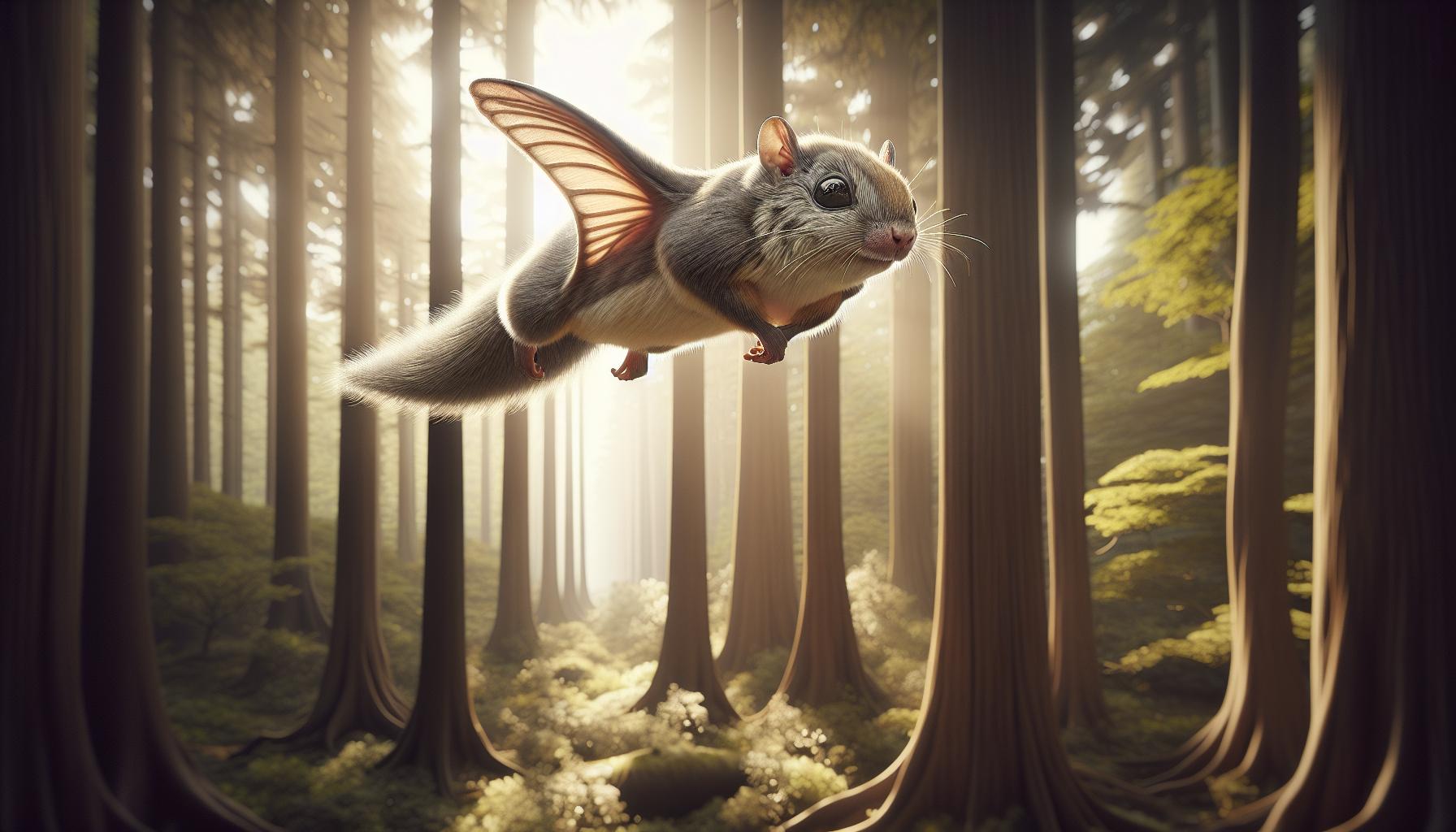
Habitat and Distribution: Where Do They Live?
With their fascinating ability to glide gracefully through the trees, flying squirrels are a captivating sight in their natural habitats. These enchanting creatures primarily inhabit mature deciduous or mixed deciduous-coniferous forests, where they find plenty of trees that provide not just food but also safe spaces for nesting and evasion from predators. From North America to parts of Asia, various species of flying squirrels have adapted to their environments, making them a diverse group within the world of mammals.
The southern flying squirrel, for example, is commonly found in the hardwood forests of the eastern United States, thriving in areas rich in nut-producing trees like oaks and hickories. This species demonstrates a preference for habitats that offer a mix of tree density and diversity, which is crucial for their foraging and gliding activities. In contrast, larger species like the giant flying squirrel live in tropical forests in Asia and can glide considerable distances-up to 450 feet-between trees, showcasing the importance of expansive forest canopies for their lifestyle.
Flying squirrels are nocturnal, meaning they are most active at night, making them somewhat elusive. Their preference for forested areas, coupled with their tree-dwelling lifestyle, often keeps them high above ground, where they feel safe from a range of potential threats. Those interested in observing these unique creatures can enhance their viewing experience by exploring wooded parks and nature reserves at dusk, where the soft sounds of rustling leaves may hint at the existence of these gliders overhead.
As stewards of their environment, flying squirrels play a significant role in forest ecosystems. They help with seed dispersal, encouraging forest regeneration, which highlights the importance of conserving their habitats. Protecting these natural spaces not only secures a home for flying squirrels but also preserves the remarkable biodiversity that forests represent.
Diet and Feeding Habits of Flying Squirrels
Flying squirrels are not only fascinating for their unique gliding abilities but also for their varied diet. Their eating habits highlight their role as foragers and contribute significantly to their interactions with the ecosystem. These nocturnal creatures primarily consume a diverse array of food, ranging from fruits and nuts to insects and tree sap, which they skillfully gather from their forest habitats.
A well-rounded diet is crucial for flying squirrels, particularly species like the southern flying squirrel and the broader array of species found globally. These animals thrive on foods such as:
- Nuts: Acorns, hickory nuts, and walnuts are favorites, providing the necessary fats and proteins.
- Fruits: They enjoy fruits like berries and apples, which offer vitamins and hydration.
- Vegetation: Tender leaves and flowers contribute important nutrients.
- Insects: As a source of proteins, insects are also included in their diet, especially during warmer months.
While flying squirrels can adapt to their food sources based on seasonal availability, their preference for high-calorie, energy-rich items helps sustain their active lifestyles. Interestingly, in captivity, pet flying squirrels may require a specialized diet that mimics their natural intake, including blocks formulated for pet squirrels, vegetables, and occasional fruits for treats [[1](https://henryspets.com/pages/special-notes-for-flying-squirrels?srsltid=AfmBOoq28KAxccPYDx0_EKyrMqK_E5B7mWFQt0EbjA8-WZyzs6phYySD)][[2](https://thesquirrelboard.com/forums/showthread.php?48649-Flying-Squirrel-Diet)].
Understanding these dietary needs not only aids in the care of flying squirrels in pet settings but also emphasizes the importance of their natural foraging in wild environments, which supports forest health and biodiversity. Ultimately, contributing to their habitat preservation is essential for maintaining the delicate balance in the ecosystems they inhabit.
Behavioral Traits: Nighttime Activities and Social Life
Flying squirrels are truly fascinating creatures, particularly when you observe their nighttime activities and social dynamics. As nocturnal animals, they come alive after sunset, showcasing a vibrant lifestyle filled with playfulness and interaction. These lively beings rely on their excellent night vision to navigate among the trees, gliding gracefully from branch to branch. Their ability to glide up to 300 feet is not just for travel; it’s also central to their social interactions, allowing them to connect with peers and avoid potential predators.
Social Interactions
Socially, flying squirrels are highly gregarious. They often live in small groups, which can be composed of both males and females, particularly in the winter when they seek warmth. These groups engage in various social behaviors, from grooming each other to playfully chasing one another around their treetop homes. Such bonding activities strengthen their social ties and enhance group cohesion. When food becomes scarce during colder months, they are known to nest together in hollow tree trunks, sharing warmth and protection during harsh weather conditions.
Communication
Communication among flying squirrels is vital, especially in their nighttime environment. They use a variety of vocalizations to communicate danger or attract mates, which is particularly important during the breeding season. You’ll often hear a range of sounds, including chirps and squeaks, echoing through the forest at night. This vocal communication plays a key role in maintaining group structure and ensuring everyone is alerted to potential threats or opportunities.
In summary, flying squirrels are engaging, social animals with a penchant for nighttime antics and camaraderie. Their unique adaptations, social interactions, and communication methods make them not only a joy to observe in the wild but also a reminder of the intricate connections within our ecosystems. Caring for a flying squirrel as a pet requires understanding these behavioral traits, ensuring you can provide an environment that allows them to express their natural instincts and maintain their social nature.
Reproduction and Lifespan: Growing Up Flying
When it comes to reproduction, flying squirrels demonstrate some intriguing behaviors and characteristics that set them apart from other small mammals. They commonly have one or two mating seasons each year, depending on the species. For instance, while the Japanese dwarf flying squirrel may have two matings cycles annually, others might stick to just one. After a gestation period that can range from about 40 to 50 days, female flying squirrels typically give birth to a litter of two to five babies, known as kits, during the warmer months. This timing ensures that the young are born into a plentiful food supply, which is crucial for their quick growth and survival.
Growing Up Fast
The kits are born blind and hairless, relying entirely on their mother’s milk for the first few weeks of life. They grow rapidly and begin to develop fur around two weeks old, and by six to eight weeks, the young are weaned. Notably, they achieve sexual maturity around one year of age, ready to embark on their own life adventures. In their early days, they learn the essential skills for survival and social interaction, mimicking their parents and siblings. Observing these young flying squirrels playfully practicing their gliding techniques is a heartwarming sight, as they hone their abilities in safe spaces close to their nests.
Lifespan and Survival
In the wild, flying squirrels typically live for about six to twelve years, though many factors such as habitat quality and predator presence can influence their lifespan. Those in captivity often live longer, with some individuals reaching over a decade. This extended lifespan gives them more opportunities to reproduce, contributing to their populations in regions where they thrive. Understanding the lifecycle of flying squirrels not only adds to our appreciation of these remarkable creatures but also highlights the importance of conserving their natural habitats and ensuring they continue to glide gracefully through our forests.
Caring for a flying squirrel or observing them in the wild offers insights into their fascinating lives, from their early developmental stages to their social structures as adults. These insights can help us appreciate the role they play in the ecosystem, fostering a sense of responsibility to protect and preserve their habitats for future generations.
Caring for Flying Squirrels: Pet Ownership Insights
Caring for a flying squirrel is both a rewarding and challenging experience that requires a deep understanding of their unique needs. These adorable creatures, known for their ability to glide, are playful and social, which makes them fascinating companions. However, potential owners need to be well-informed and adequately prepared for the responsibility that comes with keeping one of these exotic pets.
One of the first things to consider is their living environment. Flying squirrels need considerable space to thrive, with enclosures measuring at least 4 to 6 feet tall to allow them ample room for climbing and gliding-activities crucial for their mental and physical stimulation [[2]]. Wire cages are preferred over aquariums as they provide better ventilation and opportunities for vertical exploration. Ensure the enclosure is enriched with branches, platforms, and hideaways so your flying squirrel can engage in natural behaviors and feel secure.
Feeding these little acrobats is another essential aspect of their care. A balanced diet is crucial for their health, which typically includes specially formulated squirrel pellets, fruits, and occasional nuts. Some owners have reported success in using a milk replacer like Esbilac for younger squirrels, supplemented with higher-fat products like heavy cream for balanced nutrition [[1]]. It’s vital to provide fresh food daily and clean water to keep your pet healthy.
Socialization is key to keeping a flying squirrel happy. These creatures are naturally nocturnal and thrive on interaction, especially during their active hours. Regular handling and playtime can help establish a bond, though it’s important to approach them gently and allow them to explore their surroundings at their own pace. Observing their playful antics as they practice gliding and climbing can also be quite entertaining! Remember, they are social animals, and many owners opt to keep pairs to fulfill their social needs.
Before deciding to welcome a flying squirrel into your home, be sure to check local regulations and consider their conservation status. Responsible ownership is about ensuring that we protect these unique creatures and their habitats, while also creating a fulfilling life for our new companions. With the right preparation and understanding, you can enjoy the company of your flying squirrel and witness all the delightful quirks that make them such enchanting pets.
Conservation Status: Protecting These Unique Creatures
Flying squirrels are not just adorable and fascinating; they are also facing serious threats that put their survival at risk. Habitat loss due to deforestation, urban development, and logging has made life increasingly difficult for these unique creatures. For instance, the northern and southern flying squirrels, the two native species in North America, have seen significant declines in their populations largely due to the destruction of old-growth forests that they rely on for shelter and food sources [[2]].
Additionally, specific subspecies of flying squirrels, such as the northern flying squirrel, are federally listed as endangered. Conservation efforts are crucial not only for these species but for whole ecosystems as flying squirrels play an essential role within them. The loss of flying squirrels disrupts food webs and can lead to imbalances in forest health.
To aid in conservation, various organizations advocate for habitat protection and restoration. Projects aimed at reforesting areas and creating wildlife corridors can help facilitate safe movement and breeding among flying squirrel populations. Community awareness and involvement are essential in these initiatives; educating others about the importance of preserving these habitats is a step everyone can take.
Moreover, responsible pet ownership is another facet of conservation. Potential owners should be aware of the impact of the pet trade on wild populations. By choosing to adopt from rescue organizations rather than buying from pet shops, enthusiasts contribute to the overall protection of flying squirrels in their natural habitats. Balancing the allure of having a flying squirrel as a pet with the need to protect their wild counterparts fosters a more sustainable interaction with these charming animals.
Fun Facts About Flying Squirrels: Surprising Trivia
Did you know that flying squirrels aren’t capable of true flight? Instead, they glide gracefully through the trees, which can look quite magical in the night sky. These fascinating creatures possess a special membrane, called a patagium, that stretches from their wrists down to their ankles. When a flying squirrel leaps from a height, it spreads out its limbs, allowing this membrane to catch the air and slow its descent, making glides of up to 450 feet possible. This remarkable adaptation not only aids in traveling between trees but also assists in escaping predators.
Flying squirrels are nocturnal, which means they are most active at night. Their large eyes are perfectly adapted for low-light conditions, enhancing their ability to navigate and forage in the dark. Interestingly, they communicate not just through sounds but also through scents, marking their territory to let others know they’ve been there. This social behavior is fascinating; they can often be found living in small family groups, sharing spaces and resources, which can help them thrive in their forest habitats.
Here are a few more fun facts about flying squirrels that may surprise you:
- Diverse Diet: While they are known for their love of nuts and fruits, flying squirrels are omnivores! They have been observed munching on fungi, insects, and even the occasional bird egg.
- Home Builders: Flying squirrels are skilled at making their homes. They create nests in tree cavities and sometimes even use old squirrel nests for shelter.
- Species Variety: There are more than 50 species of flying squirrels worldwide, with the northern and southern flying squirrels being the only species native to North America.
- Unique Breeding Habits: Depending on the species and environmental conditions, flying squirrels may breed once or twice a year, typically producing 2 to 6 young at a time.
Emphasizing their role in the ecosystem, flying squirrels are crucial for forest health as they help in seed dispersion, promoting plant growth and biodiversity. Observing these little gliders in their natural habitat can be a rewarding experience, reminding us of the beauty and complexity of wildlife. Whether you’re a wildlife enthusiast or simply curious, flying squirrels hold a delightful charm that captivates the hearts of many.
Myths and Misconceptions: Debunking Common Beliefs
Flying squirrels often inspire wonder and curiosity, leading to a variety of myths and misconceptions that can cloud our understanding of these fascinating creatures. One of the most common misunderstandings is the belief that flying squirrels can actually fly. In reality, these small mammals glide gracefully through the air thanks to a membrane called the patagium, which stretches between their limbs. This allows them to make extraordinary leaps and glide up to 450 feet, but they lack the power of true flight seen in birds or bats. Understanding this key difference can enhance our appreciation for their remarkable adaptations in navigating forest canopies.
Another misconception revolves around their social behavior. Many people think that flying squirrels are solitary creatures. In fact, they are quite social and often create large family groups, sharing nests and resources. Their strong social bonds not only bolster their survival rates but also contribute to rich family interactions, showcasing their complex social dynamics. For those who consider keeping a flying squirrel as a pet, it’s crucial to recognize these social needs. A lonely flying squirrel can experience stress and anxiety, so owners should consider adopting more than one.
Additionally, there’s a prevailing myth that these creatures only eat nuts and fruits. While they do enjoy a diet rich in these foods, flying squirrels are actually omnivorous. They incorporate various elements into their diet, including fungi, insects, and even eggs. This eclectic eating habit enables them to thrive in diverse habitats, making them versatile foragers.
Lastly, a prevalent belief is that flying squirrels are not significant contributors to their ecosystem. On the contrary, they play a crucial role in promoting forest health by dispersing seeds through their diet, facilitating plant growth and biodiversity. Their activities help enrich the ecosystems they inhabit, encouraging a vibrant and balanced environment. By recognizing and addressing these myths and misconceptions, we can better celebrate the unique beauty and importance of flying squirrels in our world.
Comparing Flying Squirrels to Other Species
Flying squirrels may be small, but their incredible adaptations set them apart from many other tree-dwelling mammals. Unlike their cousins, the tree squirrels, which are known for their agility on the ground and in the trees, flying squirrels possess a specialized membrane called the patagium. This membrane stretches between their limbs, allowing them to glide effortlessly through the air. While tree squirrels primarily scamper along branches, flying squirrels can cover distances of up to 450 feet in a single glide, a feat that is particularly advantageous when escaping predators or navigating their arboreal habitats.
When comparing flying squirrels to other nocturnal species, such as bats and owls, interesting contrasts emerge. While bats take to the skies with wings adapted for true flight, flying squirrels glide gracefully, illustrating a unique evolutionary path. Owls, masters of silent flight, rely on their keen sense of hearing to locate prey. In contrast, flying squirrels depend on their excellent night vision and keen sense of smell to forage for food and avoid danger during their evening activities.
In terms of size, flying squirrels are generally smaller than many other squirrel species. For example, the northern flying squirrel averages about 9.8 to 11.5 inches long, making it considerably smaller than a typical gray squirrel, which can reach lengths of up to 20 inches. This smaller size aids them in maneuvering through dense foliage and hopping between branches at night. However, their size does not limit their social behaviors; unlike many solitary squirrels, flying squirrels often live in family groups. This social structure not only enhances their ability to communicate and share resources but also strengthens their survival during harsh conditions.
Understanding these differences not only enriches our appreciation for flying squirrels but also helps in the conservation efforts aimed at protecting their habitats. Recognizing their unique contributions to the ecosystem, such as seed dispersal and serving as prey for various predators, underscores the importance of maintaining diverse and healthy woodland environments. As we learn more about these fascinating creatures, we deepen our connection to the natural world and its myriad of complex interactions.
The Role of Flying Squirrels in the Ecosystem
Flying squirrels are more than just charming creatures gliding through the night; they play a vital role in maintaining the health and balance of their forest ecosystems. These agile animals contribute significantly to a variety of ecological processes, including seed dispersal and forest regeneration. As these squirrels forage for their favorite foods, such as nuts, fruits, and fungi, they inadvertently promote the growth of new plants by dropping or burying seeds. This behavior not only helps in the propagation of trees but also enhances the overall biodiversity of their habitats by allowing various plant species to thrive.
In addition to their role in seed dispersal, flying squirrels also serve as a crucial food source for a range of predators, including hawks, owls, and larger mammals. By being a part of the food web, they help sustain these predator populations, contributing to the balance of the ecosystem. Their presence indicates a healthy forest environment, as they require specific habitat conditions, such as old-growth forests with abundant cover and mature trees for nesting. This association makes protecting their habitats essential not only for flying squirrels but for the overall vitality of woodland ecosystems.
Moreover, the social structures of flying squirrels enrich their ecological interactions. Living in family groups, they exhibit more complex social behaviors that enable them to communicate and cooperate effectively, enhancing their survival rates. This social living may also influence the spreading of seeds more broadly across the landscape, as young squirrels venture out to explore and find new feeding areas.
As we reflect on our connection to flying squirrels, it’s essential to understand that and that their well-being is intrinsically linked to the health of our forests. Protecting these fascinating creatures and their natural habitats is vital, not just for their survival, but for maintaining the intricate web of life that sustains our planet. In a world where environmental challenges loom large, recognizing and appreciating the ecological contributions of flying squirrels can inspire us to engage in conservation efforts that protect the delicate balance of our natural ecosystems.
Q&A
Q: What are the main differences between flying squirrels and traditional squirrels?
A: Flying squirrels differ from traditional squirrels primarily in their ability to glide. They have a patagium, or membrane, extending from their wrists to ankles, allowing them to glide between trees. Unlike traditional squirrels that are more agile climbers, flying squirrels are nocturnal and prefer wooded habitats, making them less visible during the day. Learn more in our section on Comparing Flying Squirrels to Other Species.
Q: How do flying squirrels glide through the air?
A: Flying squirrels glide using their patagium, which acts like a parachute. They launch from high places and stretch their limbs to catch air, enabling smooth, controlled descents. This unique adaptation helps them navigate between trees efficiently while foraging for food or escaping predators. Check out our section on Incredible Adaptations for more details.
Q: Are flying squirrels social animals?
A: Yes, flying squirrels are highly social creatures. They often live in small groups, sharing nesting sites and foraging together at night. Their social interactions include vocalizations and body language, making them fascinating to observe. Dive deeper into their behavior in our Behavioral Traits section.
Q: Can flying squirrels be kept as pets?
A: Yes, flying squirrels can be kept as pets, but they require special care and a large, enriched habitat to thrive. Owners must provide a large cage, proper diet, and plenty of exercise opportunities. Refer to our section on Caring for Flying Squirrels for comprehensive pet ownership insights.
Q: What do flying squirrels eat in the wild?
A: In the wild, flying squirrels primarily eat fruits, nuts, seeds, and fungi. They may also consume insects and bird eggs occasionally. A diverse diet is crucial for their nutrition. For more on their feeding habits, explore our Diet and Feeding Habits section.
Q: How do flying squirrels contribute to their ecosystem?
A: Flying squirrels play a vital role in their ecosystem by dispersing seeds and fungi. As they forage, they unintentionally help propagate various plant species, promoting forest health. This ecological function highlights their importance in maintaining biodiversity. More details can be found in The Role of Flying Squirrels in the Ecosystem.
Q: Are flying squirrels at risk of extinction?
A: While not currently classified as endangered, flying squirrels face threats from habitat destruction and climate change. Conservation efforts are essential to protect their populations. You can learn more about their status in our Conservation Status section.
Q: What are some common myths about flying squirrels?
A: Many believe that flying squirrels can actually fly, which is a myth. They can only glide from treetop to treetop using their patagium. Understanding these myths can lead to better appreciation and conservation efforts. Our section on Myths and Misconceptions debunks more common beliefs.
For further exploration of these unique creatures, feel free to check out the other sections in our article!
Key Takeaways
Now that you’ve discovered the amazing world of flying squirrels and their remarkable abilities, why not dive even deeper into the wonders of wildlife? From learning about the best habitats for exotic pets to exploring the unique behaviors of different species, there’s so much more to uncover! Check out our articles on animal care tips for raising exotic pets or explore the fascinating world of nocturnal creatures to broaden your knowledge.
Don’t miss out on the chance to connect with fellow wildlife enthusiasts! Share your thoughts, experiences, or questions in the comments below. If you found this article enlightening, consider signing up for our newsletter for more exciting facts and tips delivered straight to your inbox. Your next adventure in understanding wildlife is just a click away! Remember, every interaction helps in promoting awareness and appreciation for these incredible creatures. Keep exploring!
Get our latest guides, news, and insights highlighted in your Google Search & AI Overviews.