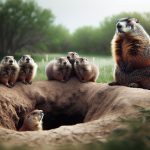
Did you know that black-tailed prairie dogs are not just adorable residents of the plains, but also a vital part of the ecosystem? These social creatures serve as prey for various predators, making them an important link in the food chain. Understanding what eats black-tailed prairie dogs not only sheds light on their challenges in the wild but also helps us appreciate the balance of nature. Whether you’re a wildlife enthusiast, a curious learner, or a concerned conservationist, exploring the list of predators that target these fascinating animals can deepen your understanding of their behavior, habitat, and the ecological significance they hold. In this article, we’ll delve into the various predators lurking in the prairie, each playing a role in the intricate web of life. So, let’s embark on this journey to uncover the threats faced by these unique rodents and the broader implications for our environment.
What Are the Main Predators of Prairie Dogs?
The black-tailed prairie dog, known for its sociable nature and intricate burrow systems, faces a host of predators in the wild. These small, herbivorous mammals form colonies that can attract various hunting animals, each adapted to take advantage of the prairie dog’s vulnerabilities. The primary predators include birds of prey, including hawks and eagles, as well as ground-based hunters like coyotes, badgers, and foxes. Each predator employs unique strategies that highlight the cunning of nature.
Common Predator Species
- Golden Eagles: These formidable birds use their impressive speed and aerial agility to swoop down on unsuspecting prairie dogs.
- Coyotes: Known for their cunning tactics, coyotes often hunt in pairs or packs, making them effective at outsmarting their prey.
- Badgers: With their powerful claws, badgers can dig into prairie dog burrows, significantly reducing the prairie dog’s chances of escape.
- Hawks: Various species, such as red-tailed hawks, use keen eyesight to scan the ground for movement, striking quickly when they spot potential prey.
- Domestic Dogs: In areas of human interaction, stray or domestic dogs can disrupt prairie dog colonies, adding another layer of threat.
Understanding these predators is essential for grasping the dynamics of prairie dog ecosystems. Predators not only influence the population of prairie dogs but also play a crucial role in maintaining the balance of their habitats. Each hunting style is a testament to the adaptiveness of these predators, showcasing the survival of the fittest in action. As prairie dogs spot dangers, they emit alarm calls, alerting their colonies to potential threats and demonstrating their awareness of the predator-rich environment they inhabit.
Understanding the Black-Tailed Prairie Dog’s Habitat
The black-tailed prairie dog thrives in the expansive grasslands of North America, where its complex social structures and burrowing behavior play pivotal roles in its survival. Found primarily in the Great Plains, these social rodents create extensive underground colonies known as “towns” that can span up to hundreds of acres. This habitat not only provides them with shelter from the elements but also offers a strategic defense against predators. The prairie dog’s highly organized burrow systems include multiple entrances, allowing for quick escape routes when danger approaches.
In addition to insulation against weather and predators, these burrows support a vibrant ecosystem. Prairie dogs are considered a keystone species; their activities encourage plant diversity and provide vital habitat for other wildlife. For instance, their diggings aerate the soil, promoting the growth of grasses and forbs that many herbivores rely on. Moreover, abandoned burrows become homes for various species, including burrowing owls and a range of insects. The interactions within this habitat exemplify the interconnectedness of prairie dog colonies and their surrounding environment.
Understanding this dynamic ecosystem sheds light on the challenges faced by black-tailed prairie dogs. As their habitats are fragmented by urban development and agricultural expansion, the loss of their natural environments can reduce populations and disrupt this delicate ecological balance. Therefore, conservation efforts focused on protecting these habitats are crucial for the survival not just of prairie dogs, but also of the myriad species that depend on them for survival. Engaging in conservation initiatives or simply appreciating these fascinating creatures in their natural habitat contributes to their continued existence in an increasingly challenging world.
Common Predator Species of Black-Tailed Prairie Dogs
In the vast grasslands where black-tailed prairie dogs thrive, they navigate a perilous landscape filled with natural predators that shape their existence. These social creatures, renowned for their lively towns and intricate burrow systems, must remain ever vigilant against a variety of hunters keen on making them a meal. Understanding the common predators of these remarkable rodents reveals important dynamics within the prairie ecosystem and highlights the delicate balance between predator and prey.
One of the most notable predators is the coyote. Adaptable and cunning, coyotes are skilled hunters that often target prairie dogs in coordinated packs, relying on their sharp senses and swift movements. These canine competitors are particularly active during dusk and dawn, leveraging low light to catch their prey off guard. Another formidable predator is the burrowing owl, which, despite its small size, utilizes clever tactics to snatch up unsuspecting prairie dogs, particularly young pups. This owl often takes advantage of prairie dog burrows, making the ecosystem interdependent in surprising ways.
Other significant threats include hawks and eagles. These birds of prey soar high above the plains, keenly observing the bustling activity in prairie dog towns. With their exceptional eyesight, they can spot movement from great distances, swooping down for a quick and lethal strike. In addition, foxes and feral cats also contribute to the predation pressure, often hunting prairie dogs opportunistically and sometimes targeting the young or ill.
Each of these predators plays a critical role in regulating prairie dog populations and maintaining ecological balance. Prairie dogs, with their alert behavior and complex social structures, have developed unique strategies to survive. For example, when a predator is detected, sentinel prairie dogs stand tall and still, watching for danger and calling alarms to warn their colony. This cooperative behavior ensures that many members of the town are alerted and can seek refuge in their extensive burrow systems. By understanding the interplay of these predators with prairie dogs, we can appreciate the intricacies of prairie ecosystems and the importance of conservation efforts aimed at preserving these habitats for both prey and predator alike.
How Predators Hunt Their Prairie Dog Prey
In the grand theater of the prairie, the hunt for black-tailed prairie dogs unfolds as a dramatic interplay of strategy, speed, and instinct. Predators such as coyotes and hawks employ a variety of techniques to outsmart their furry prey, capitalizing on the prairie dog’s natural behaviors and vulnerabilities. These hunting methods illustrate the delicate balance of predator-prey dynamics essential for maintaining ecological health.
Coyote packs are particularly noteworthy in their hunting techniques. They often work collaboratively, surrounding prairie dog towns and using coordinated movements to flush out individuals. Their acute hearing allows them to detect the slightest rustle that might indicate a prairie dog’s presence, especially during dawn and dusk, when these canines are most active. Once targeted, a prairie dog might find itself in a high-speed chase, its agility tested against the cunning and endurance of its pursuers.
Birds of prey, like hawks and eagles, take a different but equally effective approach. From their elevated vantage points, they survey the expansive landscapes, searching for signs of movement. Upon spotting a prairie dog, they will dive at astonishing speeds, often covering ground quickly and precisely. Their sharp talons are designed for swift and lethal strikes, ensuring their hunting success.
Additionally, smaller predators like feral cats and foxes use stealth and ambush techniques. They may lie in wait near burrows or along pathways frequented by prairie dogs. When the moment is right, they spring into action, taking advantage of any unsuspecting prairie dog wandering too far from the safety of its burrow.
This relentless hunt not only showcases the adeptness of predators but also highlights the intricate survival strategies of prairie dogs. These social animals rely on their alarms, cooperation, and quick retreats to burrows to evade capture. The constant pressure from predators ensures that only the most vigilant prairie dogs thrive, contributing to the overall health of the ecosystem. Understanding these hunting methods reveals the complexities of life in the prairie and underscores the importance of conserving these fragile habitats where such encounters unfold daily.
The Role of Predators in Prairie Dog Ecosystems
The dynamic interaction between predators and black-tailed prairie dogs is critical for maintaining a balanced ecosystem. These hardy rodents play a pivotal role in their environment by acting as prey for a variety of animals, which in turn helps regulate their populations. Without this predatory pressure, prairie dog populations could explode, leading to overgrazing and depletion of plant life that sustains the wider ecosystem.
Predators of prairie dogs include a diverse group of species, each with unique hunting strategies. Coyotes, for instance, are known for their cunning tactics. They often hunt in packs and can encircle prairie dog colonies, employing teamwork to flush individuals out into the open where they become vulnerable. This cooperative hunting method not only ensures a higher success rate but also maintains the delicate balance of prairie dog populations. Similarly, raptors like hawks and eagles utilize their keen eyesight from towering heights, swooping down on unsuspecting prairie dogs from above. Their predatory efficiency exemplifies the essential link between predator and prey, demonstrating how each species plays a part in the greater ecological tapestry.
Moreover, smaller predators such as foxes and feral cats utilize stealth and patience. These animals often stalk their prey near burrow entrances, waiting for an opportune moment to strike. Their role in the ecosystem highlights the importance of smaller predators in controlling prairie dog numbers, contributing to the overall health of the prairie habitat.
The interplay of these predators not only influences prairie dog populations but also fosters biodiversity. By keeping prairie dog numbers in check, these predators help maintain the complex web of life that characterizes the prairie ecosystem. Healthy populations of prairie dogs provide food for their predators while creating habitats for other species, such as burrowing owl and various insects, which thrive in and around prairie dog towns. Thus, the presence of predators is not merely about survival; it is foundational to the richness of life in the prairie, emphasizing the interconnectedness of all species within this unique ecosystem.
Impact of Predation on Prairie Dog Populations
The delicate balance of nature often hinges on the predator-prey relationships found in ecosystems, and nowhere is this more apparent than in the fate of black-tailed prairie dogs. These social rodents serve as a crucial food source for a variety of predators, which significantly affects their populations. When predator numbers are low, prairie dog colonies can flourish. However, as predators increase, the hunting pressure they exert leads to noteworthy declines in prairie dog numbers, shaping the landscape of the prairie ecosystem.
Coyotes, hawks, and feral cats are just a few of the hunters vying for prairie dogs. When coyote packs move through a prairie dog town, their coordinated efforts can quickly deplete the population. This predation is not merely an act of survival for the predators; it is vital for controlling the prairie dog population. By keeping these rodents in check, predators help prevent overgrazing, which could otherwise threaten the vegetation that sustains both the prairie dogs and numerous other prairie species.
In response, prairie dogs have evolved various defensive strategies. They exhibit vigilant behaviors, with sentinels watching for danger while others forage. This communal alertness can sometimes deter even determined hunters. The resulting population fluctuations can lead to boom and bust cycles-a vital aspect of prairie dog life that not only affects their community but ripples throughout the ecosystem. When predator pressure is consistent, prey populations tend to stabilize, leading to a diverse and resilient habitat. Conversely, unchecked prairie dog populations can result in ecological problems, like habitat degradation, demonstrating the profound impact predators have on the overall health of the prairie environment.
Behaviors Prairie Dogs Use to Avoid Predators
Black-tailed prairie dogs are remarkable survivors, and their array of avoidance strategies is crucial for staying one step ahead of predators. A fascinating fact that highlights their vigilance is that these animals have a sophisticated alarm system, which plays a crucial role in their safety. When a predator approaches, specific calls communicate the type and threat level of the danger, prompting different reactions from the colony.
The primary method of evasion is their impressive burrowing behavior. Prairie dogs live in extensive underground burrow systems that provide shelter from predators. These burrows are often multi-chambered and can be quite complex, allowing prairie dogs to retreat quickly when a threat is detected. When foraging on the surface, prairie dogs frequently exhibit vigilant behavior, using a sentinel system where one or more prairie dogs stand guard. These sentinels monitor the surroundings and alert others of incoming danger, enabling the colony to react swiftly.
In addition to these tactics, prairie dogs engage in erratic movement when they are threatened. This unpredictable behavior makes it more difficult for predators to target them effectively. For instance, instead of fleeing in a straight line, they may dash in different directions or zigzag back to their burrow entrance, taking advantage of the terrain’s natural cover. This dynamic form of escape can confuse novel predators who rely on sight and predictability.
Moreover, prairie dogs display a strong sense of community. Living in colonies allows them to share the responsibilities of vigilance and defense. When one detects danger, it doesn’t just alert its neighbors; the entire group often participates in alarm calls, creating a chorus that enhances awareness. This social structure not only bolsters their defenses but also underscores the importance of cooperation in their survival strategy.
In the intricate web of prairie ecosystems, these behavioral adaptations are essential. By effectively avoiding predation, prairie dogs contribute to their population stability and the ecological balance of their environment. Their ability to thrive in the face of predation showcases the remarkable resilience of wildlife.
Seasonal Predator Variations in Prairie Dog Territories
The dynamics of predator-prey interactions in prairie dog territories can shift dramatically with the seasons. As various predators adapt their hunting strategies to align with the changing environment, the threats to black-tailed prairie dogs evolve. While many predators are consistent threats, such as coyotes and hawks, seasonal variations can introduce new challenges and opportunities for these small mammals.
During the warmer months, prairie dogs are particularly vulnerable due to their increased surface activity. Predators such as red-tailed hawks and ferruginous hawks take advantage of this by soaring above the colonies, swooping down to snatch unsuspecting individuals. Similarly, foxes, both red and gray, may patrol the edges of prairie dog towns, capitalizing on the abundant food source readily available during the summer’s verdant growth.
As autumn approaches, changes in predator behavior can be observed. Many raptors begin their migration, reducing aerial threats, while larger mammals like mountain lions or bobcats become more active, particularly in areas where prairie dog populations are dense. These predators adapt their hunting techniques, often using stealth to ambush prairie dogs that are less vigilant as they prepare for the winter months.
Come winter, with heavy snow cover, prairie dogs become less active, retreating deeper into their burrows to conserve heat and energy. This seasonal retreat alters predator dynamics as many small mammals and birds are also affected by the cold. However, opportunistic predators like badgers can still dig into burrows to reach their prey, showcasing their adaptability in this harsh climate. Overall, the seasonal variations in predator presence and behavior highlight the delicate balance of this ecosystem, reminding us that survival is often a seasonal struggle influenced by both predator and prey.
Unique Adaptations of Prairie Dogs Against Predators
The black-tailed prairie dog possesses a fascinating array of adaptations that help it evade predators and thrive in its habitat. One of the most striking features is their intricate burrow systems. These tunnels are not just homes; they serve as a critical defense mechanism. Each burrow can have multiple entrances, allowing prairie dogs to escape quickly when danger approaches. The complexity of these underground networks also offers protection from aerial predators, like hawks, which are less able to reach them.
In addition to their structural adaptations, prairie dogs have developed a sophisticated alarm system. They communicate through a series of barks and calls, each corresponding to different types of threats. For instance, they can alert others to the presence of specific predators, such as coyotes or eagles. This vocal warning system enables them to coordinate group responses, allowing many individuals to seek cover simultaneously, effectively minimizing the risk of predation.
Another interesting aspect of their behavior is their social structure. Living in colonies, prairie dogs benefit from being part of a community. These social interactions not only strengthen group dynamics but also enhance individual survival chances. The vigilance of sentinels-prairie dogs that watch for danger while others forage-ensures a higher likelihood of detecting threats early. These sentinels take turns standing guard, allowing them to balance foraging with safety.
Furthermore, prairie dogs exhibit a remarkable ability to adapt their activity patterns based on predator presence. During higher-risk periods, such as when certain raptors are migrating, they may alter their foraging behavior or limit their time above ground. This adaptability is crucial in ensuring their survival within a dynamic ecosystem where predator pressure can fluctuate significantly with the seasons.
The Significance of Urban Development on Predator Dynamics
Urban development significantly alters the dynamics of predator-prey relationships, particularly for creatures like the black-tailed prairie dog. As cities expand and rural landscapes transform, the natural habitats that support both prairie dog colonies and their predators are disrupted. This shift can have profound effects on which species thrive or decline in these modified environments.
Firstly, the encroachment of urban areas often leads to habitat fragmentation. As prairie dogs lose their expansive grasslands to roads, buildings, and agricultural projects, they become more vulnerable to predation. With fewer places to hide, these small mammals can be easier targets for predators such as coyotes and hawks, which may be adapting to hunt in urban settings. Conversely, some urban environments might favor certain predators, creating an imbalance. For instance, red-tailed hawks often find easier hunting within city parks, where prairie dogs are forced into smaller territories.
As urban areas develop, the food sources available to predators change as well. For example, raccoons and coyotes are highly adaptable and can thrive on human food waste, increasing their populations in urban settings. This can heighten the predatory pressure on prairie dogs that are already struggling to maintain their populations. Additionally, urban wildlife can introduce new potential threats, such as domestic animals that may prey on juvenile prairie dogs or compete for the same resources.
Moreover, urbanization affects the behaviors of both predator and prey. Prairie dogs may alter their foraging habits, becoming more nocturnal to avoid daytime predators. Meanwhile, predators might learn to hunt more strategically, exploiting the smaller, isolated prairie dog populations. Conservationists must consider these dynamics when planning for prairie dog conservation to ensure that urban development does not lead to their demise in these changing environments.
In short, while urban development presents challenges, it also highlights the resilience of wildlife. Understanding how these changes affect predator dynamics is crucial for effective management and conservation strategies. It’s a reminder of the intricate balance in ecosystems-where every change, even those prompted by human activity, ripples throughout the food web.
Conservation Efforts and Predator-Prairie Dog Relationships
Conservation efforts surrounding black-tailed prairie dogs emphasize the intricate balance of their relationships with predators. These small mammals play a crucial role in their ecosystems, serving not only as prey for various predators but also altering habitats and providing a food source for other species through their burrowing activities. Effective conservation strategies consider the preservation of both prairie dog populations and the health of their predator communities.
Restoration and management of prairie dog habitats are critical in ensuring both their survival and the well-being of their predators. Conservationists often aim to maintain large expanses of grassland that support populations of black-tailed prairie dogs. By protecting their habitats, they not only safeguard these rodents but also benefit the predators that rely on them-like coyotes, hawks, and badgers. For instance, a well-maintained prairie dog colony creates an essential ecosystem that includes other wildlife, such as burrowing owls and various insects, ensuring a thriving environment.
Moreover, educational initiatives that raise awareness about the importance of prairie dogs in the ecosystem also play a pivotal role. Understanding that these rodents are a keystone species helps people appreciate their value beyond mere prey. As local communities learn about prairie dog dynamics and their relationships with predators, they can become more engaged in conservation efforts. This engagement can lead to citizen science projects, volunteering for habitat restoration, and advocacy for policies that protect open spaces from development.
Effective management doesn’t just stop at protecting prairie dogs; it involves understanding seasonal dynamics and predator-prey relationships. Different predators have varying hunting strategies that coincide with the life cycles of prairie dogs. For instance, during breeding seasons, young prairie dogs may be more vulnerable, and effective conservation efforts take this into account by promoting habitat protection during these critical times. By balancing these needs, we can ensure that both black-tailed prairie dogs and their predators flourish together, highlighting the beauty and complexity of nature’s relationships.
In short, a holistic approach to conservation involving habitat protection, community awareness, and understanding predator dynamics is essential for the sustained existence of black-tailed prairie dogs and their myriad of predators.
Fascinating Facts About Prairie Dog Predation
Did you know that black-tailed prairie dogs are not just cute little creatures but also vital players in the ecosystem? These small mammals not only create complex burrow systems that provide homes for other species, but they’re also a key food source for various predators. Understanding their role in the food web illuminates fascinating aspects of wildlife behavior and the intricate balance of their habitats.
- Carnivorous Foes: Prairie dogs face a multitude of predators, including coyotes, badgers, and various raptor species such as hawks and eagles. Each has unique hunting strategies. For instance, a hunting hawk can soar high above, using keen eyesight to spot their prairie dog prey from great distances.
- Ground Tactics: Badgers, on the other hand, are relentless diggers. They burrow into prairie dog colonies, often taking advantage of their complex tunnel systems, which can lead to dramatic encounters under the surface.
- Urban Threats: As urbanization encroaches on prairie dog habitats, new predator dynamics emerge. Domestic pets like cats and dogs may hunt prairie dogs in suburban areas, adding another layer of challenges for these rodents.
Interestingly, prairie dogs have developed some clever adaptations to avoid becoming lunch. They use a variety of alarm calls to warn each other of incoming threats. These calls vary depending on the type of predator, showcasing an intricate communication system that heightens awareness within the colony. Moreover, when they detect danger, prairie dogs tend to retreat into their burrows, where they can hide from aerial threats.
While predation is a natural part of their lifecycle, the balance can be disrupted by factors like habitat loss and climate change. Monitoring predator populations and prairie dog health is crucial to maintaining this delicate ecosystem dynamic. Understanding these relationships not only enhances our appreciation for prairie dogs but also for the entire community of creatures that inhabit the grasslands, reminding us of the beauty and complexity of nature’s web.
Frequently asked questions
Q: What animals are the primary predators of Black-Tailed Prairie Dogs?
A: The primary predators of Black-Tailed Prairie Dogs include hawks, eagles, coyotes, and badgers. These animals rely on their hunting skills and keen eyesight to locate prairie dogs in their natural habitat, often using opportunity and stealth when approaching their prey.
Q: How do Black-Tailed Prairie Dogs evade their predators?
A: Black-Tailed Prairie Dogs use various strategies like burrowing into their complex tunnel systems and employing alarm calls to warn others of approaching threats. These adaptations help them escape and minimize predation risks effectively.
Q: When are Black-Tailed Prairie Dogs most vulnerable to predators?
A: Black-Tailed Prairie Dogs are most vulnerable during the early morning and late afternoon when they are most active. During these times, they forage above ground, making them easier targets for their predators.
Q: Why are Black-Tailed Prairie Dogs important to their ecosystem?
A: Black-Tailed Prairie Dogs play a vital role in their ecosystem by creating habitats for other species, facilitating nutrient cycling, and serving as prey for various predators. Their presence helps maintain the ecological balance within grassland communities.
Q: What impact do human activities have on Black-Tailed Prairie Dog populations?
A: Human activities such as urban development, agriculture, and pesticide use significantly impact Black-Tailed Prairie Dog populations by reducing their natural habitats and increasing risks of predation. These changes can lead to population declines and affect the entire ecosystem.
Q: Are Black-Tailed Prairie Dogs social animals?
A: Yes, Black-Tailed Prairie Dogs are highly social animals, often living in complex family groups called coteries. Their social structure aids in cooperative vigilance against predators and enhances survival rates through communal alarm calls.
Q: What are the effects of climate change on Black-Tailed Prairie Dog predation?
A: Climate change can alter the habitat and food availability for both Black-Tailed Prairie Dogs and their predators. Changes in precipitation and temperature may affect their burrowing, foraging behaviors, and ultimately impact their predation dynamics.
Q: Can the presence of predators enhance Prairie Dog populations?
A: Surprisingly, the presence of predators can enhance Prairie Dog populations by promoting healthier distributions and reducing overpopulation. This dynamic is essential in maintaining a balanced ecosystem, showcasing how predators help regulate prey populations effectively.
Wrapping Up
As we dive into the world of the black-tailed prairie dog, it’s clear that understanding the predators that threaten them is vital for conservation efforts and wildlife enthusiasts alike. From hawks to coyotes, these predators play a significant role in the ecosystem, maintaining the balance of life on the prairie. If you’re curious about the broader landscape of prairie wildlife, check out our articles on “Top 10 Prairie Dogs Predators” and “The Role of Prairie Dogs in the Ecosystem.”
Don’t forget to join our community by signing up for our newsletter to stay updated on fascinating wildlife facts and conservation tips. Got questions or insights? Share your thoughts in the comments below-your engagement helps us create even better content! Together, let’s keep exploring the remarkable stories of nature and the incredible animals that share our world.
Get our latest guides, news, and insights highlighted in your Google Search & AI Overviews.