
Have you ever dreamed of owning a unique pet that stands out from the crowd? The allure of exotic animals can be irresistible, sparking curiosity about what species are legal to keep as pets. However, it’s essential to navigate the legal landscape carefully, as regulations vary widely by location and species. In this article, we’ll explore the fascinating world of exotic animals you can potentially own, from colorful reptiles to enchanting mammals. We’ll highlight the responsibility that comes with such ownership, including their needs and care requirements. Whether you’re a seasoned exotic animal enthusiast or just starting, this guide will provide valuable insights to help you make informed decisions. Join us as we dive into which exotic creatures can become a part of your family!
Types of Exotic Animals You Can Own Legally
When it comes to owning exotic animals, the term “exotic” often gives way to a world of fascination and variety. From the vibrant colors of tropical birds to the charm of small mammals like sugar gliders, many legal options are available for those interested in expanding their pet family beyond cats and dogs. However, the depend heavily on local laws and regulations, as well as the specific needs of these unique creatures.
Among the most popular legally owned exotic pets, you’ll find species such as:
- Reptiles: Turtles, iguanas, and certain types of snakes are popular choices. They typically require specific temperature and humidity levels to thrive.
- Birds: Parakeets, cockatiels, and macaws can bring joy with their colors and sounds but require social interaction and mental stimulation.
- Small mammals: Ferrets, hedgehogs, and sugar gliders are increasingly common. Each has its unique habitat and dietary requirements.
- Fish: Exotic freshwater species, like bettas and discus, or marine fish, can create stunning aquatic displays but demand careful water quality management.
- Invertebrates: Tarantulas, scorpions, and even hermit crabs can be considered exotic pets for those interested in low-maintenance creatures.
Before embarking on the journey of exotic pet ownership, it’s crucial to research the laws in your area, as some states or localities may prohibit ownership of certain species or require permits. Additionally, understanding the specific care requirements of your chosen animal is key to ensuring a happy, healthy life for both you and your pet. Whether you are captivated by the playful nature of a ferret or intrigued by the silent grace of a snake, a wide array of options awaits those willing to explore the vibrant world of exotic pets.
Understanding Local Laws for Exotic Pet Ownership
It’s a fascinating time to consider exotic pets, but before diving in, understanding your local laws is essential. Regulations on exotic pet ownership vary widely from one jurisdiction to another, making it crucial for potential owners to do their homework. For instance, some species like iguanas and certain small mammals may be perfectly legal to own, while others, such as certain snakes or big cats, might be strictly prohibited or require special permits.
When researching local laws, start by checking your state’s wildlife agency or department of natural resources website. They often provide comprehensive lists of regulated species and corresponding requirements. For example, in some places, you might need a permit for owning specific reptiles, while cities could have their own bylaws restricting certain pets entirely. Being aware of these laws not only keeps you within legal parameters but also shows respect for wildlife conservation efforts.
Another vital consideration is ensuring that the pet you wish to acquire doesn’t end up being an impulsive decision. Some states require pre-approval for specific animals and may conduct background checks or inspections of your home to confirm it’s suitable for the needs of your exotic companion. Therefore, preparation is key! Engaging with local exotic pet communities can also provide insights and support from experienced owners about navigating these regulations effectively.
By grounding your exotic pet ownership in a solid understanding of local laws, you can enjoy the wonderful experience of caring for an extraordinary animal while also being a responsible and informed caregiver. Always remember: a well-informed owner leads to a happy pet!
Comparing Care Needs: Exotic vs. Traditional Pets
When considering the care needs of exotic pets compared to traditional ones, it’s essential to recognize that each type of pet presents unique challenges and joys. While dogs and cats have been household staples for centuries, exotic animals-like reptiles, birds, and small mammals-often require specialized habitats, diets, and general care routines tailored to their species-specific needs.
For instance, take the common domestic cat, which thrives on typical pet food and regular veterinary care, and contrast it with a sugar glider, an exotic marsupial. Sugar gliders need a diet rich in fruits, vegetables, and protein sources, along with a tailored habitat that mimics their tree-dwelling nature. Provide them with plenty of climbing spaces and interactive toys to keep them stimulated. This level of environmental consideration is crucial for exotic pets, as it greatly impacts their health and wellbeing.
Moreover, many exotic animals, like certain reptiles, may have specific humidity and temperature requirements that need meticulous monitoring. A bearded dragon, for example, requires a basking spot of around 100°F and a cooler area to regulate its body temperature. In contrast, a traditional pet like a hamster requires a simple cage setup with appropriate bedding and diet but lacks the complex environmental controls that reptiles demand.
Ultimately, owning an exotic pet often entails a commitment to continuous education about their needs, keeping in mind that many species have significantly longer lifespans than traditional pets. For example, many tortoises can live for over 50 years, while dogs rarely exceed 15 years. This longevity requires owners to plan for the long term, considering everything from dietary changes as the animal ages to potential habitat upgrades.
In summary, while both exotic and traditional pets can offer companionship and joy, the level of care varies considerably. Exotic pets challenge owners to think like wildlife enthusiasts, constantly adapting their environments and care approaches to meet the intricate needs of these fascinating creatures.
Top 10 Most Popular Exotic Pets
Many people are fascinated by the idea of sharing their lives with exotic pets, drawn in by their unique traits and behaviors. Whether it’s a vibrant parakeet that mimics your words or a striking ball python that becomes a stunning centerpiece in your home, exotic pets can be captivating companions. However, it’s essential to choose a species that not only fits your lifestyle but is also legal to own in your area.
Top Picks for Exotic Pets
Here are some of the most popular exotic pets that enthusiasts often consider:
- Ball Python: Known for their docile nature, ball pythons are a favorite among reptile lovers. They require a warm habitat with appropriate humidity and can adapt well to handling, making them great for both beginners and experienced owners.
- Green Iguana: These large lizards are impressive and, with proper care, can live for many years. Iguanas thrive in spacious enclosures with UV lighting and a variety of leafy greens in their diet.
- Sugar Glider: A small marsupial with a big personality, sugar gliders require social interaction and a spacious habitat with lots of climbing opportunities. They thrive on a diet of fruits, insects, and specialized pellets.
- Fennec Fox: This adorable desert-dweller has large ears and a playful demeanor. Fennec foxes need plenty of space to roam and play, alongside a diet rich in protein, such as insects and high-quality dog food.
- Macaw: With their vibrant feathers and social nature, macaws are incredibly engaging pets. They require a lot of interaction, a spacious cage, and a diet rich in fruits, nuts, and pellets.
- Hedgehog: These small nocturnal animals are low-maintenance and relatively easy to care for, but they enjoy a warm environment and need to be socialized early to become comfortable with handling.
- Savannah Monitor: These large lizards can be affectionate but require knowledgeable care and significant space. They thrive on a diet high in protein and need a habitat that allows for digging and basking.
- Balloon Fish: Fascinating to watch, balloon fish can add a unique touch to your aquatic setup. They require a well-maintained tank and proper water conditions to thrive.
- Chinchilla: Known for their incredibly soft fur, chinchillas are active rodents that need ample space to jump and play, as well as a dust bath for coat maintenance.
- Capybara: The world’s largest rodent, capybaras are social animals and enjoy the company of their own kind. They need a large outdoor space with access to water and a diet that includes hay, vegetables, and specially formulated pellets.
Choosing to welcome an exotic animal into your home involves understanding their specific needs and ensuring you can provide the appropriate care. Researching legal ownership requirements in your area is essential, as regulations can vary significantly. These incredible animals can enrich your life in unique ways, provided they are cared for responsibly.
Rare and Unique Exotic Pets You Might Consider
If you’re looking for an exotic pet that stands out, consider some of the more rare and unique options available for ownership. These animals not only possess remarkable traits but also offer a different companionship experience than traditional pets. However, with their exotic nature comes the responsibility of meeting specific care needs and understanding their habits. Here are a few fascinating rare pets you might want to explore.
One unique contender is the Axolotl, a Mexican salamander known for its incredible regenerative abilities. Often called the “Mexican walking fish,” these fascinating creatures remain larval throughout their lives, retaining their gills and aquatic lifestyle. They prefer a cool, freshwater habitat and require a diet of high-quality pellets and live food, such as bloodworms. Axolotls not only captivate with their unusual appearance but also bring a unique dynamic to any aquarium setup.
Another rare pet you might consider is the Tarantula, specifically species like the Chilean Rose Hair or the Mexican Redknee. While spiders may not be everyone’s first choice, these arachnids can be quite low-maintenance and fascinating to observe. They thrive in captivity with minimal space requirements and only need to be fed a few crickets or mealworms weekly. Handling them is possible, though caution is advised due to their delicate nature. For many enthusiasts, the allure of watching a tarantula molt can be a remarkable experience.
For those seeking a more sociable and interactive pet, the Kinkajou could be an appealing option. These nocturnal mammals, native to Central and South America, are known for their playful behavior and strong social bonds. Kinkajous are covered in soft, furry coats and have large eyes that endear them to many. They require a spacious environment with plenty of climbing opportunities and a varied diet that includes fruits, vegetables, and protein sources. Due to their active nature, socialization is key to keeping a Kinkajou happy.
Lastly, consider the Serval, a medium-sized wild cat native to Africa. While they require a significant commitment in terms of space and care, servals are known for their striking appearance and energetic behavior. They enjoy a large outdoor area to roam, hunt, and play. Typically fed a diet of high-quality meat, servals can also engage in teetering activities that stimulate their hunting instincts. It’s essential to check local laws regarding ownership, as regulations can be strict for wild cats.
These rare and unique exotic pets can be gratifying companions, each with their own specific needs and characteristics. Ensuring that you have the knowledge and resources to provide appropriate care will not only create a rewarding experience for you but also contribute to the welfare of these captivating animals. Be sure to conduct thorough research on your chosen species to enjoy a happy and healthy partnership with your exotic pet.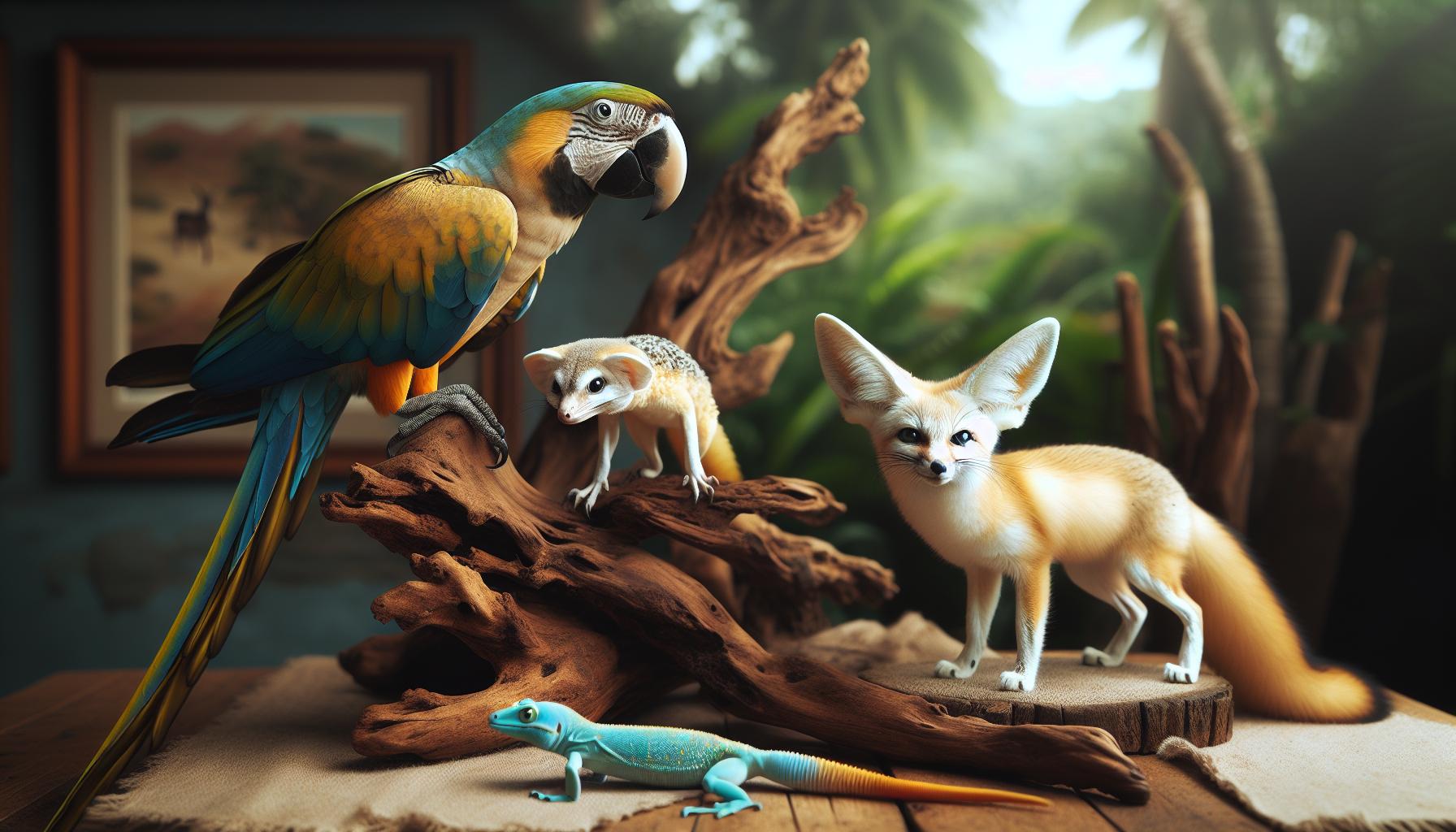
The Cost of Owning Exotic Animals: Initial and Ongoing Expenses
Owning an exotic pet can be a thrilling adventure, but it also requires a financial commitment that many new pet owners might overlook. When considering an exotic animal, it’s important to understand both the initial purchase costs and the ongoing expenses that will come with care. Depending on the species, these costs can vary dramatically, so let’s break down what you might expect when bringing an exotic companion into your home.
Initial expenses typically include the purchase price of the pet, which can range significantly. For example, a Kinkajou can cost anywhere from $1,500 to $4,000, while exotic reptiles like a Ball Python may cost around $100 to $300. Beyond the price of the animal itself, you’ll need to factor in the setup costs for their habitat. This includes items such as cages, tanks, bedding, and accessories, which can collectively add up to several hundred or even thousands of dollars, depending on the size and complexity required.
Ongoing Costs
Once you’ve settled your exotic pet in and made the initial investment, the ongoing expenses can be considerable. Regular veterinary care is crucial, as exotic pets often have specialized health needs. Ensure you budget for routine check-ups, vaccinations, and potential emergency care. For instance, annual veterinary visits can range from $100 to $500 or more, depending on the species and specific health needs.
Food and diet also represent a significant recurring cost. Many exotic animals require specialized diets that can be more expensive than traditional pet food. For example, a Serval may eat high-quality meat that could cost around $100 monthly, while fruit-eating animals like Kinkajous may require fresh fruits and vegetables that can also add up quickly. Additionally, consider costs for vitamins or supplements that might be necessary to ensure their health.
Additional Considerations
Don’t forget about the need for enrichment and socialization, especially for intelligent species. This might involve toys, climbing structures, or even regular outings, adding to your budget. Furthermore, certain species may require specific heating, lighting, or humidifying equipment to mimic their natural habitat, which can lead to higher utility bills.
In summary, while the allure of exotic pets is undeniable, potential owners must be prepared for the full financial picture. From the initial setup to ongoing care, understanding these costs will help ensure a rewarding and responsible ownership experience for both you and your exotic animal companion.
Feeding and Diet Requirements for Exotic Pets
Feeding exotic pets can be a fascinating journey, as their dietary needs often reflect their wild habitats and natural behaviors. For example, many exotic animals require diets that are not only nutritionally balanced but also mimic their food sources in the wild. This can range from the meat-based diet of a Serval to the fructivorous tendencies of Kinkajous, who thrive on fresh fruits and vegetables. Understanding these specific dietary requirements is vital for ensuring the health and well-being of your exotic companion.
Understanding Species-Specific Diets
Exotic pets like reptiles, mammals, and birds have very different nutritional needs. Here are a few examples:
- Kinkajous: These adorable, nocturnal mammals primarily consume fruits, and their diet should include a variety of soft fruits like bananas, mangos, and berries. They also need a mix of fresh vegetables and occasional protein sources, such as eggs or insects.
- Servals: As carnivorous hunters, Servals require a diet high in protein. This often includes whole prey items such as mice, rats, and even small birds. Providing a properly balanced diet that reflects their natural hunting style is crucial.
- Ball Pythons: These reptiles require a diet consisting primarily of rodents. Depending on the age and size of the python, they will need varying sizes of mice or rats, with adult pythons typically consuming larger prey every one to two weeks.
Key Nutritional Considerations
When feeding exotic pets, consider these general guidelines:
- Variety is Key: Just like humans, animals benefit from a diverse diet. Offering a mix of food types can help ensure they receive all necessary nutrients.
- Quality over Quantity: It’s essential to source high-quality foods, whether they are live, frozen, or commercially prepared diets. Ensure that any animal protein is specifically suited to the needs of your pet.
- Monitor Weight and Health: Regularly check your pet’s weight and overall health status. If you notice any changes, such as lethargy or unusual eating behaviors, consult with an exotic pet veterinarian.
Dietary Supplements and Enrichment
Many exotic pets also benefit from dietary supplements, such as vitamins or minerals, to support their health. Additionally, providing enrichment through foraging opportunities can stimulate their natural instincts. For instance, hiding food in their habitat can encourage them to search and hunt, mimicking their natural behavior.
Bringing an exotic pet into your home is undeniably rewarding, but it also comes with the responsibility of understanding their unique feeding needs. By offering a well-rounded diet and considering their nutritional requirements, you ensure a happy, healthy life for your exotic friend.
Creating a Suitable Habitat for Your Exotic Animals
Creating a comfortable and stimulating habitat for exotic pets is essential to their overall health and happiness. Just as our homes provide us with safety and comfort, your exotic animal needs an environment that reflects its natural habitat. For instance, a tortoise thrives in a dry, warm setup with ample space for roaming, while a parrot enjoys a vibrant environment filled with perches, toys, and plenty of interaction.
H3: Understanding Habitat Needs
Different species have unique requirements, so it’s crucial to research what works best for your specific pet. For reptiles like snakes or lizards, a glass terrarium that mimics their native environment will help them feel secure and reduce stress. Consider factors like temperature control, humidity levels, and proper lighting. An aquatic setup is essential for fish or amphibians, and the equipment must maintain clean, filtered water within the right temperature range.
H3: Enrichment and Space Considerations
Beyond basic needs, creating an enriching environment is vital. Many exotic animals require mental stimulation and physical activity to prevent boredom and associated behavioral issues. For mammals like ferrets or small primates, tunnels, climbing structures, and toys can make their space feel dynamic and engaging. Moreover, it’s important to allow enough room for your pet to explore and exercise, as cramped quarters can lead to stress-related problems.
H3: Safety and Security
Always prioritize safety when designing your exotic pet’s habitat. Ensure that enclosures are escape-proof and can provide adequate protection from household dangers. For some animals, special considerations like escape-proof screens or secure locks are necessary. Be mindful of toxic plants and substances in your home, as many exotic pets are naturally curious and may ingest harmful items.
By creating a suitable habitat tailored to the needs of your exotic animal, you’re investing in their well-being and enriching both your lives together. Remember, the right environment not only meets their physical requirements but also plays a critical role in their behavioral health and happiness.
Health Care and Veterinary Needs for Exotic Pets
When it comes to caring for exotic pets, understanding their health care and veterinary needs is paramount. Just like traditional pets, exotic animals require regular check-ups and specific medical attention suited to their species. For instance, birds like parrots can suffer from common health issues such as feather plucking if they’re stressed or not kept in adequate living conditions. Regular visits to a veterinarian who specializes in exotic animals can help catch these behaviors early and ensure your feathered friend thrives.
Finding the Right Veterinarian
Not all veterinarians are equipped to handle exotic species. It’s crucial to find a vet who specializes in exotic animal care for tailored advice and treatment. Look for veterinarians who have experience with reptiles, birds, small mammals, or whatever exotic pet you plan to own. They can provide vaccinations, routine wellness exams, and essential advice on diet and habitat to maintain your pet’s health.
Common Health Concerns
Every type of exotic pet comes with unique health risks or concerns. For example:
- Reptiles: These creatures are prone to metabolic bone disease, which is often caused by low calcium intake and inadequate UV lighting.
- Small Mammals: Conditions such as dental disease in rabbits and guinea pigs can lead to serious complications if not monitored.
- Birds: Respiratory diseases are common in birds, often linked to poor air quality or exposure to toxic fumes.
Being informed about the specific needs and potential health risks associated with your exotic pet will empower you as an owner and enhance your pet’s quality of life.
Preventive Care
Routine care shouldn’t just be reactive; it should also be proactive. Regular preventive care is critical. This may include:
- Vaccinations
- Parasite control
- Routine blood tests
For example, many reptiles require vitamin supplementation to prevent deficiencies, while specific bird species thrive on a varied diet that mimics their natural feeding habits. By adhering to a preventive care schedule and staying educated on your pet’s specific requirements, you can significantly reduce the risk of serious health issues.
Overall, investing time and resources into your exotic pet’s health care not only prolongs their life but also enhances the bond you share. Seeing your pet vibrant and active is one of the many joys of responsible pet ownership.
Responsible Ownership: Ethical Considerations and Conservation
Owning an exotic pet can be a thrilling experience that offers unique companionship, but it also comes with serious responsibilities. It’s vital to understand that responsible ownership extends beyond just fulfilling basic care needs. Ethical considerations and conservation efforts should be at the forefront of any decision when considering an exotic animal as a pet. Many exotic species are imperiled in their natural habitats due to poaching and habitat destruction, making it crucial for potential owners to seek animals sourced ethically from reputable breeders or rescue organizations rather than from the wild.
One impactful aspect of responsible ownership is the commitment to education. Prospective owners should thoroughly research the specific requirements of the exotic animals they are interested in. For instance, reptiles may require specialized lighting and temperature controls to thrive, while birds often need social interaction and mental stimulation. Understanding these nuanced needs not only enhances the quality of life for the pet but also aligns with ethical ownership practices. An informed owner can ensure that their pet is not just surviving, but actually thriving, in their environment.
Another critical ethical consideration is the impact of pet ownership on conservation. Many exotic animals kept as pets are threatened or endangered in the wild, raising questions about the sustainability of their capture and trade. Engaging with conservation initiatives-whether through participating in local wildlife protection efforts or supporting organizations dedicated to the preservation of species-can contribute positively to the welfare of these animals beyond your home. Making conscientious choices, like adopting from shelters or supporting responsible breeding programs, fosters a broader culture of conservation while also promoting humane treatment of animals.
Ultimately, embracing exotic pet ownership means becoming an advocate for the respect and preservation of wildlife. By prioritizing ethical considerations and engaging with conservation efforts, exotic pet owners can ensure their passion for unique animals translates into actions that benefit both their pets and the larger ecosystem. This harmonious balance enriches the lives of both people and animals, promoting a more sustainable and respectful relationship with the natural world.
Resources for Exotic Pet Owners: Communities and Support
Owning an exotic pet is an adventure that connects you to the amazing diversity of wildlife on our planet. However, it can be daunting to navigate the landscape of care, support, and community that accompanies this unique experience. Fortunately, there are numerous resources available to help both novice and seasoned exotic pet owners alike. Joining these communities not only enhances your knowledge but also offers a network of support that shares your passion for these fascinating animals.
One of the best starting points for potential exotic pet owners is local or online communities. Websites dedicated to exotic animals, such as forums and social media groups, create spaces for sharing tips and experiences. These platforms often feature discussions on specific species, allowing you to gain insights into care routines, dietary needs, and behavioral traits. Connecting with other owners can also provide a valuable perspective when it comes to finding trustworthy breeders or rescue organizations.
Keep an eye out for dedicated events, such as reptile expos or bird fairs, which can be great opportunities to learn more and meet other exotic pet enthusiasts. Many of these events offer educational seminars led by experienced pet owners and veterinarians. Engaging with these knowledgeable individuals can help deepen your understanding of the responsibilities involved in exotic pet ownership.
For practical information, consider checking out reputable websites focused on exotic pet care. Many organizations provide detailed care guides, species-specific advice, and discussion boards. Some well-known resources include the Exotic Animal Care Association and the Association of Zoos and Aquariums, which often have educational materials available to the public. Additionally, local veterinarians specializing in exotic animals are invaluable resources for health care and wellness.
Lastly, volunteering with wildlife conservation groups can be both rewarding and educational, providing hands-on experience with exotic animals while promoting ethical practices. Many organizations focus on rehabilitation and education, allowing you to contribute positively and learn about conservation efforts.
By tapping into these communities and resources, you can become a more informed and responsible exotic pet owner. Embrace the journey with an open heart and a curious mind-your exotic friends will thank you for it!
Frequently Asked Questions
Q: What types of exotic animals are commonly kept as pets legally?
A: Common legal exotic pets include *ferrets, hedgehogs, sugar gliders, and some reptiles like ball pythons and bearded dragons.* Always check local regulations, as laws vary by state or region, and some species may require special permits.
Q: How can I check if an exotic animal is legal to own in my area?
A: To verify if an exotic animal is legal to own, consult your *local wildlife agency or municipal ordinances.* Many areas have specific lists of approved pets, and contacting local authorities can provide clarity on regulations for exotic animals.
Q: What should I consider before getting an exotic pet?
A: Consider the *animal’s natural behaviors, habitat needs, and diet.* Additionally, reflect on your ability to provide a long-term commitment, as many exotic pets live for several years, and be prepared for any legal or ethical challenges.
Q: Are there any specific permits required for owning exotic animals?
A: In many jurisdictions, owning exotic animals may require *special permits or licenses.* Research your state’s wildlife agency guidelines to understand what is necessary for the species you wish to own.
Q: What are the common challenges of owning exotic pets compared to traditional pets?
A: Exotic pets often require more *specialized care and knowledge* than traditional pets. They may need specific diets, complex habitats, and unique veterinary care, which can be more challenging for owners who are less familiar with their needs.
Q: What are some unusual exotic pets that are legal to own?
A: Unusual legal exotic pets can include *capybaras, skunks, and kinkajous.* These animals have unique care needs and behaviors, so thorough research is essential before considering them as pets.
Q: Where can I find resources or communities for exotic pet owners?
A: Online forums, social media groups, and local exotic animal clubs are great resources for finding *support and advice from experienced exotic pet owners.* Websites like the [American Association of Zoo Keepers](https://aazk.org/) also offer valuable insights.
Q: How does the cost of owning an exotic animal compare to traditional pets?
A: The cost of owning an exotic animal can often be higher than that of traditional pets due to *specialized diets, habitats, and veterinary care.* It’s crucial to budget for both initial expenses and ongoing care to ensure you can meet their needs responsibly.
In Summary
Owning an exotic animal is an incredible journey that comes with great responsibility. From understanding their specific care needs to ensuring you’re compliant with local laws, being an informed owner is essential. If you’re considering adding a unique creature to your family, don’t rush-take the time to research and explore the habitats and behaviors of these fascinating animals. For more detailed insights, check out our guides on caring for specific exotic pets and the legalities surrounding them.
Don’t forget to subscribe to our newsletter for updates on exotic animal ownership tips, or join our community forum to share experiences and ask questions. Your adventure in exotic pet ownership is just beginning, and there’s a wealth of information waiting for you! Ready to dive deeper? Explore our articles on the most popular exotic pets and their care routines, and stay informed as you embark on this rewarding responsibility.
Get our latest guides, news, and insights highlighted in your Google Search & AI Overviews.