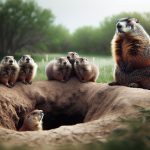
Did you know that the Utah prairie dog plays a crucial role in its ecosystem, serving as a vital food source for various predators and helping to aerate the soil? Unfortunately, this charming little creature is currently endangered, primarily due to habitat loss and human expansion. Understanding the challenges faced by the Utah prairie dog is essential, not just for conservationists but for anyone who cares about biodiversity. As we delve into why this species is in peril, we’ll explore the intricate connections between their well-being, the environment, and even our daily lives. So, let’s uncover the story of the Utah prairie dog and discover how we can contribute to their conservation and ensure their survival for generations to come.
Understanding the Utah Prairie Dog’s Habitat and Behavior
The Utah prairie dog is a fascinating creature, known for its social behavior and unique habitat. These small, burrowing mammals primarily inhabit the grasslands and open plains of Utah, where they create complex networks of underground tunnels and colonies. They rely on these burrows for shelter and to evade predators, such as coyotes and hawks. One of the most captivating aspects of their behavior is their social structure; these prairie dogs live in colonies called “coteries,” which can include multiple families and feature cooperative care among members.
In their natural habitat, Utah prairie dogs prefer areas with rich soil and abundant vegetation, which provide ample food sources like grasses, herbs, and roots. They are particularly adept at managing their environment, often maintaining the soil health and promoting the growth of certain plant species through their burrowing activities. Their adaptations to their surroundings allow them to thrive in communities, often engaging in playful interactions and vocal communications that strengthen social bonds.
However, these charming creatures face numerous challenges, especially habitat loss driven by urban development and agricultural expansion. The destruction of their natural habitats not only limits their living space but also reduces the availability of food and contributes to increased mortality rates from exposure. Understanding these dynamics is crucial in appreciating their role in the ecosystem and the urgency of conservation efforts aimed at protecting the Utah prairie dog and its habitat. By fostering awareness and promoting responsible land use practices, we can help secure a future for these unique mammals.
The Role of Habitat Loss in Endangerment
Many of us know that habitat loss significantly threatens wildlife, but the plight of the Utah prairie dog brings this issue into sharper focus. These small mammals thrive in expansive grasslands, where they dig complex systems of burrows that serve as homes and shelters. However, urban development, agricultural practices, and land use changes have severely encroached upon their habitats. As towns expand and farming operations increase, these creatures lose their homes, leading to a decline in their populations.
The ramifications of habitat loss extend beyond just the reduction in living space. As prairie dogs are herbivores that play an essential role in their ecosystem, the destruction of their grassland habitats disrupts not only their lives but also the intricate web of life around them. These burrowing animals promote soil health and stimulate the growth of various plant species, which in turn supports a diverse array of wildlife. Without their presence, the grassy ecosystems of Utah can suffer, affecting everything from soil quality to the survival of other species that depend on this habitat.
To combat this pressing issue, awareness is critical. Understanding the connection between land use and the survival of the Utah prairie dog can help foster more ecologically responsible decisions. Residents and local governments can adopt practices that minimize the impact on these animals and their habitats. Solutions include creating protected areas, promoting sustainable land use policies, and engaging in community education programs about the importance of preserving the natural habitat for prairie dogs. With concerted effort and commitment, it’s possible to help stabilize their populations and maintain the ecological balance of their native regions, ensuring that these charming creatures remain a vibrant part of Utah’s landscape.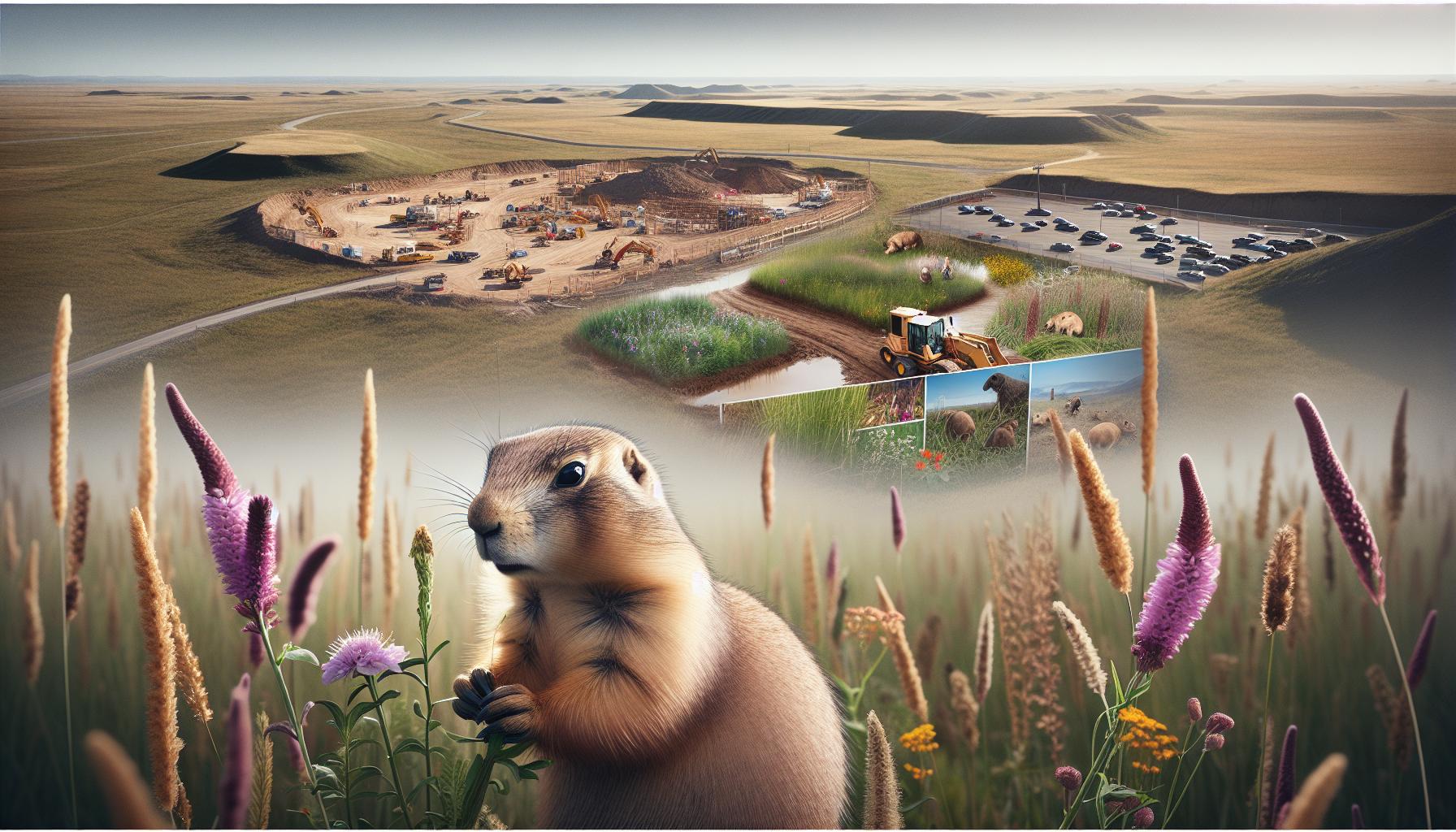
Threats to the Utah Prairie Dog Population
The Utah prairie dog, with its endearing burrowing behavior and social structures, faces a precarious future. One of the primary threats to its population is habitat loss, driven by human activities that reshape the landscape. Urban expansion, agricultural development, and land management practices encroach on their native grasslands, reducing their habitat and forcing these rodents into smaller, isolated patches. Such fragmentation not only limits their living space but also diminishes genetic diversity, making the population more susceptible to disease and environmental changes.
Additionally, the Utah prairie dog is vulnerable to predation from a variety of animals, including coyotes and hawks. As their habitats shrink, the available refuge spots for these small mammals decrease, increasing their exposure to predators. Moreover, suburban areas often bring domestic pets into the equation, leading to higher mortality rates among prairie dog populations. Chemical exposure from agricultural practices also poses a significant risk, as pesticide use can lead to toxic effects on these animals and their burrow-sheltered young.
Another critical factor is the misperception surrounding the prairie dog’s role in the ecosystem, often seen solely as a pest. This mislabeling can lead to policies that encourage extermination rather than conservation. Public education is essential in reshaping attitudes and fostering a sense of stewardship for the prairie dog and its habitat. Supporting local conservation initiatives, advocating for protective legislation, and engaging in community awareness programs are meaningful ways to contribute towards mitigating these threats.
In sum, the Utah prairie dog faces multifaceted challenges that require active engagement and informed action from both individuals and community organizations. Understanding these threats allows us to devise effective strategies for conservation and to appreciate the vital role these charismatic creatures play in maintaining the ecological balance of their native grasslands. By working together, we can ensure a brighter future for the Utah prairie dog and the rich biodiversity it supports.
Conservation Efforts: What’s Being Done?
The plight of the Utah prairie dog has sparked a variety of conservation efforts aimed at preserving this unique species. Standing out for its fascinating social structure and critical role in the ecosystem, the Utah prairie dog is also listed as a threatened species under the Endangered Species Act. This designation has led to a concerted push by environmental groups, state agencies, and local communities to enhance conservation initiatives and stimulate population recovery.
One of the primary strategies being implemented is habitat conservation. Organizations are actively working to protect existing prairie dog colonies and restore degraded habitats. For example, creating protected areas within the range of the Utah prairie dog allows for the establishment of safe zones where the species can thrive without the interference of urban development or agricultural expansion. Additionally, habitat improvement projects that involve reseeding native grasses and managing invasive species help to bolster food sources and living conditions for these charming rodents.
Community involvement plays a pivotal role in conservation success. Educational programs are underway to raise awareness about the importance of prairie dogs in the ecosystem. By correcting misconceptions that label them as agricultural nuisances, these initiatives encourage local residents to adopt a more positive view of prairie dogs, promoting coexistence rather than conflict. Urban planners and land managers are increasingly incorporating prairie dog considerations into development plans, which helps safeguard their habitats amidst growing human expansion.
Moreover, collaborative research efforts are helping to monitor Utah prairie dog populations and understand their needs better. Studies focusing on genetics and behavior are essential for implementing effective management strategies. This research aids in identifying critical habitats, understanding predator-prey dynamics, and assessing environmental impacts, all of which inform future conservation actions. Through these collective efforts, there is hope for stabilizing and potentially increasing Utah prairie dog numbers, ensuring that future generations can enjoy the sight of these lively creatures in their natural landscape.
The Importance of Utah Prairie Dogs in the Ecosystem
Utah prairie dogs might be small, but their impact on their ecosystem is monumental. These lively creatures are not just amusing to watch; they play a crucial role in maintaining the health of their grassland habitats. By digging extensive burrow systems, they aerate the soil, which promotes the growth of grasses and other plants. This activity helps to prevent erosion and enhances the nutrient cycle, allowing diverse flora to flourish.
Moreover, the burrows of Utah prairie dogs create microhabitats for many other species. Numerous animals, including foxes, badgers, and various birds, use these tunnels for shelter and as hunting grounds. Even smaller critters benefit; insects thrive in the varying microclimates around a prairie dog colony, adding to the area’s biodiversity. Without these little engineers, the landscape would change dramatically, potentially leading to a decline in species that rely on these habitats.
In addition to their physical contributions, Utah prairie dogs also influence the ecosystem through their social dynamics. Their colonies exhibit a complex social structure that has been shown to increase resilience among populations. Prairie dogs communicate through a series of vocalizations and body language, fostering a sense of community. This social behavior not only helps them warn each other of predators but also supports group dynamics that can stabilize their populations.
Healthy prairie dog populations are thus vital for the overall ecological balance in their environments. As they dig and interact within their habitats, they create a vibrant tapestry of life that benefits the ecosystem as a whole. For conservationists and wildlife enthusiasts alike, understanding the significance of Utah prairie dogs is essential in the fight to protect them and the ecosystems they support.
How Climate Change Affects Utah Prairie Dogs
The Utah prairie dog, a small but significant player in its ecosystem, faces an intricate web of challenges posed by climate change. As temperatures rise and weather patterns become increasingly erratic, these furry residents of the grasslands find themselves in a precarious situation. Climate change impacts not just their survival but also the delicate balance of the habitats they help sustain.
One of the most pressing issues is the alteration of their habitat due to shifting climate zones. As temperatures soar, the regions suitable for prairie dog colonies might migrate, pushing them into less optimal environments. This shift can lead to difficulties in finding suitable soil for burrowing, essential for their homes. Additionally, changing precipitation patterns can result in periods of drought or flooding, further destabilizing their delicate ecosystems. Shorter or less reliable growing seasons affect the availability of grasses and plants, which are crucial food sources for these animals.
Habitat Fragmentation and Increased Predation
As humans continue to expand into prairie dog territories, habitat fragmentation exacerbates the threat posed by climate change. Connectivity between colonies is essential for breeding and genetic diversity. When climate change-induced stressors fragment their habitats, it limits their movement and the ability to form new colonies. Furthermore, prolonged dry spells can increase the likelihood of prairie dog colonies coming under threat from predators like coyotes and hawks, as the reduced foliage provides less cover.
Importance of Community Awareness
Educating communities about the impact of climate change on Utah prairie dogs is essential. Outdoor enthusiasts, wildlife watchers, and local residents can play a crucial role in conservation efforts. By participating in habitat restoration projects and advocating for sustainable land use policies, individuals can support the health of prairie ecosystems. Simple actions, such as properly disposing of waste and minimizing disturbances in prairie dog habitats, can significantly contribute to their survival.
In essence, while the Utah prairie dog faces daunting challenges due to climate change, understanding these impacts and promoting local conservation initiatives can make a difference. By recognizing these furry ecologists for the roles they play and the threats they face, we can help foster a healthier environment for both prairie dogs and the myriad species that depend on their well-being.
Success Stories: Conservation in Action
The remarkable resilience of the Utah prairie dog has shone through in several inspiring conservation success stories that highlight community engagement and scientific efforts. These charming rodents, known for their complex social structures and significant ecological roles, have faced a precarious future due to habitat loss and other threats. However, dedicated initiatives have sparked hope for their survival, showcasing just how impactful collective action can be.
In Utah, organizations like the Utah Division of Wildlife Resources (UDWR) and various conservation groups have been pivotal in recovery efforts. One notable project involved habitat restoration in areas previously affected by agricultural development. By reintroducing native grasses and removing invasive species, these efforts have revitalized prairie dog habitats, making them more suitable for colonies to thrive. Additionally, community volunteers have played a vital role, participating in planting events and learning about the ecological importance of these animals. This grassroots involvement not only enhances local ecosystems but also fosters a sense of stewardship among residents.
Another successful approach has been the creation of prairie dog conservation zones. These specially designated areas help mitigate human-wildlife conflict, allowing prairie dogs to flourish without encroachment from development. Conservationists worked closely with landowners to establish “Prairie Dog Compensation Plans,” which incentivize protection and management of prairie dog colonies. By compensating landowners for any potential economic loss, these plans encourage habitat preservation instead of eradication.
Furthermore, public education campaigns have raised awareness of the prairie dog’s importance in maintaining the health of grassland ecosystems. From their role in aerating the soil to serving as prey for endangered species like the black-footed ferret, the prairie dog is a cornerstone of its habitat. Educational programs in schools and community events have helped shift public perception, turning potential adversaries into enthusiastic allies in conservation efforts.
By sharing these stories of hope and success, we can inspire further action and advocacy. Every little effort counts, whether it’s participating in local conservation programs or simply spreading the word about the importance of protecting this unique species. The journey of the Utah prairie dog illustrates that with commitment and collaboration, meaningful change is not only possible-it’s already happening.
Public Perception and the Utah Prairie Dog
Despite their small size, Utah prairie dogs have a significant impact on their ecosystem and face substantial challenges in public perception. Often seen as pests by some landowners due to their burrowing habits, these social creatures are essential for the health of grassland habitats. Their complex burrow systems help aerate the soil, promote plant growth, and provide shelter for countless other species, from insects to larger mammals.
However, shifting the narrative about these animals is crucial for their conservation. Community engagement initiatives have proven effective in changing how people view prairie dogs. Educational programs that explain their ecological contributions and showcase their behaviors-such as their playful interactions and social structures-have slowly begun to alter the public’s perception. Local events, like “Prairie Dog Days,” offer fun, informative experiences that celebrate these animals, making them relatable and endearing rather than nuisances.
Moreover, the involvement of conservation organizations plays a pivotal role. By actively working with landowners to implement Prairie Dog Compensation Plans, these groups help mitigate concerns over economic impacts. Through financial incentives, landowners can feel more inclined to protect prairie dog colonies instead of eradicating them. Success stories from local farmers who have seen the ecological benefits of maintaining prairie dog populations further bolster support for conservation efforts, demonstrating that coexistence is possible.
In summary, fostering a positive public perception of the Utah prairie dog is essential for its survival. With ongoing education, community involvement, and the collaboration of conservation efforts, there’s hope that these remarkable rodents will be celebrated not just for their quirky nature but also for their vital role in maintaining a healthy ecosystem. By championing these creatures, we can all play a part in ensuring their preservation for generations to come.
How You Can Help: Participating in Conservation
While Utah prairie dogs may seem like small, burrowing rodents, they play a critical role in their ecosystems, and supporting their conservation can be both rewarding and impactful. If you’re looking to contribute to the preservation of these fascinating creatures, there are several ways you can get involved.
One of the simplest steps is to educate yourself and others about the importance of Utah prairie dogs. Share your knowledge with friends and family, highlighting their role in soil aeration, plant growth, and providing habitats for other wildlife. Consider organizing or participating in local educational programs or workshops that aim to inform the public about prairie dogs. Museums, wildlife centers, and universities often host lectures and events focused on local wildlife, which can be wonderful platforms for advocacy.
Volunteer Opportunities
Many conservation organizations are dedicated to protecting prairie dogs and their habitats. Volunteering for local wildlife organizations can be a fulfilling way to make a difference. Tasks may include habitat restoration, fundraising for conservation efforts, or assisting with educational programs. Websites like Utah Prairie Dog Coalition provide resources and volunteer opportunities for those eager to partake in hands-on efforts.
Support Local Conservation Initiatives
Participating in initiatives that focus on the protection of prairie dogs is crucial. Attend events like “Prairie Dog Days” where community members come together to celebrate and learn about these animals. Also, consider supporting policies and legislation that promote wildlife-friendly practices and habitat conservation. Contacting local government representatives to express your concerns and suggestions can drive change.
Be Mindful of Land Use
If you live near prairie dog habitats, practicing responsible land use is essential. Avoid activities that could disrupt their burrows, such as excessive landscaping or development. Collaborate with neighbors to create a buffer zone around prairie dog colonies, which allows them to thrive while reducing conflicts with human activities.
By engaging in these actions, you not only help the Utah prairie dogs but also contribute to the health of the entire ecosystem where they reside. Whether it’s through volunteering, spreading awareness, or adopting sustainable land practices, every effort counts toward ensuring that these unique rodents can flourish for generations to come.
Challenges Facing Utah Prairie Dog Recovery
The Utah prairie dog, a fascinating and vital member of the ecosystem, faces numerous challenges that hinder its recovery and conservation. One of the primary hurdles is habitat loss, caused by urban development and agricultural expansion. As cities grow and farmland is cultivated, the native grasslands essential for prairie dogs to thrive are increasingly fragmented. This not only decreases their available habitat but also isolates populations, making it difficult for them to breed and recover. The establishment of highways and other infrastructure can further disrupt their movements, creating barriers that limit genetic diversity and increase the risks of local extinction.
Another substantial challenge is disease. Prairie dogs are particularly susceptible to sylvatic plague, a disease caused by a bacterium that can decimate entire colonies in a short period. The spread of this disease can be exacerbated by environmental changes, such as variations in climate that influence rodent population dynamics and the presence of fleas, which are vectors for the plague. Consequently, effective management strategies must include monitoring and responding to outbreaks, which can be resource-intensive for conservationists.
Moreover, public perception plays a critical role in the conservation efforts for Utah prairie dogs. Many people view them as pests due to their burrowing habits, which can impact agricultural lands and affect livestock. This perception can lead to negative attitudes, resulting in calls for culling or other harmful management strategies. Educational outreach is essential to shift this narrative, demonstrating the ecological importance of prairie dogs in enhancing soil quality and providing habitat for many other species.
In addition to these challenges, climate change poses an overarching threat. Alterations in weather patterns can affect food availability and breeding cycles, further stressing prairie dog populations already grappling with habitat disruption and disease. Conservationists are faced with the daunting task of addressing these multifaceted issues simultaneously to create a viable future for the Utah prairie dog and its habitats.
Collectively, these challenges underscore the necessity for comprehensive conservation strategies that address habitat preservation, disease management, public education, and climate resilience. Engaging local communities and stakeholders can foster a greater understanding of the importance of prairie dogs, ultimately supporting the broader ecosystem in which they play such a crucial role. By working together, it is possible to overcome these obstacles and ensure the survival of the Utah prairie dog for generations to come.
Future Outlook: Can We Save the Utah Prairie Dog?
The survival of the Utah prairie dog hangs in the balance, making the future of this charming critter both precarious and hopeful. With dedicated conservation efforts, there is a path forward that could lead to an increase in their population and the health of their habitats. The challenge is not just saving a single species but nurturing the web of life it supports. As keystone species, prairie dogs play a crucial role in maintaining the grassland ecosystem by creating burrows that improve soil aeration and water infiltration.
A multifaceted approach is essential in addressing the threats faced by Utah prairie dogs. Firstly, habitat restoration and preservation initiatives can provide secure environments where these animals can thrive. This includes working with landowners to establish prairie dog colonies in less intrusive areas, helping to mitigate the effects of urban sprawl and agriculture. Involving communities in conservation efforts promotes understanding and encourages local stewardship, ensuring that residents appreciate the ecological roles prairie dogs play.
The role of education cannot be emphasized enough. Many people perceive prairie dogs as pests, which hampers conservation initiatives. Outreach programs that share the ecological benefits of prairie dogs can shift public perception from viewing them as nuisances to recognizing their importance in the ecosystem. Furthermore, successful conservation stories, such as the establishment of protected areas and improved management strategies, reveal that recovery is possible. These programs often celebrate successes in population growth and habitat stabilization, inspiring further efforts.
Climate change is an ever-looming threat, making adaptive strategies even more critical. Conservationists are exploring ways to equip prairie dogs to handle shifting climatic conditions, such as planting drought-resistant grasses that can provide food even in tough times. The integration of sustained research and monitoring allows for timely adjustment of practices based on changing environmental conditions.
By fostering collaborative efforts among scientists, policymakers, and the public, we can create a robust support system that nurtures the survival of the Utah prairie dog. Practical actions, such as participating in local conservation groups, volunteering for habitat restoration projects, or supporting legislation that protects prairie dogs, empower individuals to contribute meaningfully. With determination and community engagement, saving the Utah prairie dog for future generations is a feasible and vital endeavor.
Faq
Q: What factors contribute to the endangerment of the Utah Prairie Dog?
A: The Utah Prairie Dog is endangered primarily due to habitat loss, disease outbreaks, and competition with agricultural expansion. Urban development and land use changes have significantly reduced their natural habitat, impacting their population further.
Q: How does habitat loss affect the Utah Prairie Dog population?
A: Habitat loss leads to decreased living space and food sources for Utah Prairie Dogs, making it difficult for populations to thrive. This disruption can cause fragmentation of colonies, ultimately threatening their survival due to limited genetic diversity and increased vulnerability to predators.
Q: What conservation status is the Utah Prairie Dog currently under?
A: The Utah Prairie Dog is classified as a threatened species under the Endangered Species Act. This designation reflects concerns about its declining population and habitat reduction, prompting conservation efforts aimed at recovery and protection.
Q: How do disease outbreaks impact Utah Prairie Dog populations?
A: Disease outbreaks, particularly sylvatic plague, have devastating effects on Utah Prairie Dog populations. These diseases can cause sudden and severe declines, making individuals more susceptible and further complicating conservation efforts.
Q: What is being done to conserve the Utah Prairie Dog?
A: Conservation efforts include habitat restoration, protective regulations, and community engagement in monitoring and fostering healthy populations. Organizations collaborate with local stakeholders to implement species recovery plans, promoting coexistence and habitat preservation.
Q: What role do Utah Prairie Dogs play in their ecosystem?
A: Utah Prairie Dogs play a crucial role in their ecosystem by aerating the soil and providing food for predators. As a keystone species, their burrowing activities help maintain grassland health, which benefits various other species, illustrating their ecological importance.
Q: How can individuals help with Utah Prairie Dog conservation?
A: Individuals can help through awareness and advocacy, participating in local conservation programs, and supporting legislation aimed at protecting these animals. Educating others about their importance fosters a supportive community for Utah Prairie Dog recovery efforts.
Q: What are the future prospects for the Utah Prairie Dog?
A: The future of the Utah Prairie Dog depends on ongoing conservation efforts and public support. With effective habitat management and disease control strategies, there is hope for population recovery, but challenges remain in securing sustainable ecosystems for their survival.
Concluding Remarks
Understanding the precarious status of the Utah Prairie Dog highlights not only its unique role in our ecosystem but also our responsibility to protect it. With habitat loss and disease threatening their survival, your voice can make a difference. Act now by supporting conservation efforts at local wildlife organizations or participating in awareness campaigns. Interested in learning more about how you can help? Check out our articles on wildlife preservation and the impact of urban development on native species.
As you explore this vital topic, don’t miss our guide on other endangered species in Utah and the best practices for conservation. Subscribe to our newsletter for updates on wildlife initiatives, and join the conversation below-share your thoughts, questions, or experiences regarding prairie dog conservation. Together, we can foster a greater appreciation for these remarkable animals and ensure their protection for generations to come.
Get our latest guides, news, and insights highlighted in your Google Search & AI Overviews.