Have you ever wondered why prairie dogs share a name with our canine companions? Despite being cute, burrowing rodents, their distinctive moniker stems from a fascinating mix of sound and habitat. Early settlers noted the prairie dog’s bark-like call and associated it with dogs, creating a name that has stuck for centuries. This quirky connection highlights not just the animal’s vocalizations but also its sociable nature and the unique role it plays in the ecosystem of North America’s grasslands. Understanding the origins of the prairie dog’s name enriches our appreciation of these creatures and emphasizes the importance of conserving their prairie homes. Join us as we dive deeper into the captivating story behind the prairie dog’s name and what it reveals about this intriguing species.
The Fascinating Name: Prairie Dog Origins
The name “prairie dog” stands out as an intriguing misnomer for these sociable and bustling little creatures. First, imagine spotting them in their natural habitat – the vast, open grasslands of North America, where they contribute significantly to the ecosystem. The term “dog” originates from an early eyewitness description likening their bark to that of a small dog, which may explain why these lively creatures were named as such despite being rodents, not canines.
Prairie dogs belong to the family Sciuridae, also known as the squirrel family, and they share more traits with squirrels than with dogs. The “prairie” in their name highlights their habitat, predominantly found in the grasslands, also known as prairies, from Mexico up to Canada. This name encapsulates both their environment and the sounds they make, effectively capturing the essence of these unique animals. Prairie dogs are not just notable for their sounds; they are distinguished by their remarkable social structures and behaviors, with complex systems of communication that rivals those of many other animals.
Their colonies, often referred to as towns, can span vast areas, showcasing a highly organized social structure where individuals work together for safety – a feature that enhances their community dynamics. While many might assume the name reflects a direct relationship to dogs, it ultimately highlights how human observers interpret and label the fascinating behaviors and habitats of wildlife. Thus, the prairie dog’s name serves as a reminder of how language evolves alongside our understanding of nature, merging observation, sound, and geography into a single, memorable label.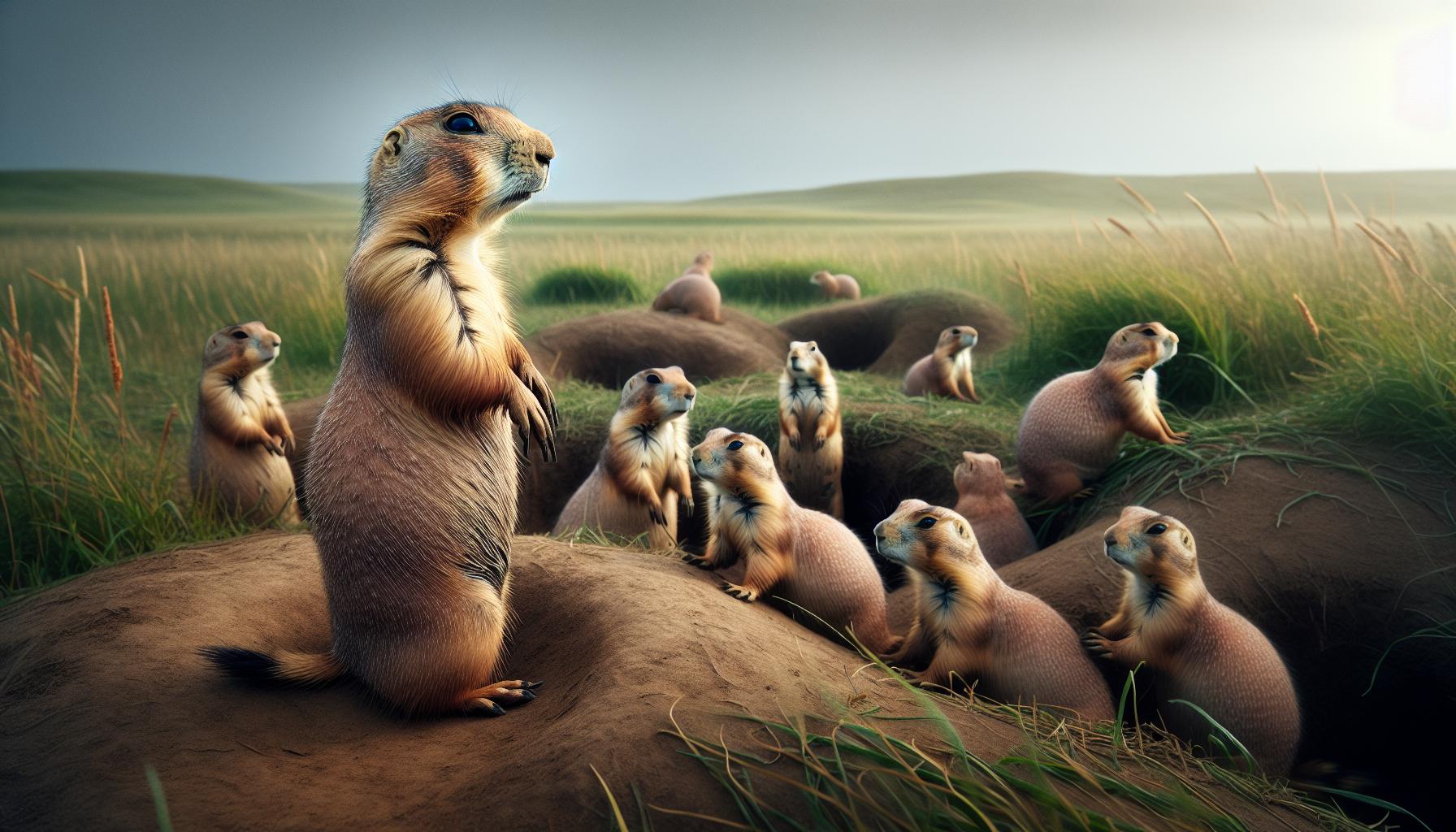
Understanding Prairie Dogs: What Are They?
Prairie dogs are fascinating creatures that combine the charm of social animals with the adaptability of rodents. Despite their canine-sounding name, they belong to the family Sciuridae, which is better known for encompassing squirrels. The most recognized species, the black-tailed prairie dog (Cynomys ludovicianus), ranges across the lush grasslands of North America, from the flat plains of Texas to the rising hills of Canada. This burrowing species is often seen darting across the open fields, their short legs carrying them quickly as they navigate their expansive colonies, commonly referred to as “towns.”
These towns can house thousands of individuals, which creates a bustling community rich in social interaction. Prairie dogs are renowned for their complex vocalizations, used to communicate a variety of messages, from alerts about predators to greetings among neighbors. Their vocalizations resemble the barks of small dogs, contributing to their unique name origins. Prairie dogs also engage in behaviors that showcase their strong sense of community, such as cooperative tunneling and sentinel duty-where one member stands guard while others forage. Such interactions exemplify their highly organized social structure and underline the necessity of teamwork for their survival.
Living predominantly in habitats characterized by short, mixed grasses, prairie dogs play crucial roles in their ecosystem. Their burrowing habits aerate the soil and help promote nutrient dispersal, benefiting numerous plants and animal species. This dynamic not only supports diverse wildlife, including predators like hawks and coyotes that depend on prairie dogs for food, but also enhances the overall health of the grassland ecosystem.
Understanding prairie dogs goes beyond mere curiosity; it touches upon the importance of protecting their habitats and the delicate balance of life they help maintain. As social animals facing challenges from habitat loss and other environmental pressures, they remind us of our responsibility towards wildlife conservation. By observing these delightful creatures, one can’t help but appreciate not just their role in nature, but also the charm they bring to the prairie landscape.
A Deep Dive into Prairie Dog Behavior
Prairie dogs are remarkable creatures, known for their intricate social structures and engaging behaviors that mirror those of more familiar pets, contributing to their endearing nickname. Much of their behavior revolves around sophisticated communication and community living, which showcases their intelligence and adaptability. Let’s delve deeper into what makes their behavior truly fascinating.
Among the most striking aspects of prairie dog behavior is their complex vocal system. These social rodents have developed a variety of sounds that carry distinct meanings, helping them alert others to potential dangers such as predators. Some studies suggest that their vocalizations can even convey specific details about the type of threat observed, similar to a language, and this nuance is likely what inspired early settlers to liken their calls to the barks of dogs. Moreover, these vocalizations serve as keys to navigate their tight-knit communities, reinforcing bonds among clan members.
In addition to their vocal talents, prairie dogs exhibit a range of social behaviors that enhance their survival. They practice cooperative breeding and communal care of young, with multiple adults participating in nurturing pups. This collaborative approach increases the offspring’s survival rate, which is vital in the wild. Operating in large colonies called towns, these prairie dogs also engage in a behavior known as sentinel duty, where one individual stands guard while others forage. The sentinel watches for danger and alerts the rest of the group, ensuring everyone stays safe.
Another fascinating aspect of their behavior is their use of “kissing” and grooming rituals, which help strengthen social bonds within the colony. This shows how social interaction plays a pivotal role in their lives, reinforcing cooperative structures that are essential for thriving in their grassland habitats. Such behaviors not only highlight the necessity of teamwork among prairie dogs but also reflect their rich social and emotional lives.
In understanding prairie dog behavior, we can appreciate not only their charm but also the vital roles they play in their ecosystems. Their social structures and interactions are a testament to the complexity of wildlife, challenging stereotypes about how “intelligent” an animal can be. Appreciating their unique ways enriches our overall understanding of animal behavior and reminds us of the intricate web of life that includes these fascinating creatures.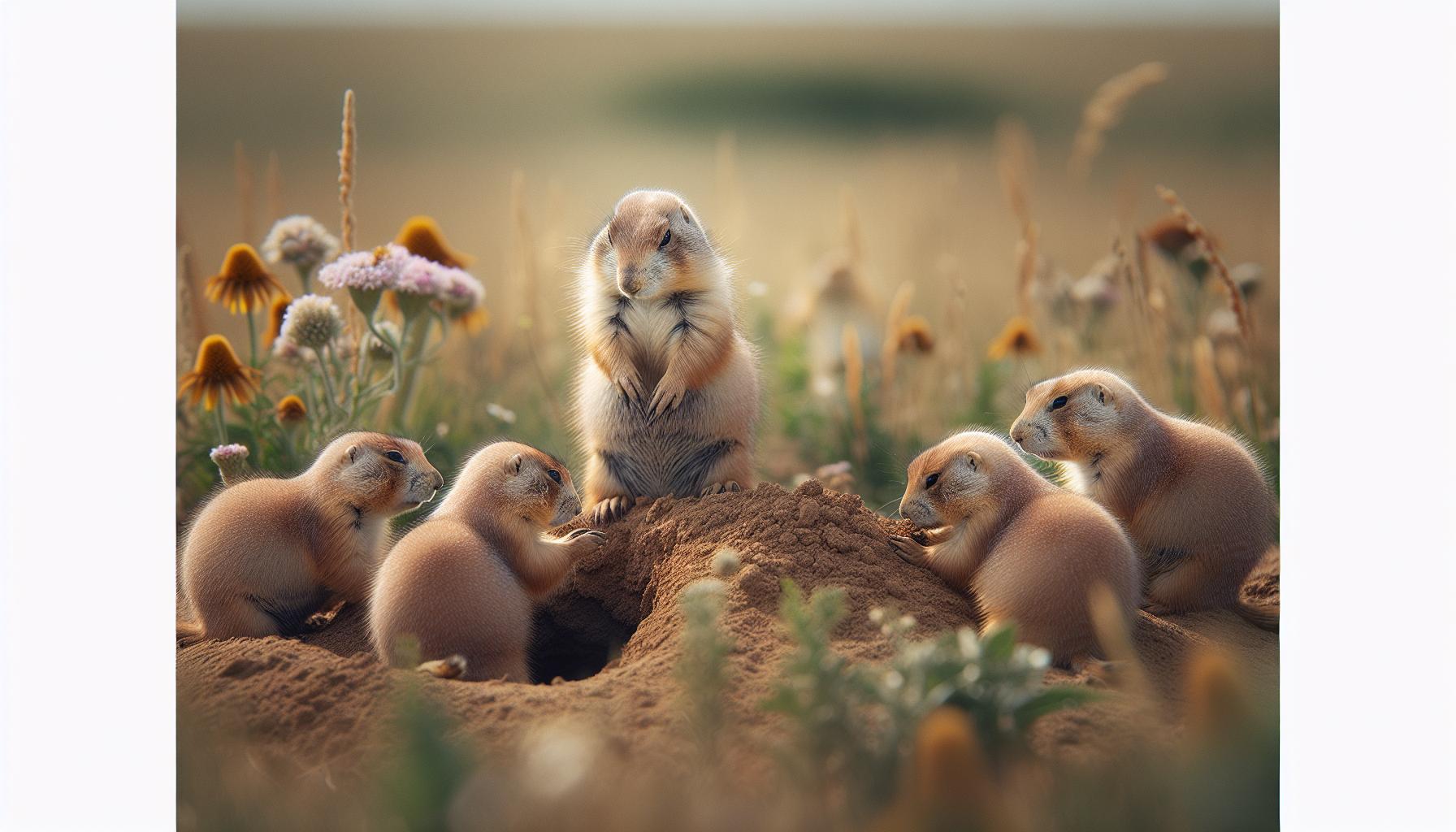
The Role of Prairie Dogs in Their Ecosystem
Prairie dogs are not just adorable furballs; they are keystone species critical to their ecosystems. Living in vast towns that can span hundreds of acres, they create complex burrow systems that provide shelter not only for themselves but for numerous other animals. This makes them integral players in maintaining the health of grassland habitats, supporting biodiversity and environmental balance.
By digging extensive networks of burrows, prairie dogs aerate the soil and enhance water infiltration. This process is vital as it helps prevent land degradation, promoting healthier grasslands that can support a variety of plant and animal species. The holes they create also provide shelter for smaller mammals, reptiles, and even birds like the burrowing owl, which nests in or near prairie dog colonies. Additionally, their presence influences the plant community by managing grass heights and creating disturbances that promote plant diversity.
Moreover, prairie dogs contribute to nutrient cycling in their ecosystems. Their foraging habits expose soil, which fosters new plant growth and enhances nutrient availability. As they consume grasses and other vegetation, their waste adds organic matter back into the soil, enriching it further. This dynamic not only supports prairie dogs but also provides sustenance for herbivores like bison and antelope that rely on healthy grasses for food.
In essence, the role of prairie dogs transcends their charming name and playful demeanor. They function as critical ecosystem engineers, influencing multiple levels of the food web and fostering a rich diversity of life in the ecosystems they inhabit. Understanding and appreciating their importance can motivate conservation efforts, ensuring these lively creatures continue to flourish and support their ecosystems for generations to come.
Language and Animals: How Names Evolve
The unique name “prairie dog” is a fascinating example of how human interactions with the natural world influence language and naming conventions. This name originated from early settlers in North America, who noticed that the vocalizations of these sociable rodents reminded them distinctly of barking dogs. The prairie dog’s characteristic yipping calls and their habitat on the open grassy plains-reminiscent of a ranch where dogs might roam-combined to create this memorable name.
Language often reflects the relationships between animals and people, showcasing how observations and cultural contexts shape our understanding of wildlife. In the case of the prairie dog, its name signifies more than just a whimsical title; it embodies the settlers’ experiences and perceptions of the animal. These furry creatures, social and vocal, live in extensive colonies, making their sounds an integral part of the prairie landscape and echoing through the wide open spaces where they thrive.
Moreover, the evolution of animal names like “prairie dog” can highlight our shifting perspectives on these creatures. Once viewed solely through the lens of their utility or annoyance to agriculture, prairie dogs are now recognized as vital components of their ecosystems. This change in perception is reflected in language as well, where terms once associated with pest control may gradually encompass a broader appreciation of an animal’s ecological role. In essence, understanding the origins of names like prairie dog not only connects us to history but also enriches our appreciation of biodiversity and conservation efforts today.
As you learn about prairie dogs, it’s essential to appreciate the richness behind their name and the linguistic history that mirrors our journey towards greater respect for all species sharing our planet. Celebrating the stories behind animal names enhances our understanding of ecology, encouraging curiosity and fostering connections with the natural world.
Cultural Perspectives: Prairie Dogs in Folklore
In various cultures, prairie dogs are not just seen as creatures of the plains; they embody deeper meanings and narratives that integrate them into folklore and traditional practices. The rich cultural perspectives surrounding these fascinating rodents provide insights into their significance beyond mere ecological roles. For instance, among the Lakota people, the black-tailed prairie dog (Cynomys ludovicianus) has historically been regarded as an important symbol in their medicine practices. Elder medicine men often consulted these animals, believing they possessed unique qualities that could aid in healing and spiritual guidance. This connection underscores how intertwined prairie dogs are with the cultural heritage of Native American tribes, illustrating a profound respect for the animal and its role in the environment.
Moreover, prairie dogs are often featured in storytelling and myths that highlight their social behavior and communal living. For example, many narratives emphasize their complex social structures, showcasing themes of cooperation and community-essential values in many cultures. This portrayal paints prairie dogs as not only integral to their ecosystems but also as embodiments of social harmony and mutual support within human societies. Their vocalizations, reminiscent of barking dogs, have captured the imagination of storytellers, leading to fables that reflect human experiences and relationships with nature.
Additionally, prairie dogs serve as a symbol of ecological health, embodying the interconnectedness of species within an environment. Folklore often weaves into narratives the importance of balance in nature, where the presence of prairie dogs indicates vibrant grassland ecosystems. This representation fosters a sense of responsibility toward conservation, reminding communities of the need to protect these valuable creatures and their habitats.
In celebrating prairie dogs through folklore, we also notice a shift in how they are perceived-from pests in agricultural settings to revered symbols of ecological vitality. This cultural evolution reinforces the idea that understanding animals like prairie dogs can deepen our connection to the natural world and inspire greater efforts toward conservation and responsible stewardship. Through stories and traditions, prairie dogs continue to teach us about the delicate balance of life in the prairie ecosystem.
Prairie Dogs vs. Other Rodents: What Sets Them Apart?
Prairie dogs are truly unique among the vast array of rodents, and their distinctive characteristics set them apart in the animal kingdom. First, let’s consider their social structure. Unlike many rodents that lead solitary lives, prairie dogs are highly social animals that live in colonies, often referred to as “towns.” These communal living arrangements showcase complex social interactions, complete with intricate burrow systems that serve not just as homes but as hubs of social activity. Prairie dog towns can span hundreds of acres and may house thousands of individuals, creating a vibrant community dynamic not seen in most other rodent species.
In terms of behavior, prairie dogs are known for their elaborate vocal communication. They have a surprisingly complex system of sounds that convey information about predators, food sources, and even social interactions. Researchers have noted that prairie dog calls can indicate the type of predator (like hawks or coyotes) and the level of threat, demonstrating a sophisticated understanding of their environment that surpasses the communication methods of many rodents. In comparison, most other rodent species have much simpler vocalizations, which often lack the intricate meanings of prairie dog communications.
When it comes to habitat, prairie dogs have adapted beautifully to the grasslands of North America, especially the Great Plains. Their burrows not only provide shelter but also play a crucial role in aerating the soil and promoting the health of grassland ecosystems. Many other rodents do not significantly influence their habitats, unlike prairie dogs, whose activities create a rich environment that supports other wildlife. Their burrows offer homes for a variety of other species, from rabbits to birds, highlighting their role as a keystone species in their ecosystem.
Finally, one of the most striking differences is their conservation status and the threats they face. While many rodent species are abundant and widespread, prairie dogs confront serious challenges due to habitat loss, disease, and poisoning campaigns aimed at agricultural pest control. This has led to a decline in prairie dog populations, impacting not only their own survival but also the numerous species that rely on them. Understanding these differences is vital for appreciating the ecological importance of prairie dogs and fostering a greater commitment to their conservation. As we observe these fascinating creatures in the wild, it is essential to recognize their unique place in the rodent family and the broader ecological tapestry.
Conservation Challenges Facing Prairie Dogs
The prairie dog, a charismatic creature of the grasslands, faces some formidable challenges in today’s world. Despite their essential role in the ecosystem, their populations are dwindling due to various human-induced factors. As sociable animals that thrive in large colonies, these small rodents are sometimes considered pests in agricultural settings, which has led to widespread control measures. Unfortunately, this has severe consequences not just for prairie dogs, but for the entire prairie ecosystem.
One of the primary threats to prairie dog populations is habitat loss, driven largely by urban development and agricultural expansion. As land is converted for farming or housing, the expansive burrow systems of prairie dogs are destroyed, leaving them with nowhere to go. This loss of habitat not only decreases their numbers but also disrupts the intricate social structures that these animals rely on. Prairie dog towns support a diverse array of wildlife, providing homes for species like ferrets, eagles, and falcons. Without prairie dogs, these predators and prey alike lose critical resources.
Disease also poses a significant risk, particularly outbreaks of sylvatic plague, which can devastate colonies. This flea-borne illness spreads rapidly among prairie dog towns, leading to high mortality rates. Conservationists emphasize the importance of developing immunity through strategic management practices, which can help in reducing the impact of such diseases on these communities.
Poisoning is another severe threat, often utilized by ranchers and farmers to eliminate prairie dogs deemed harmful to crops and livestock. These chemical control methods not only affect prairie dog populations but unintentionally harm other wildlife that rely on them for survival. When prairie dog towns are eradicated, the cascading effects impact numerous species, illustrating the critical interconnectedness of prairie ecosystems.
Ultimately, raising awareness about the ecological value of prairie dogs is crucial. By showcasing their role in soil aeration, water retention, and as a keystone species that supports biodiversity, we can foster a greater commitment to their conservation. Support from individuals and communities can lead to habitat protection initiatives and more humane coexistence strategies that allow prairie dogs to thrive while benefiting surrounding ecosystems.
Fun Facts About Prairie Dogs You Didn’t Know
Did you know that the name “prairie dog” actually has its roots in a bit of misinterpretation? Early European settlers, who were struck by the animals’ barking sounds, thought they resembled dogs-hence the name. However, prairie dogs are not canines; they belong to the rodent family and share more in common with squirrels than with the furry friends we have at home. These little guys are fascinating, not just for their name but for their unique behaviors and social structure!
These social creatures exist in sprawling communities called “towns,” which can span up to 100 acres or more. Within these towns, they create elaborate tunnel systems that can go as deep as three feet underground and stretch for over 20 feet in length. These burrows provide safety from predators and serve as a habitat for other wildlife, including owls and ferrets. Their complex social networks involve not just communal living but also behaviors that resemble those of primates, like grooming and cooperative care of young.
Another fun fact is that prairie dogs are quite the communicators! They utilize an elaborate system of vocalizations and body language to convey specific messages about predators, food, and other community happenings. They have distinct calls that can indicate the presence of different types of threats, allowing them to alert their town mates effectively. This sophisticated vocal system has made scientists refer to their communication as a form of “language,” highlighting their intelligence and social awareness.
Lastly, it’s interesting to note that aside from their role in the ecosystem as prey for larger mammals and birds of prey, prairie dogs contribute significantly to soil health. Their burrowing activities aerate the soil, enhance water infiltration, and promote plant growth. Given their keystone species status, protecting prairie dogs is essential for maintaining the health of the prairie ecosystems they inhabit, proving that these little “dogs” are far more important to their environment than one might initially think.
Understanding Prairie Dog Clans and Social Structure
Prairie dogs are not just named after their vocalizations; they’re also remarkable for their intricate social structures that resemble miniature cities alive with interaction. When you observe a colony, or what they call a “town,” you might be struck by how well these small rodents organize themselves. Towns can host hundreds of individuals and stretch for miles, with each prairie dog knowing its role within the community. This level of social organization is not only fascinating but essential for their survival.
Within these large towns, prairie dogs live in family units known as coteries. Each coterie generally consists of one or two males, multiple breeding females, and their offspring. The males are responsible for defending the territory, while the females nurture the young. This cooperative breeding strategy ensures the young are cared for, allowing the entire community to thrive. The grooming and social interactions seen among clan members are not just for hygiene; they help strengthen social bonds, vital for their communal lifestyle.
Communication is another key aspect of prairie dog social structure. They boast an impressive repertoire of vocalizations that convey vital information about threats and resources. For instance, specific calls can alert others to the presence of a predator, with different notes signifying whether the danger comes from a hawk, a coyote, or a human. This complex communication system is indicative of their intelligence and social awareness, further emphasizing how these creatures collaborate for safety and survival.
Moreover, prairie dogs contribute to their ecosystem in ways beyond their social structure. Their burrowing activities create homes not only for themselves but also for other wildlife such as burrowing owls and black-footed ferrets. As a keystone species, they play an essential role in maintaining the health of the prairie ecosystem, promoting grass growth and improving soil aeration. Understanding the depth of their social structure gives us greater insight into why preserving these animals and their habitats is critical not just for them but for the prairie environments they support.
The Importance of Prairie Dog Habitats
Prairie dog habitats are rich and vital ecosystems that offer much more than just a home for these fascinating creatures. Found primarily in the central Great Plains of North America, the open grasslands where prairie dogs thrive are essential not only for their survival but also for many other species. These habitats are characterized by their unique soil structures and vegetation, which have adapted to the burrowing and foraging behaviors of prairie dogs.
One of the most compelling aspects of their habitats is how the presence of prairie dogs transforms the landscape. Their extensive burrowing system aerates the soil, which improves water infiltration and stimulates plant growth. As their activities promote the growth of grasses and other vegetation, they inadvertently support a whole community of wildlife. Species such as burrowing owls, black-footed ferrets, and several types of insects depend on prairie dog towns for shelter and sustenance. The interactions within this ecosystem create a delicate balance, showcasing the prairie dog’s role as a keystone species.
Moreover, the communal nature of prairie dogs means that their habitats are bustling with activity. Their towns can stretch for miles, creating intricate networks of burrows that provide protection from predators and a climate-controlled environment for their young. The colonies are often bustling with a range of social interactions, from alarm calls warning of danger to playful antics among the younger members. Each prairie dog contributes to the maintenance and protection of the habitat, ensuring the entire community thrives.
As we consider , it’s critical to recognize the threats these environments face, including agriculture, urban development, and climate change. Conservation efforts are vital to protect not only prairie dogs but the entire ecosystem they support. By understanding and advocating for the preservation of these habitats, we can help maintain the rich biodiversity that flourishes in the shadow of these charismatic rodents. So the next time you hear the term “prairie dog,” remember it represents not just an animal, but an entire web of life intricately connected through the prairie landscape.
Celebrating Prairie Dogs in Popular Culture
Prairie dogs, with their charming demeanor and social characteristics, have captured the attention of artists, filmmakers, and nature lovers alike. Their quirky behavior and unique vocalizations have made them a beloved part of popular culture, symbolizing not only the wild beauty of the American plains but also the importance of community and conservation. From animated films to children’s books, these lively creatures are often depicted in a whimsical light, allowing audiences to connect with their playful nature.
One notable example is their presence in animated films. In the Madagascar series, a character named “The Penguins of Madagascar” features a prairie dog, encapsulating their vibrant and humorous spirit. This portrayal has contributed to a wider recognition of prairie dogs and their habitats, sparking interest and curiosity among viewers of all ages. Furthermore, children’s literature frequently portrays prairie dogs as endearing protagonists, often embarking on adventures that emphasize friendships, family, and the importance of looking out for one another-mirroring the real-life social structures of prairie dog colonies.
Beyond entertainment, prairie dogs have also inspired a conversation around environmental awareness and conservation. Organizations dedicated to wildlife preservation often use the prairie dog as a mascot or symbol to advocate for the protection of the entire prairie ecosystem. Their role as a keystone species highlights the intricate connections within these habitats, reminding us that the fate of one species can significantly influence the health of many others. This multifaceted approach in storytelling and advocacy encourages a greater appreciation for nature and the preservation of wildlife habitats.
As we enjoy these cultural representations of prairie dogs, it’s important to recognize and respect the reality behind them. Their social structures, behavioral traits, and ecological importance provide a fascinating backdrop to the stories we share. not only entertains but also educates us about the natural world, inspiring future generations to engage in wildlife conservation efforts.
FAQ
Q: Why is the prairie dog called a ‘dog’?
A: The prairie dog is named for its *barking alarm call*, which sounds similar to a dog’s bark. This unique vocalization, combined with its habitat on *open grasslands* or *prairies*, led to its common name that reflects both behavior and environment[[1](https://www.stancsmith.com/blog/awesome-animal-prairie-dog)].
Q: What does the term ‘prairie dog’ signify?
A: The term ‘prairie dog’ signifies both the *animal’s habitat*-the prairie-and its characteristic *social vocalizations*. These *sociable rodents* communicate using various sounds, particularly yips and barks, which resemble the sounds made by a dog[[2](https://www.reddit.com/r/Awwducational/comments/6dta1v/prairie_dogs_are_named_for_their_habitat_and/)].
Q: Are prairie dogs canines?
A: No, prairie dogs are not canines. They belong to the *rodent family* and are more closely related to squirrels. Their barking call is merely a mimicry of a dog’s sound, hence the name[[3](https://www.tshaonline.org/handbook/entries/prairie-dog)].
Q: How did prairie dogs get their name historically?
A: Historically, prairie dogs were named for their *habitat* on the prairies and their distinctive *barking sounds*. Early settlers and naturalists noted their yipping calls, which prompted the similarity to dog barks, leading to the name we use today[[1](https://www.stancsmith.com/blog/awesome-animal-prairie-dog)].
Q: Do prairie dogs live in colonies?
A: Yes, prairie dogs are known for living in *large colonies or ‘towns’*. These social structures facilitate communication and protection against predators, making their *barking calls* vital to their collective survival[[2](https://www.reddit.com/r/Awwducational/comments/6dta1v/prairie_dogs_are_named_for_their_habitat_and/)].
Q: What role do prairie dogs play in their ecosystem?
A: Prairie dogs play a crucial role in their ecosystem by *aerating the soil*, providing burrowing habitats for other animals, and serving as prey for various predators. Their presence supports a diverse range of wildlife and aids in maintaining ecological balance[[1](https://www.stancsmith.com/blog/awesome-animal-prairie-dog)].
Q: Why are prairie dogs considered important for biodiversity?
A: Prairie dogs are considered important for biodiversity because their *burrows create microhabitats* for various species. Additionally, their grazing habits help maintain *open terrains*, which benefits multiple plant and animal species within their ecosystem[[3](https://www.tshaonline.org/handbook/entries/prairie-dog)].
Q: What are common threats to prairie dogs?
A: Common threats to prairie dogs include habitat loss due to urban development, agricultural practices, and disease. Conservation efforts are crucial for protecting these animals and their habitats to ensure ecological health and biodiversity[[2](https://www.reddit.com/r/Awwducational/comments/6dta1v/prairie_dogs_are_named_for_their_habitat_and/)].
For more fascinating insights about prairie dogs, feel free to explore sections on their behavior and importance in ecosystems!
Concluding Remarks
Now that you know the intriguing origin of the prairie dog’s name, diving deeper into their habitats and behaviors can enrich your understanding of these remarkable creatures. Curious about their social structures or how they impact their ecosystem? Check out our related articles on prairie dog societies and the roles they play in the grassland environment.
If you enjoyed this exploration, don’t miss out on more fascinating wildlife facts-subscribe to our newsletter for regular updates! Join our community of wildlife enthusiasts in the comments below and share your thoughts or questions. Your insights could inspire our next feature!
Remember, the more we learn about animals like the prairie dog, the better we can protect their habitats and appreciate the wonders of the natural world. Keep exploring, and discover the beauty of wildlife around you!
Get our latest guides, news, and insights highlighted in your Google Search & AI Overviews.