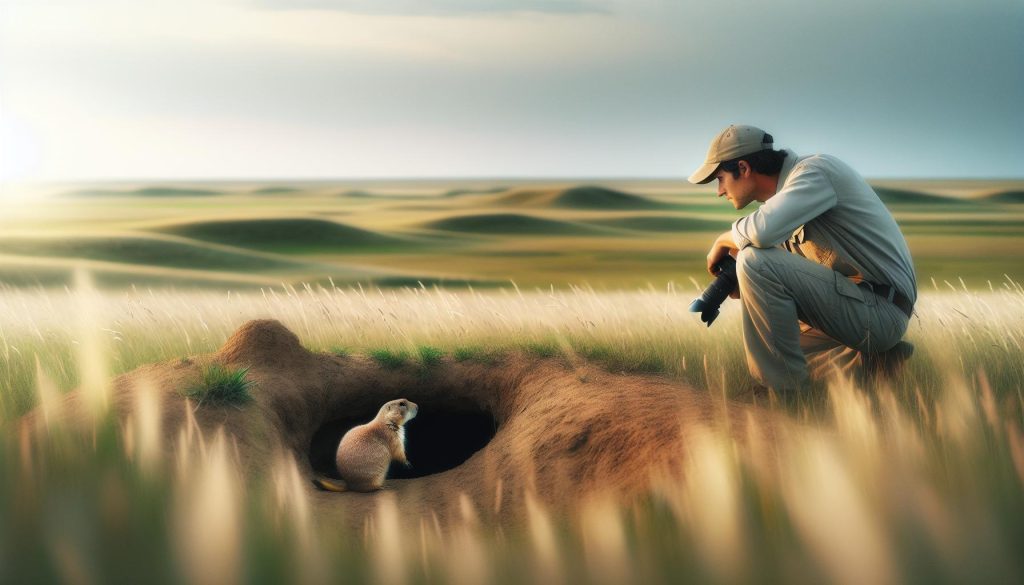
Did you know that black-tailed prairie dogs play a crucial role in their ecosystem, not just as charming, social creatures? These fascinating rodents inhabit open, arid grasslands across the Great Plains of North America, creating extensive burrow systems that provide shelter for various other animals, including burrowing owls and smaller rodents [1]. Understanding where these prairie dogs live isn’t just about their habitat; it connects us to the health of grassland ecosystems and the importance of biodiversity. By exploring the range and habitat of the black-tailed prairie dog, you’ll learn how their presence influences local wildlife and ecosystem dynamics, heightening our appreciation for these integral little beings. Join us as we delve into the lives of these social animals and uncover the reasons their habitats matter to all of us.
The Natural Habitat of the Black-Tailed Prairie Dog
Black-tailed prairie dogs are fascinating creatures native to the grasslands of North America, where they thrive in colonies known as towns. Their preferred habitats encompass a variety of open landscapes, including short- and mixed-grass prairies, sagebrush steppes, and even arid desert grasslands. This adaptability is key to their survival across a broad range that extends from central Texas all the way up to just north of the Canadian border. These areas provide the ideal conditions for prairie dogs, as they require expansive spaces for their complex burrowing systems and social interactions, and are typically characterized by well-drained soils that make digging easier.
One of the most remarkable aspects of black-tailed prairie dog habitats is their social structure. Within these towns, prairie dogs create intricate networks of tunnels and burrows that can cover vast areas. Each colony is bustling with activity, showcasing a sophisticated social system where communication plays a crucial role. Prairie dogs use a variety of vocalizations to alert one another to predators, maintaining a tight-knit community focused on mutual protection and cooperative living. Their keystone role in these ecosystems not only highlights their importance but also outlines how their habitat choices affect many other species, from the predators that hunt them to the plants that thrive in their aerated soil.
However, the black-tailed prairie dog’s natural habitat faces significant threats from urban expansion and agricultural development. As human activities encroach upon their territories, these animals struggle to find suitable living conditions, which can lead to declining populations. Conservation efforts are vital in mitigating habitat loss and ensuring these charismatic animals continue to thrive in their natural environments. Understanding their habitat needs is essential for anyone interested in wildlife conservation and the ecological balance of grassland ecosystems.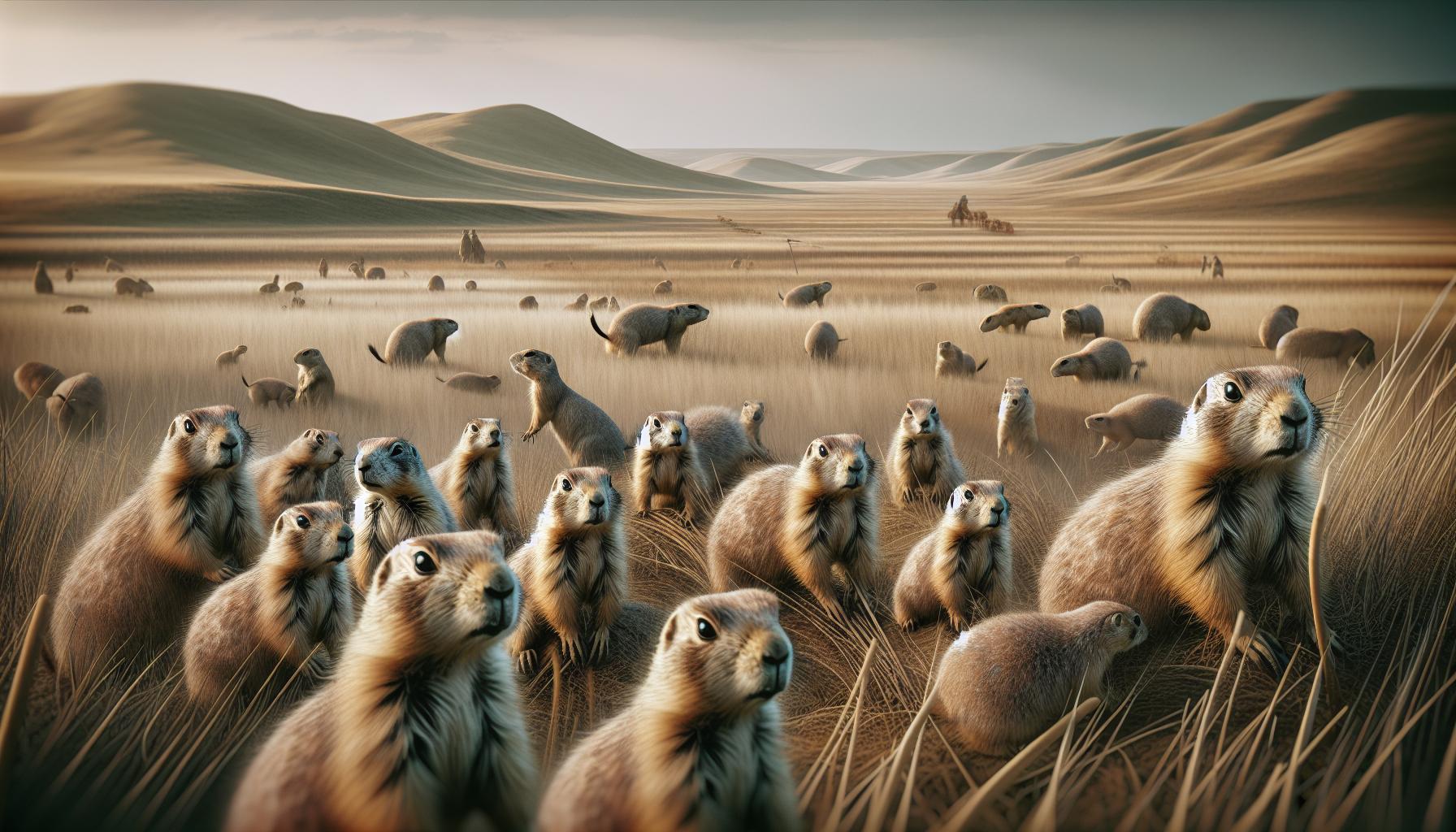
Understanding the Range of the Black-Tailed Prairie Dog
The black-tailed prairie dog, a fascinating creature of the grasslands, is much more than just a cute face popping up from the ground. These highly social rodents have a wide range that extends across the heart of North America, particularly within the Great Plains. Ranging from central Texas to southern Canada, their habitats include short- and mixed-grass prairies, sagebrush steppes, and even arid regions where they thrive in colonies, known as towns. Each town is a testament to their adaptability, as prairie dogs construct extensive underground burrow systems that not only serve as homes but also as social gathering spots for their intricate communities.
Where They Live
To truly appreciate their range, it’s important to understand the unique ecosystems they inhabit. Prairie dogs gravitate towards areas that provide well-drained soil for efficient burrowing, the foundational element for their towns. This well-structured underground environment supports not just the prairie dogs themselves but also a variety of other species that benefit from their burrowing activities. By aerating and enriching the soil, prairie dogs create a healthier ecosystem which supports diverse plant life and provides food and habitat for other wildlife.
Movement and Adaptability
As a keystone species, black-tailed prairie dogs play a critical role in maintaining the ecological balance of their habitat. Their presence influences both predator and prey dynamics, and their extensive foraging helps shape their environment. However, the range of prairie dogs is not static. It shifts in response to ecological pressures, such as climate change and habitat loss due to agriculture and urban development. Understanding their movement patterns is crucial for conservation efforts, ensuring that these hearty little mammals can continue to thrive in their natural spaces.
In conclusion, the black-tailed prairie dog’s extensive range across the Great Plains highlights not only their remarkable adaptability but also their importance in maintaining a healthy ecosystem. Recognizing their needs and the challenges they face helps foster a greater understanding and appreciation of these unique animals, encouraging efforts to protect their habitats for future generations.
Climate Preferences: Ideal Conditions for Prairie Dogs
The black-tailed prairie dog thrives in the wide open spaces of North America’s grasslands, but understanding their climate preferences reveals just how adaptable and resilient they are. These furry little socialites are particularly fond of regions that strike a balance between warm summers and mild winters, nestled within the short- and mixed-grass prairie habitat. The ideal climate for prairie dogs features a modest annual precipitation, generally around 12 to 15 inches, allowing for lush grass growth while preventing excessive moisture that could harm their burrow systems.
Prairie dogs are best suited to areas with a dryness that enables their native grasses to flourish. They prefer well-drained soils that are relatively loose-perfect for digging their intricate burrow systems. In fact, these burrows play a crucial role in regulating the temperature within their towns, providing both warmth in winter and a cool retreat from the summer heat. As they optimize their burrow architecture, prairie dogs demonstrate an impressive ability to adapt to fluctuations in temperature and weather patterns, often utilizing their burrows to outsmart predators and harsh environmental conditions.
Their social behavior is also influenced by climate. During warmer months, prairie dogs can be seen basking in the sun or engaging in playful interactions within their towns. In contrast, colder periods bring them closer together, reinforcing their communal bonds. This social structure helps them withstand the elements, pooling their resources and enhancing their collective survival rates. Interestingly, their interactions and communal living not only bolster their own resilience but also contribute to the overall health of their ecosystem.
Understanding the climate preferences of black-tailed prairie dogs provides valuable insights into their habitat needs and the challenges they face. As climate change continues to reshape environments across North America, recognizing how these conditions affect prairie dogs is vital for conservation efforts aimed at protecting their populations and, by extension, the diverse ecosystems in which they play a critical role. It’s a testament to how interconnected our natural world truly is!
How Habitat Loss Affects Prairie Dog Populations
The black-tailed prairie dog, a charming and sociable creature, plays an essential role in its ecosystem, but habitat loss poses a significant threat to its survival. As urban development and agricultural expansion continue to encroach on their territories, these social animals face increasing challenges. Prairie dogs rely on expansive grasslands, where they dig intricate burrow systems necessary for their communal living and protection against predators. When their habitats are destroyed or fragmented, not only do they lose their homes, but their ability to thrive as a colony is severely compromised.
Urban development often leads to the direct loss of prairie dog towns, which are critical to their social structure. These towns provide shelter, food resources, and social interactions crucial for their survival. Without adequate space, prairie dogs are forced into smaller, isolated patches of land, making it difficult for them to find mates, which can result in reduced genetic diversity. This inbreeding can lead to health issues and decreased population resilience, eventually pushing them closer to extinction. In comparison, a healthy prairie dog colony thrives in a well-connected landscape, where individuals are free to roam and interact, promoting a robust genetic pool.
Moreover, habitat loss disrupts the intricate ecological relationships these animals maintain with other species. Prairie dogs are considered a keystone species; their burrowing activities aerate the soil, promote the growth of grasses, and provide habitats for numerous other organisms, including burrowing owls and ferrets. As their populations decline due to habitat loss, the ripple effects can be felt throughout the ecosystem. Predators, other grassland birds, and plant life all depend on the dynamic ecosystem that prairie dogs foster.
Conservation efforts are vital to mitigate these impacts. Creating wildlife corridors and protecting existing prairie dog colonies can help maintain their populations and the ecosystems they support. Additionally, raising public awareness about their ecological importance can foster community support for conservation initiatives.
By understanding the profound effects of habitat loss on black-tailed prairie dogs and their ecosystems, we can better appreciate the delicate balance of nature and the need for responsible stewardship of our wild spaces. Every action taken to protect their habitat not only aids these fascinating creatures but also preserves the rich biodiversity they support.
Behavioral Adaptations to Their Environment
Amid the sweeping grasslands of the Great Plains, black-tailed prairie dogs exhibit a fascinating array of behavioral adaptations that help them thrive in their environment. One of their most notable features is their complex social structures. Living in vibrant colonies known as “towns,” these social creatures engage in intricate communication through a series of vocalizations, body language, and even intricate alarm calls. Different calls can signal specific predators approaching, allowing other prairie dogs to take cover quickly. This heightened communication reflects their strong kinship bonds, which are essential for survival in the perilous grasslands.
H3: Burrowing Behavior
Another critical adaptation is their burrowing behavior. Prairie dogs dig extensive underground networks that can span up to several acres. These burrows not only serve as homes but also provide safety from predators, extreme weather, and even wildfires. The design of these tunnels often includes multiple entrances and chambers that regulate temperature and humidity, which is particularly important during the harsh winter months. Moreover, the burrowing activities of prairie dogs aerate the soil, fostering healthier plant growth, which is beneficial for the entire ecosystem.
H3: Feeding Habits and Foraging Strategies
In terms of diet, black-tailed prairie dogs are herbivores, primarily feeding on grasses and forbs. Their foraging strategies are adapted to their habitat; they tend to graze on the most nutritious vegetation, often following the growth patterns of grasses, which can vary according to seasonal changes. This selective feeding is crucial as it helps avoid overgrazing-another way prairie dogs contribute positively to their ecosystem. In fact, their grazing habits can help maintain the health of the grasslands, as their presence encourages the growth of certain plant species that provide essential habitat for other wildlife.
H3: Social Structures and Interaction
The social structure within prairie dog towns is complex and hierarchical. They exhibit behaviors like grooming and cuddling, which help strengthen social bonds. Prairie dogs often engage in playful activities, which not only serve as practice for fighting or hunting but also reinforce community ties. This strong social fabric is vital; when under threat, prairie dogs display coordinated behaviors such as collective alarm calling, which helps protect the colony as a whole. This communal response is a valuable survival strategy against predators like hawks and coyotes.
By understanding these behavioral adaptations, we gain insight into how black-tailed prairie dogs interact with their environment and maintain their populations despite the challenges posed by habitat loss and changing ecosystems. Their remarkable adaptations make them a key player in the grassland ecology, ensuring a balance that supports numerous other species.
Exploring Prairie Dog Towns: Social Structures and Interactions
Nestled in the sprawling grasslands of the Great Plains, black-tailed prairie dogs form vibrant communities that showcase their fascinating social structures. These delightful creatures are known for their playful antics and strong kinship bonds, which play a crucial role in their survival. Each prairie dog town serves not just as a physical habitat but as a complex social network where individuals engage in a variety of interactions that enhance both their social cohesion and environmental adaptability.
The hierarchy within prairie dog towns is quite intricate. Adults often establish dominance through displays, and groups are generally made up of family members, which helps maintain social stability. Grooming behaviors-where one prairie dog meticulously combs through the fur of another-not only reinforce these bonds but also promote hygiene and reduce stress within the colony. This social grooming is akin to a soothing ritual, fostering a sense of community that is essential when facing the threats posed by predators or environmental changes.
Communication plays a pivotal role in these communities. Prairie dogs are renowned for their complex vocalizations, which can vary in length, tone, and pitch, effectively conveying specific information about the presence of potential threats. When a predator approaches, such as a hawk or coyote, the prairie dogs emit alarm calls tailored to the type of danger, allowing others to take cover quickly. Studies have shown that these vocalizations can even indicate the size and speed of a predator, showcasing a level of sophistication that rivals human languages.
Moreover, social interactions within these towns are not solely about survival. Playful behaviors are common, especially among younger prairie dogs, who engage in mock fighting and chasing. These activities not only serve as practice for adults but also enhance the overall social structure, reinforcing relationships and community ties. By understanding these dynamic social interactions, we gain a deeper appreciation for the role that black-tailed prairie dogs play in their ecosystems, not just as individuals but as keystone species that influence the health of the grasslands around them.
Conservation Status and Efforts to Protect Their Range
Efforts to protect black-tailed prairie dogs are critical, not only for their survival but also for the health of the grassland ecosystems they inhabit. These remarkable creatures are a keystone species, meaning their presence and activities significantly influence the environment, benefiting numerous other wildlife species. However, habitat loss due to urbanization, agriculture, and ranching has dramatically reduced their populations across the Great Plains.
Conservation initiatives are varied and often involve a combination of habitat restoration, legal protection, and community engagement. Organizations like the World Wildlife Fund and local wildlife agencies work tirelessly to reinforce prairie dog colonies through habitat management practices. One successful method involves creating protected areas where prairie dogs can thrive without the pressures of development and predation. Additionally, many conservationists advocate for controlled relocations of prairie dogs to bolster existing populations and restore ecological balance in areas where the species has dwindled.
Moreover, public education plays a fundamental role in conservation. By raising awareness about the ecological importance of prairie dogs, more individuals are encouraged to support conservation efforts. Engaging local communities in habitat protection initiatives not only helps protect the prairie dogs but fosters a sense of stewardship among residents. For example, initiatives that encourage ranchers to coexist with prairie dog colonies have shown promise, as they can enhance biodiversity and the health of the land, ultimately benefiting agricultural practices.
Collaboration across various sectors is essential. Policymakers, conservationists, and local communities must come together to create comprehensive plans that address the needs of prairie dogs while also respecting human land use. The path toward sustainable coexistence can be challenging, but with ongoing efforts and community involvement, there is hope for the future of the black-tailed prairie dog and the vibrant ecosystems they help sustain.
Black-Tailed Prairie Dog Range Map: A Visual Guide
The black-tailed prairie dog, a charming and social creature, is especially known for its impressive burrowing systems that form vast colonies, often referred to as “prairie dog towns.” These towns are not just homes; they also represent a unique ecosystem that supports diverse wildlife. If you’re curious about where to find these lively animals, a range map provides a visual guide to their habitats across North America.
Primarily, black-tailed prairie dogs inhabit the Great Plains, extending from Canada down through several U.S. states. They are commonly found in regions including Montana, South Dakota, Nebraska, Kansas, Colorado, and New Mexico. These rodents prefer open grasslands or short grass prairie environments where they can dig their burrows, gather food, and have a clear view of potential predators.
The ideal habitat for black-tailed prairie dogs typically aligns with areas that feature well-drained soils, where they can excavate extensive burrow systems. They thrive in areas of low vegetation that allow them to spot threats, such as coyotes and hawks, from a distance. In terms of climate, they favor the temperate climates of the Great Plains, which offer distinct seasons with adequate rainfall to support their diet, primarily of grasses and seeds.
To visualize their range, a map often illustrates their primary distribution, highlighting key states with significant populations. These maps not only provide insights into where these prairie dogs live but also help track changes in their habitat due to urban expansion, agriculture, and climate change, which all impact their survival. Understanding where these fluffy sentinel organisms reside is crucial for conservation efforts, helping to reinforce their environments against the pressures of human development. By protecting their range, we ensure that these keystone species continue to play their essential role in maintaining ecosystem balance.
Impacts of Urban Expansion on Prairie Dog Habitats
Urban expansion poses a significant threat to black-tailed prairie dog habitats, drastically altering the landscape these spirited creatures call home. As cities grow and develop, the open grasslands that prairie dogs rely on for burrowing and feeding are often transformed into urban settings. This encroachment not only reduces the available space for prairie dog towns, which can host thousands of individuals, but it also disrupts the intricate social structures and behaviors unique to these animals.
One of the primary impacts of urbanization is habitat fragmentation. As roads and buildings are constructed, prairie dog colonies can become isolated from one another. This fragmentation can reduce genetic diversity as populations become cut off from intermingling with others, making them more vulnerable to disease and environmental changes. Moreover, the loss of contiguous habitats limits their foraging grounds and increases their susceptibility to predators since they have fewer areas to retreat during threats.
In addition to physical space loss, urban development often brings along increased human activity that can be unsettling for prairie dogs. Noise pollution, traffic, and even pets can create stress for these animals, affecting their foraging and breeding behaviors. Cities may also bring invasive species that prey upon or compete with prairie dogs for resources, further jeopardizing their populations.
Mitigating these impacts requires concerted conservation efforts. Habitat protection and restoration, alongside better urban planning that considers local wildlife needs, are crucial. For example, creating designated wildlife corridors can help connect fragmented prairie dog populations, allowing them to thrive while still coexisting with urban areas. By raising awareness and looking out for these keystone species, communities can play an essential role in preserving the essential ecosystems prairie dogs help maintain.
Prairie Dog Ecological Role: Keystone Species Explained
Did you know that black-tailed prairie dogs are more than just cute little critters? They play a crucial role in their ecosystem, earning their title as a keystone species. This means that their presence and activities significantly affect the surrounding environment and influence many other species. Prairie dogs are key architects of the grasslands they inhabit, creating extensive burrow systems that benefit not only themselves but also a variety of other animals.
Their burrows serve as habitats for countless species, including rabbits, insects, and even some birds that prefer to nest in these ready-made homes. The grazing habits of prairie dogs help maintain the health of the grasslands by promoting biodiversity. As they munch on grasses, they prevent any one species from dominating the area, allowing a greater variety of plants to flourish, which in turn supports diverse animal life. Their activities aerate the soil, enhancing the nutrient cycle and improving water infiltration, which is vital for plant growth.
Moreover, prairie dog towns are bustling communities full of social interactions. Within these colonies, prairie dogs communicate extensively through vocalizations and body language, helping to alert each other about predators. When one prairie dog is on lookout duty, the others can focus on foraging, enhancing the overall efficiency of the group. This social structure underscores their ecological significance, as these interactions not only strengthen the colony but also help maintain the delicate balance of their environment.
For conservationists, protecting prairie dog populations is essential not only for their survival but for the myriad of species that rely on them. Habitat restoration and the establishment of wildlife corridors can ensure that prairie dogs continue to thrive, keeping the grasslands healthy and balanced for generations to come. By supporting these small yet mighty animals, we promote the health of the entire ecosystem they inhabit, demonstrating that even the smallest creatures play a vital role in the grand tapestry of life.
Connecting Prairie Dog Habitats to the Ecosystem
The intricate and bustling world of black-tailed prairie dogs is a testament to how a single species can shape an entire ecosystem. These social mammals, found primarily in the grasslands of the Great Plains, utilize their habitats in remarkable ways that benefit not only themselves but also a wide array of other wildlife. Their extensive burrow systems, which can cover thousands of acres, are engineering feats that create homes for numerous other species, from rabbits to burrowing owls. This interconnectedness illustrates just how vital prairie dogs are to the fabric of their environment.
One of the key roles that prairie dogs play is through their grazing habits. By feeding on certain types of grasses and forbs, they prevent any single plant species from dominating the ecosystem. This not only enhances plant diversity but also creates a healthier grassland environment. A varied plant community supports a much broader range of animal life, demonstrating the cascading effects prairie dogs have on biodiversity. Additionally, their burrowing activity aerates the soil, allowing water to penetrate more deeply and benefitting plant roots-a critical factor in drought-prone regions.
The social structure of prairie dog towns further enhances ecological resilience. These colonies are not just hubs for prairie dog activity; they also serve as crucial safety nets for many other species. The vocal communications used by prairie dogs alert others to incoming predators, which helps to reduce the overall threat level within the town. When danger is detected, prairie dogs can quickly retreat into their burrows, creating a dynamic ecosystem where numerous species coexist more safely. Their presence effectively creates a bustling community where survival strategies are shared, proving that collaboration and communication are just as important in the animal kingdom as they are among humans.
Protecting prairie dog habitats is essential for maintaining these intricate relationships within ecosystems. Conservation efforts focused on safeguarding their grasslands not only benefit prairie dogs but also support the myriad of species that depend on them for survival. By sustaining the prairie dog populations, we are actively contributing to the health of the entire ecosystem, proving that every creature, no matter how small, has an important role to play. Through conservation initiatives, we can ensure that these charming little architects continue to thrive, keeping the grasslands vibrant and full of life.
Frequently asked questions
Q: Where do black-tailed prairie dogs live?
A: Black-tailed prairie dogs primarily inhabit the western United States. Their range includes states like Montana, Wyoming, Colorado, and South Dakota. They thrive in grasslands and open plains, making them well-adapted to these habitats.
Q: What is the range map for black-tailed prairie dogs?
A: The black-tailed prairie dog range map showcases their distribution primarily across the Great Plains of North America. You can find detailed visual guides and maps in resources focusing on their habitat needs and regional populations.
Q: How do habitat conditions affect prairie dog distribution?
A: Habitat conditions such as soil type and vegetation significantly affect the distribution of black-tailed prairie dogs. They prefer well-drained soils in areas with abundant grasses, which supports their burrowing and foraging needs.
Q: Why are black-tailed prairie dogs considered keystone species?
A: Black-tailed prairie dogs are considered keystone species because their burrowing activities create habitats for other wildlife, and their colonies support a diverse ecosystem. They play a crucial role in maintaining the grassland environment.
Q: What threats do black-tailed prairie dogs face in their habitat?
A: Habitat loss, caused by urban development and agriculture, along with disease, poses significant threats to black-tailed prairie dog populations. Conservation efforts aim to protect their habitats and reduce these risks.
Q: How can I help black-tailed prairie dogs and their habitats?
A: You can help by supporting conservation organizations focused on prairie ecosystems. Participating in habitat restoration projects and advocating for wildlife-friendly land use policies can also make a difference in the lives of black-tailed prairie dogs.
Q: What is the ideal climate for black-tailed prairie dogs?
A: Black-tailed prairie dogs prefer regions with a semiarid climate, characterized by moderate rainfall and seasonal temperature variations. These conditions support the grasslands they inhabit, allowing them to thrive.
Q: What is the social structure of black-tailed prairie dog colonies?
A: Black-tailed prairie dogs live in complex social structures known as “towns,” where they exhibit intricate social behaviors and communication. Their colonies can consist of hundreds of individuals, with defined territories and roles within the community.
Closing Remarks
As we’ve explored, the Black-Tailed Prairie Dog thrives primarily in the Great Plains, from Canada to Mexico, showcasing its unique role in the ecosystem. This adorable critter isn’t just a fascinating subject; it’s a keystone species supporting numerous other wildlife. Want to dive deeper? Check out our detailed guide on prairie dog habitats and behaviors, and learn more about the restoration efforts crucial for their survival.
Don’t miss out on the latest insights into prairie wildlife and conservation! Sign up for our newsletter for exclusive updates and tips on how you can help protect these charismatic burrowers. Have questions or thoughts on prairie dogs? We’d love to hear your insights in the comments below!
For further exploration, be sure to visit our articles on related species like the swift fox or the impact of prairie dog towns on their environment. Your journey into the wild world of North American fauna starts here-let’s keep learning together!
Get our latest guides, news, and insights highlighted in your Google Search & AI Overviews.