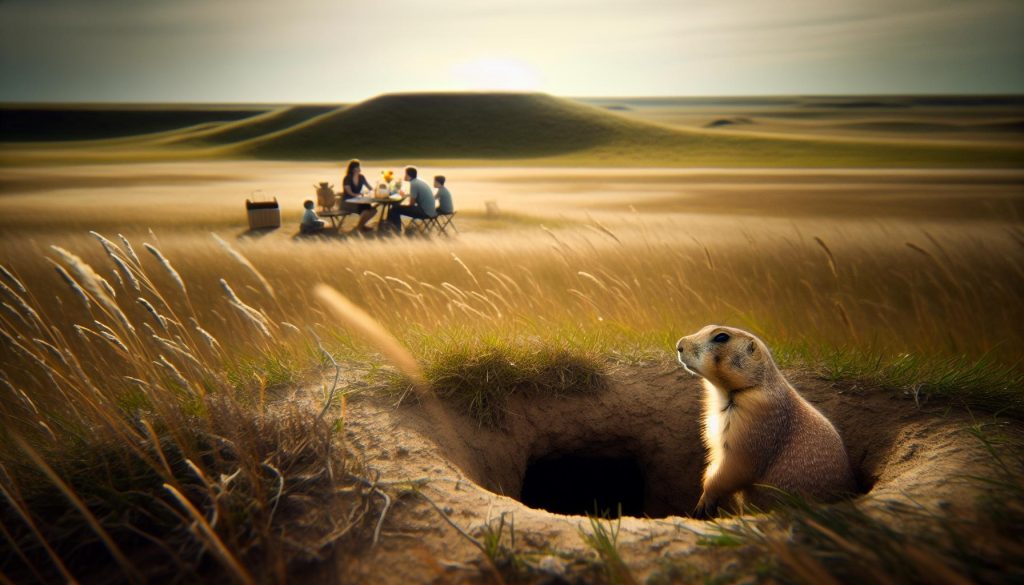
Did you know that prairie dogs are social, highly intelligent creatures, often referred to as the “dogs of the prairie”? These fascinating mammals play a crucial role in their ecosystem, creating extensive underground burrows that provide habitat for many other species. Understanding where prairie dogs live and their natural habitats is vital, not just for wildlife enthusiasts but also for conservation efforts. As you dive into the world of prairie dogs, you’ll discover their range maps, distinct habitats, and how their lives intertwine with the grasslands they call home. Join us as we explore the rich environments these charming animals inhabit and learn about the challenges they face in an ever-changing landscape. Your read could inspire you to appreciate the delicate balance of nature and the importance of protecting these lively little critters.
Where Are Prairie Dogs Found in the Wild?
Prairie dogs are fascinating creatures, often regarded as one of North America’s most iconic rodents. These social animals are predominantly found in the grasslands and open plains of the western United States, Canada, and Mexico. Ranging from the Black Hills of South Dakota to the vast plains of Colorado and into parts of Arizona, their colonies can be spotted in areas that offer ample vegetation and space for their burrowing activities.
Habitat Characteristics
Typically, prairie dogs thrive in environments that provide a mixture of short grass and open space. They favor regions where the soil is soft enough for digging but also protective against harsh weather conditions. For example, black-tailed prairie dogs, the most widespread species, favor low-elevation grasslands, while the Utah prairie dog is more selective, preferring higher elevations with sagebrush and other xeric vegetation.
Key Locations
The distribution of prairie dog colonies is largely influenced by several factors, including the availability of food, water, and shelter. Specific areas like the Rocky Mountain foothills and the Great Plains provide ideal conditions. Some of the notable states where you can find thriving prairie dog populations include:
- Colorado: Home to one of the largest concentrations of black-tailed prairie dogs.
- South Dakota: Known for its expansive prairie dog towns, especially in the Badlands National Park.
- Montana: Hosts both black-tailed and white-tailed prairie dogs, especially in grassland reserves.
- Utah: Recognized for the endangered Utah prairie dog, which is primarily found in specific protected areas.
The unique habitats where these prairie dogs live not only support their lifestyle but also contribute to the ecological balance of their environments, providing shelter and sustenance for various other wildlife species. Understanding where prairie dogs thrive enhances our appreciation for these rodents and underscores the importance of conserving their habitats.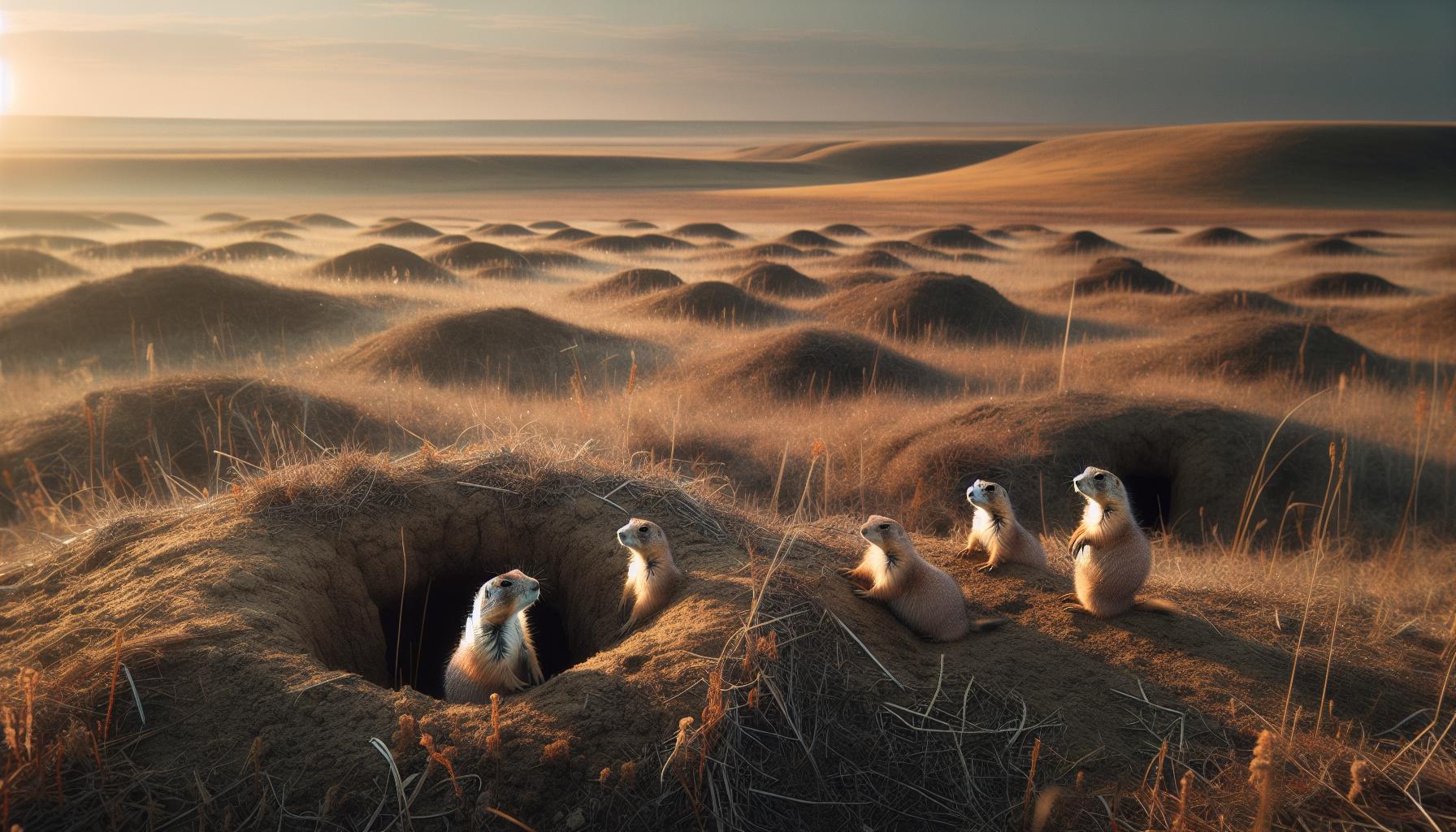
Exploring the Prairie Dog Habitat Types
Prairie dogs inhabit a variety of grassland ecosystems, each offering unique characteristics that cater to their burrowing and social behaviors. These remarkable rodents not only thrive in the vast open spaces of North America but also play a critical role in maintaining the ecological health of their habitats. From the expansive plains of the Great Plains states to the more arid regions of the southwest, understanding where prairie dogs live reveals the complexities of their environmental preferences.
Black-tailed prairie dogs are the champions of adaptability, typically found in midwestern grasslands where the soil is softer, allowing for easier digging. They flourish in areas dominated by shortgrass and mixed-grass prairies, often forming extensive colonies known as “towns.” These towns can cover vast areas, creating a network of burrows that offer refuge and a social framework for these intriguing animals. The presence of grasses not only provides food but also essential cover from predators.
In contrast, the endangered Utah prairie dog has more specific habitat requirements, functioning best in higher elevations where sagebrush and other xeric plants dominate the landscape. This species is particularly vulnerable, relying on certain protected areas that support its life cycle and communal living structures. Their burrows are typically found in less disturbed environments, making habitat conservation crucial for their survival.
Aside from these species-specific habitats, prairie dogs are often found in areas with a rich diversity of grasses and forbs that provide ample food sources. Factors such as soil composition, moisture levels, and landscape features like hills or ditches also play significant roles in the distribution and density of their colonies. These ecological traits are vital not just for the prairie dogs themselves, but also for the many other species that share their environment, highlighting the importance of preserving these unique habitats.
Understanding Prairie Dog Social Structures
Prairie dogs are not just cute burrowing creatures; they exhibit fascinating social structures that reveal the complexities of their communal lives. These rodents live in elaborate colonies, often referred to as “towns,” that can extend for miles and contain thousands of individual prairie dogs. Within these vibrant communities, hierarchy and cooperation play critical roles in their survival, shaping their social interactions and daily behaviors.
At the heart of prairie dog society is a system of social organization that includes family units and larger family groups. Typically, each colony is established by a dominant male, often referred to as a “sentry,” who watches over the group while other members forage or care for young. This dominant male controls access to the breeding females, who may give birth in litters of up to five pups each spring. The nurturing behaviors exhibited by prairie dogs are remarkable; mothers play a significant role in raising their young, teaching them essential survival skills like food foraging and identifying threats.
Communication is a cornerstone of prairie dog social structure. These animals employ a sophisticated system of vocalizations, including barks, chirps, and growls, to convey different messages-such as alerting the group to predators or signaling for help. Research has shown that prairie dogs can convey specific information about the type of predator approaching and its distance, demonstrating a level of awareness and community cohesion that is truly impressive.
Moreover, their social structures help to maintain the ecological balance in their environment. The extensive burrowing activities of prairie dogs aerate the soil and promote nutrient cycling, which benefits other species and plant life in their habitat. By fostering interactions with neighboring colonies and different species, prairie dogs act as vital contributors to the grassland ecosystems they inhabit. Understanding these social dynamics not only enchants wildlife enthusiasts but also highlights the importance of preserving their natural habitats for future generations.
Factors That Influence Prairie Dog Range
The range of prairie dogs is dictated by a blend of environmental, ecological, and social factors that shape where these fascinating rodents can thrive. Primarily found across the grasslands of North America, prairie dogs rely on specific habitats, typically open plains and areas with a mix of grasses and forbs, which provide both food and ample burrowing material. However, their distribution is not merely a product of their preference for these habitat types; it’s also influenced by climate conditions, soil types, and the presence of predators.
Three critical factors that significantly influence prairie dog range are food availability, soil composition, and climate. A diverse diet that includes grasses, seeds, and roots is essential for their survival, so areas with rich, fertile soil that supports healthy plant life are more conducive to prairie dog colonies. The soil must be suitable for digging, as these burrowing creatures need to construct extensive tunnel systems. Regions with clay or sandy soils offer the ideal conditions for burrowing, allowing prairie dogs to create homes that can be several feet deep and span vast areas. Climate, particularly seasonal weather patterns, plays a crucial role as well; prairie dogs thrive in areas with distinct seasons, as they benefit from the cyclical growth of vegetation.
Predation pressures also shape the range of prairie dogs. Their colonies require a balance between safety from predators like coyotes and hawks and the open spaces necessary for foraging. An area with abundant natural enemies can restrict prairie dog populations, forcing them to establish colonies in places where they can best avoid these threats. Additionally, human activities such as agricultural development or urban expansion can fragment prairie dog habitats, leading to isolated populations that may struggle to survive or adapt over time.
In recent years, conservation efforts have also begun to influence prairie dog range. By establishing protected areas and grassland reserves, wildlife agencies aim to safeguard these critical habitats from development and degradation. Local initiatives, such as prairie dog relocation and habitat restoration projects, aim to create suitable environments for new colonies and nurture existing ones, ensuring that these unique creatures continue to play their vital role in the grassland ecosystem. Understanding these factors is essential for anyone passionate about wildlife, as preserving the intricate balance of life and habitats in which prairie dogs flourish is fundamental to their ongoing survival.
Seasonal Behavior Patterns of Prairie Dogs
The rhythmic cycle of seasons has a profound impact on the behavior of prairie dogs, showcasing their adaptability and social nature. As these charming rodents inhabit the grasslands of North America, their activities are closely tied to seasonal changes, influencing everything from foraging to mating rituals.
During the vibrant spring months, prairie dogs emerge from their burrows after a long winter, often participating in energetic greeting behaviors. This time of year marks a significant uptick in social interactions; they use a series of vocalizations and physical displays to reinforce social bonds within their colonies. As they resume foraging, prairie dogs feast on fresh grasses and flowers, vital for their energy after months of dormancy. Spring also sets the stage for breeding season, with males displaying heightened territorial behaviors to attract females.
As summer approaches, prairie dog colonies are bustling hubs of activity. Mature prairie dogs have established a hierarchy that governs their foraging routines and social interactions. Families often gather in large groups, fostering a sense of community that enhances their safety against predators. It’s during these warm months that prairie dogs’ burrowing skills truly shine, as they expand tunnels and create new burrow systems to accommodate their growing families. The warmth of summer allows for easier digging and the establishment of new living spaces.
When autumn arrives, prairie dogs begin to prepare for the upcoming winter. This seasonal shift brings changes in their diet, as prairie dogs start to stockpile food. They forage more efficiently, collecting seeds and roots to stash away in their burrows-an essential behavior that helps them survive the harsher months. Additionally, social interactions may decrease slightly as individuals focus more on food collection, emphasizing self-sufficiency leading into winter.
During the cold winter months, prairie dogs typically enter a state of dormancy, reducing their activity and relying on their stored food supplies. Their underground burrow systems provide insulation from the freezing temperatures, where they huddle together for warmth. This cooperative behavior is crucial for conserving energy and maintaining body heat until spring returns, and life in the prairie revitalizes once again.
By understanding these seasonal behavior patterns, wildlife enthusiasts and conservationists can better appreciate the complexities of prairie dog life and the intricate relationships they have with their environment. Their reliance on seasonal cues not only speaks to their resilience but also highlights the delicate balance between prairie dogs and the ecosystems they help sustain.
Challenges to Prairie Dog Habitats
Prairie dogs are adorable and socially complex creatures, but their habitats are increasingly under threat. These charismatic rodents play a crucial role in their ecosystems, yet they face numerous challenges that jeopardize their existence. Urban development, agricultural expansion, climate change, and habitat fragmentation all contribute to the decline of prairie dog populations and the habitats they rely on.
One of the primary challenges is habitat loss due to human activities. As cities expand and agricultural practices intensify, prairie dog colonies are often displaced or destroyed. This transformation of grasslands into urban or agricultural areas reduces the available space for these animals to live and thrive. The loss of habitat not only limits their physical range but also disrupts their social structures, which are critical to their overall well-being. Without adequate space, the social interactions that are essential for their survival become compromised.
Another significant concern is climate change, which alters weather patterns and affects the delicate balance of prairie ecosystems. Increasingly erratic weather can lead to droughts that deplete food sources, pushing prairie dogs to venture further for sustenance. This not only increases their vulnerability to predators but also strains existing resources, making it difficult for colonies to sustain their populations. Moreover, changes in vegetation can impact the availability of burrowing materials and foraging grounds, further complicating their survival.
In addition to these external pressures, prairie dogs are often met with negative perceptions that lead to persecution. Many ranchers view them as pests, resulting in lethal control measures that directly affect their numbers. Education about the ecological benefits of prairie dogs-such as their role in soil aeration and as a keystone species supporting various other wildlife-can help mitigate these conflicts. Habitats can often be restored or protected through effective conservation strategies, but this requires a collaborative effort from local communities, conservationists, and policymakers.
Effective management and conservation efforts are essential in addressing these challenges. By fostering awareness and understanding of prairie dogs and their ecological importance, we can help create a more sustainable future for these charming animals. Involving local communities in conservation initiatives can lead to enhanced coexistence, benefiting both prairie dogs and the ecosystems they inhabit.
Conservation Efforts for Prairie Dog Populations
In the vast, wind-swept plains of North America, prairie dogs are not just cute rodents; they are essential architects of their ecosystems. These fascinating creatures create sprawling underground networks that provide shelter for many other species, showcasing their critical role in maintaining biodiversity. Unfortunately, their populations are under siege due to a plethora of challenges, from habitat destruction to climate change. Recognizing the urgency of their situation, a variety of conservation efforts are being mobilized to protect these charming animals and their habitats.
Organizations dedicated to prairie dog conservation, such as the Prairie Dog Coalition, work tirelessly to empower communities and promote sustainable practices. They provide valuable resources and training on non-lethal methods to manage prairie dog populations, especially for ranchers who may see them as pests. This approach includes educating stakeholders about the ecological benefits prairie dogs bring, such as enhancing soil health and providing habitats for over 150 vertebrate species, including the endangered black-footed ferret [1].
Another effective strategy involves the protection and restoration of prairie dog habitats, which is increasingly being integrated into larger landscape conservation plans. This not only secures the local prairie dog colonies but also ensures that other species rely on these habitats thrive as well. Restoration projects often focus on removing invasive species, reintroducing native plants, and enhancing the overall health of grassland ecosystems. Efforts like these illustrate how prairie dogs are a keystone species, where their presence is vital to the overall health of their ecosystem.
Moreover, stakeholder engagement plays a key role in these conservation initiatives. By involving local communities in decision-making processes and conservation activities, efforts can be tailored to fit the unique needs of both residents and wildlife. Volunteer programs, educational workshops, and community awareness campaigns foster a sense of ownership over local ecosystems, encouraging residents to advocate for their furry neighbors and their critical role in the prairie landscape.
Through collaborative action, we can ensure that prairie dogs continue to thrive in their natural habitats, enriching our ecosystems and capturing the hearts of wildlife enthusiasts for generations to come.
Mapping the Distribution of Prairie Dog Colonies
In the vast grasslands of North America, prairie dog colonies form a striking mosaic across the landscape. These complex underground cities, which can expand over several acres, are not just home to prairie dogs; they also provide refuge for an array of other wildlife. Understanding the distribution of these colonies is crucial for both conservation efforts and ecological studies, as each colony plays a vital role in maintaining the grassland ecosystem.
Mapping prairie dog colonies typically reveals that these social rodents prefer open, arid regions, particularly in the Great Plains. States such as Colorado, Wyoming, and South Dakota contain significant populations. Within these areas, colonies can often be found in proximity to water sources and on well-drained soils that allow for easier digging of burrows. They are often situated at the edges of agricultural fields, as prairie dogs thrive in disturbed environments where they can easily create their burrow systems.
Technological advances have greatly enhanced our ability to survey and map prairie dog colonies. Using tools like Geographic Information Systems (GIS) and remote sensing, researchers can track population densities over time, giving insights into the effects of habitat changes and management practices. These methods not only help in identifying active colonies but also in understanding their spatial relationships with surrounding ecosystems. For example, areas with dense prairie dog colonies have been shown to support higher biodiversity, including species such as the endangered black-footed ferret, which rely on the prairie dogs for food.
However, mapping is not just about identifying where these colonies are; it’s also about assessing the health of the populations within them. Monitoring signs of disease, reproduction rates, and predator pressures provides a holistic view of the challenges facing prairie dogs. Engaging local communities in these mapping efforts can foster a deeper appreciation for prairie dogs, encouraging stewardship and conservation practices that benefit both the colonies and the broader ecosystem.
In summary, the distribution of prairie dog colonies highlights not only where these intriguing creatures live but also underscores their role as ecological engineers. By mapping their habitats, we gain valuable insights into the complexities of grassland ecosystems and the importance of preserving these vibrant communities for future generations.
Unique Adaptations of Prairie Dogs to Their Environment
In the bustling world of prairie dogs, their unique adaptations to the grassland environment play a critical role in their survival and success as a species. These small but mighty rodents are not just adorable; they are also intricate engineers of their ecosystem. One fascinating adaptation is their complex burrowing behavior. Prairie dogs construct expansive underground networks that serve as homes and refuge from predators, harsh weather, and extreme temperatures. This ability to dig deep is aided by their strong forelimbs and sharp claws, allowing them to create multiple entrances and escape routes, ensuring protection from threats above ground.
Another remarkable aspect of prairie dog behavior is their social structure, which is essential for survival. Living in colonies, prairie dogs rely on a system of vocalizations to communicate threats and coordinate group activities. Each alarm call signifies a different predator, allowing other prairie dogs to respond appropriately. This intricate communication system not only fosters a sense of community but enhances the colony’s overall defensive strategy against potential dangers. Their social nature also leads to cooperative breeding, where multiple adults contribute to the care of the young, ensuring a higher survival rate for the pups.
Alongside their social behaviors, prairie dogs have developed physiological adaptations to thrive in their habitats. They have a specialized diet primarily consisting of grasses and other vegetation, which is abundant in their environment. Their digestive systems are tailored to efficiently process these plant materials, enabling them to extract the necessary nutrients for energy and growth. This adaptability to their diet is bolstered by their foraging behavior; they often graze in open areas that provide easy access while reducing the risk of ambush by predators.
Furthermore, the ecological role prairie dogs play is significant. By digging and maintaining their burrows, they aerate the soil, allowing for better water infiltration and promoting the health of surrounding plant life. Their foraging habits also influence plant diversity in their colonies, as they preferentially feed on certain species, thereby shaping the landscape. Overall, prairie dogs are a prime example of how a species can adapt not just physically but socially and ecologically to thrive in their environment, making them indispensable to the grassland ecosystems they inhabit.
Comparing Prairie Dog Habitats Across North America
In the diverse landscapes of North America, prairie dog habitats can vary significantly, showcasing the adaptability of these fascinating animals. Generally, prairie dogs thrive in grasslands, open plains, and even some shrublands, where the vegetation provides both nutrition and cover from predators. Their preference for these regions is closely tied to the availability of grasses and the structure of the soil, which must be suitable for their extensive burrowing needs.
One notable region is the Great Plains, spanning across states like Wyoming, Colorado, and Nebraska, where large colonies of prairie dogs establish themselves. Here, the vast expanses of shortgrass prairie offer an ideal environment-packed with nutritious grasses and abundant sunshine, which aids their foraging behavior. In contrast, areas such as Arizona present a different picture; alternatives like mixed grassland and slightly hilly terrain are utilized, although finding dense colonies can be a challenge as access to these areas for hunting has become more restricted over the years.
On the flip side, the western states, especially Montana and Wyoming, boast vibrant prairie dog towns that can host thousands of individuals. These colonies are crucial for the ecosystem because they not only serve as key players in soil aeration but also provide habitat for other species such as burrowing owls, mountain plovers, and a variety of insects that depend on these ecosystems.
Overall, while the specific types of terrain and vegetation may differ, what remains constant is the pivotal role that prairie dogs play in their habitats. Their presence enriches the soil, influences plant diversity, and supports a complex web of life. For those looking to observe these engaging creatures in their natural settings, resources like local wildlife forums or conservation groups can offer insights into the best viewing locations and times, supporting both recreational opportunities and conservation awareness.
The Role of Prairie Dogs in Ecosystems
Prairie dogs are not only fascinating creatures but also integral players in their ecosystems. Known for their complex underground burrow systems, these social animals create extensive networks that provide habitat and resources for various wildlife. By digging and maintaining their burrows, prairie dogs aerate the soil, enhancing its health and allowing water to penetrate more efficiently. This natural process contributes significantly to the overall ecosystem, particularly in grasslands where soil quality is crucial for plant growth.
The presence of prairie dog colonies supports a diverse array of other species. Their burrows serve as homes for numerous animals, including burrowing owls, foxes, and even some species of snakes. Additionally, the grassy areas surrounding these colonies become hotspots for foraging birds and mammals, attracted by the abundant food sources created by the grazing habits of prairie dogs. When these little rodents forage on grasses, they promote a diverse plant community by allowing a variety of plant species to thrive, rather than any single species dominating the landscape.
Moreover, prairie dogs play an essential role in the food web. They are a prey species for various predators, including coyotes, hawks, and badgers. This predation helps to maintain a balanced ecosystem, ensuring that populations of various species remain in check. It’s a delicate dance of life where the disappearance of prairie dogs can lead to overpopulation of certain predator species, causing further imbalances.
In conclusion, the role of prairie dogs extends far beyond their immediate colonies; they are vital to the health of their habitats. They contribute to soil improvement, offer shelter to other wildlife, and serve as a food source for many predators. Recognizing and supporting prairie dog populations is critical not just for their survival, but for the health of entire ecosystems across the North American grasslands. So, if you’re ever out in prairie dog territory, take a moment to appreciate the larger web of life that these small animals help sustain.
Frequently Asked Questions
Q: What type of habitat do prairie dogs prefer?
A: Prairie dogs thrive in open grasslands and plains with well-drained soil. They prefer areas with sparse vegetation to easily detect predators. Additionally, they dig extensive burrow systems that serve as homes and safety zones. For more detailed information on their habitats, check the section Exploring the Prairie Dog Habitat Types.
Q: Where are prairie dog colonies primarily located?
A: Prairie dog colonies are primarily found in North America, particularly in the Great Plains, from Canada to Mexico. States like Wyoming, Montana, and Colorado host large populations. Their colonies can span hundreds of acres, forming intricate networks. For a deeper understanding, refer to Mapping the Distribution of Prairie Dog Colonies.
Q: How do prairie dog habitats vary across different regions?
A: Prairie dog habitats vary significantly from eastern shortgrass prairies to western tallgrass prairies. In the east, they settle in areas with deeper soils, while in the west, they thrive in more arid conditions. This regional adaptability is crucial for their survival. Explore more in Comparing Prairie Dog Habitats Across North America.
Q: What are the main threats to prairie dog habitats?
A: Major threats to prairie dog habitats include agricultural expansion, urban development, and habitat fragmentation. These changes disrupt their burrowing activities and reduce available living space. For more on this issue, the section Challenges to Prairie Dog Habitats provides thorough insights.
Q: How do weather conditions affect prairie dogs’ living areas?
A: Weather conditions significantly impact prairie dog living areas. Extreme temperatures, drought, or heavy rainfall can affect food availability and burrow stability. Prairie dogs adjust their behavior seasonally, creating challenges for their survival during harsh weather. To learn more, see Seasonal Behavior Patterns of Prairie Dogs.
Q: Why is understanding prairie dog habitats important for conservation?
A: Understanding prairie dog habitats is essential for conservation as these ecosystems support various species. Prairie dogs are a keystone species, contributing to biodiversity by creating habitats for many animals. Their conservation efforts are detailed in the section Conservation Efforts for Prairie Dog Populations.
Q: What adaptations help prairie dogs survive in their habitats?
A: Prairie dogs have several adaptations that aid their survival, including their keen eyesight for detecting predators and their burrowing skills that provide protection from extreme weather and threats. Learn more about these unique traits in the section Unique Adaptations of Prairie Dogs to Their Environment.
The Way Forward
Now that you’ve explored the fascinating world of prairie dogs and their unique habitats, you’re equipped with the essential knowledge about where these social creatures thrive. Understanding their range not only helps in appreciating the biodiversity of our ecosystems but also underscores the importance of conservation efforts. If you’re eager to dive deeper, check out our articles on the intricacies of prairie dog behavior and the threats they face in the wild.
Don’t forget to leave your thoughts or questions in the comments below, and if you’re passionate about wildlife, subscribe to our newsletter for the latest updates! Every bit of engagement helps spread awareness and support for these remarkable animals. Together, we can take steps toward ensuring prairie dogs continue to flourish in their natural environments. Explore more and join us in celebrating nature’s wonders!
Get our latest guides, news, and insights highlighted in your Google Search & AI Overviews.