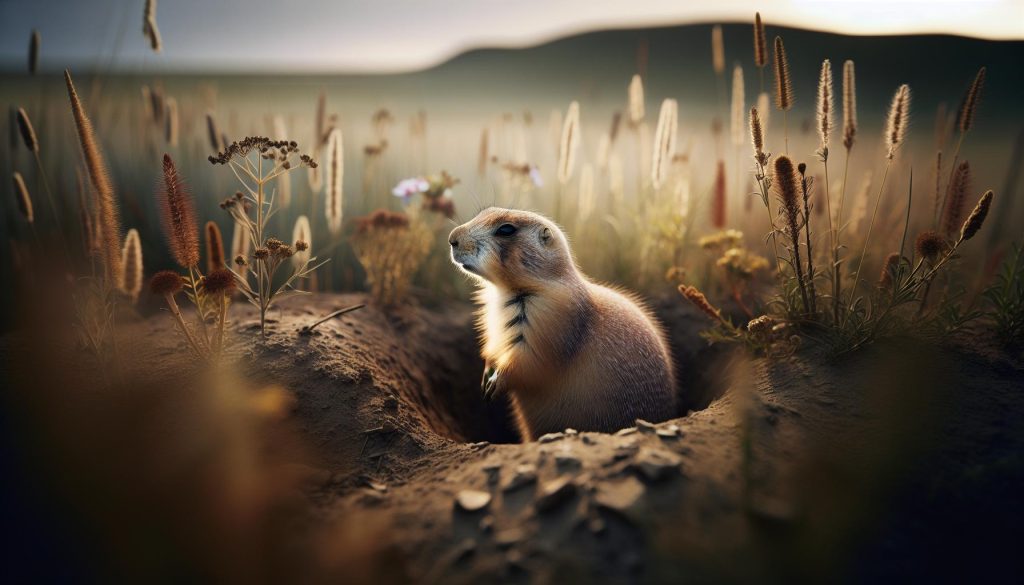
Did you know that prairie dogs are not just adorable little critters, but also vital players in their ecosystems? These small, burrowing rodents are classified as keystone species due to their significant role in maintaining the ecological balance of grasslands. Their expansive burrow systems create habitats for various other animals, while their foraging habits promote plant diversity. This introduction to the prairie dog’s ecological role will not only deepen your appreciation for these fascinating creatures but also highlight the importance of conserving their habitats. Join us as we explore the unique traits of prairie dogs, their behaviors, and the critical impact they have on their environment. Understanding this small but mighty species is essential for anyone interested in wildlife conservation and the intricate web of life in our grasslands.
Understanding Keystone Species: An Introduction to Prairie Dogs
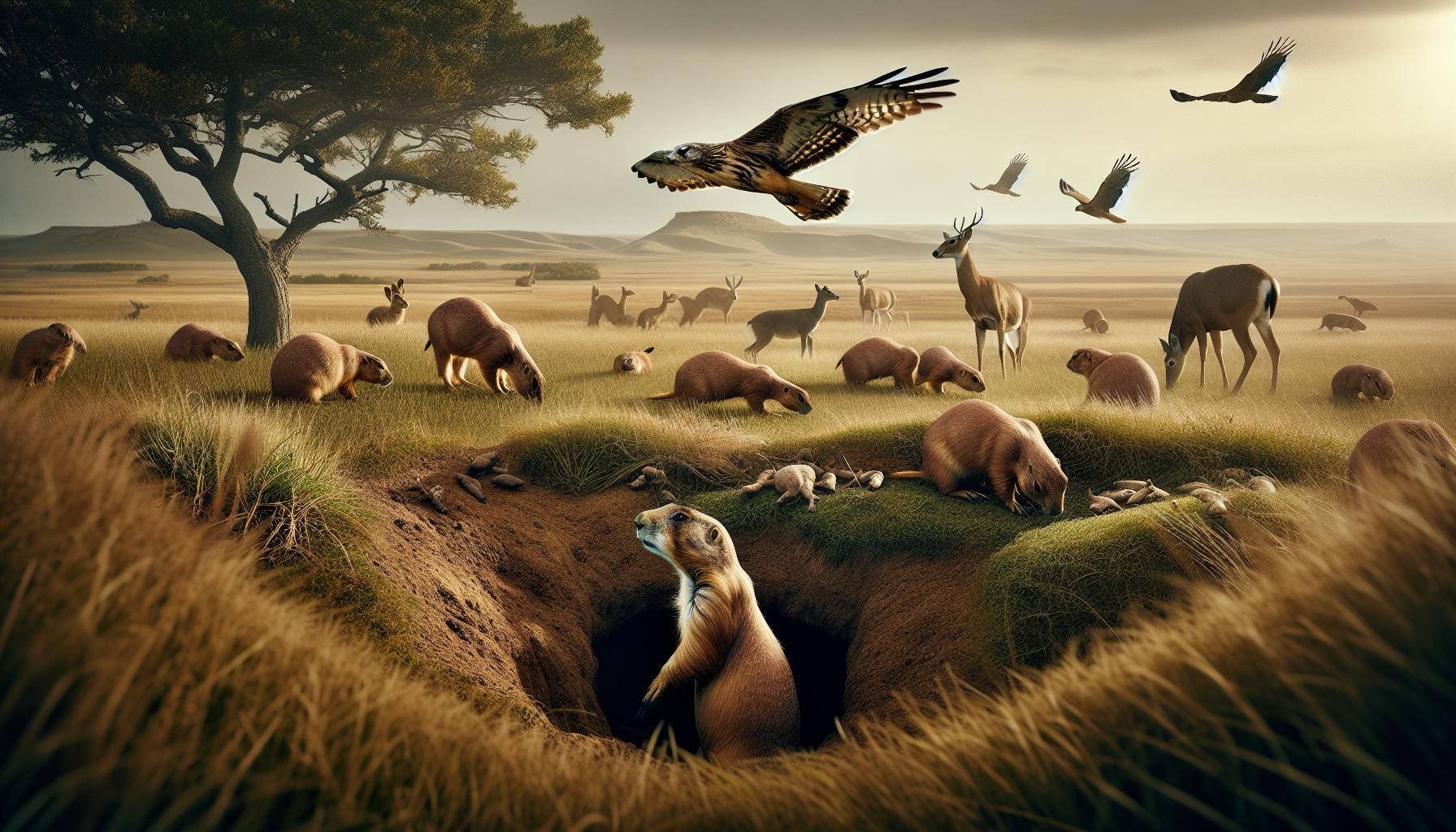
Prairie dogs, the social and intriguing inhabitants of North America’s grasslands, play a pivotal role in their ecosystems, making them exemplary keystone species. These rodent-like creatures are known for their complex burrowing systems and bustling colonies, which serve as vibrant communities not only for themselves but also for various other species. By digging extensive tunnels and creating mound systems, prairie dogs aerate the soil, facilitating water infiltration and nutrient mixing, which enhances the overall health and productivity of the grassland ecosystem.
Living in colonies, prairie dogs interact with many species. Their burrows provide vital habitats for animals like burrowing owls, rabbits, and various insects, creating a bustling web of life. Moreover, they are often seen as a food source for predators, including coyotes and hawks. This intertwines their existence with the broader food web, showcasing their essential role in maintaining the balance of grassland ecosystems. When populations of prairie dogs thrive, the benefits radiate outward, supporting biodiversity and contributing to the resilience of their environment.
In addition to their biological and ecological interactions, the social structure of prairie dogs is fascinating. They live in large family groups, known as coteries, that exhibit complex social behaviors, including vocal communications and alarm calls to warn each other of predators. Such intricate behaviors underscore their role as not just ecosystem engineers but also as highly social organisms that contribute to the ecological dynamics of their habitats.
Understanding prairie dogs’ roles is crucial as we face numerous environmental challenges, including habitat loss and climate change. The conservation of prairie dog populations and their habitats is essential, not only for their survival but also for the myriad species that depend on them. Protecting these keystone species ensures the health of the entire grassland ecosystem, highlighting the interconnectedness of wildlife and the importance of biodiversity in our natural world.
The Ecological Role of Prairie Dogs in Grasslands

In the vibrant tapestry of grassland ecosystems, prairie dogs emerge as remarkable players, architects of their environment, and essential catalysts for biodiversity. These small, sociable rodents create intricate underground burrows that not only serve as their homes but also transform the landscape. As they dig, they aerate the soil, encouraging water absorption and promoting healthy plant growth. This activity enhances the quality of the grasslands, making them more resilient and productive.
Living in expansive colonies, prairie dogs contribute significantly to the ecological dynamics of their habitats. Their burrows provide shelter for a variety of species, such as burrowing owls and various insects, fostering a rich community of life that relies on these rodents for survival. This interdependence exemplifies why prairie dogs are considered a keystone species-when their populations thrive, they create a multitude of microhabitats that support a wider range of organisms.
Moreover, the presence of prairie dogs influences the entire food web. They serve as a crucial food source for predators like coyotes, hawks, and even badgers, helping sustain the broader ecosystem. The cycling of nutrients that occurs through their foraging and living habits also supports a diverse array of plant species, further enriching their environment and maintaining the ecological balance. By understanding the ecological role of prairie dogs, we can better appreciate their invaluable contribution to grassland ecosystems and the importance of conserving their populations and habitats.
Key Behaviors That Define Prairie Dogs as Keystone Species
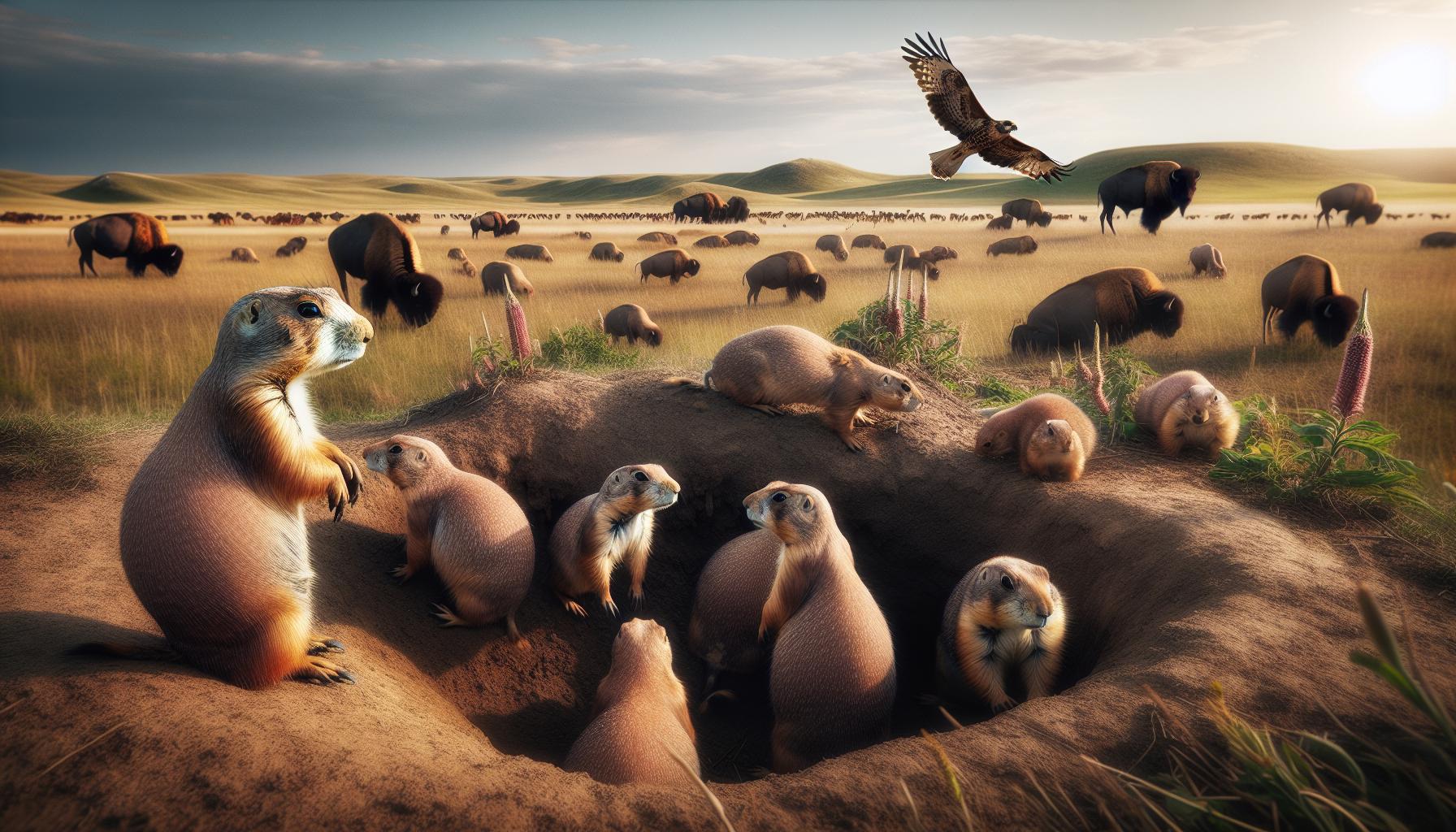
Prairie dogs are not just adorable little rodents; they exhibit a range of fascinating behaviors that solidify their status as keystone species in grassland ecosystems. One of their most notable traits is their complex social structure. Living in large colonies or “towns,” prairie dogs engage in elaborate forms of communication, including a variety of vocalizations and body language. They use chirps and barks to alert their neighbors about predators, showcasing a level of social organization that is remarkable among rodents. This vigilance contributes to the survival of many species within their community, affecting the dynamics of the entire ecosystem.
Another key behavior is their extensive burrowing activity. As they dig their intricate networks of tunnels, prairie dogs create essential habitats that benefit a plethora of other creatures. Their abandoned burrows serve as homes for animals such as burrowing owls and foxes, enhancing local biodiversity. The burrowing also aerates the soil, which aids in moisture retention and allows for richer plant life-an essential factor for many other species that depend on these plants for food and shelter. This ecosystem engineering demonstrates how the presence of prairie dogs enables a variety of life forms to flourish in the often harsh grassland environments.
Additionally, prairie dogs are known for their foraging habits. They primarily feed on grasses, herbs, and root systems, which not only supports their health but also impacts the vegetation in their habitat. This foraging behavior contributes to the health of the grasslands by promoting growth and diversity of plant species. Such actions ensure a continual cycle of nutrients that supports not only their populations but also those of numerous herbivores that rely on the same species for sustenance.
Overall, the behaviors of prairie dogs-social interaction, burrowing, and foraging-are integral to their role as keystone species. By understanding and appreciating these behaviors, we can better recognize the importance of conserving prairie dog populations and their habitats, which in turn sustains the intricate web of grassland life.
Habitat Requirements: Where Prairie Dogs Thrive
Prairie dogs are fascinating creatures that thrive in specific environmental conditions, making their habitats essential for their survival and the overall health of grassland ecosystems. These social rodents predominantly inhabit North America’s grasslands, particularly in regions of the Great Plains, where they establish intricate burrow systems in areas with a combination of shortgrass and mixed-grass prairie. This preference stems from their need for open spaces that allow them to spot predators and access food sources efficiently.
The soil composition in their chosen habitats plays a significant role in their burrowing habits. Prairie dogs prefer soil that is soft and easily diggable, which allows them to create extensive tunnels and chambers. This not only provides them with protection against predators but also contributes to soil aeration and nutrient cycling, enhancing the landscape’s overall health. Without prairie dog burrows, the soil would become compacted, which negatively affects plant growth-a critical aspect of the grassland ecosystem.
Environmental factors such as water availability and climate also influence the distribution of prairie dog colonies. They tend to thrive in areas with sufficient rainfall that supports the growth of grasses and herbs, which constitute their primary diet. Additionally, these animals need access to a diverse range of plant life to fulfill their nutritional needs. When establishing colonies, prairie dogs often choose locations near water sources, such as rivers or wetlands, where moisture contributes to lush vegetation.
Moreover, the presence of other species can enhance the habitat for prairie dogs. For instance, areas that host grazers like bison or cattle help maintain open grasslands, preventing overgrowth of shrubs and promoting a healthy balance of flora. This, in turn, supports prairie dog populations, demonstrating their interconnectedness with the ecosystem. In summary, for prairie dogs to thrive, they require specific habitat conditions characterized by open, fertile, and moist environments that allow for robust burrowing and grazing opportunities, all of which are essential for the survival of these keystone species.
The Impact of Prairie Dogs on Biodiversity
The presence of prairie dogs is crucial for maintaining biodiversity in their grassland habitats, acting as a linchpin in the complex web of ecosystem interactions. These lively rodents create extensive burrow systems that not only serve their own needs but also provide a unique habitat for a variety of other species. Their burrows help aerate the soil and promote healthy vegetation, which is essential for countless organisms, from insects to large mammals. Without prairie dogs, many of these plants and animals would struggle to survive.
One of the most significant impacts prairie dogs have is on the populations of several grassland species. For instance, their colonies provide hunting grounds for predators such as hawks, foxes, and badgers. In turn, the presence of these predators helps maintain a balanced ecosystem, controlling prey populations and ensuring resilience in the face of environmental changes. Furthermore, prairie dogs are vital to supporting a variety of scavengers, including species like the black-footed ferret that rely on prairie dogs for food. Similarly, their activity contributes to a rich habitat for various ground-nesting birds, which often find safety and resources in prairie dog colonies.
Moreover, prairie dogs play a role in fostering plant diversity. Their grazing habits can prevent certain species from dominating the landscape, promoting a wider variety of grasses and forbs. This biodiversity is crucial for maintaining healthy ecosystems that can withstand challenges like droughts or pest outbreaks. In fact, studies have shown that areas with active prairie dog colonies tend to exhibit a broader range of plant species, which supports greater overall wildlife diversity.
In summary, prairie dogs are not just charming residents of the grasslands; they are pivotal to the health and diversity of their ecosystems. Their activities create homes for other species, enhance soil health, and promote a vibrant variety of plant life that benefits the entire grassland community. Maintaining their populations is not merely about preserving one species; it’s about protecting the rich, interconnected tapestry of life that thrives alongside them.
Interactions with Other Species: Friends or Foes?
Interactions within the grassland ecosystem are often intricate and sometimes surprising, making prairie dogs an exciting species to observe. These small, social rodents are not just charming creatures darting about; they are crucial components of their habitat, and their presence can significantly affect the population dynamics of various animals-both friends and foes.
For many predators, prairie dogs serve as a pivotal source of food. Species such as hawks, eagles, coyotes, and foxes are frequent visitors to prairie dog towns, taking advantage of the abundant prey. The active colonies attract these hunters, leading to a fascinating predator-prey dynamic. When prairie dog populations are high, the predators that rely on them also thrive, creating a balance in the ecosystem. Interestingly, this relationship showcases the delicate interplay between species: an increase in prairie dog numbers can lead to a surge in predator populations, which in turn can control the prairie dog population in a cyclical fashion.
However, these interactions are not solely about predation. Prairie dog colonies also provide a multitude of benefits to other non-predatory species. The burrows they create offer shelter to ground-nesting birds, like the burrowing owl and several species of songbirds, which find safety from predators and a convenient spot to raise their young. Furthermore, prairie dogs’ grazing habits help maintain a healthy diversity of grasses and flowering plants. This creates a well-balanced environment where numerous insects and small mammals can thrive. More than just your average neighbor, prairie dogs contribute to a network of relationships that underpin the richness of the grassland ecosystem.
While prairie dogs are often seen as pests by some ranchers due to their grazing and burrowing habits, it’s essential to recognize the broader implications of their presence. Their activities can lead to localized vegetation changes that might not suit every species but ultimately promote biodiversity across the grasslands. Thus, understanding the interactions between prairie dogs and other species is vital for appreciating their role as keystone species in these ecosystems, highlighting the importance of coexistence and the intricate tapestry of life within the prairie landscape.
How Prairie Dogs Shape Their Ecosystem
Prairie dogs are often referred to as the architects of their grassland ecosystems due to the significant ways they shape and influence their environment. These social herbivores construct extensive burrow systems that create a complex underground network, providing homes not only for themselves but also offering shelter and nesting opportunities for a variety of other species. Their burrows can alter the structure of the soil, leading to increased aeration and water infiltration, which benefits plant growth and promotes healthy ecosystems.
Moreover, prairie dogs play a crucial role in maintaining the diversity of plant species in their habitat. Their grazing habits help control the growth of certain grasses, preventing any single species from dominating the landscape. This allows a mosaic of plant life to flourish, which in turn supports a rich array of herbivores and insects. For instance, by munching on the grass, they encourage the growth of wildflowers and other plants that thrive alongside them, thus enhancing floral biodiversity in the grasslands.
The impact of these rodents extends beyond the flora; they also facilitate predator-prey dynamics in their ecosystem. The presence of prairie dog colonies attracts a host of predators, including hawks, coyotes, and foxes, which rely on these colonies for a significant part of their diet. This interdependence helps maintain a balance within the ecosystem, as healthy prairie dog populations can support diverse predator populations, creating a robust ecological network.
In addition to their direct ecological roles, prairie dogs also serve as indicators of environmental health. Changes in their populations can signal shifts in the ecosystem, affecting everything from soil health to the presence of other species. Their decline may result in decreased biodiversity and altered dynamics within the grassland, illustrating just how interconnected life can be in these vibrant environments. Understanding and appreciating the pivotal role of prairie dogs can enhance our efforts in conservation and biodiversity maintenance, ensuring these keystone species continue to thrive and support the ecosystems they help shape.
Prairie Dog Colonies: The Heart of Grassland Ecology
Nestled beneath the vast grasslands of North America, prairie dog colonies serve as critical hubs for ecological activity, creating vibrant networks that support a plethora of other species. These sociable rodents, with their complex burrow systems and unique communal lifestyles, transform mere patches of earth into thriving ecosystems. Imagine a city bursting with life-each burrow is not just a home for prairie dogs but also a sanctuary for a myriad of critters, from insects to birds, all benefiting from the rich environment that these keystone species create.
The presence of a prairie dog colony can dramatically enhance biodiversity. Their burrowing activities aerate the soil and facilitate better water absorption, fostering healthier plant growth. With healthy grasses and wildflowers thriving, these colonies provide essential food sources for herbivores like deer and insects, ensuring a vibrant food web teeming with life. As prairie dogs graze, they manage vegetation, promoting a mix of plant species that in turn supports various other animals, from pollinators to seed predators.
Moreover, the colonies attract predators such as hawks and coyotes, creating a dynamic predator-prey interaction that maintains ecological balance. The establishment of prairie dog towns can lead to increased nesting sites for birds like burrowing owls, who depend on these colonies for shelter and hunting grounds. This interconnectedness illustrates not only the importance of prairie dogs as individuals but also their roles as community builders in grassland ecosystems.
Understanding the significance of prairie dog colonies allows us to appreciate how these seemingly simple rodents play a pivotal role in the wider ecological framework. Protecting their habitats and understanding their behaviors can help safeguard the rich tapestry of life that flourishes in grassland environments. By respecting and conserving prairie dogs, we support not just their survival, but the entire ecosystem that hinges on their existence, proving that in nature, every player counts, no matter how small.
Conservation Efforts: Protecting Prairie Dogs and Their Habitat
The plight of prairie dogs serves as a poignant reminder of the delicate balance within our ecosystems. These adorable rodents are not just amusing to watch; they are vital to the health of grassland habitats. However, their populations have dramatically declined due to various threats, including habitat destruction, agriculture, and extermination. What can we do to help protect prairie dogs and, by extension, the diverse ecosystems they support? Here are some exciting conservation efforts and actions you can take as an enthusiastic supporter of these keystone species.
One vital strategy for prairie dog conservation is the establishment of protected areas that preserve their habitats from development and agriculture. National parks, wildlife refuges, and conservation easements can provide safe havens where prairie dogs can thrive. Organizations like the Prairie Dog Coalition work tirelessly to advocate for policies that protect these animals, lobbying for legislative support and raising awareness about their ecological importance. By supporting such organizations, you help amplify these efforts.
Additionally, fostering community awareness and education plays a crucial role. Engaging local communities through workshops, informational booths at events, and social media campaigns can help change public perception about prairie dogs. Many people view them as pests, but showcasing their role in promoting biodiversity can shift attitudes. Use compelling visuals, like videos of prairie dogs interacting with their environment, to illustrate their importance as a species that supports many others.
As individuals, there are also practical steps you can take. You might consider funding or volunteering for local conservation projects aimed at prairie dog protection. These could include habitat restoration efforts or species monitoring programs. Even small actions, such as promoting sustainable land use practices or engaging in citizen science, can contribute to larger conservation goals.
Supporting legislation that prioritizes animal welfare and habitat protection ensures that prairie dogs and their ecosystems can thrive. By raising your voice and participating in advocacy, you can help ensure that these fascinating creatures continue to play their critical role in the land they inhabit.
The Relationship Between Prairie Dogs and Climate Change
As climate change reshapes our world, its effects ripple through ecosystems, impacting species in profound ways. Prairie dogs, as keystone species, are critical players in the grassland ecosystems, and unfortunately, they are not immune to these changes. Rising temperatures, altered precipitation patterns, and increased frequency of extreme weather events challenge their survival and the ecological roles they play.
One major concern is that climate change can disrupt the delicate balance of soil moisture, which is vital for prairie dog burrowing behaviors. These rodents dig intricate burrow systems that provide refuge from predators and harsh weather. Variations in rainfall can lead to either too much moisture, causing collapse of burrows, or droughts that dry out their food sources like grasses and clovers. As a result, prairie dog populations may decline, leading to fewer colonies and less habitat for the numerous species that depend on them, such as grassland birds, predators like coyotes, and even insects.
Furthermore, prairie dogs actually contribute to soil health through their burrowing habits, which aerate the ground and help improve water retention. If climate conditions lead to declining prairie dog populations, the soil could suffer, which in turn would affect the plant communities that are essential for other wildlife. This interconnectedness makes it crucial to understand that the fight against climate change is not just about limiting temperature rise; it’s also about protecting those species that maintain ecological integrity.
To support prairie dogs and mitigate the effects of climate change, individuals can take actionable steps. Participating in local conservation efforts, advocating for policies that address climate issues, or even engaging in restoration projects can make a significant difference. Raising awareness about the importance of prairie dogs within grassland ecosystems not only helps to protect these charming animals but also the wider community of life that thrives around them.
Observational Insights: Fun Facts About Prairie Dogs
Did you know that prairie dogs are highly social creatures with a complex communication system? These fascinating rodents use a series of barks and chirps to alert their colonies about potential predators, which can include everything from hawks to coyotes. Each type of call has a distinct meaning, allowing them to convey crucial information quickly. This advanced communication showcases their intelligence and the tight-knit nature of their communities.
Another fun fact is that prairie dogs are not just grazers; they play an essential role in their ecosystem. As they dig extensive burrows, they aerate the soil, which improves water retention and promotes the growth of grasses and other plants. This creates a healthier environment not only for themselves but also for a multitude of other species. For instance, the burrows provide shelter for many animals, including snakes, birds, and insects, forming a bustling mini-ecosystem right under our feet.
Prairie dog colonies can be massive, sometimes covering hundreds of acres. Each colony typically consists of several family groups, each with their own territories. They can have sophisticated social structures, and their relationships often resemble those seen in human societies. For example, “kissing” behavior, where two prairie dogs press their noses together, is a hallmark of bonding and social interaction.
Lastly, these energetic little critters have a surprisingly long lifespan for their size. In the wild, prairie dogs live around 3 to 5 years, but with the right conditions in captivity, they can live over a decade. This longevity provides them ample opportunity to contribute to their colonies, caring for young and maintaining the complex burrow systems that define their world.
Engaging with prairie dogs and understanding their behaviors highlights their importance as a keystone species in grassland ecosystems. They not only support their kin but also help sustain the delicate balance of life around them, making them critical to the health of their habitats.
Learn More: Resources for Prairie Dog Enthusiasts
Engaging with prairie dogs can open up a world of fascinating ecological insights. Did you know that these social rodents not only serve as a vital food source for predators but also play an essential role in maintaining the health of grassland ecosystems? If you’re looking to deepen your understanding and appreciation of these remarkable animals, there are plenty of resources to explore.
To start, consider visiting organizations like the American Prairie Dog Conservation or Defenders of Wildlife. These groups offer educational materials and advocacy programs dedicated to preserving prairie dog habitats and populations. They also provide opportunities for community involvement, whether through volunteering or participating in local conservation efforts.
Books like Prairie Dogs: Communication and Community in the Plague by John W. Laundré dive deep into the social structures and behaviors of prairie dogs, providing a thorough understanding of their ecological significance. For a lighter take, The Prairie Dog: A Stellar Rodent by Kathy R. McGowan explores their quirky behaviors and interactions in an entertaining manner.
Online platforms such as YouTube have numerous documentaries and clips showcasing prairie dog colonies in their natural habitats. They often highlight behaviors like their intricate signaling system and burrowing activities, making it easier to visualize their role within the broader ecosystem.
Additionally, local wildlife refuges and national parks offer guided tours and educational programs focused on prairie dog colonies. Engaging directly with their environments allows enthusiasts to witness these fascinating creatures first-hand, enhancing appreciation for their role as a keystone species.
By exploring these resources, you’ll gain a wealth of knowledge and insight into the ecological value of prairie dogs, making each encounter with these playful rodents even more rewarding.
Faq
markdown
Q: What are prairie dogs considered to be in ecology?
A: Prairie dogs are recognized as keystone species due to their significant impact on their ecosystem. Their burrowing activities create habitats for numerous other species, fostering biodiversity and supporting grassland health. This interconnectedness highlights their vital ecological role.

Q: How do prairie dogs affect other species in their habitat?
A: Prairie dogs directly influence their ecosystem by providing shelter for various animals, such as burrowing owls and black-footed ferrets. Their colonies also facilitate nutrient cycling in the soil, which benefits plant life and enhances overall biodiversity in grassland habitats.

Q: Why are prairie dogs classified as a keystone species?
A: Prairie dogs are classified as a keystone species because their presence and activities significantly determine the structure and function of grassland ecosystems. By creating extensive burrow systems, they influence soil composition and water retention, benefiting many other species and the ecosystem's health.

Q: What threats do prairie dogs face as keystone species?
A: Prairie dogs face threats such as habitat loss, disease, and human encroachment, impacting their populations and, consequently, the ecosystems that depend on them. Conservation efforts are crucial to protect these keystone species and maintain their ecological roles.

Q: How can preserving prairie dog populations benefit other wildlife?
A: Preserving prairie dog populations helps sustain various wildlife species that rely on their burrows for shelter and hunting grounds. This conservation signifies a broader commitment to protecting grassland ecosystems, ensuring balanced biodiversity and healthy habitats for multiple species.

Q: In what ways do prairie dogs shape their environment?
A: Prairie dogs shape their environment primarily through their burrowing habits, which aerate the soil, enhance water infiltration, and create microhabitats for diverse species. Their grazing activity also influences plant communities, maintaining grassland health and resilience.

Q: What role do prairie dogs play in maintaining the grassland ecosystem?
A: Prairie dogs play a crucial role in maintaining grassland ecosystems by acting as ecosystem engineers. Their burrows promote soil health and structure, while their feeding habits help control plant species and provide a habitat for various organisms, resulting in a balanced ecosystem.

Q: Why is it important to study prairie dog behaviors?
A: Studying prairie dog behaviors is vital for understanding their role in ecosystems and for implementing effective conservation strategies. Insights into their social structures, foraging, and interaction with other species inform ecological research and help protect both prairie dogs and their habitats.
Closing Remarks
Prairie dogs are not only adorable but also vital players in their ecosystem, earning their title as a keystone species. Their burrowing activities enhance soil health and provide habitats for numerous other species, illustrating the intricate web of life that depends on them. If you’re curious about other critical species in your area, check out our articles on the importance of bees and the role of apex predators in maintaining ecological balance.
Take action to support these fascinating creatures today! Consider joining a local conservation group or participating in wildlife observation events. Every small action contributes to their survival and the health of our natural habitats.
We hope you enjoyed this exploration into the ecology of prairie dogs! For more insightful articles, feel free to engage with our interactive content and leave your thoughts in the comments below. Stay curious and informed by signing up for our newsletter, where we share the latest in wildlife conservation and ecology!
Get our latest guides, news, and insights highlighted in your Google Search & AI Overviews.