
Prairie dogs are more than just adorable burrowing rodents; they play a critical role in their ecosystems and offer fascinating insights into animal behavior. Found primarily in North America, these social creatures live in complex underground colonies that can span vast areas. Understanding what type of animal a prairie dog is-its classification, habitat, and social structures-not only satisfies our curiosity but also highlights the importance of conservation efforts. With their vibrant communities and unique behaviors, prairie dogs remind us of the intricate connections within nature. So, whether you’re a wildlife enthusiast or simply intrigued by these charming animals, exploring their world can deepen your appreciation for biodiversity. Join us as we delve into the classification facts surrounding prairie dogs, uncovering the details that make them truly remarkable inhabitants of the prairie.
What Is a Prairie Dog? An Overview of This Fascinating Species
Prairie dogs are not just amusing little critters; they are a vital part of the ecosystems in which they live. These social, burrowing rodents belong to the Sciuridae family and are native to the grasslands of North America. Most people recognize them for their distinctive barks and communal living habits, which resemble that of a bustling small town underground. Their name comes from their habitat-open prairies-and their vocalizations, which remind early settlers of dog barks. Prairie dogs play a unique role in their environment, influencing the population dynamics of other species through their interactions and the habitats they create.
Prairie dogs are classified into five species, including the black-tailed prairie dog, which is the most common and widely recognized. These animals are adept at living in large colonies known as “towns,” which are complex systems of burrows that can span many acres. The structure of these towns is crucial not only for the prairie dogs but also for countless other species that take advantage of the burrows they dig, such as burrowing owls and several types of snakes. Their communal lifestyle fosters a sophisticated system of social interaction and communication, which includes a range of vocalizations to warn against predators and coordinate activities.
Living primarily on a diet of grasses and herbs, prairie dogs are considered herbivores. They have a unique habit of keeping their burrows neat by separating areas for sleeping, eating, and bathroom use-not unlike the organization of a human household! This instinctive tidiness not only aids their health but also contributes to the landscape of the prairie, promoting diversity by facilitating the growth of various plant species. As such, prairie dogs are often referred to as “ecosystem engineers,” showcasing their vital role in maintaining the balance of their habitats.
Their lively antics and sociable behavior make prairie dogs a curious subject for wildlife enthusiasts and casual observers alike. They are often seen standing sentinel to watch for predators or playfully chasing one another through the grass. However, these charming animals face threats from habitat loss, disease, and predation from coyotes, hawks, and other hunters. Conservation efforts are underway to ensure their survival, as these social sentinels are crucial for their ecosystem’s ecological health.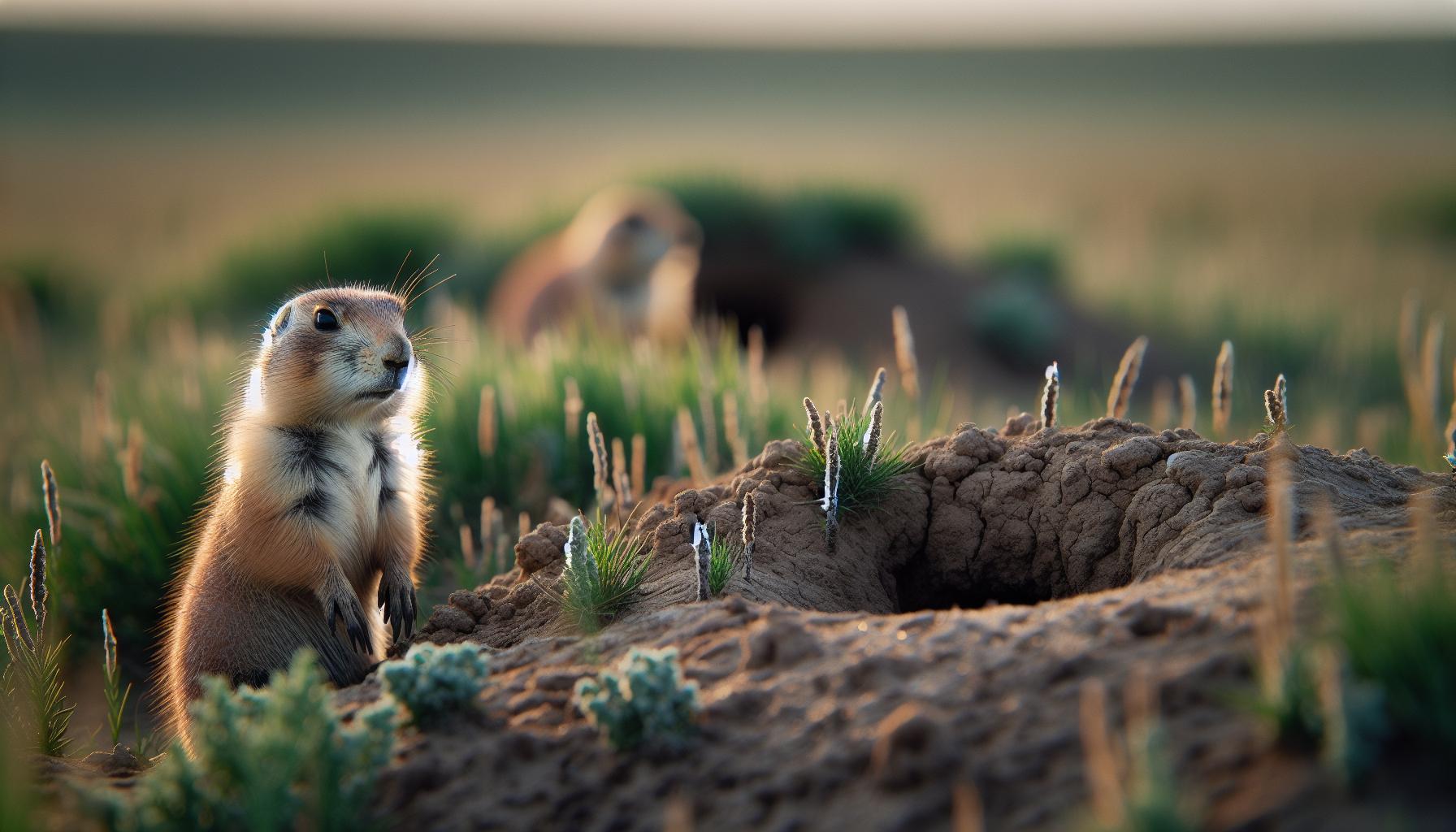
The Classification of Prairie Dogs: A Scientific Breakdown
Prairie dogs are fascinating creatures that belong to the family Sciuridae, which also includes other rodents like squirrels. Despite their name, they are not dogs at all but rather highly social and intelligent rodents. Scientific classification places them in the genus Cynomys, and there are five main species recognized today: the black-tailed prairie dog, the white-tailed prairie dog, the yellow-bellied prairie dog, the Mexican prairie dog, and the Gunnison’s prairie dog. Among these, the black-tailed prairie dog (Cynomys ludovicianus) is the most well-known, often found in large colonies that can stretch for miles across the grasslands of North America.
Each species exhibits unique behaviors and adaptations suited to their specific environments. For example, the black-tailed prairie dog thrives in the Great Plains, while the white-tailed variety is typically found in regions with more varied terrain. Prairie dogs are known for their distinctive vocalizations, which can communicate different types of dangers and coordinate group activity. Their communication system is sophisticated; research has shown that they can convey information about the size and shape of approaching predators through complex calls.
In terms of physical characteristics, prairie dogs are stocky and short-legged, with strong, curved claws that allow them to dig extensive burrow systems. These burrows provide shelter not only for the prairie dogs but also for various other species, reinforcing their role as key ecological players. The underground towns formed by these creatures are crucial for the survival of many animals, including burrowing owls and even certain species of snakes, which use the abandoned burrows as a safe haven. This interdependence illustrates how prairie dogs significantly influence the biodiversity of their habitats.
Overall, understanding the scientific classification and the unique traits of each prairie dog species enhances our appreciation of these remarkable rodents and underscores their importance within the ecosystem. Their social structure and lifestyle invite further exploration, making prairie dogs not just a subject of study but a symbol of the vibrant life found on the North American plains.
Natural Habitat: Where Do Prairie Dogs Live?
Prairie dogs thrive in the vast grasslands of North America, creating intricate burrow systems that form expansive colonies, often referred to as “towns.” These towns can encompass hundreds of acres and house thousands of individuals, showcasing the remarkable social nature of prairie dogs. The black-tailed prairie dog (Cynomys ludovicianus) is particularly known for its prairie dog towns found on the Great Plains, where they make their homes in dry, open areas such as prairies, meadows, and even some disturbed lands.
The landscape where prairie dogs live is characterized by short grasses, perfect for their foraging needs. This habitat not only supports their dietary preferences but also facilitates their burrowing lifestyle, which is essential for protection against predators and harsh weather. Prairie dogs have strong, curved claws designed for digging, allowing them to excavate deep burrows that can be up to 10 feet in depth and extend horizontally for over 30 feet. These burrows provide a network of paths and safety for the prairie dogs, while also benefiting other species such as burrowing owls, who often use abandoned burrows as nesting sites.
Different species of prairie dogs have adapted to various environments. For instance, the white-tailed prairie dog tends to inhabit areas with more rocky terrain, while the yellow-bellied prairie dog prefers the cooler temperatures of higher altitudes. Regardless of the species, their preference for open grassland areas remains consistent, as these settings offer them the visibility they need to spot approaching predators.
In conclusion, the natural habitat of prairie dogs is vital not only for their survival but also for the health of the ecosystems in which they reside. Their burrowing activities aerate the soil, promote plant growth, and their colonies create a bustling community that supports a diversity of wildlife. Therefore, understanding their habitat preferences helps us recognize the importance of conserving the grassland ecosystems that these fascinating animals call home.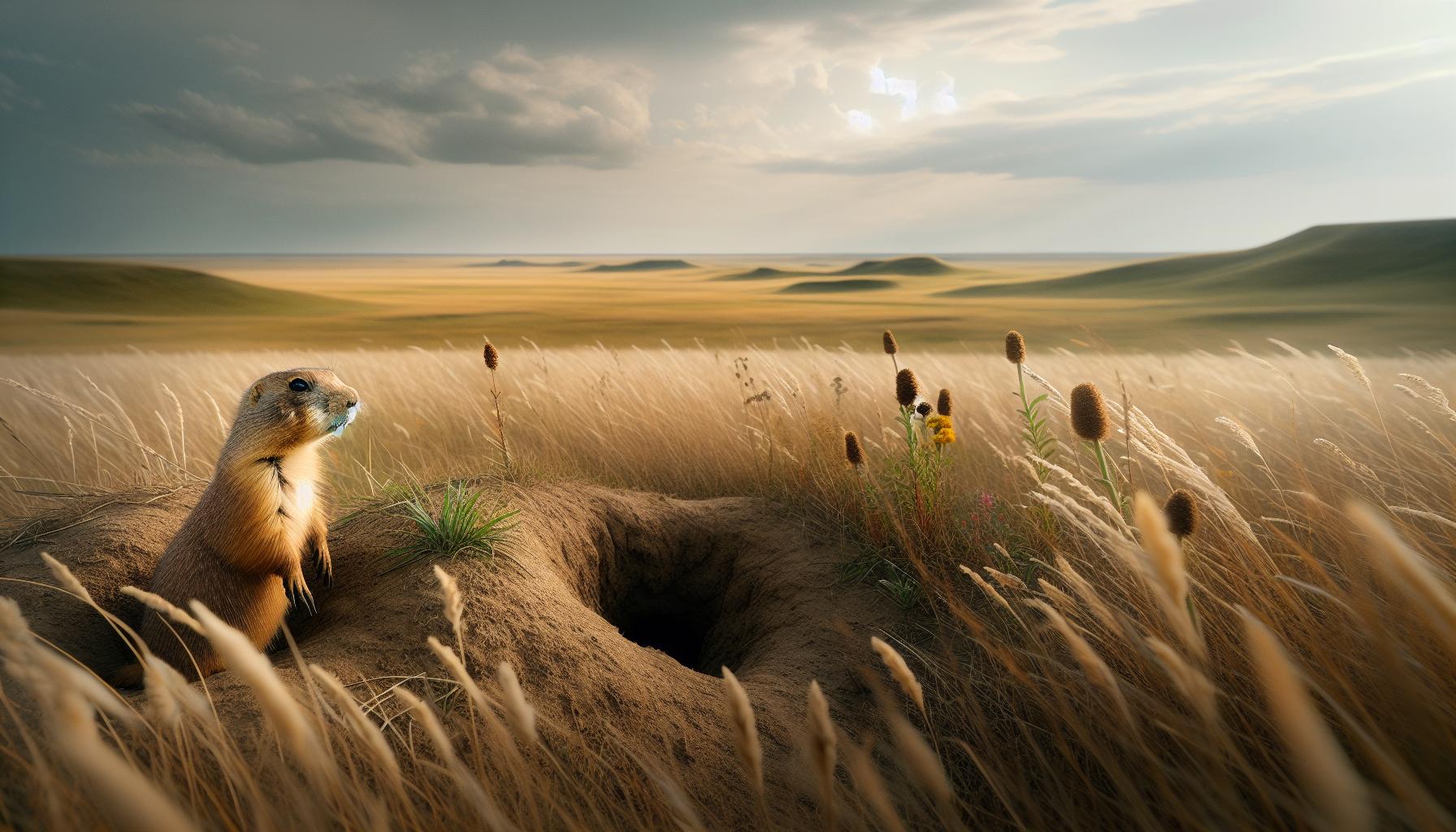
Social Behavior: The Intriguing Lives of Prairie Dog Colonies
Prairie dogs are not just adorable little creatures; they are the life of the grassland party! Living in complex social structures known as colonies or “towns,” these rodents display some of the most intriguing social behaviors in the animal kingdom. Each colony can host hundreds to thousands of prairie dogs, where they engage in a variety of social interactions and cooperative activities that reflect their strong community bonds.
One of the most fascinating aspects of prairie dog society is their communication system. They are known for having a sophisticated vocal repertoire, capable of conveying information about predators, food sources, and even the urgency of a threat. Different alarm calls alert their fellow prairie dogs to the presence of specific predators, such as hawks or coyotes, allowing them to take immediate action to ensure their safety. This level of communication indicates a high degree of intelligence and social awareness, further enhancing their survival in the wild.
Strong family ties characterize prairie dog life as well; they often live in family groups within their colonies. A typical social structure includes a dominant male, who has breeding rights, and several females, while the younger males tend to disperse to avoid inbreeding. “Kissing” is not merely a romantic behavior-adult prairie dogs often greet one another with nose touches, reinforcing social bonds and reaffirming their relationships. This behavior exemplifies the nurturing and cooperative dynamics that are crucial for the survival of their colonies.
In addition to communication and family bonds, prairie dogs are known for their altruistic behaviors. They often take turns standing as sentinels, watching out for predators while others forage or care for the young. This cooperative behavior enhances the colony’s overall safety, allowing individuals to thrive in a challenging environment. Their ability to work together and maintain complex social relationships makes prairie dogs not just a fascinating subject of study but also a prime example of community living in the animal world.
Ultimately, understanding the social behaviors of prairie dogs provides insight into the intricate web of life in grassland ecosystems. Their interactions, combined with their unique communication styles and family structures, highlight the importance of conservation efforts to protect these vibrant communities and their habitats. So, the next time you spot a prairie dog town, remember that beneath the surface, a bustling social network is at work, filled with charm and community spirit.
Diet and Feeding Habits: What Do Prairie Dogs Eat?
Prairie dogs are not only delightful to watch but also play a vital role in their ecosystems by being herbivores that primarily feast on grasses, seeds, and roots. Their diet consists mainly of the foliage from a variety of plants, reflecting their adaptability to the specific flora available in their habitats. As they dig and forage, they help maintain the health of the grasslands, promoting new grass growth which benefits not only themselves but also numerous other species in the ecosystem.
These social rodents exhibit fascinating foraging behaviors, often foraging in groups. This behavior not only enhances their safety as they can keep an eye out for predators, but it also maximizes feeding efficiency. Prairie dogs are known to consume a variety of plant materials, including:
- Grasses: Their primary food source, providing essential nutrients.
- Herbs: They enjoy a selection of broadleaf herbs that add diversity to their diet.
- Roots and bulbs: These underground parts are particularly important during dry spells when above-ground vegetation is scarce.
- Seeds: They often collect and eat seeds, especially during late summer and fall.
Beyond just their direct impact on plant life, prairie dogs’ feeding habits create opportunities for several other animals. For example, the burrows they dig while searching for food provide homes for other species, like foxes and birds, leading to a complex web of life around these social creatures.
The diet of prairie dogs highlights the significant role they play in their environment. By consuming vast amounts of vegetation, they help to aerate the soil and enable the growth of plants that are crucial for other wildlife. Understanding their feeding habits paints a clearer picture of their importance in the grassland ecosystem, allowing you to appreciate these remarkable animals even more.
Predators and Threats: Who Hunts Prairie Dogs?
Prairie dogs, with their lively antics and charming social structures, play a crucial role in their ecosystems, but their existence is not without peril. Numerous predators have evolved to take advantage of this abundant food source. From soaring hawks to cunning coyotes, these small mammals face constant threats in their open grassland habitats. Their natural instinct to burrow and live in colonies provides some protection, but it’s a delicate balance in the wild.
Major Predators
Prairie dogs are highly vigilant creatures, constantly on the lookout for danger. Their primary predators include:
- Birds of Prey: Species like golden eagles and Ferruginous hawks patrol the skies, ready to swoop down on unsuspecting prairie dogs.
- Mammalian Predators: Coyotes, badgers, and foxes are among the most effective hunters of prairie dogs, using both stealth and speed to catch them.
- Domestic Animals: In areas where humans encroach on their habitats, pets such as dogs can pose a significant threat as they chase prairie dogs into their burrows.
This predation pressure has shaped their behavior. Prairie dogs live in large colonies, often referred to as “towns,” where they benefit from the safety of numbers. When one individual detects a threat, it emits a specific alarm call, alerting others to take shelter in their burrows. This intricate communication system is a fascinating aspect of their social structure.
Human Impact
Humans have also played a role in the dynamics of prairie dog populations. While hunting and habitat destruction pose considerable threats, conservation efforts are underway in some areas to protect prairie dog towns due to their vital role in the ecosystem. For example, they are a key prey species for many predators and their burrowing activities aerate the soil, promoting plant growth.
As we appreciate the quirky lives of prairie dogs, it’s essential to acknowledge the challenges they face from both natural and human-made threats. Protecting their habitats and understanding their role in the ecosystem can ensure that these delightful creatures continue to thrive in the wild.
Conservation Status: Are Prairie Dogs Endangered?
Despite their playful nature and significant role in their ecosystems, prairie dogs face serious conservation challenges. These social animals are not currently classified as endangered; however, many populations have experienced drastic declines due to habitat loss, disease, and hunting pressures. Once sprawling across the Great Plains of North America, prairie dog colonies have been significantly reduced, primarily due to agricultural expansion and urban development which disrupt their habitats.
One of the most considerable threats to prairie dogs is bubonic plague, which has decimated populations. This disease, transmitted by fleas, can wipe out entire towns within a short period, severely impacting the local ecosystem. Furthermore, human activities – including extermination campaigns aimed at protecting livestock – have historically led to large-scale destruction of prairie dog colonies. This has not only endangered the prairie dogs themselves but also affected the myriad species that rely on them, including predators like the black-footed ferret, a species that has become critically endangered.
Conservation efforts are essential for maintaining remains of prairie dog populations. Initiatives aimed at protecting prairie dog towns have shown promise, as these colonies support various wildlife and contribute to the health of grassland ecosystems. Managing land use and implementing protective measures can assist in stabilizing prairie dog numbers. By recognizing their ecological importance and safeguarding their habitats, we can help ensure these charming creatures continue to exist, enriching our natural world for years to come.
Engaging with local conservation groups or participating in advocacy efforts can further contribute to protecting prairie dogs and their habitats. Every small effort counts in preserving the diverse ecosystems of the prairie.
Interesting Facts About Prairie Dogs: The Quirky Side of These Animals
Did you know that prairie dogs are not actually dogs at all? These charming little creatures are actually members of the rodent family and are more closely related to squirrels than to canines. Their name comes from their dog-like barks, which they use for communication within their colonies. These social animals are fascinating, exhibiting a range of quirky behaviors that make them a beloved subject for wildlife enthusiasts and researchers alike.
Prairie dogs are known for their impressive burrowing skills. Their homes, or towns, can span large areas and consist of complex tunnel systems. These burrows serve multiple purposes: they protect against predators, create a stable microclimate, and even ventilate the living spaces below ground. What’s more, these underground colonies are critical for the ecosystem, providing habitat for various other species, including burrowing owls, snakes, and foxes.
Communication is another remarkable aspect of prairie dog life. They have a sophisticated system of vocalizations that can convey warnings of specific threats, such as different types of predators. Researchers have noted that their calls can vary based on the type of danger, making their communication one of the most complex among non-human animals. This ability to transmit detailed information helps the entire colony stay alert and safe.
You’ve probably seen prairie dogs in popular culture, too. They’ve made appearances in various films and cartoons, often portrayed as lovable, chatty critters. Their unique looks and behaviors have made them a staple at wildlife parks and zoos, where they delight visitors with their playful antics. However, despite their charming presence, it’s essential to understand their role in the wild and the conservation challenges they face, ensuring that future generations can enjoy these delightful animals in their natural habitats.
The Role of Prairie Dogs in Ecosystems: Importance and Impact
Prairie dogs are not just charming creatures-they play a vital role in their ecosystems. These social rodents create extensive burrow systems that serve as homes not only for themselves but also for numerous other species. Their burrowing activity aerates the soil and promotes the growth of vegetation, benefiting the entire grassland ecosystem. In fact, the presence of prairie dog colonies can significantly enhance soil health, allowing for a greater diversity of plant species.
One of the most interesting aspects of prairie dogs’ impact is their influence on other wildlife. Many animals, such as the endangered black-footed ferret, depend on prairie dog towns as a primary food source. The dense colonies provide not only food but also shelter and hunting grounds for predators including hawks, eagles, and snakes. By maintaining their populations and burrowing behavior, prairie dogs essentially support a complex food web that relies on their activities.
Moreover, prairie dogs exhibit remarkable communication skills that foster social structure and protection within their communities. Their alarm calls alert other animals to the presence of predators, demonstrating their role as sentinels in the grasslands. This behavior not only ensures their survival but also contributes to the overall balance of the ecosystem, as other species pay attention to these alarm signals.
As you learn more about prairie dogs, you’ll discover just how interconnected their existence is with that of countless other species. Protecting prairie dogs is essential not only for their survival but also for the health of the ecosystems they inhabit. Efforts to conserve their habitats contribute to maintaining biodiversity and the ecological integrity of grassland environments, showcasing how one small species can have such a profound impact on its surroundings.
How to Care for Prairie Dogs as Pets: A Guide for Owners
Caring for prairie dogs as pets can be a rewarding experience, but it’s important to understand their unique needs and behaviors before bringing one into your home. These charming creatures are social rodents that thrive in groups, so solitary living isn’t ideal for them. If you’re considering adopting a prairie dog, aim to keep at least two together to ensure they have companionship and can express their natural social behaviors.
To create a suitable habitat, you’ll need a spacious enclosure that mimics their natural environment. A large cage is essential, allowing the prairie dogs to climb, burrow, and play. Natural materials like untreated wood for tunnels and climbing structures can encourage their instinctive activities. Make sure to provide deep bedding-such as aspen shavings or shredded paper-to let them dig. Keep in mind that prairie dogs are incredibly active, requiring plenty of exercise and mental stimulation. Setting up an area where they can safely roam outside their cage will keep them happy and healthy.
Feeding these adorable pets involves offering a balanced diet that includes high-quality hay, fresh vegetables, and specially formulated pellet food. Produce like carrots, bell peppers, and leafy greens can be offered as treats. Be cautious, however, as prairie dogs are prone to obesity, so portion control is important. Fresh water should always be available, preferably in a sipper bottle to keep it clean.
Routine veterinary care is crucial for prairie dogs to ensure they maintain good health. Regular check-ups can help catch any potential health issues early, and vaccinations may be necessary in some cases. Additionally, while prairie dogs can be affectionate and enjoy interaction, they are still wild animals at heart. Understanding their behaviors-like their communication through squeaks and barks-will enhance your relationship with them.
In summary, owning prairie dogs requires commitment and knowledge about their social needs, habitat, diet, and healthcare. When cared for properly, prairie dogs can bring joy and companionship to your home, while you gain a deeper appreciation for these remarkable creatures.
Common Myths and Misconceptions About Prairie Dogs
One captivating fact about prairie dogs is that they are not actually dogs at all! These sociable rodents belong to the family Sciuridae, which includes squirrels, not canines. This misunderstanding often leads to the misconception that prairie dogs are domesticated pets. While they share some behaviors with traditional pets, prairie dogs are wild animals that require specialized care and a proper social environment to thrive.
Another common myth is that prairie dogs are solitary creatures. In reality, they are highly social animals living in large colonies, often referred to as “towns.” These colonies can consist of hundreds to thousands of prairie dogs working together to alert each other about predators, engage in grooming behavior, and even play. Their social structure is complex, with a range of vocalizations that communicate different messages, which highlights their need for companionship and structured interactions.
Additionally, some people believe that prairie dogs are a nuisance and should be eradicated. However, these animals play a crucial role in their ecosystems. Their burrowing behavior aerates the soil, which promotes plant growth, and their existence provides habitats for numerous other species, including burrowing owls and many insects. Eliminating prairie dog populations can lead to a ripple effect that negatively impacts local wildlife and plant communities.
Lastly, it’s important to debunk the myth that prairie dogs can’t be cared for as pets. While keeping them is possible, it comes with significant responsibilities. Potential owners must understand that they thrive in groups and need large spaces to mimic their natural environments. This can include creating a spacious, stimulating habitat and ensuring regular social interaction. Without the right setup, their health and well-being can suffer, making it vital for prospective owners to educate themselves thoroughly before bringing these special creatures into their homes.
In summary, correcting these misconceptions about prairie dogs can foster a better understanding of their true nature and significance in the wild. By appreciating their role in ecosystems and recognizing their needs, we can advocate for responsible ownership and conservation efforts that benefit these fascinating animals and the environments they inhabit.
Prairie Dogs in Popular Culture: Representation in Media and Literature
Prairie dogs have captured the imagination of many and made memorable appearances in popular culture, often symbolizing the wild spirit of the American West. These charming rodents, known for their social behavior and intricate burrow systems, are featured in various media, from animated films to literature, where they are often depicted in a humorous or endearing light. Their unique characteristics and social structures lend themselves to storytelling, allowing audiences to appreciate their complex lives in a fun way that also educates about their nature.
In animated films, prairie dogs often emerge as comedic characters. A notable example is in the movie Madagascar, where a group of prairie dogs hilariously serve as a “security team” for a wildlife park. This portrayal emphasizes their alertness and social nature, albeit in a fictional and exaggerated format. Such representations not only entertain but also subtly inform viewers about prairie dogs’ communal living and their vigilance against predators in real life.
Literature also plays a key role in shaping perceptions of these animals. Children’s books frequently serve to introduce young readers to wildlife, portraying prairie dogs as playful and curious. Stories may depict prairie dogs working together to dig their burrows or calling out warnings to their friends, reinforcing their social behavior. This narrative approach helps to foster a sense of wonder about wildlife and encourages conservation by highlighting their ecological relevance.
Moreover, prairie dogs are often included in discussions about wildlife in documentaries and educational programs, shedding light on their role in maintaining healthy ecosystems. These programs feature their burrowing activities, which aerate the soil and support diverse plant and animal life. By showcasing prairie dogs in various forms of media, creators have the opportunity to raise awareness about their conservation status and the importance of protecting their habitats.
Ultimately, the representation of prairie dogs in popular culture serves both entertainment and education, allowing people of all ages to appreciate these remarkable creatures. Through humor, endearing characterizations, and factual storytelling, our cultural narratives help bridge the gap between nature and the human experience, fostering a greater respect for wildlife and an understanding of their essential roles in the ecosystem.
Q&A
Q: What is a prairie dog?
A: A prairie dog is a type of burrowing rodent belonging to the family Sciuridae. These social animals are known for their complex underground colonies, vocal communication, and vast grassland habitats across North America.
Q: Why are prairie dogs considered ecosystem engineers?
A: Prairie dogs are termed ecosystem engineers because their burrowing activities aerate the soil and create habitats for other species. Their colonies also affect plant diversity by managing vegetation through their grazing habits, benefiting the entire ecosystem.
Q: How many species of prairie dogs exist?
A: There are five recognized species of prairie dogs: the black-tailed, white-tailed, Gunnison’s, Mexican, and Utah prairie dogs. Each species exhibits unique adaptations to their specific habitats across the western United States and Mexico.
Q: What do prairie dogs eat?
A: Prairie dogs are primarily herbivorous, feeding on a variety of grasses, seeds, and other vegetation. Their diet varies depending on the season and availability of plants, highlighting their role in their ecosystem as grazers.
Q: What threats do prairie dogs face?
A: Prairie dogs face numerous threats, including habitat loss from urban development, agricultural expansion, and climate change. Additionally, they are often targeted by predators and human activities, which can significantly impact their populations.
Q: How do prairie dogs communicate?
A: Prairie dogs communicate using a sophisticated system of vocalizations, including barks and whistles. Research indicates that they have specific calls that alert their colonies to various predators, conveying information about the type and urgency of the threat.
Q: Are prairie dogs social animals?
A: Yes, prairie dogs are highly social and live in large colonies called coteries. These groups consist of interconnected burrow systems, facilitating social interactions, protection against predators, and cooperative breeding.
Q: Can prairie dogs be kept as pets?
A: While prairie dogs can be kept as pets, they require specialized care, proper housing, and social interaction. It’s essential to understand their social needs and behavioral characteristics before considering them as pets. For more details, check the section on How to Care for Prairie Dogs as Pets in our article.
Concluding Remarks
As we’ve explored, prairie dogs are not just charming burrowing animals; they play a vital role in their ecosystem and offer fascinating insights into social behavior and communication. Whether you’re interested in their habitat or their unique classification within the animal kingdom, there’s always more to discover. Want to delve deeper? Check out our article on “Wildlife Conservation Efforts” and learn how you can help protect these remarkable creatures and their habitats.
Don’t miss out on staying updated with the latest in wildlife knowledge! Subscribe to our newsletter for expert tips, engaging stories, and exciting updates. If you have questions or want to share your own prairie dog encounters, please drop a comment below. Your experiences can inspire others and help create a community of wildlife enthusiasts! Explore our related articles and continue your journey into the fascinating world of wildlife-who knows what you’ll learn next?
Get our latest guides, news, and insights highlighted in your Google Search & AI Overviews.