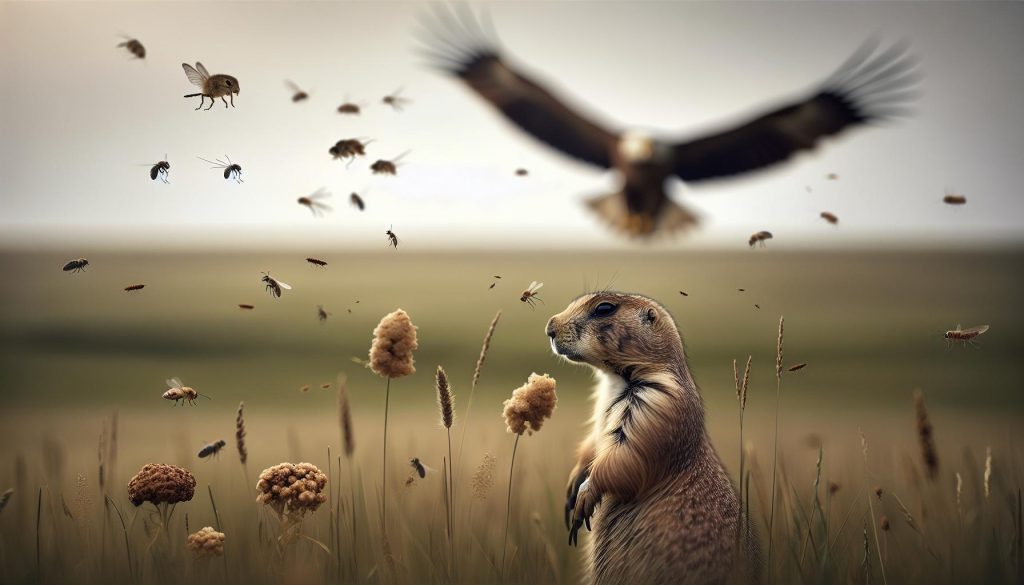
Did you know that prairie dogs are often referred to as “ecosystem engineers”? These social little creatures play a crucial role in the grassland habitats they call home, influencing the lives of many other species. But where do they fit into the food chain? Prairie dogs occupy the herbivore trophic level, grazing on grasses and plants, while also providing essential resources for predators like hawks and coyotes that rely on them for food. Understanding the trophic level of prairie dogs helps illuminate their importance not just to their own community but to the health of our grassland ecosystems. As we delve deeper into their role, you’ll discover how these small, furry animals impact the broader ecological landscape. Join us as we explore the fascinating food chain position of prairie dogs and the vital contributions they make to biodiversity and ecosystem stability.
What Are Trophic Levels and Why Do They Matter?

Understanding trophic levels is fundamental to grasping how energy flows within an ecosystem, and prairie dogs play a significant role within these levels. Trophic levels are the hierarchical layers in an ecosystem, where each level is defined by the way organisms obtain their energy. In simple terms, they categorize organisms based on their position in the food chain. The primary level consists of producers-primarily plants that convert sunlight into energy through photosynthesis. Herbivores, or primary consumers, come next, feeding directly on the producers. After that are carnivores or secondary consumers, which prey on herbivores, and then tertiary and quaternary consumers at the top, preying on other carnivores.
Prairie dogs belong to the group of herbivores-a primary consumer in their respective environments. By feeding on grasses and other vegetation, they not only sustain themselves but also play a vital role in shaping their habitat. Their burrowing activities aerate the soil and influence plant growth, creating a thriving ecosystem that supports various other species. Prairies and grasslands where these animals thrive are often rich with biodiversity, all stemming from the primary production that prairie dogs help to maintain.
Significantly, the importance of understanding trophic levels extends beyond just knowing what animals eat. It highlights the interconnectedness of living organisms within an ecosystem. When prairie dog populations fluctuate due to factors such as disease, climate change, or habitat destruction, it can create a ripple effect throughout the entire food web. This illustrates just how crucial these little critters are; they are not only critical to their immediate environment but also serve as indicators of ecosystem health. By protecting prairie dogs and their habitats, we contribute to the broader conservation of various species that rely on healthy ecosystems.
Understanding the Prairie Dog’s Role in the Ecosystem
With their charming antics and social structures, prairie dogs are more than just cute rodents; they are pivotal players in their ecosystems. These animals, classified as herbivores, occupy the primary consumer level in the food chain, feeding mainly on grasses, roots, and other vegetation. By grazing, prairie dogs help maintain the health of grasslands and promote biodiversity. Their feeding habits encourage the growth of a variety of plant species, which in turn supports a range of other organisms in the ecosystem.
The burrowing lifestyle of prairie dogs adds another layer of ecological significance. Their extensive tunnel systems aerate the soil, improving its structure and facilitating water infiltration. This natural process aids in the growth of plants, creating a lush environment not just for prairie dogs but for countless other species that rely on these habitats. From insects to larger mammals, many creatures benefit from the structure that prairie dog colonies provide. Additionally, abandoned burrows serve as homes for other animals, expanding their impact beyond just their own needs.
When we discuss the role of prairie dogs, it’s crucial to appreciate their influence on predator-prey dynamics. Their colonies attract a variety of predators, including birds of prey, coyotes, and snakes, all of which rely on prairie dogs as a food source. This relationship underscores their importance as a keystone species. By supporting predator populations, prairie dogs help regulate the dynamics of the entire ecosystem. In this way, their presence contributes to a balanced food web that sustains diverse wildlife.
Understanding the role of prairie dogs extends into the realm of ecosystem health. Fluctuations in prairie dog populations can signal shifts within the environment, indicating changes in habitat conditions, disease prevalence, or impacts from climate change. Their status as a key species means that monitoring their populations can provide insights into broader ecological trends. Protecting prairie dogs and their habitats not only preserves their charming communities but also secures a vital component of the prairie ecosystem, showcasing the interconnectedness of life.
Is the Prairie Dog a Herbivore, Carnivore, or Omnivore?
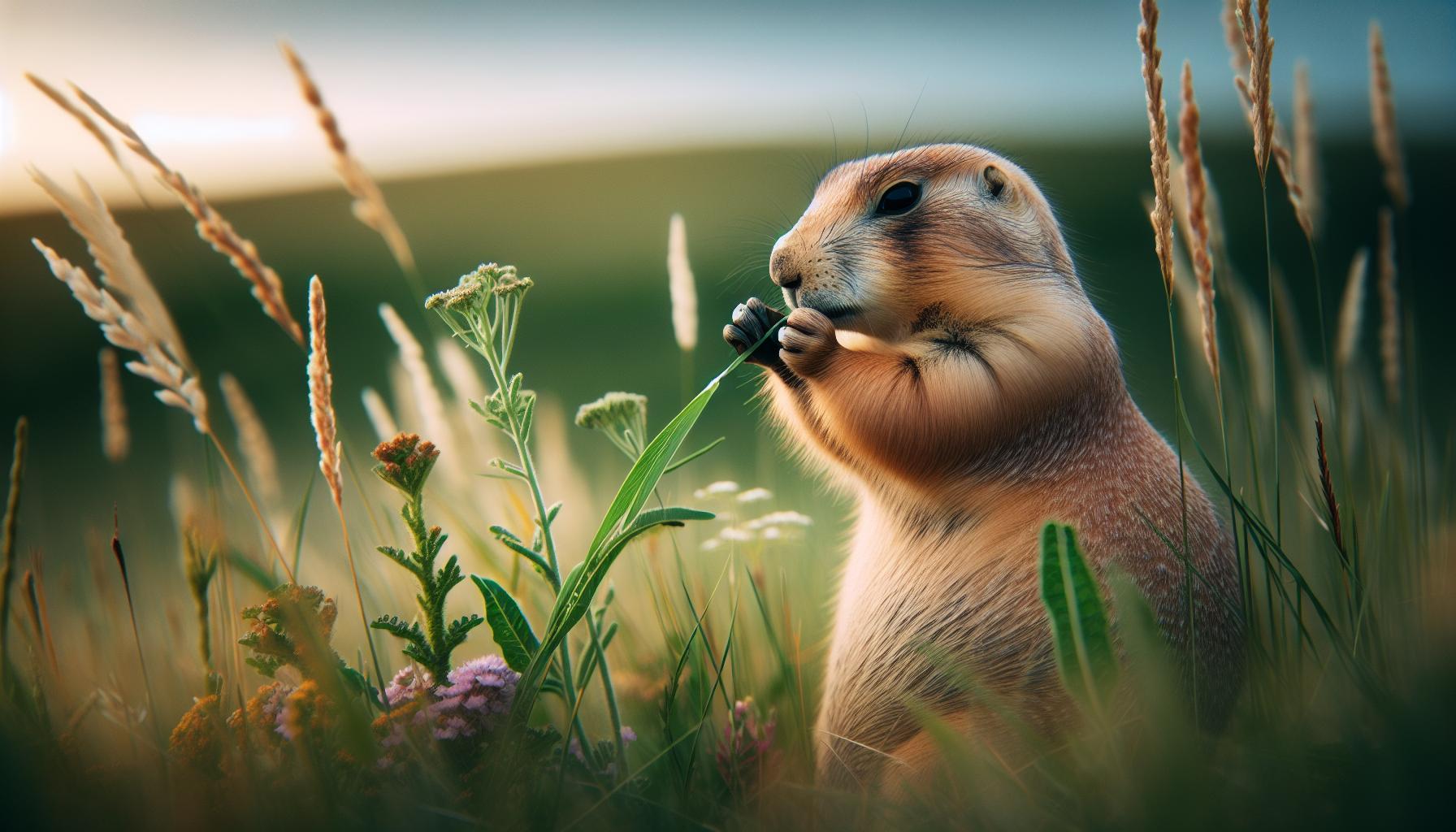
Prairie dogs are fascinating creatures that play an essential role in their ecosystems, and their dietary habits are a key part of this. As strict herbivores, prairie dogs primarily feed on a variety of grasses, roots, and other vegetation found in their habitats. This diet places them at the primary consumer level of the food chain, which means they are vital to the energy transfer from producers-plants-and to higher trophic levels, where predators like hawks and coyotes thrive.
These social rodents have adapted to their diets remarkably well. They exhibit selective grazing behaviors, often targeting specific plant species that are high in nutritional value. This not only sustains their colonies but also promotes a balanced ecosystem. By digging up roots and clipping grass, they can encourage plant diversity, which benefits other herbivores and helps maintain the health of grasslands.
Their communal foraging also allows prairie dogs to interact with their environment in a meaningful way. For example, their grazing helps to control plant overgrowth, enabling sunlight to reach lower-growing species. This action supports a wider range of plant life and, in turn, supports a diverse array of wildlife that depends on these plants for food and shelter. When prairie dogs thrive, the ripple effects benefit many other organisms in the ecosystem, demonstrating the interconnectedness of wildlife and the importance of herbivores in maintaining ecological balance.
How Prairie Dogs Affect the Food Chain Dynamics
From the bustling grasslands of North America, prairie dogs emerge not just as charming little creatures, but as pivotal players in their ecosystems. As primary consumers, these herbivorous rodents occupy a crucial position in the food chain, influencing a diverse array of species around them. Their impact on food chain dynamics is profound-affecting both the plants they consume and the predators that rely on them for survival.
One of the most significant ways prairie dogs affect food chain dynamics is through their foraging behavior. By eating vast quantities of grasses and roots, they prevent any single plant species from dominating. This selective grazing promotes plant diversity and allows various flora to thrive, creating a richer habitat for other herbivores and insects. For example, the diverse plant life supported by prairie dog colonies offers food and shelter for countless species, from smaller herbivores like rabbits to various pollinators.
Moreover, prairie dog burrows create complex ecosystems beneath the surface. These tunnels provide shelter for many other animals, including foxes, burrowing owls, and various insects. The very act of digging and maintaining their colonies aerates the soil, helping water penetrate more deeply and encouraging the growth of root systems. This stimulates not just plant health but also attracts other wildlife, further enriching the ecosystem renowned for its biodiversity.
In a fascinating twist, prairie dogs also play a role in supporting higher trophic levels-those species that prey on them. Predators like hawks, eagles, and coyotes thrive where prairie dogs are plentiful. The abundance of these rodents can lead to increased predator populations, creating a balanced food web that relies on the interdependencies between herbivores and their predators. This intricate dance of life reinforces the idea that every player in the ecosystem, no matter how small, contributes significantly to the health and stability of their environment. By understanding their role, we can appreciate the larger picture of ecological health and the importance of conservation efforts aimed at protecting prairie dog colonies and their habitats.
The Impact of Prairie Dog Colonies on Other Species
The extensive networks of prairie dog colonies have a profound impact on their ecological surroundings, establishing a thriving community that extends well beyond their own species. By living in large, social groups, prairie dogs not only shape the landscape but also create a unique habitat that benefits numerous other animals. These bustling towns serve as a keystone species in the prairie ecosystem, and their presence can trigger a ripple effect, influencing various trophic levels.
One of the most significant effects of prairie dog colonies is their role in supporting a diverse array of wildlife. The burrows they dig not only provide essential shelter for themselves but also become homes for other species. Burrowing owls, for instance, often take advantage of abandoned prairie dog burrows, relying on these structures for nesting and protection. Similarly, the open areas created by grazing activities attract smaller herbivores like rabbits and deer, which in turn support higher-level predators, such as coyotes and hawks, enhancing the richness of the food web.
Moreover, prairie dogs play a critical role in maintaining soil health. Their burrowing behaviors aerate the soil, facilitating better water infiltration and promoting the growth of various plant species. This enhanced plant growth creates a more resilient ecosystem that can support a greater number of herbivores and insects. The plants that flourish in these enriched areas provide food sources for a range of species, illustrating how prairie dogs indirectly contribute to maintaining biodiversity.
In terms of ecosystem dynamics, the presence of prairie dog colonies can lead to significant changes in community structure. For example, these colonies can influence the distribution of other mammals by serving as both a food resource and a habitat. As such, they not only impact their immediate environment but help shape broader ecological interactions. By recognizing the critical role prairie dogs play in their ecosystems, we can better appreciate the necessary conservation efforts to protect these colonies and the myriad of species that depend on them.
Interactions Between Prairie Dogs and Predators
The prairie dog, a gregarious little creature, plays a pivotal role in the food web as both a prey and a facilitator of a diverse environment. Found in vast colonies, these quirky rodents are not just fun to watch-they are crucial for the survival of numerous predators that depend on them for food. Among the most notable predators are the iconic black-footed ferrets, hawks, and coyotes. For instance, the black-footed ferret, once teetering on the brink of extinction, relies almost exclusively on prairie dogs for sustenance, highlighting the deep interconnection within prairie ecosystems.
Predators adapt their hunting techniques to exploit the social structure of prairie dogs. Typically, prairie dogs maintain a watchful eye for danger, using distinct alarm calls to warn their kin. This vigilant behavior can sometimes help them evade predators, but it also attracts hunters like hawks who soar above, scanning the bustling colonies below for signs of movement. This dynamic creates a fascinating predator-prey relationship: while prairie dogs are inherently vulnerable, they have developed strategies to mitigate risks, such as varying their foraging patterns and maximizing the safety of their burrow systems.
Moreover, the presence of prairie dog colonies positively impacts the hunting success of various carnivores. For example, coyotes might preferentially hunt areas with high prairie dog populations, as these areas are teeming with activity and easy to access. Conversely, when prairie dog populations decline, so too does the abundance of predators, illustrating a delicate balance within this ecosystem. It’s a fine dance of survival, as each species learns to navigate the intricate relationships formed in their shared habitat.
These interactions underline the importance of conserving prairie dog colonies-not only for the prairie dogs themselves but for the entire community of wildlife that thrives around them. Protecting these social critters means ensuring food sources for their predators, which in turn helps maintain the complexity and stability of prairie ecosystems. This interconnectedness offers a beautiful reminder of nature’s intricate web, where every species, big and small, plays an essential role in the life cycle of the ecosystem.
How Climate and Habitat Influence Prairie Dog Populations
The survival and thriving of prairie dogs hinge on the delicate balance between climate and their habitats. These fascinating creatures flourish in the wide-open grasslands and plains of North America, which offer both the rich grasses they adore and a network of burrows essential for their social structure and protection. However, their populations are not static; they fluctuate dramatically due to environmental influences.
One critical factor is precipitation. Prairie dogs rely on healthy plant life, which is nourished by adequate rainfall. In drier years, when water is sparse, the grassy landscapes they inhabit can become parched and less hospitable. This not only reduces the available food sources but can also lead to a decrease in the colony’s overall health and reproduction rates. Conversely, during wetter periods, the increase in vegetation supports not just prairie dogs but a myriad of other species, enriching the entire ecosystem.
Temperature is another aspect to consider. Prairie dogs are active burrowers, and extreme temperatures can affect their behavior and survival rates. In scorching summer months, they may limit their foraging time to avoid the heat, while harsh winters can challenge their ability to find food underground. These adaptations illustrate their resilience but also highlight their reliance on suitable climate conditions to thrive.
Equally significant is habitat fragmentation caused by agriculture, urban development, and climate change. As their lush habitats shrink, prairie dog populations may struggle to find adequate space to form colonies, ultimately leading to reduced genetic diversity and increased vulnerability to predators. Thus, understanding how climate and habitat interact to influence prairie dog populations can guide conservation efforts, helping to protect not just these intriguing animals but the rich tapestry of life they support within their ecosystems.
Conservation Status of Prairie Dogs and Their Ecosystem Role
Did you know that prairie dogs play a crucial role in their ecosystems, often referred to as “ecosystem engineers”? Their burrowing behaviors not only create complex underground networks that benefit their own species but also provide refuge and homes for many other animals, including burrowing owls, snakes, and various insects. However, despite their ecological importance, prairie dog populations face significant challenges that warrant attention and conservation efforts.
In terms of conservation status, prairie dogs are classified as a species of concern in many regions. Their populations have drastically declined due to habitat loss, primarily from agricultural expansion, urban development, and the effects of climate change. These factors not only reduce their available habitats but also lead to fragmentation, making it difficult for populations to sustain themselves. Without intervention, these declines can disrupt the intricate web of life that prairie dogs support, ultimately affecting numerous other species that rely on their colonies for shelter and food.
Besides their role as prey for a variety of predators, including eagles, coyotes, and badgers, prairie dogs contribute significantly to soil health and plant diversity through their grazing and burrowing activities. Their foraging helps maintain grassland ecosystems, promoting plant growth and dispersing nutrients back into the soil. This natural cycle emphasizes the importance of maintaining healthy prairie dog populations, as their absence can lead to overgrown vegetation, loss of biodiversity, and poorer soil conditions that impact many species, including livestock and other wildlife.
Ultimately, protecting prairie dogs involves supporting conservation measures such as habitat restoration, reducing human impacts on their environments, and promoting coexistence strategies that allow agricultural and urban development while maintaining these vital populations. Engaging in awareness campaigns and supporting legislation that protects prairie dogs can also ensure that future generations will continue to benefit from their ecological contributions. Together, we can cherish and sustain these fascinating creatures and the dynamic ecosystems they help foster.
Fun Facts About Prairie Dogs and Their Behavior
Did you know that prairie dogs have a sophisticated communication system that rivals many human languages? These social mammals use a variety of barks, whistles, and growls, each carrying specific meanings. In fact, studies have shown that prairie dogs can express detailed information regarding the size, shape, and color of nearby predators, allowing them to alert their colonies in a remarkably efficient way. Their alarming calls can coordinate collective responses, demonstrating their complex social structure.
Prairie dogs are not just fascinating for their communication skills; they are incredibly social creatures. Living in vast colonies known as “coteries,” they exhibit behaviors that reflect a tight-knit community. Each prairie dog has distinct roles, including sentinels that watch for danger while others feed or care for young pups. This cooperative behavior enhances their survival chances, as individuals take turns on the lookout, ensuring the safety of the entire group.
Another intriguing aspect of prairie dogs is their burrowing habits. The intricate tunnel systems they create can stretch for miles and contain various chambers for sleeping, rearing young, and storing food. These burrows provide shelter not only for the prairie dogs but also for other species, such as burrowing owls, which benefit from the aboveground visibility prairie dog towns offer. This mutual relationship illustrates the interconnectedness of ecosystems and highlights the prairie dog’s role as an “ecosystem engineer.”
Moreover, prairie dogs are herbivores and play a significant role in the grassland ecosystem by controlling plant growth. Their grazing behaviors help maintain the health of grassland habitats, promoting biodiversity. By grazing on certain plants, they allow less dominant species to flourish, thus fostering a more diverse plant community. This biodiversity, in turn, supports a variety of wildlife, emphasizing the prairie dog’s pivotal position in the food chain.
In summary, these engaging mammals are not only entertaining to observe but also crucial to their ecosystems. Learning about prairie dogs provides insight into the delicate balance of nature and the importance of conserving such species that play vital roles in their environments. Whether you’re a seasoned wildlife enthusiast or a curious newcomer, prairie dogs offer a captivating glimpse into the complexity of life on the prairie.
Connecting Prairie Dogs to Other North American Wildlife
Prairie dogs are often considered a keystone species in North American grassland ecosystems, connecting various forms of wildlife through their presence and behaviors. These social rodents create extensive burrowing systems that not only serve as homes for themselves but also provide habitat for a myriad of other species. For example, burrowing owls, black-footed ferrets, and various small mammals take advantage of the abandoned burrows of prairie dogs, showcasing the intricate web of life supported by their colonies. The tunnels and mounds created by prairie dogs alter the landscape and provide essential shelter and hunting grounds for many predators and prey alike.
Beyond providing habitat, prairie dogs are integral to the food web as primary consumers. They graze on grasses and herbs, influencing plant community dynamics, which in turn affects other herbivores, like rabbits and deer, that share their habitat. By selectively feeding on certain plant species, they help maintain healthy ecosystems, allowing diverse plant forms to thrive and promoting a balanced environment. This grazing activity supports not only the plants but also the myriad of wildlife that depend on a rich and varied plant community for food and shelter.
Moreover, prairie dogs are themselves prey for larger mammals and birds of prey, such as coyotes, hawks, and eagles. These predators rely on prairie dogs for a substantial portion of their diet, indicating their critical role in the survival of various carnivorous species. This predator-prey relationship illustrates the direct connection prairie dogs have with other wildlife, emphasizing their importance beyond just being a charming and curious species.
In summary, the connections prairie dogs share with other North American wildlife are fundamental to the health and stability of grassland ecosystems. By facilitating habitats, influencing plant diversity, and serving as a food source for predators, these little creatures demonstrate the intricate balance of life on the prairies. Observing the interactions between prairie dogs and other wildlife not only enriches our understanding of ecosystems but also underscores the importance of conserving these vital animals.
What Can We Learn from Prairie Dogs About Ecosystems?
The prairie dog, often overlooked for its small size and playful demeanor, plays a crucial role in maintaining the health of grassland ecosystems. These social rodents are not just cute critters; they are foundational species that impact many facets of their environment. By understanding their contributions, we gain valuable insights into the dynamics of ecosystems.
One key lesson we can learn from prairie dogs is the importance of biodiversity. Their presence creates a unique habitat structure, allowing a variety of other species to thrive. For instance, when prairie dogs dig and maintain their extensive burrow systems, they create homes for numerous other species, such as burrowing owls and black-footed ferrets. This interdependence highlights how one species can support a host of others, showcasing the complexity and interconnectedness of life in grasslands.
Furthermore, prairie dogs are vital as primary consumers in the food chain. By grazing on grasses and other vegetation, they not only maintain plant diversity but also influence the broader ecosystem. Their selective feeding behavior can determine which plant species dominate an area. This, in turn, affects other herbivores, such as rabbits and deer, that rely on the same food sources. This intricate web of interactions illustrates the delicate balance of ecosystems and reminds us of the pivotal role that even the smallest species play.
In addition, the dynamics of predator-prey relationships involving prairie dogs provide insights into population regulation within ecosystems. As a primary food source for many carnivores-including coyotes and hawks-prairie dog populations can influence the success and behavior of their predators. Observing these relationships can teach us about the delicate balance of nature and the consequences that arise when one link in the chain is disrupted.
Emphasizing the need for conservation, we see that protecting prairie dogs is essential not only for their survival but also for the well-being of the entire grassland ecosystem. Their role as architects and maintainers of habitat delivers a profound lesson on the interconnectedness of life, emphasizing that conservation efforts should consider the broader ecological impacts of species on their environments. Thus, prairie dogs are a living reminder of the importance of each organism within an ecosystem and the need for thoughtful stewardship of our natural world.
FAQ
Q: What is the trophic level of a prairie dog?
A: Prairie dogs occupy the herbivore trophic level, as they primarily rely on grasses and other plants for their diet. This places them in the primary consumer category, feeding on producers in the ecosystem. Understanding their role helps illustrate the flow of energy within their habitats.
Q: How do prairie dogs fit into the food chain?
A: Prairie dogs are crucial primary consumers in the food chain. By feeding on vegetation, they transform plant energy into a form that is accessible to higher trophic levels, such as predators. Their presence supports various species, from carnivorous birds to larger mammals, highlighting their ecological importance.
Q: What animals prey on prairie dogs?
A: Prairie dogs are preyed upon by several carnivores, including foxes, coyotes, hawks, and badgers. These predators depend on prairie dogs as a significant food source, which showcases the complex interrelations within the grassland ecosystem and the role prairie dogs play in supporting wildlife.
Q: Why are prairie dogs considered a keystone species?
A: Prairie dogs are termed keystone species because their burrowing activities create habitats for numerous species while maintaining healthy grasslands. Their colonies support a rich diversity of life, affecting soil health and promoting plant growth, vital for the entire ecosystem.
Q: How do prairie dogs impact plant diversity?
A: Prairie dogs influence plant diversity by selectively feeding on certain species, preventing any one type of plant from dominating the landscape. Their grazing promotes a varied plant community, which is essential for the overall health of their grassland ecosystems.
Q: What role do prairie dogs play in soil health?
A: Prairie dogs enhance soil health through their burrowing activity, which aerates the soil and facilitates water penetration. This behavior contributes to improved nutrient cycling, helping to sustain the grassland ecosystems they inhabit.
Q: When is the best time to observe prairie dogs in their natural habitat?
A: The best time to observe prairie dogs is during spring and summer, as they are most active and visible above ground. Early mornings and late afternoons provide optimal opportunities for watching their behaviors and interactions within their colonies.
Q: How do prairie dogs communicate with each other?
A: Prairie dogs communicate through a complex system of vocalizations and body postures. They have specific calls that can indicate the presence of predators or signal other threats, demonstrating their sophisticated social structure and reliance on teamwork for survival.
Engage further by exploring the impact of prairie dog colonies on other species in your ecosystem discussions!
Concluding Remarks
As we’ve explored, prairie dogs play a vital role in their ecosystems as herbivores at the second trophic level, impacting everything from soil health to predator populations. Their fascinating social structures and behaviors are just as intriguing. If you’re curious to learn more about similar creatures, check out our articles on “The Importance of Keystone Species” and “Habitat Conservation for Grassland Wildlife.”
Don’t miss out on more enlightening wildlife insights-consider subscribing to our newsletter for the latest posts delivered straight to your inbox! Have questions or insights about prairie dogs? Share your thoughts in the comments below; we love hearing from fellow wildlife enthusiasts. Remember, the more you know about these amazing animals, the better you can help preserve their habitats and promote biodiversity!
Get our latest guides, news, and insights highlighted in your Google Search & AI Overviews.