Have you ever wondered what role prairie dogs play in their ecosystems? These fascinating creatures are more than just cute residents of the grasslands; they’re integral players within their ecological community. As herbivores, prairie dogs primarily consume grasses, seeds, and roots, fitting neatly into the trophic category that supports biodiversity. Understanding their dietary habits not only sheds light on their importance as a keystone species but also highlights the delicate balance of their habitats. By learning about how these social rodents contribute to the ecosystem, we can appreciate the broader implications for conservation efforts and the health of our grasslands. Dive into the world of prairie dogs and discover how their feeding behaviors impact the environment and other wildlife around them!
Understanding the Prairie Dog’s Role in the Ecosystem
Prairie dogs are not just adorable little creatures; they play a critical role in their ecosystem as primary consumers. These social rodents are primarily herbivorous, which means they feast on grasses, herbs, and other vegetation, making them an integral part of the food web. Their munching habits help control plant growth and maintain the health of grasslands. By selectively grazing, they ensure that more fragile plant species can thrive alongside hardier types, promoting biodiversity in their habitats.
In the grand scheme of things, prairie dogs serve as a key link between plants and higher trophic levels. By consuming vegetation, they convert plant energy into a form that can be utilized by predators, such as hawks, coyotes, and badgers. Interestingly, prairie dogs also influence their environment by creating extensive burrowing systems, which aerate the soil and help with water infiltration, further enhancing plant health and diversity. These burrows even provide shelters for other animals, showcasing their role as ecosystem engineers.
Socially, prairie dogs are fascinating creatures. They live in complex colonies called coteries, where they engage in various social behaviors including grooming, playing, and an intricate communication system using a variety of sounds to alert each other of potential threats. This social structure not only contributes to their survival but also impacts the surrounding ecosystem by fostering a community that encourages other species to thrive in their protective burrows.
Despite their small size, the presence of prairie dogs can dictate the health of entire ecosystems. A decrease in their population can lead to overgrown grasslands, reducing habitat quality for other species and affecting overall ecosystem balance. Conservation efforts to protect prairie dogs are essential, as their decline can lead to significant ecological consequences. By understanding their role as primary consumers, we can appreciate not just their charm, but their importance in maintaining the vibrancy of their habitats.
The Diet of Prairie Dogs: What Do They Eat?
Prairie dogs, those charismatic little creatures of the grasslands, have a diet that is as fascinating as their social structures. These rodents are dedicated herbivores, primarily munching on a variety of grasses and perennial herbs that thrive in their expansive habitats. Their eating habits are crucial for the health of the grasslands, as they play a significant role in controlling plant growth, allowing other species to thrive alongside the hardier grasses.
The staple of a prairie dog’s diet includes tough, grassy plants, but they are not picky eaters. Prairie dogs enjoy a diverse menu that also features:
- Forbs: These flowering plants add variety to their diet, providing essential nutrients.
- Roots: In times of scarcity, prairie dogs will dig up roots, ensuring they have enough sustenance.
- Herbaceous plants: These tender plants are preferred, especially in spring when they’re most abundant.
By grazing selectively, prairie dogs help maintain plant diversity, which in turn supports a multitude of other organisms in their ecosystem. This behavior showcases their role as ecosystem engineers. As they graze, they not only contribute to the overall health of the grasslands but also influence soil composition and structure through their burrowing activities. The burrows they construct aerate the soil, promote water infiltration, and create habitats for countless other species.
What’s more, prairie dogs are known to communicate through an elaborate system of vocalizations surrounding feeding and danger zones. This communal approach to foraging reinforces their social structure and plays a key role in their survival strategy. So, every time you spot a prairie dog popping its head above ground, it’s not just for a quick look around; it could be scanning for safety while also returning to its favorite snack! Understanding their dietary habits provides valuable insight into their role within the larger ecosystem, emphasizing the need for conservation efforts to protect these remarkable animals.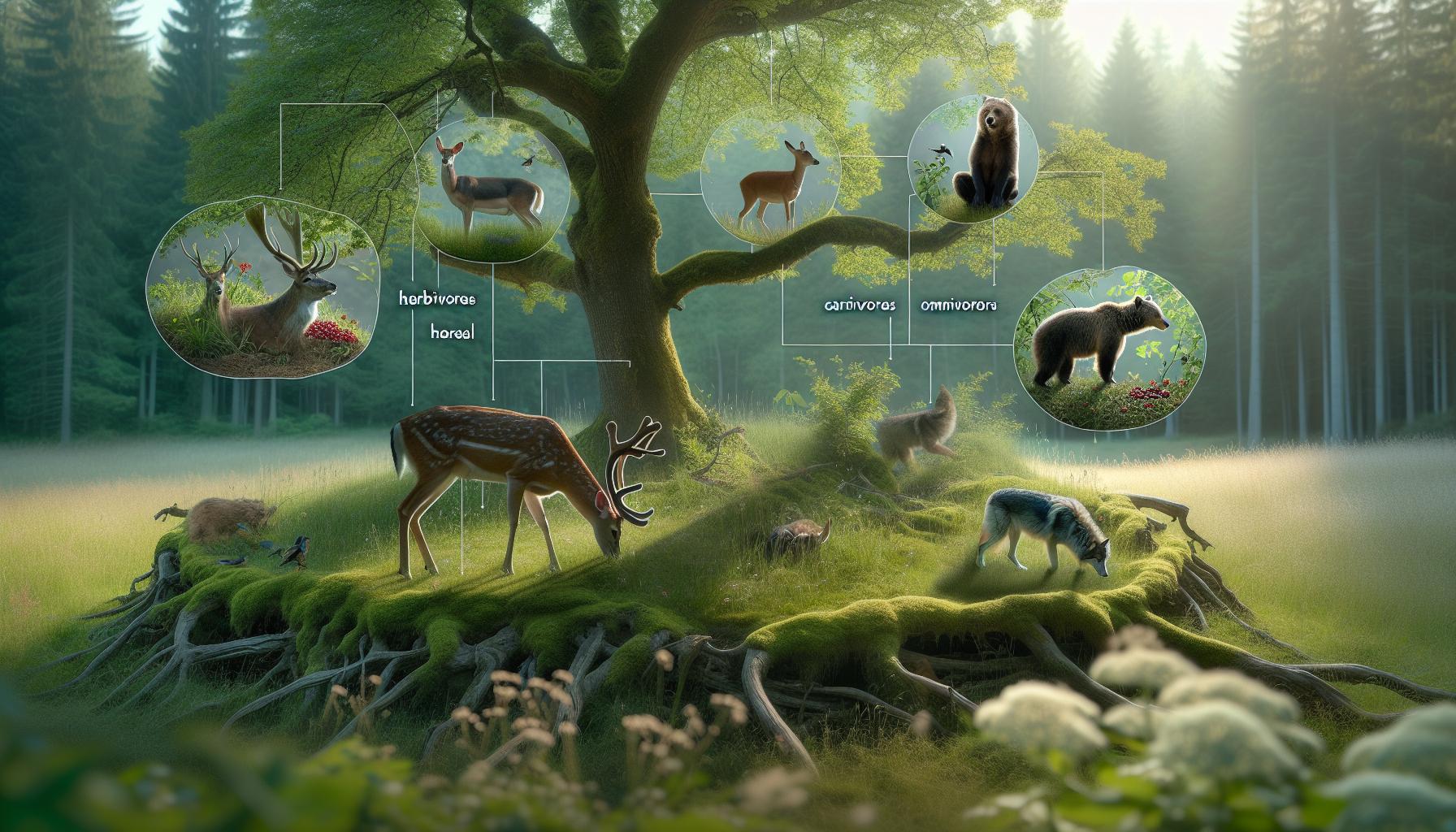
Trophic Levels Explained: Herbivores, Carnivores, and Omnivores
Prairie dogs are fascinating creatures that serve as key players in their ecosystems, primarily categorized as herbivores. They belong to the family Sciuridae and share traits with other small mammals like squirrels. Their diet consists mainly of grasses and forbs, which makes them primary consumers in the trophic hierarchy. Herbivores are pivotal because they convert plant energy into a form that’s accessible to higher trophic levels, such as carnivores, which feed on these plant-eating animals.
Understanding their role as herbivores is essential. Prairie dogs have evolved to thrive on a grassy diet, equipped with strong teeth that can handle tough plant materials. This diet not only sustains their energy needs but also serves to regulate plant growth in their habitats. By grazing, prairie dogs promote diversity in plant life, which benefits the entire grassland ecosystem. As they selectively feed, they help prevent any single species of plant from dominating the landscape, paving the way for a more resilient environment.
Additionally, prairie dogs are part of a complex food web. While they are primarily herbivores, they also contribute indirectly to carnivorous species by providing a food source. Prairie dogs’ burrows create habitats that support various organisms, including insects and other mammals, which in turn attract predators like hawks, coyotes, and badgers. Thus, even as they occupy the herbivore category, their activities and behaviors ripple through the ecosystem, supporting a wider range of life forms. By understanding this connection, wildlife enthusiasts can better appreciate the ecological significance of these charming rodents.
Social Structures and Foraging Behavior in Prairie Dogs
Prairie dogs are not just cute little burrowers; they exhibit intriguing social structures that significantly contribute to their foraging behavior. Living in complex colonies called coteries, these animals thrive within a tightly-knit social framework where cooperation and communication are key. Each prairie dog colony can consist of dozens to hundreds of individuals, often marked by intricate territorial boundaries and a hierarchy that facilitates both foraging and defense against predators.
One of the most fascinating aspects of prairie dog behavior is their vocal communication. They possess a variety of calls that convey different threats, allowing them to alert their fellow prairie dogs to the presence of predators such as hawks or coyotes. This alerting system is particularly important during foraging when individuals venture from their burrows to graze. You might see a prairie dog pop up, take a quick look around, and then give a bark that sends nearby foragers racing back to safety. In this way, their social structures enhance both their survival and their efficiency in locating food.
Foraging Behavior
Foraging in these social communities is a well-coordinated affair. Prairie dogs typically forage in groups, which not only aids in keeping an eye out for danger but also creates opportunities for learned behavior sharing. Younger prairie dogs, known as pups, often watch and mimic the more experienced foragers. While foraging, prairie dogs graze on a variety of grasses and other herbaceous plants, carefully selecting more nutritious options when available. Their preference for specific vegetation plays a pivotal role in maintaining the biodiversity of their habitat.
Additionally, they practice a behavior known as “patch foraging.” This involves selecting a small area where food is abundant and focusing their efforts there until the resources are depleted. Following this, they may move to a nearby patch to prevent overgrazing and ensure the sustainability of their food sources. Such strategic foraging behavior not only benefits the prairie dogs themselves but also helps preserve the health of the grassland ecosystem as a whole. By keeping the landscape diverse, prairie dogs support various other species that depend on this habitat for survival.
Overall, the social structures and cooperative foraging of prairie dogs present a remarkable example of how social animals can shape their environment while ensuring their own survival in a complex ecological web.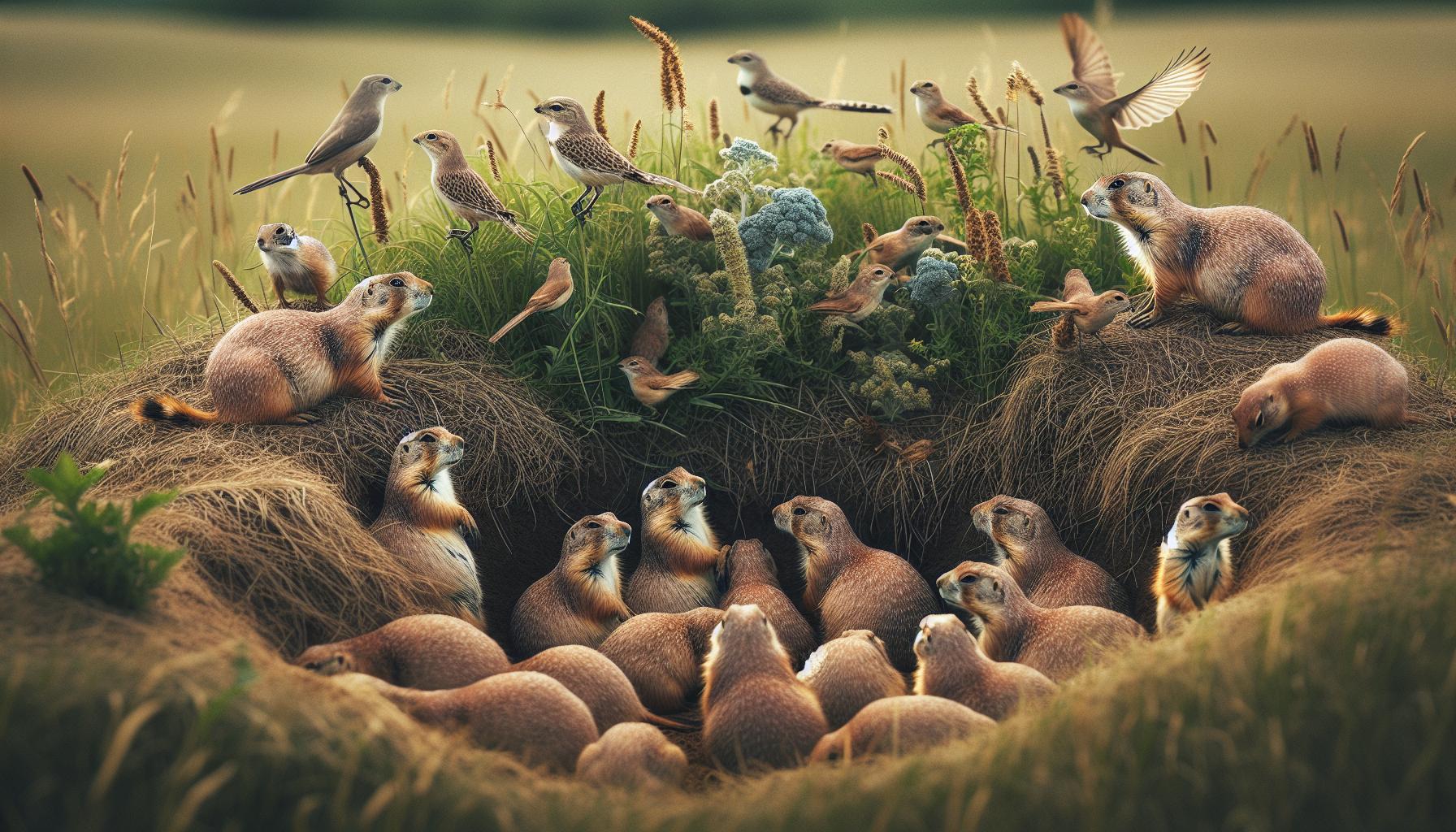
Impact of Prairie Dogs on Their Habitat and Ecosystem
Prairie dogs hold a fascinating role in their ecosystem, often referred to as a “keystone species.” Their presence and activities significantly shape their habitat, influencing not just the plant life but also the broader biological community. By digging extensive burrow systems, prairie dogs aerate the soil, allowing water and nutrients to penetrate deeper, which promotes healthier grass and plant growth. This alteration of the landscape benefits the entire ecosystem, creating a more diverse and rich environment for other species.
Moreover, prairie dogs are herbivores that primarily feed on grasses, seeds, and roots, putting them at the first trophic level of the food chain. This makes them vital contributors to the energy flow within their ecosystem. As they graze, they selectively consume certain plants, which helps maintain plant diversity and prevents any single species from dominating the landscape. This selective grazing behavior subtly encourages the growth of various plant species, fostering biodiversity that supports numerous other organisms. Various animals, including birds, burrowing owls, and even larger mammals like foxes, rely on prairie dog colonies for food or shelter, thriving in the ecosystem dynamically influenced by the prairie dogs.
The Influence on Other Species
The effects of prairie dogs extend beyond vegetation. Their regions become habitats for many other creatures. For example, the burrows they create provide shelter for animals like burrowing owls and black-footed ferrets. These predators, in turn, help manage rodent populations and maintain balance in the food web. Without prairie dogs, these associated species would struggle to find similar habitats, highlighting the interconnectedness of life within these grasslands.
Additionally, prairie dog colonies are often seen as a protectorate of their ecosystem, as their foraging and burrowing behaviors prevent a decline in plant health and productivity. This dynamic interaction showcases their crucial influence in sustaining not just their populations but that of many other organisms, making them a vital (and often underappreciated) part of the grassland ecosystem’s overall health and resilience.
Predators and Competition: Who Threatens Prairie Dogs?
The prairie dog, with its lively antics and complex social structures, finds itself in a precarious position within its ecosystem. While these charming herbivores play a crucial role as a first trophic level consumer, they also face various threats from predators and competitors. Understanding these dynamics is essential for appreciating how prairie dogs navigate their world.
Among the primary predators of prairie dogs are species such as the black-footed ferret, which has developed a specialized diet focusing almost entirely on these rodents. Additionally, coyotes, foxes, and various birds of prey-including hawks and eagles-are known to hunt prairie dogs. These predators actively stalk prairie dog colonies, taking advantage of the dense populations as an abundant food source. However, prairie dogs have evolved behaviors to mitigate these threats, such as using alarm calls to warn fellow colony members of nearby danger. These alarm systems are a testament to their complex social organization and a crucial adaptation for survival.
Competition for resources also plays a significant role in the life of prairie dogs. Other small mammals, such as competition from other rodent species or even larger animals like deer and cattle, may deplete the grasses and plants that prairie dogs rely on for sustenance. This competition can lead to overgrazing and reduction in food availability, further stressing prairie dog populations. Rainfall and habitat conditions can intensify these challenges, as droughts reduce the amount of forage available.
Understanding these threats is vital, especially in contemporary discussions about prairie dog conservation. These rodents are often seen merely as pests due to their burrowing habits and perceived impact on agricultural lands. However, preserving their populations is critical for maintaining the health of grassland ecosystems, as the absence of prairie dogs would trigger a cascade of effects detrimental to many species that depend on them. Ultimately, fostering a balance between their ecological role and the challenges they face from predators and competition is essential for sustaining both prairie dog populations and the rich biodiversity that thrives alongside them.
Conservation Status: Protecting the Prairie Dog Population
The prairie dog is a fascinating creature that not only enriches our grasslands but also plays a crucial role in the health of its ecosystem. As primary consumers, prairie dogs are vital to sustaining the balance of life in their habitats. However, their populations have faced significant declines due to habitat destruction, agricultural practices, and a general lack of awareness around their ecological importance. To effectively protect prairie dogs and ensure their continued role as dynamic influences in their environment, we must embrace conservation efforts that raise awareness and promote coexistence with these lively rodents.
In many areas, prairie dogs are viewed through a negative lens, often labeled as pests that disrupt agricultural activity. This perception overlooks the essential benefits these animals provide, like aerating the soil through their burrowing activities, which enhances nutrient cycling and supports a myriad of other grassland species. To counter the negative stereotypes, conservation initiatives must educate communities about the ecological roles prairie dogs play, particularly as a food source for a variety of predators. Engaging local stakeholders through outreach programs can foster a sense of stewardship and encourage support for protective measures.
Additionally, habitat preservation is critical. Protecting existing prairie dog colonies and establishing new ones through habitat restoration can help sustain their populations. Smart land use practices, such as implementing buffer zones around grazing lands and promoting sustainable agriculture, can minimize conflicts while supporting both wildlife and farming. Furthermore, collaborating with ranchers and farmers to develop management strategies that benefit both their livelihoods and prairie dog colonies can lead to innovative solutions, demonstrating that both interests can thrive simultaneously.
To ensure the future of prairie dogs, we must also advocate for policies that protect their habitats from urban development and industrial expansion. By supporting conservation organizations and legislation aimed at preserving grassland ecosystems, we create a more robust framework for protecting not just prairie dogs, but the entire biodiversity that depends on these unique environments. Every small effort counts, be it participating in local conservation projects or simply spreading the word about the value of prairie dogs-this collective action can help create a positive change. Remember, by protecting prairie dogs, we are not just safeguarding a species; we are taking a stand to preserve the delicate balance of our ecosystems.
The Importance of Prairie Dogs in Biodiversity
Prairie dogs, often seen scurrying in vast colonies across the plains, are more than just cute, burrowing rodents-they are a cornerstone of grassland ecosystems. These social animals play a pivotal role in maintaining biodiversity. As primary consumers, they primarily feed on grasses, herbs, and other vegetation, significantly influencing plant communities and the overall health of their habitats.
The Role of Prairie Dogs in Habitat Dynamics
By grazing on just the right amount of grass, prairie dogs help to control plant growth and promote diverse flora. This fascinating behavior keeps grasslands healthy and encourages a variety of other species to thrive. For instance, their burrowing activity aerates the soil, which improves water infiltration and nutrient cycling. In turn, this enriches the ecosystem by fostering conditions that support various organisms, from insects to larger mammals.
Research shows that prairie dog colonies can increase plant diversity by creating a mosaic of vegetation types within their habitat. This variation supports not only their own dietary needs but also those of other herbivores, such as deer and elk, leading to a rich tapestry of life. A single thriving prairie dog town can create a habitat for over 100 other species, including birds, small mammals, and reptiles, all of which depend on the unique environment fostered by their presence.
Additionally, prairie dogs are essential prey for a variety of predators, including eagles, hawks, and coyotes, forming a crucial link in the food web. Their abundance directly supports these higher trophic levels, contributing to a balanced ecosystem.
By safeguarding prairie dog populations through responsible land management and conservation efforts, we help preserve the intricate web of life they support. This not only benefits wildlife but also enriches our natural landscapes, making habitats vibrant and sustainable for generations to come. Embracing their role in biodiversity reminds us that every species, no matter how small, contributes significantly to the health of our planet.
Comparative Analysis: Prairie Dogs vs. Other Small Mammals
Prairie dogs, with their lively antics and complex social structures, offer a fascinating contrast to other small mammals in their ecosystems. As herbivores, they primarily consume grasses and forbs, making them primary consumers and essential players in the food web. This dietary preference allows them to shape their environment significantly, unlike other small mammals such as squirrels or rabbits, which may have broader diets or differing foraging strategies. For example, while eastern gray squirrels are known for their omnivorous tendencies, devouring nuts, seeds, and even insects, prairie dogs stick primarily to plant matter, making them specialists within their niche.
Each species of small mammal contributes differently to their habitats. In the case of prairie dogs, their grazing helps to maintain grassland health by preventing overgrowth, which promotes a variety of plant species. This is in stark contrast to voles, which tend to create dense patches of vegetation through their feeding habits, potentially leading to localized depletion of resources. The burrowing behavior of prairie dogs also aerates the soil and facilitates water infiltration, benefiting not just themselves but a host of other organisms in their ecosystem. Their colonies can support a diverse range of wildlife, demonstrating how their role extends beyond mere consumption and into habitat modification.
Another notable comparison lies in their social structures. Prairie dogs are highly social and live in complex colonies with intricate communication systems, using various vocalizations and physical signals to warn of predators. This communal lifestyle is quite different from the solitary nature of many other small mammals, such as shrews or moles, which tend to forage alone and have less social interaction. This social aspect not only enhances their survival through collective vigilance but also enriches the ecological dynamics of their habitats.
Understanding these differences highlights the importance of prairie dogs as a keystone species in their ecosystems. Their unique way of life significantly impacts not just their own survival but that of numerous other species, making their conservation critical for maintaining the health and biodiversity of grassland environments.
Fascinating Facts About Prairie Dogs You Didn’t Know
Did you know that prairie dogs are not just adorable rodents, but also play a crucial role in their grassland ecosystems? As herbivores, they stick primarily to a diet filled with grasses and forbs, categorizing them as primary consumers in the food web. This specialization in plant matter enables them to thrive in their native habitats, but it also means they contribute significantly to the health and diversity of those ecosystems.
One fascinating aspect of prairie dogs is their deep burrowing behavior. These burrows do more than just provide a home; they also create a network that helps aerate the soil, allowing for better water absorption and root penetration for other plants. This nutrient-friendly environment promotes a greater variety of plant species, which in turn supports a richer array of wildlife. Their colonies can even affect local climate conditions by influencing soil moisture levels and temperature.
Another intriguing fact is how social these animals are. Prairie dogs are known for their complex social structures and communication methods, which include a variety of vocalizations that alert colony members to danger. This level of social interaction not only increases their chances of survival against predators but also enriches their ecosystem by fostering community behaviors that benefit their entire colony. Their interactions create a vibrant social dynamic that enhances the biodiversity of their surroundings.
Ultimately, prairie dogs serve as a keystone species; they affect many aspects of their environment. They provide habitats for other animals, and their feeding habits help maintain the balance of the ecosystems in which they live. Protecting these creatures is essential, not just for their own species, but for the many life forms that benefit from their presence. By supporting prairie dogs, we ensure the health of grasslands and the biodiversity they harbor.
How Prairie Dogs Influence Soil and Plant Health
Prairie dogs are more than just charming burrowing rodents; they play an essential role in promoting soil and plant health in their ecosystems. By excavating extensive tunnel systems, these animals aerate the soil, which enhances its structure and facilitates better water infiltration. This aeration effect allows for deeper root penetration and increases the moisture retention capacity of the soil, creating a healthier environment for various plant species to thrive.
Their foraging behavior also significantly impacts vegetation. As herbivores, prairie dogs primarily consume grasses and forbs, selectively grazing on certain plants while avoiding others. This selective eating can prevent any single species from dominating the landscape, thereby promoting plant diversity. The resulting varied plant community is beneficial; it supports a wide range of wildlife, helps stabilize soil through root systems, and contributes to the overall health of the grassland ecosystem.
Moreover, prairie dogs’ burrowing activities create microhabitats. These burrows not only provide shelter for prairie dogs themselves but also offer refuge for over 100 other species, including burrowing owls, foxes, and various insects. This interaction boosts the biodiversity of the area, ultimately making the ecosystem more resilient to environmental changes.
When considering conservation efforts for prairie dogs, it becomes clear that protecting their populations is crucial, not just for their survival but for safeguarding the health of entire grassland habitats. Ensuring that prairie dogs thrive contributes to the vitality and balance of ecosystems, reaffirming their role as a keystone species.
The Relationship Between Prairie Dogs and Human Activity
Prairie dogs, while celebrated for their charismatic nature, have a complex relationship with human activity that significantly influences their survival and ecosystem roles. As herbivores primarily consuming grasses and forbs, they play a critical part in the grassland food web, which can be affected by human interaction in both positive and negative ways. For instance, agricultural expansion often leads to habitat destruction, threatening prairie dog populations and reducing their foraging grounds. Farming practices that involve plowing and pesticide use can have detrimental impacts, diminishing not just prairie dog habitats but also the broader ecosystem that depends on these burrowing rodents.
However, humans can also create conditions that benefit prairie dogs. Conservation initiatives aimed at restoring natural habitats often include efforts to maintain prairie dog colonies. These colonies enhance local biodiversity, supporting a variety of species that rely on the burrows for shelter. By promoting land management practices that conserve prairie dog habitats-such as prairie restoration and controlled grazing-humans can play a role in sustaining this keystone species and the larger ecosystem.
To further intertwine prairie dogs with human activity, some recreational hunting of prairie dogs occurs, often in areas where populations have grown significantly. While regulated hunting can help control populations in certain contexts, it’s essential to approach this practice with responsibility and sustainability in mind. Ethical hunting guidelines and regulations are crucial to ensure that prairie dog populations remain viable and the ecological balance is maintained.
In summary, the relationship between prairie dogs and humans is multifaceted. While human activities can threaten their habitats, responsible management and conservation efforts can enhance their survival. Understanding our role in this dynamic is vital, as prairie dogs not only contribute to biodiversity but are also indicators of the health of grassland ecosystems. By fostering a respectful relationship with these creatures, we can ensure their continued existence, enriching our landscapes and maintaining the ecological balance crucial to all life forms.
Frequently asked questions
Q: What is the trophic classification of prairie dogs?
A: Prairie dogs are classified as herbivores, which makes them primary consumers in their ecosystem. They primarily feed on grasses, seeds, and roots, playing a crucial role in the balance of their habitats.
Q: How do prairie dogs impact their ecosystem as herbivores?
A: As herbivores, prairie dogs significantly influence their ecosystem by shaping vegetation patterns and promoting plant diversity. Their burrowing activities also aerate the soil, which improves soil health and benefits other species.
Q: What are the key dietary needs of prairie dogs?
A: Prairie dogs require a diet rich in grasses and clover, providing essential nutrients. Their foraging behavior supports their health and helps maintain the grassland ecosystem, making them integral to their habitats.
Q: What role do prairie dogs play in the food web?
A: Prairie dogs serve as primary consumers in the food web, directly influencing plant populations. Additionally, they are a food source for predators, thereby connecting various trophic levels and maintaining ecological balance.
Q: How do prairie dogs contribute to biodiversity?
A: Prairie dogs enhance biodiversity by creating habitats for other species through their burrowing activities. These burrows provide shelter for various animals, supporting a diverse community within the grassland ecosystem.
Q: Why are prairie dogs considered a keystone species?
A: Prairie dogs are considered a keystone species because their activities, such as grazing and burrowing, have a disproportionate impact on the environment, supporting other wildlife and influencing the structure of the grassland ecosystem.
Q: What adaptations help prairie dogs thrive as consumers?
A: Prairie dogs have adaptations such as a strong jaw for chewing tough grasses and excellent hearing to detect predators. These traits allow them to be efficient foragers and enhance their survival in the wild.
Q: How does the social structure of prairie dogs affect their foraging?
A: The social structure of prairie dogs, which includes living in colonies, enhances foraging efficiency. By working together to locate food and alerting each other to predators, prairie dogs maximize their foraging success and survival rates.
Final Thoughts
Now that you know the prairie dog’s role as a herbivorous consumer in the ecosystem, you can appreciate the vital balance they maintain in grassland habitats. Their grazing habits not only affect the vegetation around them but also create a home for other wildlife. If you found this topic enlightening, don’t miss our articles on the ecological impact of other small mammals and the importance of biodiversity. Be sure to check out “The Role of Herbivores in Ecosystems” and “Grassland Ecology: The Importance of Prairie Species.”
Join our community by signing up for our newsletter, where you can stay informed about fascinating wildlife facts and conservation efforts. Share your thoughts and questions in the comments section below-what surprised you most about prairie dogs? Exploring these unique creatures can enrich your understanding of nature, so venture further into our site for more captivating insights. Remember, the more you learn, the more you contribute to wildlife awareness and conservation!
Get our latest guides, news, and insights highlighted in your Google Search & AI Overviews.